This Free 2-Day North Carolina Festival Turns Labor Day Weekend Into A Celebration Of African American Culture
Labor Day weekend usually signals the unofficial end of summer.
In Raleigh, it also carries something much bigger.
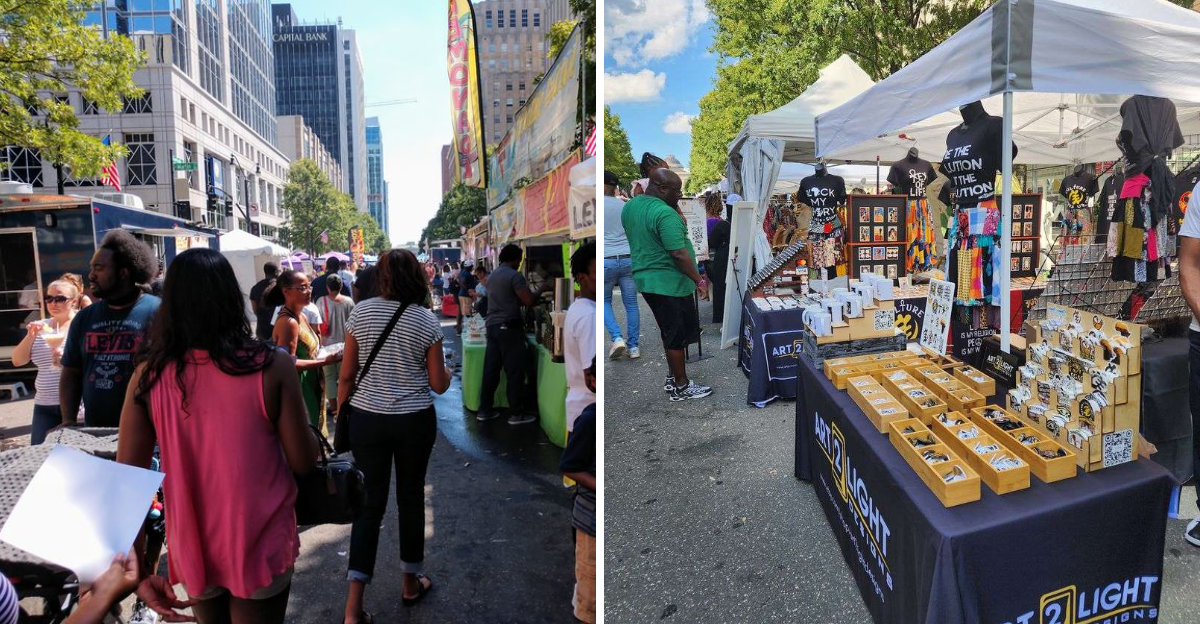
On September 5 and 6, 2026, Fayetteville Street will become the setting for two days devoted to African American art, music, culture, and community during the 17th annual celebration.
Since 2010, this North Carolina tradition has made Labor Day weekend about more than one last summer outing. Thousands of people now gather downtown to celebrate creativity, history, and the cultural contributions of African American communities across Raleigh and Wake County.
What began with more than 15,000 attendees has grown into one of the city’s signature gatherings.
The street festival remains completely free, which makes dropping in for part of the day just as easy as staying for hours.
While plenty of people will spend Labor Day weekend grilling or squeezing in one final trip, Raleigh will be doing something different.
Here, the holiday becomes a celebration of culture, community, and stories worth carrying forward.
Two Free Days Turn Downtown Into A Huge Cultural Celebration
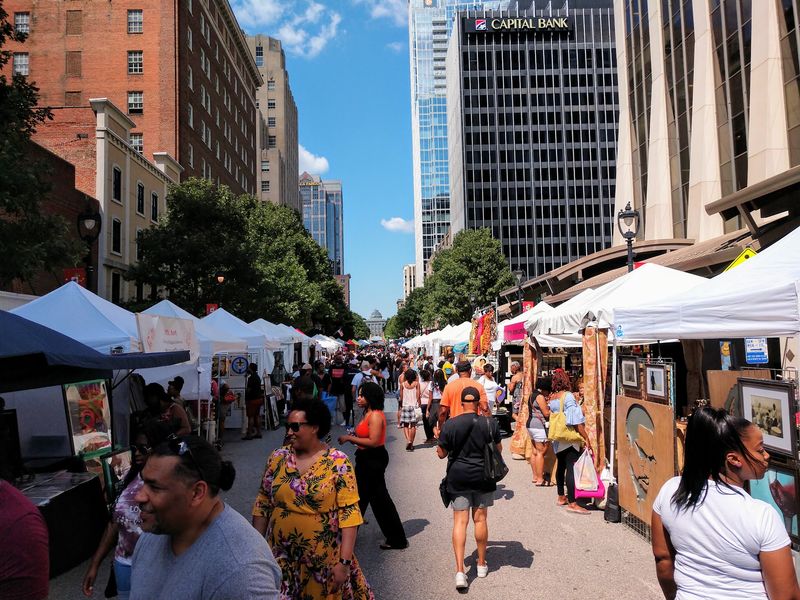
Labor Day weekend gives Raleigh’s Fayetteville Street district a completely different purpose on September 5 and 6. Closed portions of downtown become pedestrian festival space as visitors move between entertainment, artwork, vendors, food, and family programming.
The festival is free and open to the public, continuing a tradition that began with the first AACF in September 2010. The main downtown footprint centers on the 400 block of Fayetteville Street, with Martin, Davie, and Hargett among the nearby side streets incorporated into the event area.
Accessible street-level activities make up much of the festival, and information booths provide schedules and directions once visitors arrive.
Nearby parking decks include Alexander Square, Charter Square, Convention Center Underground, and Moore Square, while weekend street parking around the footprint is free.
The 2026 event brings the celebration back for its 17th year, with music and visual art sharing the weekend with dance, theatre, vendors, and community programs.
Raleigh, North Carolina’s official visitor guide also lists separately ticketed concerts at the Martin Marietta Center for the Performing Arts alongside the free festival on Fayetteville Street.
More Than 100 Artists, Makers, And Vendors Fill The Festival Footprint
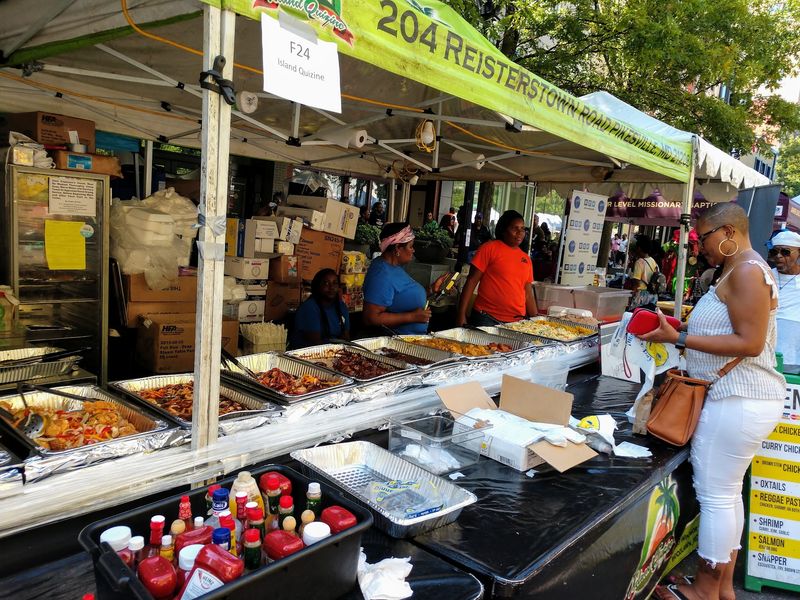
Shopping here goes well beyond the kind of souvenir table found at a typical street fair. The AACF Vendor Marketplace brings independent businesses into the center of the celebration with clothing, jewelry, accessories, books, artwork, home goods, and other merchandise.
Black memorabilia and Greek organization items have also been part of the marketplace mix, alongside beauty products and handmade goods. The festival has a long history of giving artists and entrepreneurs substantial space.
Its 2019 edition included 90 juried artists and merchandise vendors, while a 2026 festival listing projects around 100 exhibitors across the event.
That makes browsing less of a quick walk between performances and more of an attraction in its own right.
Many sellers are local business owners, so purchases can connect visitors directly with artists and entrepreneurs from Raleigh and the surrounding region. The range helps keep the marketplace interesting even for people who arrive without plans to shop.
A painting can lead into a table of handmade accessories, while books and culturally focused merchandise take the experience in another direction a few steps later.
Live Music Keeps Multiple Stages Busy Throughout The Weekend
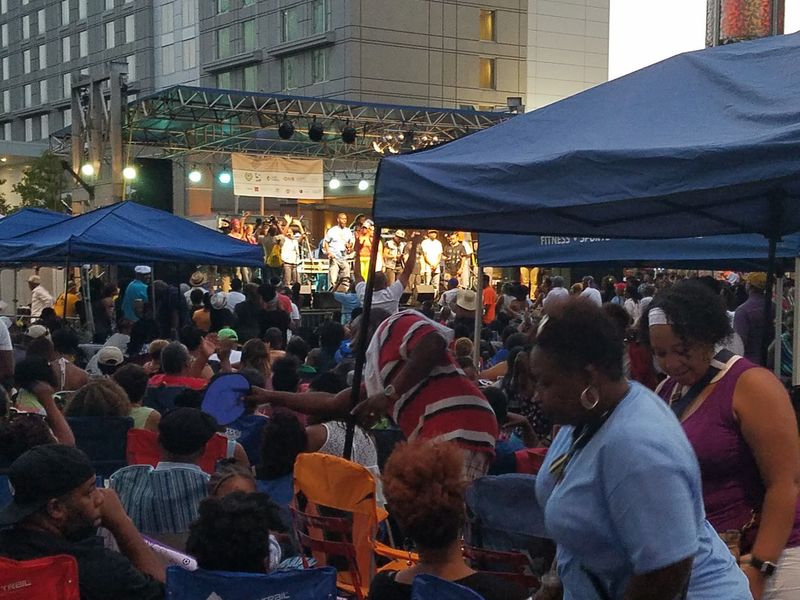
Music remains one of the biggest reasons crowds gather around Fayetteville Street. The 2026 lineup includes Kindred The Family Soul, DJ Skillz, Kim Person, Sumthin 4 Tha People, Major League Band, and DJ Brian Dawson, giving this year’s program a mix of singers, bands, and DJs.
The festival has always used performance to show the range within African American arts rather than building the weekend around a single musical style.
Local talent shares the event with nationally recognized performers, while dance and other live arts broaden what visitors can see between musical sets.
The downtown setting changes the experience as the day progresses. Afternoon performances unfold with the marketplace and family areas operating nearby, while evening sets draw larger crowds toward the entertainment areas.
The festival’s accessibility information notes that the Main Stage area can become particularly crowded after 4 p.m., which makes earlier arrival useful for anyone who wants more room to settle in.
With programming spread across two days, there is no need to build an entire visit around one act.
Music becomes part of the rhythm of exploring the festival itself. The African American Cultural Festival Of Raleigh And Wake County, 5 W Hargett St #310 can be found here.
Dance And Theatre Bring Even More Energy Beyond The Concerts
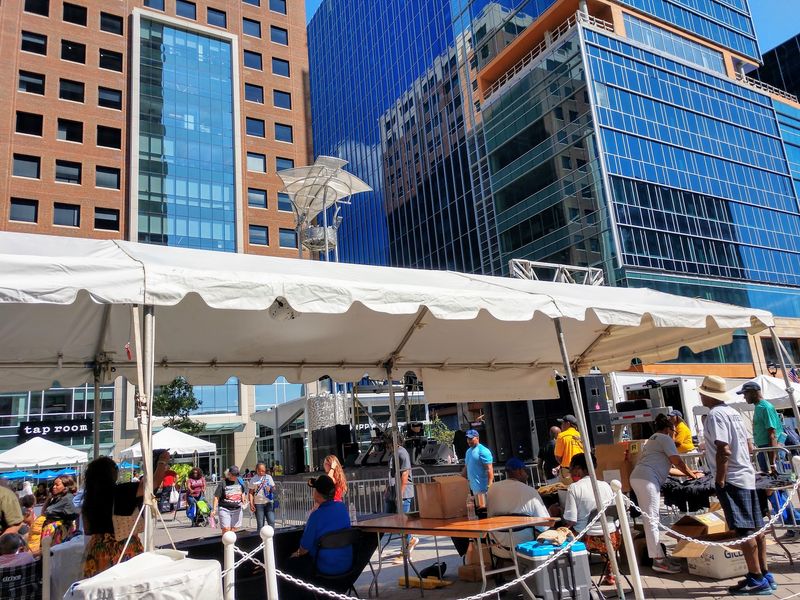
Not everything happening downtown is meant to be watched from a distance. The Village Tent on Hargett Street was created as an interactive learning space where visitors can connect more directly with African and African American artistic traditions.
Its programming has included African drumming, storytelling, quilt presentations, poetry, movement, and dance instruction. Capital City Steppers has been among the groups featured in the space, while previous workshops have introduced visitors to African drumming techniques and other creative forms.
The festival’s broader mission includes theatre and dance alongside music and visual art, so the weekend continually shifts between performance and participation. That variety is especially useful during a long festival day.
A visitor can spend part of the afternoon near a major musical performance and then move toward a smaller workshop where the focus becomes learning rather than simply watching.
The Village Tent has historically operated throughout both festival days, giving the cultural programming a more intimate counterpart to the larger entertainment areas.
Instead of reducing African American culture to a concert lineup, AACF creates room for traditions that are shared through movement, stories, craft, and direct participation.
Visual Art Gives Visitors Plenty To Explore Between Performances
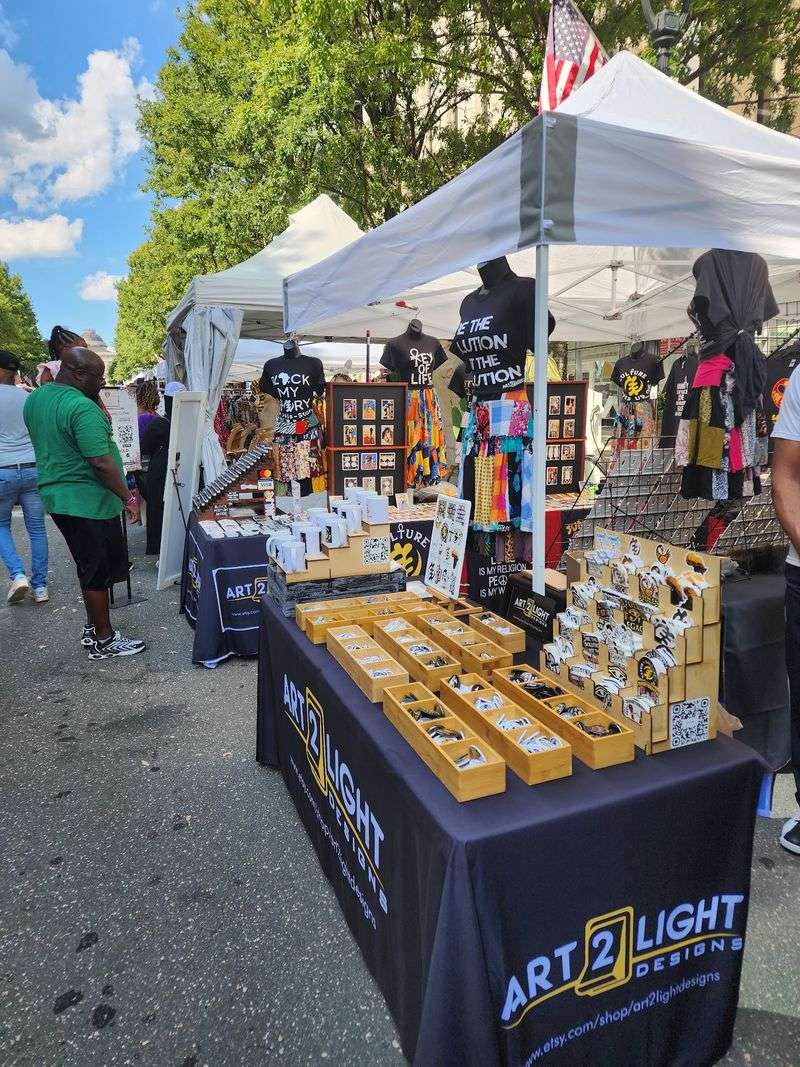
A quieter part of the festival appears beneath the tents of the Art Gallery Walk. Artists and artisans display original work across a range of media, giving visitors the opportunity to meet creators while seeing how differently African American experiences and artistic traditions can be expressed.
Past displays have included paintings, sculpture, ceramics, stained glass, handmade books, dolls, jewelry, and mixed-media work.
The festival encourages visitors to speak with artists about their techniques and to purchase original pieces directly from the people who made them.
That connection distinguishes the gallery area from simply looking at art inside a conventional exhibition space. The sidewalk becomes part studio showcase and part marketplace, with each tent carrying its own style.
Interactive art has also been part of AACF’s identity, and the organization says creative projects will return for the 2026 celebration. Spending time here offers a useful change of pace between louder performances.
Instead of moving immediately from one stage event to another, visitors can slow down and examine the work up close.
The result keeps visual artists central to a festival that could otherwise easily be dominated by its live entertainment.
Food Vendors Add Another Big Reason To Stay For The Afternoon
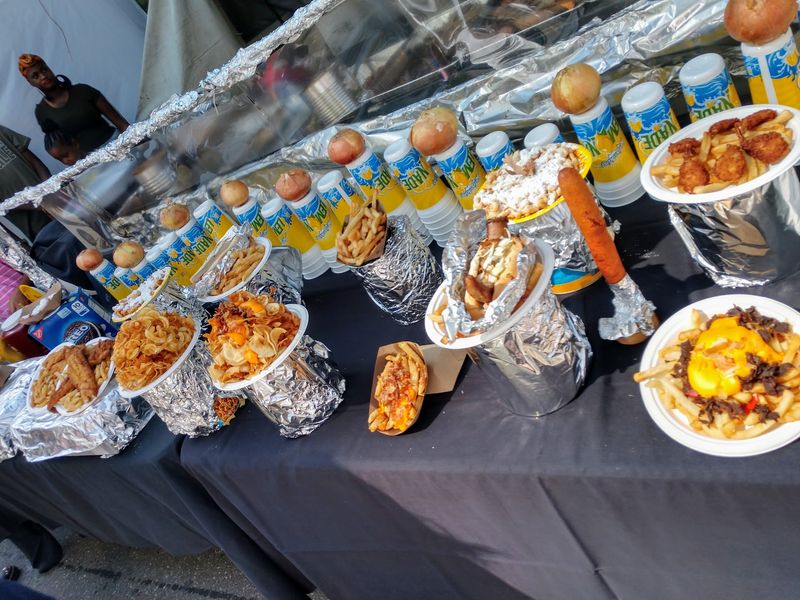
Eventually, the smell from the food area starts competing with whatever is happening onstage. AACF brings food vendors into the downtown footprint each year, creating plenty of reasons to remain at the festival through lunch and into the evening.
The selection is intentionally broad, with the festival describing options that can be grilled, smoked, baked, fried, vegetable-based, fruity, or frozen. That variety suits an event expected to draw a large and diverse crowd over two full days.
Food vendors operate alongside the artists and merchants rather than as a separate attraction across town, so grabbing something to eat does not require leaving the festival atmosphere behind.
The exact vendors and dishes can differ from one year to the next, which keeps the food area worth exploring instead of assuming the same choices will return every Labor Day weekend.
Warm September weather also makes hydration worth planning for, particularly during the busiest afternoon hours.
With performances continuing nearby and the marketplace still active, lunch can easily turn into another hour spent downtown.
The festival’s combination of food and live arts helps explain why many visitors treat AACF as an all-afternoon outing instead of a quick stop between other weekend plans.
Family-Friendly Activities Make The Festival Easy To Enjoy With Kids
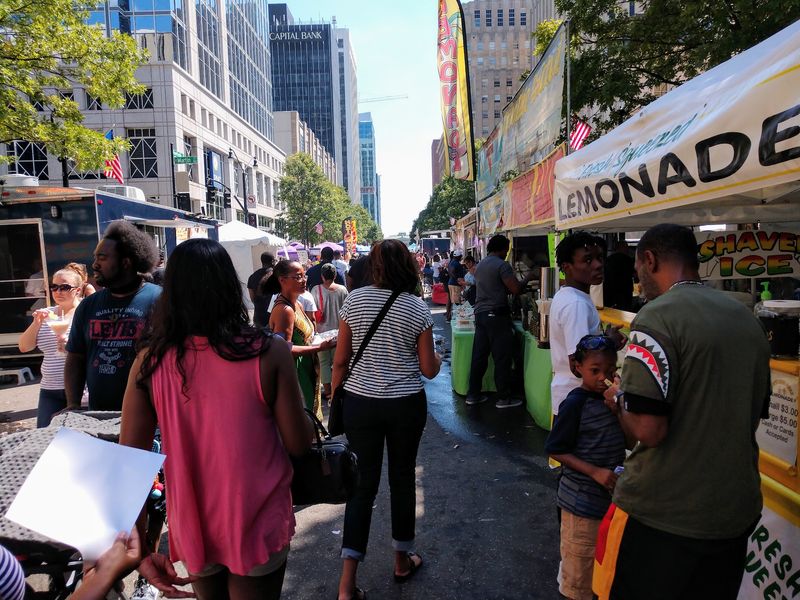
Younger visitors get space designed specifically for them rather than being expected to spend the entire weekend following adult programming. The Creativation Station is AACF’s interactive children’s area, offering creative activities inside the larger Family Village.
Over the years, that space has featured face painting, puppetry, make-and-take art projects, children’s books, movement activities, and hands-on crafts.
African American authors and illustrators have also shared their work with children there.
The festival continues to describe itself as family-friendly and accessible to visitors of different ages, and the Family Village remains one of the designated areas in current festival information. Having a dedicated children’s zone changes the pace for families spending several hours downtown.
Kids can shift from watching performers to making something themselves, while adults get a break from trying to keep everyone interested in the same activity. The free admission makes that flexibility even easier.
Families can arrive for part of the day without needing to justify the cost of an expensive ticket, or stay longer if the activities keep everyone engaged. AACF was built around cultural education as much as entertainment, and its children’s programming carries that idea to its youngest visitors.
Labor Day Weekend Ends Up Feeling Much Bigger Than A Typical Downtown Event
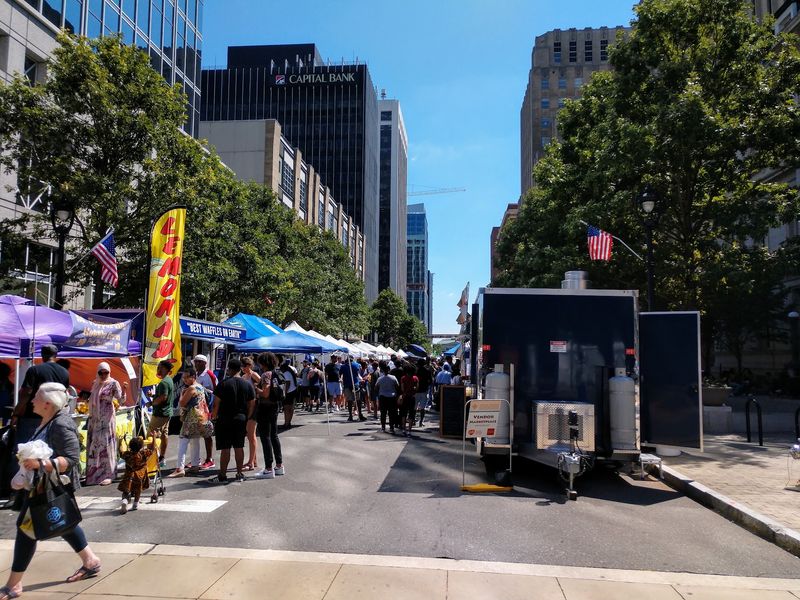
Raleigh has watched this celebration grow considerably since the first festival welcomed more than 15,000 people in 2010. By 2019, attendance had climbed beyond 38,000, and a 2026 City of Raleigh document says the festival has more recently attracted over 50,000 people downtown.
That growth reflects more than the popularity of one headliner or one marketplace.
AACF was created to promote and celebrate African and African American culture through artistic expression and education, and the two-day Labor Day weekend format gives that mission room to stretch across several kinds of experiences.
Visitors can encounter visual artists and independent merchants before moving into live music, dance, food, or family programming without leaving the downtown footprint.
The festival remains free and accessible to the public in 2026, continuing a format that makes the event easy to experience even for visitors who only have part of a day available.
By the time the 17th annual celebration fills Fayetteville Street on September 5 and 6, the scale will look very different from that first gathering. The community focus that started it, however, remains at the center of the weekend.