This Georgia Canyon Trail Feels Like A Desert Adventure In The Deep South
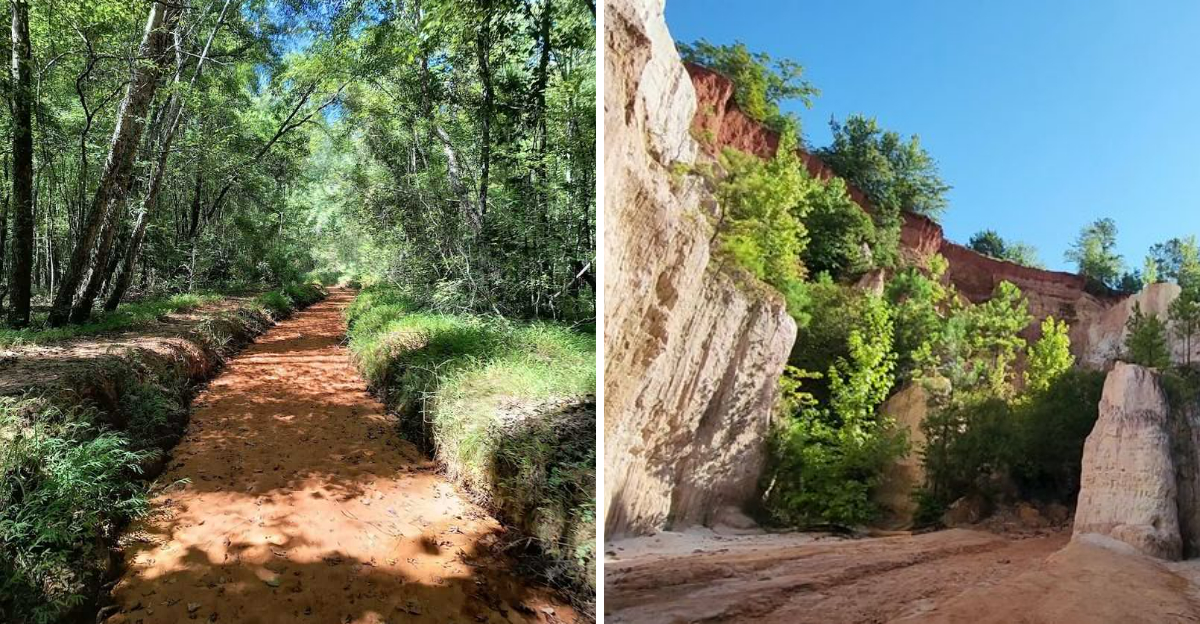
I have seen photos of Arizona that looked less dramatic than this. Canyon walls striped in pink, orange, and purple.
Ridges carved like something out of a western movie. Then I checked the map again and laughed.
I was still in Georgia, barely two hours south of Atlanta. My hiking group went quiet the moment the trail opened up and the first overlook came into view.
Nobody expects colors like that in the Deep South. We spent the whole morning working our way down, cameras out, jaws somewhere near our boots.
The strangest part is how few people talk about it. Georgia hikers chase mountains up north while this canyon sits down south, patient and half empty.
Pack water and good shoes. This trail delivers a desert adventure without the plane ticket.
Georgia’s Little Grand Canyon
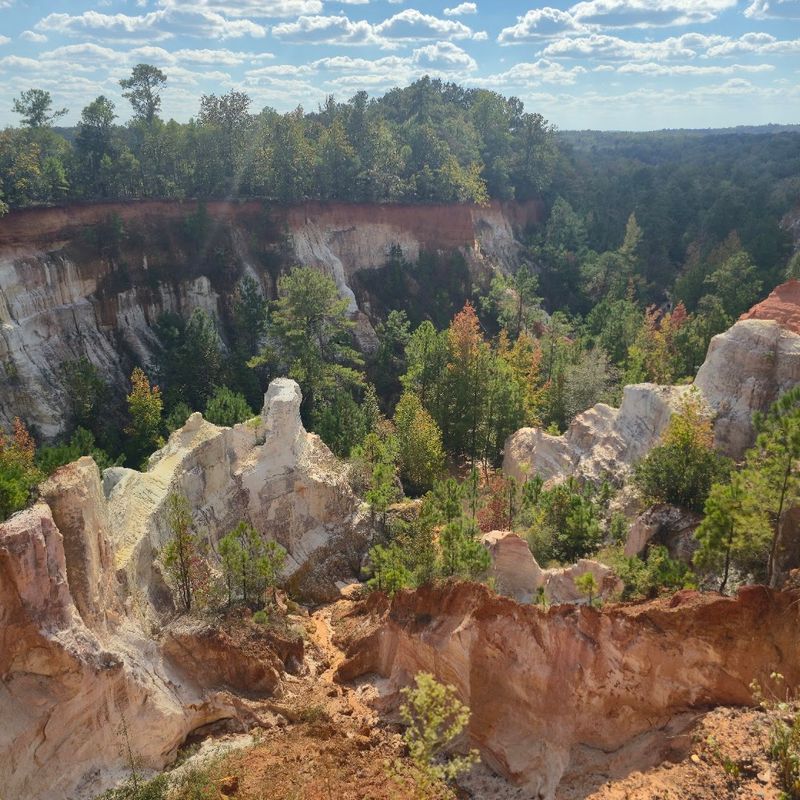
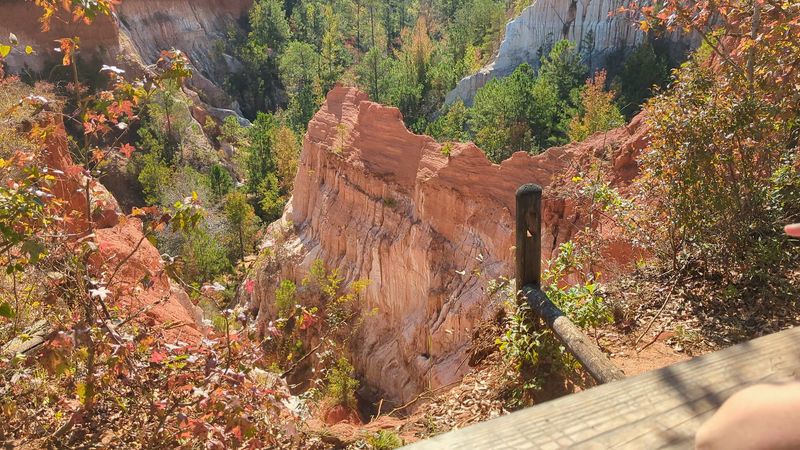
Standing at the canyon rim for the first time is a full-stop moment. The ground just drops away into a sea of vivid color.
Nothing in the Deep South prepares you for something this dramatic.
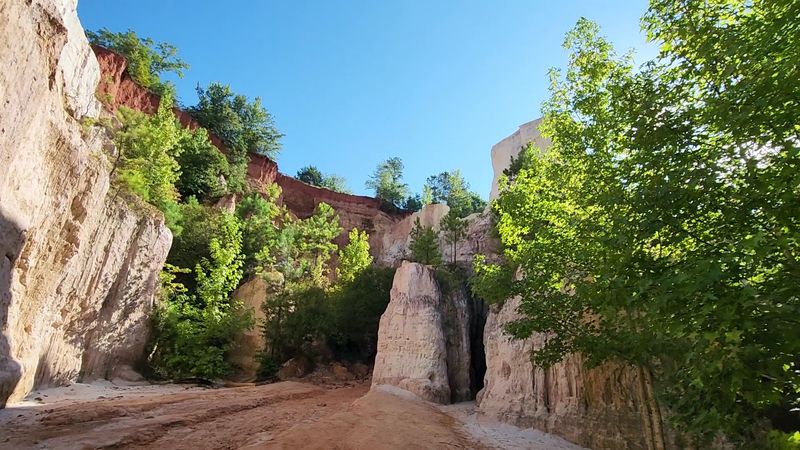
Providence Canyon State Park earned the nickname “Georgia’s Little Grand Canyon” for good reason. The canyon walls glow in shades of pink, orange, red, purple, yellow, and white.
These colors come from mineral deposits like iron, manganese, and kaolin baked into the soil over millions of years.
Providence Canyon State Park covers about 1,100 acres in Stewart County and is home to one of Georgia’s most distinctive landscapes. It is officially recognized as one of Georgia’s Seven Natural Wonders.
That title is not an exaggeration. The landscape feels genuinely surreal, like someone painted the earth by hand.
You can find this natural wonder at 8930 Canyon Rd, Lumpkin, GA 31815, inside Providence Canyon State Park. Parking costs $10 per vehicle.
The Visitor Center opens at 8:00 AM and has maps, restrooms, and a small gift shop to get you started on the right foot.
The Surprising Origin Story
Here is a fact that stops most people cold. These canyons were not carved by ancient rivers over millions of years.
Farmers made them by accident in the 1800s.
Settlers cleared native forests across the region to grow cotton. Without tree roots holding the soil, rainwater had nothing to slow it down.
It carved straight through the soft, sandy ground and kept going deeper every single season.
Within just a few decades, massive gullies had formed where flat fields once existed. Some grew to 150 feet deep.
The speed of that erosion is what makes geologists raise their eyebrows. The Grand Canyon took millions of years.
This one took less than a century.
The story does not end there. The canyons are still growing today.
Erosion continues to reshape the canyon today, which is why visitors are asked to stay on designated trails and avoid the fragile canyon walls. What started as a farming mistake became one of the most visually striking landscapes in the entire southeastern United States.
That is a wild twist of fate that makes every visit feel more meaningful.
The Canyon Loop Trail Experience
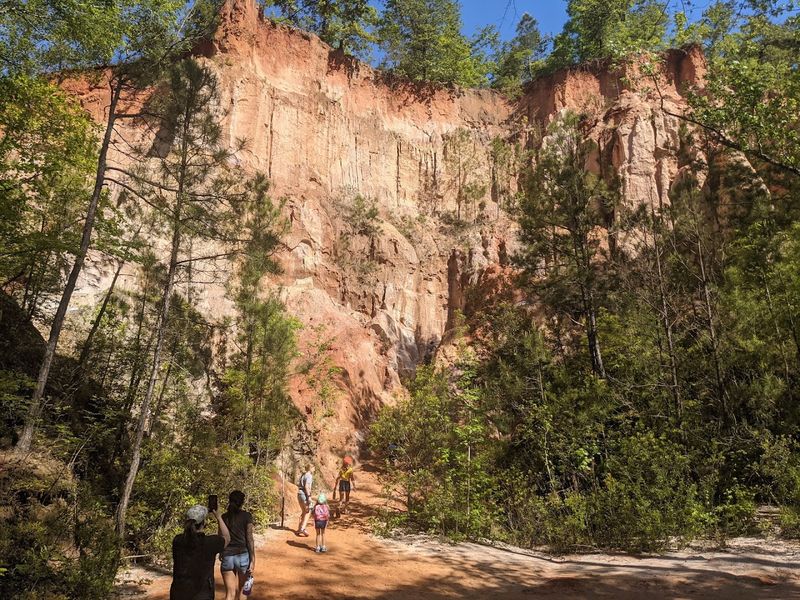
Lacing up before this trail is the smartest move you can make. The Canyon Loop Trail is about 2.5 miles long and circles nine of the park’s canyons.
It is rated easy to moderate, which makes it very approachable for most fitness levels.
White blazes mark the path the entire way. The trail takes you along the canyon rim and then drops you right down to the canyon floor.
That descent is short but steep, so take your time and watch your footing.
Once you reach the bottom, the scale of everything changes completely. The walls tower above you on both sides.
The colors look even more intense up close. Canyons 4 and 5 are widely considered the most visually stunning sections of the whole trail.
Plan for about two hours if you keep a steady pace. The terrain shifts between open sandy floors and shaded forest sections, which keeps the hike interesting the whole way through.
Bring plenty of water because shade inside the canyons is limited, especially during summer months when the heat builds fast on the canyon floor.
Waterproof Shoes Are Non-Negotiable
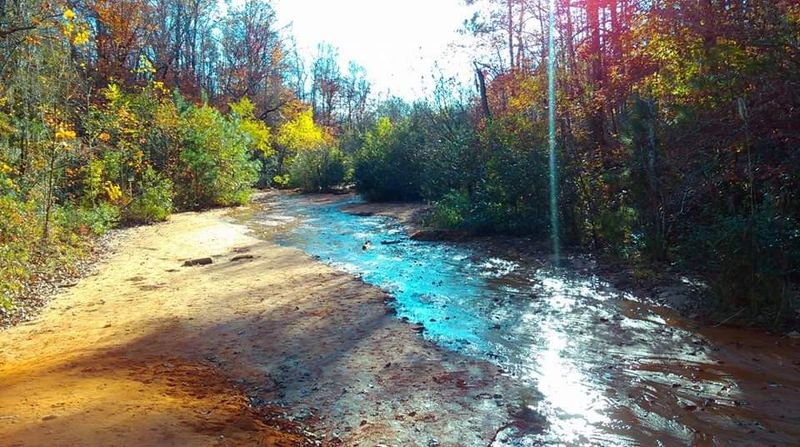
Wearing the wrong shoes here is a mistake you will remember for a long time. The canyon floor holds water year-round.
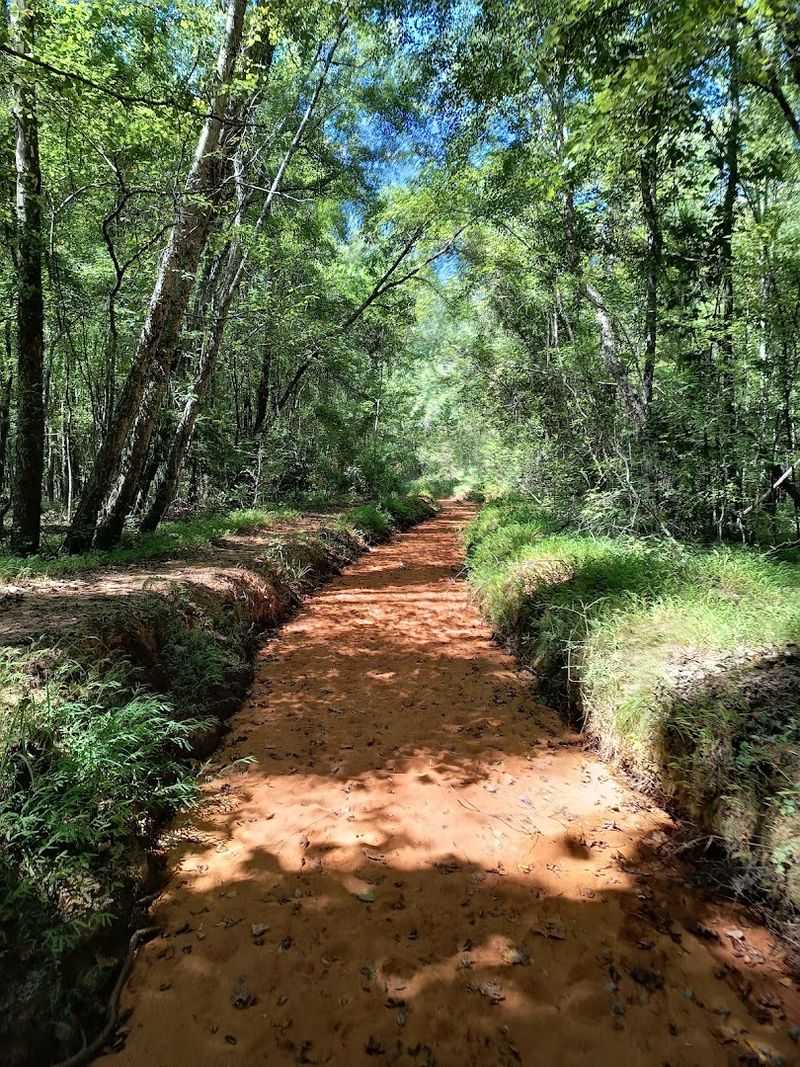
Sections of the trail require wading through shallow creek beds, and the mud can grab your feet like wet cement.
Waterproof hiking boots are the clear winner for footwear. Regular sneakers can become wet or muddy on the canyon floor, especially after recent rain.
White shoes should stay in the car entirely. Some visitors have compared the mud to quicksand in certain spots, especially after recent rain.
The trick is to walk through the center of the creek beds. Staying toward the edges increases the risk of sinking into softer ground.
It sounds dramatic, but a little awareness goes a long way toward keeping the hike fun instead of frustrating.
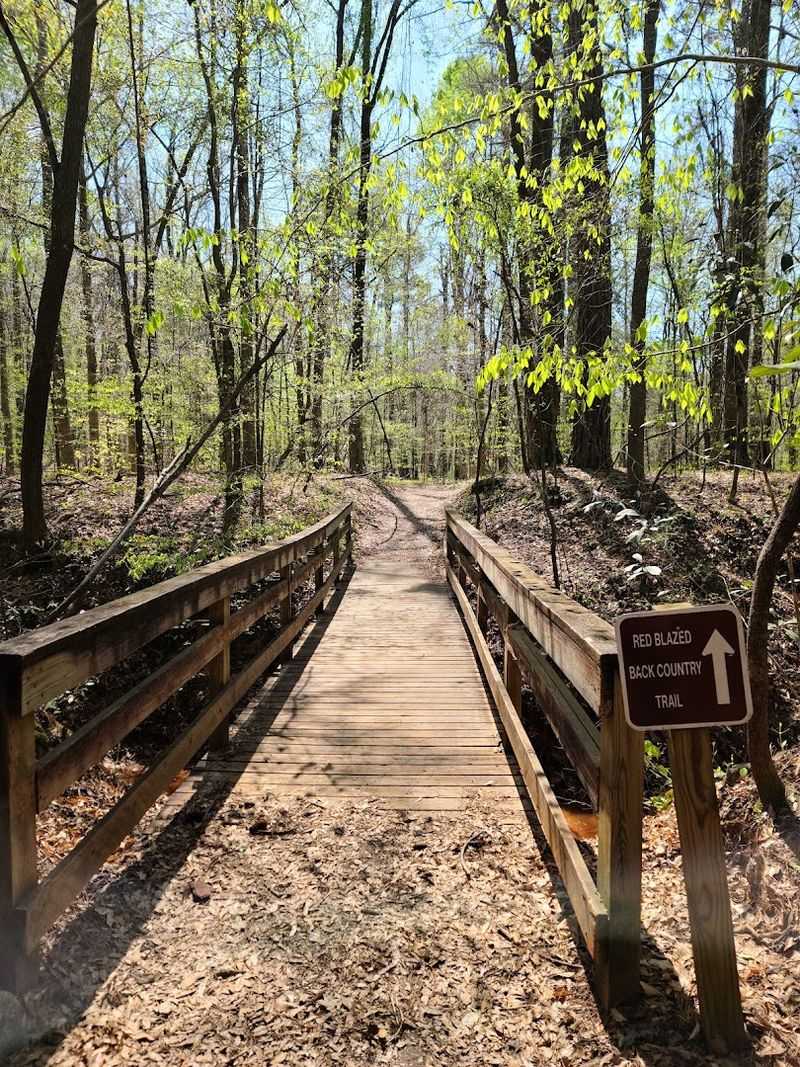
The backcountry trail, a seven-mile red-blazed loop, also has sections where water crosses the path. If you plan to tackle that longer route, waterproof gear matters even more.
Good footwear is not optional here. It is the single most practical piece of advice any experienced visitor will give you before you head down.
Colors That Look Painted On
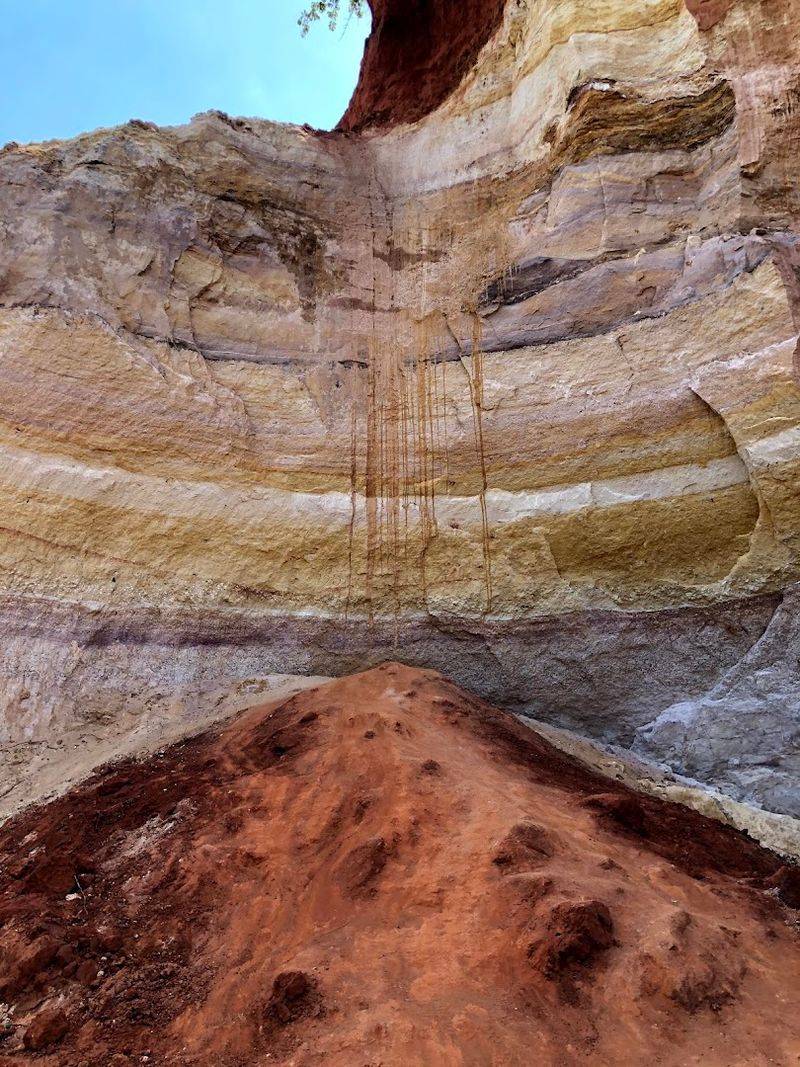
No filter needed here, and that is saying something. The canyon walls display colors so vivid that first-time visitors often stop mid-trail just to stare.
Pink bleeds into orange. Purple sits right next to white.
It looks like a painting that someone left out in the sun.
Each color tells a geological story. Iron creates the reds and oranges.
Manganese produces the purples and pinks. Limonite is responsible for the yellows and tans.
Kaolin, a white clay mineral, creates the bright white bands that streak through the walls like brushstrokes.
These sediment layers were deposited by ancient seas, rivers, and coastal beaches between 59 and 74 million years ago. Walking through the canyon is essentially walking through deep time.
That perspective makes the colors feel even more impressive once you understand what they represent.
Early morning and late afternoon light are the best times to photograph the canyon walls. The low-angle sun hits the mineral colors and makes them practically glow.
Photographers consistently rate this spot as one of the most photogenic locations in the entire state of Georgia, and it is easy to see exactly why.
The Rare Plumleaf Azalea
Most people come for the canyon walls and leave surprised by the flowers. The plumleaf azalea is one of the rarest wild plants in the entire country.
It blooms in July and August with striking red and orange flowers that seem to belong in a tropical garden, not a Georgia canyon.
The scientific name is Rhododendron prunifolium. It grows naturally only in southwestern Georgia and parts of eastern Alabama.
Providence Canyon is one of the best places in the world to see it thriving in its native habitat. That alone makes a summer visit worth planning.
The canyon floors also support sweet gum, umbrella magnolia, tulip poplar, sycamore, and maple trees. The plant life creates a surprising contrast against the bare, colorful canyon walls.
One moment you are in a dry desert-like landscape, and the next you are surrounded by lush green canopy.
Wildlife is equally active throughout the park. White-tailed deer, wild turkeys, red and grey foxes, armadillos, and various bird species are commonly spotted along the trails.
The biodiversity here is genuinely impressive for a landscape that looks so barren from the rim.
The Backcountry Trail For Serious Hikers
Seven miles of trail with primitive campsites and panoramic rim views. The Backcountry Trail is a completely different experience from the Canyon Loop.
It is designed for hikers who want more time in the woods and less time on a crowded path.
Red blazes mark this longer loop from start to finish. The trail winds through mixed forest and old logging roads that date back decades.
It does not go directly into the canyons, but the rim views it offers are wide and rewarding in their own way.
Six primitive campsites are scattered along the route, located about two to three miles from the parking area. Spending a night out here puts you completely off the grid.
Cell service may be limited in parts of the park, so downloading trail maps before your visit is a smart idea.
Three pioneer campsites near the trailhead accommodate groups and are about a quarter-mile from parking. If a full backcountry overnight feels like too much, Florence Marina State Park is about 15 minutes away and offers cabins and established campsites.
Either way, this trail rewards anyone willing to put in the effort with an experience that feels genuinely remote.
Best Time To Visit And What To Bring
Timing a trip here makes a real difference in how much you enjoy it. Fall is widely considered the best season to visit.
Comfortable temperatures, lower humidity, and colorful foliage combine with the canyon’s natural colors to create something genuinely spectacular in October and November.
Summer visits are possible but come with a serious heat warning. The canyon floor traps warmth and humidity intensely.
Arriving early in the morning, right when the park opens at 7:00 AM, gives you the coolest conditions and the best light for photography before midday heat sets in.
The park is open year-round. From September 15 to April 14, hours run 7:00 AM to 6:00 PM.
From April 15 to September 14, the park stays open until 9:00 PM. The Visitor Center operates from 8:00 AM to 5:00 PM daily.
Pack sunscreen, a hat, and more water than you think you need. The canyon offers very little shade in open sections.
Snacks are a smart addition since the nearest town is a solid drive away and the rural roads leading here have limited services. Plan your gas stop before you leave the highway.
The Canyon Climbers Club And Hidden Surprises

Not many state parks have a club dedicated to people who explore specific canyons. The Canyon Climbers Club is a real thing here, and earning membership means you have successfully navigated canyons 4 and 5.
That is a worthy goal for any first-time visitor.
Beyond the trails, the park holds a few unexpected surprises. An abandoned homestead sits within the park boundaries, complete with rusty 1950s-era vehicles slowly being reclaimed by nature.
The old vehicles have gradually been reclaimed by nature, adding another unusual historical feature to the park. It is an oddly charming detail in an already fascinating landscape.
The park also hosts astronomy and geology programs throughout the year. If your timing lines up with one of those events, attending adds a whole new layer to the experience.
The geology programs in particular help visitors understand the mineral layers they are walking through.
Dogs are welcome on the trails as long as they stay on a six-foot leash. The Visitor Center stocks maps, snacks, souvenirs, and locally made items that make for genuinely thoughtful gifts.
This park has become one of Georgia’s most popular destinations for visitors looking to experience its colorful canyons and unusual geology.