This Georgia Cat Sanctuary Has Hundreds Of Cats Waiting For Homes
I wasn’t planning to fall in love with forty cats before lunch. I only stopped because a friend said it was worth a quick look.
Quick turned into hours. Behind that door was a whole world I never expected.
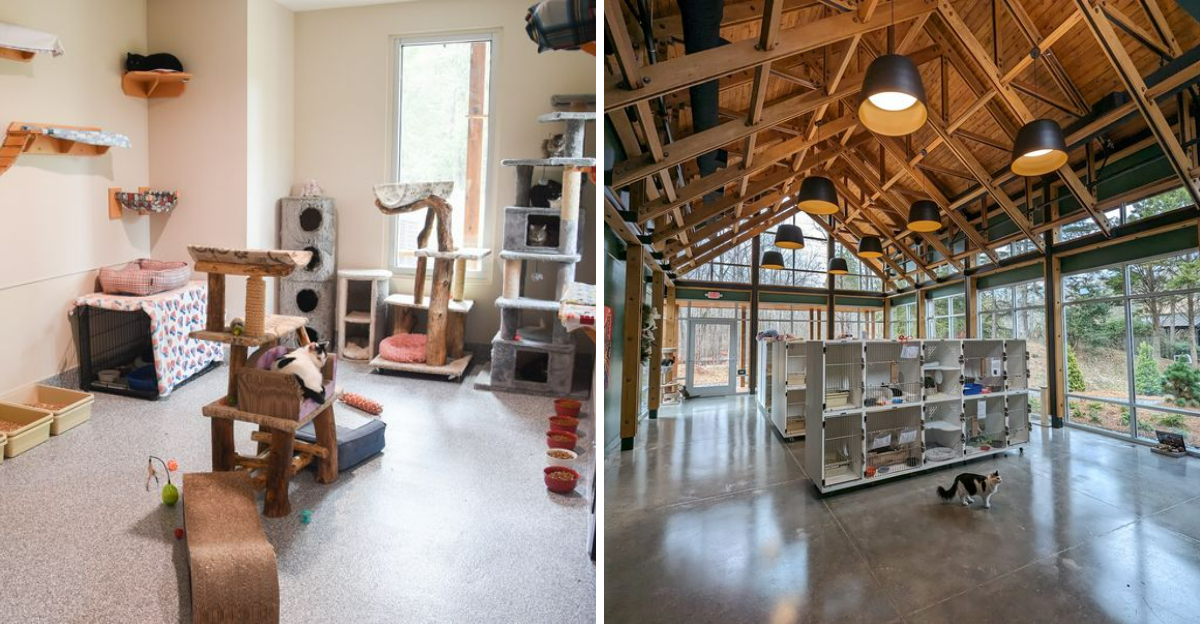
Sunlit rooms filled with cats lounging on shelves. A courtyard with a pond where a few napped in the shade like tiny lions.
Volunteers who knew every single name and every single story. I sat on the floor and within minutes had three new friends purring beside me.
I kept saying I would leave in five minutes. That never happened.
This Georgia sanctuary has a way of rearranging your whole afternoon, and somehow you don’t mind one bit. I left with cat hair on my jeans and a heart that felt fuller than when I arrived in Georgia.
A Nine-Acre Campus That Started As A Water Garden
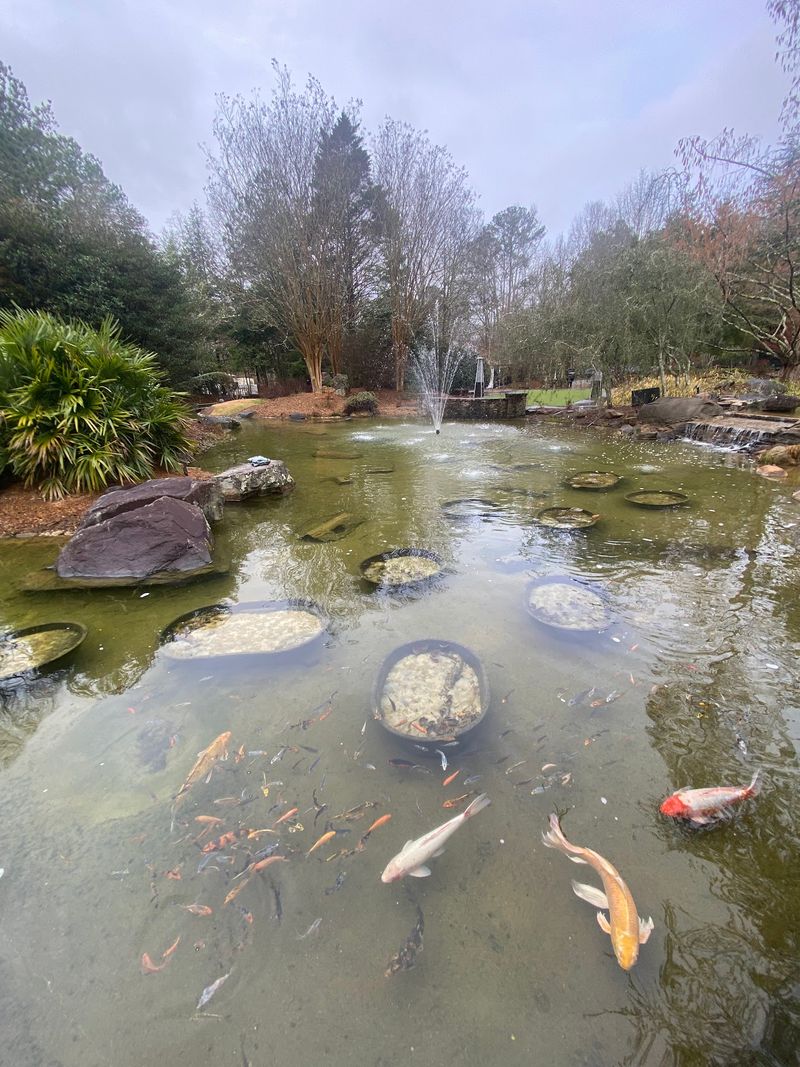
Before the cats arrived, the land grew lilies and koi. The property was purchased in 2018 and was once known as Wakoola Water Gardens.
Today the 9.1 acres still feel like a botanical garden. Stone paths wind past fountains, a small waterfall, and ponds full of bright koi fish.
One of those ponds honors the founder’s late mother, which gives the water a quiet meaning. Visitors often slow down there without anyone telling them to.
The design was intentional, not accidental. Animal rescue and peaceful green space were built into the same plan from the beginning.
That matters more than it sounds. Calm surroundings help stressed animals relax, and relaxed animals show their real personalities to adopters.
Parking can get tight on weekends, especially Saturdays and Sundays. Arriving earlier in the day makes the whole visit smoother.
The campus doubles as a walking destination for supporters who simply want fresh air. Gardens, benches, and shade trees make it easy to linger.
The address here is 5235 Union Hill Rd if you want to start at the source.
Roughly 200 Cats Living Without Cages
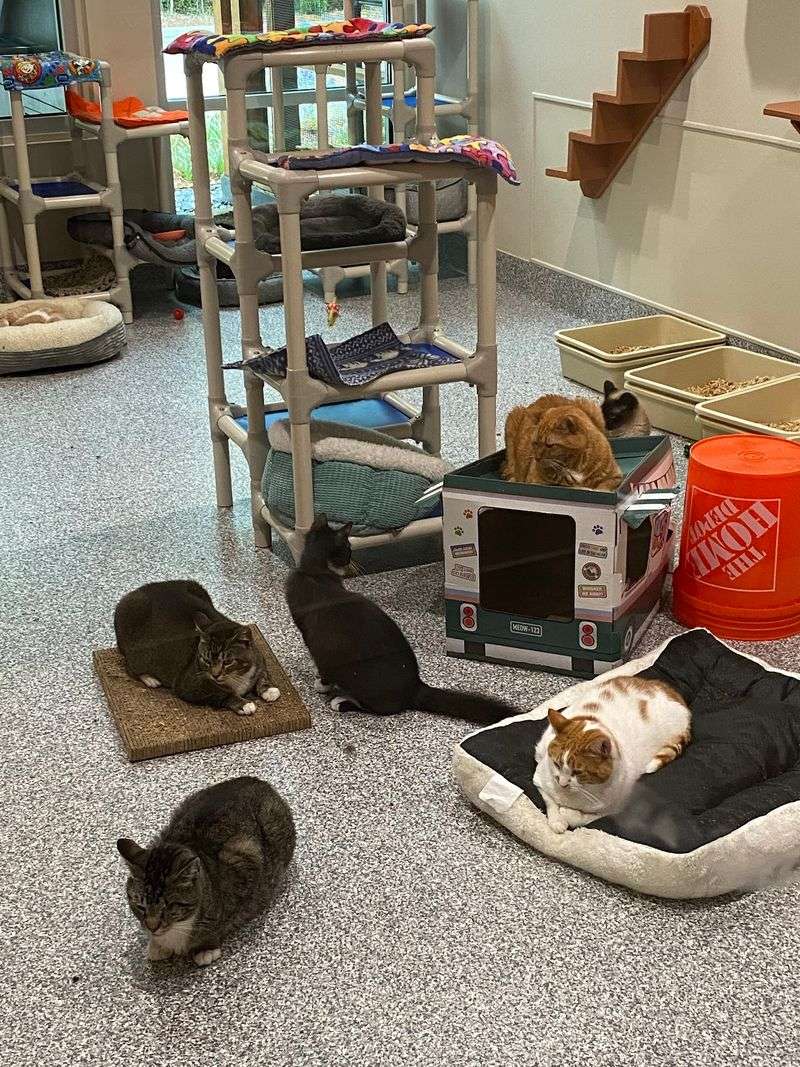
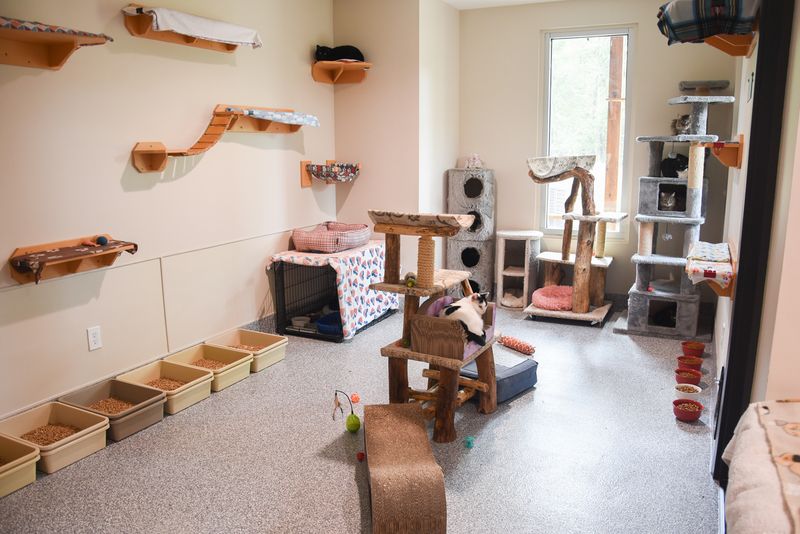
Picture a room where cats climb, nap, and wrestle wherever they please. No rows of metal cages, just open space and plenty of soft landing spots.
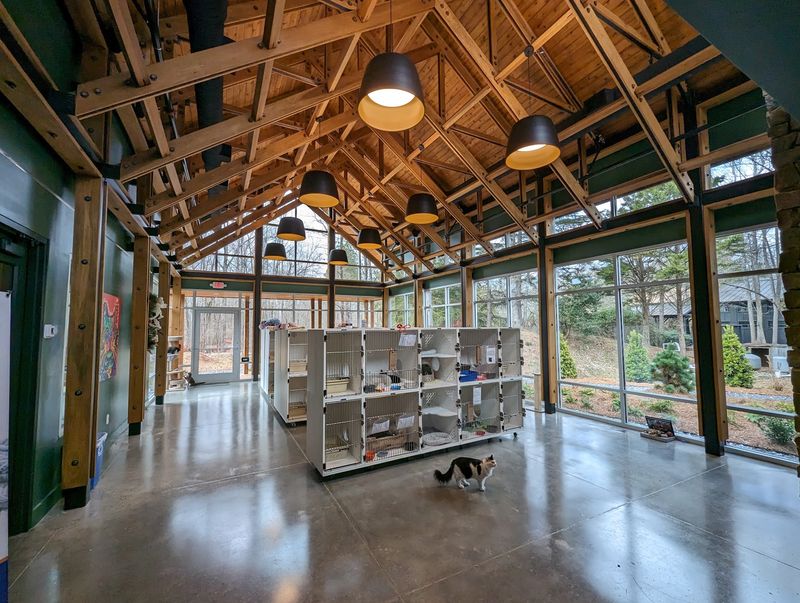
The cat shelter here holds about 200 cats at a time. It ranks as the largest cage-free, no-kill shelter for rescued cats in the Southeast.
Colorful walls, climbing shelves, and window perches fill the rooms. Enrichment is part of the daily routine, not a bonus feature.
Cage-free living changes how cats behave. Shy ones find quiet corners, bold ones greet you at the door, and adopters get an honest look at each personality.
The new cat shelter celebrated its grand opening in December 2023. It was built with comfort, cleaning, and airflow in mind from day one.
Visitors can walk through the shelter rooms during open hours. Socialization helps cats stay friendly while they wait for families.
Visitors should complete an adoption application or contact Furkids before planning a visit. Scheduling an appointment ahead of time is the smart move.
Bring patience. Choosing just one cat here is genuinely difficult.
The Cat Cafe You Did Not See Coming
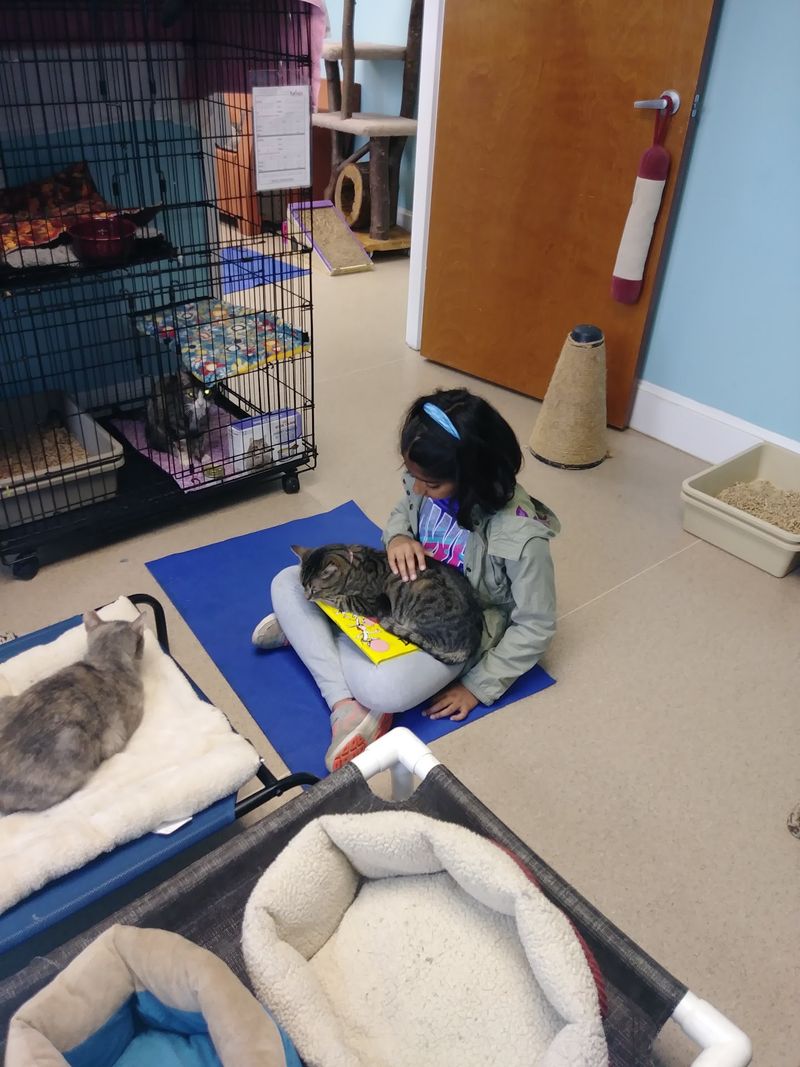
A cafe inside a cat shelter sounds like something invented for the internet. It exists here, built right into the cat facility.
The space gives visitors a relaxed spot to sit while cats decide whether you deserve their attention. Some approach immediately, others watch from a shelf.
That casual setup does real work. Meeting a cat in a comfortable room beats staring through a cage door.
Furkids also has Clancey’s Cat Café inside its Cumming cat shelter. The concept clearly works for them.
Cafe-style rooms help nervous adopters too. Sitting still on a cushion lets a cat come to you on its own schedule.
Kids often love this part the most. Cats wandering freely feels less like a shelter and more like a friend’s living room.
Photos happen constantly in here, and honestly that helps the cats. Shared pictures lead to applications and applications lead to homes.
My advice is simple. Sit down, stay quiet for five minutes, and see which cat picks you first.
That first head bump usually settles the decision.
Dogs Get Private Rooms With Glass Doors
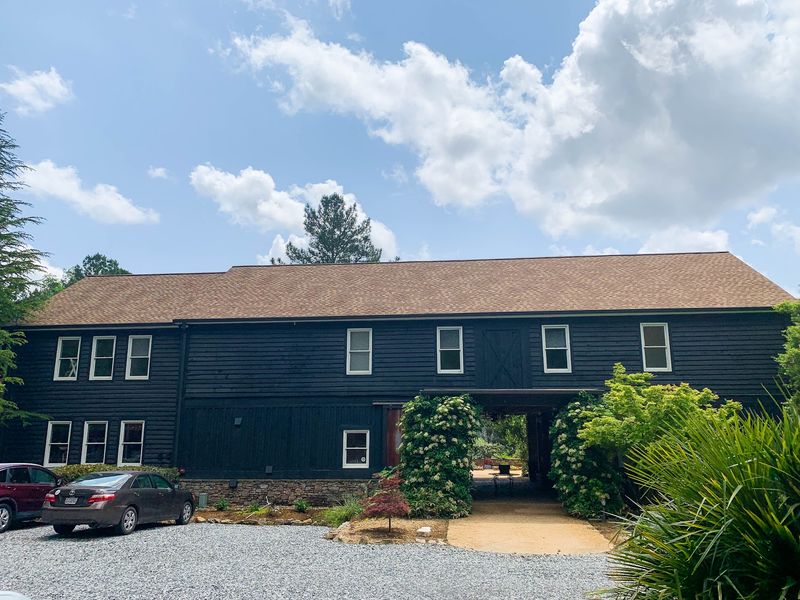
Traditional kennels are loud, echoing places. The dog shelter here skipped that model entirely.
Dogs stay in private rooms with glass doors instead of chain link. The difference in noise level is immediately noticeable.
Shared suites open straight onto outdoor play yards. Dogs can move, sniff, and burn energy without waiting for a leash.
The dog shelter is described as state-of-the-art, and the layout backs that up. Patio areas and water features help lower stress levels.
Calmer dogs make better first impressions. A dog that is not barking through metal bars gets a fair chance with visitors.
Glass doors also help people. You can watch a dog rest, play, or greet you without crowding its space.
Small dogs have their own area on the campus. Size-appropriate grouping keeps everyone comfortable.
Adopters walk out with full medical records. Every dog leaves spayed or neutered, vaccinated, and microchipped.
If you have never considered adopting an adult dog, this setup might change your mind. Personalities show through clearly here.
Ask staff about energy levels before you fall in love.
An Onsite Medical Facility With Real Veterinarians
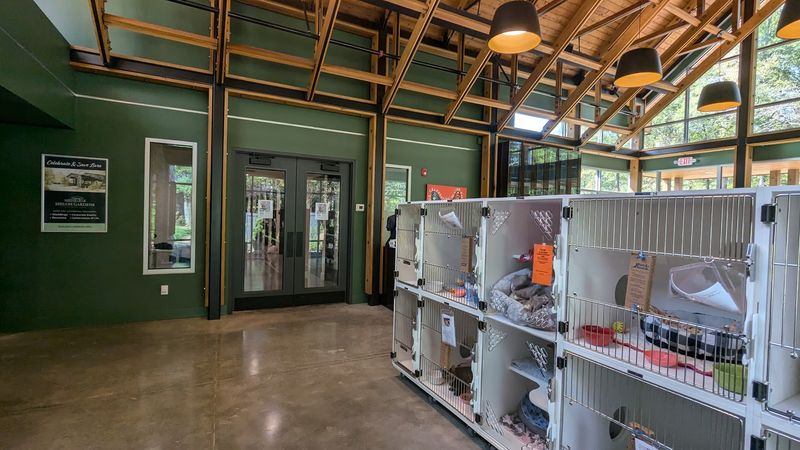
Medical care usually happens somewhere else for most rescues. Here it happens on the property.
The campus includes an onsite medical and surgical facility. Paid veterinarians and veterinary technicians staff it.
Every animal that arrives receives full care. That means spay or neuter surgery, vaccinations, and a microchip before adoption.
Intake cottages handle cat examinations when new arrivals come in. Separating new animals protects the ones already settled.
The organization is one of the only facilities in the Southeast dedicated to caring for FIV positive cats. FeLV positive cats are welcomed too.
Those cats often get overlooked elsewhere. Here they get treatment plans and a real shot at adoption.
Monthly low-cost vaccine clinics serve the wider community. Affordable shots keep neighborhood pets healthier and reduce future shelter intake.
Since 2002, more than 80,000 animals have been rescued and altered. That number reflects steady, unglamorous daily work.
A tiny house sits among the trees for University of Georgia veterinary students. They stay during three-week externships and learn on real cases.
Good medicine is the quiet backbone of everything else here.
How The Adoption Process Actually Works
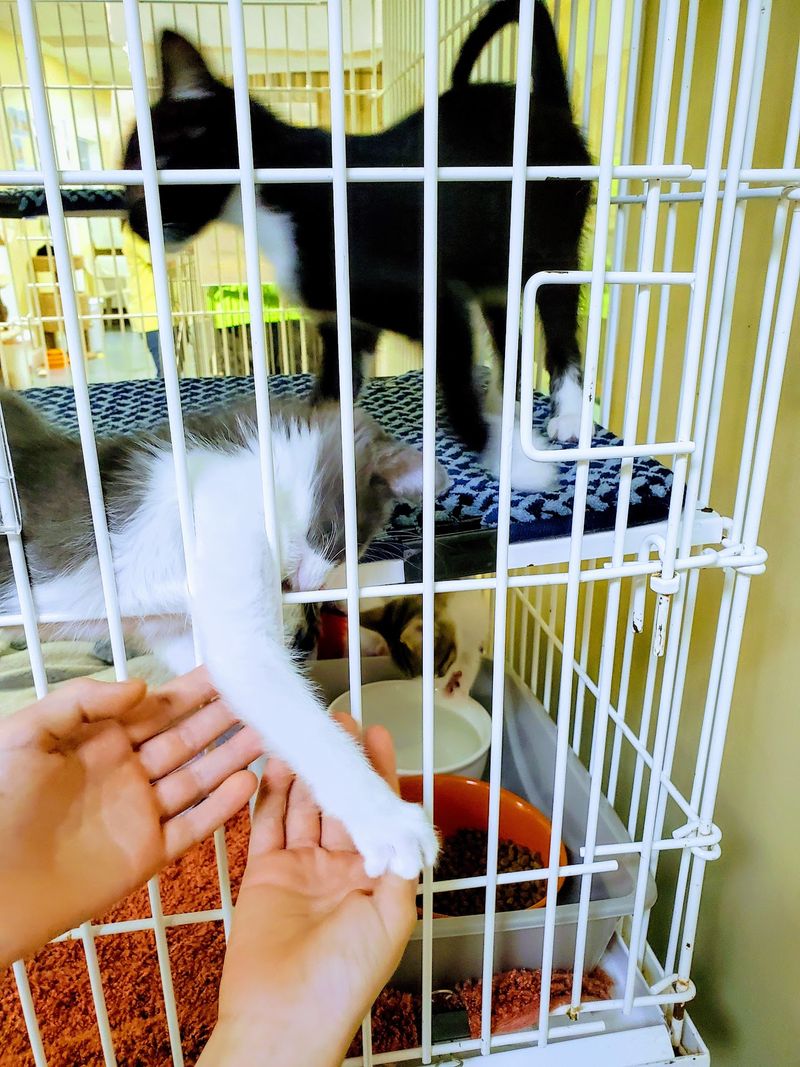
The process starts online, not at the front door. An application comes first, and that step exists for a reason.
Adoption counselors read every application carefully. Then they set up meet-and-greet sessions with animals that fit your household.
Some people find the paperwork slow. In practice it prevents rushed choices and returns later on.
Existing pets at home must be spayed or neutered. They also need current rabies vaccinations.
Kittens six months and younger sometimes need an animal companion. Counselors discuss that detail before finalizing anything.
Bonded pairs stay together, no exceptions. Splitting friends who rely on each other is not on the table.
Out-of-state adoptions get reviewed individually. Those adopters must meet the animal in person to finish the process.
Adoption fees are reasonable considering what comes included. Surgery, vaccines, microchip, and medical records add up fast at a private clinic.
Those fees also fund the next rescue. Your new cat helps pay forward for another one.
Scheduling an appointment before visiting saves frustration. Weekend walk-ins can find counselors booked solid.
Come with honest answers about your home and schedule.
Matching works better than guessing.
Kids Can Volunteer, And Even Read To Cats
Most rescues turn young volunteers away. Not here, and that makes this place unusual in metro Atlanta.
Children of all ages can volunteer at this shelter. Anyone under 16 needs a parent or guardian along.
The FurTales program lets kids read aloud to cats. Reading confidence grows while the cats get calm company.
It works surprisingly well for shy readers. Cats never correct pronunciation or sigh impatiently.
Teens aged 13 to 18 can join puppy socialization activities. A parent or guardian participates with them.
Adult volunteer roles cover plenty of ground. Cat caretaker shifts, dog socializing, fostering, and adoption counseling all need help.
Volunteering here is described as healing for people too. Quiet time with animals resets a rough week.
Employer volunteer grant programs, sometimes called Dollars for Doers, can turn your hours into extra donations. Checking with your workplace takes five minutes.
Roughly 1,000 animals sit within the program each day across shelters, adoption centers, and foster homes. That scale requires many hands.
Sign up for one shift and see how it feels. Most people come back.
A Renovated Barn Full Of Yoga And Events
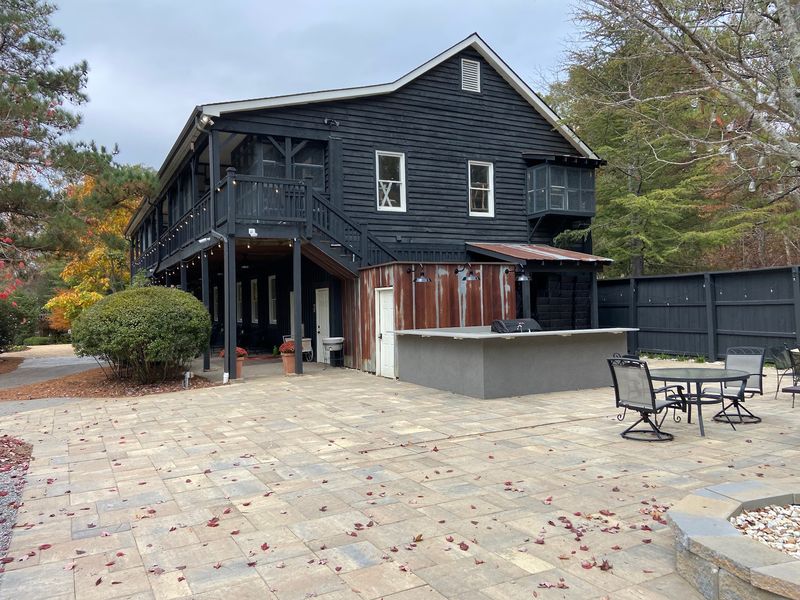
A barn on the property now hosts parties. The Giaquinto Event Center opened in October 2022 after renovation.
Private events and corporate gatherings book the space. Proceeds go straight back into animal care.
The gardens make an easy backdrop. Ponds, fountains, and the small waterfall handle decorating duties on their own.
The event calendar stays busy year-round. Yoga on the Green brings people to the lawn for a stretch.
Tiles for Tails hosts Mahjong open play nights at the headquarters. That one always makes me grin.
Comedy shows have raised real money here too. Fun and fundraising overlap constantly.
The Destination Furkids campus now includes dedicated cat and dog shelters and an event center, while a separate medical center is still planned.
Furkids continues developing the campus as additional planned facilities move forward.
Attending an event is a low-pressure way to see everything. You get gardens, animals, and a good cause in one afternoon.
Thrift Stores Wishlists And The TransFUR Program
No government funding keeps this campus running. Grants, individual donations, volunteers, and thrift store revenue carry the load.
Five thrift stores operate under the organization. Together they fund roughly 30% of the lifesaving work.
Shopping there is a painless way to help. You get a bargain, animals get support.
Donations arrive in several forms. Checks, credit cards, and stock donations are all accepted.
An Amazon Wishlist lists exactly what is needed. Food, cleaning supplies, and office items show up on it regularly.
Matching gift programs at many companies can double or triple a gift. Checking your employer’s policy is worth the effort.
Supporters can sponsor a single animal. Becoming a Shelter Sponsor for the Day is another option.
The TransFUR Program needs volunteer drivers. They move cats and dogs from Georgia shelters to no-kill partners in 13 other states.
Eight PetSmart and Petco adoption centers around Atlanta extend the reach.