This Georgia Cathedral Was Inspired By European Gothic Design, And Its Windows Look Straight Out Of France
I almost missed the turn completely. Traffic was heavy and my mind was somewhere else, until a spire cut through the skyline like it didn’t belong there.
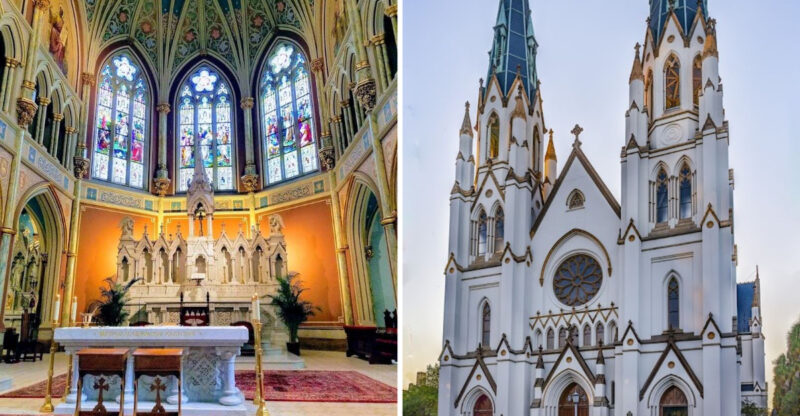
Curiosity won. I parked and walked toward limestone walls that looked pulled straight from a European postcard, not a busy Georgia street.
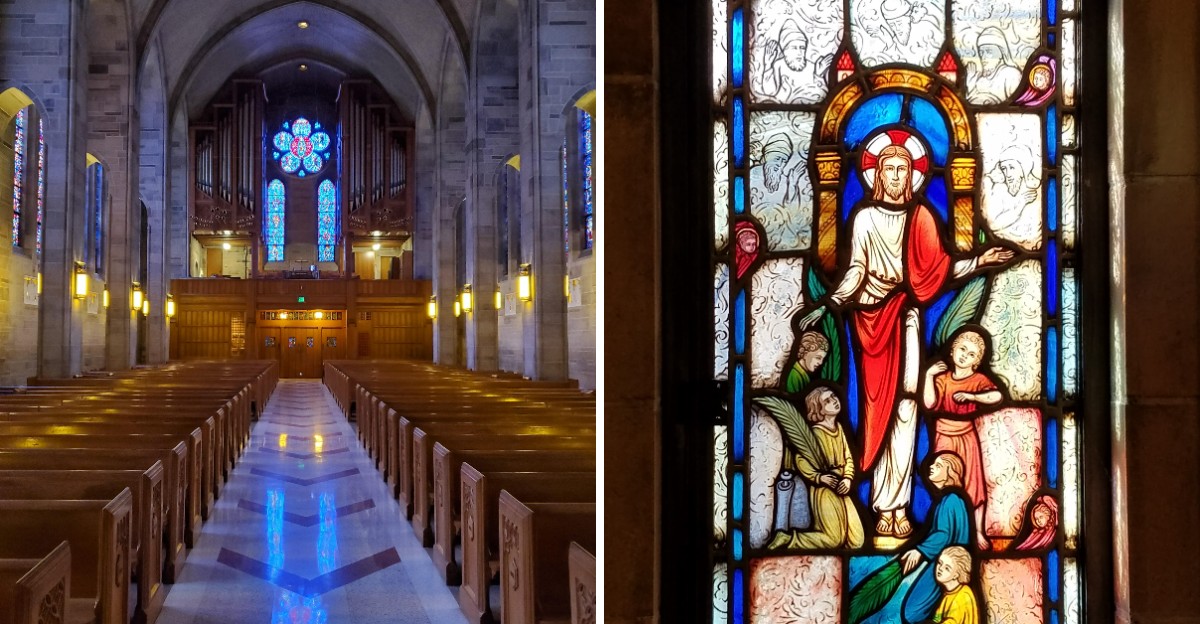
Inside, the noise disappeared. Light poured through stained glass in colors I couldn’t name, painting the floor in blues and reds that shifted every time a cloud passed outside.
An older woman near the entrance told me the windows were shipped over from France, piece by piece, decades ago. I sat in a pew for longer than I planned, just watching the light move.
Georgia holds surprises like this in places you’d never expect, hidden in plain sight between office buildings and traffic lights. I came for a quick photo and left feeling like I had wandered into another country entirely.
An Unexpected European Vista
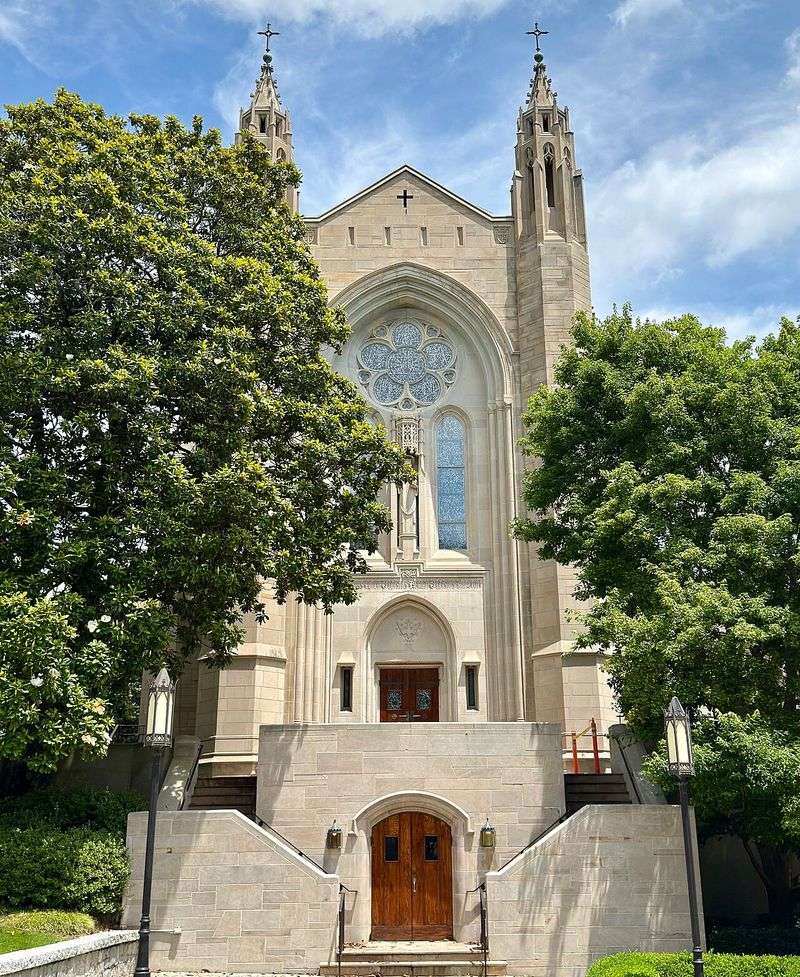
The first look does something strange to your sense of geography. Pale stone, pointed arches, and a tall tower rise above ordinary traffic lights.
Nothing about the surrounding street prepares you for it. Office buildings and car dealerships sit nearby, then suddenly old-world grandeur appears.
I pulled over expecting a two-minute photo. Instead I stood on the sidewalk staring up like a tourist in Europe.
The scale reads differently in person than in pictures. Photos flatten the height, while standing below makes the tower feel enormous.
Parking turned out to be simple, which surprised me. There is a parking deck across the street, so you are not circling the block.
Visitors arrive at all hours during the week. Many masses are offered, which means the doors welcome people often.
It works as a quick stop or a long, quiet visit. Either way, the exterior alone earns the detour.
Bring a camera and a little patience with the light. Morning sun hits the stone beautifully, and late afternoon turns it golden.
You will find this remarkable place at the Cathedral of Christ the King, 2699 Peachtree Rd, Atlanta, GA 30305.
French Gothic Design With A Southern Address
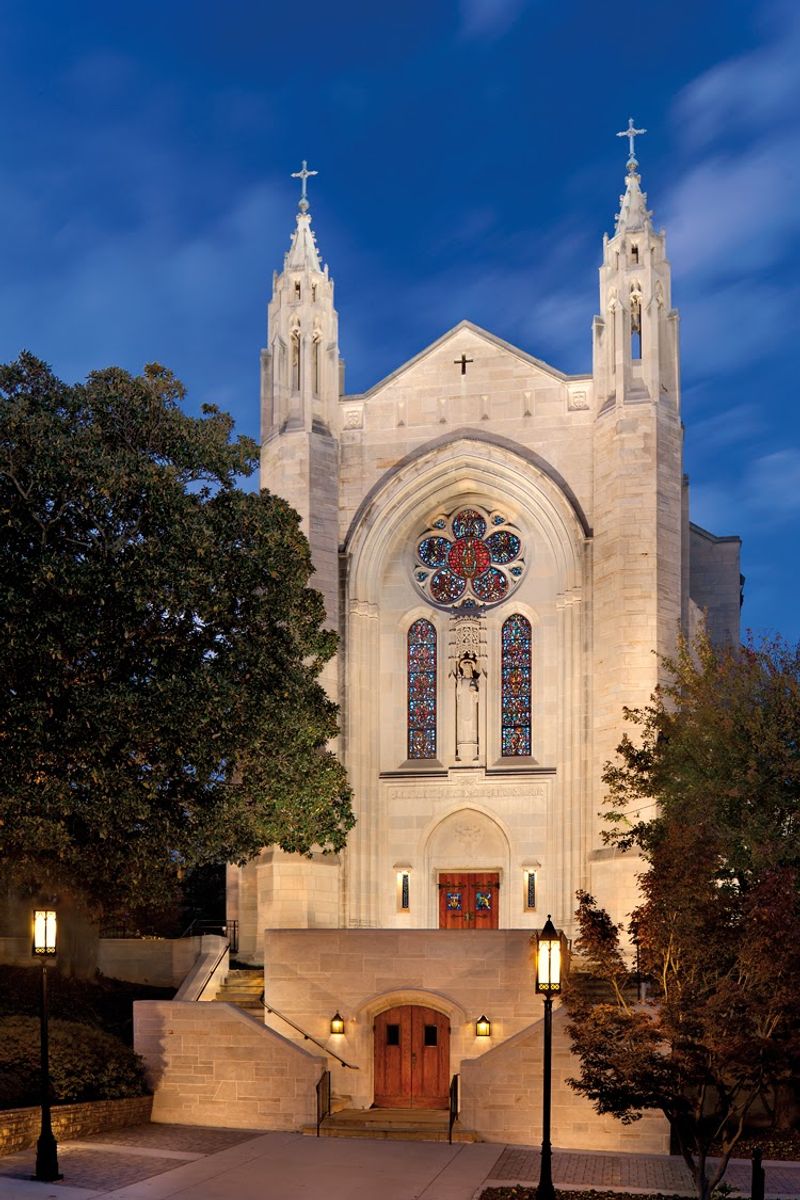
Architecture fans get a treat here, and they do not have to fly overseas. The chosen style is French Gothic, a look born in medieval Europe.
Architect Henry D. Dagit Jr. drew up the design.
His plans gave Georgia a serious slice of old-world artistry.
What makes it clever is what he left out. The building skips some intricate elements, including flying buttresses.
That choice matters more than it sounds. Without those outer supports, the silhouette stays clean and stately.
I noticed the difference right away compared to photos of French originals. The lines here feel calmer and less busy.
Praise came quickly after construction. In 1939, Architectural Record magazine named it Atlanta’s most beautiful building.
That title is not a small thing in a city full of ambitious design. The recognition came from professionals, not marketing.
If you enjoy spotting details, look at the arches and the vertical lines. Gothic design pulls your eyes upward on purpose.
Stand across the street for the best full view. Distance helps you see how the proportions were planned to work together.
Stone From Indiana, Georgia, And Italy
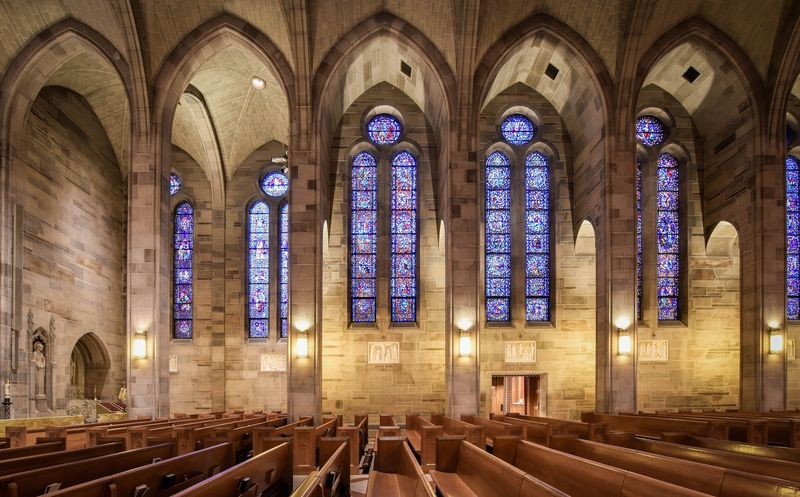
Building materials rarely make a story interesting, but here they do. The exterior wears Indiana limestone, which gives the walls a timeless, classic tone.
Look closer at the base and you find local character. Stone Mountain granite from Georgia was used in the construction too.
Georgia marble also plays a part. Using homegrown stone ties the building to its own state.
The roof adds another region entirely. Vermont slate covers the top, chosen for durability and color.
Then comes the surprise ingredient. Some interior marble was brought all the way from Florence, Italy.
That mix explains why the building feels both local and foreign at once. Your eyes register European style, but the stone has American roots.
Run your hand along the exterior if you visit on a warm day. Limestone holds heat and feels almost soft compared to granite.
Photographers should note how the stone reacts to weather. After rain, the surface darkens and the carved details pop.
Little touches like these separate a good building from a memorable one. Somebody clearly thought hard about every layer.
Born During The Great Depression
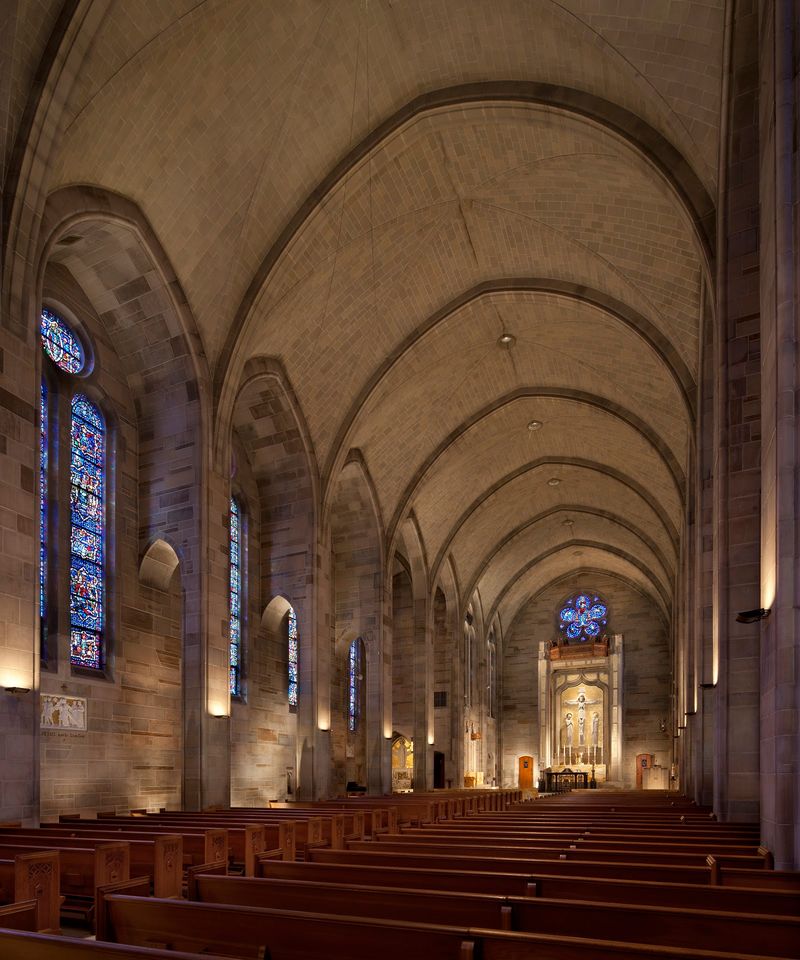
Starting a grand building project in 1936 took nerve. The parish was established during the Great Depression, when money was scarce everywhere.
That timing shapes how you see the place. Every stone represents a community that kept going through hard years.
Construction did not happen fast or easily. Funding troubles stretched parts of the project across decades.
I find that detail more impressive than the carvings. Patience built this as much as craftsmanship did.
Many churches of that era were modest by necessity. Choosing full French Gothic was a bold decision.
The result is a structure that outlived the crisis that surrounded its birth. Nearly ninety years later, it still serves daily.
Visitors sometimes assume the building is much older. The style tricks the eye into thinking centuries rather than decades.
Knowing the real timeline makes a walk through it richer. You are looking at 1930s determination dressed in medieval clothing.
If history interests you, read a little before arriving. Context turns a pretty building into a genuinely moving one.
Sixty-Five Windows That Glow Like Jewels
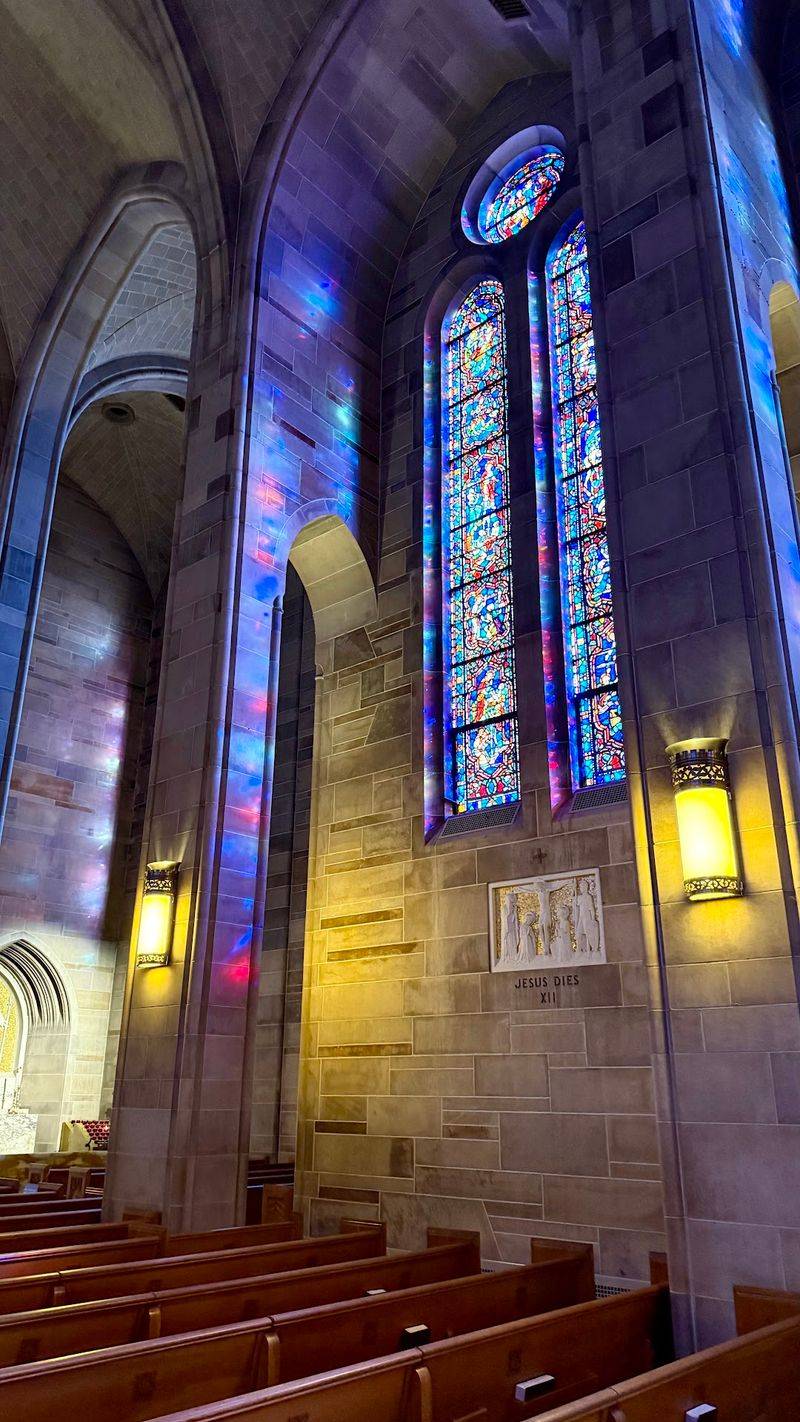
Sunlight turns the inside into something close to a jewelry box. Sixty-five stained glass windows fill the walls with color.
Each panel carries a story. The tones are deep and rich, often described as jewel-toned.
Willet Stained Glass Studios created them. Henry Lee Willet, working out of Philadelphia, crafted the intricate designs.
Installation was not a quick job. The process stretched more than twenty years, with the last window set in place in 1952.
The full collection took years to complete. The final window was installed in 1952.
Timing your visit changes the experience completely. Mid-morning light makes the eastern glass glow most intensely.
Sit in a pew for a few minutes instead of rushing. Colors shift across the floor as clouds pass overhead.
The interior can hold roughly 700 people for services. Even with a crowd, the windows still command attention.
Bring a phone, but expect photos to fall short. Stained glass never quite translates to a screen.
The Chancel Rose Window Above The Altar
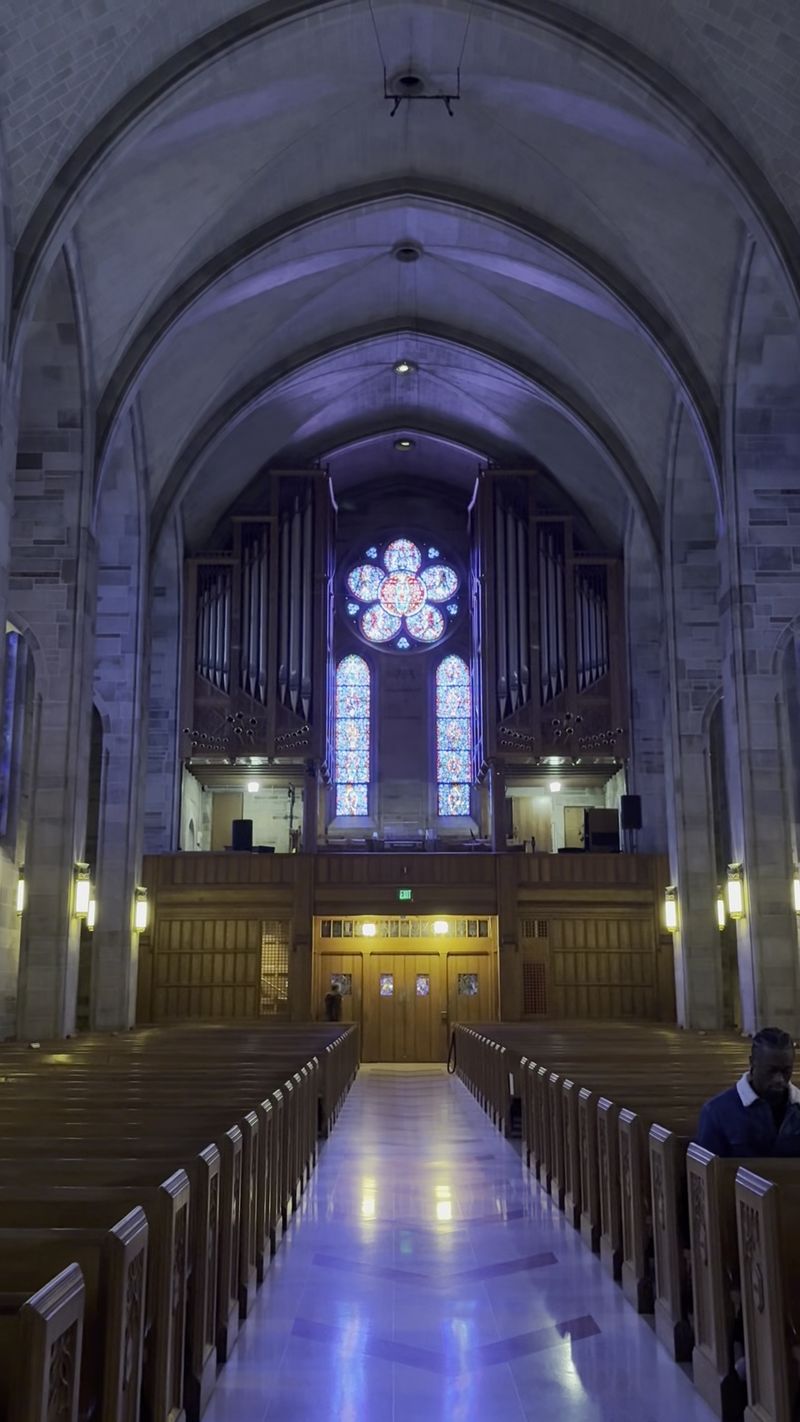
One window steals the show, and it does not apologize. The Chancel Rose Window sits high above the main altar.
Its subject is Christ the King enthroned in glory. Celestial beings surround the central figure.
Symbols of the four Evangelists appear within the design. Each one carries its own traditional meaning.
Color is where this window separates itself. It holds the richest tones of any glass in the building.
I sat in the middle aisle to take it in properly. From that angle the circular design lines up perfectly.
Round windows like this have Gothic roots. Builders used them centuries ago to crown the most important spaces.
Bring binoculars if you want to study the small details. The window sits far above eye level.
Light behaves differently here throughout the day. Late morning tends to fire up the reds and deep blues.
The sanctuary genuinely glows when conditions line up. It is the kind of sight that makes people quiet down without being asked.
From Co-Cathedral To Archdiocesan Seat
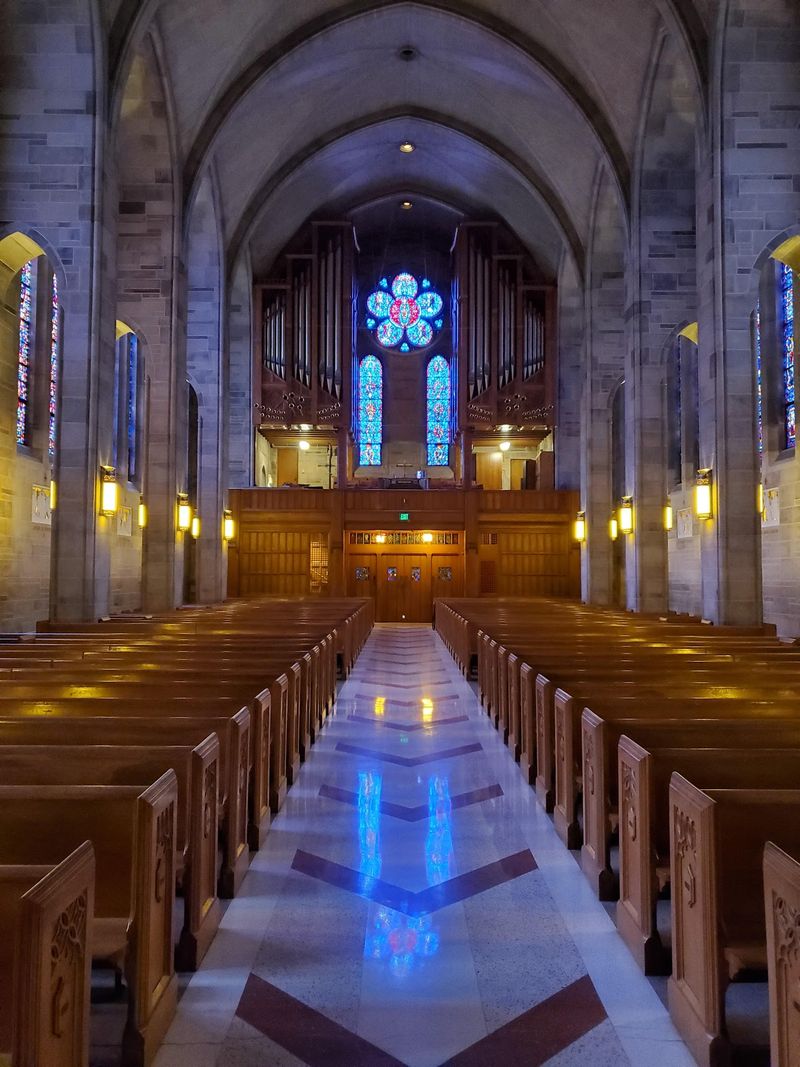
Rank matters in church architecture, and this building climbed. At first it served as a co-cathedral alongside Savannah.
Atlanta grew quickly in the mid twentieth century. The Catholic population expanded and needed its own center.
The Diocese of Atlanta was created in 1956. That move elevated the church to sole cathedral status.
Today it serves as the seat of the Archdiocese of Atlanta. Major regional liturgies happen here.
Size tells part of the story too. It ranks among the ten largest Catholic parishes in the United States.
The nave seats roughly 700 people for services. Tall ceilings carry sound remarkably well through the space.
Weddings and baptisms are common here. Private chapels inside add quieter options for smaller gatherings.
Visitors attending a service should arrive early on busy weekends. Ushers keep large crowds moving smoothly.
Choir music inside this space deserves special mention. The acoustics turn voices into something far bigger than expected.
Restoring A Quarter Million Pieces Of Glass
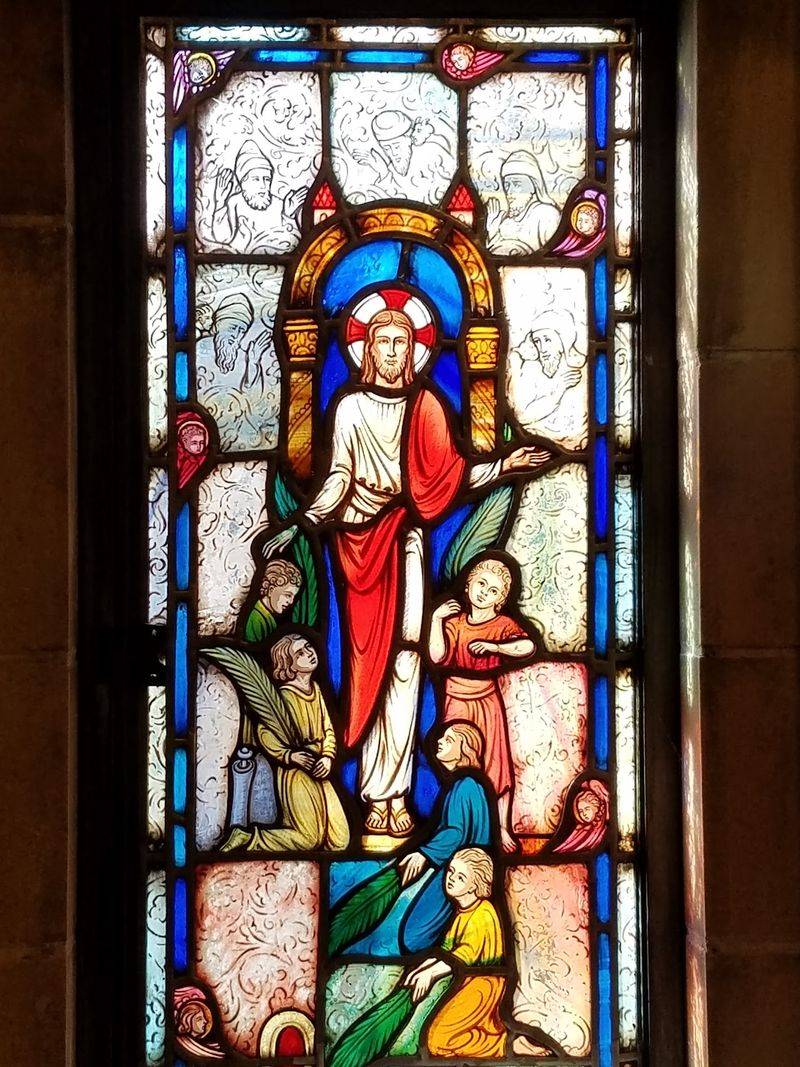
Preserving old glass is painstaking work, and the numbers here are staggering. Daprato Rigali Studios handled a major restoration project.
Roughly 250,000 individual pieces of glass were cleaned and repaired. That is not a typo, just a lot of patience.
Every panel had to be handled carefully. Old lead, old glass, and decades of grime make the job delicate.
Then came an unexpected bonus. Several lost stained glass windows were discovered in the basement.
Nobody expected to find treasure downstairs. Those panels were carefully restored rather than stored away again.
King Richard’s crafted custom light boxes for them. The rediscovered glass was brought back into the building’s design.
I love that part of the story most. Something forgotten got a second life instead of being written off.
Restoration work like this keeps a building honest. Beauty here is maintained, not just inherited.
Next time you stand under colored light, remember the hands involved. Hundreds of thousands of small decisions made that glow possible.