This Georgia City Ranks As The #1 Worst City In America For Commuters
Nine minutes. That’s the difference between missing your kid’s bedtime and making it home in time to read them a story, or so you tell yourself every single afternoon.
Georgia drivers know that math better than anyone right now, because a new commuter study just crowned one of the state’s metros the absolute worst in the entire country for getting home.
We’re talking longer waits, angrier intersections, and a stretch of highway that turns a quick errand into a personal test of patience.
This piece isn’t naming names yet, because honestly, you need the full picture first. What pushed this Georgia city past every other contender in America?
The answer involves one brutal statistic that local drivers have been quietly living with for years, and it might explain a lot about your own commute too.
The Ranking That Shocked Nobody Who Drives Here
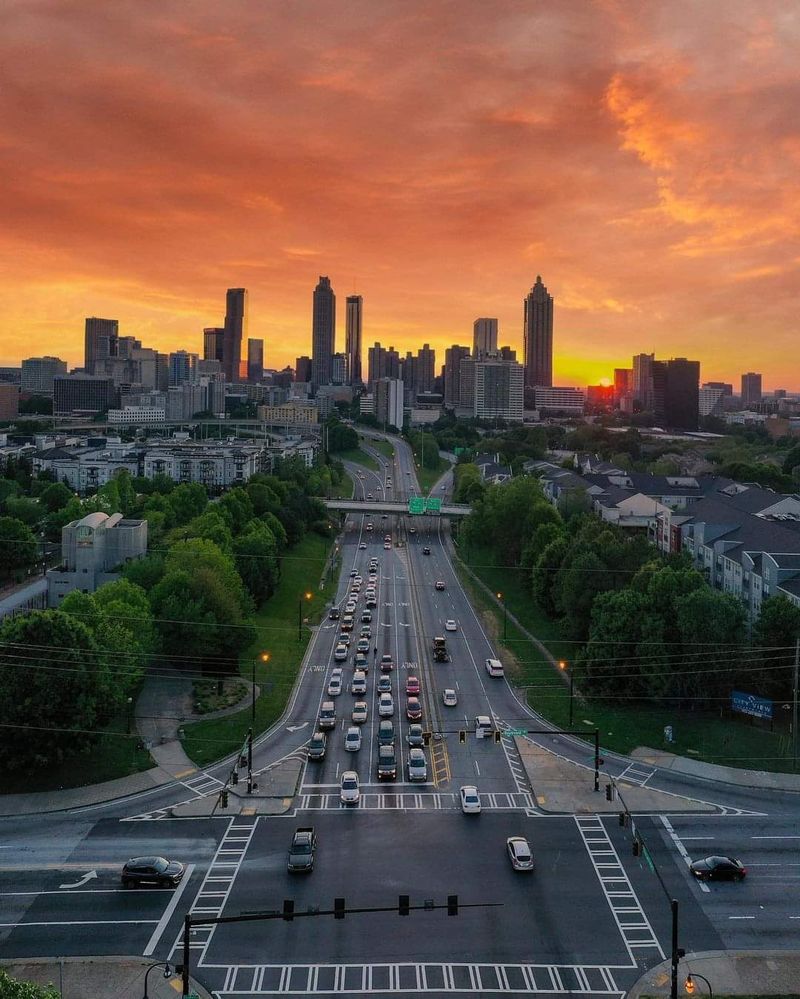
A September 2026 report from WheelsAway handed out a title nobody wanted. It named the metro area the number one worst city in America for commuters.
Another study backed it up months earlier. The Zebra, in June 2026, also ranked this place first in the country for worst traffic.
Not every study agrees, and that part is interesting. The Texas A and M Transportation Institute’s 2025 Urban Mobility Report placed the region ninth out of 101 urban areas for commuter delay.
Inrix took a middle position in its 2025 Global Traffic Scorecard. That report listed the metro at number seven nationally for congestion.
A ConsumerAffairs report from May 2026 landed on eighth worst for traffic. Different methods, different numbers, same general message.
What matters is the pattern, not the exact digit. Every major traffic study puts this metro near the very top of the pile.
The city sits at 33.75 north latitude in the heart of Georgia. Locals have joked about the roads for decades, long before any ranking made it official.
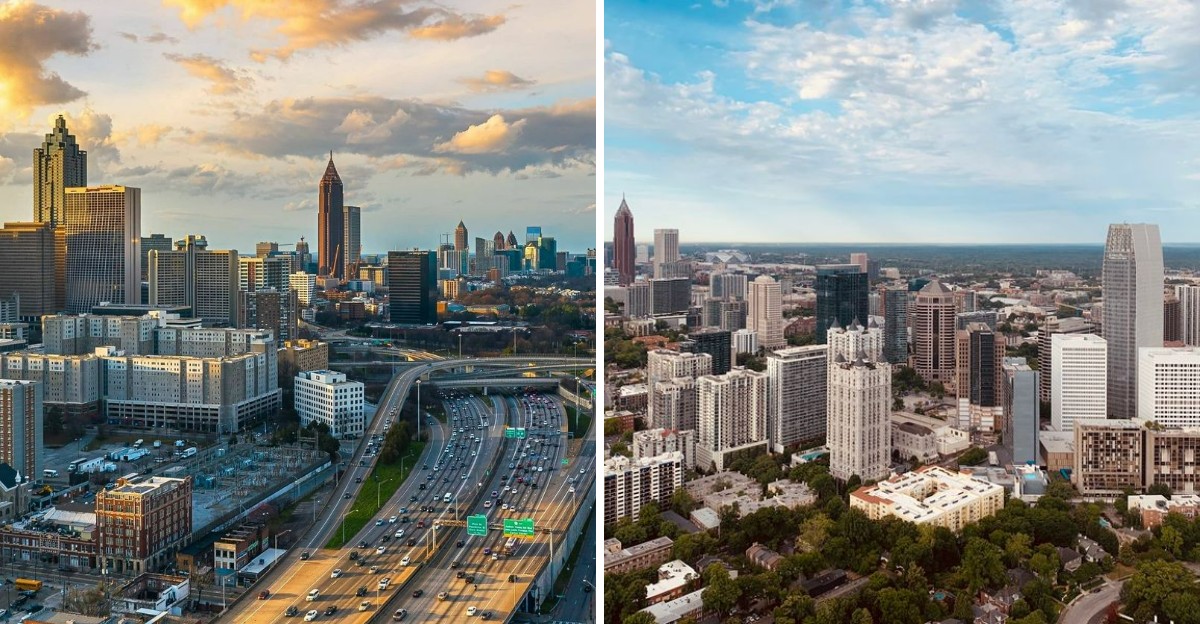
So the headlines were less of a surprise and more of a confirmation. Welcome to Atlanta, Georgia.
Eighty-Seven Hours You Will Never Get Back
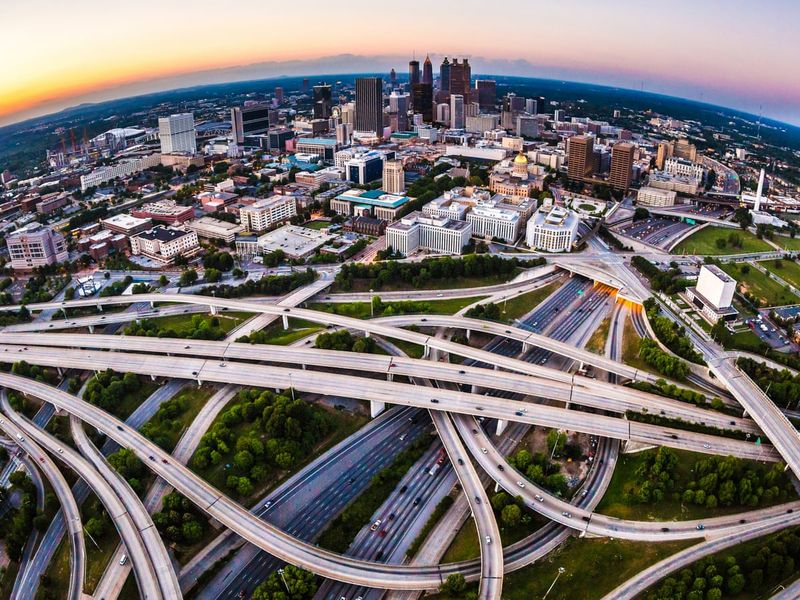
Picture two full work weeks spent staring at a bumper. That is roughly what drivers here lost to congestion last year.
The figure comes out to 87 hours sitting still. Some studies put the number closer to 75 hours annually.
Other studies use different congestion measures, with INRIX estimating about 75 hours lost per driver in 2025.
Even the most conservative count stings. Seventy-five hours is nearly two standard work weeks handed over to a highway.
Time is not the only thing draining away. Annual fuel costs for commuters average about 652 dollars per person.
Vehicle maintenance adds another 416 dollars per commuter each year. Tires, brakes, and oil changes do not care about your budget.
Researchers also put a dollar value on lost time. That estimate sits near 1,381 dollars annually per driver.
Add those together and the commute becomes a serious expense. It quietly competes with groceries and utilities for a slice of the paycheck.
The practical takeaway is simple. Tracking your real drive time for one week can be genuinely eye opening.
When Twenty Minutes Really Means Thirty-Nine
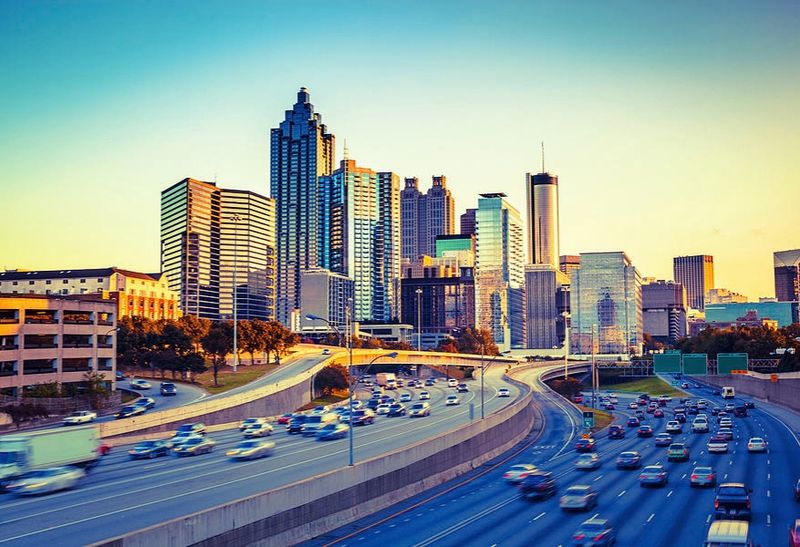
Math gets strange once you cross the perimeter. A trip that would take 20 minutes in free-flowing traffic can take closer to 29 minutes at Atlanta’s average congestion level.
That gap is not imagination. Travel times here run about 44.3 percent longer than free flowing conditions.
Think of it as a hidden tax on every errand. Doctor appointments, school pickups, and dinner plans all pay it.
The official average one way commute lands somewhere between 28.4 and 33.4 minutes. One survey measured 22.7 minutes, still one percent above the national average.
Residents often experience something very different. Actual drive times frequently stretch past 45 minutes or a full hour.
Why the mismatch? Averages smooth out the brutal days, and brutal days are the ones people remember.
A February 2025 Atlanta Regional Commission report added more context. The area holds the fifth highest mean commute time in the nation at 32.15 minutes.
Smart drivers here build in a buffer without thinking. Adding fifteen minutes to any estimate has become basic survival skill.
Treat your navigation app’s arrival time as an optimistic suggestion. Your future self will thank you for leaving early.
Wednesday Has Become Atlanta’s Roughest Commute Day
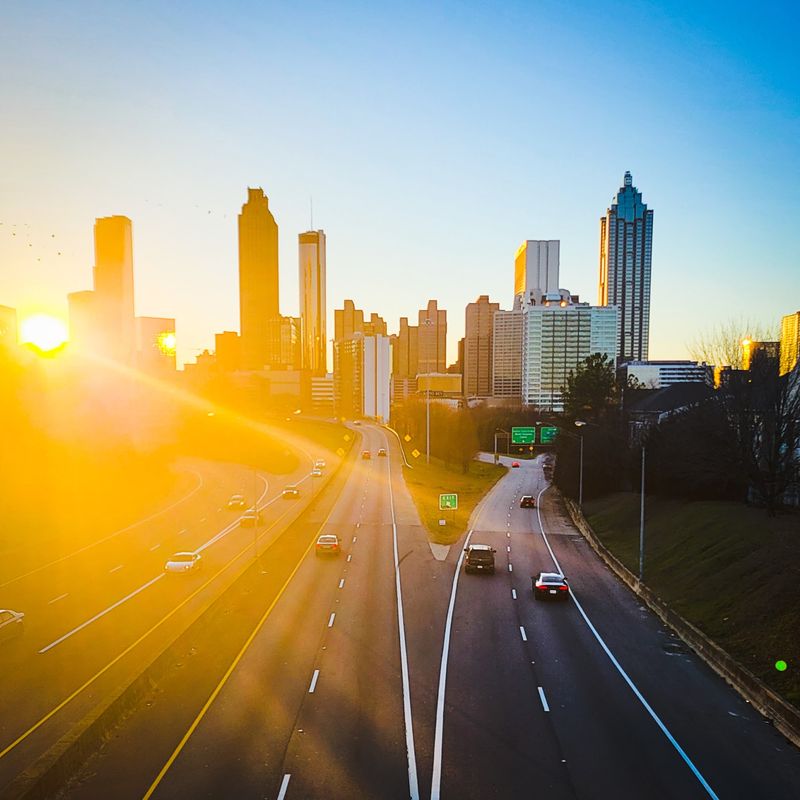
Fridays used to own the crown for congestion. Not anymore.
Atlanta’s heaviest weekday congestion now tends to fall on Wednesday. Hybrid schedules rearranged the entire calendar.
Many people now come into offices midweek and stay home Friday. That shift stacked more cars onto Tuesday through Thursday.
Online shopping added another layer. Delivery vans now circulate through neighborhoods at all hours.
The old idea of two tidy rush hours has faded. Congestion is spread more evenly across the day now.
That change cuts both ways. Midday trips are busier, but early mornings can feel slightly calmer than they once did.
Knowing the rhythm gives you leverage. Scheduling appointments on a Monday or Friday can save real time.
Grocery runs work better outside the midweek crunch. Same with car repairs and errands that require crossing town.
Flexibility is the most valuable commuting tool available. If your job allows any schedule shifting, use it strategically.
A small adjustment of thirty minutes can change your whole afternoon. The roads reward people who pay attention to patterns.
Four O’Clock And The Great Slowdown
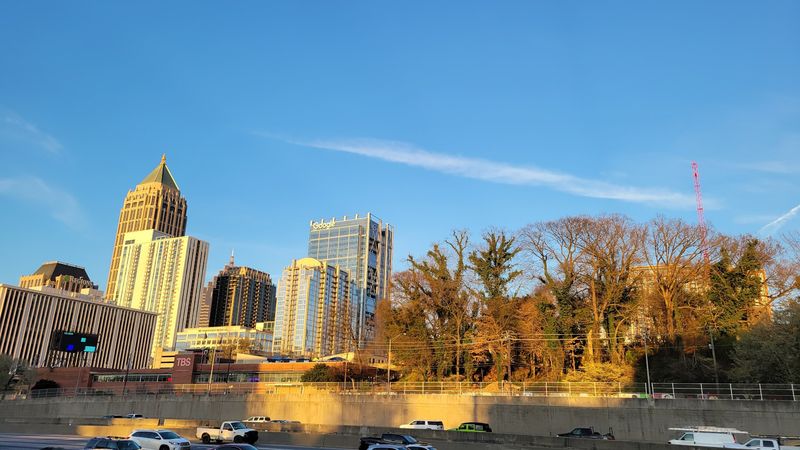
There is a moment each weekday when the roads simply give up. It arrives around 4 p.m.
Congestion peaks near 4 and 5 p.m. on weekdays. Anyone leaving work then joins a very crowded club.
Mornings have their own pinch point. The peak typically hits between 8:00 and 8:29 a.m.
That half hour window is remarkably specific. Leaving before 7:45 makes a noticeable difference for many drivers.
The afternoon crunch lasts longer than the morning one. School dismissals, shift changes, and errands all overlap.
Weather makes everything worse. A brief rain shower can add serious minutes to an ordinary route.
Planning around these windows is free and effective. Shifting a departure by twenty minutes often beats any shortcut.
Side streets sometimes help, though not always. Navigation apps route thousands of drivers onto the same alternate roads.
Podcasts and audiobooks turn dead time into something useful. Plenty of commuters here have finished entire book series on the interstate.
The traffic will not vanish. Making peace with it, and planning around it, is the practical move.
Only A Small Share Of Workers Ride The Train
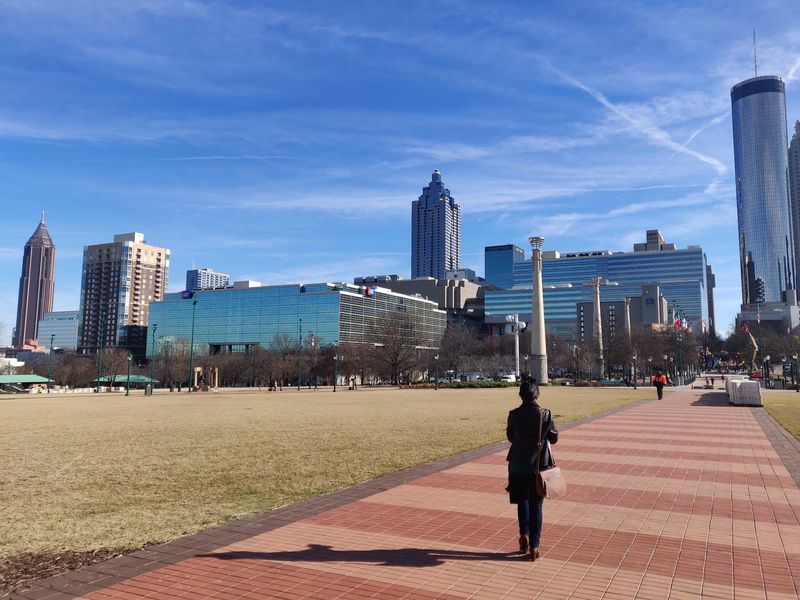
Rail exists here, and it is genuinely useful for some trips. Yet ridership numbers stay surprisingly small.
Recent estimates show only a small share of Atlanta workers use rail for their daily commute.
The main barrier is time. Long travel times keep many people from switching out of their cars.
Transit works best when it connects directly to where you need to go. In a spread out metro, that connection is not always available.
Airport trips are the clear exception. Rail service to the airport is popular and dependable for travelers.
Events downtown also make transit shine. Skipping parking on a busy game day feels like winning.
Park and ride lots offer a middle path. Drive part of the way, then let someone else handle the traffic.
Trying transit once for a specific trip is worth doing. You may discover it fits certain days perfectly.
Improvements continue across the region. More frequent service and better connections could nudge that 2 percent upward over time.
Every rider who switches leaves one more space on the highway.
A City Built Wide Instead Of Tall
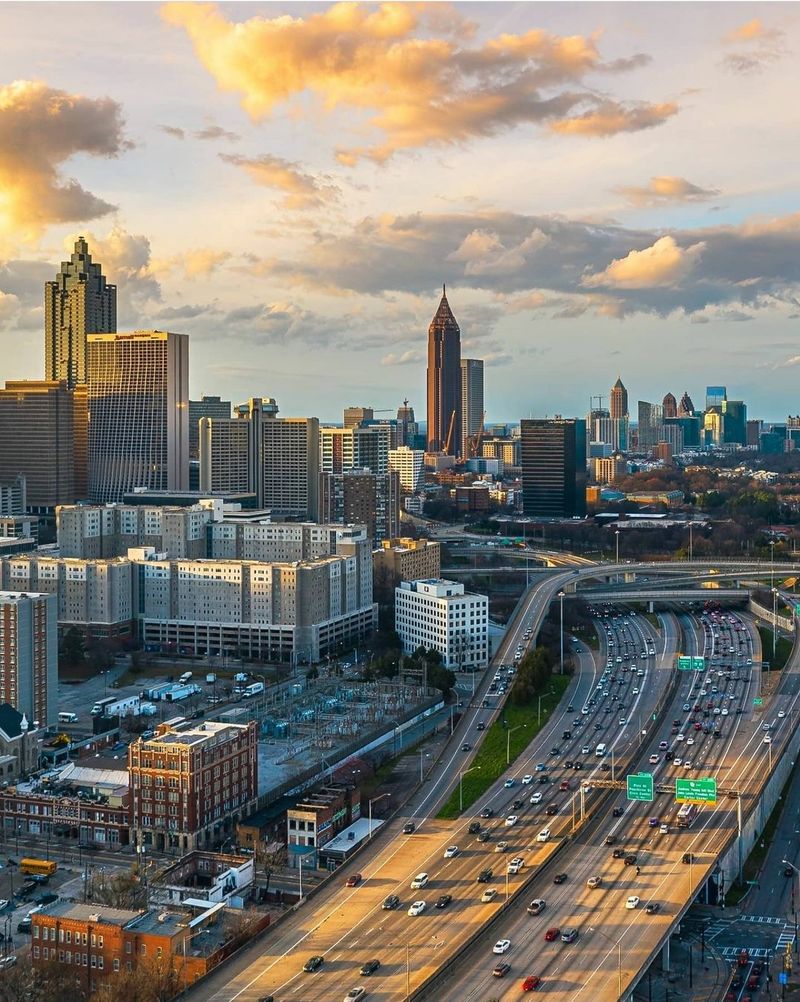
Sprawl explains more about the traffic than any single highway does. The metro spread outward for decades instead of upward.
Homes went one direction and jobs went another. The result is a region where distance is baked into daily life.
Driving remains the dominant way many metro Atlanta workers get to work, despite the rise of remote work.
When four out of five people need a vehicle, roads fill fast. Adding lanes rarely keeps pace with the demand.
Trees are part of the charm and part of the challenge. The tree canopy is beloved, and the neighborhoods stretch far beyond downtown.
City hall sits in the middle of it all in Georgia, with details posted at atlantaga.gov. The capital anchors a metro that reaches dozens of miles in every direction.
Geography matters too. Highways funnel through a relatively narrow core, concentrating pressure at predictable points.
Understanding the layout helps you plan smarter. Choosing where you live relative to work is the single biggest commute decision you will make.
Many residents pick a shorter drive over a bigger yard. That trade often pays off quickly.
Working From Home Helped, But Only So Much
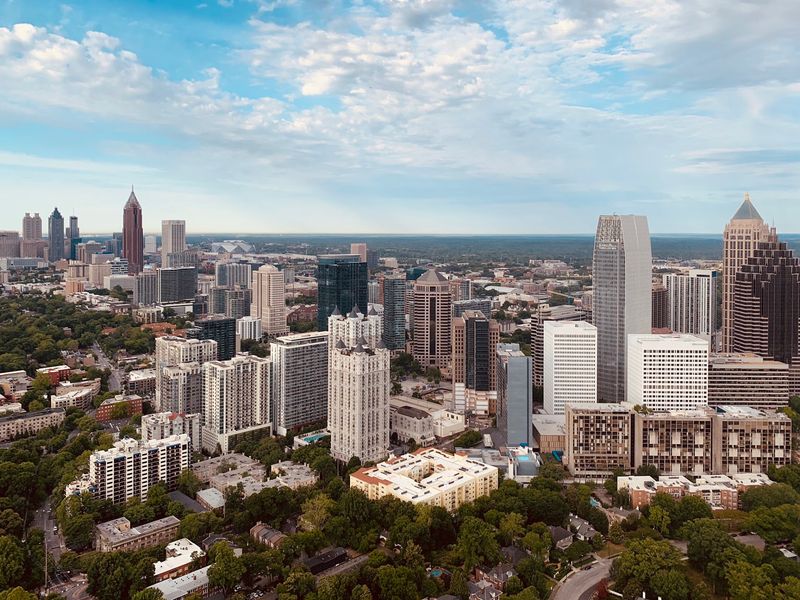
Something genuinely changed after 2019, and the data shows it. About 26.6 percent of the workforce now works from home.
That is more than a quarter of employees staying off the roads. Commute times have dropped somewhat as a result.
Relief has limits though. Congestion still blankets the metro area on most weekdays.
Part of the reason is that remote work is uneven. Many jobs simply cannot be done from a kitchen table.
Healthcare workers, teachers, builders, and service staff still drive. Their commutes did not get shorter because someone else stayed home.
Trips also shifted rather than disappeared. People who work remotely still run errands, take kids places, and meet friends.
The roads absorbed those trips at new times of day. That is a big reason congestion spread out instead of shrinking.
For anyone with a hybrid arrangement, choosing office days wisely pays off. Avoiding the midweek peak is the smartest play available.
Negotiating a later start time can matter more than a raise. An extra hour of sleep beats an hour on the highway.
Why People Keep Moving Here Anyway
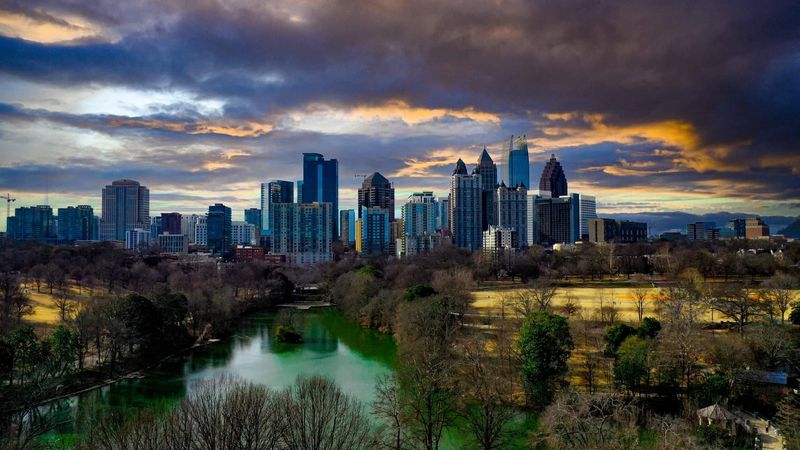
Here is the twist in the whole story. The traffic rankings have not slowed the growth one bit.
The capital of Georgia keeps drawing new residents every year. Jobs, culture, and cost of living all play a role.
Atlanta also has a rich cultural identity, with museums, historic sites, parks, and major attractions across the city.
The Martin Luther King Jr. National Historic Site honors that legacy. The Atlanta History Center chronicles the wider story of the region.
Downtown holds Centennial Olympic Park, built for the 1996 Olympics. The Georgia Aquarium sits right alongside it.
Those attractions pull visitors from everywhere. They also explain why the roads stay busy on weekends.
Residents make their peace with the commute in creative ways. Some move closer in, others shift hours, and many just adapt.
The trade off feels worth it to a lot of people. Green neighborhoods, strong food, and real opportunity carry weight.
Traffic is a genuine problem worth solving. Still, the city has earned its reputation for far better reasons than congestion.