This Georgia County Has One Of The Highest Median Incomes In The State

Money talks. In this corner of Georgia, it tells an interesting story.
On paper, the numbers stand out immediately. Household incomes here rank among the highest in the entire state.
But a statistic only goes so far. The real question is what that figure looks like on an ordinary Tuesday.
It shows up in quiet neighborhoods with well-kept lawns. It shows up in schools that families plan their moves around.
It shows up in busy shopping centers, packed youth sports fields, and new businesses opening their doors. Growth has found this place, and it keeps arriving.
Of course, a higher income usually comes with higher costs. Homes, groceries, and everyday expenses all play a part in the bigger picture.
That balance is what makes this county worth a closer look. Across Georgia, few places offer a clearer snapshot of what prosperity feels like up close.
A Household Income Figure That Stands Out

Numbers rarely make me lean closer, but this one did. The estimated median household income was $143,784 for the 2020 to 2024 period.
That figure describes the household in the middle, not every family on every street. Half of households earn more, while the other half earn less.
Median income differs from average income, which a few very large paychecks can pull upward. I find the middle figure more useful when comparing communities.
The number helps explain why the county ranks among Georgia’s highest-income places. It does not mean everyone feels comfortable paying for housing, childcare, and groceries.
For a fair comparison, check the same years and household measure for each county. Mixing different dates can turn a useful comparison into a guessing game.
Income also tells only part of the story. A household with several earners may bring home more than one supported by a single paycheck.
Curious readers should pair this figure with housing costs and poverty data. Those details show more about daily life than a ranking alone.
There is no single street address for a county; a map identifies it within Georgia. The place behind this striking figure is Forsyth County, Georgia.
Education Helps Explain The Paychecks
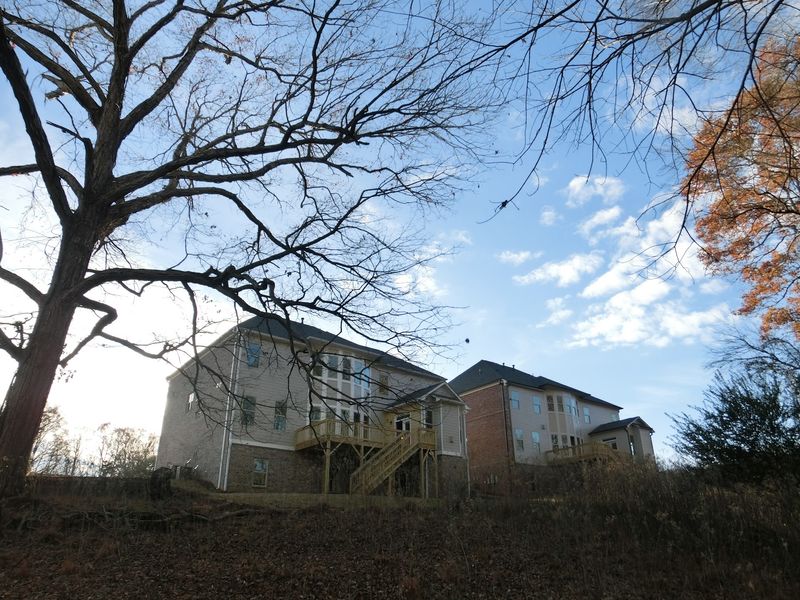
A diploma cannot order a bigger paycheck, but it can open more doors. Here, 57.1% of adults ages 25 and older hold at least a bachelor’s degree.
More than 94% of adults have finished high school. Those figures point to a workforce prepared for many kinds of skilled work.
I think of education as one piece of a larger puzzle, not a magic trick. A degree may help someone qualify for a job, but experience matters too.
Healthcare, technology, and professional services often need workers with specialized training. That demand can help explain higher household earnings across an area.
Students can take something useful from these figures without planning four years of college today. Strong reading, math, and technical skills create choices later.
Educational attainment also describes current residents, not a promise about anyone’s future. It cannot tell you how welcoming a classroom feels or what support it offers.
The most useful lesson is practical: learning and opportunity often reinforce each other. A high income figure becomes easier to understand when you see the skills behind it.
Nearby Jobs Widen The Map

Paychecks do not stop at a county line, which makes a map surprisingly useful. Residents can reach employment centers across the wider metropolitan area.
Nearby business corridors offer corporate and technology jobs. Professional, scientific, and technical services are also important parts of the local work picture.
I would check a commute before celebrating an appealing salary. A longer drive uses time and money that never appear on a paycheck.
Work location matters even more when several adults share a household. Two good salaries can raise household income, while two commutes reshape the daily schedule.
Traffic can change quickly as a region grows. Test a possible route during the hours you would actually travel, not only on a quiet weekend.
Remote and flexible jobs may offer another option, though policies differ by employer. Before making plans, confirm the schedule rather than assuming it will last.
Higher-income areas often reflect access to jobs beyond their own borders. That connection is easy to miss if you study only businesses inside the county.
A useful question follows: where do people work, and how do they get there? The answer gives a fuller picture of what strong household earnings require.
Homes Put The Income Number In Context

A big income figure sounds different when a house price joins the conversation. Local housing costs run higher than the Georgia state average.
Reported home values vary by year and by the measure used. That is why I would not compare one sale price with an older value estimate.
A household can earn well and still need to budget carefully for a home. Down payments, insurance, maintenance, and monthly payments all deserve attention.
The area’s homeownership rate is about 84.4%. That tells us many households own their homes, not that every buyer can easily enter the market.
Housing choices include different sizes and price levels. Even so, a label like starter home means little until you check its current price.
Buyers should compare recent listings with what they can comfortably pay each month. Leave room for savings and ordinary surprises, like a repair bill.
Renters need the same clear-eyed approach. Compare the full monthly cost, including utilities and travel, rather than focusing only on advertised rent.
Income is a helpful starting point, not a complete affordability score. Homes show why a prosperous community can still require careful planning from its residents.
Schools Shape Family Decisions

For many families, a school map gets studied harder than a dinner menu. The public school system draws attention from people considering the area.
Schools can influence where households choose to live and what homes cost nearby. Yet a broad ranking cannot describe every classroom or child’s needs.
I would start with the official attendance map before falling for a particular house. School assignments can differ between nearby streets and may change over time.
Then look at programs, transportation, and support services. A strong match depends on the student, not just a number on a list.
Growth adds another question for families to ask. Some schools face crowding, so check current enrollment and any district plans before deciding.
Parents and caregivers may also care about after-school options. Those hours can shape work schedules as much as the regular school day does.
People without children have a reason to pay attention, too. Schools are part of a community’s public services and long-term planning.
The county’s income story involves families making practical choices about work, housing, and education. Looking at schools closely makes that story more useful than a simple ranking.
Outdoor Space Offers A Different Kind Of Value

Not every valuable thing in a community comes with a price tag. The county’s eastern edge meets Lake Lanier, bringing outdoor recreation close to home.
Parks and walking trails offer other ways to spend an afternoon. Local information describes more than 30 parks and 55 miles of trails.
I like the simple math of a walk: fresh air, comfortable shoes, and no complicated plan. A short trail visit can fit between everyday errands.
Lake activities require more planning. Check current access rules, safety guidance, and weather before heading toward the water.
Public spaces matter because leisure does not have to mean shopping. Families can use them to move, meet friends, or enjoy a change of scene.
It helps to check a park’s facilities before visiting. Restrooms, playgrounds, and trail surfaces differ, and those details can make an outing easier.
The foothill setting adds another feature to the landscape. Still, the best outdoor option is often the one near enough to use regularly.
Median income measures money, not how people spend a Saturday. Parks and the lake show another side of what residents may value about the area.
Rapid Growth Changes Daily Life

A population chart can look calm until you notice how steeply it climbs. The county counted about 98,000 residents in 2000 and 251,283 in 2020.
That change means more neighbors, more homes, and greater demand for public services. Roads and schools have to serve a much larger community.
I see the income headline differently after looking at that timeline. Growth can attract investment, but it also asks residents to adapt.
New neighborhoods may offer pools or clubhouses. Those extras can be appealing, though buyers should check any related fees before making a budget.
More people can support shops, services, and local employers. It can also make routine trips feel different than they did a few years earlier.
Anyone considering a move should review current development plans. A quiet route today may connect to new homes or road work tomorrow.
Population estimates and projections are not the same thing. Estimates describe a measured period, while projections show one possible direction for the future.
Growth does not erase the county’s appeal or guarantee it will continue unchanged. It simply makes planning a bigger part of understanding daily life.
The Best Question Goes Beyond The Ranking

A ranking can catch my eye, but a budget keeps my attention. High median income tells us something useful about households, not everything about their lives.
The county also has a reported poverty rate of 4.5%. That figure deserves a place beside the income number, rather than being overlooked.
Neither statistic describes every neighbor. Families have different expenses, resources, work schedules, and reasons for choosing where to live.
Property taxes belong in any careful budget, too. A useful comparison considers the actual bill for a specific home, not only a general rate.
For someone considering the area, I would make a simple checklist. Include housing, travel, schools if needed, healthcare, and the services you use regularly.
Then compare those costs with dependable income, not an imagined best-case salary. That exercise gives the headline a personal meaning.
Economic development plans aim to bring more higher-paying jobs. Plans offer direction, but future results should not be treated as guaranteed.
What stands out here is the mix of opportunity and practical choices behind one impressive figure. The smartest takeaway is to ask what prosperity means for an actual household.