This Georgia Garden Bursts With Thousands Of Flowers And It Feels Like A Dream
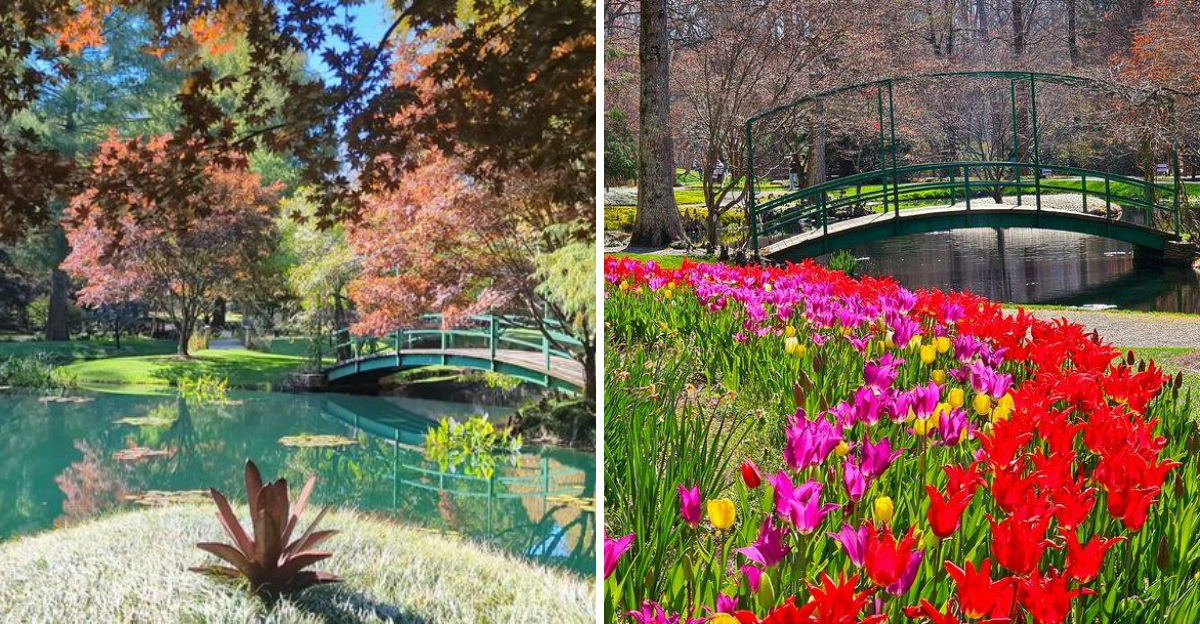
I heard it before I saw it, bees everywhere, a low hum that seemed to rise straight out of the ground. Then the colors hit, so many at once that I stopped the car without meaning to.
Reds, purples, yellows, stretched further than I expected any garden could go. I stood there for a minute just turning in circles, trying to take it all in.
Georgia hides gardens like this in the most unassuming spots, no billboard, no warning, just a quiet road that suddenly opens into something enormous. My phone camera could not capture the scale of it, not even close.
I ended up putting it away and just walking instead. Georgia surprises me constantly, but this one stopped me completely in my tracks, and I still think about the colors weeks later.
A Sea Of Yellow That Goes On Forever
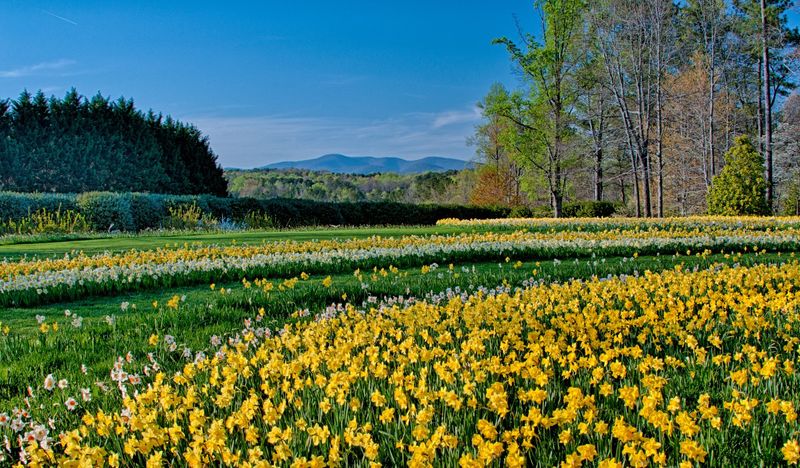
Fifty acres of daffodils sounds like a number someone made up. It is not.
Over 200 varieties bloom across rolling terrain from March to mid-April, creating one of the most jaw-dropping floral displays in the world.
Walking through this section feels like stepping into a painting. The yellow stretches so far in every direction that your eyes genuinely cannot find the edge.
Millions of individual blooms nod in the breeze all at once.
This display is recognized globally as one of the best places to see daffodils anywhere on earth. That is not a small claim, and this place backs it up completely.
Gibbs Gardens, located at 1987 Gibbs Drive, Ball Ground, Georgia, earned that reputation honestly. Plan your visit between March and mid-April to catch peak bloom.
Arriving early on a weekday gives you the best light and the fewest crowds.
Bring a camera with a wide-angle lens if you have one. No single photo captures the full scale of this garden.
You will take dozens of shots and still feel like you missed something.
Forty Acres Of Pure Serenity
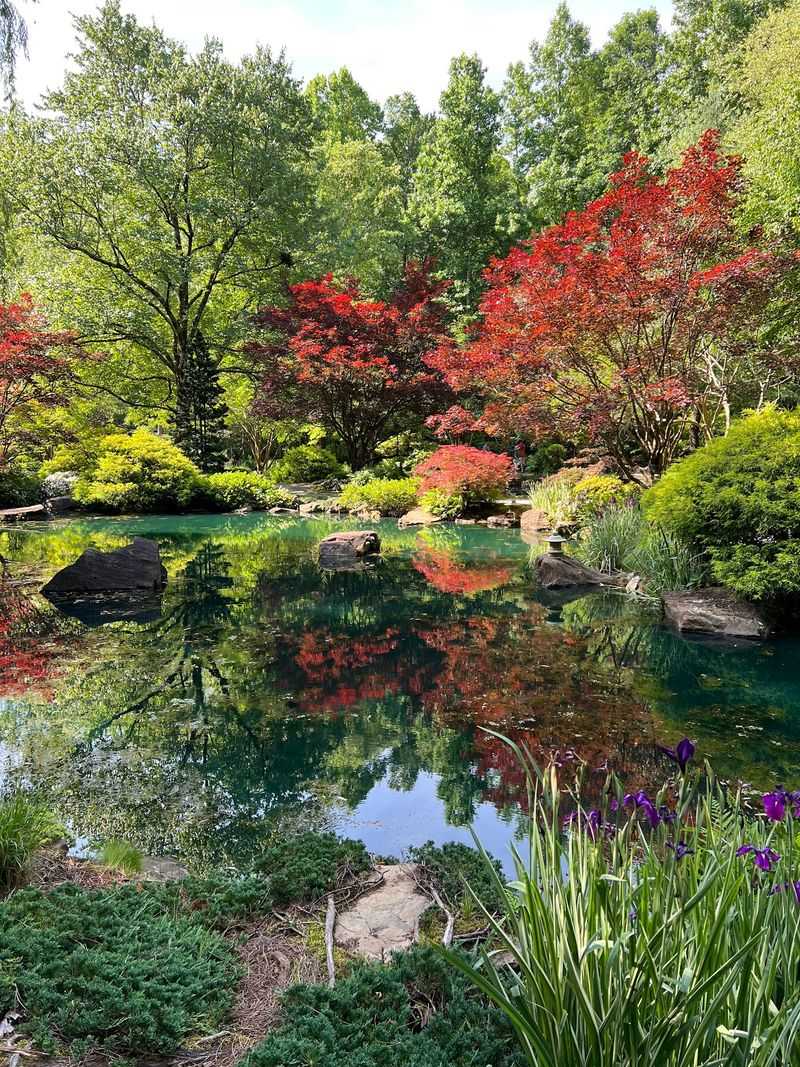
Few garden sections in the United States match the sheer ambition of this one. Spanning over 40 acres, the Japanese Gardens feature spring-fed ponds, miniature islands, stone lanterns, and a traditional Torii gate at the entrance.
A zigzag bridge adds authentic design detail that feels genuinely considered, not decorative. Over 1,000 Japanese maples turn brilliant shades of red, orange, and gold in autumn.
Blue and purple water iris line the pond edges each May.
The atmosphere here is completely different from the rest of the property. Sounds soften.
Steps slow down naturally. Visitors tend to linger longer here than anywhere else on the grounds.
This garden rewards patience. Sit on one of the many benches placed along the pathways and just watch the water.
The reflections shift with the light, and no two moments look exactly the same.
Multiple reviewers describe this section as the finest Japanese garden they have ever visited, and that includes people who have traveled internationally. The craftsmanship and intentionality behind every detail here is easy to feel, even if you cannot fully explain why.
Where Art Meets Nature
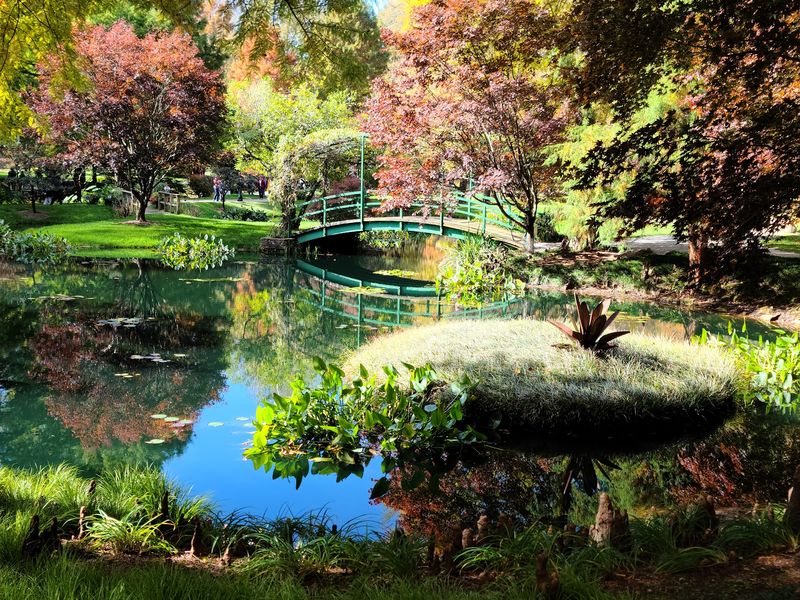
Claude Monet spent years painting waterlilies in his French garden, and this section pays tribute to that obsession in a spectacular way. A replica of Monet’s famous Japanese bridge serves as the centerpiece of this dreamy space.
One hundred forty varieties of waterlilies bloom here, both tropical and hardy types. The display runs from late spring through fall, which means this garden has one of the longest bloom windows on the entire property.
The colors range from deep burgundy to pure white, with every shade of pink and yellow in between. Early morning light turns the pond surface into something that genuinely looks like an impressionist painting.
It is that beautiful.
Photography here requires no skill whatsoever. Point the camera at almost anything and the result looks stunning.
The reflections on the water double every bloom and create a visual depth that surprises you every time.
If you visit in summer, this is the section to prioritize. The tropical varieties reach their peak intensity in the heat, and the overall display becomes richer and more layered with each passing week through the season.
Over A Thousand Blooms And A Climbing Arbor
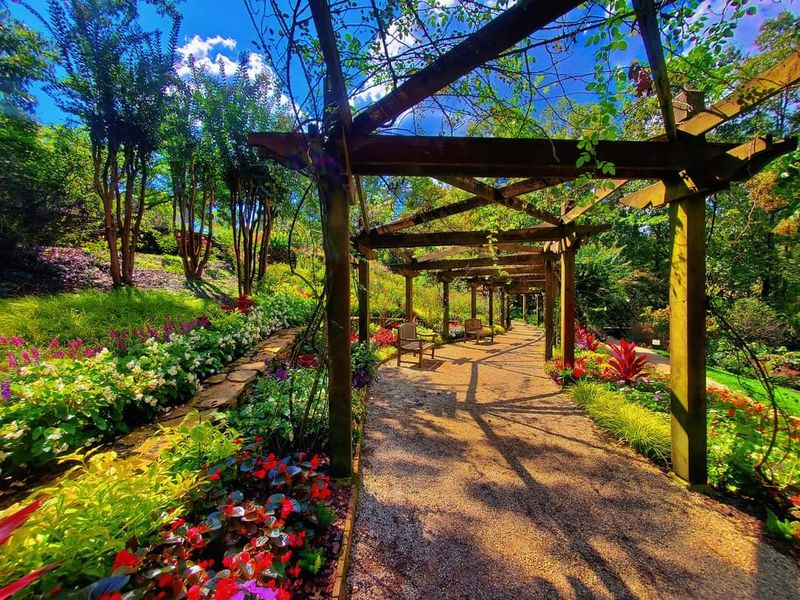
A garden with over 1,000 roses sounds like a lot until you actually see it. Then it sounds like an understatement.
This collection spans heirloom varieties, modern Floribundas, Grandifloras, and climbers that wind their way up every available surface.
The star of this section is a 135-foot-long serpentine wooden arbor. Fragrant blush-pink ‘New Dawn’ climbing roses drape over the entire structure, creating a tunnel of soft color and sweet scent that stops most visitors mid-step.
Blooms appear from May until the first heavy frost, giving this garden one of the longest seasons on the property. Colors run from deep red and vivid pink to soft yellow and pure white, often all visible from a single vantage point.
The scent in this section on a warm morning is genuinely overwhelming in the best possible way. Standing under the arbor with blooms overhead and fragrance all around is one of those rare sensory moments that stays with you long after you leave.
Rose enthusiasts will want to budget extra time here. Reading the variety markers and comparing bloom styles from plant to plant becomes surprisingly absorbing, even for people who do not consider themselves rose fans.
Mountain Views And European Elegance
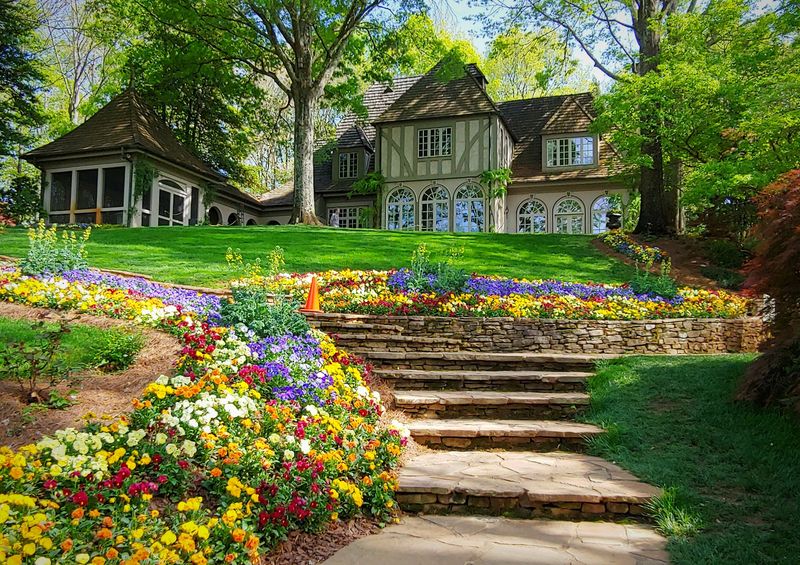
Getting to the Manor House requires a climb, and the path is genuinely steep. Most visitors catch their breath at the top and immediately forget they were tired.
The mountain views from this elevation are sweeping and completely unexpected.
The gardens surrounding the manor reflect a mixed-European design style. Lush terraces drop away from the house in layers, each one planted with vibrant seasonal color.
Waterfalls connect the levels and add constant movement to the scene.
Spring, summer, and fall each bring different displays here, meaning return visits always reveal something new. The design was intentional from the start, built to offer year-round visual interest rather than a single peak moment.
The manor itself has the look of an English country estate, complete with stonework and formal garden structure. Standing on the upper terrace with mountains in the background and flowers at your feet is a genuinely cinematic experience.
Comfortable shoes matter a lot for this section specifically. The uphill path is worth every step, but gravel surfaces and inclines can catch people off guard.
Give yourself extra time here and resist the urge to rush back down.
5 Acres That Bloom In Every Season
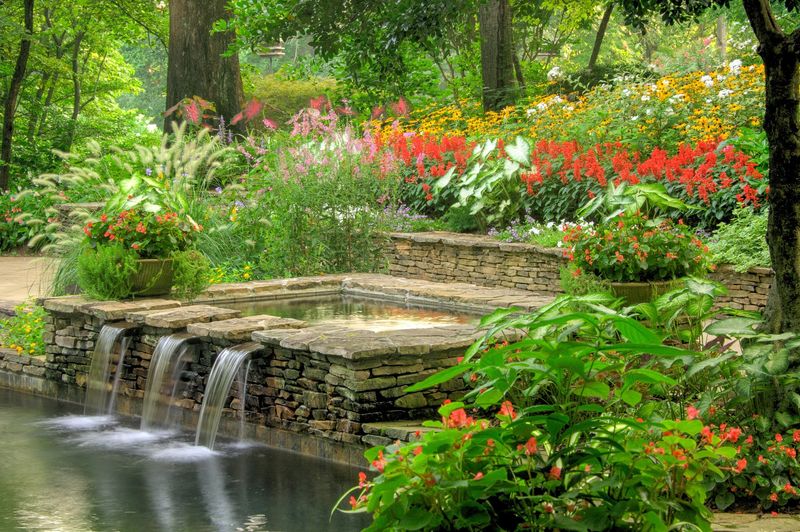
Opened in 2021, this section brought something the rest of the property did not yet have: a garden designed specifically for year-round color and texture. Every plant choice here was made with all four seasons in mind.
Encore Azaleas and Native Azaleas provide bursts of color in spring and again in fall, which is unusual for azaleas. Dwarf Drift and Knockout roses add cheerful blooms from late spring through autumn without demanding much attention.
Rare dissectum laceleaf Japanese maples bring an artistic quality to the space. Their deeply cut foliage creates texture that reads beautifully in both full sun and soft shade.
Dwarf conifers add structure and year-round green to anchor the design.
This is one of the most approachable sections for home gardeners looking for planting ideas. The plant combinations here are creative but not complicated.
Many of the species used are available at garden centers across the Southeast.
Walking through this garden with a notepad is not a bad idea. The design choices feel genuinely educational, showing how different plant forms, textures, and bloom times can work together across an entire calendar year without ever looking bare or dull.
Where Water Shapes The Entire Landscape
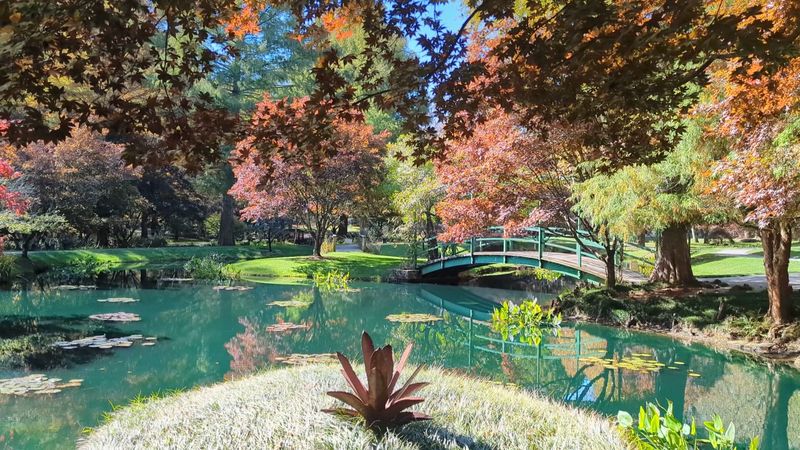
Most gardens have a fountain or two and call it a water feature. This place has 24 ponds, 19 waterfalls, and 32 bridge crossings spread across the entire property.
That is not a water feature. That is a water landscape.
Natural springs flow through the valley areas, feeding the ponds and keeping everything looking lush even in dry stretches. Millions of naturalized ferns grow along the banks, creating one of the largest ferneries in the entire country.
Crossing a bridge here feels different from crossing one at a typical park. The views from each one are framed by intentional planting on both sides.
Every crossing reveals a new angle, a new reflection, a new reason to stop and look.
The sound of moving water follows you through most of the property. It creates a background calm that makes the whole experience feel more restorative than a standard outdoor walk.
Multiple visitors describe leaving this place feeling genuinely recharged.
Plan to cross every bridge if time allows. Each one offers a slightly different perspective on the surrounding gardens, and the interplay between water, stone, and plant life changes constantly depending on the season and time of day you visit.
Something Blooming Nine Months Straight
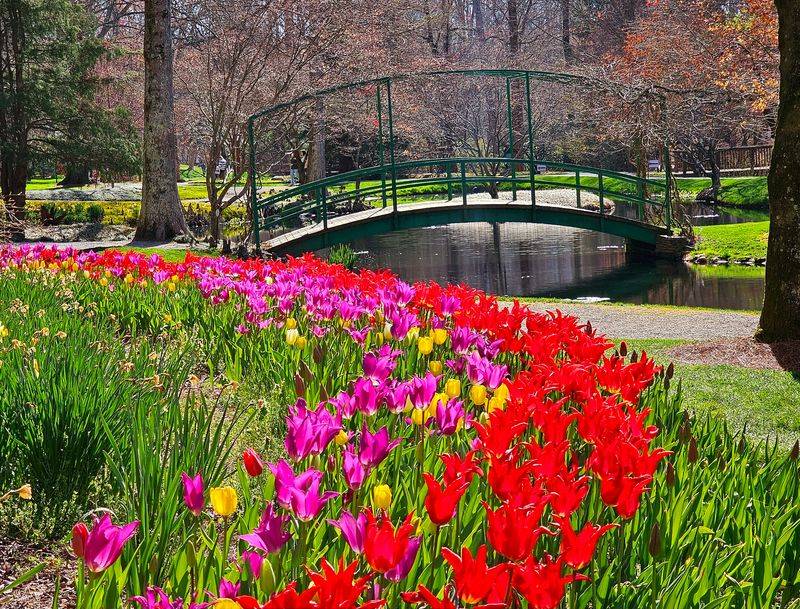
Very few gardens can claim such a long bloom season, with colorful displays from late winter through late fall. This place does it legitimately, with careful plant selection that ensures something is always at peak display no matter when you arrive.
Spring brings daffodils, tulips, cherry blossoms, and azaleas in rapid succession. Summer transitions into waterlilies, daylilies, crape myrtles, and rhododendrons.
Fall shifts the mood entirely with Japanese maple color, cosmos fields, and late-season roses.
The property was designed from the beginning to function as a living calendar. Each section reaches its best at a different time, which encourages visitors to return across multiple seasons rather than treating it as a single-visit destination.
Annual pass holders get the best deal here. Converting a day-pass into a membership at the gate is an option, and given how dramatically the gardens change across seasons, it makes practical sense for anyone within driving distance.
Poppies, wildflowers, and sulfur cosmos add seasonal texture that most botanical gardens overlook entirely. These naturalistic plantings feel spontaneous even though they are carefully managed.
The result is a garden that always looks like it is having its best possible day.
A Few Things To Know Before Heading Out
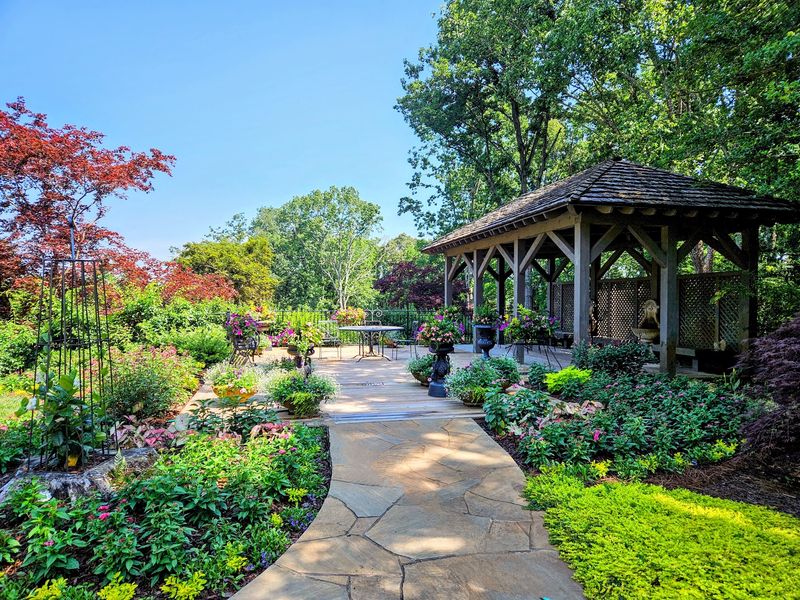
A full tour of this property typically takes three to four hours at a comfortable pace. Some visitors spend six hours and still feel like they missed things.
Wear comfortable closed-toe shoes because the paths are gravel and some sections involve real elevation change.
Hours and operating days vary by season, so check the official website before your visit for the latest schedule. Arriving close to opening time gives you the best light for photos and the most peaceful experience before larger crowds arrive.
The Arbor Cafe on-site serves sandwiches, snacks, and drinks. The cranberry chicken salad sandwich and the egg salad truffle sandwich both come up repeatedly in visitor reviews as standouts.
Outside food is not permitted, but you may bring a water bottle.
A welcome center and gift shop are available near the entrance and exit. Cell service inside the gardens is limited, which most visitors end up appreciating more than they expected.
It forces full attention onto the surroundings.