This Georgia Garden Bursts With Thousands Of Japanese Maples Every Single Fall
There is a moment each fall when color stops being subtle and becomes overwhelming.
Georgia has a garden that lives entirely for that moment. Thousands of Japanese maples ignite across the landscape in shades that seem almost invented.
Crimson, amber, copper, and gold compete for your attention from every direction. No two trees look alike, and no two visits feel the same.
The scale of it is genuinely difficult to prepare for. Whenever I visit, I still find myself stopping mid-path, unable to move.
This is fall foliage elevated to something closer to art. Bring a camera and arrive prepared with nowhere else to be.
The Story Behind The Gardens
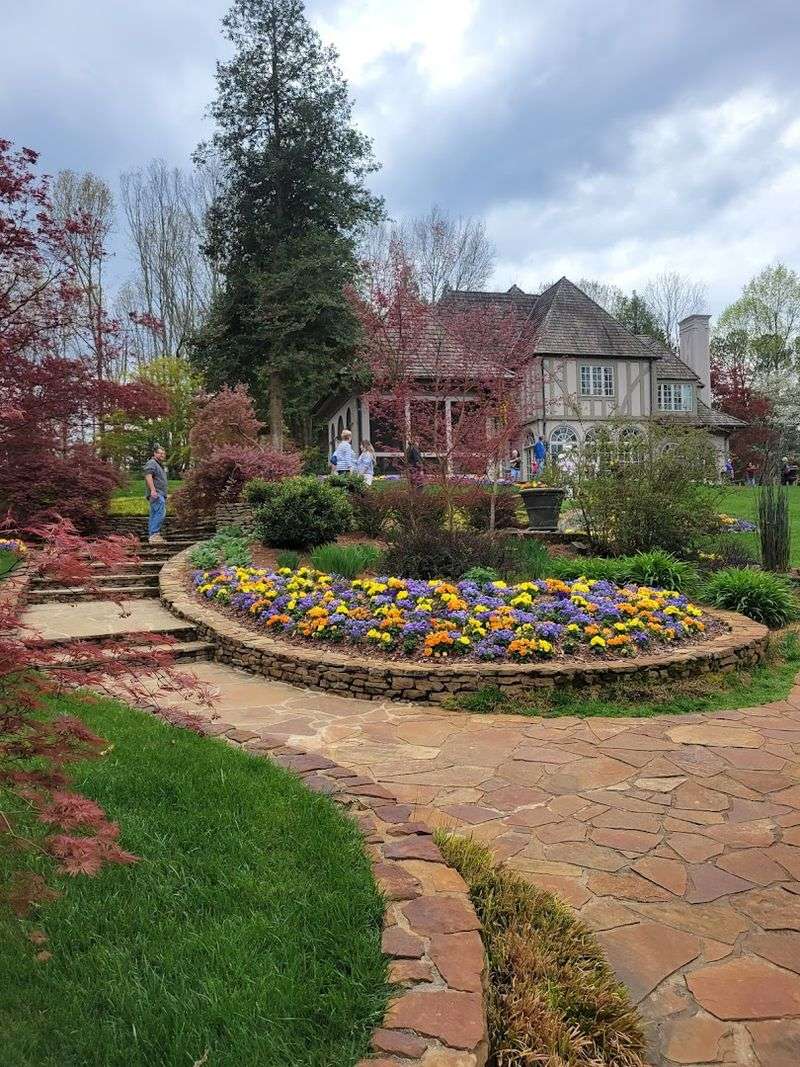
Not every great garden starts with a grand plan. Gibbs Gardens grew from one man’s lifelong passion for horticulture.
Jim Gibbs, a landscape architect, spent decades transforming his private estate in Ball Ground, Georgia into a world-class public garden.
What began as a personal project quietly became one of the most celebrated gardens in the entire state. Jim’s dedication to the land is visible in every planted bed and sculpted hillside.
The estate covers around 300 sprawling acres and features 16 distinct garden areas. Each section reflects a different design philosophy, from formal European-style beds to naturalistic woodland trails.
Opening to the public was a turning point that allowed thousands of people to share in something previously very private.
That sense of personal investment still lingers in every corner, making destination at 1987 Gibbs Dr in Ball Ground feel less like a tourist attraction and more like a cherished family estate generously opened to the world.
The Japanese Garden In Fall
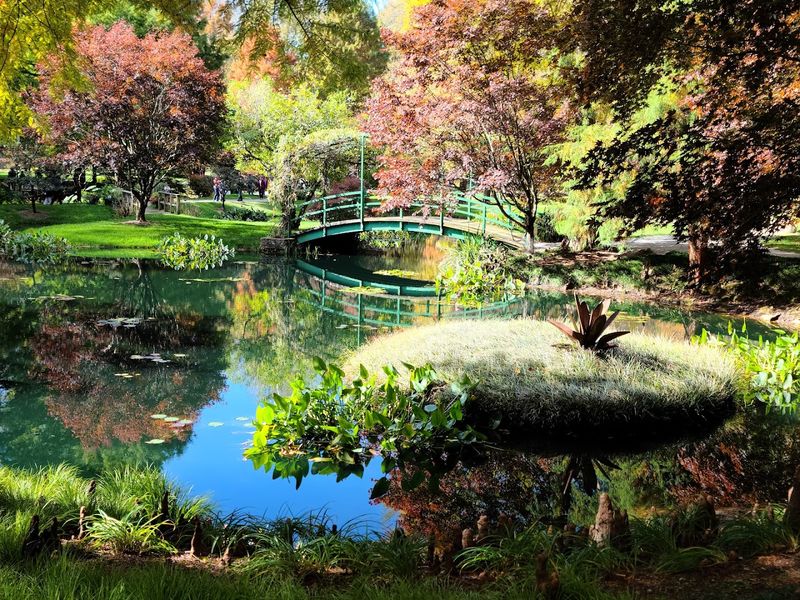
I don’t even know how to describe how magical this place really is but I’ll try my best!
Fall at the Japanese Garden section is the kind of scene that makes you stop mid-stride and just stare.
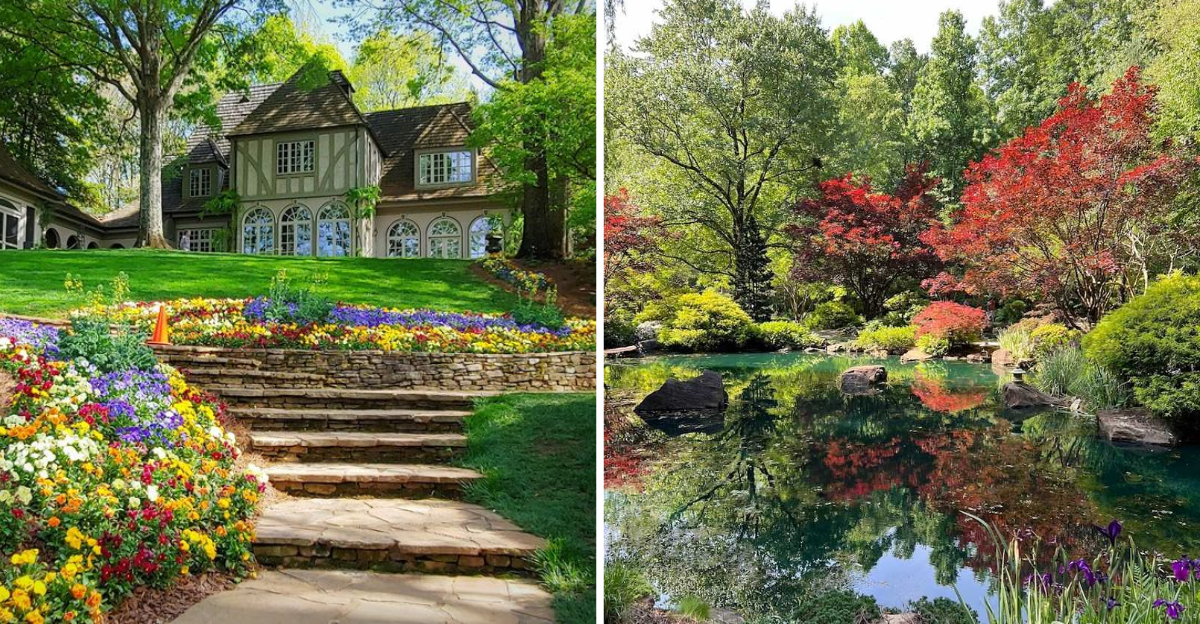
Hundreds of Japanese maple trees erupt in shades of crimson, rust, and amber, creating a canopy that feels almost surreal. Stone lanterns and traditional sculptures stand quietly among the color.
The reflection of those fiery maples on the still garden ponds is genuinely one of the most photogenic moments I have ever encountered in Georgia.
Photographers can set up tripods early in the morning to capture the light filtering through the leaves. The effect is soft, warm, and absolutely worth waking up for.
What makes this section especially memorable is the careful curation. Every tree and stone feels intentionally placed, creating a harmony that is both calming and visually exciting.
The design draws from classic Japanese garden traditions, and the attention to detail is remarkable.
Visiting during peak fall color, usually mid to late October through November, gives the fullest experience. The maples do not all turn at once, so the color show stretches across several weeks.
Wildflower Fields And Butterflies
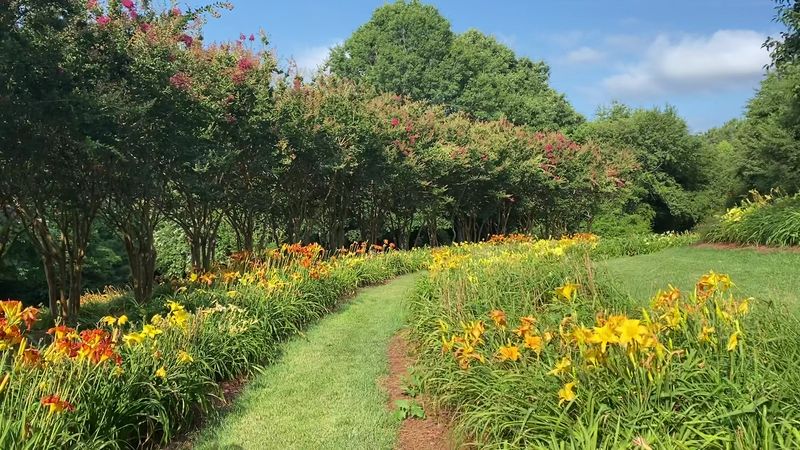
There is a particular kind of joy in watching butterflies drift lazily over a wildflower field on a warm afternoon.
The wildflower garden at Gibbs Gardens delivers that feeling in abundance, especially during late summer and early fall. Monarch butterflies, swallowtails, and bees move through the blooms in a constant, cheerful parade.
The field is broad and open, offering a nice visual contrast to the more enclosed woodland paths elsewhere on the property. Tall grasses and native plants sway in the breeze alongside colorful clusters of wildflowers.
Children especially love this area, since the butterflies come close enough to observe in detail. Families often linger here longer than anywhere else on the property.
The combination of open space and wildlife activity makes it a natural gathering spot.
Even in late September, when some gardens start to fade, this section holds its color remarkably well. Native plants are resilient, and the garden team clearly knows how to select species that perform late into the season.
This is one corner of Georgia that refuses to rush toward winter quietly.
Daffodils And Spring Blooms
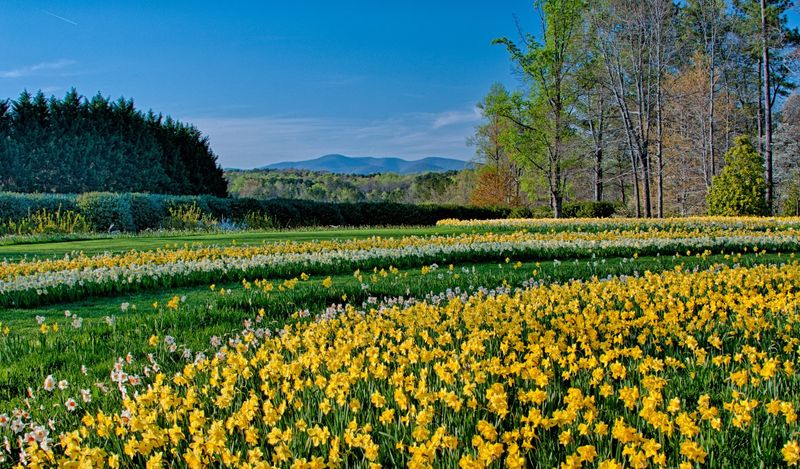
Spring at Gibbs Gardens is a completely different world from fall, but equally breathtaking in its own right. The daffodil display is legendary among regular visitors, with thousands of cheerful yellow blooms covering entire hillsides.
Tulips follow shortly after the daffodils, adding pinks, purples, and deep reds to the palette. Water lilies float serenely on the garden ponds as the season progresses.
Roses and hydrangeas then carry the color well into summer, ensuring the garden never has a dull moment.
The garden feels especially fresh and energetic during this season. The air carries a faint floral scent along most of the main paths. That sensory layer adds something that photographs simply cannot capture.
Planning a spring visit around late February through April gives the best chance of catching the daffodil peak. The exact timing shifts slightly each year depending on temperatures across North Georgia.
Walking The Garden Trails
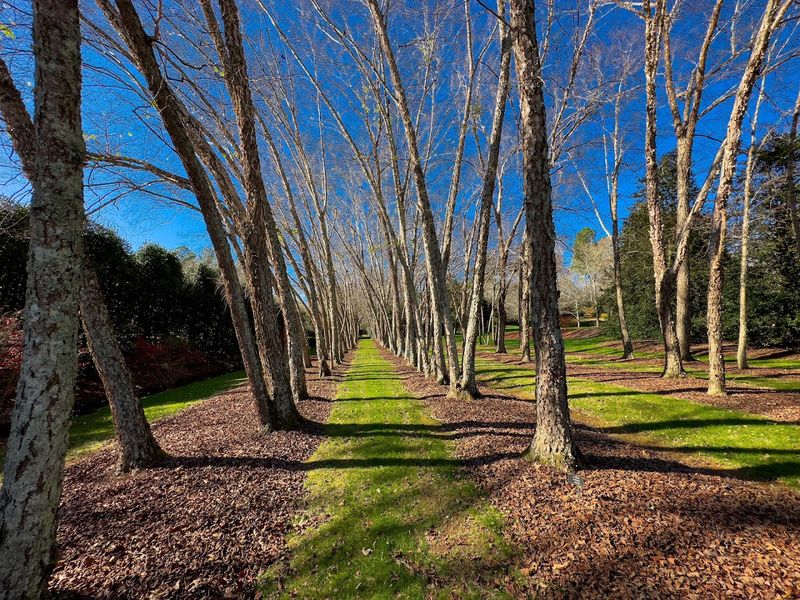
Comfortable shoes are not just a suggestion at Gibbs Gardens. They are practically a requirement.
The two main trails together cover roughly three miles of gravel paths, and most visitors spend between two and three hours walking the full route. That is a satisfying amount of ground to cover.
Red directional arrows are placed throughout the property to keep visitors on track. The signage is thoughtful and clear, so getting turned around is nearly impossible.
Maps are available at the entrance, and the layout feels logical even on a first visit.
The trails pass through a wide variety of garden environments, from open meadows to shaded woodland sections. Each transition feels natural rather than abrupt, giving the walk a pleasant, unhurried rhythm.
Benches are placed at scenic intervals, which is a small but genuinely appreciated detail. Seniors and families with older children generally find the trails manageable, though the gravel surface means wheelchairs face some challenges on certain sections.
The Manor House Views
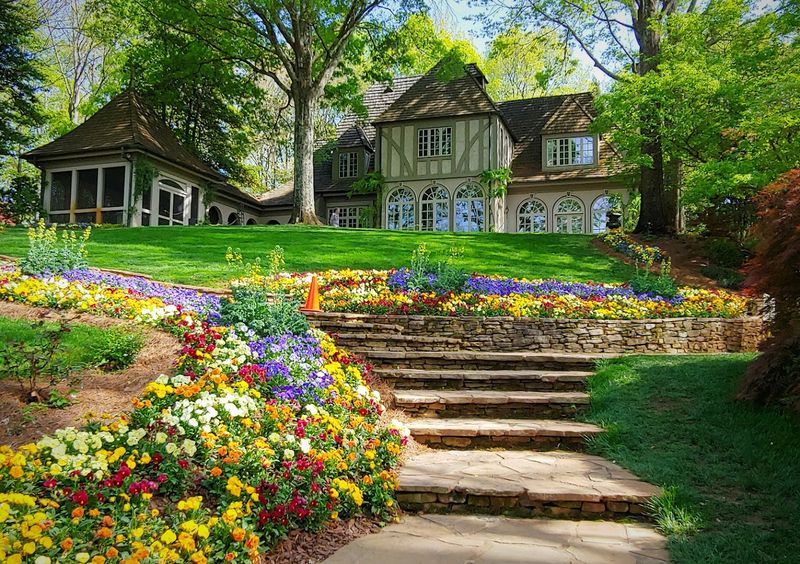
The Manor House section of the property carries a quiet elegance that sets it apart from the rest of the garden.
The building itself is handsome and well-maintained, and the surrounding landscape has been designed to complement its architecture beautifully. Sitting on one of the benches near the Manor House feels like a genuine pause in the day.
Views from this area extend across manicured lawns and into the surrounding Georgia hills. On clear days, the distant treeline adds a natural frame to the scene. It is the kind of view that inspires people to take out their cameras and simply start shooting.
The garden layout near the Manor House includes some of the most formally designed sections on the property. Carefully trimmed hedges, stone paths, and structured flower beds create a composed, almost painterly atmosphere.
The contrast with the wilder wildflower fields elsewhere makes each section feel like a distinct chapter in a long story. The combination of elegant architecture and lush surroundings provides a natural backdrop that flatters every shot.
If you only pick one place to pause and breathe it all in, this would be a very strong candidate.
Why Fall Stands Above The Rest
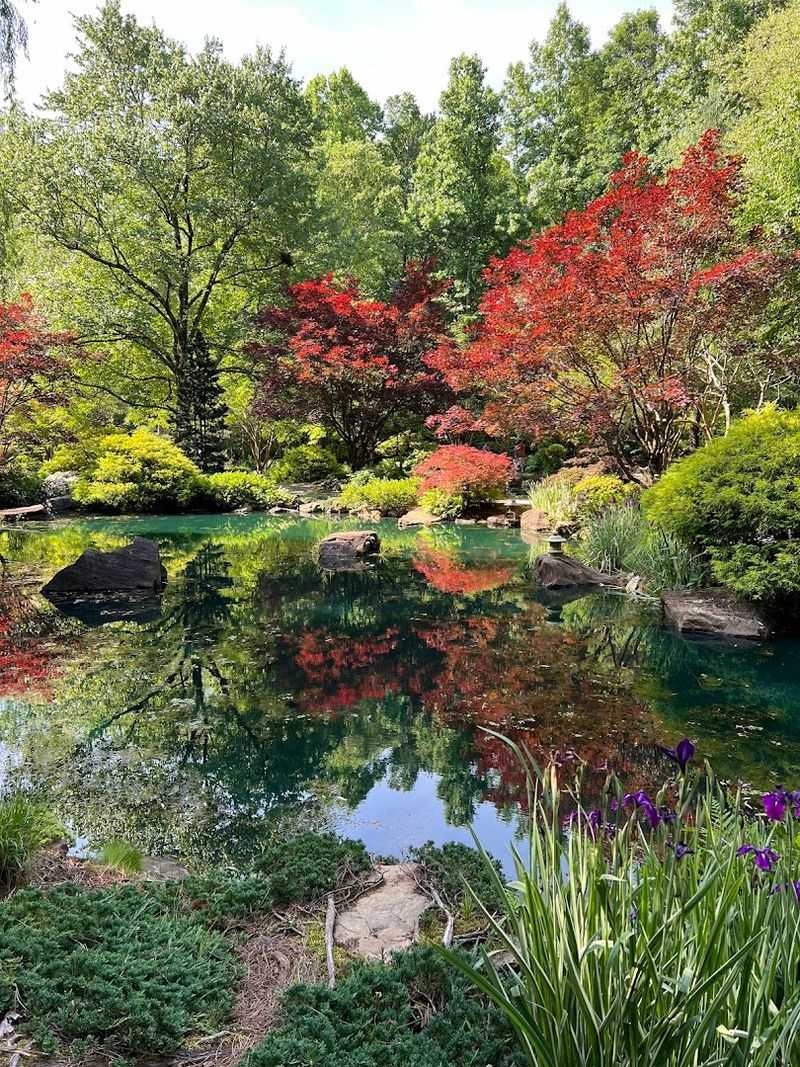
Every season at Gibbs Gardens brings something worth seeing, but fall operates on a completely different level.
The combination of thousands of Japanese maples creates a color intensity that is hard to find anywhere else in Georgia. Warm reds, deep purples, and glowing oranges layer across the hillsides in a way that feels almost theatrical.
Peak fall color typically runs from mid-October through mid-November, though conditions vary year to year. The garden’s social media channels post regular updates as the season progresses.
Following those updates helps you time your visit to land right in the heart of the display.
The morning light during fall is particularly beautiful at Gibbs Gardens. Low-angle sunlight cuts through the maple canopy and creates warm, golden tones across the paths and ponds.
Photographers who arrive at opening time can capture images that look almost too good to be real.
Fall also brings cooler temperatures that make the long walk genuinely comfortable. The air carries that distinctive crisp quality that North Georgia does so well in autumn.
The Cafe And Practical Tips
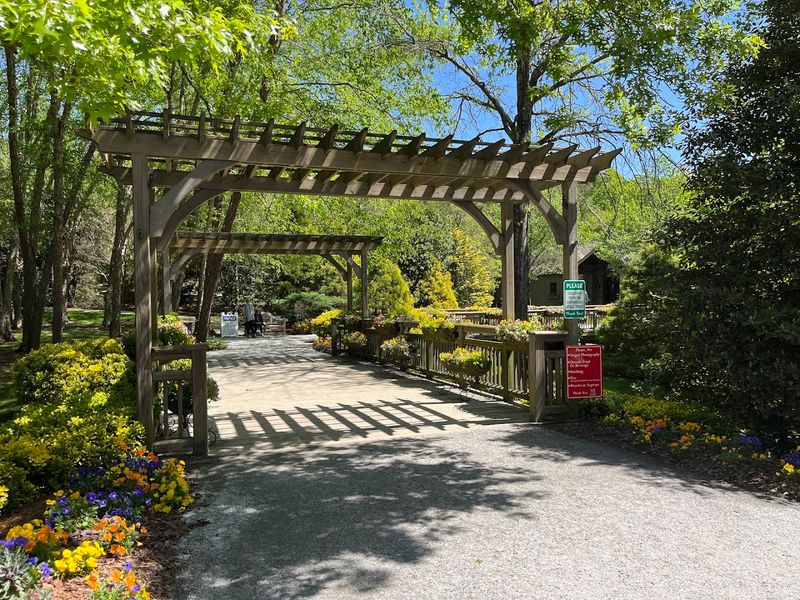
After three miles of walking through some of the most beautiful scenery in Georgia, hunger tends to arrive with some urgency.
The small cafe at Gibbs Gardens is a welcome stop, offering a limited but well-executed menu. The sandwiches in particular have drawn consistent praise from visitors, and I can personally confirm they hit the spot.
Parking is free and well-organized, with staff members directing traffic on busy days. That level of logistical care makes arriving stress-free.
The entrance process is smooth, and the staff throughout the property are friendly, knowledgeable, and genuinely enthusiastic about the garden.
The garden is open Wednesday through Sunday from 9 AM to 4 PM and is closed on Mondays. Arriving close to opening time on weekdays gives you the quietest experience.
Fall weekends can get busy, especially when the Japanese maples are at peak color.
An annual membership is worth considering if you plan to visit more than twice. Many regulars visit multiple times each season to catch different blooms.