This Georgia Museum Was Named One Of The Best In The US
Have you ever wondered what makes a museum truly exceptional?
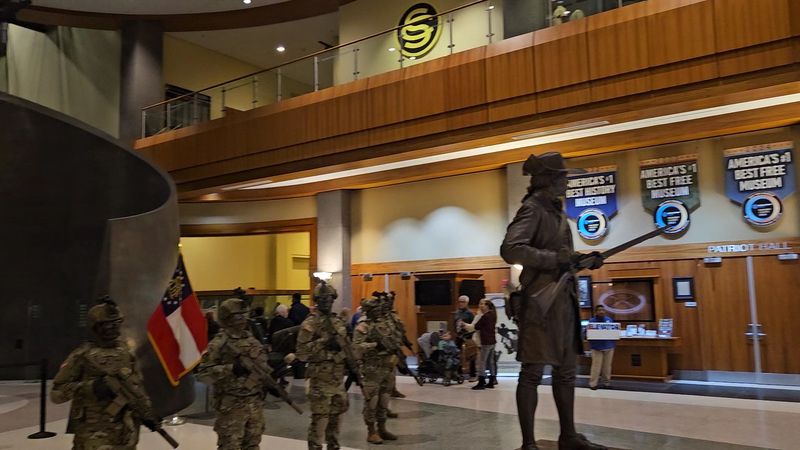
The National Infantry Museum & Soldier Center in Columbus has earned recognition as one of the best museums in the entire United States.
Located at 1775 Legacy Way, Columbus, GA 31903, this remarkable institution honors the courage and sacrifice of American soldiers while offering visitors an unforgettable experience that brings military history to life.
1. The Last 100 Yards Ramp Experience
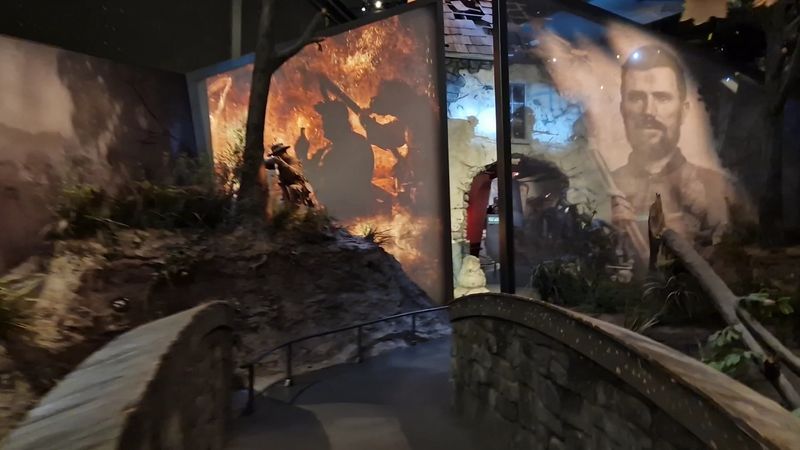
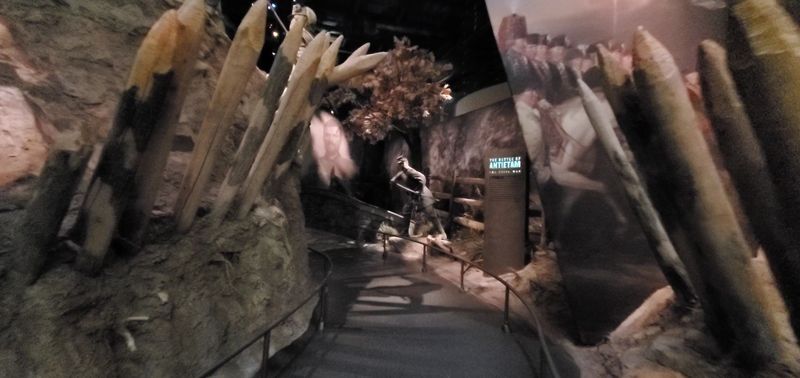
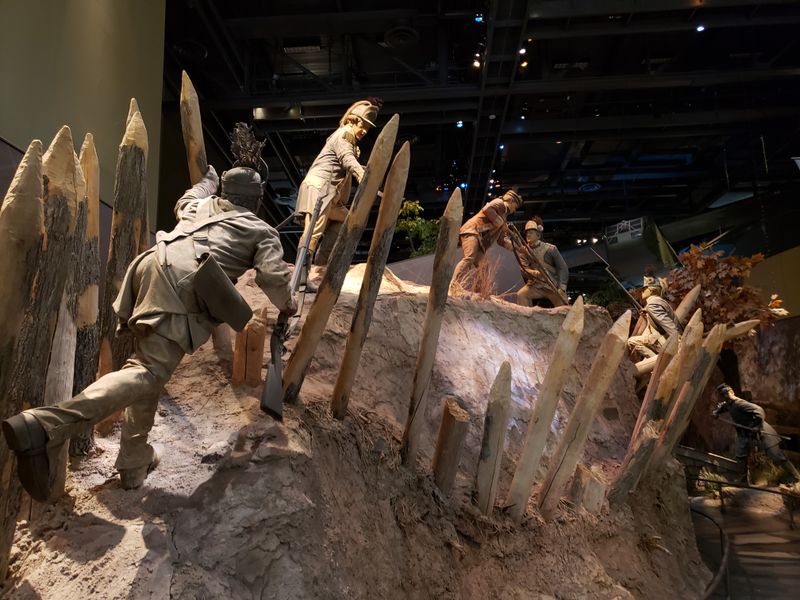
Imagine walking in a soldier’s footsteps through America’s most significant battles. The museum’s signature ramp takes you on a chronological journey from the Revolutionary War to modern conflicts. You’ll visit 1775 Legacy Way, Columbus, GA 31903 to experience this incredible feature yourself.
Each section recreates authentic battlefield environments with life-sized dioramas and realistic sound effects. I find it amazing how the temperature even changes in different zones to match historical conditions. You’ll see actual weapons, uniforms, and equipment used by infantrymen throughout American history.
The ramp’s design makes you feel like you’re actually there during pivotal moments in our nation’s military past. Detailed mannequins show soldiers in action, while narration explains the strategic importance of each battle. This immersive experience creates emotional connections that textbooks simply cannot achieve.
2. Free Admission for All Visitors
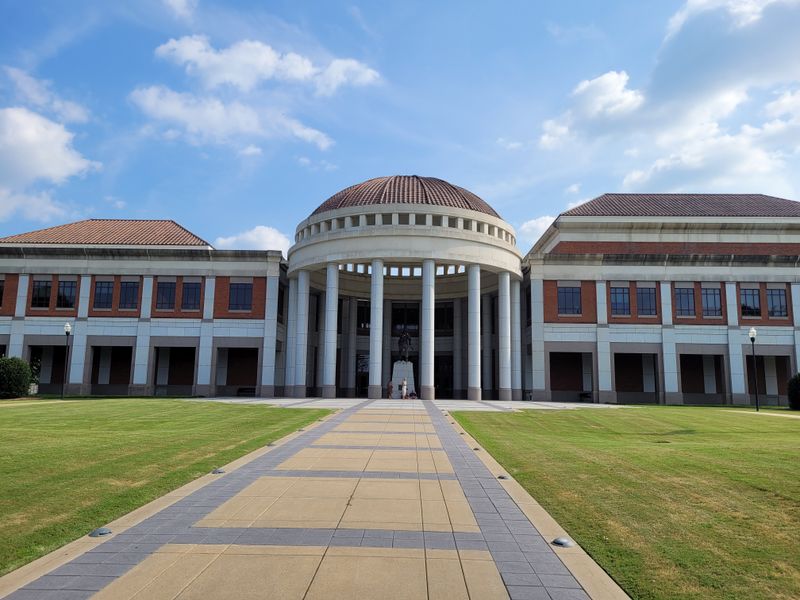
Quality education shouldn’t come with a hefty price tag. The museum offers completely free admission to everyone who walks through its doors. Your family can spend an entire day exploring without worrying about ticket costs.
This generous policy reflects the museum’s mission to honor soldiers by sharing their stories with as many people as possible. I appreciate how this removes financial barriers that might prevent some families from visiting. You can return multiple times to fully absorb all the exhibits without spending a penny.
Free admission makes the museum accessible to school groups, military families, and budget-conscious travelers. The only costs you’ll encounter are optional purchases at the gift shop or cafe. This commitment to accessibility sets the institution apart from many other major museums across the country.
3. Memorial Walk of Honor
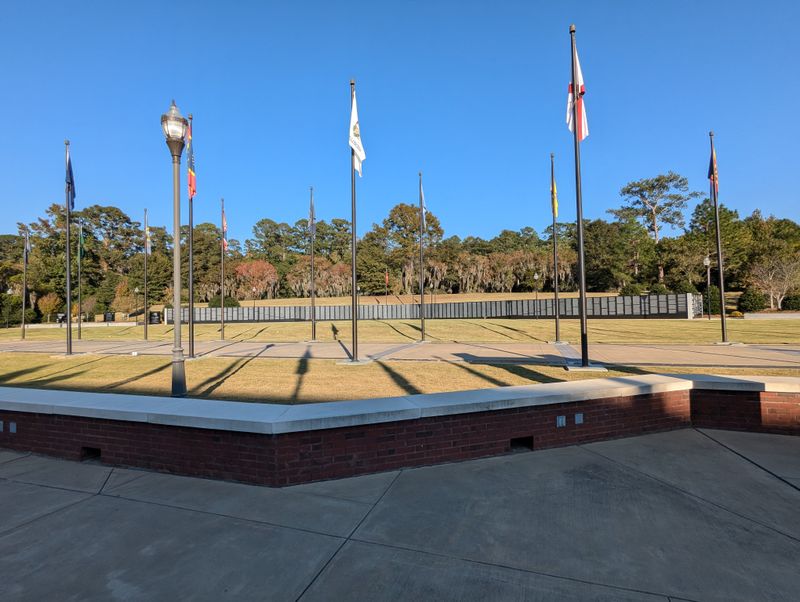
Stepping onto the Memorial Walk feels like entering sacred ground. Thousands of commemorative bricks line the pathway, each one honoring a soldier who served our nation. The outdoor memorial creates a powerful space for reflection and gratitude.
Families can purchase bricks to honor their loved ones who served in the infantry. I find it moving to read the names and service details inscribed on each brick as I walk along the path. The memorial connects visitors directly to the human cost of protecting our freedom.
Beautiful landscaping surrounds the walkway, creating a peaceful atmosphere for contemplation. You’ll notice how carefully each brick has been placed, representing the individual contributions of service members. This living memorial grows continuously as new bricks are added, ensuring that future generations remember these heroes.
4. Giant Screen Theater Presentations
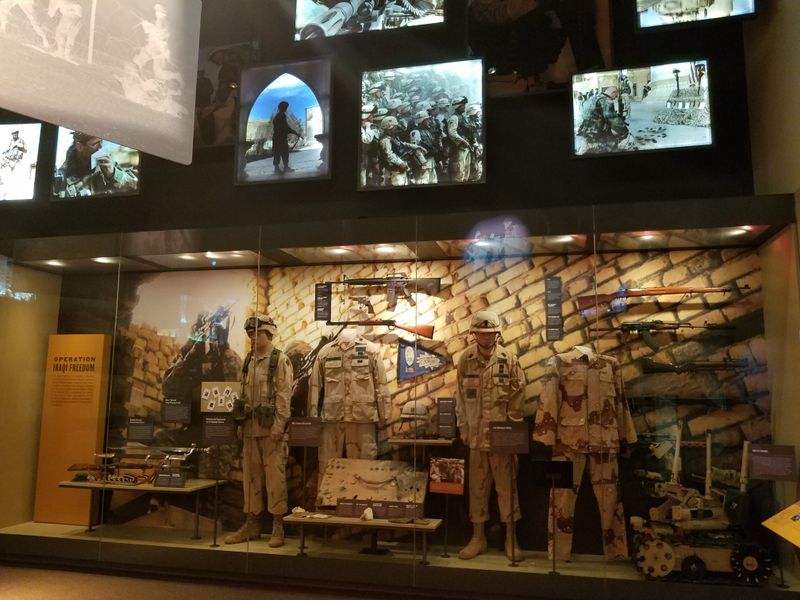
Watching history unfold on a massive screen creates an unforgettable cinematic experience. The museum’s theater shows documentaries and films about military operations and soldier experiences. You’ll sit in comfortable seating while learning about complex historical events through compelling storytelling.
High-definition projection and surround sound make you feel transported to different times and places. I enjoy how the films complement the exhibits by providing deeper context and personal narratives. The theater rotates different programs throughout the year, so there’s always something new to see.
Educational films help younger visitors understand difficult concepts about war and service in age-appropriate ways. The presentations balance emotional impact with factual information, creating meaningful learning opportunities. Theater showings are included with your free admission, making this another valuable feature of your visit.
5. Medal of Honor Recipient Stories
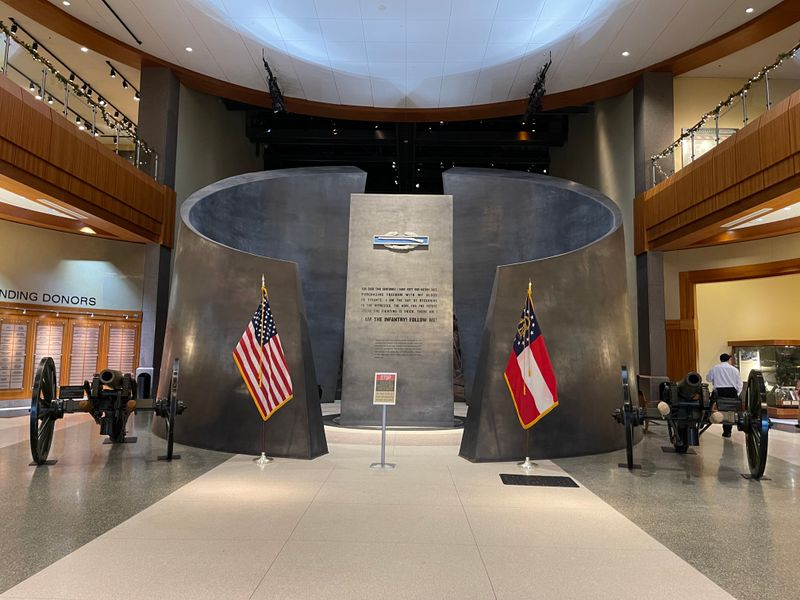
Learning about extraordinary courage changes how you think about heroism. The museum dedicates special exhibits to Medal of Honor recipients, sharing their incredible acts of bravery. You’ll read first-person accounts and see personal artifacts from these exceptional soldiers.
Each story highlights the selfless actions that earned America’s highest military decoration. I find these accounts both humbling and inspiring, showing what people can accomplish when protecting their fellow soldiers. The museum treats these heroes with the dignity and respect they deserve.
Photographs, letters, and uniforms help bring these individuals to life beyond their medals. You’ll discover that heroes come from all backgrounds and walks of life. These stories remind us that ordinary people can do extraordinary things when faced with impossible situations, leaving lasting legacies of valor.
6. Fanning 3D Orientation Film
Starting your visit with an engaging orientation film sets the stage for everything you’ll experience. The Fanning 3D Theater presents a short film that introduces you to the infantry’s role in American history. Special glasses make the action leap off the screen in stunning three-dimensional detail.
Action sequences and historical footage combine to create an exciting introduction to the museum’s themes. I recommend arriving early so you don’t miss this impressive presentation before exploring the exhibits. The film runs regularly throughout the day, making it easy to catch a showing.
Young visitors especially enjoy the 3D effects, which make historical events feel immediate and real. The presentation lasts about fifteen minutes, providing just enough information to enhance your understanding without overwhelming you. This thoughtful orientation helps you appreciate the exhibits more fully as you explore the museum.
7. World War II Paratrooper Experience
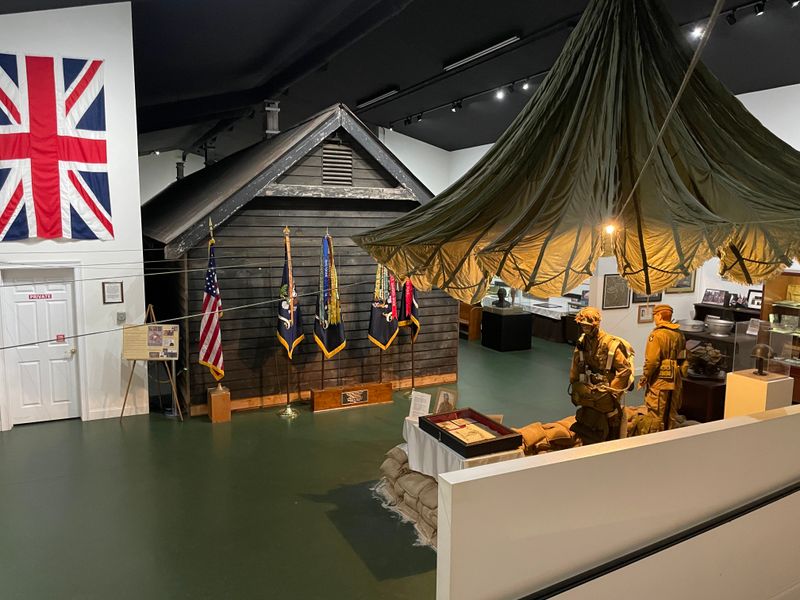
Feeling the rush of a paratrooper drop brings history to life in an unforgettable way. One exhibit lets you experience a simulated parachute jump similar to what soldiers faced during World War II invasions. You’ll stand in a replica aircraft and feel the sensations of jumping into combat.
Wind effects, sound, and visual elements combine to create a realistic simulation of this dangerous military operation. I appreciate how the exhibit helps you understand the incredible courage required to be a paratrooper. You’ll gain new respect for the soldiers who made these jumps knowing enemy fire awaited them.
Safety harnesses ensure visitors can enjoy the experience without any real danger. The simulation includes historical context about famous airborne operations like D-Day. This hands-on exhibit makes abstract historical events tangible and memorable for visitors of all ages.
8. Extensive Research Library Archives
Serious history enthusiasts will appreciate the museum’s comprehensive research facilities. The library houses thousands of documents, photographs, and records related to infantry history. Scholars, students, and family researchers can access materials not displayed in the public exhibits.
Trained archivists help you navigate the collections and find specific information you’re seeking. I’ve heard from researchers who discovered valuable information about their ancestors’ military service using these resources. The library preserves irreplaceable historical materials for future generations to study.
Special collections include unit histories, personal papers, and rare photographs from various conflicts. You’ll need to make an appointment to access the archives, but the staff welcomes serious researchers. This commitment to preservation and scholarship demonstrates the museum’s role as more than just a tourist attraction—it’s an important educational institution.
9. Soldier’s Journey Timeline
Following a soldier’s complete experience from recruitment to combat creates a comprehensive understanding of military life. The museum traces this journey through detailed exhibits showing training, deployment, and battlefield experiences. You’ll see how raw recruits transform into disciplined soldiers ready for the challenges ahead.
Authentic training equipment, barracks recreations, and personal stories illustrate each stage of this transformation. I find it fascinating to compare training methods from different historical periods and see how they’ve changed. The exhibits don’t glorify war but honestly portray both the hardships and camaraderie of military service.
Personal letters and diaries add emotional depth to the timeline, revealing soldiers’ thoughts and feelings. You’ll understand that behind every uniform was a real person with hopes, fears, and dreams. This human-centered approach makes military history relatable rather than just a series of dates and battles.
10. Vietnam War Tunnel Experience
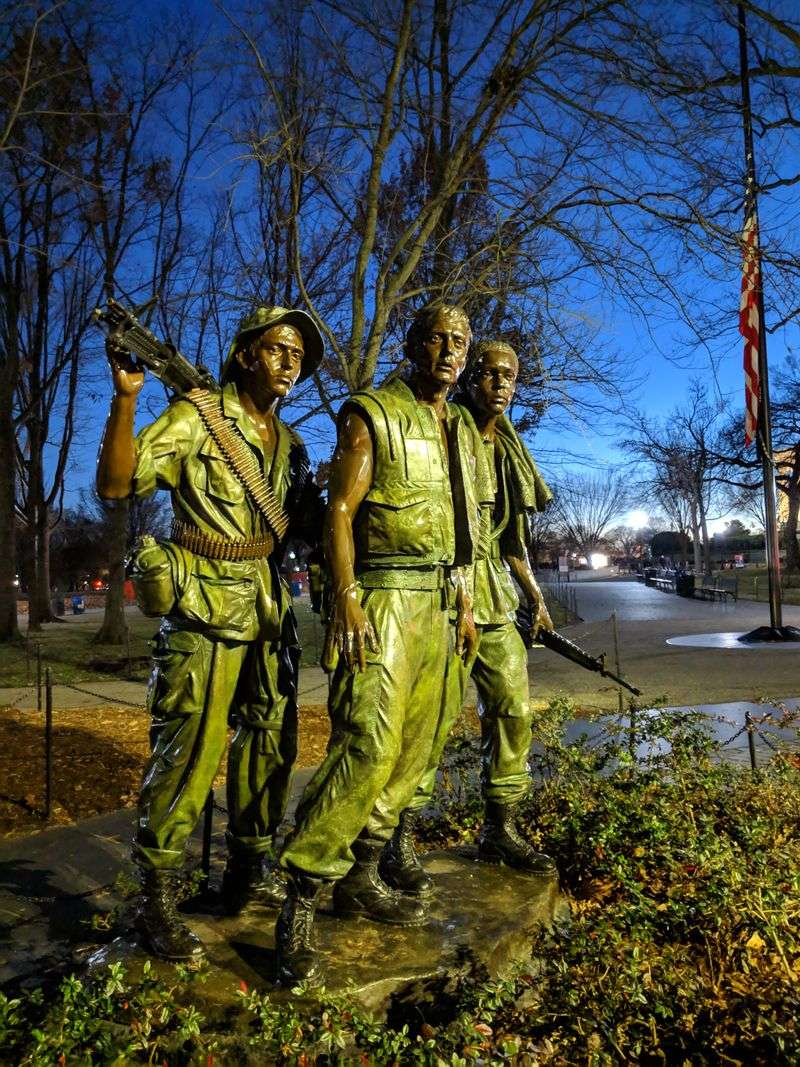
Crawling through a recreated Viet Cong tunnel gives you a small taste of the challenges American soldiers faced in Southeast Asia. The narrow, dark passageway replicates the underground network that enemy forces used during the Vietnam War. You’ll quickly understand why tunnel warfare was so psychologically demanding.
Authentic dimensions and conditions help you appreciate the claustrophobic reality soldiers encountered. I’ve watched visitors emerge from the tunnel with new respect for the troops who had to clear these dangerous spaces. The exhibit doesn’t require participation, so those uncomfortable with tight spaces can observe instead.
Historical context explains how these tunnels affected military strategy and the overall conflict. You’ll learn about the specialized soldiers trained for tunnel operations and the unique dangers they faced. This immersive exhibit makes an abstract aspect of the Vietnam War concrete and understandable.
11. Ranger Memorial and Exhibits
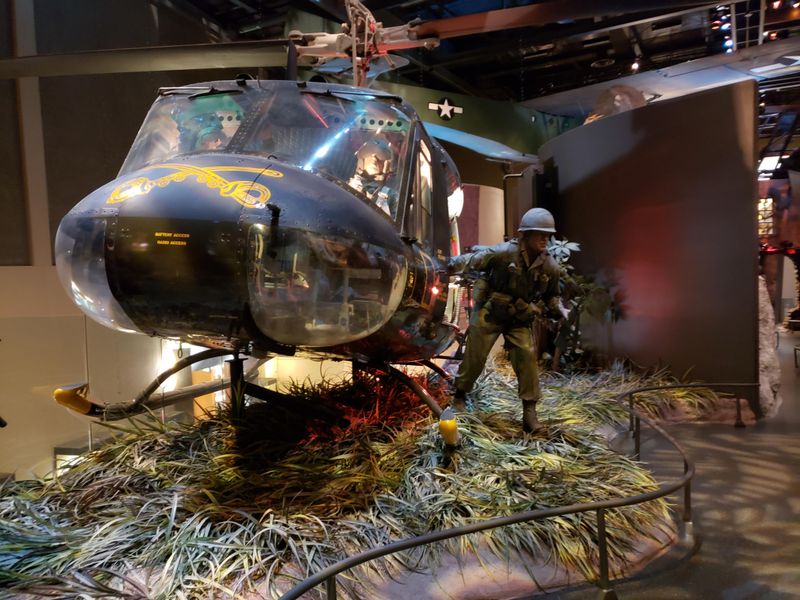
Honoring the elite soldiers of the Army Rangers requires special recognition. Dedicated exhibits showcase the history, training, and missions of these specially trained infantry units. You’ll discover how Rangers have participated in critical operations from World War II to current conflicts.
The memorial pays tribute to fallen Rangers with solemn dignity and respect. I’m always moved by the personal stories of sacrifice and the Ranger Creed displayed prominently. These exhibits highlight the rigorous standards and exceptional skills that define Ranger units.
Authentic equipment, mission photographs, and first-hand accounts bring Ranger operations to life. You’ll understand why the Ranger motto “Rangers Lead the Way” represents more than just words. The exhibits balance celebrating elite accomplishment with honoring those who paid the ultimate price, creating a thoughtful and respectful presentation.
12. Family-Friendly Educational Programs
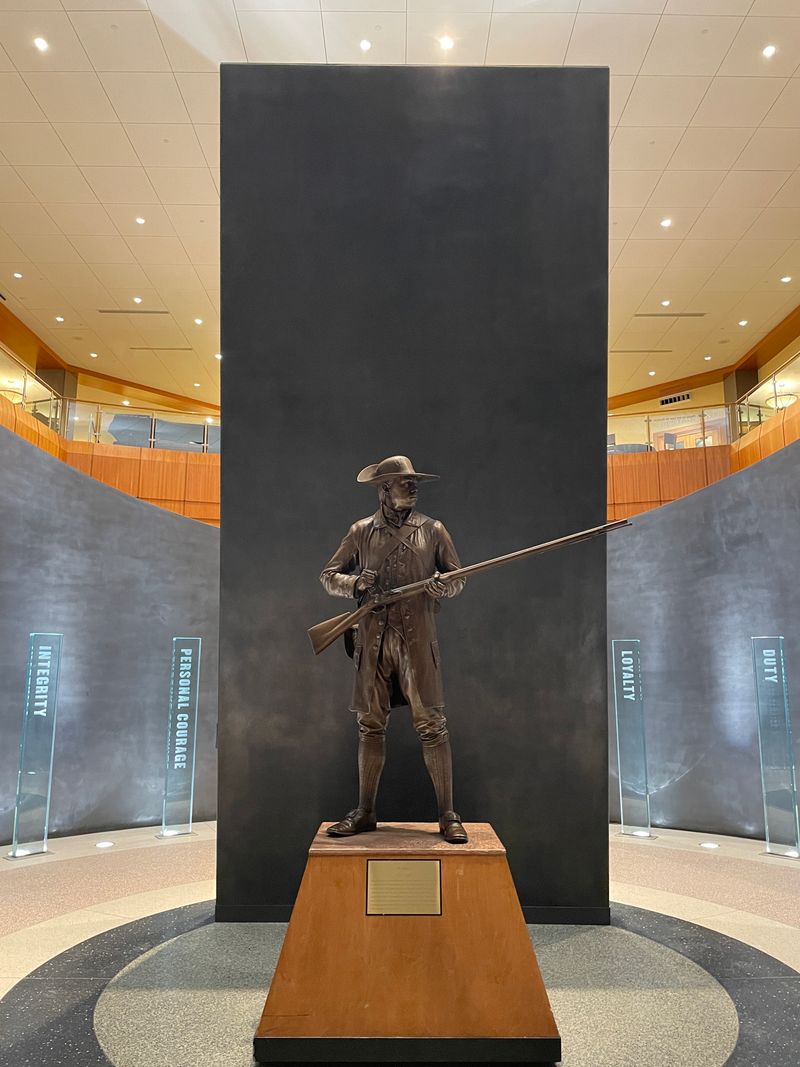
Making history accessible to young learners requires creative educational approaches. The museum offers special programs designed specifically for children and families throughout the year. You’ll find hands-on activities, scavenger hunts, and age-appropriate presentations that engage young minds.
Summer camps and school field trip programs provide structured learning experiences aligned with educational standards. I love seeing kids get excited about history through interactive activities rather than passive observation. The museum’s educators understand how to make complex topics understandable without oversimplifying them.
Special events like living history demonstrations bring historical periods to life with costumed interpreters. You can participate in activities that show what daily life was like for soldiers in different eras. These programs create positive associations with learning and museums, encouraging lifelong curiosity about American history.
13. Beautiful Memorial Gardens and Reflection Areas
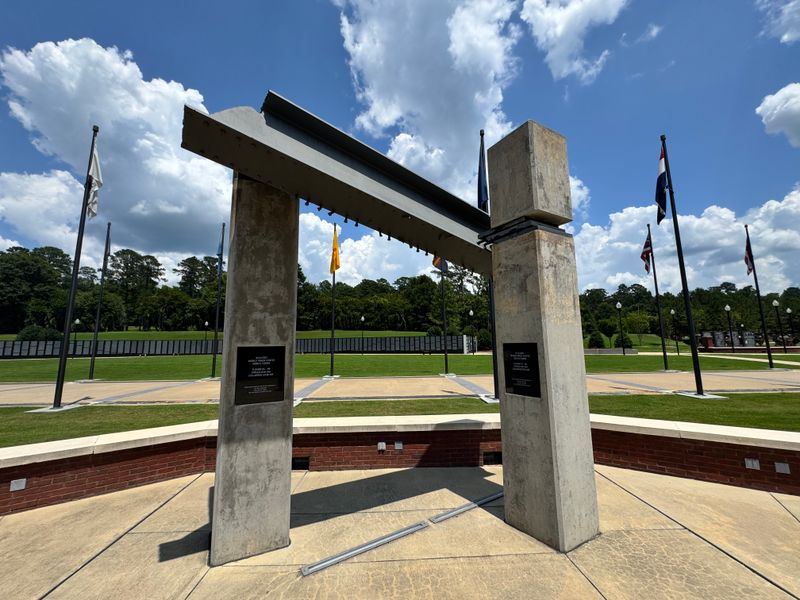
Sometimes you need quiet spaces to process the powerful emotions that military history evokes. The museum’s outdoor gardens provide peaceful areas for contemplation and remembrance. Beautiful landscaping creates serene environments where you can reflect on the sacrifices made by service members.
Benches throughout the gardens invite you to sit and absorb the significance of what you’ve learned inside. I often see visitors taking moments of silence in these thoughtfully designed spaces. The gardens balance the intensity of the indoor exhibits with opportunities for peaceful reflection.
Memorial sculptures and monuments dot the landscape, each telling its own story of service and sacrifice. You’ll appreciate how the outdoor spaces complement the museum’s indoor offerings, creating a complete experience. These gardens remind us that honoring the past includes taking time to truly understand and appreciate it.
14. World-Class Interactive Exhibits
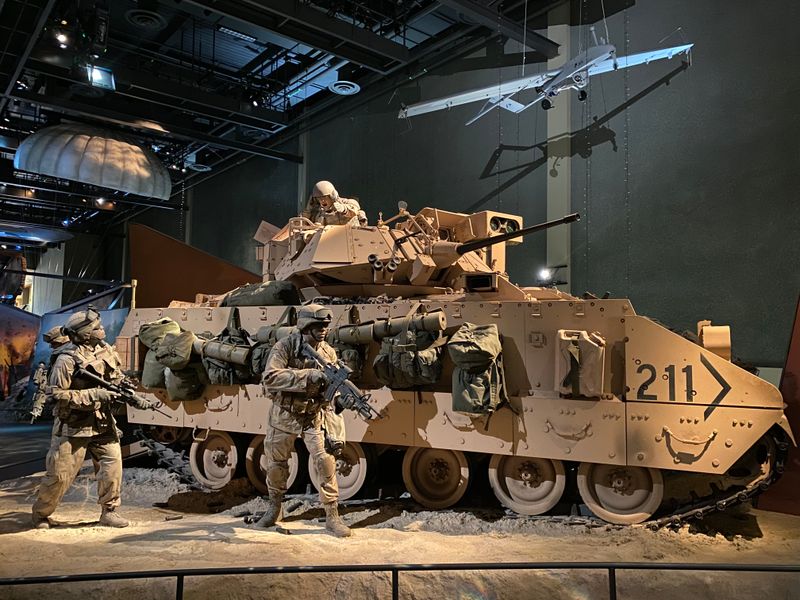
Walking through history becomes an adventure when you experience the museum’s cutting-edge interactive displays. You’ll find yourself immersed in realistic combat simulations that help you understand what soldiers faced on the battlefield. The museum uses state-of-the-art technology to create memorable learning experiences.
Touch screens, audio recordings, and hands-on activities make military history accessible to visitors of all ages. I love how you can actually step inside recreated battle scenes and feel the weight of history around you. These exhibits don’t just show you facts—they make you part of the story.
Every interactive station teaches valuable lessons about bravery, teamwork, and sacrifice. You’ll leave with a deeper appreciation for the men and women who served our country. The technology enhances the educational experience without overshadowing the human stories at the heart of each display.
15. Authentic Military Vehicles Collection
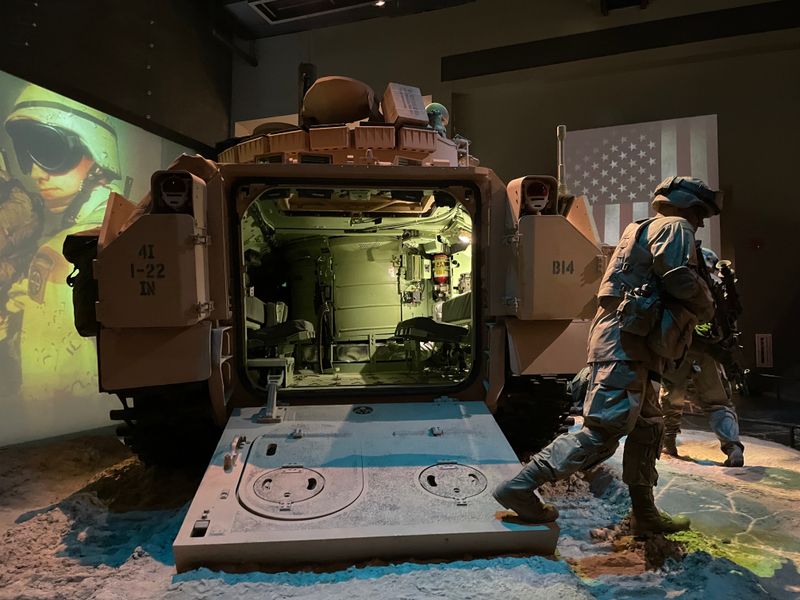
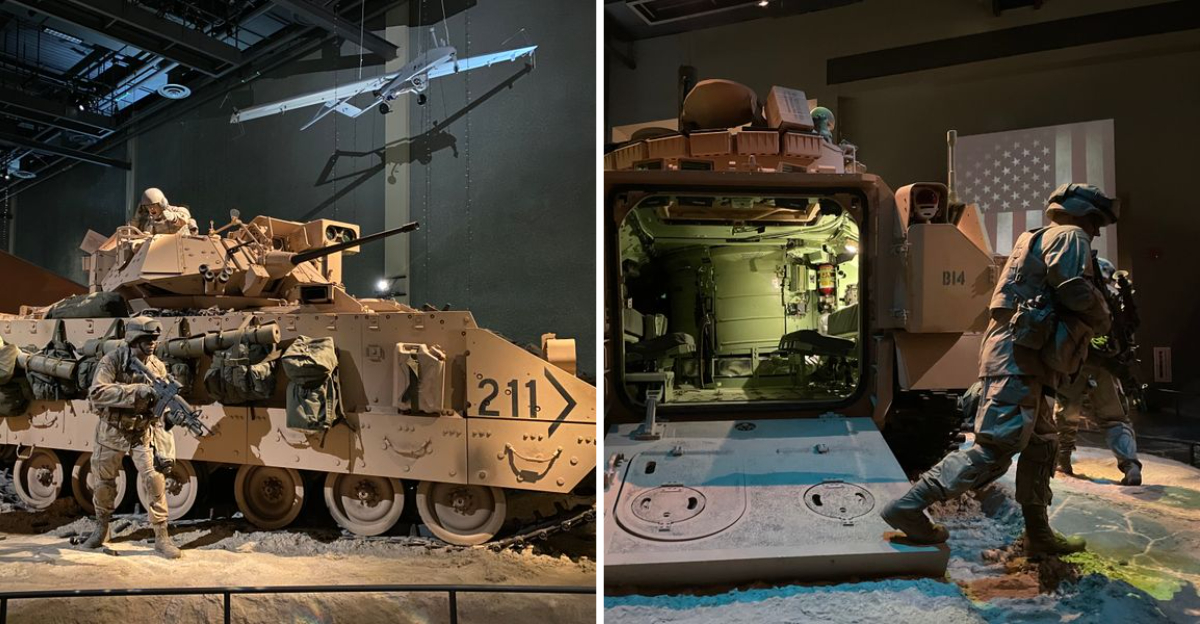
Seeing tanks and military vehicles up close reveals the incredible engineering behind combat equipment. The museum displays dozens of authentic vehicles from different eras of American military history. You can walk around these massive machines and appreciate their size, power, and design.
Each vehicle comes with detailed information about its role in specific conflicts and technical specifications. I’m always impressed by how well-preserved these historical artifacts are, showing the museum’s dedication to conservation. Some vehicles show battle damage, providing tangible evidence of the dangers soldiers faced.
Kids especially love examining the treads, turrets, and armor plating on these impressive machines. The collection includes everything from World War II Sherman tanks to modern armored personnel carriers. Comparing vehicles from different time periods helps you understand how military technology has evolved over the decades.