This Georgia University Is Ranked No. 1 In America Among Public Schools For Undergraduate Teaching
Everyone assumes the best public university sits in a big city with a famous skyline nearby. I assumed the same thing until I found out I was wrong.
The number one public school for undergraduate teaching in the country is not where anyone expects. No massive lecture halls packed with hundreds of nameless students.
No professors who vanish after class ends. I heard stories of small seminars, open office doors, and mentors who actually remember your name.
Other schools send administrators here just to study what makes it work. I wanted to know what a college experience built entirely around teaching actually looks like in practice.
Georgia holds this secret quietly, without the fanfare you would expect from a national title. What I found changed how I think about what a great education really requires.
Georgia clearly got something right that other states are still trying to figure out.
Six Straight Years At The Top
Winning a national ranking once can be luck. Winning it six years in a row is a habit.
U.S. News & World Report has named this school the No. 1 public university in America for undergraduate teaching.
That streak includes the most recent 2026 edition of the Best Colleges guide.
What makes the honor unusual is who decides it. Presidents, provosts, and admissions deans across the country vote based on what they see and respect.
In other words, the people who run rival colleges are the ones raising their hands. That is a tough crowd to impress year after year.
The ranking specifically measures commitment to teaching undergraduates well. It is not about endowment size, stadium seats, or ivy on brick walls.
I found that refreshing. Teaching quality is the thing students actually experience every single day.
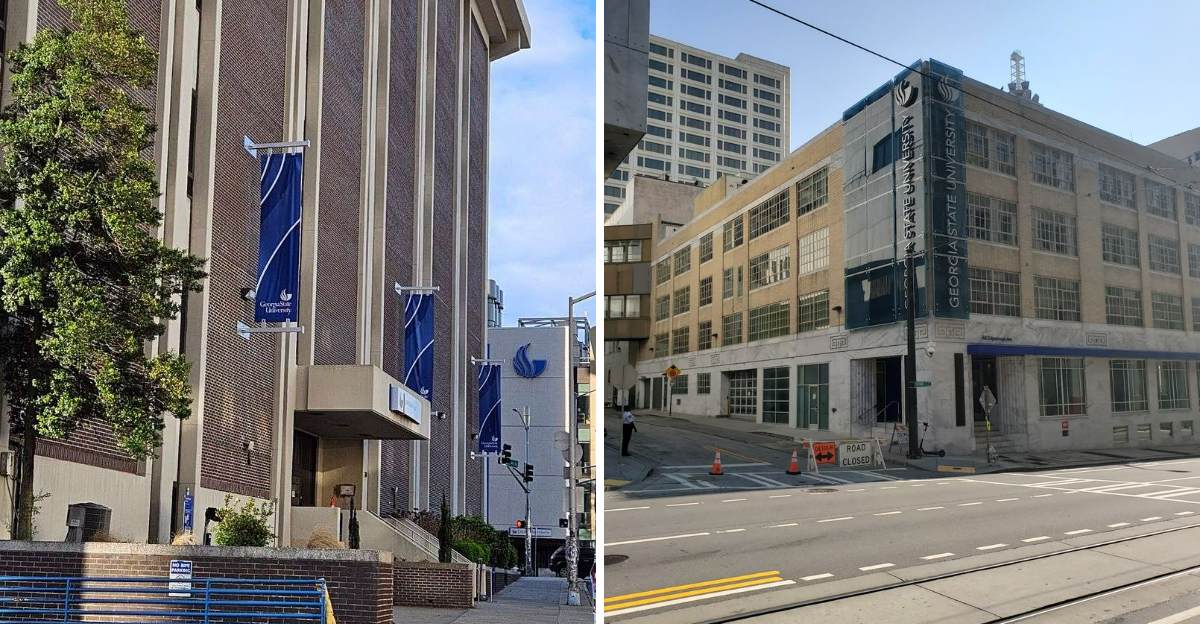
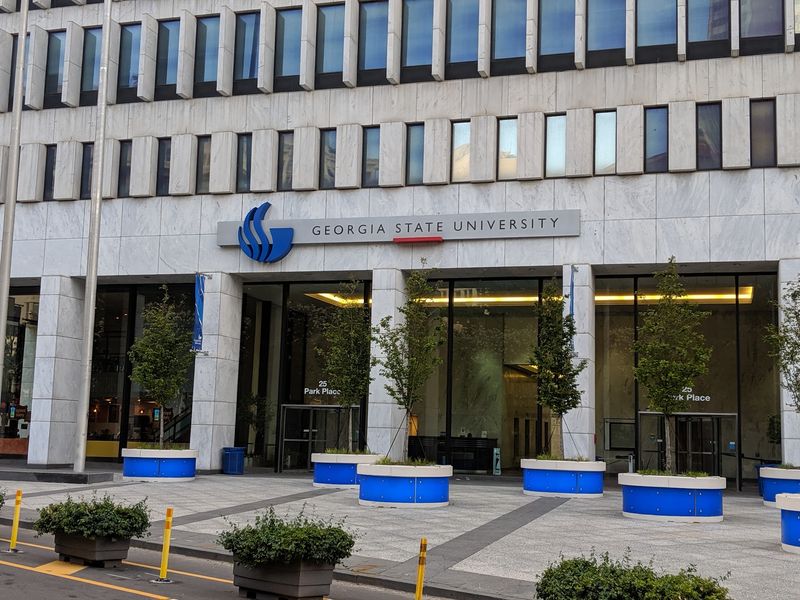
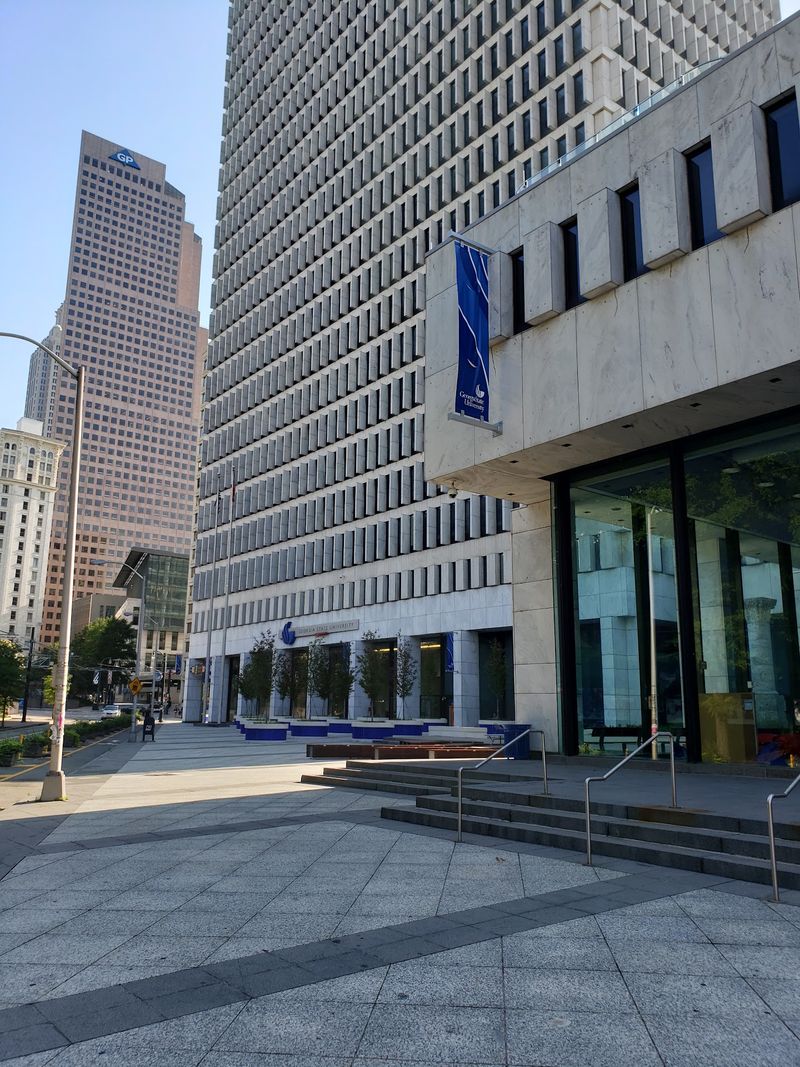
The campus itself sits right in the middle of downtown, which shapes everything. Class buildings blend into office towers and city sidewalks.
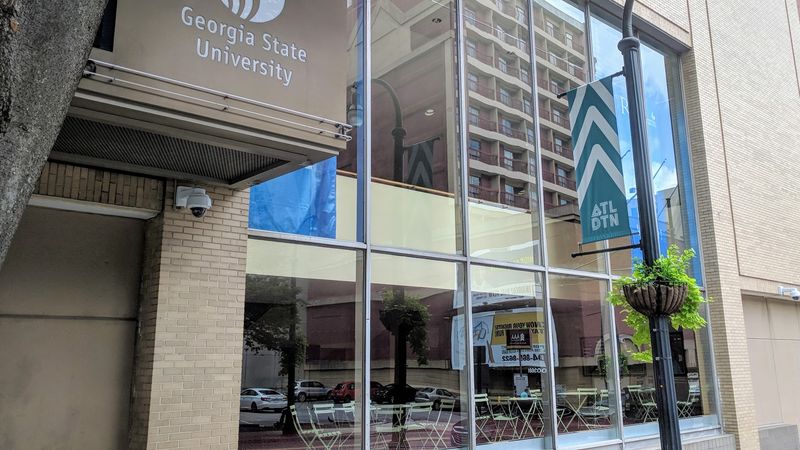
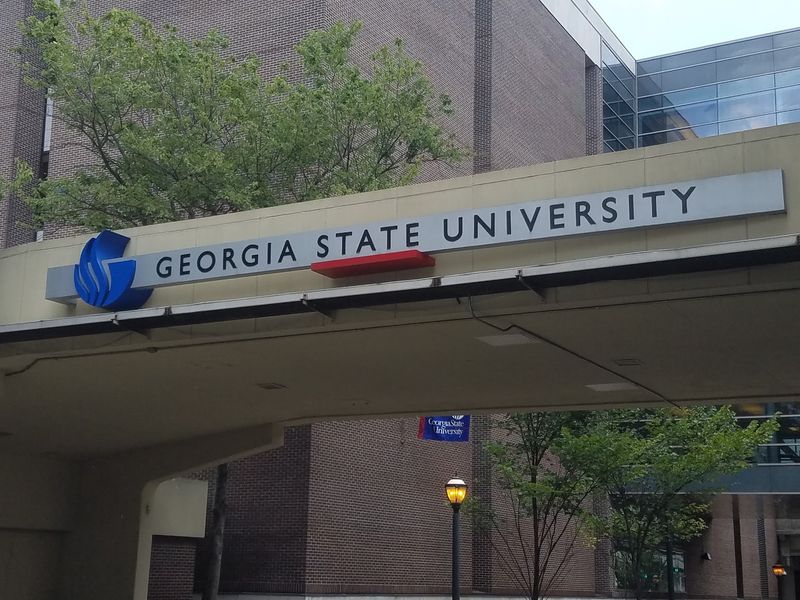
You can reach the school at Atlanta, GA 30302, and offices generally run weekdays from 8:30 AM to 5:15 PM. Welcome to Georgia State University.
A Graduation Rate That Jumped More Than 60 Percent
Numbers rarely make me sit up. This one did.
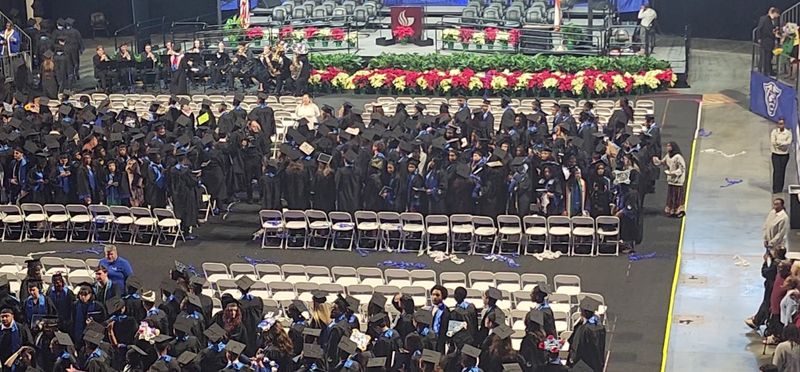
Between 2010 and 2020, the graduation rate here climbed by more than 60 percent. That is not a small nudge, it is a transformation.
Think about what that means in human terms. Thousands more students walking across a stage instead of quietly disappearing after sophomore year.
Most colleges talk about improving completion. Very few can show a decade of receipts.
The shift did not come from admitting easier students. It came from changing how the university supports the students it already had.
That distinction matters a lot. Improvement built on support is repeatable, and improvement built on selectivity is not.
Graduation comes up constantly in conversations about this place, and for good reason. Finishing a degree is the difference between debt and a career.
I like that the school treats completion as its core job. Enrolling students is the easy part.
Anyone touring campus should ask about these numbers directly. Staff talk about them openly, because they earned them.
Progress like this takes years of stubborn effort. Nobody stumbles into a 60 percent jump.
Closing Equity Gaps Instead Of Talking About Them
Plenty of schools publish diversity statements. Far fewer publish results.
Here, Black, Latinx, and Pell Grant eligible students graduate at rates equal to or higher than the overall student body. That sentence is genuinely rare in American higher education.
Read it again, because it flips the usual pattern. Nationally, those gaps tend to run the other direction.
Pell Grant eligibility signals students from lower income households. Helping them finish at the same clip changes families, not just statistics.
Diversity is one of the most mentioned features of this campus. The population reflects the city surrounding it.
But diversity alone does not guarantee success. Support systems have to match the students who walk in.
What impressed me is the refusal to accept gaps as normal. The university treated them as problems with solutions.
That mindset shows up in advising, funding, and course design. It is stitched into daily operations.
For a student wondering whether they will be seen here, these outcomes answer better than any brochure. Results speak clearly.
Equity measured, not just mentioned. That is the takeaway.
Advising That Spots Trouble Early
Most students who leave college do not fail dramatically. They drift.
The advising system here was built to catch that drift. It uses data to flag students who may be slipping off track.
Alerts arrive in real time rather than at semester’s end. An advisor can reach out before a small problem becomes a withdrawal.
That timing is everything. A conversation in week four beats a letter in week fourteen.
The approach is proactive by design. Students do not have to know they are in trouble to get help.
I think that is the quiet genius of it. Struggling students are often the last to ask for support.
Advising here comes up often in student conversations, and one story stuck with me. An immigrant student described patient guidance through a confusing process at the 75 Piedmont office.
That kind of patience cannot be automated. The data just points the humans in the right direction.
My practical advice for any new student is simple. Answer the advising emails and show up to the meetings.
Those check ins exist for a reason. They are the safety net working as designed.
Microgrants That Keep Students Enrolled
Sometimes a college career ends over a few hundred dollars. That detail always struck me as painfully unfair.
This university created microgrants, also called completion grants, for exactly that situation. Small payments cover small gaps before they become dropouts.
Picture a senior with one semester left and a balance they cannot clear. A modest grant keeps them enrolled.
The math is almost absurdly good. A few hundred dollars protects years of tuition and effort already invested.
Financial aid is one of the most discussed topics on this campus. That tells you money is a real pressure point for many students here.
Microgrants acknowledge that reality without lecturing anyone. Hardship happens, and the school planned for it.
What I appreciate is the recognition that academics are not the only obstacle. Life gets in the way constantly.
Cars break down. Rent rises.
Hours get cut.
Students facing that kind of squeeze should ask about completion grant options directly. Programs exist, but they only help if people know about them.
Small help, enormous outcomes. That is the whole idea.
Meet Pounce, The AI Student Success Assistant
Long before chatbots were everywhere, this school built one. Its name is Pounce.
Pounce is a virtual teaching assistant using conversational AI. The university has been using it in student success coaching since 2016.
That start date deserves a double take. Nine years ago, most colleges were not touching this technology.
Pounce answers questions, sends reminders, and nudges students toward deadlines. Small nudges, big results.
The measured effects are not fluffy. Pounce helped boost retention, increase enrollment, and close achievement gaps.
I find that combination remarkable. A text message system moved numbers that money often cannot.
Part of the reason is timing again. Students respond to a text at 9 PM in a way they never respond to a mailed packet.
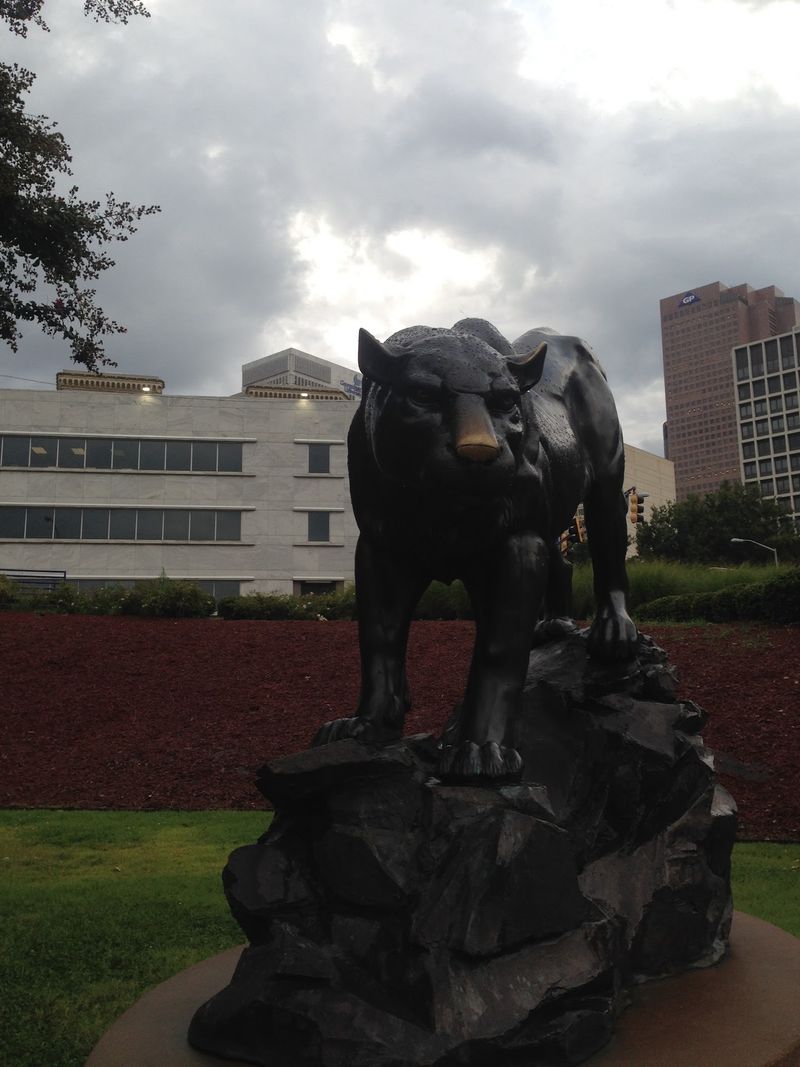
The name also fits the school’s Panther identity perfectly. Someone in that meeting deserved a raise.
For incoming students, the lesson is easy. Keep your phone number updated and actually read the messages.
Technology here is not decoration. It is a working part of the teaching mission.
The National Institute For Student Success
Great ideas locked in one building help nobody. This school apparently agreed.
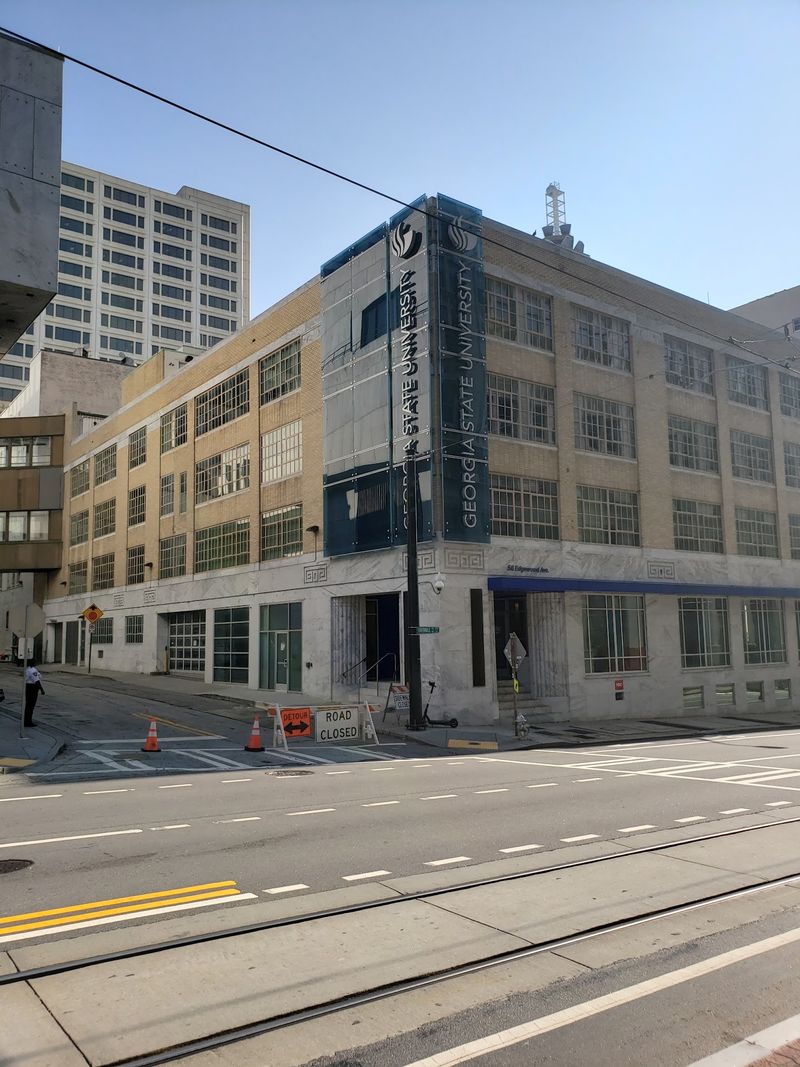
In fall 2021, it launched the National Institute for Student Success. The NISS exists to share these methods with other colleges and universities.
The institute studies partner campuses and finds what is quietly blocking students. Confusing policies, broken advising systems, hidden barriers.
Then it helps fix them. Systemic change, not slogans.
Consider how unusual that generosity is. Universities often guard their advantages closely.
Instead, the playbook here got handed out on purpose. That is a confident move.
The existence of the NISS also explains those ranking votes. College leaders nationwide have watched this work up close.
Respect from peers tends to follow real results. Voting for a rival is a high bar.
For families comparing schools, this is a useful signal. The institution influencing national practice probably has its own house in order.
Teaching excellence became an export. That is a legacy worth noticing.
Research Money Fueling The Classroom
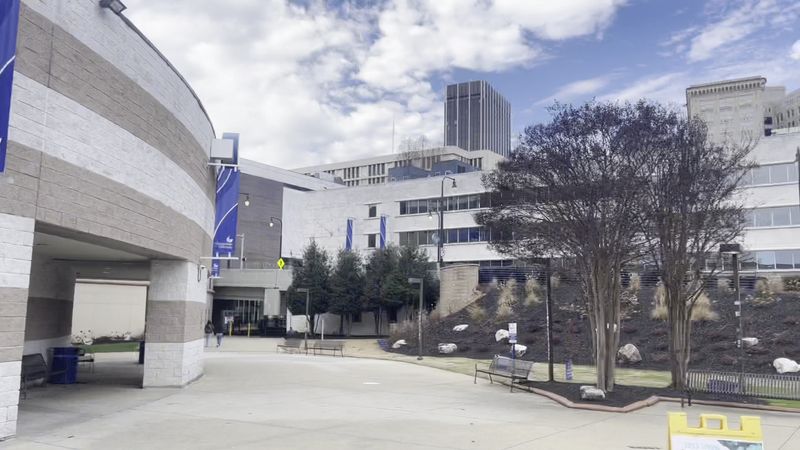
A record year deserves a record number. Faculty here earned $164.2 million in research funding in fiscal year 2022.
That was the eighth straight year research awards topped $100 million. Consistency again, not a one time spike.
Research dollars matter to undergraduates more than people assume. They fund labs, equipment, and hands on projects.
They also attract faculty doing genuinely interesting work. Interesting faculty make better teachers.
The university is regularly recognized among the nation’s most innovative institutions. It also ranks as a leader in advancing social mobility.
Those two labels rarely sit together. Innovation usually clusters at wealthy, selective schools.
Beyond the labs, the school partners with local school districts to address teacher shortages in Georgia. Future teachers training in a place ranked first for teaching feels fitting.
That partnership sends good instructors into Georgia classrooms. The ripple reaches children who will never set foot on campus.
Undergraduates should look for research assistant openings early. Those roles build resumes faster than almost anything else.
Money spent well shows up in student outcomes. Here it clearly does.
A Downtown Campus With Real World Reach
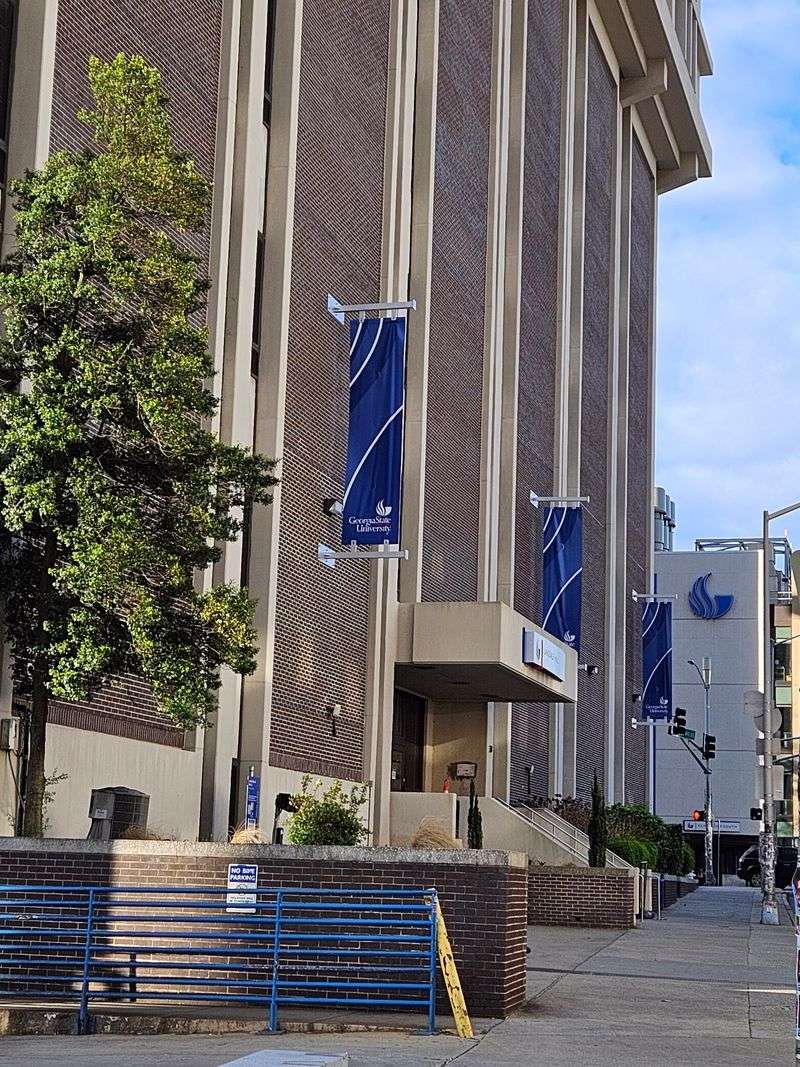
There is no leafy quad with ivy here, and honestly, that is the point. The campus threads directly through downtown Atlanta.
Class buildings sit near the city’s business district. Internships and jobs are a short walk, not a summer road trip.
Buildings cluster close together, which makes getting around easier than the map suggests. Maps posted nearby help newcomers, and a shuttle handles the trip to the stadium.
The school began as a business night school and grew from there. Practical education is baked into its origin story.
Business and sports programs draw particular attention. The Robinson College of Business and the College of Law carry strong reputations.
Students describe an energetic, city paced environment. It rewards people who like motion.
Office hours vary across campus, so visitors should check the specific department before arriving.
My honest advice is to visit before deciding. An urban campus feels different, and you will know quickly if it fits.
Ranked first in America for undergraduate teaching, six years running. The sidewalks outside are just part of the classroom.