This Hidden Georgia Monastery Preserves Orthodox Traditions In A Peaceful Woodland Sanctuary
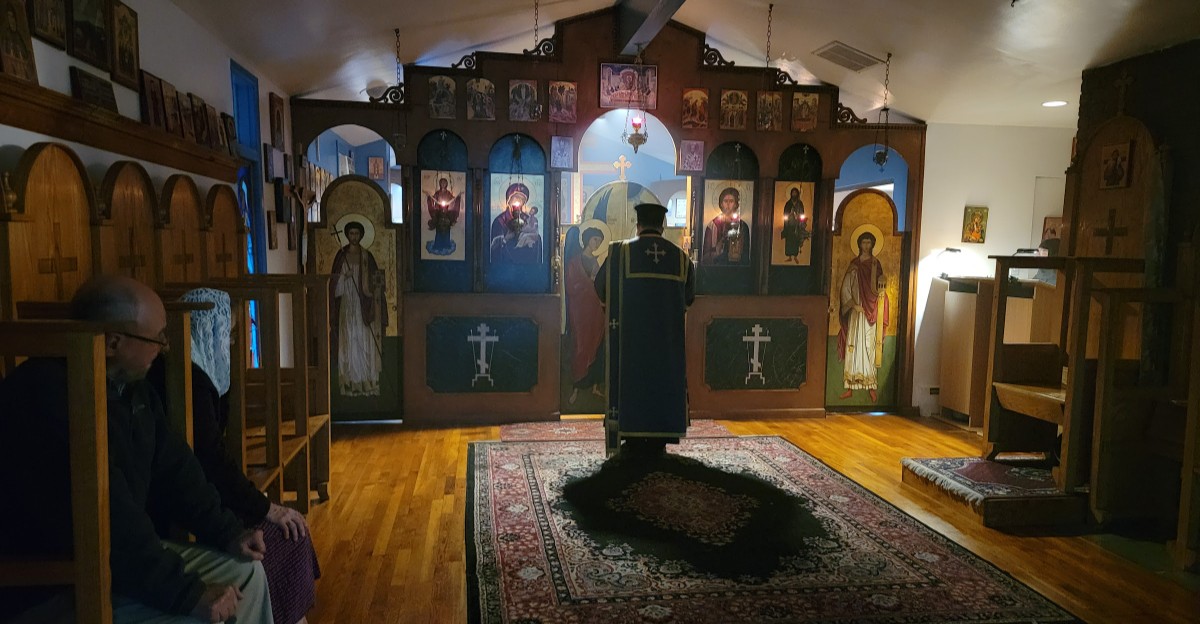
Two icons live in a small chapel in the woods, and one is described as myrrh-streaming. The other, an icon of St. Nicholas, is called self-restoring.
I can’t read that without wanting to know more.
The community follows the old Julian Calendar. Services move between English, Arabic, Church Slavonic, and Greek, all carried by Russian chant.
That mix alone makes this forested hilltop feel like a crossroads of centuries.
I like how the place still opens its doors to curious neighbors. Sunday worship ends with coffee and snacks, and overnight guests can stay in simple trailers or campsites.
You don’t need to be Orthodox to feel welcome here.
All of this sits in the mountains of northwest Georgia, just off a busy highway. So how does a quiet sanctuary like this hold onto traditions so old?
Two Remarkable Icons Make This Chapel Unforgettable
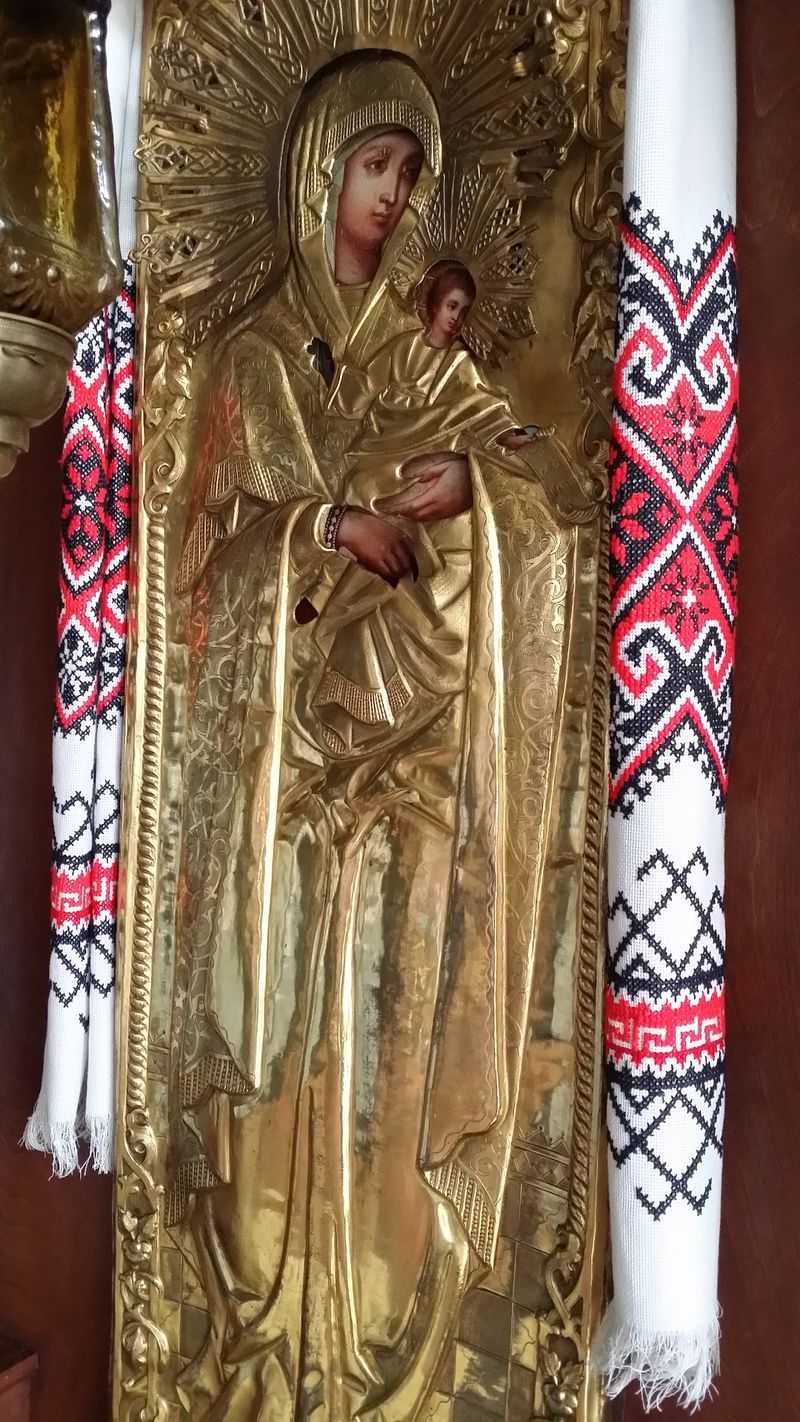
Most small chapels keep a few lovely paintings on the walls. The Monastery of the Glorious Ascension (ROCOR) keeps two icons that Orthodox Christians consider truly miraculous.
The first is an icon of the Blessed Lady Theotokos, the Mother of God. The monastery describes it as myrrh-streaming, meaning a fragrant oil is said to appear on its surface.
The second shows St. Nicholas of Myra, the same saint behind many Christmas traditions. This one is called self-restoring, a claim that its faded image has renewed itself over time.
Both icons are kept in residence at the monastery. For Orthodox believers, icons are windows into heaven, not just religious art.
People often come to pray before them and light candles nearby.
You don’t have to share every belief to respect what these icons mean here. They tie a small Georgia hilltop to a tradition stretching back many centuries.
That’s a lot of history for one quiet room.
Keep one rule in mind before your visit. The monastery asks guests not to take photos or videos of services, the chapel, or the grounds until further notice.
So bring your attention instead of your camera. Your memory will have to do the work.
You’ll find it at 5052 S Dixie Hwy, Resaca, GA 30735. The property rests on a wooded hilltop just off U.S. 41, close to Dalton.
It’s easy to drive past if you aren’t watching closely.
A Story That Wandered Before Finding Its Georgia Home
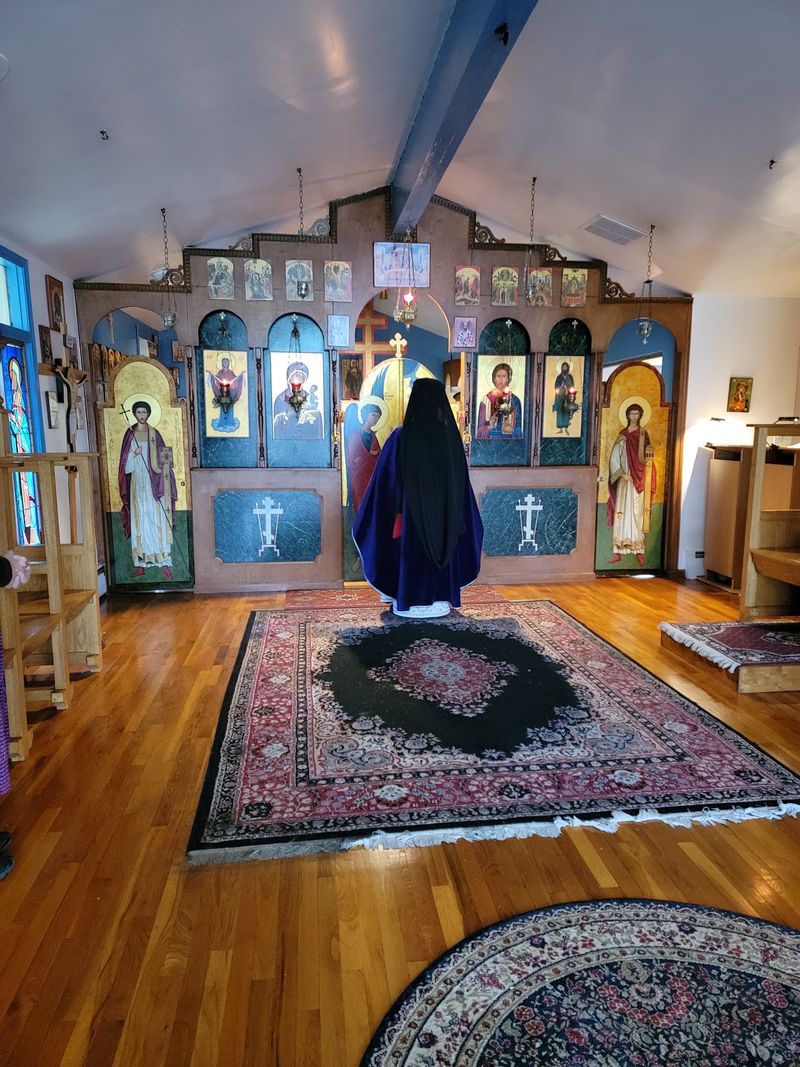
Founded in 1966, this community spent its first years somewhere else entirely. It moved to its current spot in Resaca, Georgia, in 1980.
That makes the wooded property its home for more than four decades now. Plenty of families haven’t lived in one house that long.
The monastery has clearly put down deep roots.
Its church connections have shifted over the years too. At different times, it belonged to the Orthodox Church in America and to the Patriarchate of Jerusalem.
Those letters in the name tell you where it stands today. ROCOR keeps a strong focus on traditional worship and older church customs.
You’ll see that influence in the calendar, the chant, and the daily rhythm.
The community is a cenobitic convent for female monastics. Cenobitic simply means the nuns share a common life, from meals to prayer to work.
It’s a style of living that goes back to the earliest Christian monasteries.
So the history here isn’t flashy, but it’s steady. A long, winding path led to this quiet patch of northwest Georgia.
And the community kept going the whole way.
Four Languages And Russian Chant Fill The Services
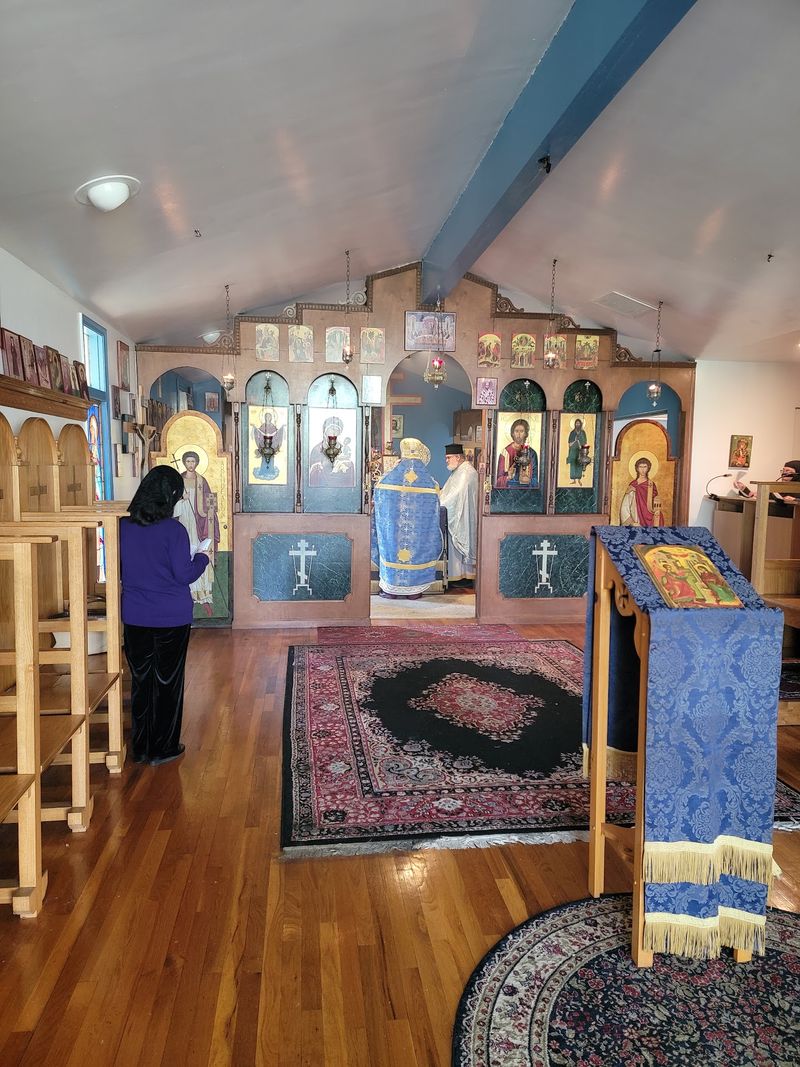
English, Arabic, Church Slavonic, and Greek all have a place in worship here. That’s a lot of tongues for one chapel in the Georgia woods.
The music ties it all together through Russian chant. If you’ve never heard it, expect slow, layered singing that seems to hang in the air.
It’s meant to lift your mind toward prayer, not to show off.
Each language reflects a piece of Orthodox history. Greek and Arabic connect to the ancient churches of the Mediterranean and Middle East.
Church Slavonic carries the voice of Russian tradition. English makes sure newcomers can follow along.
The monastery also keeps the Julian Calendar. That means some holidays land on different dates than you’d expect.
Christmas, for example, falls in early January on the civil calendar under this system.
During Great Lent, there’s a special custom worth knowing. The Akathist Hymn to the Mother of God is sung on Fridays.
It’s a long, beautiful hymn of praise with many verses.
Don’t worry if you can’t keep up with every word. Many first-time visitors simply stand, listen, and let the sound do its thing.
Honestly, that’s a pretty good plan.
Weekend Worship Opens The Door To Curious Visitors
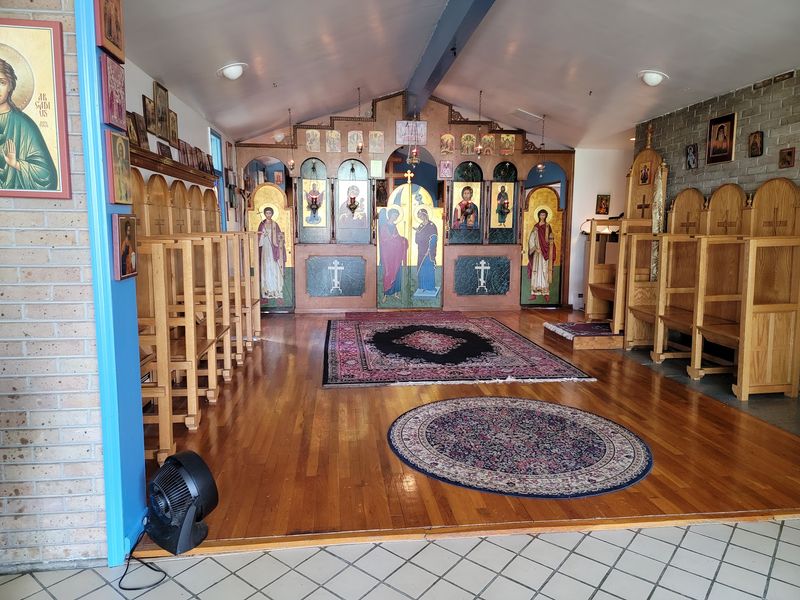
Saturday evening and Sunday morning are your best windows. Weekend services at the Monastery of the Glorious Ascension (ROCOR) are open to the public.
Sunday centers on the Divine Liturgy, the main worship service in Orthodox churches. Afterward, attendees share coffee and snacks together.
That’s a friendly way to meet people and ask questions.
New to Orthodox worship? Dress modestly and arrive a little early so you can find your footing.
Standing is common during services, so comfortable shoes help.
It’s smart to reach out to the monastery before your first visit. Schedules can shift with feast days and the Julian Calendar.
A quick check saves you a wasted drive.
Remember that no photos or videos are allowed during services. Leave your phone in your pocket and just take it all in.
The quiet fellowship over coffee might end up being your favorite part of the morning.
Prayer And Work Shape Every Single Day Here
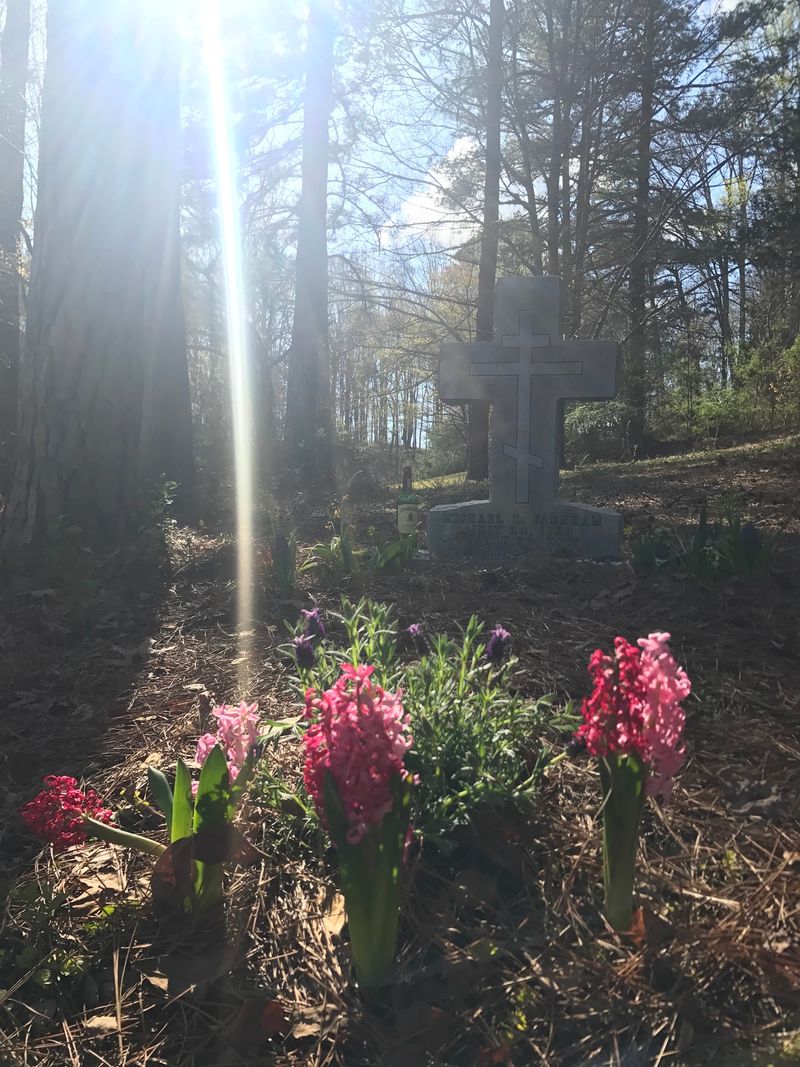
Sweeping a path counts as spiritual work at this monastery. Each monastic receives assigned tasks called obediences, and every one of them matters.
Groundskeeping fills a big part of the list. That includes cleaning, sweeping pathways, trimming trees and hedges, and planting.
Someone has to keep those woods from swallowing the place.
The monastery also lists a vegetable garden, vineyard, citrus orchard, and olive grove among its responsibilities. Kitchen duty, construction projects, and plumbing and electrical upkeep join the mix.
Carpentry and metalworking show up on the roster too. Even financial accounting is treated as an obedience.
Spreadsheets, it turns out, can be holy work.
The idea behind all this is simple. Prayer and labor go hand in hand in monastic life.
Doing ordinary jobs with care becomes a form of devotion.
I believe there’s a lesson here for the rest of us. Most of our days are packed with chores we rush through.
Handmade Treasures Wait In The Gift Shop
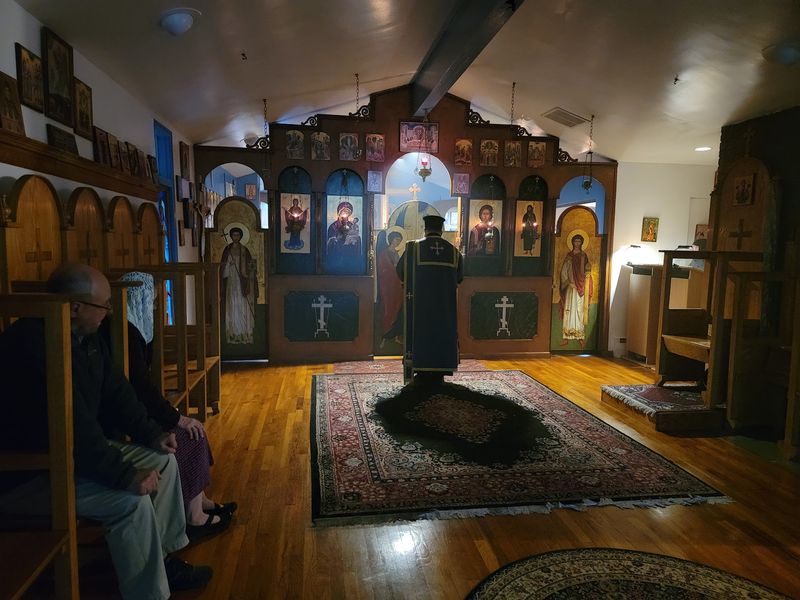
Prayer ropes start as simple wool or cord. In monastic hands, each knot gets tied with a short prayer, one after another.
Weaving these ropes is one of the spiritual crafts practiced here. Monastics also paint icons and write, translate, and edit books.
It’s quiet, patient work that takes real skill.
The monastery’s gift shop offers Orthodox icons, prayer ropes, books, and handmade religious gifts. It’s a great stop if you want something meaningful to take home.
An icon makes a thoughtful gift for an Orthodox friend. A prayer rope suits anyone who wants a calmer daily habit.
Books can help newcomers understand what they just experienced in the chapel.
Shopping here also supports the community directly. Monasteries depend on this kind of help to keep the lights on and the grounds cared for.
Not sure what to choose? Ask about the meaning behind an item before you buy.
Every icon has its own story, and many prayer ropes carry a specific tradition. Learning that background makes your souvenir feel a lot more personal than a fridge magnet.
Spend The Night In Simple Trailers Or Campsites
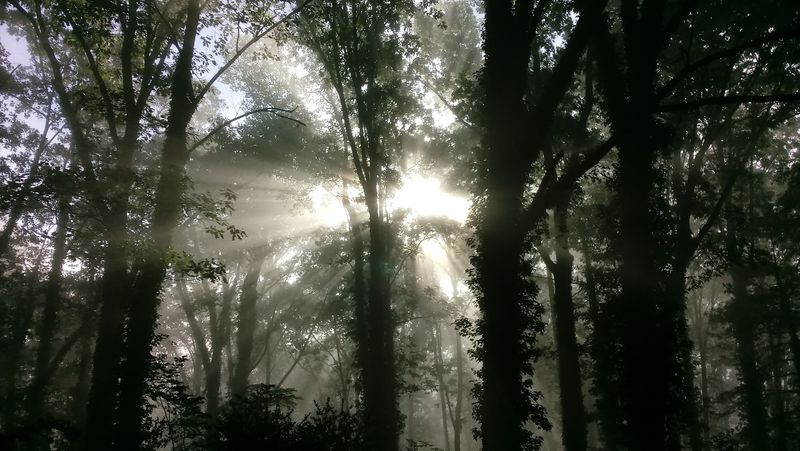
Hospitality sits close to the heart of monastic life. The Monastery of the Glorious Ascension (ROCOR) puts that idea into practice with real places to stay.
Two trailers provide overnight lodging for about a dozen visitors. For bigger groups, two campsites are available on the grounds.
Nobody’s promising a spa, but that’s not why you’d come.
Guided retreats can be arranged too, either for one person or a whole group. A retreat lets you follow some of the monastery’s rhythm.
Think services, quiet time, and space to reflect.
Guided tours of the grounds are another option. They’re a good fit if you want to understand the property without staying overnight.
Plan ahead before showing up with a sleeping bag. Contact the monastery early to arrange your stay and ask about expectations.
Respectful dress and quiet hours are part of the deal.
Church youth groups and parish retreats would find the campsites especially handy. Solo travelers might prefer a trailer and a slower pace.
Either way, waking up in the northwest Georgia woods near a chapel bell sounds hard to beat.
Easy To Reach But Feels A World Away
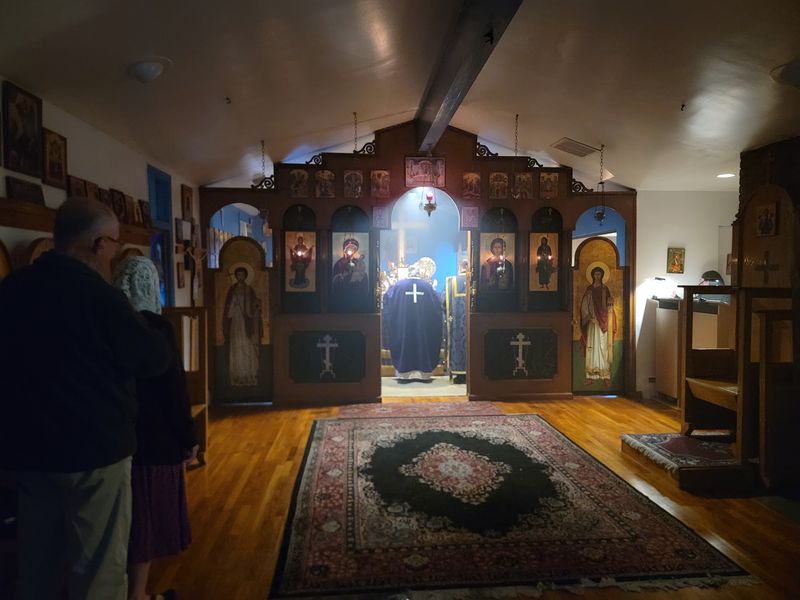
Sixty miles sounds far, but it’s a manageable trip from Atlanta.
That’s part of the charm. One minute you’re on a regular Georgia highway.
A few turns later, you’re surrounded by forest, chant, and candlelight.
Pair your visit with a full day in the area. Dalton is close by for meals and errands.
The surrounding mountains make the drive itself pleasant, especially in fall.
Timing matters most. Aim for Saturday evening or Sunday morning when public services are scheduled.
Reaching out ahead of time is always wise.
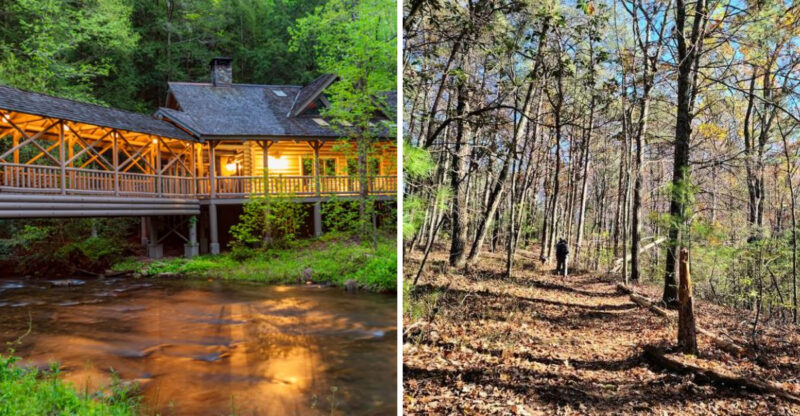
Bring an open mind and a respectful attitude. Leave the camera alone, sip some coffee after liturgy, and take a slow walk on the trails.
Few places this close to an interstate offer that kind of peace. Honestly, your weekend could use it.