This Hidden North Carolina NASA Station Once Spied On Soviet Satellites And Still Has Giant 85-Foot Dishes
Nothing prepares a mountain drive for the sudden appearance of an 85-foot radio dish.
Hidden among the trees of North Carolina, a former NASA tracking station looks like somebody dropped a Cold War thriller into the Blue Ridge and forgot to take it back.
The site later played a role in secret listening work, which only makes the giant antennas feel more suspicious.
Today, the gates are far less mysterious, but the history still feels wonderfully strange.
Visitors can stand beneath machinery once connected to space missions and national security while mountains rise quietly around it.
Honestly, this may be the only road trip where “alien base” feels like a reasonable first guess.
Stand Beneath Two Giant 85-Foot Radio Dishes Built For NASA
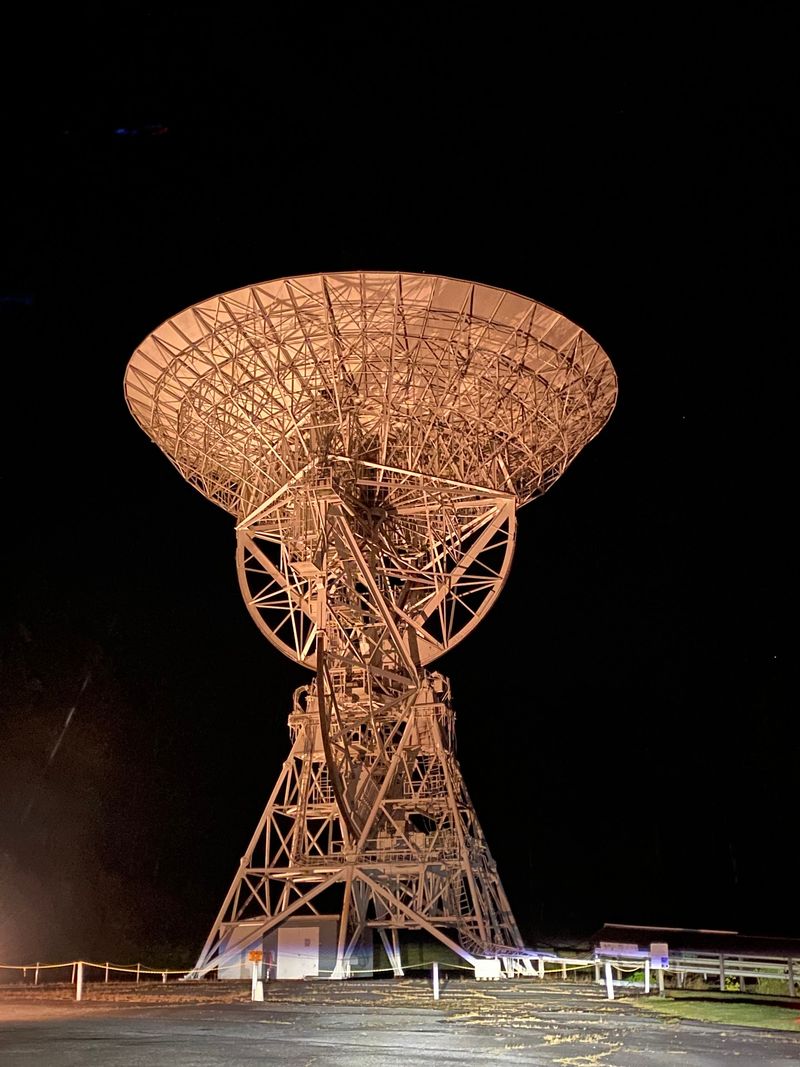
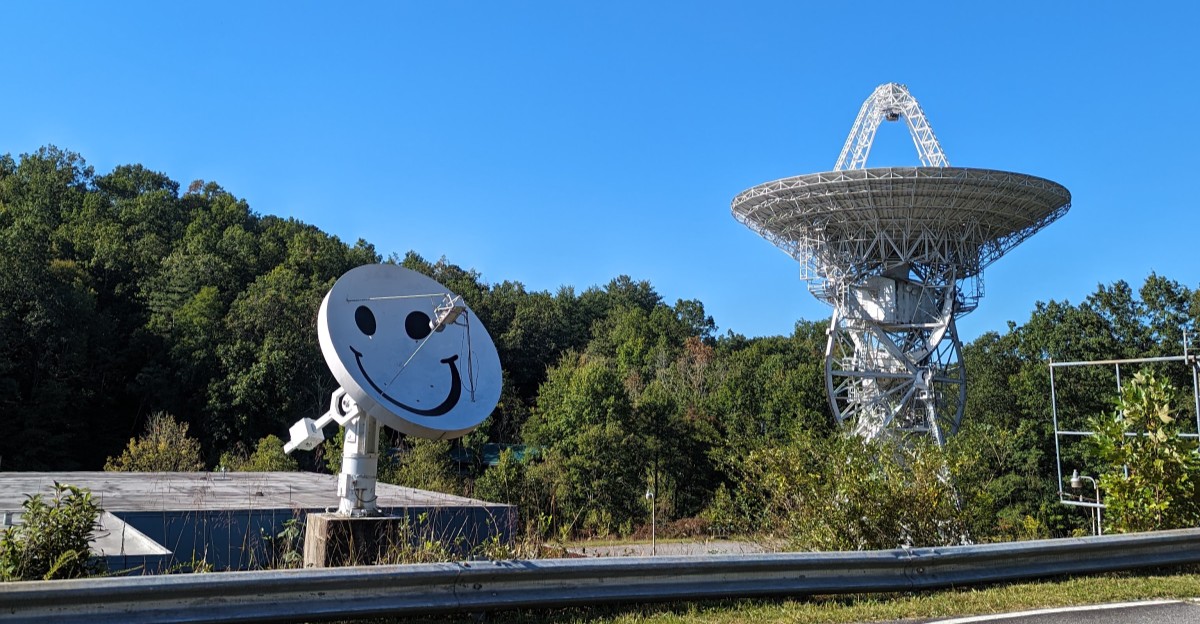
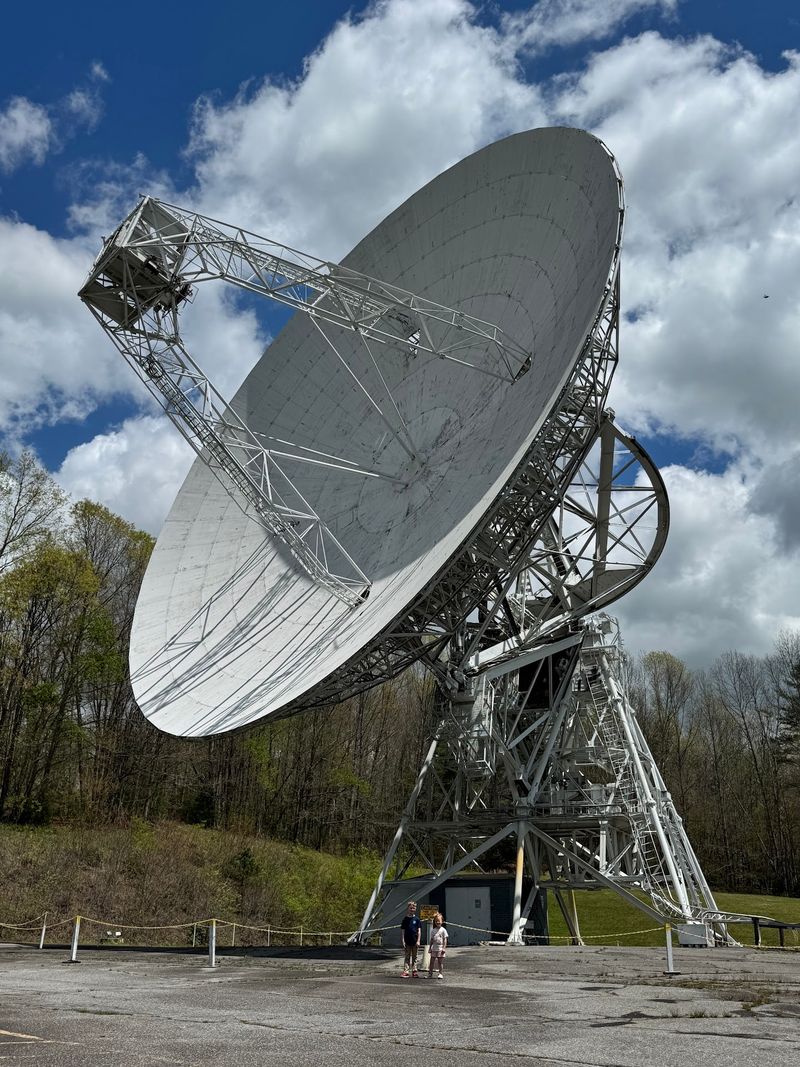
At Pisgah Astronomical Research Institute, two of them rise above the treetops, each stretching 26 meters, or 85 feet, across.
NASA built them in the 1960s to catch faint signals from spacecraft far above Earth.
Walking up the paved path, you notice the steel framework first, a crisscross of beams that looks like a giant’s jungle gym. Then the dish itself tilts into view, its curved white face pointed at the sky like an open hand.
These antennas were part of NASA’s Spacecraft Tracking and Data Acquisition Network, known as STADAN.
Engineers shaped each surface as a parabola, a special curve that bounces incoming radio waves toward a single point.
That focus lets the antenna pick up signals far too weak for ordinary equipment.
Stand directly underneath and tip your head back. The mountain breeze whistles through the metal, and the size finally sinks in.
Bring a camera with a wide lens, because fitting a whole dish into one photo takes quite a few steps backward.
Pisgah Astronomical Research Institute welcomes visitors at 1 PARI Dr, Rosman, NC 28772.
Learn How The Site Tracked Satellites During The Early Space Race
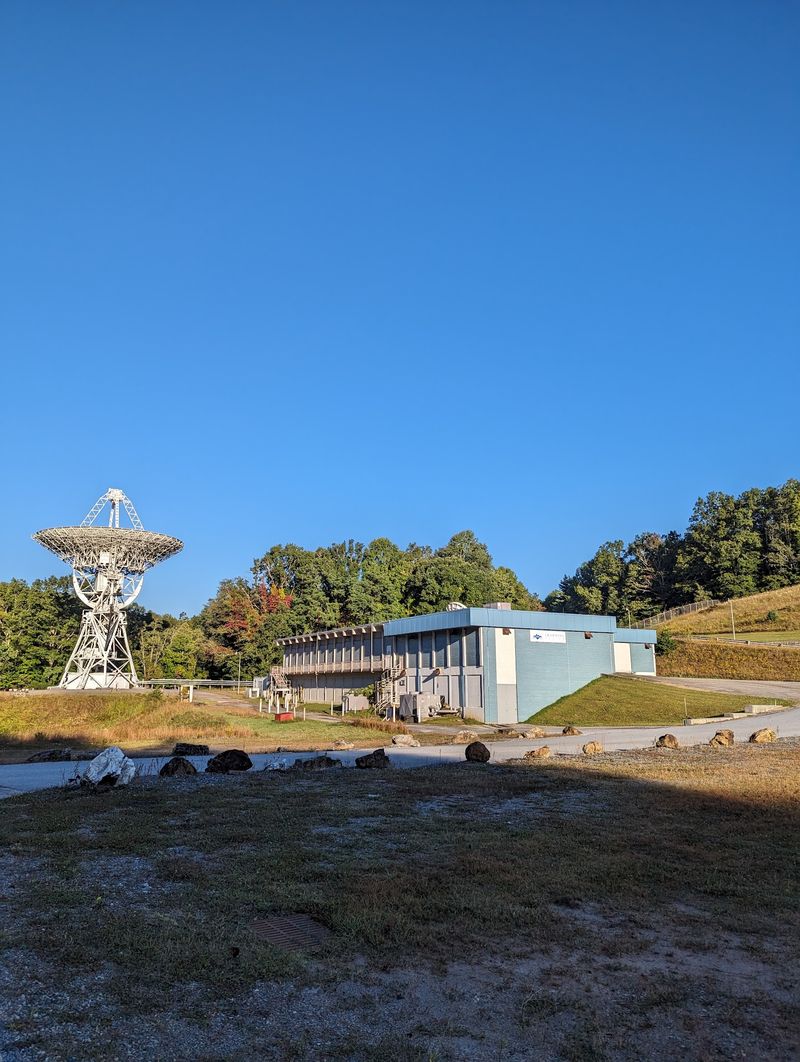
In 1962, NASA moved ahead with plans for a major tracking facility in the mountains of western North Carolina.
The Rosman Satellite Tracking Station officially opened in 1963 in a radio-quiet valley chosen for tracking spacecraft and satellites.
Over the following years, the station became a busy link for unmanned satellites and human missions alike. Crews here supported Project Gemini and Project Apollo, helping NASA stay in touch with spacecraft as they circled Earth.
Every signal that came in had to be recorded, checked, and passed along quickly.
Two big firsts happened right here.
Rosman supported early Earth-observation missions including the Nimbus program, which returned important weather imagery during the 1960s.
Then in 1967, the ATS-1 satellite delivered the first television transmission from space through these same mountains.
Inside the museum, displays walk you through those early years step by step.
Old photos show workers surrounded by blinking panels and reels of tape.
Reading the timeline, you start to realize how much of the race to the Moon depended on quiet places like this one.
Hear How The Defense Department Later Intercepted Soviet Satellite Communications
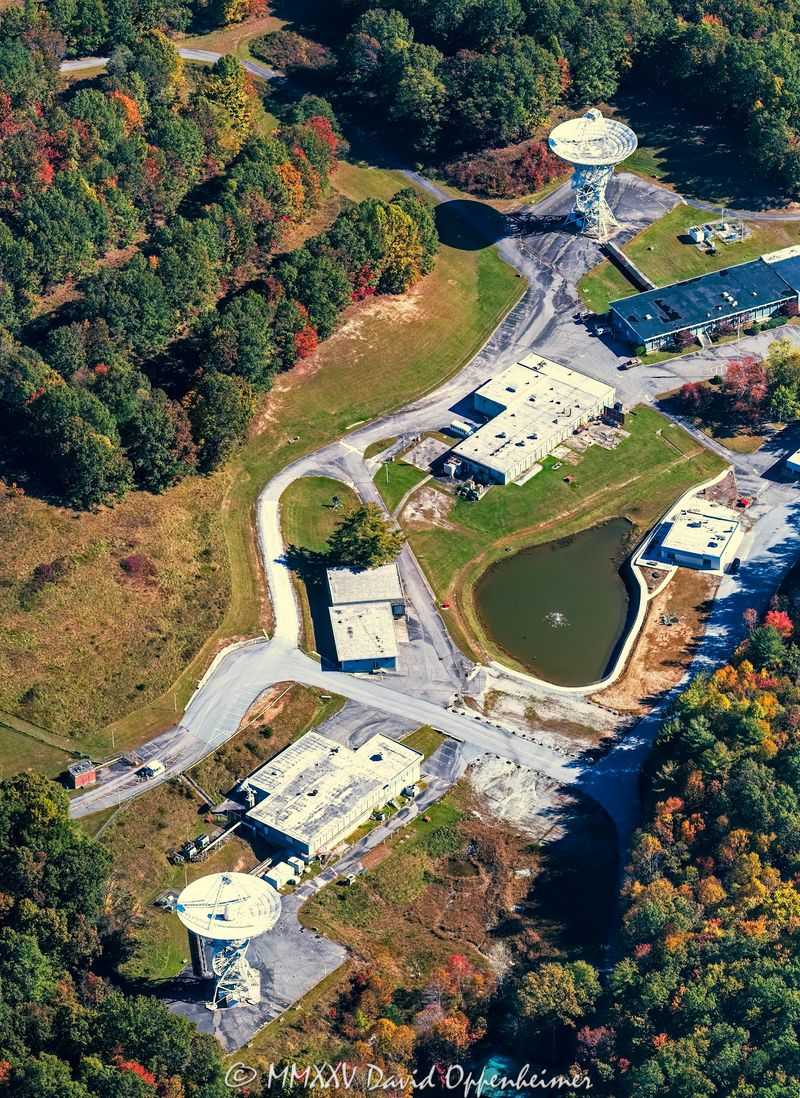
Few chapters in this campus history feel as much like a spy movie as the one that began in 1981.
That year, NASA handed the station to the Department of Defense, and the National Security Agency moved in.
The name changed to the Rosman Research Station, and the open science center turned into a closely guarded secret.
The giant dishes got a brand new job. Instead of chatting with American spacecraft, they listened in on communications from Soviet satellites during the Cold War.
Workers gathered signals intelligence, which means collecting and studying messages sent through the air. Security tightened everywhere.
Fences, guarded gates, and strict rules kept outsiders far away, and most neighbors had no idea what really went on up the mountain.
In 1983, the government even declared all of Transylvania County off-limits to Soviet visitors, a clear sign of how important the work had become.
Today, guides share pieces of this story during tours, and hearing it on the actual grounds gives you goosebumps in the best way.
Ask about the decades when the hills of North Carolina quietly helped protect the country.
The answers connect the peaceful forest outside with a tense moment in world history.
Look For The Smiley Face Painted For Soviet Satellites Passing Overhead
Somebody here had a sense of humor, and it still shows.
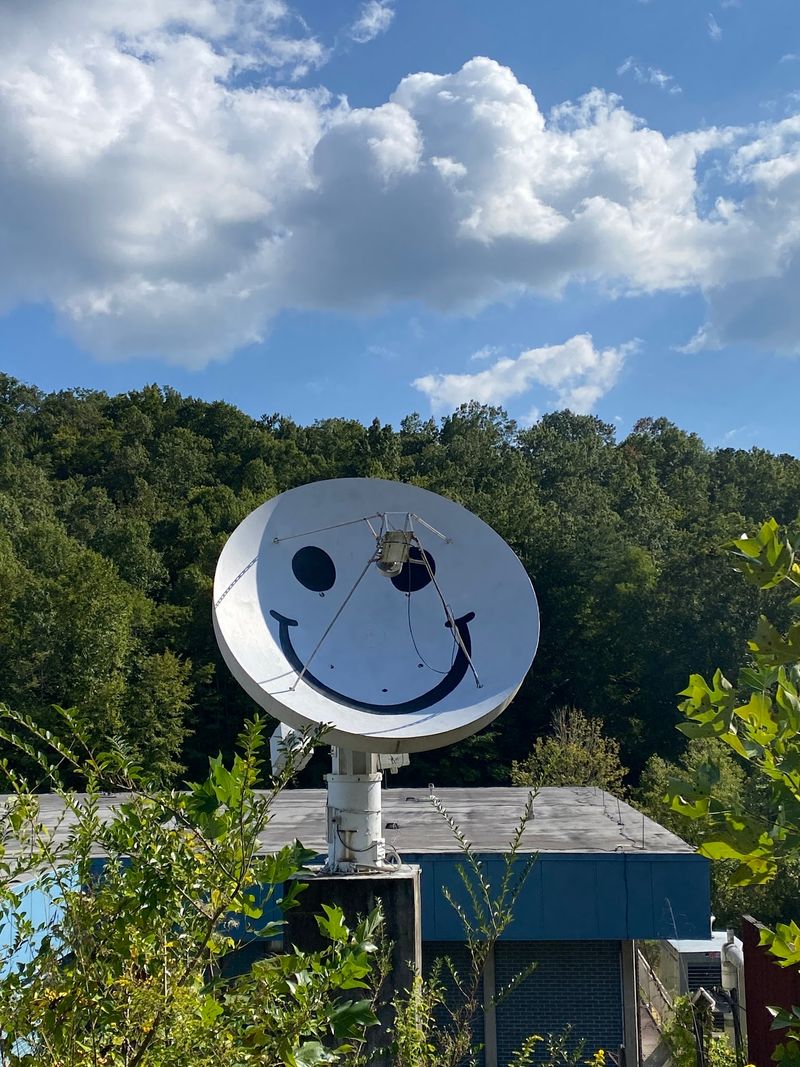
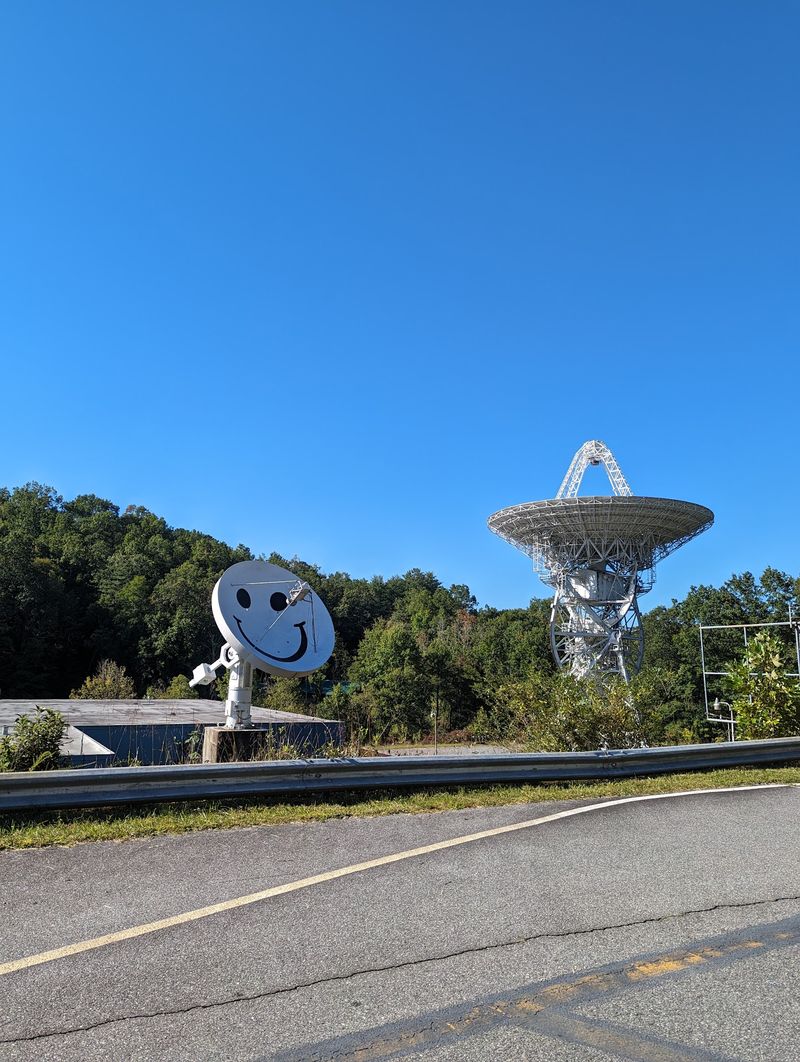
One of the smaller antennas on campus, a 4.6-meter dish, wears a big painted smiley face right across its surface.
It might be the friendliest piece of Cold War equipment you will ever meet.
The story goes that the grin was added during the Cold War, when Soviet spy satellites regularly photographed the campus from orbit. Rather than hide, someone decided to say hello.
Imagine analysts on the other side of the world zooming in on their pictures and finding a giant smile staring back.
Spotting it is half the fun. Keep your eyes open as you stroll between the larger dishes, and the cheerful face pops out against the green hillside.
Kids usually find it first, so turn the search into a quick game.
Nicknamed Smiley, this dish is far more than decoration.
It works as a real radio telescope, and students around the globe can control it remotely for radio astronomy projects.
Someone in a faraway classroom might be steering it while you snap your photo, so try framing it with the forested ridges behind for a picture that captures both history and scenery.
Explore A Former Top-Secret Campus Hidden Deep In Pisgah National Forest
Pine-scented air and layers of blue ridges greet you long before the first antenna appears.
The 200-acre campus sits deep inside Pisgah National Forest, reached by a winding road that curls through hardwood trees and over rushing creeks.
That remote setting was no accident. Planners chose the spot because the surrounding peaks block radio noise and keep city lights far away.
The same quiet once helped hide a classified government base with guarded gates and restricted roads.
Now the old buildings, paths, and lawns welcome families and school groups instead.
Walking the grounds feels like exploring a time capsule set inside a nature preserve.
Paved paths lead between equipment buildings and lookout points with sweeping views of the forest.
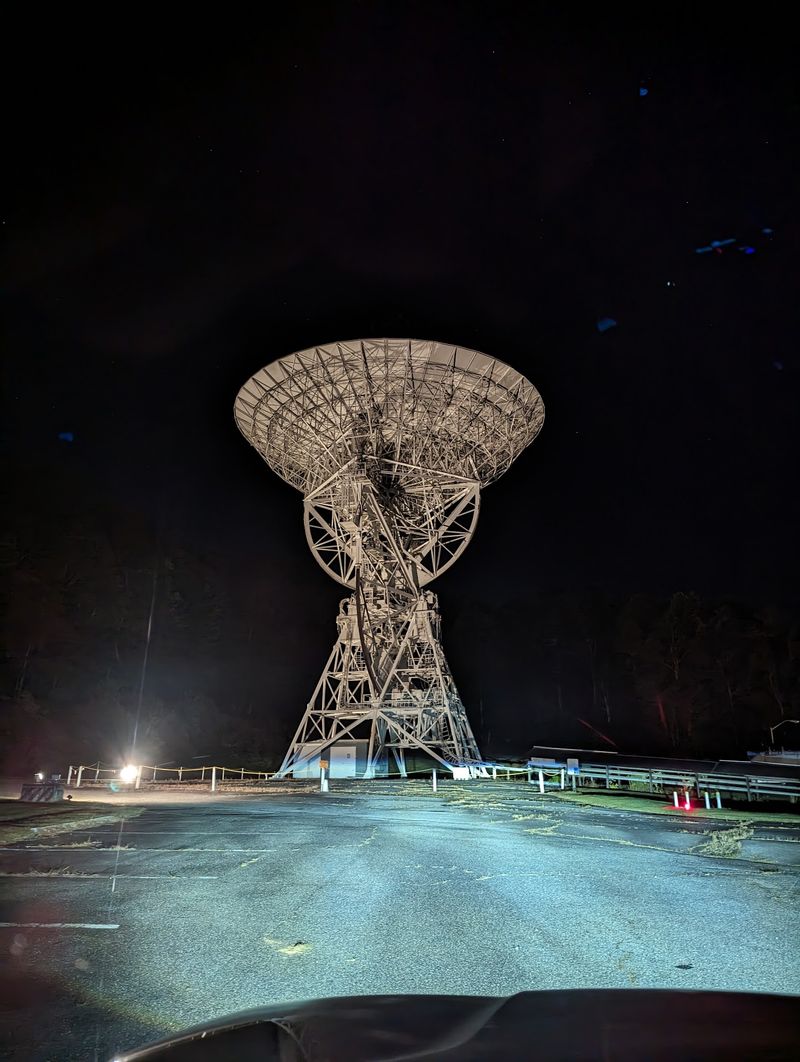
You might hear birdsong, wind in the treetops, and the soft hum of machinery all at once. After dark, the setting truly shines.
PARI is recognized as an International Dark Sky Park, so on clear nights the Milky Way stretches overhead like spilled sugar across black velvet.
Special stargazing events and overnight programs let guests enjoy that sky, and on-site cabins make it easier to stay late.
Pack extra layers, since mountain evenings cool off quickly even in summer.
See Real NASA Artifacts, Meteorites And Thousands Of Mineral Specimens
Ever wondered what a piece of another planet looks like up close?
Inside the main building, three galleries turn science into something you can study with your own eyes. Each room has its own personality.
The NASA Heritage Gallery tells the story of human spaceflight with genuine artifacts, including items that traveled beyond Earth’s atmosphere.
You can examine a model of the Apollo Lunar Lander, learn about the ATS-6 satellite, and stand next to a Redstone rocket engine.
The polished metal and tangled tubing show how much careful engineering went into early rockets.
Next door, the Mineral Gallery sparkles with thousands of rocks, gems, and crystals. Many specimens come from North Carolina, a state with a long history of gem hunting and mining.
Look for bright colors, glassy points, and shapes that seem almost too perfect to be natural.
Then the Meteorite Gallery steals the show.
The collection includes fragments from the Moon and Mars, plus space rocks that formed when the solar system was young.
Some pieces look heavy and dark, a hint of the iron hiding inside.
Give yourself at least an hour here, because reading the labels slowly pays off.
Visit The Operations Room And Learn How The Dishes Still Track Spacecraft
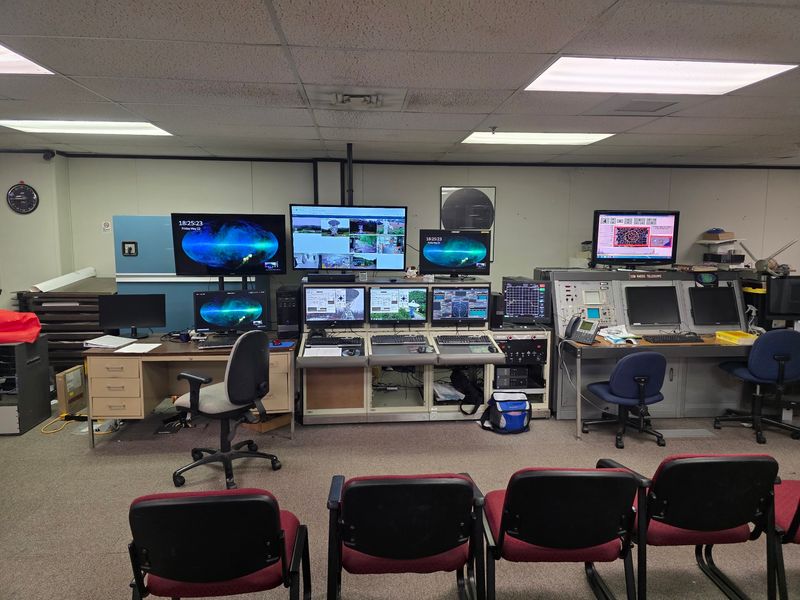
Rows of screens glow with numbers and graphs, and a low electronic hum fills the air.
The Operations and Control Room is where the giant antennas get their instructions.
Stepping inside feels a bit like visiting mission control.
Guides explain how operators aim a dish by entering coordinates, then watch as the massive structure swings toward a new spot in the sky. For something so heavy, a 26-meter antenna moves surprisingly fast.
Seeing fresh data appear on a monitor moments later makes the whole process click.
None of this is just for show.
PARI still contracts with commercial companies to track spacecraft and has supported major NASA work, including tracking the Orion spacecraft for the Artemis II mission. So the same dishes that once followed Gemini and Apollo are helping with the next chapter of lunar exploration.
During some programs, visitors get hands-on time at the controls.
You may learn how to operate a radio telescope and collect real data from objects far out in space. Students especially love turning a dish themselves and watching it respond outside the window.
Curious about radio waves, satellites, or careers in space science?
Save those questions for this room.
Check The Public Tour Schedule Before Driving To The Controlled-Access Campus
A little planning goes a long way on this trip.
PARI is a controlled-access campus, which means a gate stands at the entrance and is often closed. When you pull up, press the call button, and staff will let you in if the campus is open to visitors.
Hours can shift, so check the public tour schedule on the PARI website before you leave home.
Current visitor hours are Monday through Friday from 10 AM to 5 PM, with last admission at 3 PM; some Saturdays use the same schedule, while Sundays are closed.
Private events, research work, youth camps, or maintenance can limit public access on certain days. The drive deserves attention too.
Roads through this corner of western North Carolina twist and climb, so allow extra time and take the curves slowly.
Cell service fades near the campus, so save directions ahead of time, though Wi-Fi is available once you arrive. Comfortable walking shoes help on the paths between the dishes, and a light jacket keeps you cozy at breezy hilltop spots.
Guided tours, stargazing nights, and overnight cabin programs often need advance booking.
Reserve early, and your day can stretch from museum treasures to starry skies.