This Hidden North Carolina Trail Takes You To A Lost Ghost Town
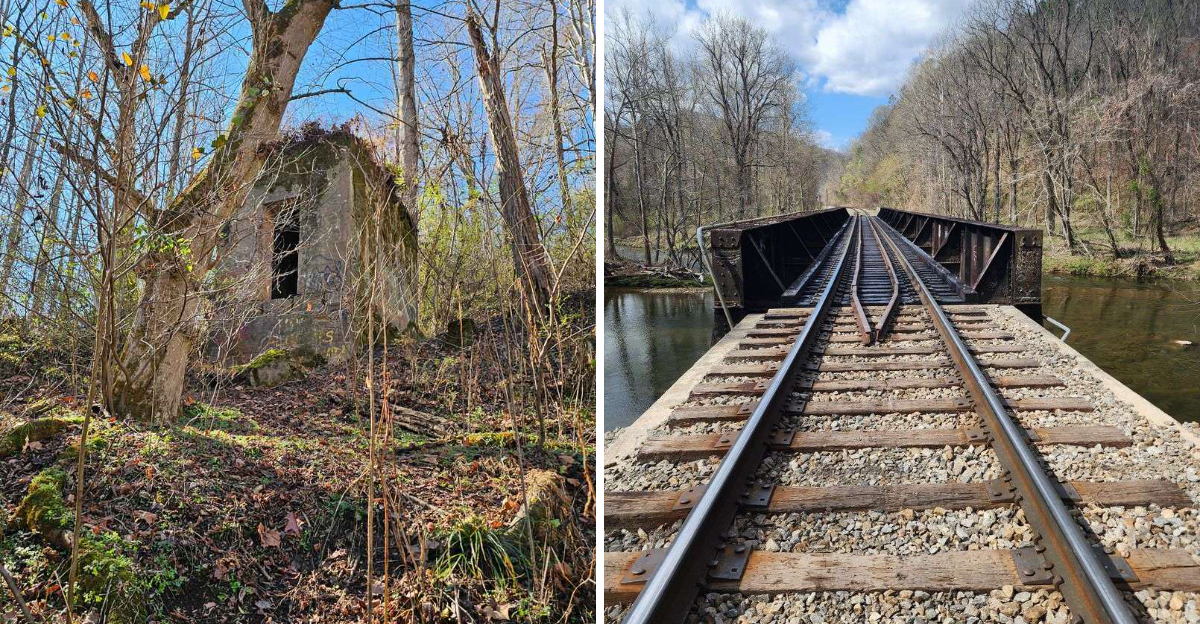
Deep in the mountains of North Carolina, where the French Broad River carves through ancient gorges, lies a trail that whispers stories of a vanished era. The Laurel River Trail winds along an old railroad bed, following Big Laurel Creek through a landscape so lush and wild it feels untouched by time.
At the trail’s end, past the rhododendron thickets and mossy rocks, hikers discover the haunting remains of Runion, a ghost town that once bustled with over a thousand souls. Crumbling chimneys stand like silent sentinels, marking where families lived, children played, and a steam-powered sawmill roared to life each morning.
This journey combines the best of Appalachian beauty with a fascinating glimpse into North Carolina’s logging past, making it an unforgettable adventure for history lovers and nature enthusiasts alike.
1. Big Laurel Creek’s Stunning Gorge Views
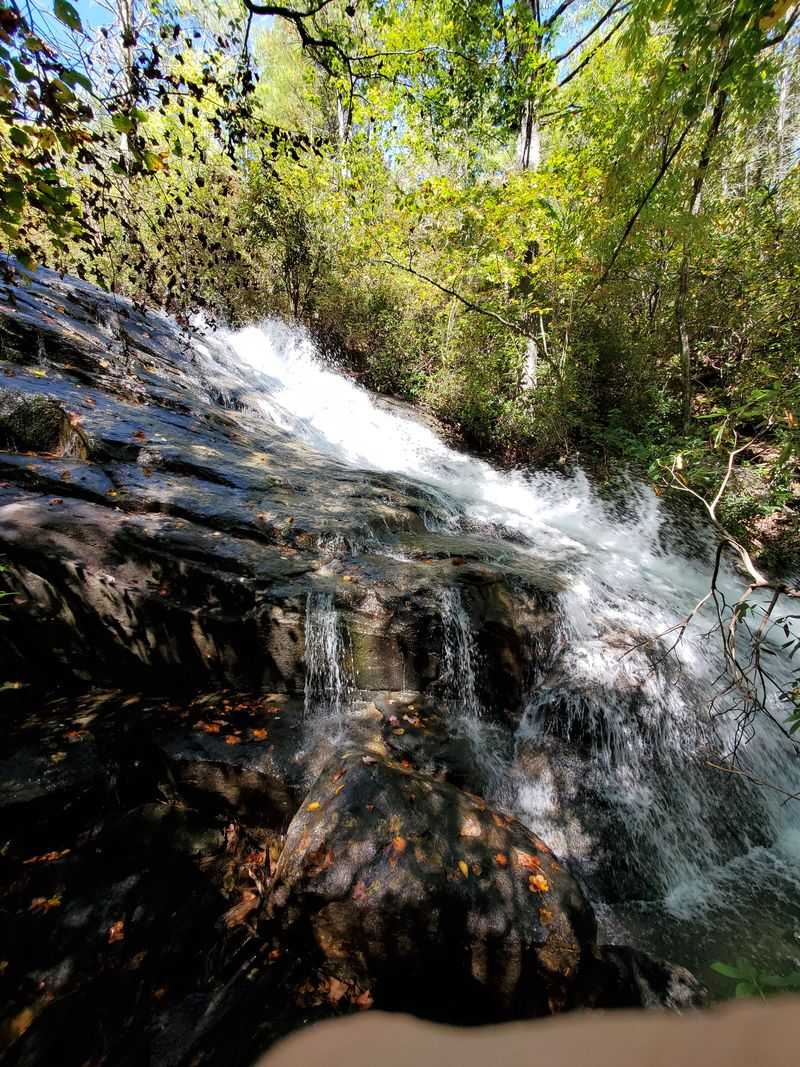
Water music accompanies every step as Big Laurel Creek tumbles over rocks and swirls through deep pools. The trail hugs this beautiful waterway through a picturesque gorge where towering cliffs rise on both sides, creating a natural cathedral of stone and greenery.
Sunlight filters through the canopy in golden shafts, illuminating the dancing water below.
The creek provides constantly changing scenery, from rushing rapids to calm, mirror-like pools perfect for reflection. Rocky outcroppings jut into the water, creating natural viewing platforms where hikers can pause and soak in the beauty.
The sound of flowing water creates a meditative soundtrack that drowns out modern worries and stress.
Early spring transforms the gorge into a wildflower wonderland when trilliums, violets, and other native blooms carpet the forest floor. The creek’s banks explode with color as plants rush to flower before the tree canopy fully leafs out.
Photographers find endless inspiration in the interplay of water, rock, and vegetation. Each season paints the gorge in different hues, from spring’s fresh greens to autumn’s fiery reds and golds, making every visit feel like discovering a new trail entirely.
2. Wildlife Encounters Along The Water
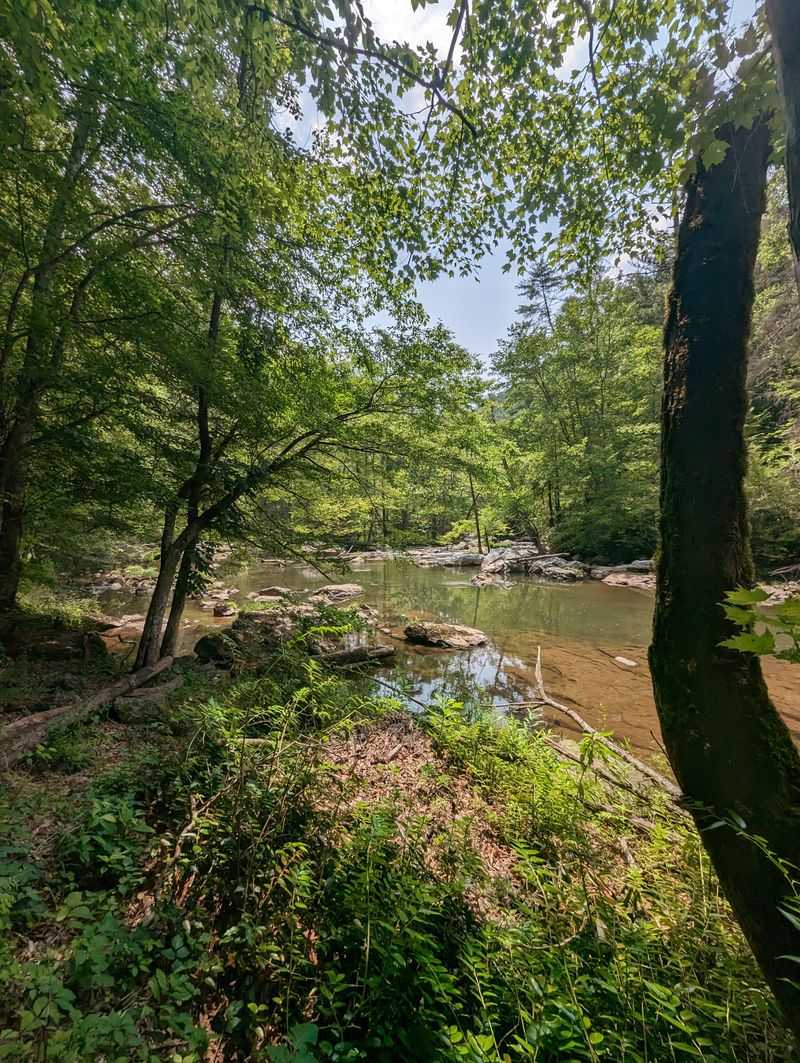
A great blue heron stands motionless in the shallows, prehistoric and patient, waiting for an unsuspecting fish. Wildlife sightings add unexpected magic to every hike, transforming a simple walk into a nature documentary come to life.
The creek and surrounding forest create habitat for an impressive variety of creatures, from tiny salamanders to majestic birds of prey.
Mergansers burst into flight from riverside reeds, their wings creating a thunderous commotion that startles first-time visitors. Hummingbirds hover around jewelweed blooms, their iridescent feathers catching the light like tiny flying gems.
Patient observers might spot river otters playing in deeper pools or turtles sunning themselves on partially submerged logs.
The trail’s proximity to water makes it prime territory for amphibian encounters, including the rare hellbender salamander that calls these mountain streams home. Anglers casting lines for trout share the waterway with hikers, creating a peaceful coexistence between different types of outdoor enthusiasts.
Deer tracks mark muddy sections of trail, and lucky hikers occasionally glimpse white-tailed deer drinking from the creek at dawn. Bring binoculars to fully appreciate the avian diversity, and walk quietly to increase your chances of wildlife encounters that create lasting memories.
3. Swimming Holes And Creek Access Points
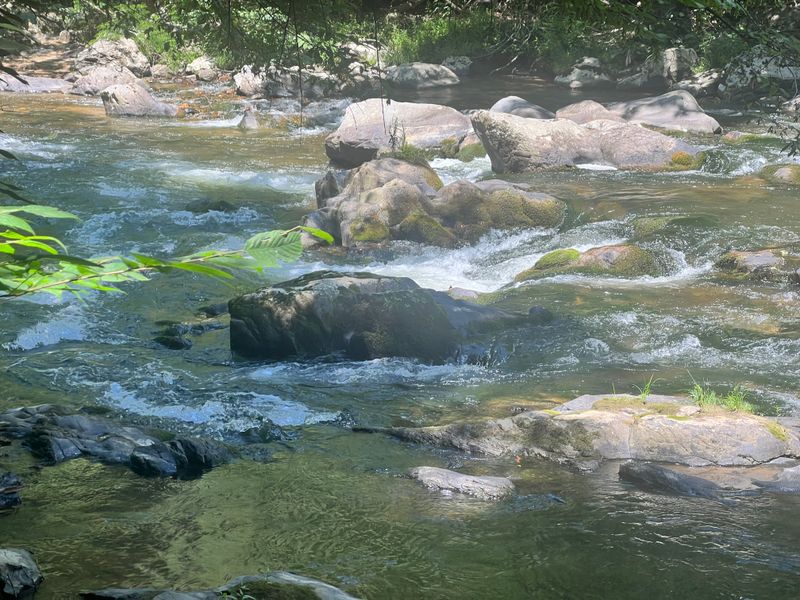
Nothing beats the shock of mountain-cold water on a hot summer afternoon. Multiple access points along the trail lead down to the creek where deeper pools invite brave swimmers to take the plunge.
The water maintains its refreshing temperature year-round, fed by countless mountain springs that keep it crystal clear and delightfully chilly.
Side trails branch off from the main path, leading to popular swimming and wading spots that locals have enjoyed for generations. Families spread blankets on sunny rocks while children splash in shallow areas under watchful eyes.
Teenagers launch themselves from boulders into deeper pools, their laughter echoing off the gorge walls.
After the first mile of private property, numerous spots invite creek exploration and water play. Smooth rocks create natural seating areas perfect for dangling feet in the current while eating trail snacks.
Some pools are deep enough for actual swimming, while others offer just enough water for cooling off overheated feet. Pack a swimsuit or at least a change of clothes because resisting the creek’s invitation proves nearly impossible on warm days.
The combination of hiking and swimming creates the perfect mountain day, offering both exercise and refreshment in one beautiful package.
4. Rocky Trail Sections And Navigation Tips
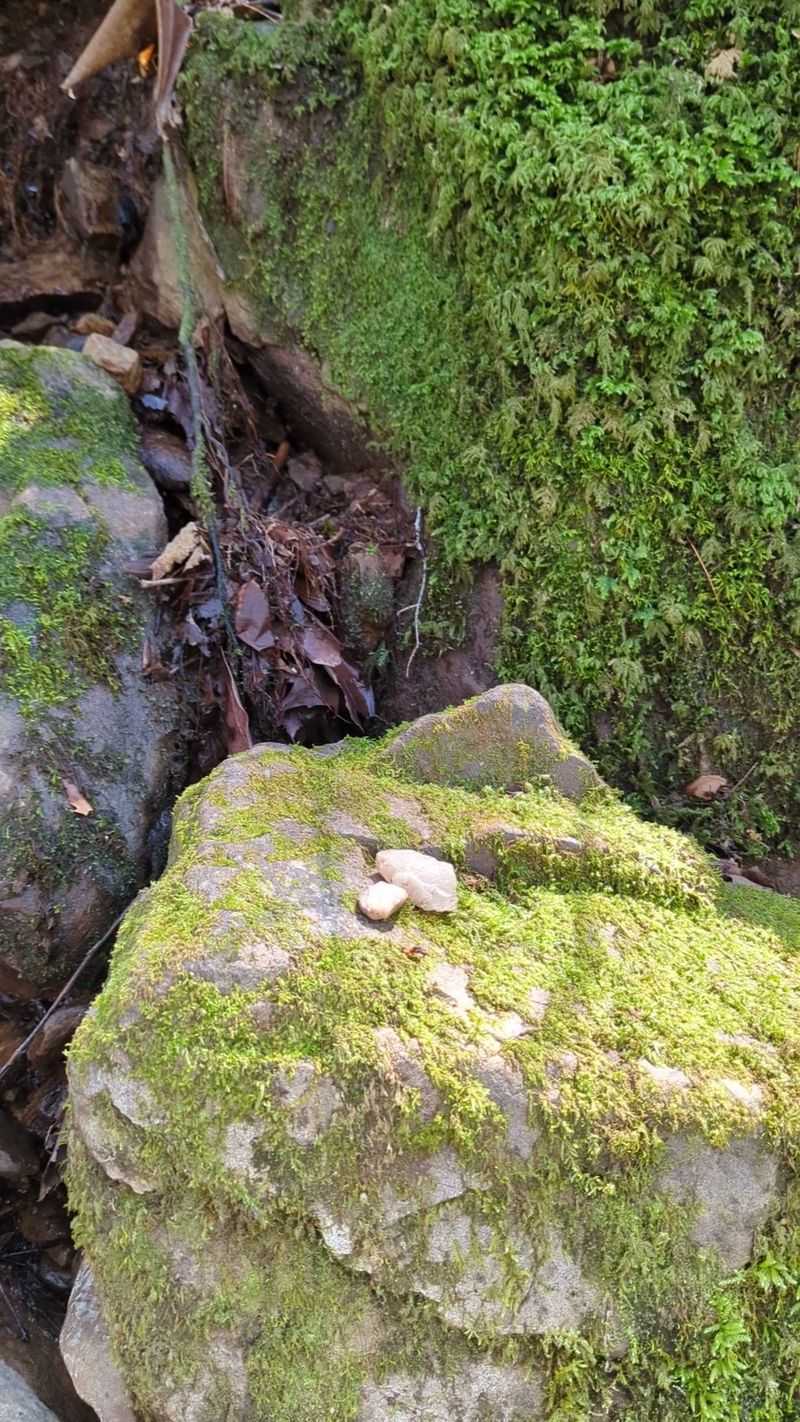
Good footwear makes all the difference when navigating the trail’s rockier sections. While mostly level thanks to its railroad heritage, certain stretches feature exposed roots and rocky patches that demand attention and careful foot placement.
Twisted ankles happen to careless hikers who underestimate these challenging sections.
The trail condition varies significantly along its length, from smooth, easy walking to technical sections requiring concentration. Some areas show evidence of washouts from heavy rains, creating temporary obstacles that change with each storm season.
Mountain bikers find these rocky sections particularly challenging, requiring technical skills and sometimes forcing them to dismount and walk.
Wearing sturdy hiking boots or trail shoes with good tread prevents slips and provides ankle support on uneven terrain. The first mile passes through private property, so staying on the marked trail is both legally required and practically wise.
Beyond that point, informal side trails lead to creek access but can be steep and slippery. Some sections feature narrow passages with steep drop-offs to the creek below, making careful navigation essential for safety.
Check recent trail reports before visiting, as conditions change seasonally and after major weather events that can create new obstacles or wash away sections of path.
5. Rhododendron Tunnels And Seasonal Beauty
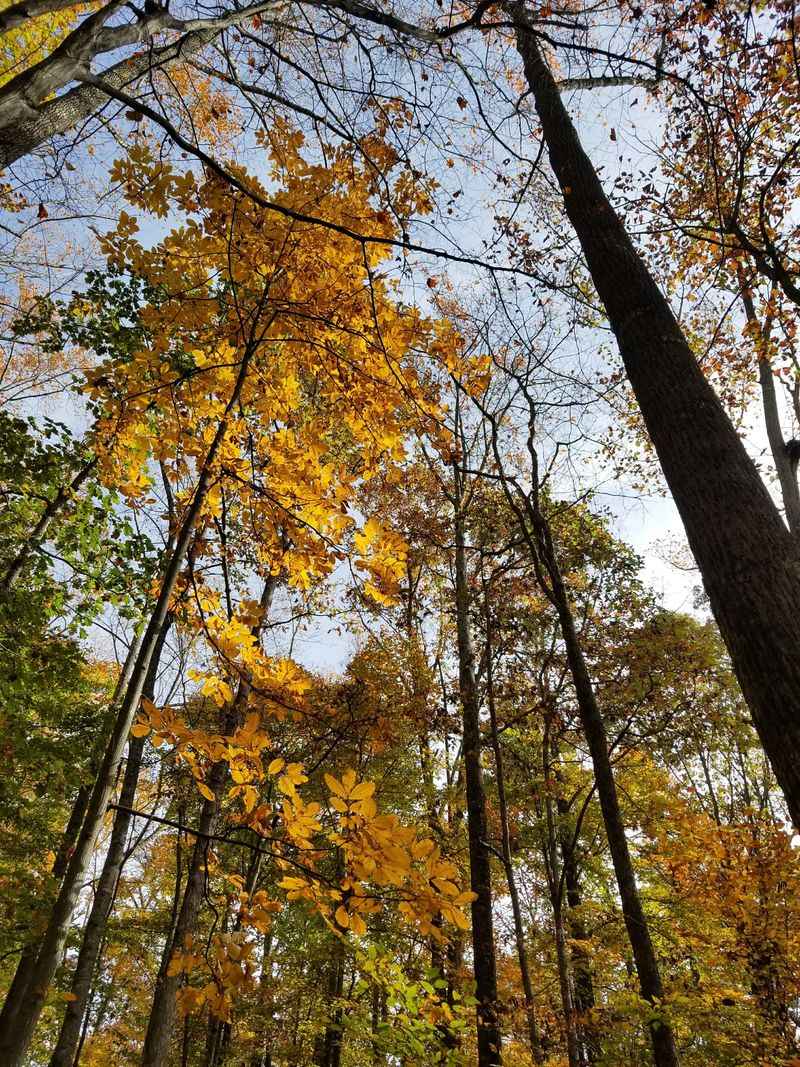
Massive rhododendron bushes arch overhead, creating natural tunnels that transport hikers into a fairytale landscape. These evergreen giants provide year-round beauty, but they truly shine in late spring when enormous clusters of pink and white blooms transform the trail into a floral wonderland.
The shade they provide keeps the trail comfortably cool even on hot summer days.
Walking beneath the rhododendron canopy feels like entering a secret world where dappled light plays across glossy leaves. The twisted branches create intricate patterns overhead, while the dense growth muffles sound and creates intimate pockets of wilderness.
In winter, their dark green foliage provides welcome color when deciduous trees stand bare.
Wildflower enthusiasts should visit in early spring when the forest floor erupts with blooms before the tree canopy fully develops. Trilliums, violets, and countless other native species carpet the ground in a brief but spectacular display.
Moss-covered rocks add emerald accents year-round, creating a lush, almost tropical atmosphere in this mountain setting. Autumn brings a different kind of magic when deciduous trees flame with color against the rhododendrons’ steady green.
Each season offers unique visual rewards, making the trail worth visiting multiple times throughout the year to experience its changing moods.
6. The Haunting Remnants Of Runion Ghost Town
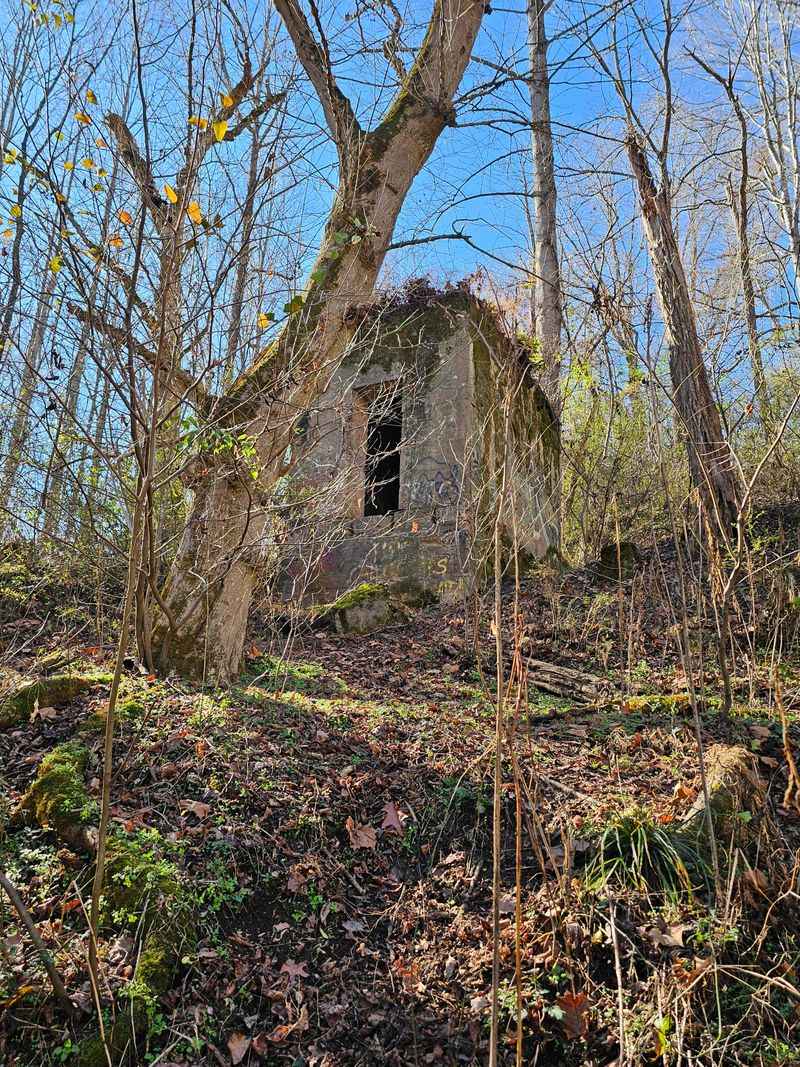
Brick chimneys rise from the forest floor like tombstones marking a community’s final resting place. Runion once thrived as a bustling logging town with more than 1,000 residents who built lives around the massive steam-powered sawmill.
Today, only crumbling foundations and weathered chimneys remain, slowly being reclaimed by rhododendron and mountain laurel.
The ghost town sits at the confluence where the Laurel River meets the French Broad River, a strategic location that made logging operations possible. Walking among these ruins feels like stepping through a portal into the 1920s when the town included a school, railroad depot, and commissary store.
Families lived in company houses, children attended classes, and the sawmill’s whistle marked the rhythm of daily life.
Exploring the remnants requires respectful curiosity and careful footing around the old structures. Each crumbling chimney represents a home where families cooked meals, gathered for warmth, and built memories.
The foundations outline rooms where people slept, laughed, and dreamed of futures that would never come. Nature has been patient but persistent, wrapping vines around bricks and pushing saplings through old floorboards, creating a hauntingly beautiful memorial to Appalachian industry.
7. Trout Fishing And Angler Opportunities
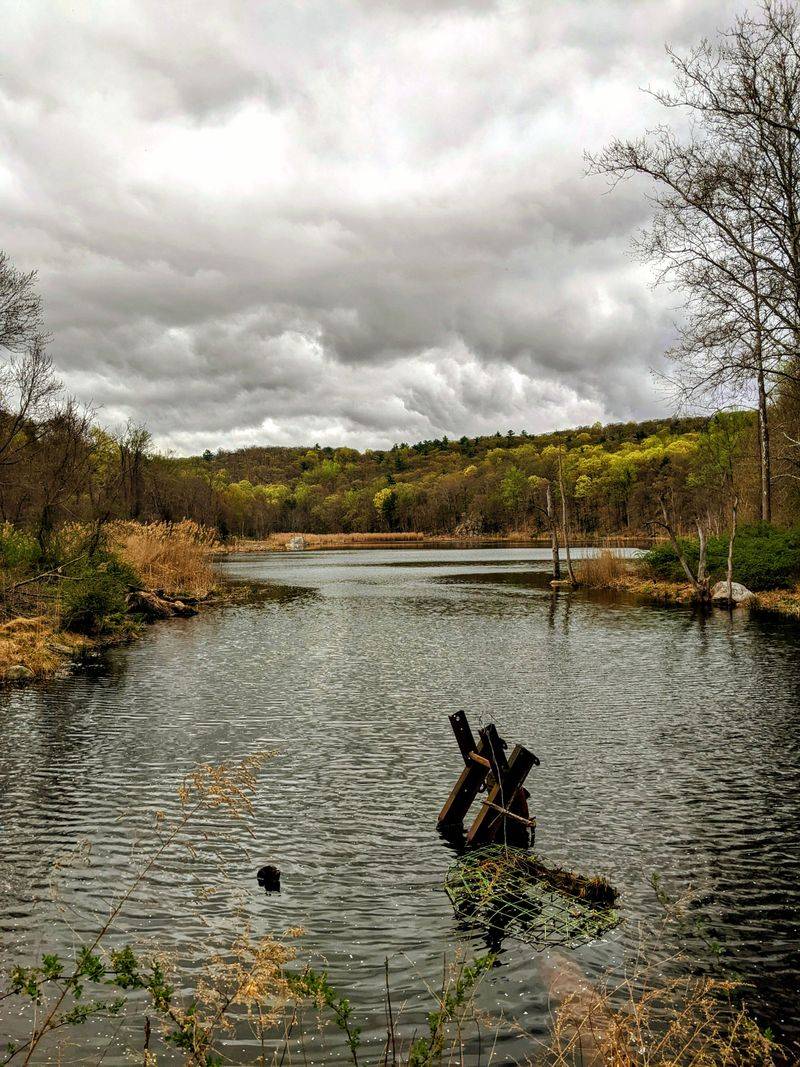
Fly fishermen wade into promising pools, their lines arcing gracefully through the air in timeless rhythm. Big Laurel Creek provides excellent trout fishing opportunities that draw anglers from across the region to test their skills against wily native and stocked fish.
The creek’s cold, clear water creates ideal trout habitat, supporting healthy populations that challenge even experienced fishermen.
Brook, brown, and rainbow trout all inhabit different sections of the creek, each species preferring slightly different conditions. Deep pools beneath undercut banks hide the biggest fish, while riffles and runs offer easier pickings for beginners.
State fishing regulations apply, so proper licenses and knowledge of size and creel limits are essential before wetting a line.
Hikers and anglers share the trail peacefully, each pursuing their own version of outdoor recreation. Watching a skilled fly fisherman work a promising stretch of water adds entertainment to any hike, even for non-anglers.
The creek’s accessibility from the trail allows anglers to cover significant water without bushwhacking through dense vegetation. Spring and fall provide the best fishing conditions when water temperatures are optimal and fish are most active.
Bringing fishing gear adds another dimension to the hiking experience, allowing for a more leisurely pace with frequent stops to try promising holes.
8. Dog-Friendly Adventure For Four-Legged Friends
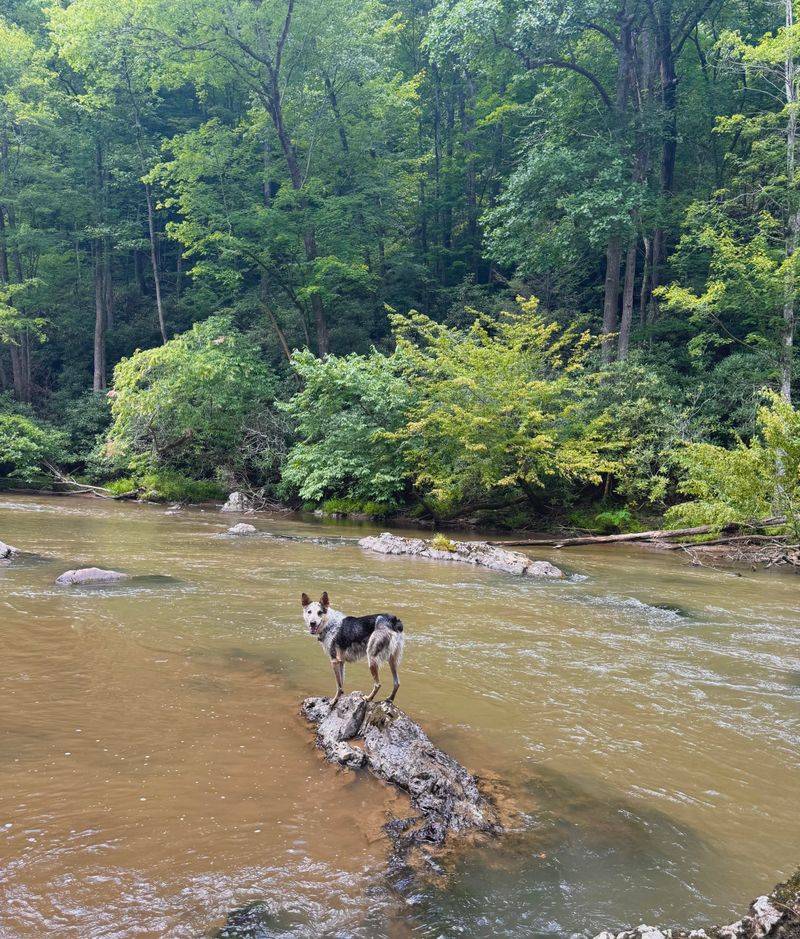
Tails wag enthusiastically as dogs splash through shallow creek sections and sniff every fascinating scent along the trail. The Laurel River Trail ranks as one of the region’s most dog-friendly hikes, with countless canine visitors enjoying the adventure alongside their humans.
Well-behaved dogs love the combination of interesting smells, water access, and the chance to meet other trail dogs.
The relatively flat terrain makes it manageable for dogs of various sizes and fitness levels, from energetic young pups to senior dogs enjoying gentler exercise. Creek access points allow overheated dogs to cool off, preventing exhaustion on warm days.
Most visitors report positive encounters with other dogs, creating a friendly, social atmosphere where four-legged hikers can make new friends.
Bringing waste bags and keeping dogs on leash in crowded areas shows respect for other trail users and wildlife. The first mile through private property requires extra vigilance to keep dogs on the marked path.
Some rocky sections might challenge small dogs or breeds with short legs, requiring owners to assist or carry them over obstacles. Pack extra water for both human and canine hikers, especially during summer months when the sun beats down on exposed sections.
The trail’s popularity with dog owners means you’ll rarely hike alone, creating a safe, welcoming environment for solo adventurers with canine companions.
9. Camping And Picnic Spots Along The Route
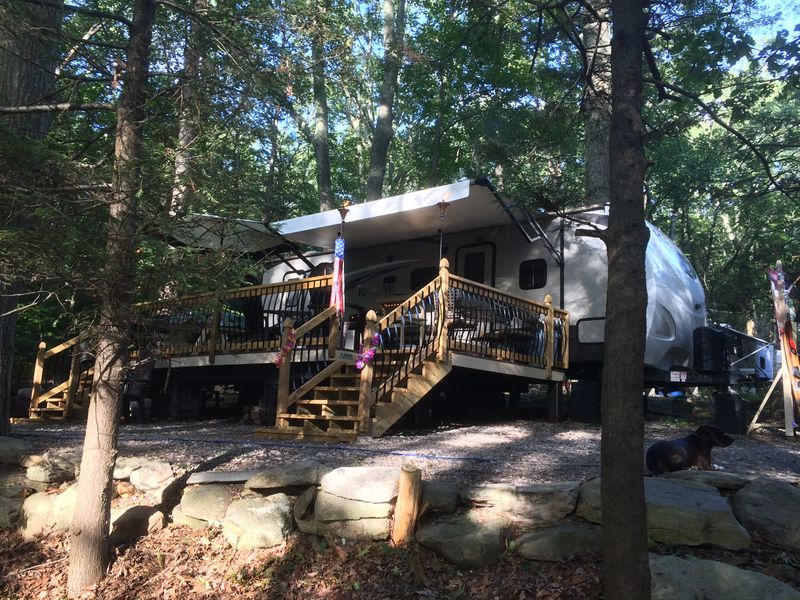
Flat areas beside the creek invite hikers to spread blankets and enjoy lunch with a view. Several established camping spots dot the trail beyond the first mile, offering overnight adventurers the chance to fall asleep to the creek’s lullaby.
These primitive sites lack amenities but provide everything nature lovers truly need: flat ground, water access, and stunning surroundings.
No picnic tables or established facilities exist, so visitors must bring everything they need and pack out all trash. This leave-no-trace approach keeps the trail pristine for future visitors and protects the delicate ecosystem.
Smooth boulders provide natural seating, while sandy patches offer comfortable spots to rest weary feet.
Backpackers appreciate the option to turn a day hike into an overnight adventure without traveling deep into the wilderness. Setting up camp near Runion’s ruins creates an atmospheric experience, especially as twilight settles over the ghost town.
Campfires require caution and adherence to current fire regulations, which change based on drought conditions and fire danger levels. Bringing a portable stove for cooking eliminates fire concerns while still allowing hot meals.
The lack of bathroom facilities means practicing proper backcountry hygiene and locating campsites at least 200 feet from the creek to protect water quality. Overnight stays transform the hike from a simple day trip into an immersive wilderness experience filled with stargazing and solitude.
10. A Trail Built On Railroad History
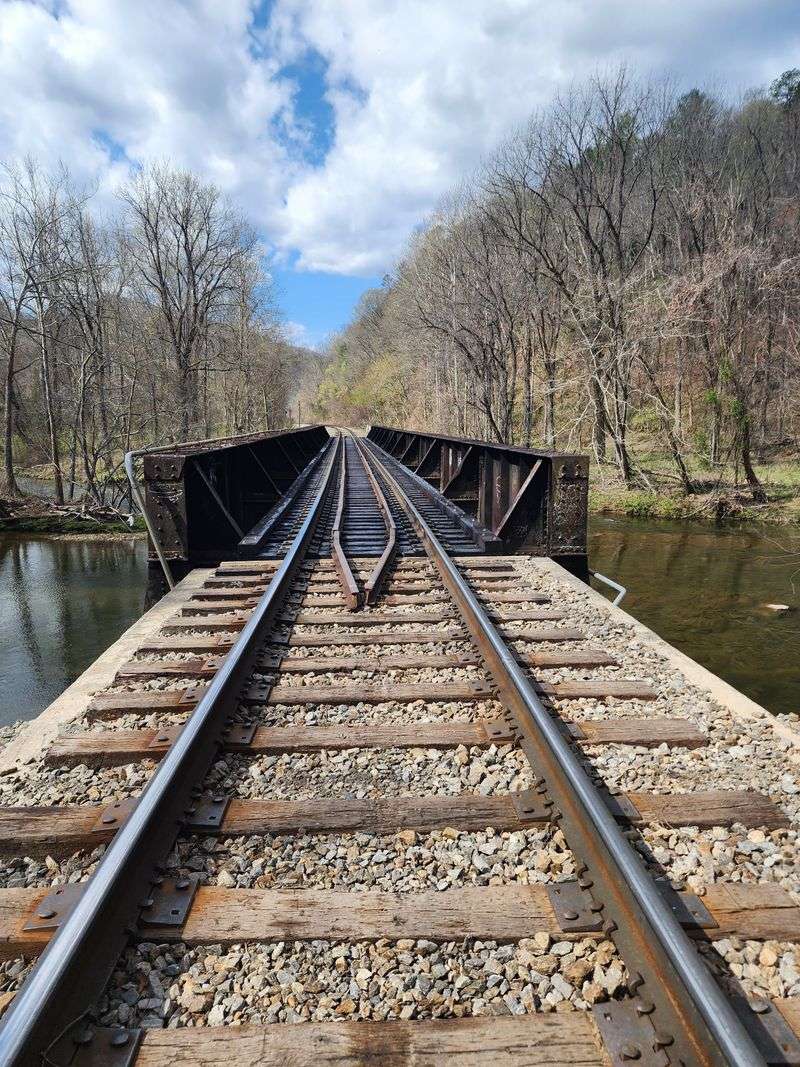
Walking where locomotives once rumbled creates an unexpected connection to the past. The Laurel River Trail follows the exact path of an old railroad bed that transported massive logs to the Runion sawmill throughout the 1920s.
You can still spot evidence of this industrial heritage in the grading and occasional railroad ties peeking through the earth.
This historical foundation gives the trail its remarkably flat character, making it accessible for hikers of varying abilities. The railroad builders carved a level route through challenging mountain terrain, and modern adventurers benefit from their engineering prowess.
Families with young children appreciate the gentle grade, while mountain bikers enjoy the smooth, flowing sections.
The 3.6-mile out-and-back journey takes roughly 1.5 hours one way at a leisurely pace. Located in Pisgah National Forest near Hot Springs, the trailhead sits at the intersection of U.S. 25/70 and NC 208 in Marshall, NC 28753.
Parking is available in a gravel lot where the adventure begins past a gate at the southern end. Every step along this converted railroad bed carries you deeper into both wilderness and history, creating a hiking experience unlike any typical mountain trail.
11. Hot Springs Connection And Extended Adventures
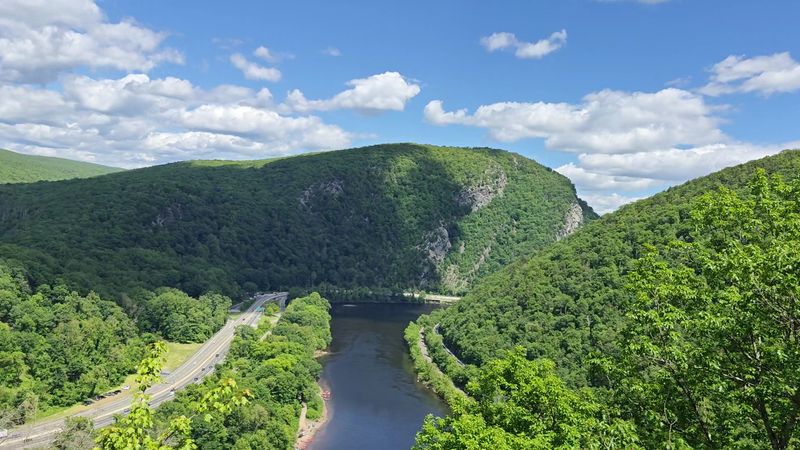
After completing the trail, the charming town of Hot Springs beckons with natural hot springs and mountain hospitality. Located just a short drive from the trailhead, this historic town offers the perfect place to soak tired muscles in naturally heated mineral water.
The Appalachian Trail runs directly through downtown, making Hot Springs a legendary stop for thru-hikers and day-trippers alike.
Soaking in outdoor hot tubs while gazing at the French Broad River creates the ideal post-hike reward. Several businesses offer hot spring experiences, from rustic to refined, accommodating different preferences and budgets.
The town’s restaurants serve hearty meals that taste especially delicious after burning calories on the trail.
Combining the Laurel River Trail with a Hot Springs visit creates a full-day adventure that balances exertion with relaxation. The nearby Pump Gap Loop Trail offers another 4.2 miles of hiking for those seeking extended mileage and Appalachian Trail access.
This moderate loop provides different scenery and additional elevation gain for hikers wanting more challenge. Planning a weekend trip allows time to explore multiple trails, enjoy the hot springs, and experience the town’s quirky mountain culture.
Local outfitters provide shuttle services, gear rentals, and trail information for visitors unfamiliar with the area. The combination of historical ghost towns, beautiful trails, and therapeutic hot springs makes this corner of North Carolina an outdoor lover’s paradise worth repeated visits.