This Hidden Texas Lake Looks Like It Belongs On Another Planet
I have a habit of pulling over for things I cannot immediately explain, and South Texas has never once let me down for that.
Flat roads, dry brush, the occasional bewildered armadillo, and then suddenly, completely without warning, something that looks like it was dropped onto this planet from somewhere far more dramatic.
This lake stopped me cold. I had not planned to visit it.
I had not even heard of it until a few days before, when someone mentioned it the way people mention things they assume everyone already knows about.
They were wrong, and I am so glad they brought it up.
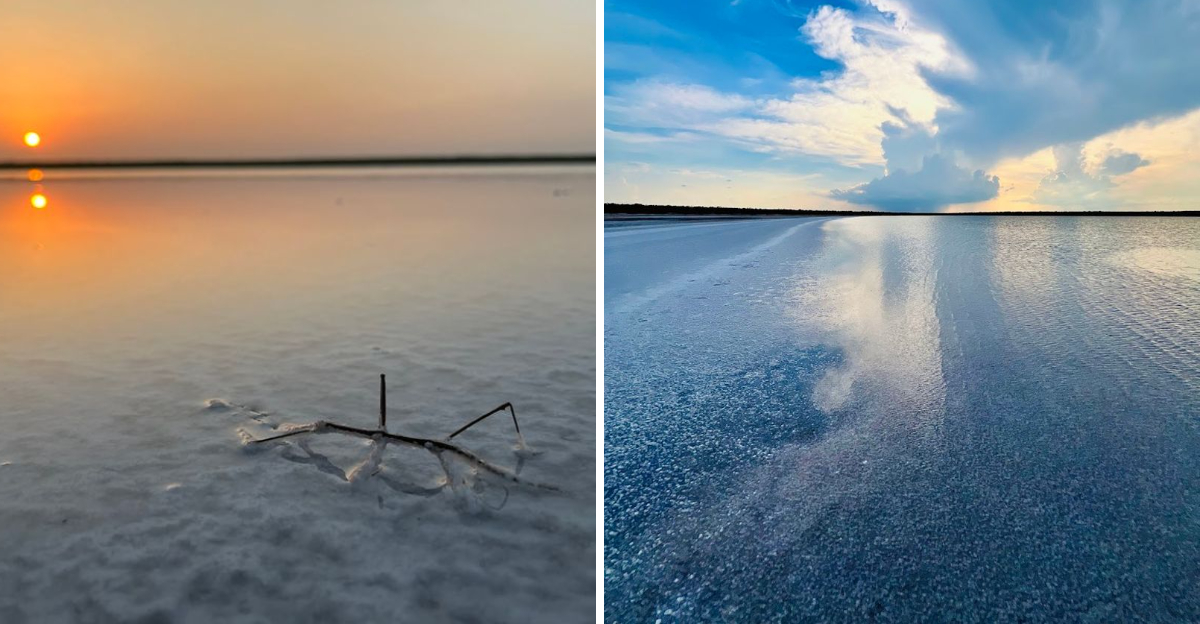
A naturally occurring salt lake is sitting quietly in the South Texas brush, crusted white and shimmering in the afternoon light.
It looks less like something from this state and more like a movie set on another world entirely. This state never stops surprising me.
The Salt Lake That Does Not Play By Nature’s Rules
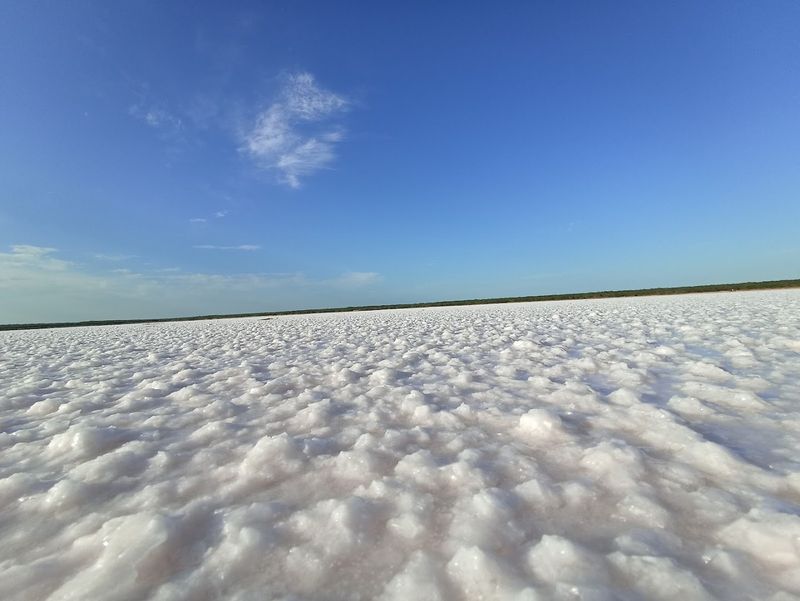
La Sal Del Rey is one of the most unusual natural landmarks in North America. The name means “Salt of the King” in Spanish, and it earned that title centuries ago when Spanish colonizers claimed its salt deposits for the crown.
This lake is not your average Texas watering hole.
The water is so saturated with salt that it shimmers white along the edges, creating a crust that crunches underfoot like fresh snow. Standing at the shoreline, the reflection of the sky turns the surface into a giant mirror.
The lake sits within the Lower Rio Grande Valley National Wildlife Refuge, which means the land around it is protected and surprisingly peaceful.
Visitors often describe the experience as otherworldly, and honestly, that description is accurate.
The flat, open landscape surrounding the lake amplifies the silence in a way that feels almost cinematic.
First-time visitors are often caught off guard by how photogenic it is. No filters needed here.
The natural contrast between the white salt and pale blue water is striking enough on its own.
The Science Behind The Saltiness
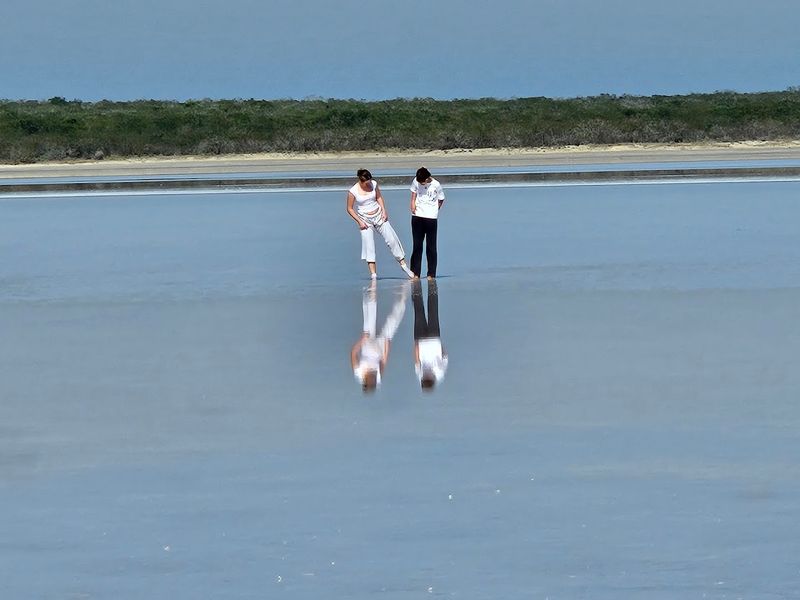
Not every lake turns into a salt flat, so what makes La Sal Del Rey, located off TX-186 near Edinburg, Texas, so chemically dramatic? The answer comes down to geology and evaporation.
The lake sits in a shallow basin with no natural outlet, meaning water flows in but never flows out.
Over thousands of years, minerals dissolved from the surrounding soil accumulated in the water. As the Texas sun evaporated that water, the salt stayed behind.
Repeat that process for millennia and you get one seriously salty lake.
The salt concentration here is significantly higher than ocean water. That means most freshwater fish cannot survive in it.
However, brine shrimp and certain salt-tolerant microorganisms thrive in the lake, turning parts of the water a faint pink or orange hue depending on the season.
That color change is caused by carotenoid-producing microbes, the same type responsible for the pink lakes found in Australia and Bolivia.
Seeing it happen in South Texas feels like a lucky accident of nature. Bring your camera because the color shifts are subtle but genuinely beautiful when the light hits right in the late afternoon.
Wildlife That Calls This Strange Place Home
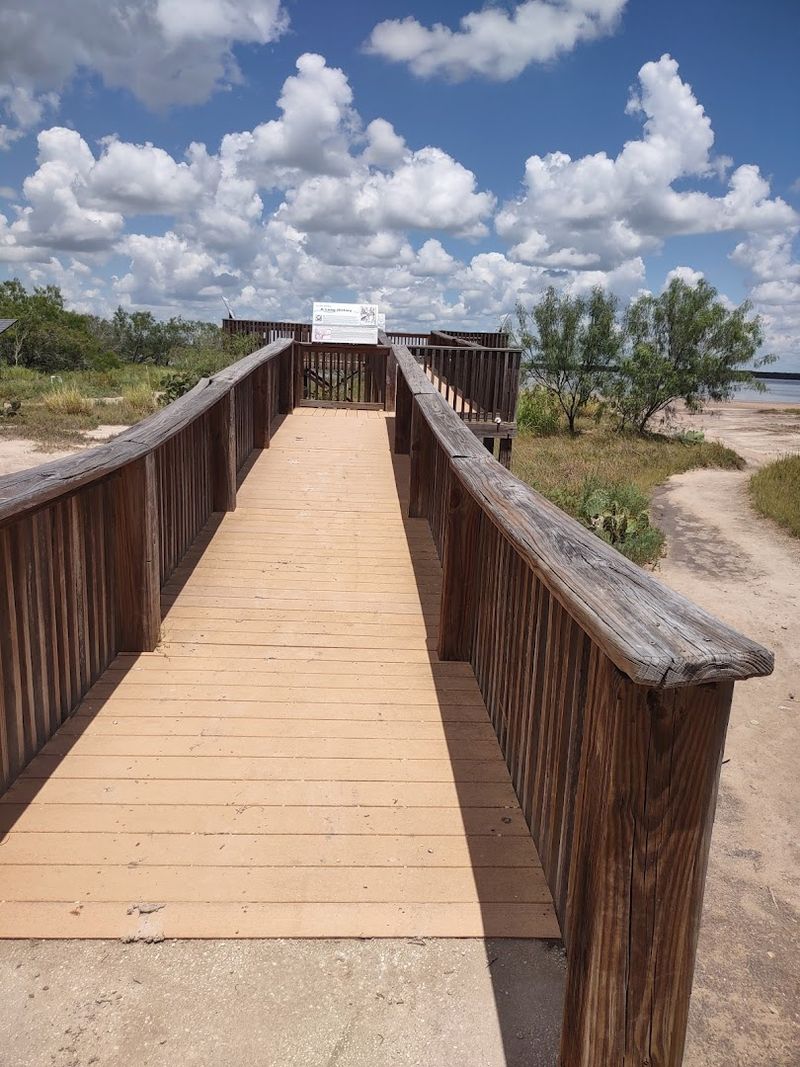
Here is something that surprises most people: despite being a hypersaline lake in the middle of a dry landscape, La Sal Del Rey supports a remarkable amount of wildlife.
The surrounding refuge is an important stop for migratory birds traveling through the Rio Grande Valley.
During peak migration seasons, thousands of birds pass through or stop to rest near the lake.
White pelicans, roseate spoonbills, sandpipers, and various duck species have all been spotted here.
Birdwatchers make special trips from across the country just to check off species they have never seen before.
The lake’s salt flats also attract wildlife that thrives in harsh, open terrain. Coyotes, white-tailed deer, and javelinas have all been documented in the refuge.
The combination of open sky, quiet land, and diverse species makes this spot genuinely exciting for anyone who enjoys nature without a crowd.
Early morning visits are best for wildlife sightings. The light is soft, the temperature is manageable, and the birds are most active.
Pack binoculars because the lake stretches wide and the best action often happens near the far shoreline where the water is deepest.
A History Older Than Texas Itself
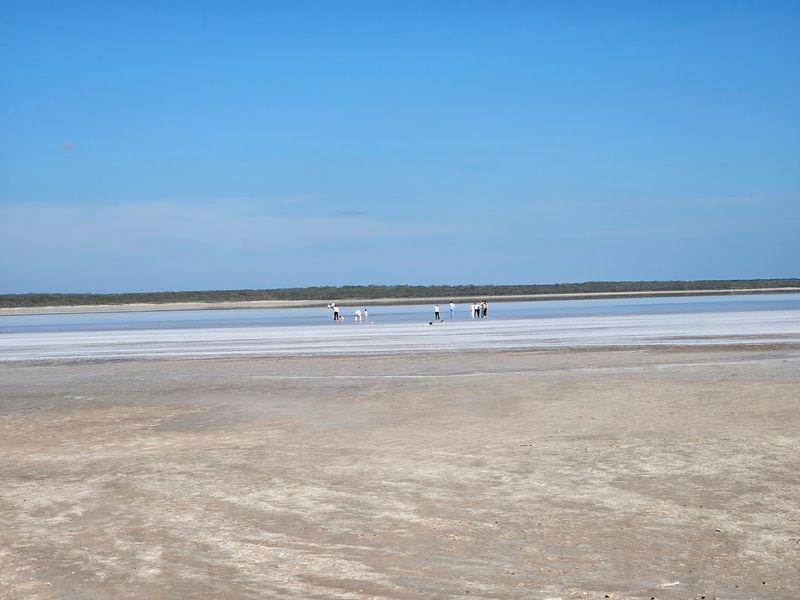
Long before Texas was a state, La Sal Del Rey was already famous. Indigenous groups in the region harvested salt from this lake for centuries, using it for food preservation and trade.
Salt was one of the most valuable commodities in pre-industrial societies, and this lake was a natural goldmine.
When Spanish explorers arrived in the 1700s, they quickly recognized the lake’s value and claimed it for the Spanish Crown. That is where the name comes from.
The “King’s Salt” was considered royal property, and harvesting it without permission was a serious offense.
Later, during the Mexican and early American periods of South Texas history, the lake continued to serve as a commercial salt source. Wagons would travel from distant towns to load up on the natural deposits.
Those old salt roads are long gone, but the lake remains as vivid and productive as ever.
Standing near the water today, it is easy to forget that you are standing in a place with centuries of human history layered beneath it. The landscape has not changed much.
That kind of continuity is rare, and it adds a quiet weight to the visit that photographs alone cannot capture.
How To Get There Without Getting Lost
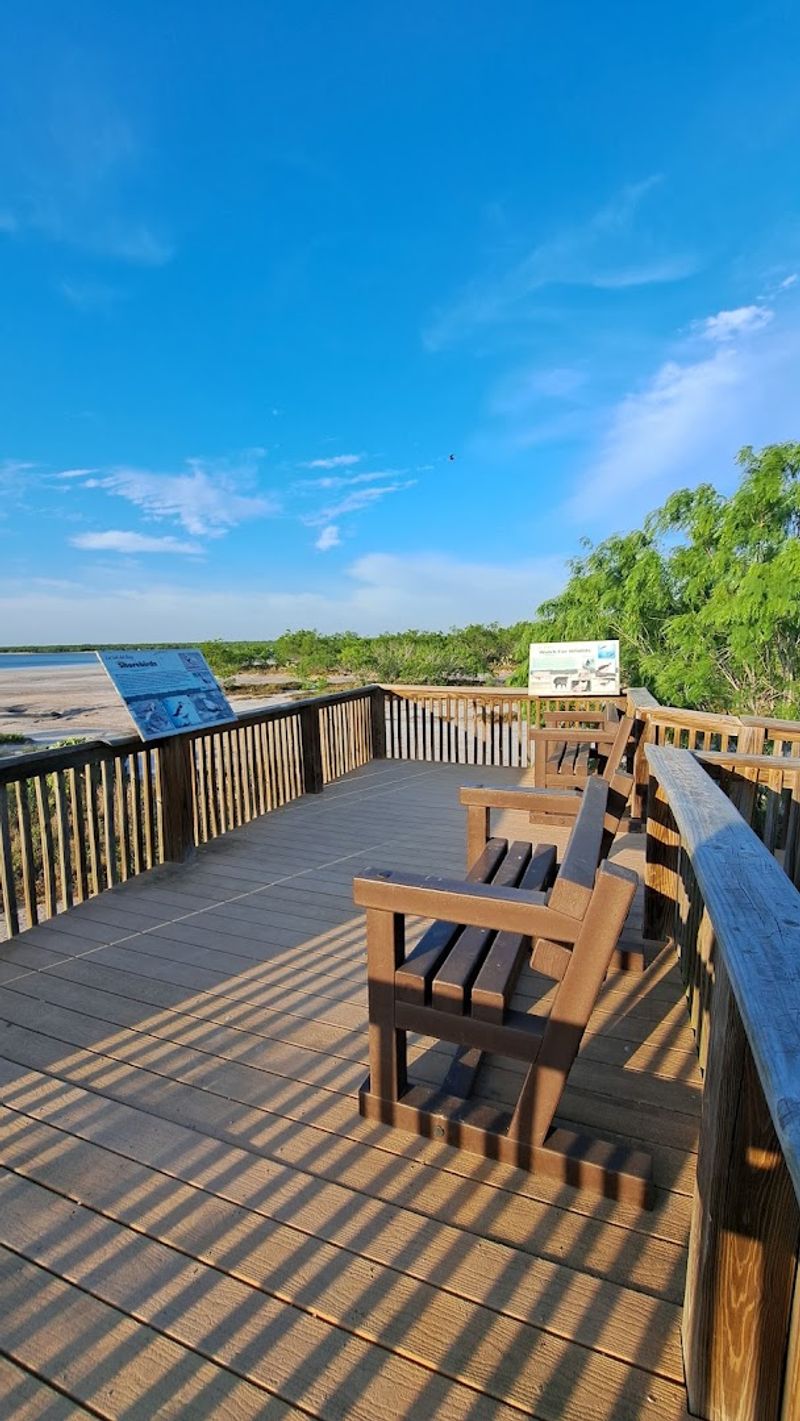
Getting to La Sal Del Rey requires a little bit of planning, but it is absolutely worth it. The lake is accessible via TX-186, heading east from Edinburg.
The drive itself is scenic in a flat, wide-open kind of way that South Texas does beautifully.
Once you turn off the main road, the path becomes a dirt trail that leads through the Lower Rio Grande Valley National Wildlife Refuge.
A standard vehicle can handle the road in dry conditions, but after rain, it gets muddy fast. Checking weather before you go is a smart move.
There are no entrance fees and no ranger stations at the trailhead. The U.S.
Fish and Wildlife Service manages the refuge, and the area is open to the public during daylight hours.
Bring water, sunscreen, and snacks because there are no facilities anywhere near the lake.
Cell service is limited out here, so downloading an offline map before leaving is a good idea.
From the trailhead, the walk to the lake edge is short and flat, making it accessible for most fitness levels.
Best Times To Visit For Maximum Impact
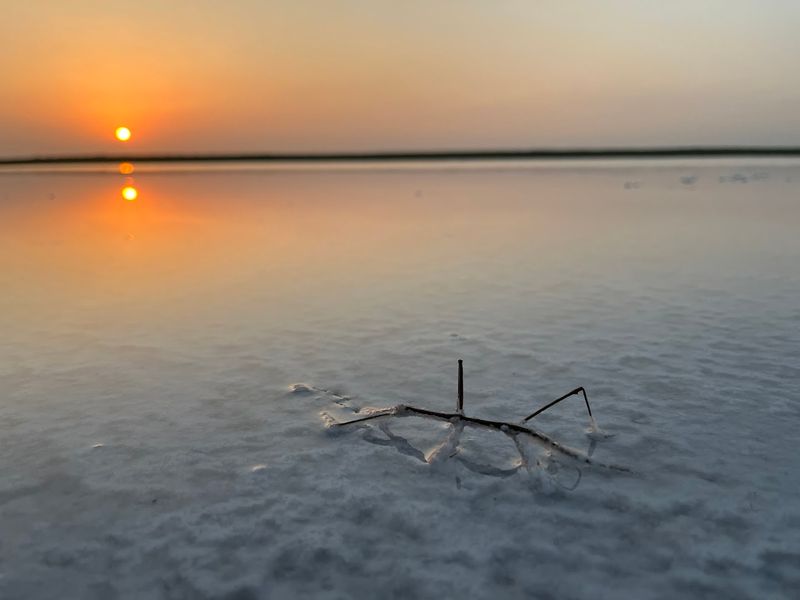
Timing matters a lot when visiting La Sal Del Rey. South Texas summers are brutal, with temperatures regularly climbing above 100 degrees Fahrenheit.
Going in July without preparation is a lesson in suffering that most people learn only once.
The sweet spot for visiting is between October and April. Temperatures are comfortable, the sky is often clear, and the migratory birds are passing through in full force.
Spring visits also bring wildflowers to the surrounding refuge, which adds color to an already striking landscape.
Sunrise and sunset visits are genuinely spectacular at this lake. The low-angle light catches the salt crystals and turns the shoreline into something that looks like it belongs in a nature documentary.
Photographers specifically plan around golden hour here because the results are consistently stunning.
Weekdays are far quieter than weekends.
If you want the lake mostly to yourself, a Tuesday or Wednesday morning visit in November or March is about as good as it gets.
You might share the trail with a few birdwatchers, but the crowd level stays low enough that the experience feels private and personal, which is exactly what a place like this deserves.
What To Bring For A Comfortable Visit
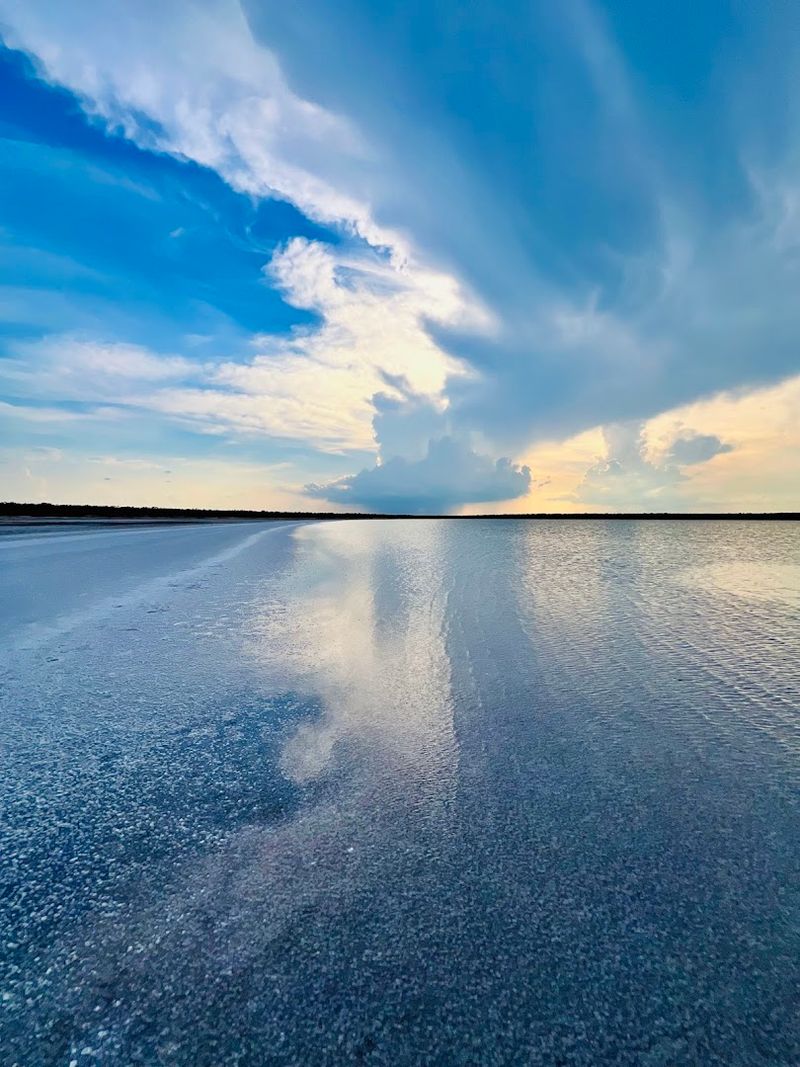
Showing up unprepared at La Sal Del Rey is the fastest way to cut your visit short. Facilities are limited, so check current refuge information before visiting.
The sun reflects off the white salt flats with surprising intensity, so sunscreen is non-negotiable even on cloudy days.
Bring at least two liters of water per person, more if you are visiting in warmer months. Wear closed-toe shoes because the salt crust along the shoreline is sharp in places and the trail can be uneven.
Light, breathable clothing in neutral colors is ideal, especially if birdwatching is on your agenda.
Binoculars are one of the best things you can bring. The lake is large and many of the interesting bird species feed near the center or the far shore.
A basic pair will transform the experience from interesting to genuinely exciting.
A camera with a wide-angle lens captures the scale of the landscape better than a phone camera, though phones do fine for closer shots of the salt formations.
Bug spray is worth packing during warmer months when mosquitoes patrol the refuge edges. A small first aid kit rounds out the essentials for a smooth, enjoyable trip.
Why This Place Deserves More Attention
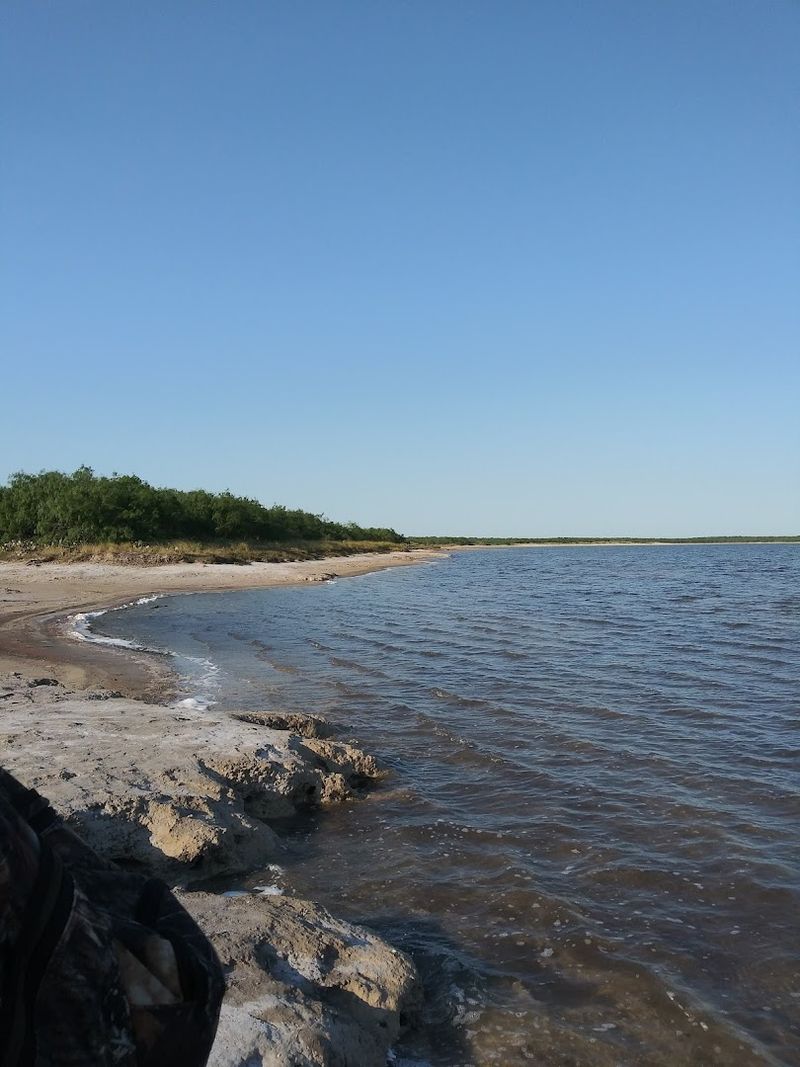
La Sal Del Rey is not on most Texas travel lists, and that feels like a genuine oversight.
The state is full of well-marketed destinations that draw enormous crowds, while this lake is waiting to be discovered by anyone curious enough to look for it.
What makes it worth the effort is the combination of natural science, history, and pure visual drama that you rarely find in one place.
This is not a destination that requires a resort or a guided tour. It rewards curiosity and preparation in equal measure.
The experience is different every time you visit. Water levels shift with rainfall and evaporation, changing the color and texture of the lake surface.
The wildlife population changes with the seasons. Even the salt formations look different depending on the light and time of year.
Places like this are increasingly rare in a world where most natural spaces come with parking fees and gift shops.
La Sal Del Rey remains refreshingly raw and accessible. If you are anywhere near the Rio Grande Valley and have a few hours to spare, make the drive.
You will leave with photos that confuse your friends and a story that is genuinely hard to explain without sounding like you made it up.