This Historic Connecticut Mill Makes Prime Rib Dinner Feel Like A Riverside Getaway
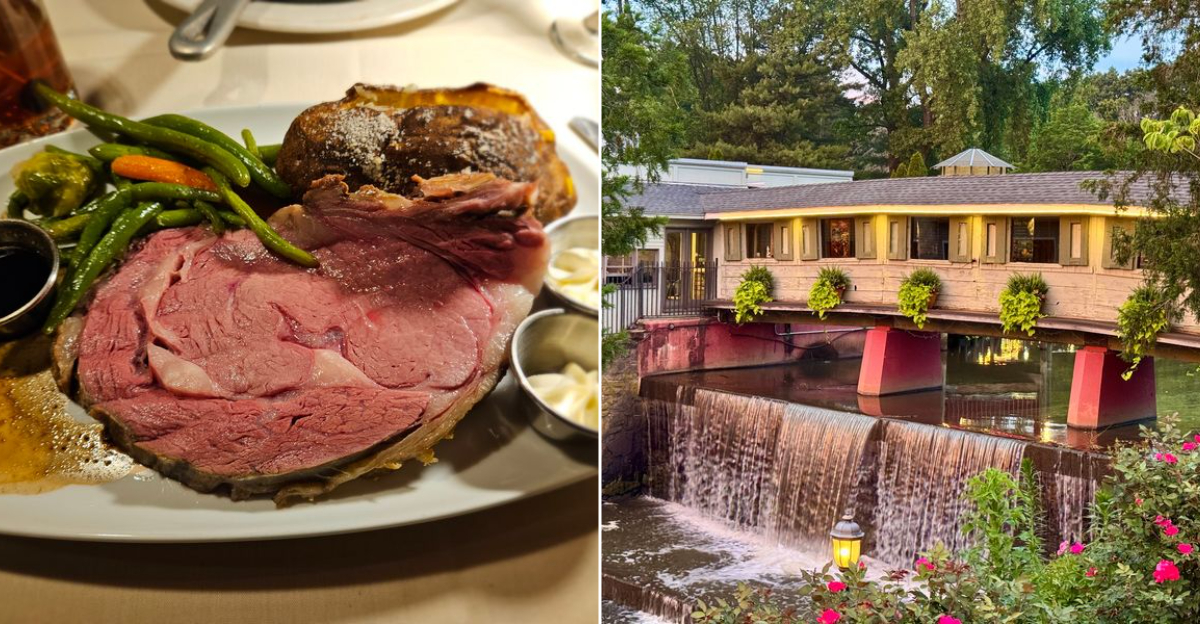
Prime rib already feels like a proper dinner. Add water outside the windows and more than two centuries of mill history, and the evening suddenly has much more atmosphere.
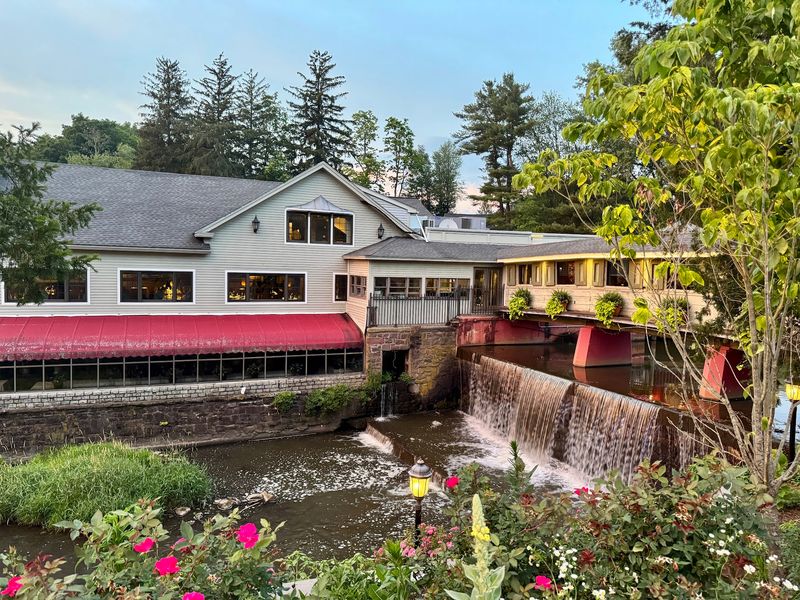
The building traces its story back to an old grist mill, with a dam and covered bridge still helping shape the setting today. At this Connecticut restaurant, dinner feels comfortably removed from the usual night out.
The water does not need to compete for attention. It simply stays in the background while the historic structure gives the room its character.
Then the food arrives. Prime rib fits the setting especially well, bringing a hearty, old-school centerpiece to a place already filled with New England history.
That combination makes dinner feel almost like a miniature getaway without requiring a long drive. You come for a good meal, but the setting keeps sneaking into the memory afterward.
Not bad for an evening built around one very satisfying plate.
1. Two Centuries Of Mill History Shape The Experience
Dinner comes with a little time travel here. The setting has been centuries in the making.
Long before tables filled the building, the site was home to Podunk Mill. A major flood destroyed the original mill in 1750, and Joseph Rockwell rebuilt it in 1775.
The grist mill served the area for generations, leaving behind a story that still shapes the restaurant today.
Much of that past survives in the structure itself. During restoration, timbers and boards salvaged from nine old tobacco sheds were worked into the building.
That detail gives the dining rooms a character that cannot be recreated with decoration alone.
The Mill on the River has been serving guests under its current name for more than forty years. It has become the kind of place people choose when an ordinary dinner needs to feel a little more memorable.
The grounds deserve a look before the meal begins. Water beside the old mill and the covered bridge make the history easier to picture without turning the visit into a museum stop.
That mix of scenery and genuine age gives the restaurant its staying power. Dinner feels connected to a place that has been evolving for centuries.
2. The Riverside Setting Makes Dinner Feel Like An Escape
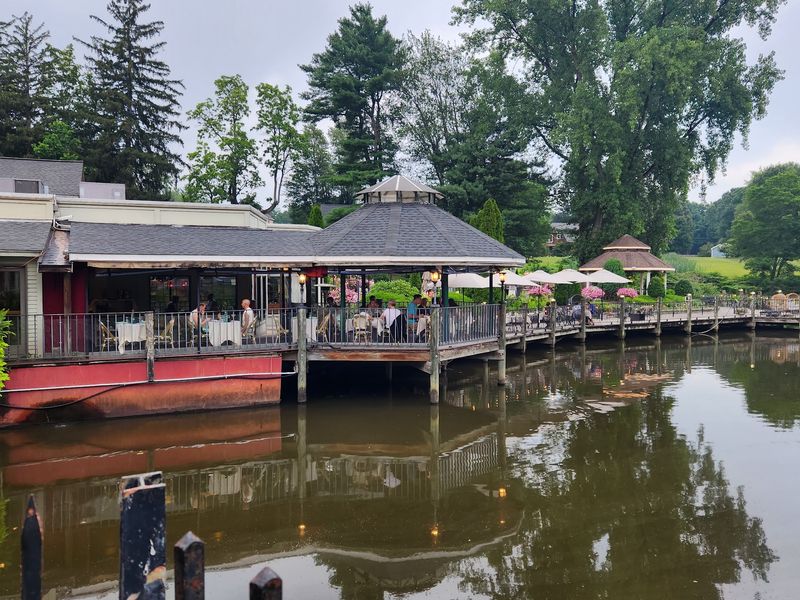
Water does something to the pace of a meal. The restaurant overlooks a clean stretch of the Podunk River, with a small pond and an old dam in view, and the sound of moving water carries into the dining rooms and out across the patio.
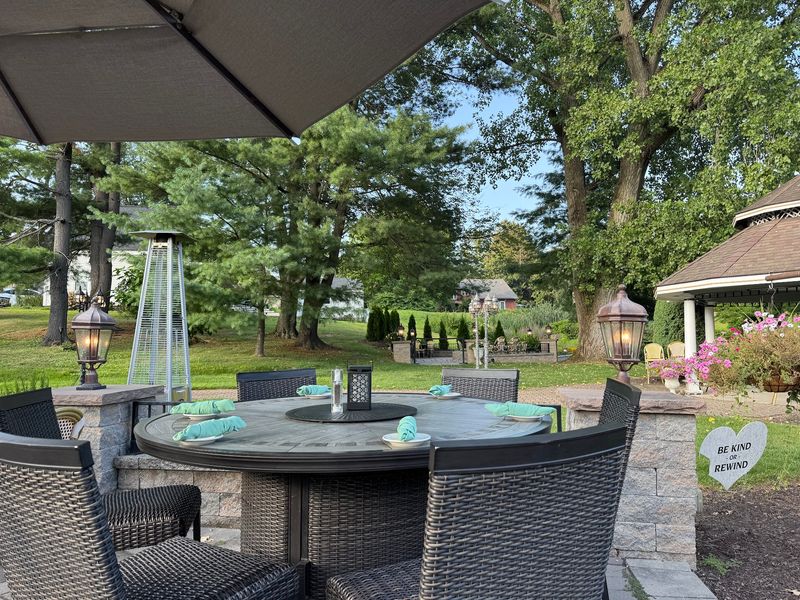
Outdoor seating is the prize in warm weather. Tables sit by the riverside near a garden gazebo, shaded by trees, and guests often mention how fast the parking lot and the road behind them seem to disappear.
One practical note: the patio is arranged mostly for smaller tables. Parties of about seven or more are usually seated indoors, so if you are booking a big celebration, plan on a room with a window view instead of an open-air table.
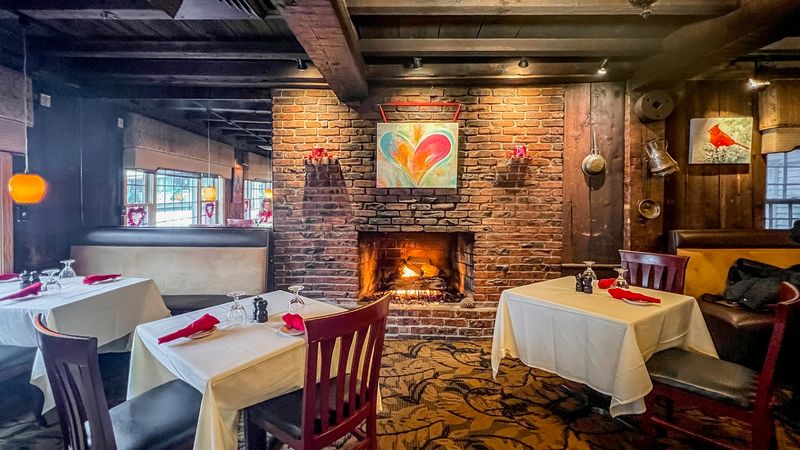
Inside, the mood stays warm rather than stiff. Fireplaces, soft lighting, and the steady murmur of the millstream give the space a hush that suits long conversations, even on nights when every seat is full.
Reservations matter here, especially on weekends. Late spring and early fall evenings are the sweet spot for that riverside escape feeling.
3. The Original Dam Is Older Than The Restaurant Story
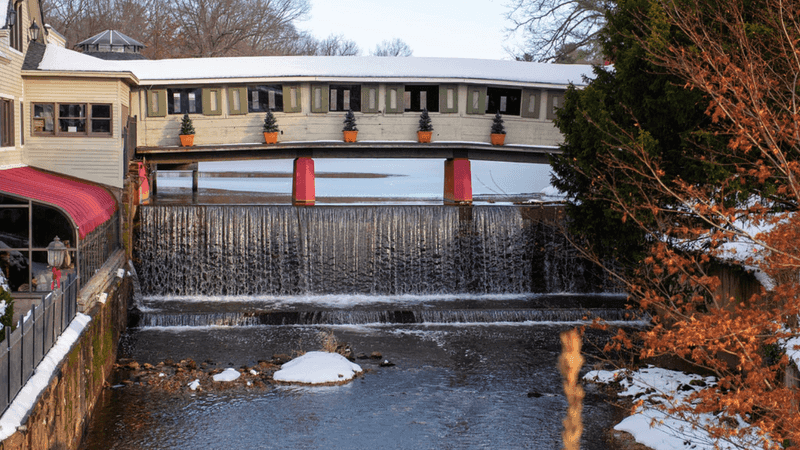
Here is the detail that surprises most first-time guests: the dam on this property is considered the oldest in Connecticut. Early colonists and Native Americans built it, long before there was a restaurant, a parking lot, or a dinner menu to think about.
Time has changed it without erasing it. The structure was later widened and recapped, with the original fieldstone worked back into the finished result, so old and newer stone sit side by side in the same wall.
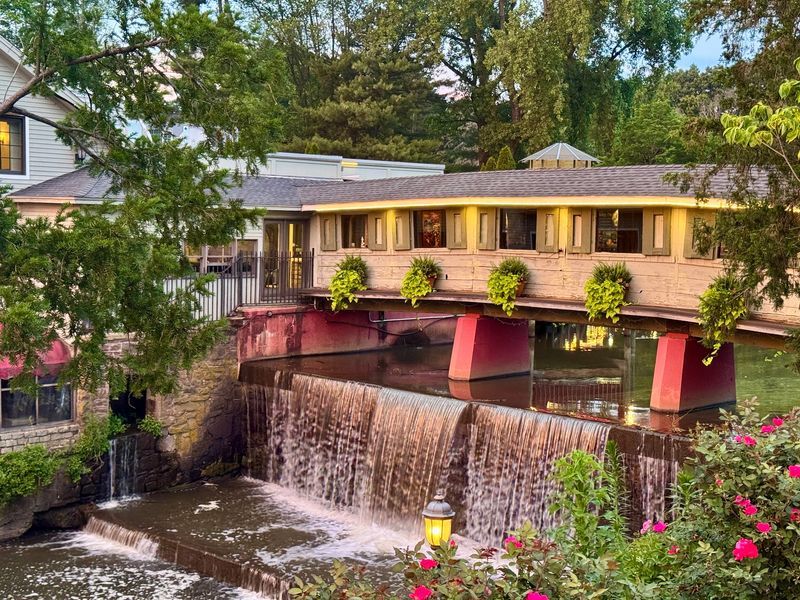
A covered bridge crosses the dam, and it doubles as the way guests reach the front door. Walking across is a small thrill, because you are passing over water that human hands have controlled for centuries.
The mill that first stood beside the dam did not survive the flood of 1750. Rebuilding came in 1775, which means the dam outlasted at least one version of the very building it was made to serve.
Take a minute on the bridge before dinner. Look down at the water pushing over the stone, then up at the mill, and the property reads less like a restaurant with a view and more like a piece of working local history that happens to serve dinner.
4. Prime Rib Appears On Special Occasion Menus
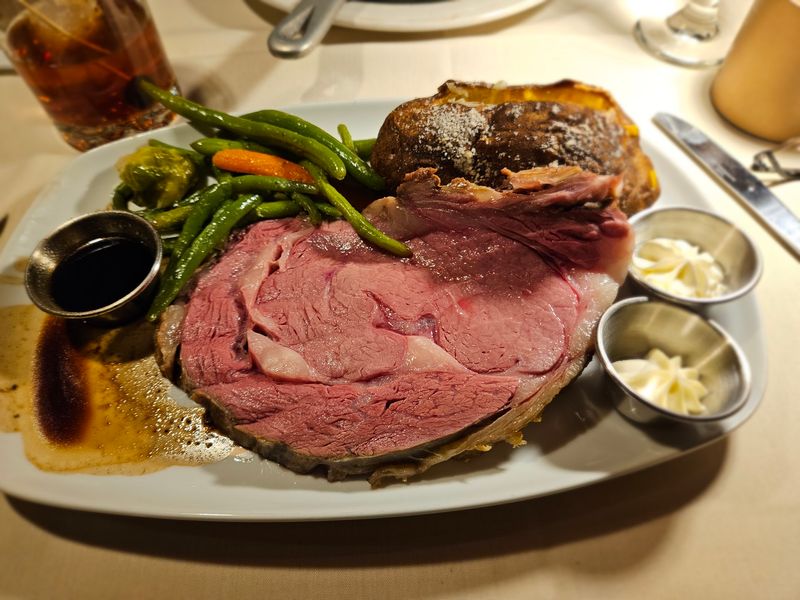
Prime rib is the dish people bring up again and again when they talk about dinner here, and the kitchen treats it as a centerpiece rather than a throwaway option.
Roast Prime Rib of Black Angus Beef turns up in the restaurant’s dinner packages for larger gatherings, the kind arranged for anniversaries, graduations, rehearsal dinners, and corporate events.
Groups order from a set menu, and the roast tends to be the choice that keeps everyone at the table happy.
Regular diners can find it too. An herb-rubbed roast prime rib of beef has appeared on the Sunday and Tuesday three-course dinner menu, usually with a market price upcharge, and the restaurant has run three-course prime rib dinner events on Tuesday nights.
Menus and pricing shift over time, so confirm availability when you book instead of arriving with your heart set on one plate.
Guests frequently praise the beef for arriving cooked exactly to the temperature they requested, which is the whole trick with a roast like this. Add the river view and the unhurried rhythm of the dining room, and the meal stretches out in the best way.
Bring an appetite, because three courses on top of the house bread adds up fast.
5. The Old Grist Mill Once Ground Local Grain
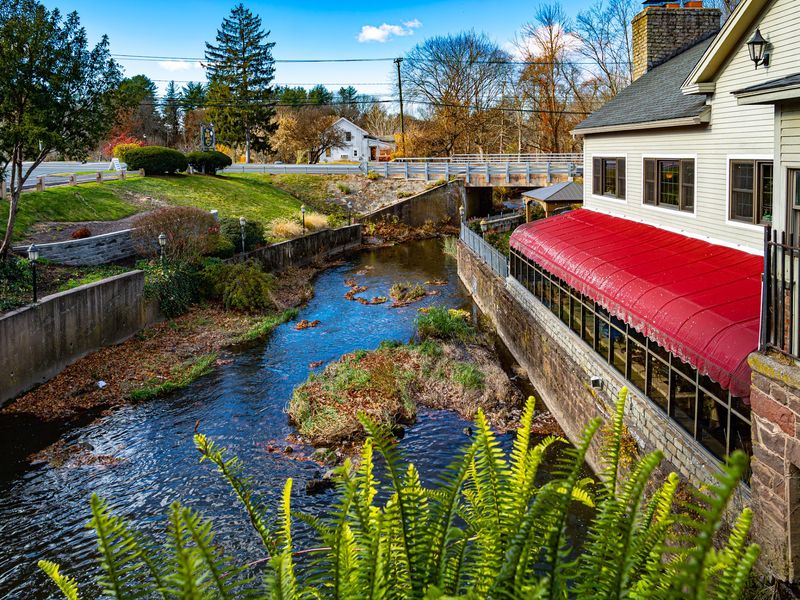
Long before anyone ordered dessert here, the building earned its keep grinding grain. Known as the Podunk Grist Mill, it processed corn, buckwheat, and rye for surrounding farms, and the finished meal was held in large bins until it was sold.
That job made the mill a genuine community anchor. Farmers hauled in what they grew, waited their turn, traded news, and left with something they could actually cook.
There was more to the operation than grinding. A sawmill stood on the opposite bank of the river, reached by a footbridge, so timber and grain were both handled along the same short stretch of water.
Knowing that changes how the room feels. The heavy beams overhead were never chosen for decoration.
They were sized to carry machinery and sacks of grain, and they still do structural work today.
Kids often find this part fascinating, especially if you explain it while crossing the bridge or watching the current. A water-powered mill is a simple idea, and seeing the river still running makes it click.
Ask for a table near a window and you can watch the same water that once turned the wheels, which is a rare kind of dinner entertainment.
6. The Property Once Held The Area’s First Post Office
Mail once arrived where dinner now gets plated. The part of the building that serves as the kitchen was, in earlier days, the community’s first post office, which made it one of the busiest corners of the mill in any century.
The person running the mill also served as postmaster, so a single stop covered both errands. You brought your grain, picked up your letters, and probably heard everything happening within ten miles while you waited.
Small settlements worked exactly that way. One building with a water wheel and a mail counter handled the jobs of a shopping center, a news outlet, and a meeting hall all at once.
It is a quiet detail, easy to overlook, and it explains why the property matters so much locally. Plenty of historic restaurants trade on a single story, while this one has stacked several of them on top of each other.
Diners who enjoy that kind of context should look around with fresh eyes. The walls, the layout, and the position beside the dam all trace back to functions that had nothing to do with hospitality.
Dinner tastes the same either way, but the meal feels richer once you know what the room used to be.
7. The Mill Pond Keeps The Historic Setting Alive
Ice was once the pond’s most valuable crop. Workers cut it in winter, stored it in an on-site ice house, and packed it in sawdust so it would last through the warm months, a routine that kept food cold long before refrigeration existed.
These days the pond earns its keep visually. Vintons Millpond sits beside the restaurant, with the river and dam close by, and a fountain plays in the water near the waterfront building and the garden gazebo.
The effect is calming in a way that is hard to manufacture. Light shifts across the surface, birds drop in, and the fountain adds a soft background sound that takes the edge off a full dining room.
Photographers working weddings on the grounds often point to the pond and gazebo as the strongest backdrops, especially in the evening when the light turns gold.
If you arrive early for your reservation, walk the edge of the water instead of waiting inside. It takes only a few minutes, and it turns a dinner out into something closer to a small outing.
Seasons change the view considerably. Summer brings leafy shade and patio tables, while late autumn puts the stone, the water, and the old mill front and center.
8. Old Mill Details Make Dinner Feel Far From Ordinary
The entrance makes a first impression before dinner even begins. Crossing the enclosed bridge over the historic dam feels far more memorable than pushing through an ordinary restaurant door.
Inside, the old mill character continues. Reclaimed timbers and boards from tobacco sheds add a weathered texture that suits the building’s long history without making the rooms feel staged.
Seating areas have distinct moods. Some spaces lean rustic with stone walls and heavy wood, while others feel more polished beneath chandeliers and arched ceilings.
River views and fireplaces are especially appealing, so seating preferences can make a difference.
The restaurant currently serves lunch and dinner Tuesday through Friday, stays open through Saturday evening, and offers brunch followed by dinner on Sunday. Mondays are closed.
Extra time around the property is worth building into the visit. Water views and the old mill setting make the surroundings part of the experience.
The Mill on the River is at 989 Ellington Road in South Windsor, CT 06074. Current hours vary by day, so checking the schedule before heading out can help with planning.
Between the unusual bridge arrival and the historic interior, dinner here can feel like a small escape from an ordinary weeknight.