This Historic Connecticut Museum Feels Like Stepping Into A Living Painting
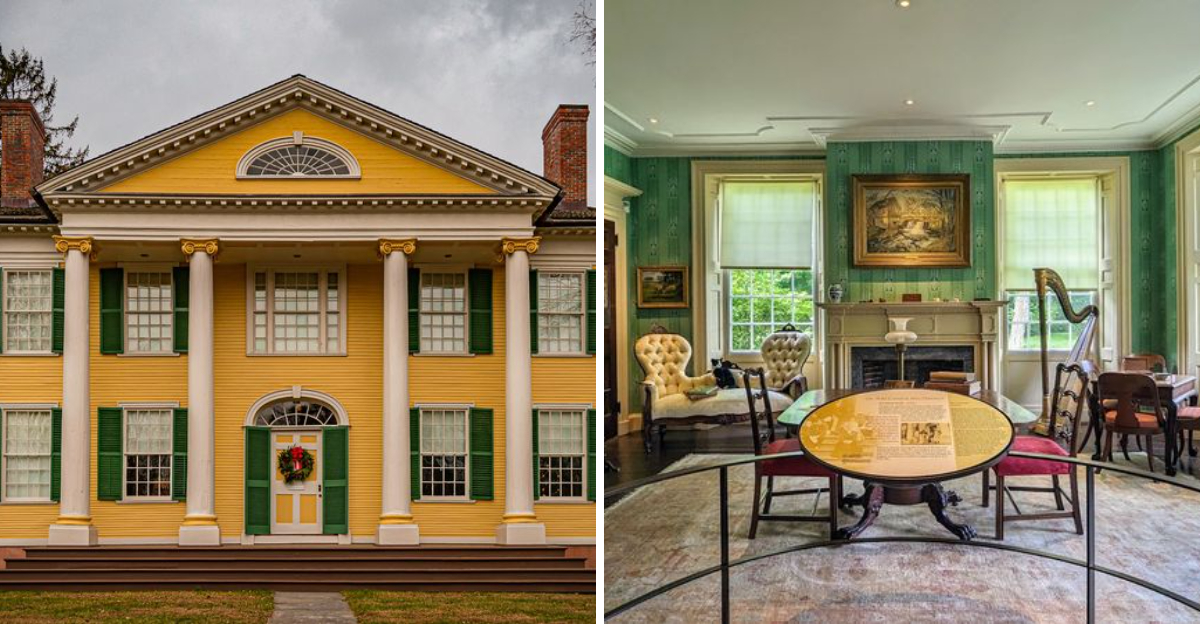
Here is a story you do not hear every day. Back in 1899, a woman in Old Lyme, Connecticut, turned her family mansion into a boarding house for broke artists.
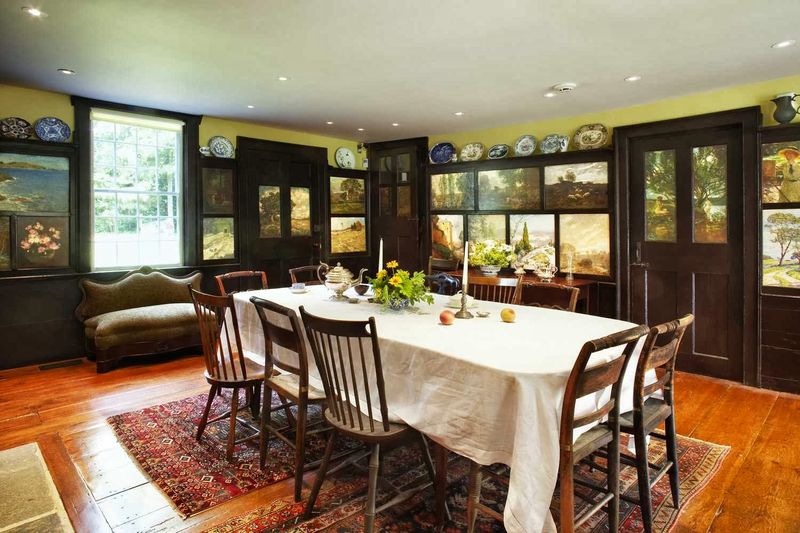
She provided rooms and meals to visiting artists, who transformed her boardinghouse into the social center of the Lyme Art Colony and eventually decorated its dining room with painted panels.
Those painted panels are still there. Over forty of them, scattered across the house like a secret the building never quite kept.
This place became the beating heart of American Impressionism, and you can feel that history in every single room.
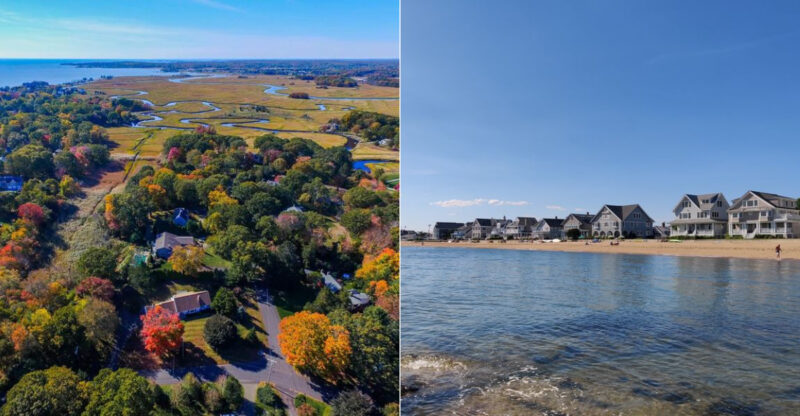
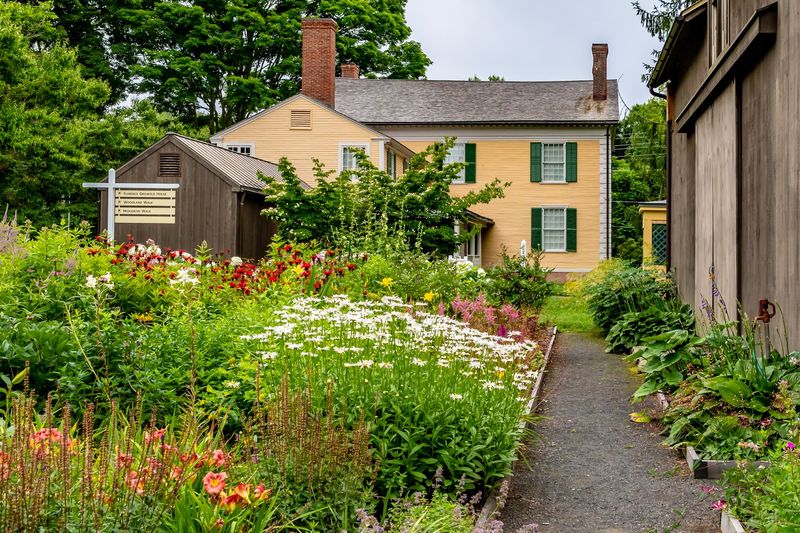
Wander the grounds and you will understand why they stayed. Gardens spill toward a slow tidal river that painters could not stop capturing on canvas.
The light truly hits differently here.
Come for the art, but linger for the whole scene. It really does feel like walking straight into one of the paintings hanging inside.
Where Art History Comes Alive
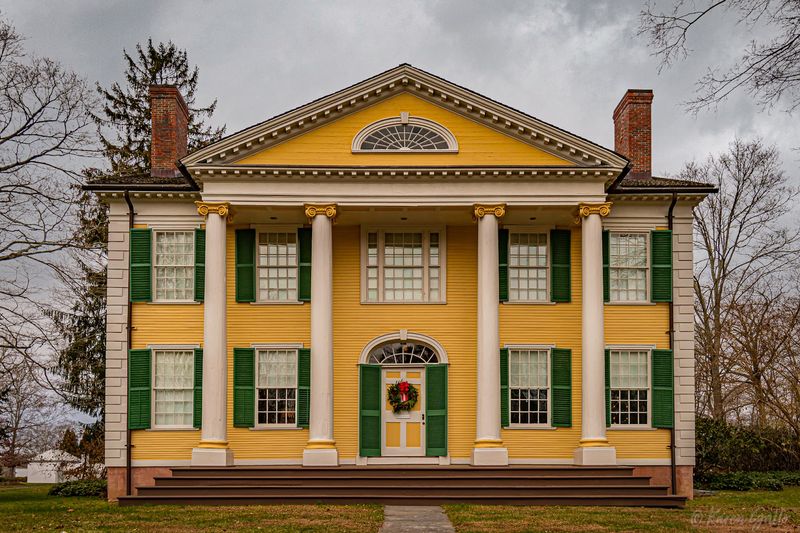
Nobody warned me that a yellow late Georgian-style house on a quiet Connecticut street would change how I think about American art.
The Florence Griswold Museum is the former home of Florence Griswold, who opened her doors to American Impressionist painters in the early 1900s.
These artists, known as the Lyme Art Colony, came to paint the Connecticut landscape and ended up leaving their mark literally on the walls.
Panel paintings cover the dining room doors and walls, painted by the artists who lived here as boarders.
The house itself is a National Historic Landmark, and every room holds a story. You are not just visiting a museum.
You are stepping into a working, breathing piece of American art history that still feels personal and alive today.
The Painted Panels That Turn Walls Into Masterpieces
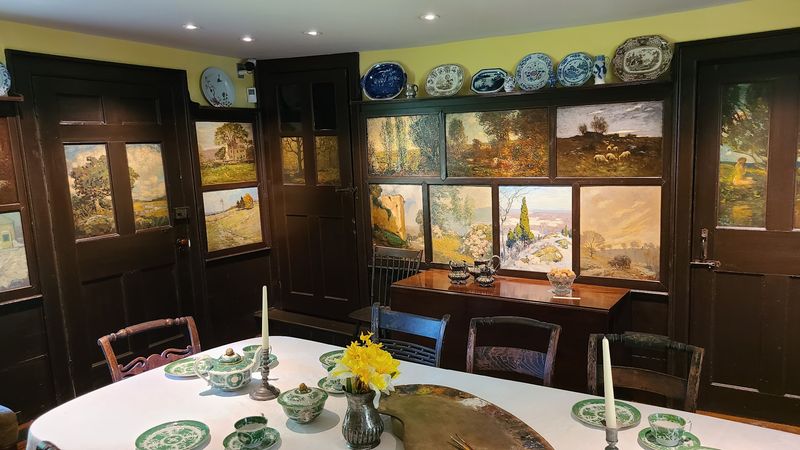
Imagine your dinner guests deciding to paint directly onto your walls instead of bringing flowers.
That is essentially what happened at Florence Griswold’s home, at 96 Lyme St, Old Lyme, and the result is one of the most unusual and delightful art collections in New England.
The painted panels throughout the dining room were created by artists including Childe Hassam, William Chadwick, and Henry Ward Ranger.
Each panel reflects a different personality, style, and moment in time. Some are playful, some are serene, and a few are downright quirky.
Standing in that room feels like being surrounded by a conversation between artists who genuinely enjoyed each other’s company. The panels are not grand or formal.
They are personal, painted with the kind of ease that comes from feeling completely at home. It is the most charming dining room you will ever see in a museum setting.
The Lyme Art Colony And Its Lasting Legacy
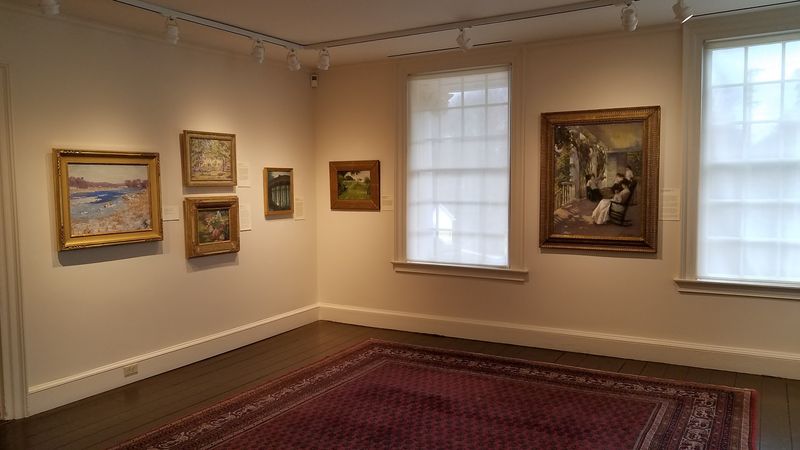
Old Lyme became one of the most important art destinations in America at the turn of the twentieth century, and most people have no idea.
Starting around 1899, Florence Griswold began welcoming artists to her home as paying boarders, and the creative energy that followed was remarkable.
The Lyme Art Colony attracted some of the biggest names in American Impressionism. They were drawn by the soft Connecticut light, the tidal rivers, the meadows, and the quiet rhythm of the town.
The paintings they produced here helped define a uniquely American take on Impressionism.
The museum does a beautiful job of explaining this history without making it feel like a lecture. The context they provide makes every painting richer.
By the time you walk through the galleries, you understand not just what these artists painted, but why they chose this particular patch of Connecticut to call their creative home.
Modern Space, Timeless Art
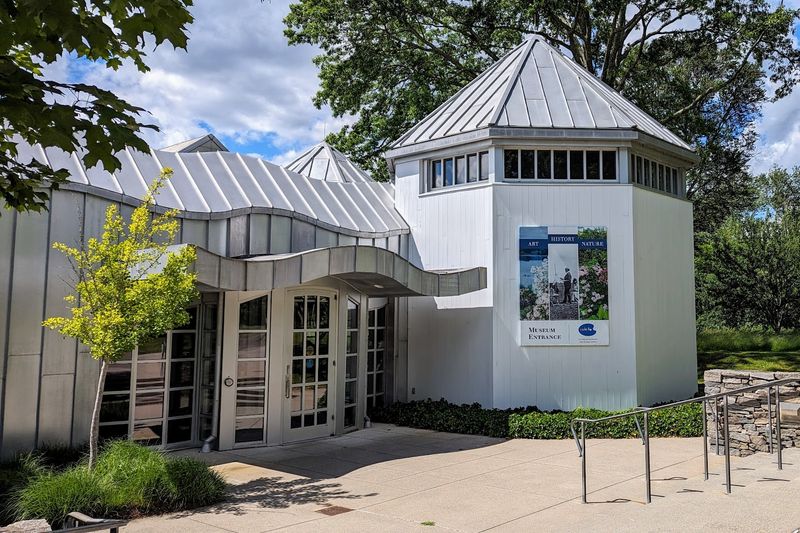
The Krieble Gallery was added to the museum campus in 2002, and it manages to feel both contemporary and completely in tune with the historic property around it.
The building was designed to blend into the landscape rather than compete with the original house.
Inside, the gallery hosts rotating exhibitions that explore American Impressionism from multiple angles.
On my visit, the light inside was extraordinary, the kind that makes colors on canvas pop in ways that photographs simply cannot replicate. The gallery gives the collection room to breathe.
What makes this space work is how it connects to the older buildings without overshadowing them. You move between the historic house and the modern gallery and the transition feels natural.
The museum clearly thought hard about how new architecture can honor old stories, and the result is a campus that feels cohesive, thoughtful, and genuinely worth your full afternoon.
The Gardens Along The Lieutenant River
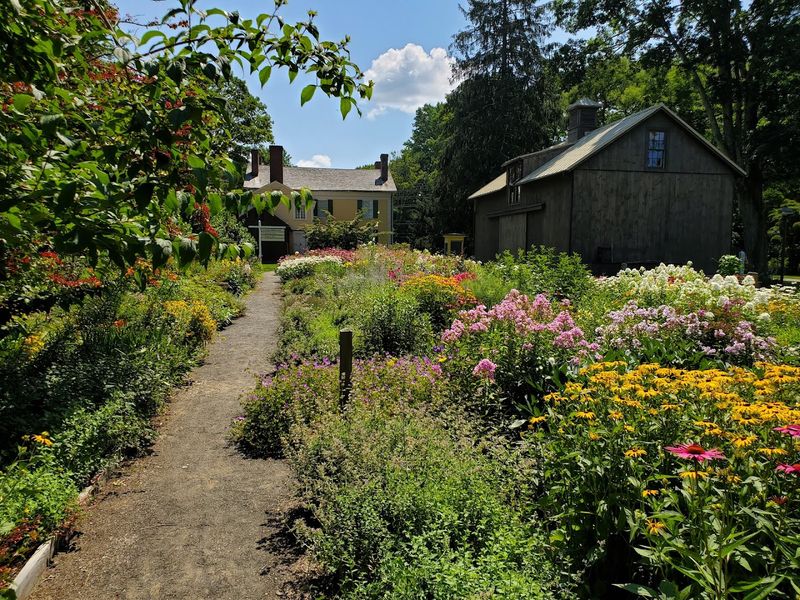
The grounds at the Florence Griswold Museum are the kind of outdoor space that makes you slow down whether you planned to or not.
The property sits along the Lieutenant River, and the gardens have been carefully restored to reflect what they looked like during Florence Griswold’s era.
Walking the paths here, you start to understand why painters kept coming back. The light bouncing off the river, the way the trees frame the view, the quiet hum of the natural world around you.
It is all right there, unchanged in spirit from what those artists saw over a century ago.
The gardens are also a genuinely lovely place to sit and think. There are benches positioned to catch the best views, and on a clear day the reflection of the sky on the water is the kind of thing that makes you reach for your phone camera.
The outdoor space alone justifies the trip, even before you step inside the house.
The Hartman Education Center And Art Classes
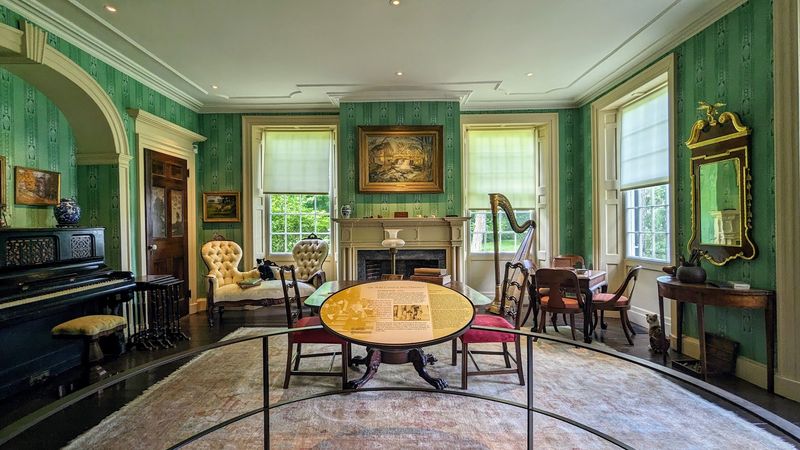
Here is something that surprised me about the Florence Griswold Museum: it is not just a place to look at art.
The Hartman Education Center runs a full schedule of art classes, workshops, and programs for adults, families, and school groups throughout the year.
The idea is rooted in the museum’s own history. Florence Griswold’s home was always a place where people came to make art, not just observe it.
The education center keeps that spirit alive in a very practical and welcoming way. You can sign up for a plein air painting session and head outside with an easel just like the original colony artists did.
For families especially, this is a strong selling point. Kids who might struggle to stay engaged in a traditional gallery setting tend to light up when they are handed brushes and encouraged to paint what they see.
The museum turns art appreciation into art participation, which is a meaningful difference that you can feel from the moment you arrive.
Special Exhibitions That Keep The Story Fresh
One visit to the Florence Griswold Museum is genuinely not enough.
The rotating special exhibitions mean that the experience changes throughout the year, giving you a reason to return even if you have already done the full tour of the historic house.
Past exhibitions have explored themes like Connecticut’s changing landscape, the role of women in the Lyme Art Colony, and the influence of Japanese aesthetics on American painters.
Each show is tightly curated and adds a layer to the main story the museum tells. Nothing feels like filler.
The museum also does a strong job of connecting historical art to conversations that feel relevant today.
Environmental themes show up frequently, which makes sense given how central the natural landscape was to the colony artists.
You leave each exhibition with something to think about, which is exactly what good museum programming should do. Check their website before visiting so you can plan around whatever is currently on display.
Why Old Lyme Deserves A Full Day Of Your Time
Old Lyme is the kind of Connecticut town that rewards slow travel. The Florence Griswold Museum is the centerpiece, but the town itself has a quiet character that complements the museum experience beautifully.
The streets are lined with historic homes, and the whole area feels like it has been carefully preserved without being frozen in time.
After the museum, it is worth walking the neighborhood around Lyme Street to appreciate the architecture and the scale of the place.
The landscape that inspired the colony painters is still visible in the marshes, the river, and the open sky above the Connecticut shoreline.
If you are driving from New York or Boston, Old Lyme makes for a perfect day trip that does not require any elaborate planning.
Arrive when the museum opens, take your time with the house and galleries, wander the gardens, and let the afternoon unfold naturally.
By the time you leave, you will understand why a group of artists once decided they never wanted to go home.