This Historic Nebraska Landmark Was Once A Lifeline For Oregon Trail Travelers
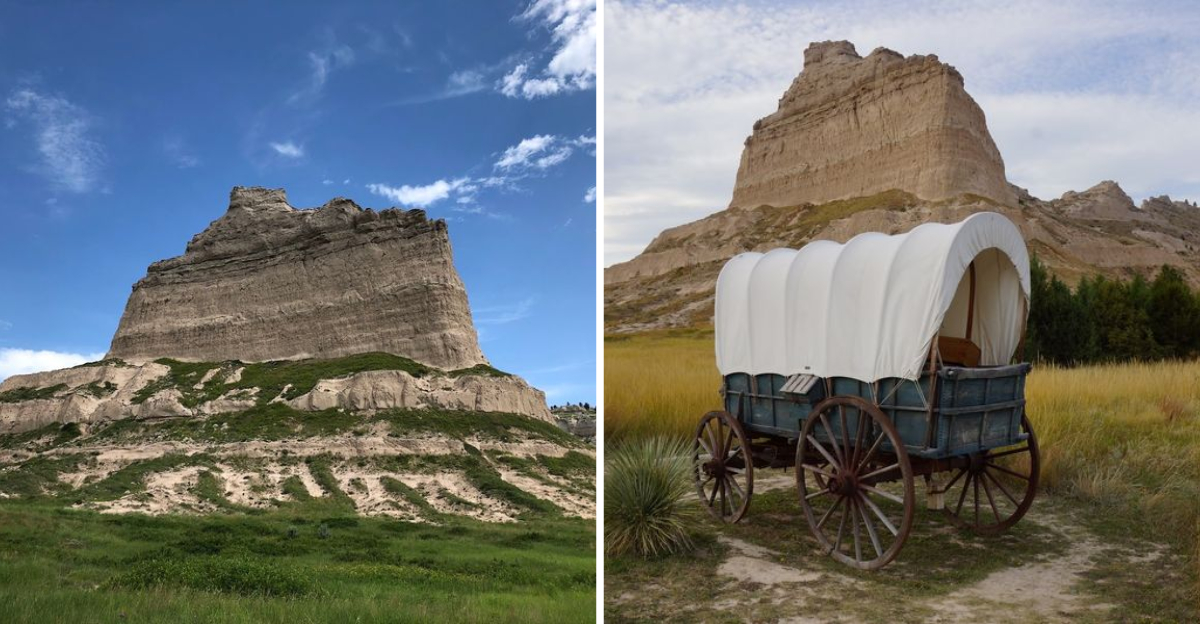
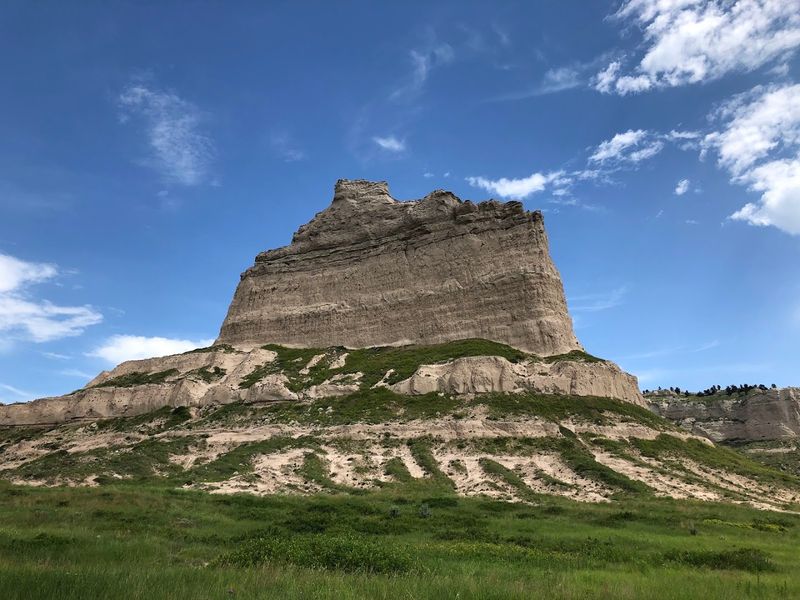
Rising close to 800 feet, one rock once steered wagons across Nebraska. For pioneers in the 1800s, that pale bluff meant far more than scenery.
It marked a resting point and a sign the hardest miles lay behind them.
I stood at its base on a crisp autumn morning, humbled by the quiet. The wind seemed to carry a century and a half of hope and grit.
Trails wind up toward views that sweep the whole river valley. Geology and frontier stories layer together across the overlooks.
The scale lands harder in person than any photo prepares you for. How many landmarks can claim a job like that?
The Story Behind The Bluffs
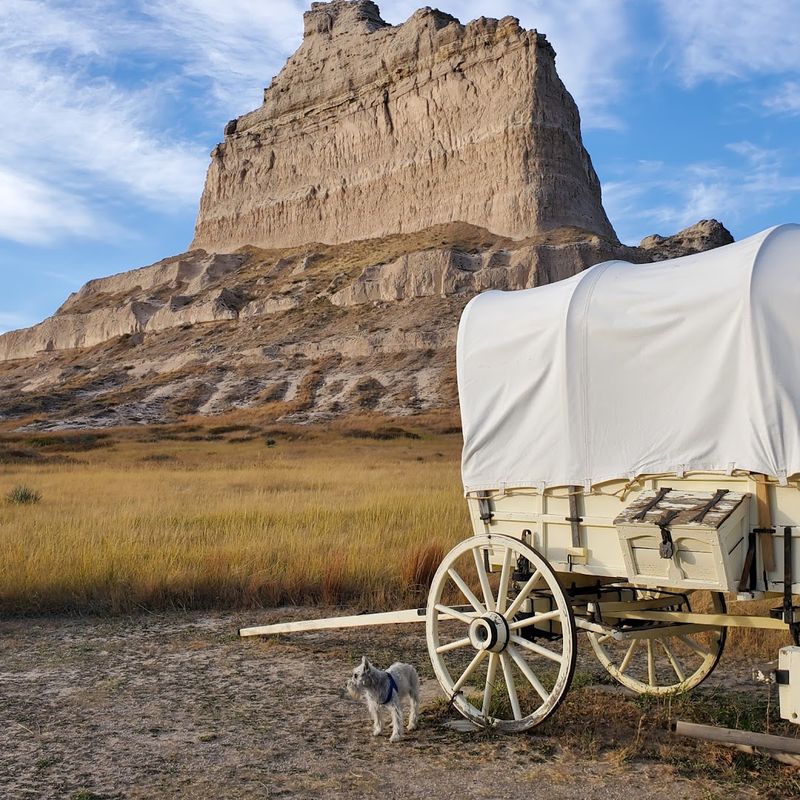
Long before wagon wheels carved ruts into the Nebraska soil, these bluffs were already ancient.
Scotts Bluff National Monument’s rock layers you see today formed over 33 million years ago from volcanic ash and eroded sediment carried by wind and water.
The bluffs were named after Hiram Scott, a fur trader whose remains were discovered near the base in the late 1820s. That discovery gave the formation its lasting name, and the story spread quickly among travelers heading west.
By the mid-1800s, the landmark had become a critical milepost on the Oregon, California, and Mormon Trails. Pioneers would spot the bluffs from miles away and know they were making real progress.
This state played a central role in westward expansion, and this site captures that history better than almost anywhere else in the state.
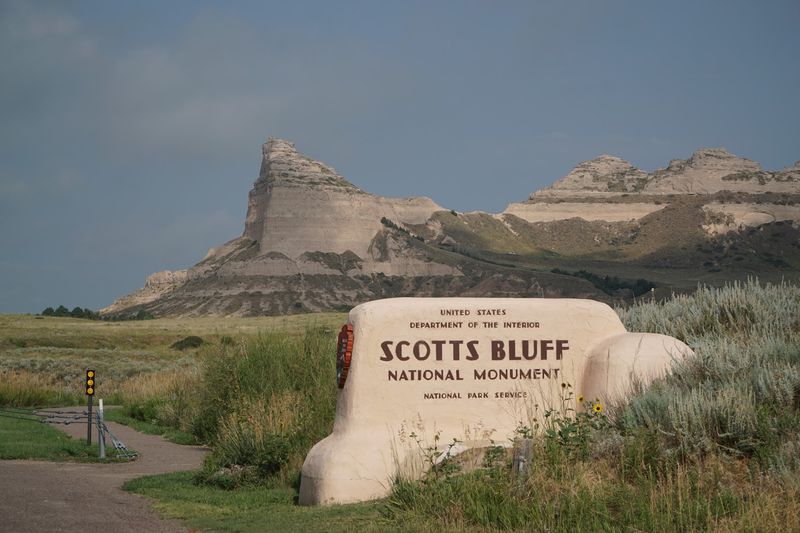
The monument at 190276 Old Oregon Trail, Gering was officially established in 1919, preserving both the geology and the pioneering legacy for future generations to explore.
What The Landscape Looks Like
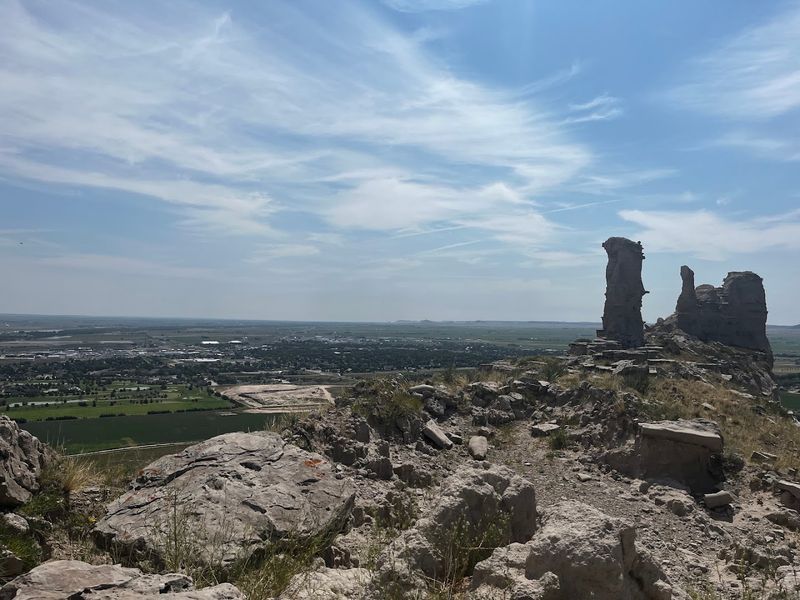
Standing at the summit of Scotts Bluff National Monument, the view hits you all at once.
The North Platte River winds through the valley below like a silver ribbon. Flat Nebraska plains stretch in every direction, broken only by distant ridgelines and the occasional farmstead.
The bluffs themselves are made of layers of tan and rust-colored rock, stacked like a geological sandwich millions of years in the making. Erosion has carved dramatic shapes into the cliffs, creating towers, spires, and overhangs that look almost sculpted by hand.
On clear days, you can see Laramie Peak in Wyoming from the summit. That kind of visibility explains exactly why pioneers used this formation as a landmark.
The contrast between the rugged bluffs and the gentle valley below is genuinely striking.
Nebraska does not always get credit for dramatic scenery, but this spot makes a very convincing argument.
The light changes the colors of the rock throughout the day, so the landscape never looks quite the same twice, which is reason enough to linger a little longer than planned.
Hiking Trails Worth Your Time
There are several well-maintained trails at the monument, and each one offers a different experience.
The Saddle Rock Trail is the most popular option, climbing about 1.6 miles to the summit through tunnels carved into the rock. It is a moderate hike with some steep sections, but the payoff at the top is absolutely worth the effort.
The Geological Exhibit Trail is a shorter, easier path that winds past labeled rock formations. It is a great choice for families or anyone who wants to learn about the landscape without a strenuous climb.
Informational signs along the route explain the different rock layers and how they formed over millions of years.
There is also a paved summit road for those who prefer to drive up, which makes the views accessible to everyone.
Each trail at Scotts Bluff National Monument gives you a slightly different angle on the bluffs, and doing more than one in a single visit is entirely doable.
Pioneer History You Can Feel
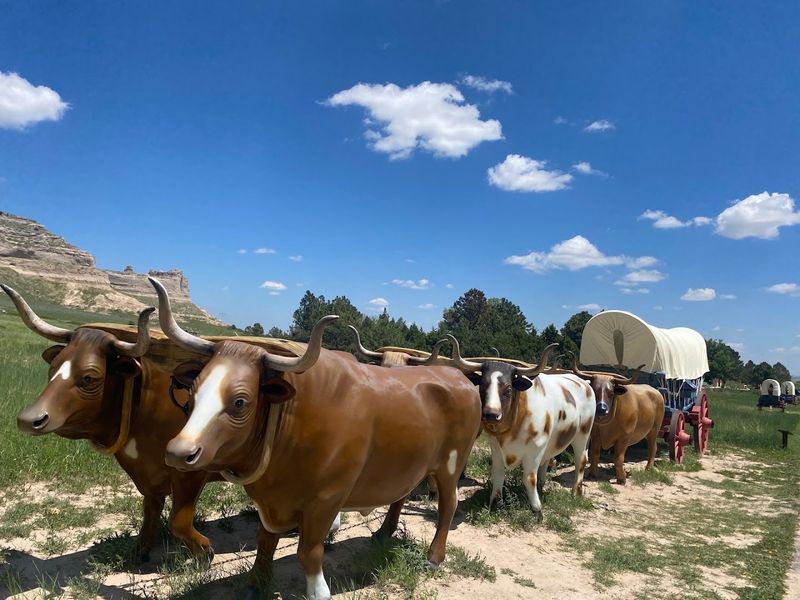
Few places in the country make pioneer history feel this tangible.
Near the base of the bluffs, you can still see actual wagon ruts pressed into the earth by thousands of passing wagon wheels. Those shallow grooves in the ground are over 150 years old, and they have never been paved over or restored.
The monument preserves a stretch of the original Oregon Trail route, and walking along it gives you a surprisingly personal connection to the past.
You are quite literally following the same path that hundreds of thousands of migrants walked between the 1840s and 1860s.
Journals from pioneers frequently mentioned the bluffs by name, describing them as both a landmark and a source of awe. Some travelers carved their names into the soft rock along the trail, and a few of those carvings are still visible today.
The combination of physical ruts, carved names, and preserved landscape creates a sense of history that no museum exhibit can fully replicate.
The Visitor Center Experience
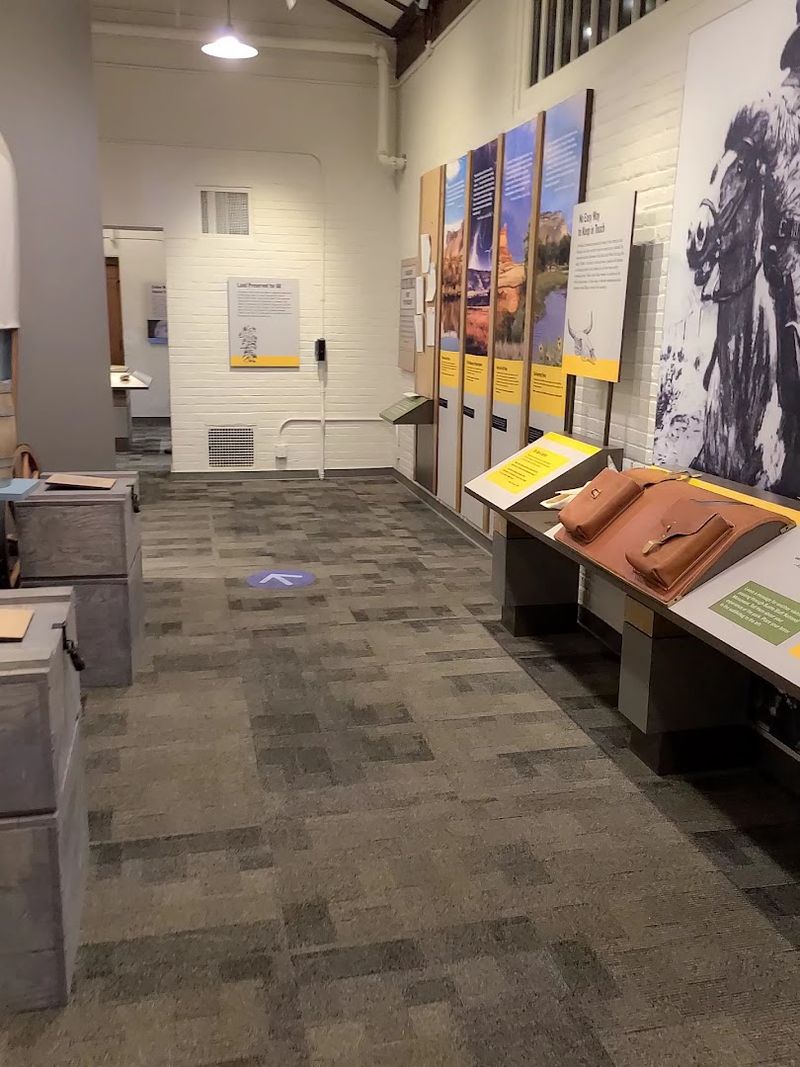
Before hitting the trails, the visitor center is worth a proper stop.
It houses an impressive collection of original William Henry Jackson paintings, which depict the Oregon Trail landscape as it appeared in the 1800s.
Jackson was a photographer and artist who traveled the trail himself, and his work brings the pioneer era to vivid life.
The exhibits cover the full sweep of trail history, including the tools pioneers carried, the challenges they faced, and the communities they eventually built in the West.
Interactive displays make the content accessible for kids, but adults will find plenty to absorb as well.
Rangers are usually on hand to answer questions and share details that are not covered in the exhibit panels. They tend to know surprising facts about the site and are genuinely enthusiastic about sharing them.
Nebraska takes its role in American history seriously, and the visitor center at Scotts Bluff National Monument reflects that commitment well. Plan to spend at least 45 minutes here before heading out to explore the rest of the monument.
Wildlife And Nature Around The Monument
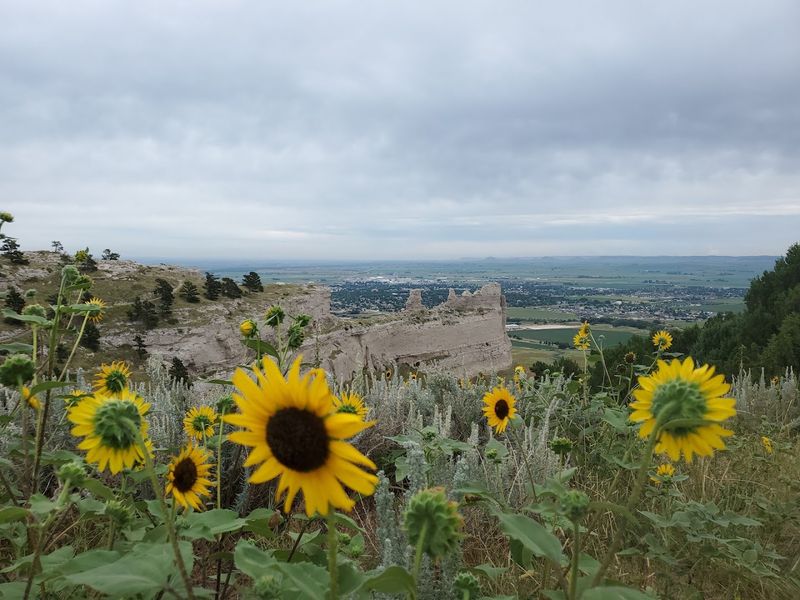
The bluffs are not just a history lesson. The natural environment around the monument supports a surprising variety of wildlife.
Prairie falcons nest in the cliff faces, and watching them ride the thermals above the rock is one of those small, unexpected pleasures that makes a visit here feel complete.
Mule deer are commonly spotted in the early morning and late afternoon along the base of the bluffs.
Pronghorn antelope occasionally wander through the open grasslands nearby, moving with that effortless speed that makes them look like they are barely trying.
The plant life is also worth paying attention to. Yucca plants grow in clusters along the rocky slopes, and native grasses cover the valley floor in shades of gold and green depending on the season.
Nebraska sits at the edge of multiple ecological zones, which means the biodiversity here is richer than you might expect for a semi-arid landscape.
Birdwatchers in particular will find the monument rewarding, especially during spring and fall migration periods when a wider variety of species pass through.
Best Times To Plan Your Visit
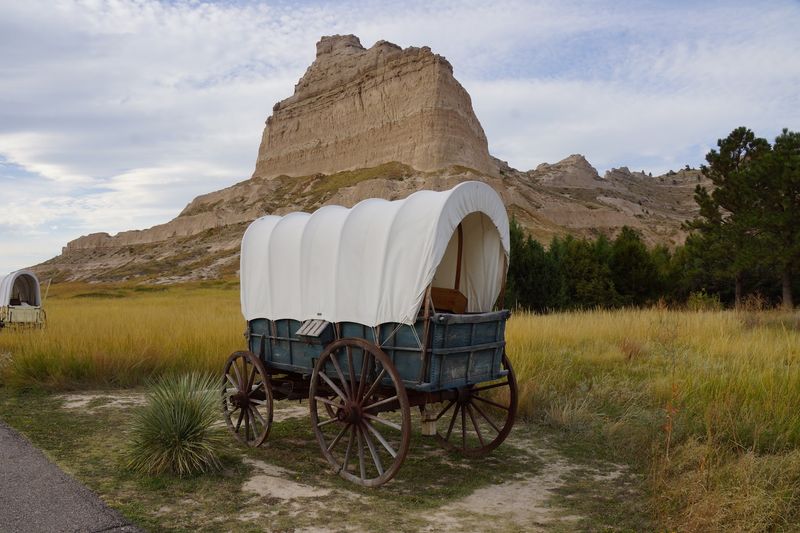
Timing your visit well makes a real difference here. Spring and fall are the most comfortable seasons, with mild temperatures and lower crowds.
The light in those months is also particularly flattering on the rock, casting long golden shadows that make the bluffs look almost painted.
Summer brings the most visitors, especially families traveling during school breaks. The trails are fully accessible and the summit road is open, but afternoon heat can be intense.
Starting early in the morning helps you beat both the heat and the parking rush at the trailheads.
Winter visits are quieter and have their own appeal. Snow on the bluffs creates a stark, dramatic contrast against the pale rock, and the lack of crowds means you often have the trails entirely to yourself.
The monument is open year-round, though some facilities may have reduced hours in the off-season.
Whatever time of year you visit Scotts Bluff National Monument, arriving around sunrise or staying for sunset will give you views that are hard to forget and even harder to photograph badly.
Practical Tips Before You Go
Getting to the monument is straightforward. The town of Gering is just a few miles away and offers places to eat and stay if you are planning more than a day trip.
The monument accepts the America the Beautiful National Parks Pass, which is a smart investment if you plan to visit multiple national parks or monuments during the year.
Pets are welcome on the trails but must be kept on a leash at all times. The summit road is not recommended for large RVs or vehicles with trailers due to the tight tunnel sections.
Cell service can be spotty in certain areas around the bluffs, so downloading an offline map before you arrive is a practical move. There are restrooms at the visitor center and at the summit, which covers the basics for a comfortable day out.
Nebraska in general is an underrated destination, and Scotts Bluff National Monument is exactly the kind of place that surprises first-time visitors with how much it delivers.
Pack a lunch, charge your camera, and give yourself more time than you think you will need.