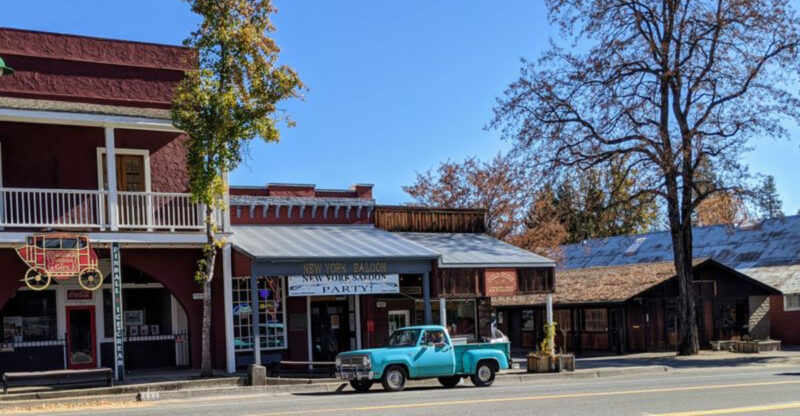
This Historic Small Town In California Is Perfect For Relaxing Weekend Getaways
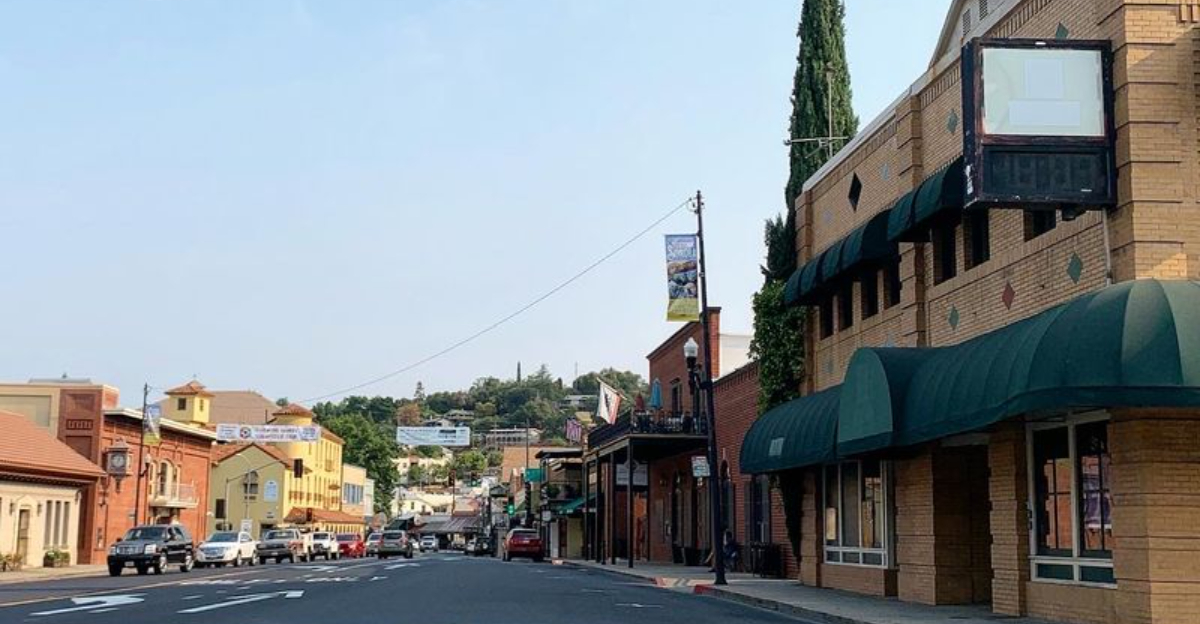
Warm sunlight hits the brick storefronts first. Hills rise gently around town. Everything moves a little slower here.
Places like this have a way of catching people off guard. One quiet street turns into a full afternoon of wandering. A quick stop becomes a long lunch. The day stretches out without anyone really noticing.
Old buildings hold stories from the Gold Rush era. Locals greet each other on the sidewalks. Small shops and cafés fill the historic downtown with a relaxed kind of energy that feels easy to settle into.
Hidden towns like this are part of what makes exploring California so rewarding.
The setting sits in the rolling Sierra Nevada foothills, where history, outdoor scenery, and small-town character come together in a way that feels authentic rather than staged.
Visitors often arrive curious and leave wondering why they had not discovered the place sooner.
That quiet charm is exactly what keeps people returning to Sonora, a Gold Country town that still carries the character of another era while offering plenty to explore today.
1. Rich Gold Rush Heritage Rooted In 1848
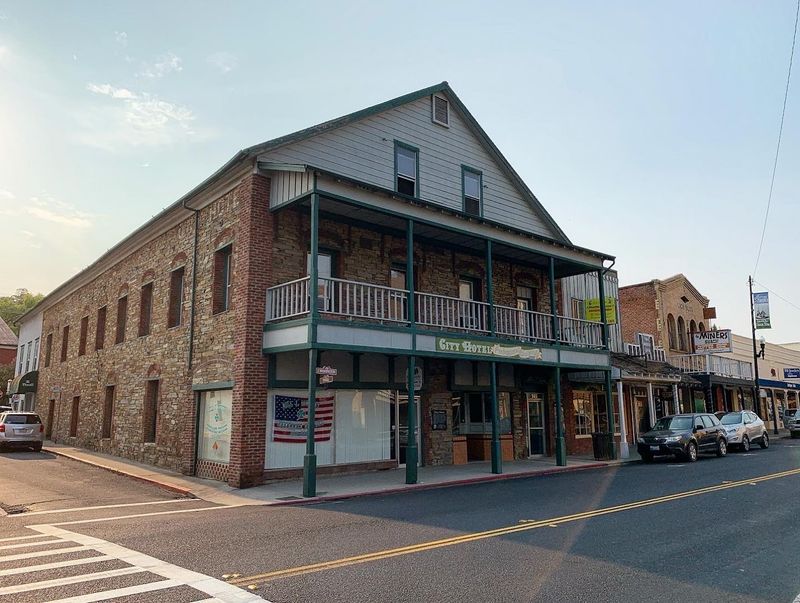
Few towns in California carry a founding story as vivid as Sonora’s.
Mexican miners from the state of Sonora, Mexico arrived here in 1848 and established the settlement that would eventually carry their hometown’s name.
That origin gives the town a cross-cultural identity that still feels present in its architecture, street names, and local traditions.
The Gold Rush brought enormous wealth and chaos to the region, and Sonora sat right in the middle of it all.
At its peak, the town was one of the most productive gold-mining areas in the entire state.
Buildings went up fast, businesses multiplied, and Washington Street became one of the busiest commercial corridors in the Sierra Nevada foothills. That history did not disappear when the gold ran out.
Sonora preserved much of its original character through careful stewardship of its downtown buildings and local landmarks.
Visitors today can walk the same streets where miners once traded their finds, and the layered story of the town’s founding adds genuine depth to even a short weekend visit.
History here is not a display behind glass but something embedded in the ground underfoot.
2. Historic Downtown Washington Street
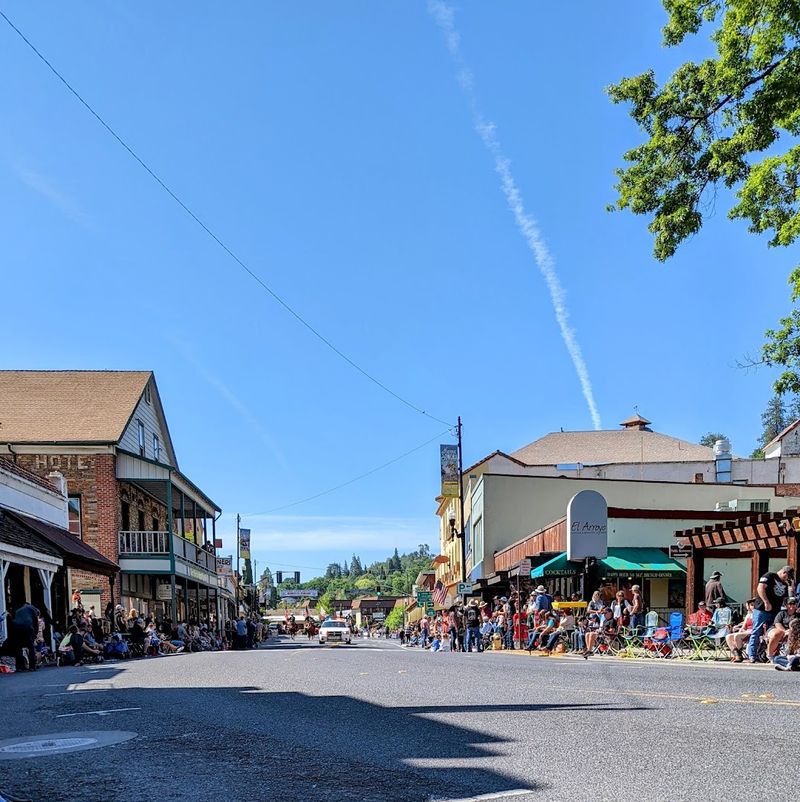
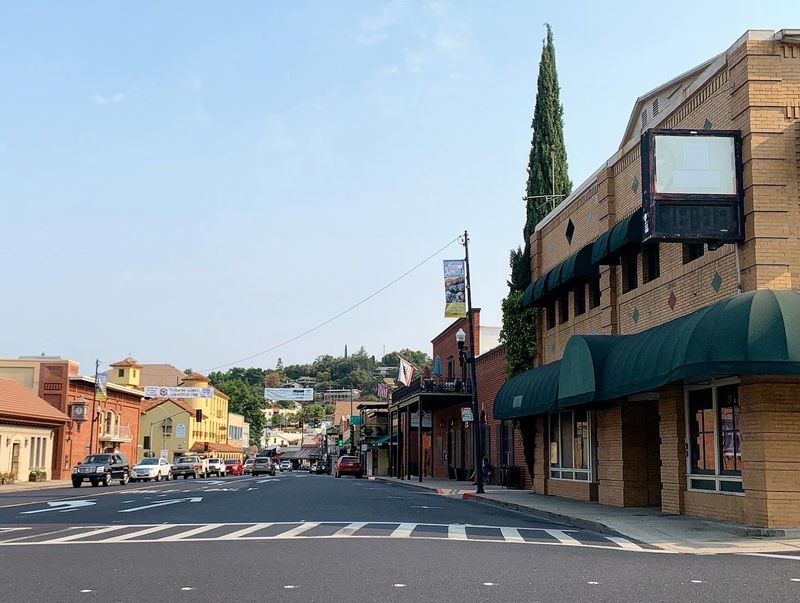
Washington Street is the backbone of downtown Sonora, and walking it feels like flipping through a well-preserved history book.
The 19th-century brick buildings that line both sides of the street survived multiple fires over the decades, which makes their continued presence feel almost defiant.
Today those same structures house boutiques, art galleries, cafes, and locally owned shops that give the street a lively but unhurried energy.
The scale of Washington Street works in its favor for weekend visitors.
Everything feels walkable and human-sized, without the overwhelming sprawl of a larger city’s commercial district.
Storefronts sit close to the sidewalk, signage tends to be modest and hand-painted, and there are enough shaded spots to make an afternoon stroll genuinely comfortable even in warmer months.
Parking along and near Washington Street is generally accessible, which removes one of the common stressors of visiting small historic towns.
The mix of businesses caters to a wide range of interests, from antiques and handmade goods to local art and specialty food items.
Spending a few hours on Washington Street alone could fill a satisfying half-day, and most visitors find themselves doubling back to shops they passed on the first walk through.
3. Tuolumne County Museum And History Center
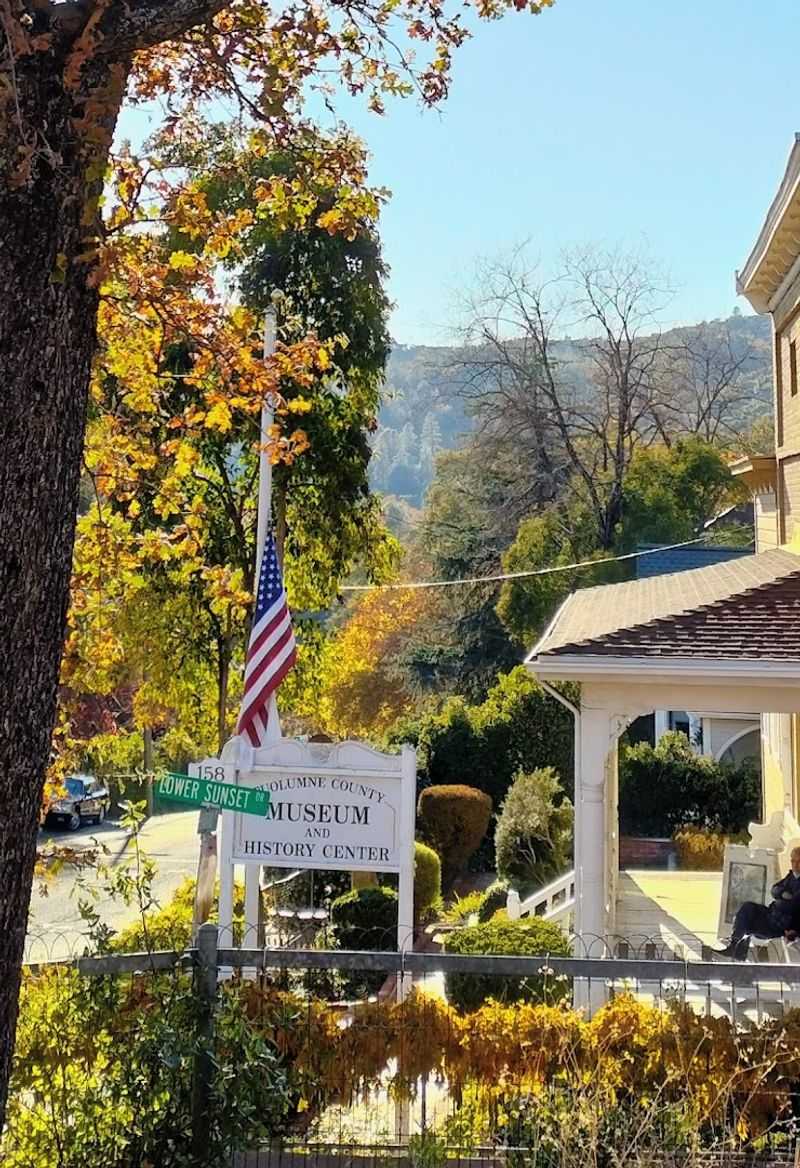
The building that houses the Tuolumne County Museum has its own story to tell before a visitor even steps inside.
Built in 1857 as the county jail, the structure still carries the weight and solidity of its original purpose.
The Tuolumne County Museum and History Center is located at 158 Bradford Ave, Sonora, CA 95370, and the address places it just a short walk from the main downtown corridor.
Inside, the collections cover Gold Rush artifacts, Native American history, and local heritage spanning more than a century and a half.
Displays are organized in a way that builds context gradually, so visitors leave with a sense of the region’s full arc rather than isolated facts.
Photographs, tools, clothing, and documents give texture to stories that might otherwise feel abstract.
The museum tends to attract a mix of history enthusiasts, families with older children, and curious travelers who want more than surface-level sightseeing.
Admission pricing is modest, making it an accessible stop for visitors on a budget. Hours can vary by season, so checking ahead before visiting is a practical step.
The combination of an authentic historic building and well-curated content makes this one of the more rewarding stops in Sonora.
4. Dragoon Gulch Trails For Scenic Hiking
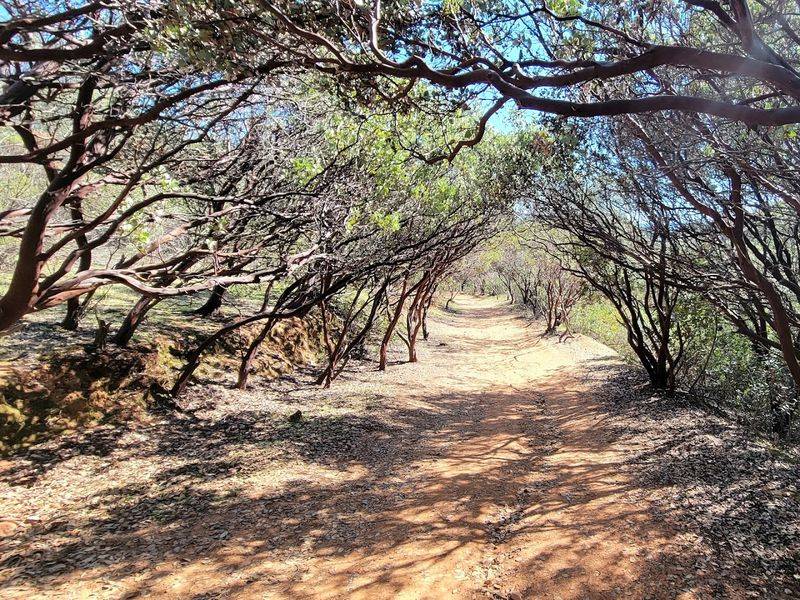
Not every great hiking trail requires a long drive or a national park entrance fee.
Dragoon Gulch Trail sits right on the edge of Sonora and offers a 3.1 miles of trails through oak woodlands and manzanita-covered hillsides that feels genuinely removed from town despite its proximity.
The trails reward walkers with open views of the surrounding Sierra Nevada foothills and the Sonora cityscape below.
The terrain is moderately rolling, which makes it accessible to a wide range of fitness levels without feeling too flat to be interesting.
Shade from the oak canopy provides some relief during warmer months, though mornings and late afternoons tend to be the most comfortable times for a walk.
The path is well-maintained and clearly marked, reducing the chance of wrong turns for first-time visitors.
Dogs are welcome, which adds to its appeal for pet owners looking for an outdoor activity during a weekend stay.
The surrounding landscape changes noticeably with the seasons, from green and lush in late winter and spring to golden and dry in summer. Bringing water is strongly recommended regardless of the season.
For visitors who want a grounded outdoor experience without committing to a full-day excursion, Dragoon Gulch Trails fits the bill cleanly.
5. Nearby Columbia State Historic Park Living History Experience
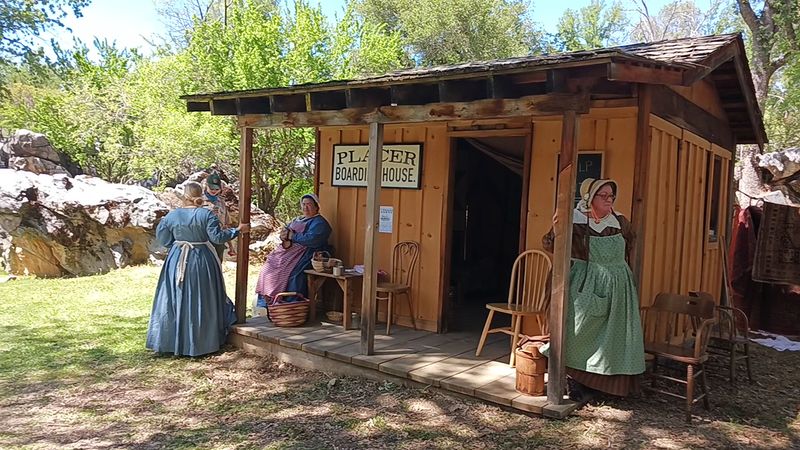
About ten minutes north of Sonora sits one of California’s most immersive living history destinations.
Columbia State Historic Park at 11259 Jackson St, Columbia, CA 95310 recreates the atmosphere of a Gold Rush town from the 1850s with a level of detail that goes well beyond typical museum displays.
Costumed docents walk the streets, blacksmith shops operate with real tools and fire, and the overall layout of the park mirrors what an actual Gold Rush-era town would have looked like.
Visitors can pan for gold, browse a working candy store stocked with period-appropriate sweets, and explore buildings that have been carefully preserved or authentically restored.
The park is designed to be walked at a leisurely pace, and most visitors find that two to three hours gives them enough time to absorb the experience without rushing.
Weekdays tend to be quieter than weekends, which can make the experience feel more personal.
Families with children often find Columbia State Historic Park to be one of the highlights of a Sonora-area trip because the hands-on elements keep younger visitors engaged throughout.
Admission to the park itself is free, though some activities inside carry a small fee. Parking is available near the park entrance.
The combination of education, atmosphere, and genuine historic preservation makes this a stop that holds up well on repeat visits.
6. Sonora Farmers Market Every Saturday Morning
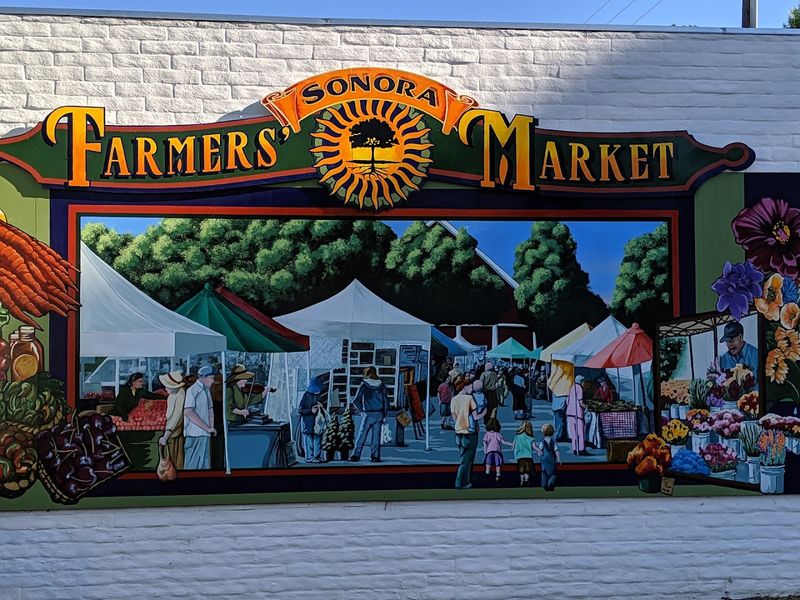
Saturday mornings in Sonora take on a particular kind of energy between May and October when the weekly farmers market sets up and draws in a steady mix of locals and visitors.
The market features fresh produce, baked goods, handmade crafts, and locally sourced goods from vendors who are often the same people who grew or made what they are selling.
That directness gives the market a warmth that larger commercial markets can struggle to match.
The pace of the Sonora Farmers Market at 37 Theall St, Sonora, CA 95370 is unhurried, which fits naturally into the rhythm of a relaxed weekend getaway.
Browsing without a shopping list in hand is perfectly acceptable, and many visitors find themselves picking up items they had no intention of buying simply because something looked or smelled too good to pass up.
Seasonal produce changes throughout the market’s run, so a visit in May feels noticeably different from one in September.
Arriving early tends to offer the widest selection, though the market maintains a welcoming atmosphere throughout the morning.
Bringing a reusable bag is practical and appreciated by vendors.
The market also serves as a social gathering point for the local community, which gives visitors a chance to experience Sonora as a living neighborhood rather than just a backdrop for sightseeing.
It is a simple but genuinely satisfying way to start a Saturday.
7. Gateway Location Near Yosemite National Park
Sonora’s location in the Sierra Nevada foothills puts it within roughly an hour’s drive of one of the most visited national parks in the country.
Yosemite National Park sits to the east, accessible via Highway 120, which makes Sonora a practical and quieter base for travelers who want to experience the park without staying inside it.
Accommodation options in Sonora tend to be more affordable and more available than those within or immediately adjacent to the park.
Using Sonora as a home base means visitors can spend days exploring Yosemite’s valleys, waterfalls, and trails while returning each evening to a town with a slower pace and genuine local character.
The drive itself passes through beautiful foothill and mountain scenery, which makes the journey part of the experience rather than just a commute.
Highway 120 through the Big Oak Flat entrance is a well-traveled route that most drivers find manageable.
Sonora’s proximity also makes it a reasonable stopping point for travelers heading to or from the park on longer road trips through California.
The combination of a relaxed small-town base and easy access to world-class natural scenery gives Sonora a practical edge for outdoor-focused weekend travelers.
8. Indigeny Reserve Apple Orchard And Tasting Experience
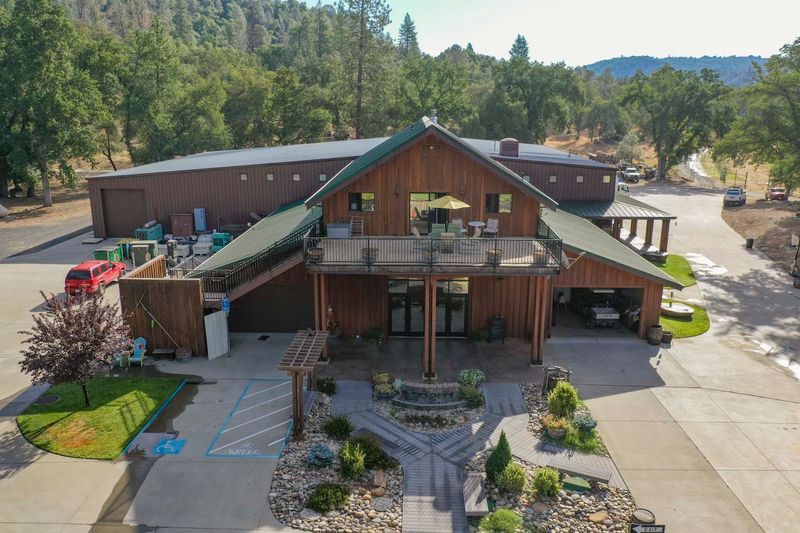
A 160-acre apple orchard located just outside of Sonora offers one of the more unexpected and genuinely pleasant stops in the area.
Indigeny Reserve at 14679 Summers Ln, Sonora, CA 95370 is a working orchard and production facility that welcomes visitors for free tastings and guided tours, giving guests a chance to see how apples move from tree to finished product.
The landscape of the orchard itself is open and peaceful, with rows of trees stretching across gently rolling terrain.
The orchard produces a range of apple varieties, and the tasting experience allows visitors to sample products made directly from the fruit grown on the property.
The setting encourages a slow, unhurried visit, and many guests bring a picnic to enjoy under the trees.
The combination of fresh air, open space, and the sensory experience of the orchard makes it a restorative stop that fits naturally into a Sonora weekend.
Visiting in the fall aligns with the apple harvest season, which adds an extra layer of activity and atmosphere to the experience.
Spring and summer visits are quieter but still offer the full tasting experience and the beauty of the orchard landscape.
Checking current hours and tour availability before visiting is a good practice since schedules can vary.
Indigeny Reserve adds an agricultural and artisan dimension to the Sonora area that rounds out a well-balanced weekend itinerary.