This Idaho Restaurant Turns A Restored Bungalow Into A Basque Comfort Food Destination
Who would have thought one restored Idaho bungalow could hold this much Basque comfort food?
The cozy scale may look modest, but the menu brings traditions with generations of history behind them.
Croquettes, soups, lamb dishes, and desserts offer plenty of reasons to treat dinner as something worth planning rather than another quick stop.
Even the building contributes to the experience, giving the meal a more intimate setting than a typical restaurant dining room.
Small space, serious appetite required. That sounds like a fair trade. Reservations can also be useful when seating is limited.
Come ready to explore the menu, since ordering the safest familiar option would completely miss the fun.
A House That Became Dinner
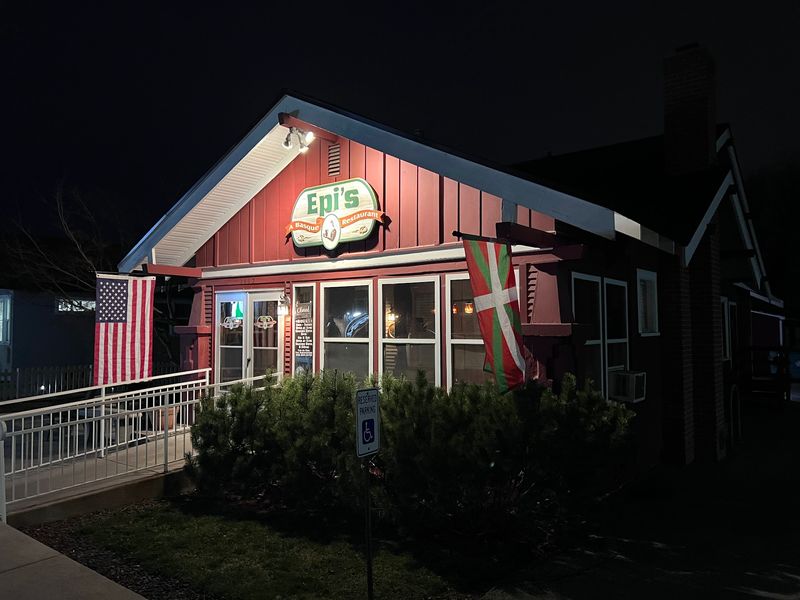
Most restaurants get built. This one got adopted.
The building started life as a bungalow, and the bones are still obvious once you look. Doorframes lead from room to room instead of one wide open dining hall.
Windows sit where living room windows would sit, and the ceilings feel low in the coziest possible way.
Restoring an old house for food service is no small trick. Kitchens need space, guests need seating, and building codes rarely care about charm. Somehow the place threads that needle without sanding away the personality.
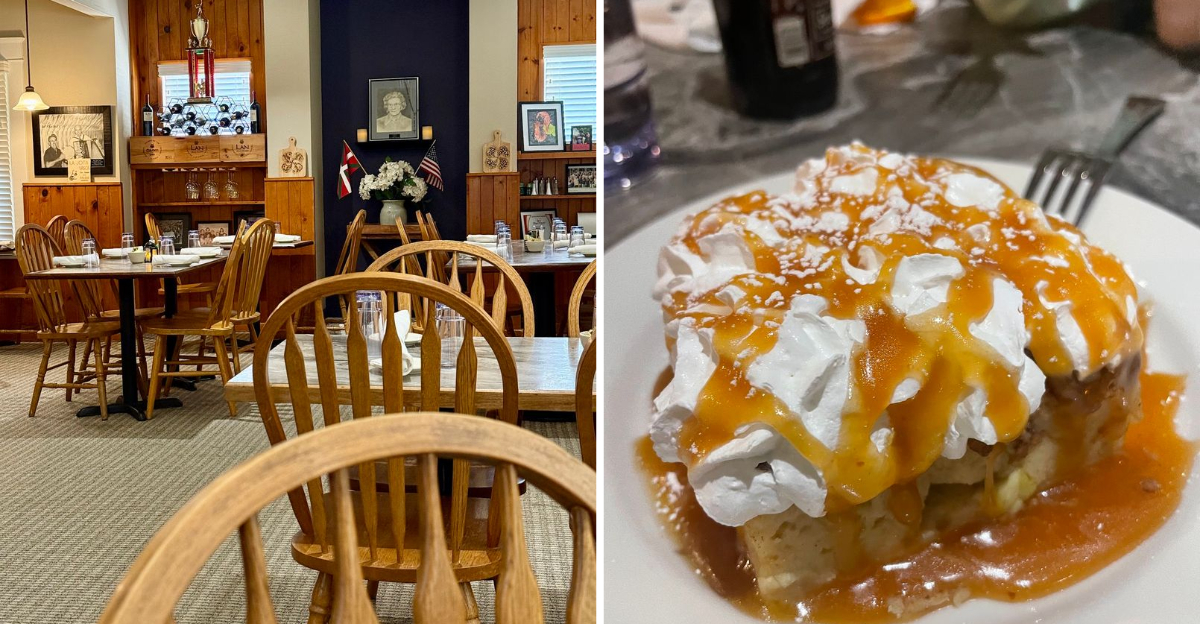
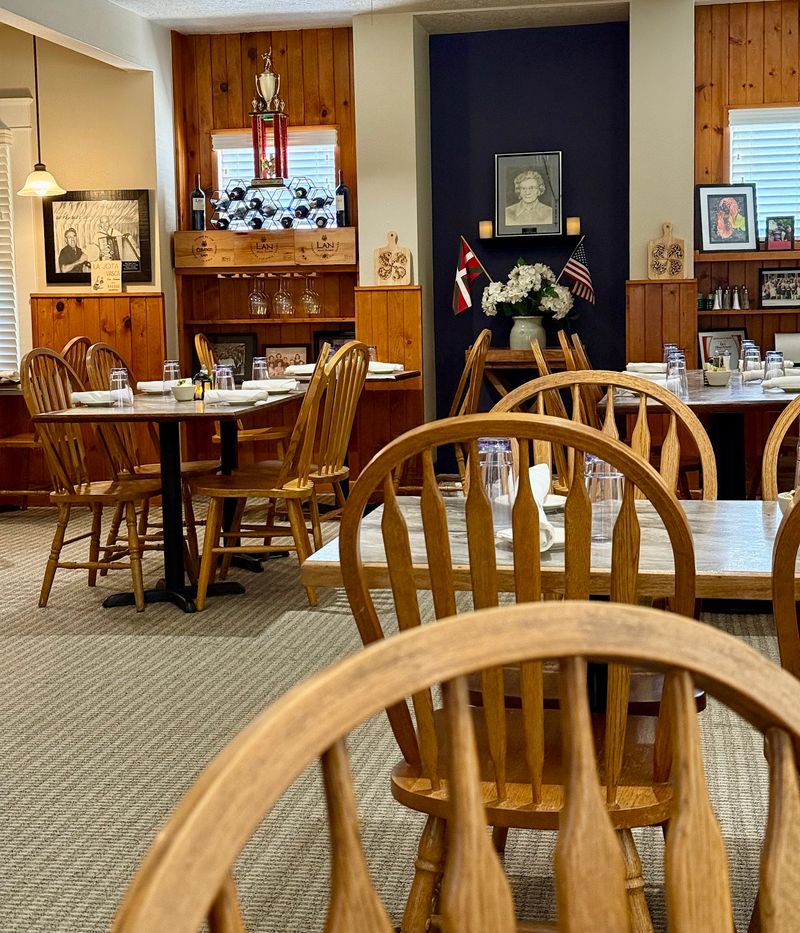
Tables and chairs do not perfectly match, and honestly that is part of the appeal. It reads like a family gathering where extra seats were dragged in from the porch.
Photographs and small heritage pieces hang on the walls, quietly explaining who cooked here first. I noticed a doorway that clearly used to be a hallway, now a busy little path for servers carrying bread.
You will find it at 1115 N Main St in Meridian, sitting close enough to the sidewalk that the porch light greets you first. Parking takes a bit of patience on busy evenings.
Croquettes Worth Fighting Over
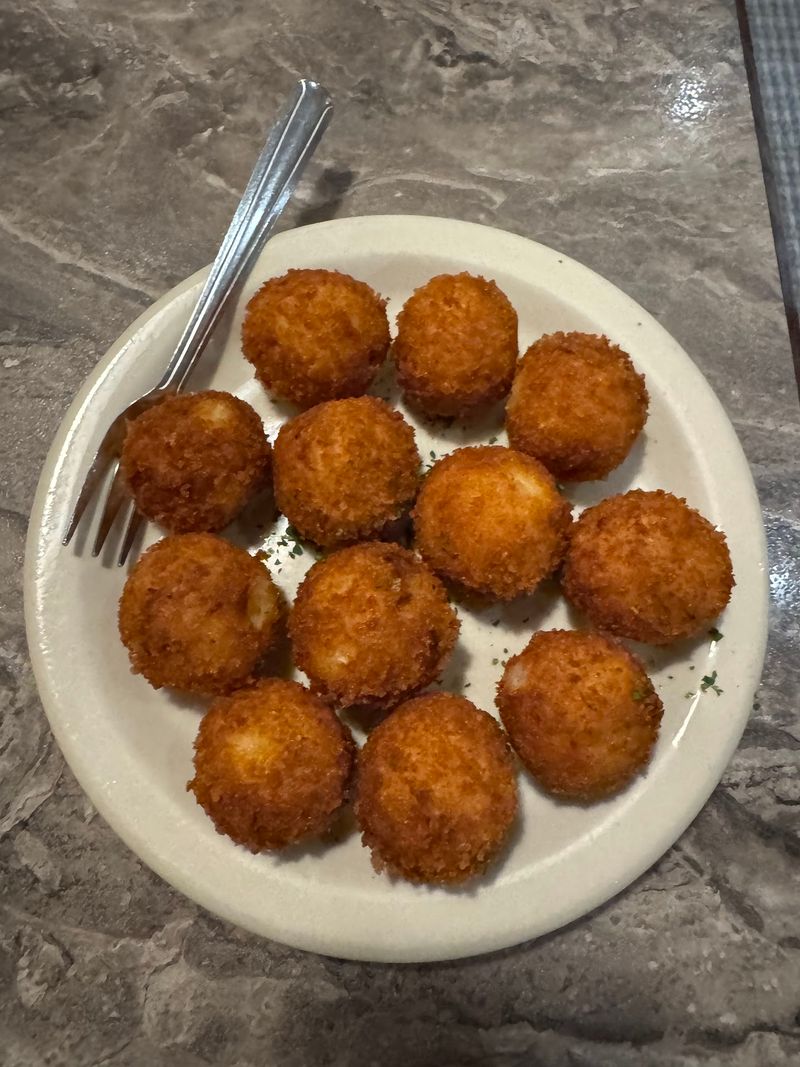
Order croquetas de jamon and watch the table go quiet.
These little fried logs are built on a thick, creamy base studded with flecks of cured ham. The outside crackles.
The inside stays molten and rich, which means the first bite always demands a short cooling period nobody actually respects.
Basque and Spanish kitchens have made croquettes for generations as a clever way to stretch good ingredients. Nothing wasted, everything delicious. It is peasant thinking turned into party food.
Sharing an order sounds polite until the plate hits the table. Then the math gets awkward fast. Two people, one order, and suddenly you are negotiating like diplomats.
Calamari earns similar attention here, tender rather than rubbery, which is harder to pull off than menus admit. Garlic buttered mushrooms show up too, swimming in a sauce that begs for bread. Brussels sprouts arrive crisped rather than sad.
My advice is simple. Order more starters than seems reasonable, because the appetizer section at Epi’s punches above its weight.
Bread keeps coming, and it should. Soaking up garlic butter counts as a legitimate dining strategy in my book.
Soup Course Steals Hearts
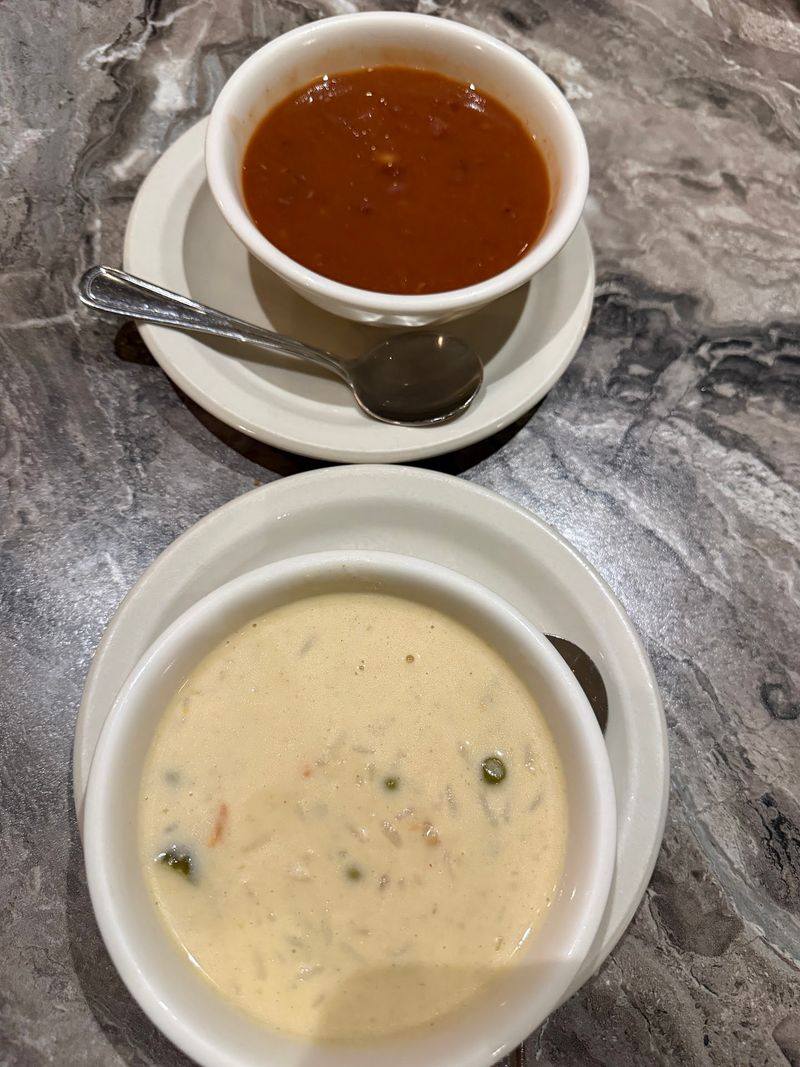
Nobody expects to remember soup. Then the cream of mushroom lands.
Dinners here arrive in stages, and the soup course is part of that rhythm. Cream of mushroom shows up thick and earthy.
Red bean leans rustic and filling, the kind of bowl that fueled ranch work long before it charmed diners.
Clam chowder also makes appearances, often with a gentle warmth on the finish. Not spicy exactly. Just enough heat to keep your spoon moving.
Basque cooking treats soup as a foundation rather than a formality. Sheep herding families across southern Idaho carried these recipes west, and the simplicity was never a shortcut. It was survival cooking that happened to taste wonderful.
There is a shrimp and rice version too, creamy and mildly peppery. Between courses a small dressed salad arrives, functioning as a reset button for your palate.
Staggered serving means you are never staring at an empty table. Something always seems to be arriving.
I like watching new guests figure out the pacing. Shoulders drop, phones go down, and conversation stretches out.
Lamb Takes Center Stage
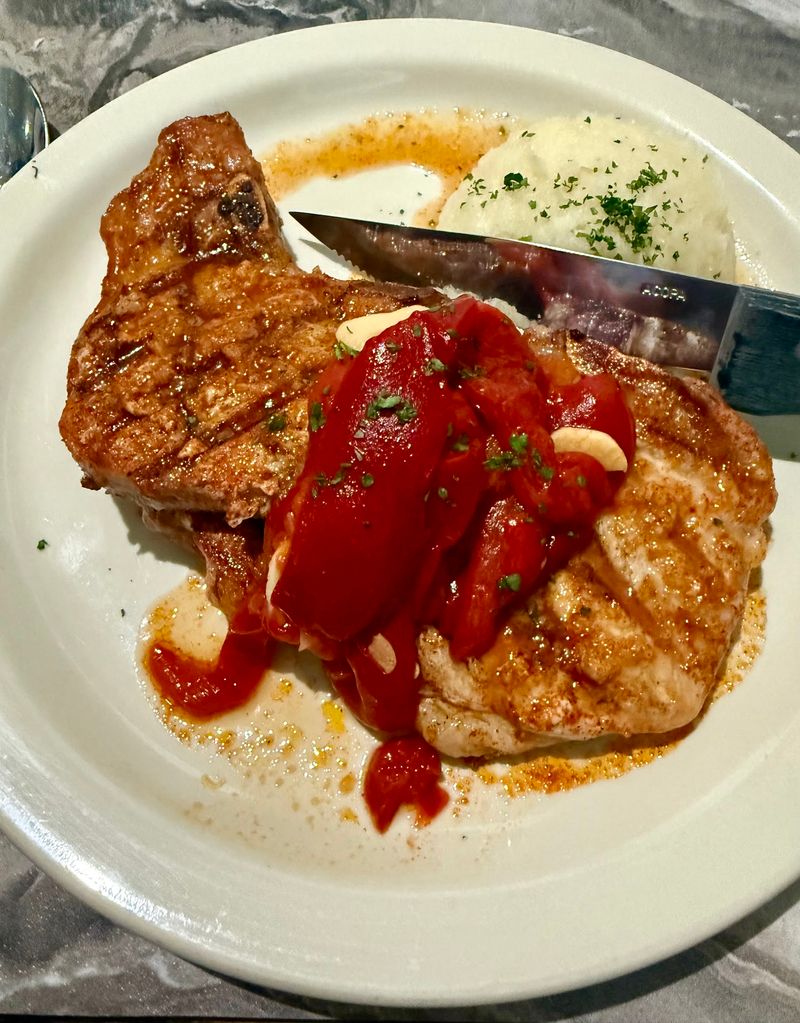
Talk about Basque food in Idaho and lamb enters the conversation within seconds.
Generations of Basque sheepherders shaped the high desert here, and that history sits right on the menu. Boneless leg of lamb, chops, shank, and a slow stew all take turns depending on the evening.
The stew leans homey with peppers and tender chunks in broth. Chops come cooked to order, usually alongside something creamy and comforting.
Lamb shank nights are the ones regulars whisper about. Meat pulls off the bone with almost no effort, and the sauce clings to everything nearby.
This is not fussy plating. Nothing arrives with tweezers or foam. The cooking style trusts good ingredients and time instead of theatrics.
Ordering lamb at Epi’s feels like ordering the house signature, because in many ways it is. Skipping it seems almost rude to the building itself.
Pork chops and beef medallions round out the heartier side of things, and garlic chicken keeps the garlic lovers grinning.
One small detail I appreciated was rosemary roasted potatoes passed family style. Sharing sides changes the whole mood of a table.
Seafood With A Coastal Accent
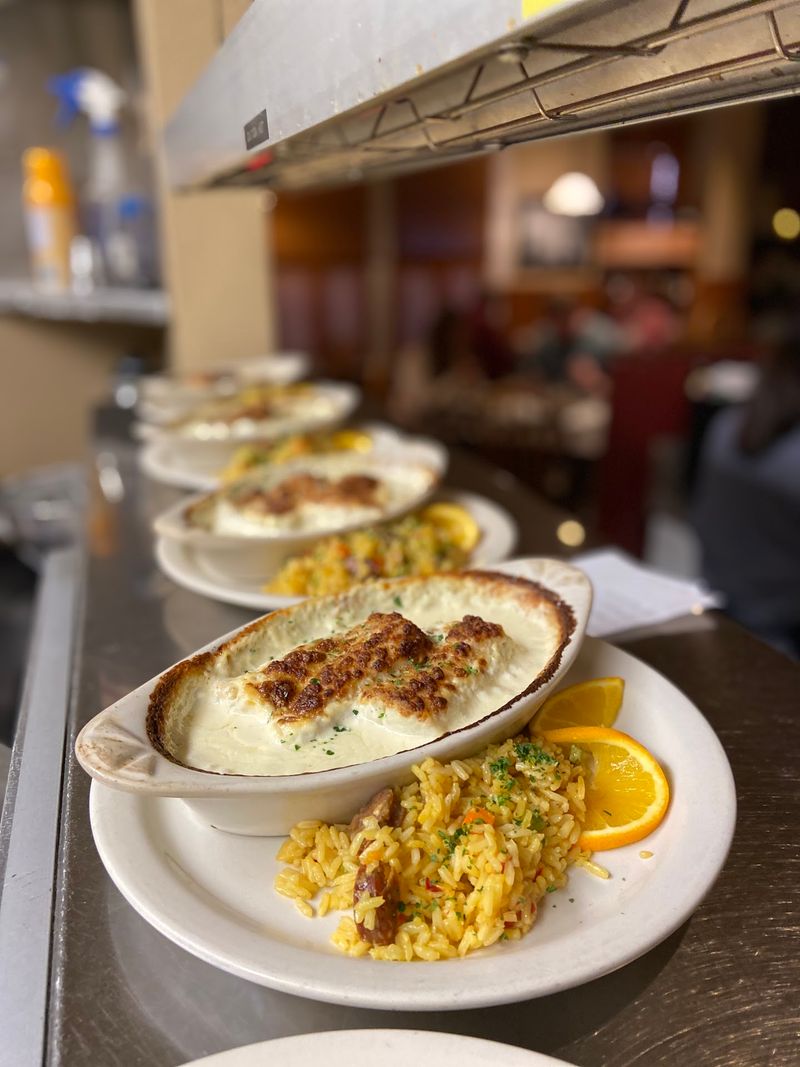
Landlocked state, serious seafood. Basque country sits along the Bay of Biscay, so fish belongs here as much as lamb does.
Halibut gets the most attention, often crusted with citrus and paired with a rich, creamy sauce. It stays delicate while the sauce does the heavy lifting.
Sizzling garlic shrimp arrives hot enough to hear before you taste it. Butter, garlic, lemon, and parsley form the classic quartet, and bread quickly becomes a required tool.
Cod stuffed with shrimp shows up as another favorite, a dish that sounds fancy but eats like comfort food.
Then there is the squid cooked in its own ink, a genuinely traditional preparation that looks startling and tastes deeply savory. Adventurous eaters should absolutely order it.
Seafood cooked well in a small kitchen impresses me more than almost anything else. Timing is unforgiving, and fish tells on you instantly.
The dining rooms at Epi’s fill up quickly, so seafood specials sometimes vanish. Arriving near opening improves your odds considerably.
A friend of mine claims halibut is boring. One bite of the citrus version usually ends that argument. Ocean flavors in the middle of Idaho farmland still make me smile every single time.
Desserts That Deserve Applause
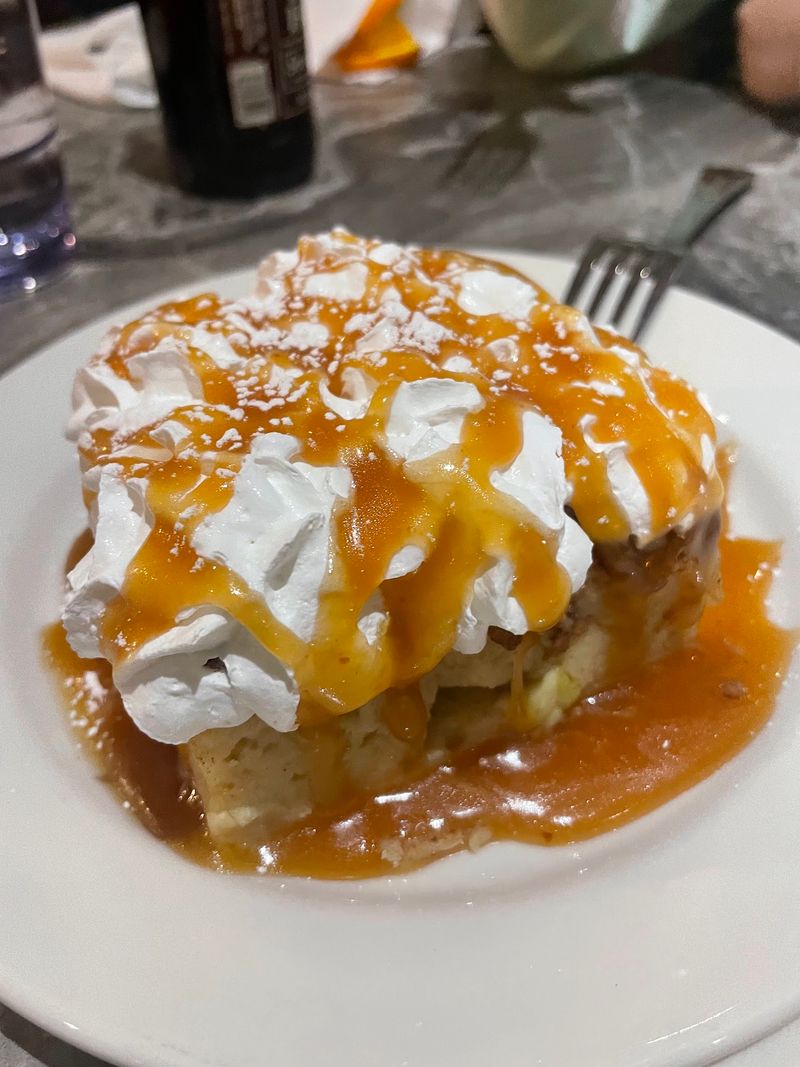
Save room. Seriously, plan for it.
Gateau basque is the traditional star, a dense almost shortbread style cake filled and often served with raspberry sauce. Sweet, rich, and unapologetically old fashioned.
Green apple bread pudding pulls a different trick. Soft, warm, faintly tart, and generous enough that boxes get requested regularly.
Seasonal cheesecakes rotate through, including pumpkin versions with caramel that disappear fast in autumn. Chocolate mousse sometimes appears with bright fruit whipped cream on top.
Flan holds a spot too, because no Basque or Spanish influenced kitchen skips flan. It arrives simple and cool and does exactly what flan should.
Dessert menus at small restaurants often feel like an obligation. Here it reads like the kitchen actually enjoys baking.
My favorite small moment involved a table nearby splitting one dessert four ways with four spoons and zero coordination. Pure chaos, lots of laughing.
Ordering two sweets between two people sounds excessive. It is also completely reasonable at Epi’s, and I will defend that position.
Small Room, Big Buzz
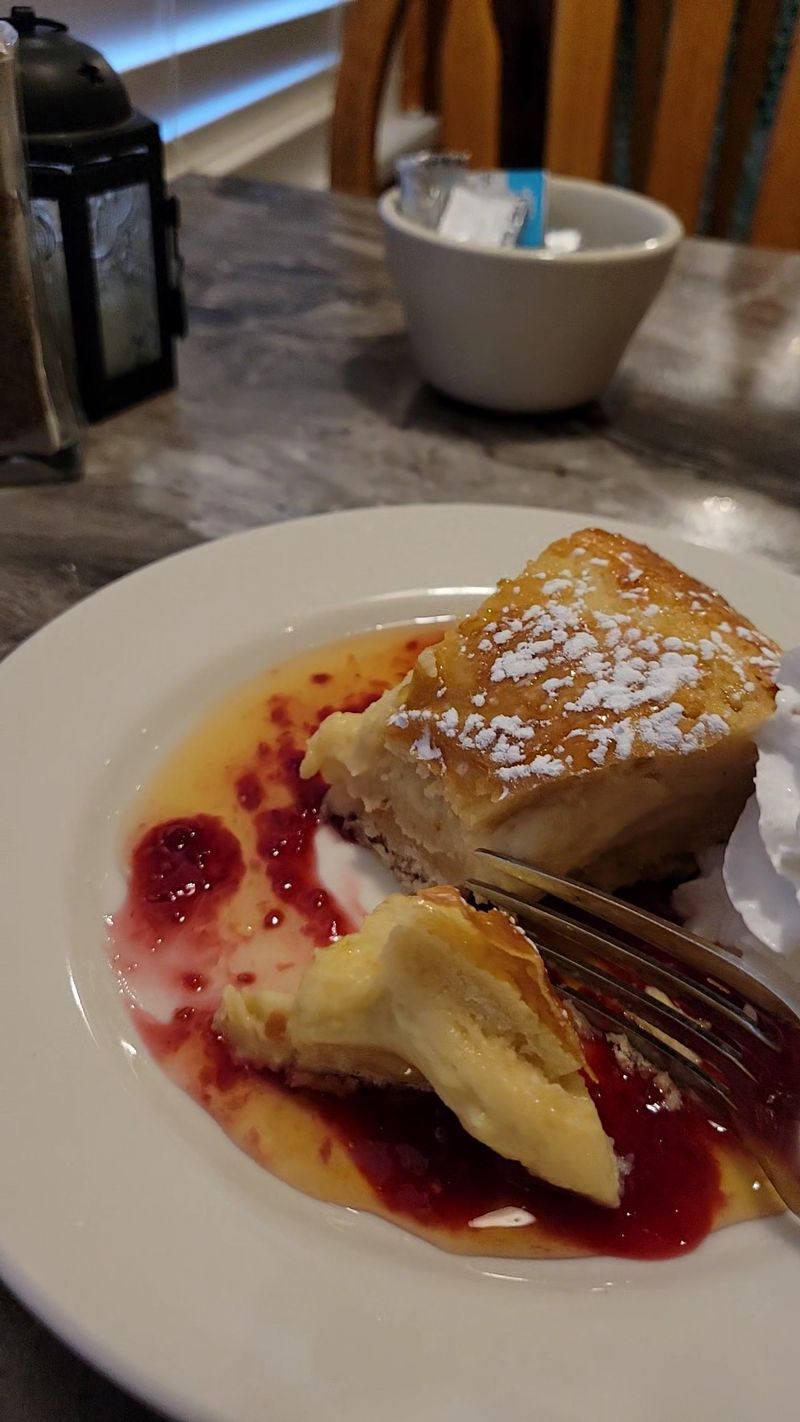
Cozy is the polite word. Snug is more accurate.
Seating is genuinely limited, so reservations are less of a suggestion and more of a survival tactic. Weekend evenings fill the rooms completely by early dinner hour.
Sound bounces off plaster walls and wooden floors, which means the space gets lively once every seat is taken. If quiet dining matters to you, aim for the earliest slot or ask about patio seating in warm months.
Tables sit close together. Elbows occasionally become community property.
Personally I like the energy. Clinking plates, servers weaving through doorways, laughter from the next room over. It sounds like a house full of relatives on a holiday.
The decor helps. Family photographs, heritage touches, and menu descriptions written with traditional Basque names give you a tiny culture lesson between courses.
Service moves with impressive calm considering the tight quarters. Water glasses stay full and bread baskets get refreshed without anyone asking.
Arriving right at opening is my usual play at Epi’s, mostly because the room is still stretching and waking up.
Plan Your Visit Smartly
Here is the practical stuff, because good planning saves good appetites.
Doors open at five in the evening, Tuesday through Saturday. Sunday and Monday the kitchen rests, so plan accordingly.
Closing time lands around eight early in the week and slightly later Friday and Saturday. That is a shorter window than most spots, which makes reservations even more valuable.
Call ahead. Groups of four or more especially benefit from booking, and staff have been known to shift times when travel plans wobble.
Dinner runs as a multi course experience, so budget more time than a quick weeknight bite. Ninety minutes is a comfortable expectation.
Come hungry but pace yourself. Bread, soup, salad, and shared sides add up before your entree even lands.
Parking sits along the street and nearby lots, and larger vehicles or trailers will struggle. Compact wheels win here.
Bringing out of town guests to Epi’s is a reliable move, especially anyone curious about Idaho heritage cooking. It explains the region better than any brochure.