This Is The Breathtaking Botanical Garden In Georgia That Most People Never Hear About
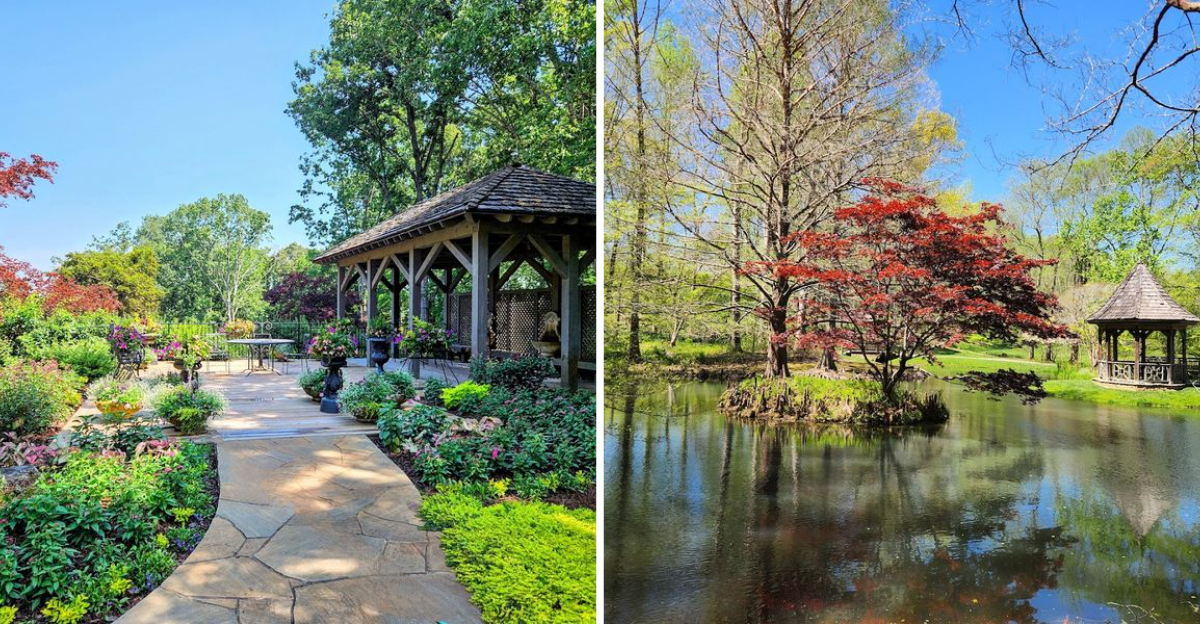
Gardens reveal personality through design choices. Gibbs Gardens announces itself loudly through every acre.
Hidden within North Georgia’s rolling foothills, this botanical masterpiece challenges expectations completely. Ball Ground shelters something increasingly rare: a sprawling estate garden refusing commercial pressure.
Jim Gibbs spent decades transforming this vision into reality. Landscape design excellence shows throughout every corner.
Two hundred twenty acres contain sixteen distinct garden styles. Seasonal blooms transform the landscape continuously.
Mountain views provide stunning backdrops constantly. Photography opportunities emerge everywhere naturally.
Georgia’s botanical offerings improved immeasurably when this space opened. Solo escapes become contemplative journeys here.
Family outings produce lasting memories easily. Romantic afternoons unfold naturally within these surroundings.
The experience transcends typical garden visits completely.
1. The Jaw-Dropping Scale Of 220 Acres To Explore
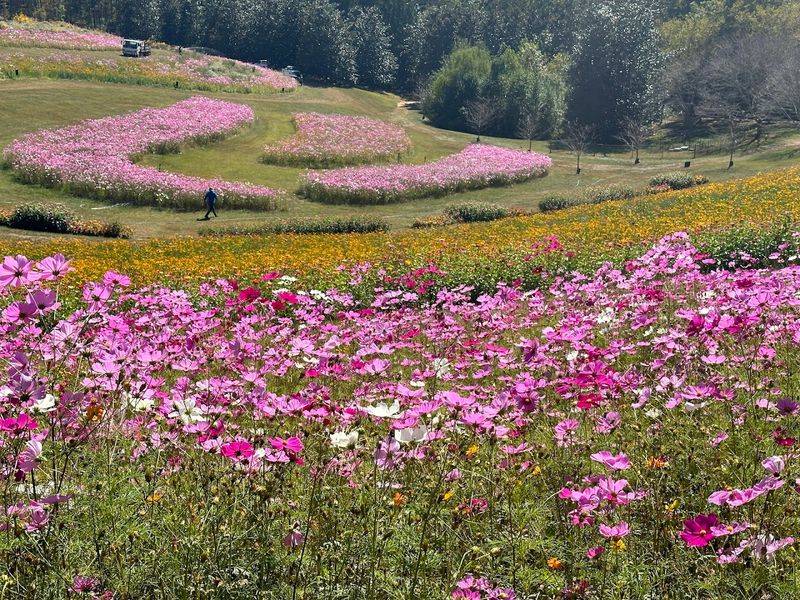
Most botanical gardens feel like a pleasant afternoon stroll, but Gibbs Gardens operates on an entirely different level.
Located at 1987 Gibbs Dr, Ball Ground, GA 30107, this estate spans 220 acres of carefully cultivated land, making it one of the largest residential estate gardens in the United States.
Visitors frequently report spending three to five hours exploring the grounds without feeling rushed. The sheer variety of terrain, from open meadows to shaded woodland paths, keeps the experience feeling fresh around every bend.
Two main trail routes are marked on the property map, with red arrows guiding guests along the way. One popular route covers approximately three miles and takes around two hours to complete at a relaxed pace.
Comfortable walking shoes are strongly recommended before arrival. The scale of the property means there is always something new to discover, even for repeat visitors who have already walked every path before.
2. Spring Daffodil Season That Stops Visitors In Their Tracks
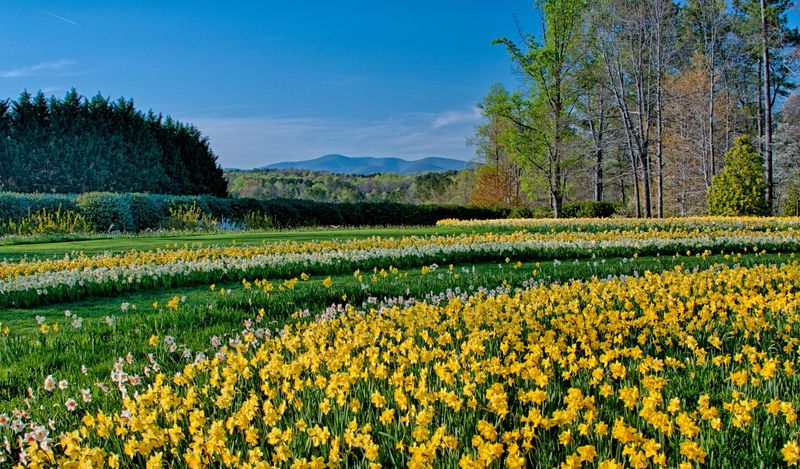
Few natural spectacles in Georgia compare to the daffodil display that blankets Gibbs Gardens each spring.
The garden is home to over 20 million daffodil bulbs, which burst into bloom typically between late February and early April, painting the hillsides in vivid shades of yellow, white, and cream.
Visitors who time their trip to this season often describe the experience as walking into a dream. The flowers cascade across open slopes in waves, creating a visual effect that photographs simply cannot fully capture.
Planning around peak bloom dates is wise, as the window can be relatively short depending on weather conditions each year. Checking the Gibbs Gardens website at gibbsgardens.com before visiting helps confirm current bloom status.
Weekday mornings tend to be quieter than weekend afternoons during this popular season. Arriving early allows guests to enjoy the daffodil fields in soft morning light before crowds begin to gather throughout the day.
3. A Japanese Garden That Feels Worlds Away From Georgia
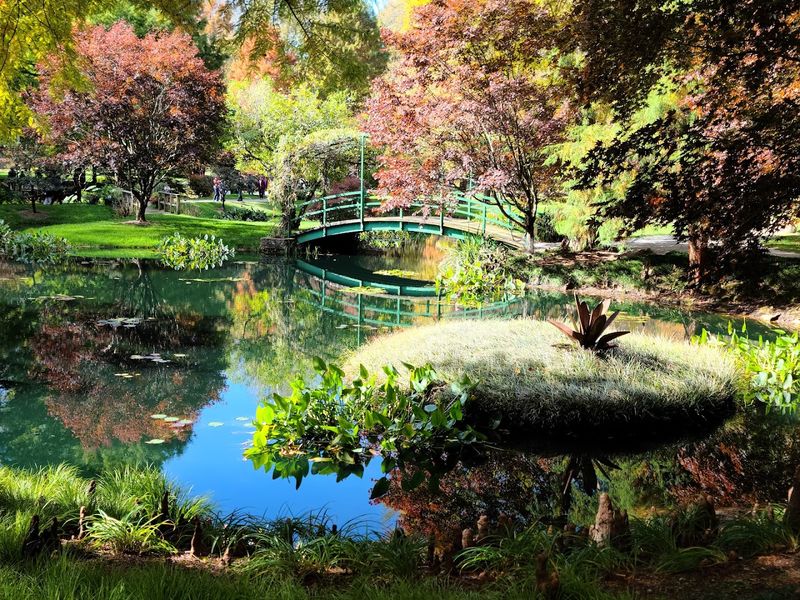
Step through the entrance of the Japanese Garden at Gibbs Gardens and the atmosphere shifts completely.
Stone lanterns, carefully raked gravel, koi ponds, and graceful Japanese maple trees combine to create a space that feels transported directly from Kyoto, yet sits peacefully in the North Georgia foothills.
Fall is arguably the most spectacular time to visit this section of the garden. The Japanese maples ignite in shades of crimson, burnt orange, and deep burgundy, creating a canopy of color that draws gasps from even the most seasoned garden visitors.
Spring and summer bring their own quiet charm to the space, with lush green foliage and the gentle sound of water moving through the ponds. Many visitors linger here longer than anywhere else on the property.
The sense of calm is immediate and genuine, making the Japanese Garden a favorite spot for quiet reflection, photography, and simply sitting still for a moment.
4. Vibrant Tulip Fields Bursting With Color Each Season
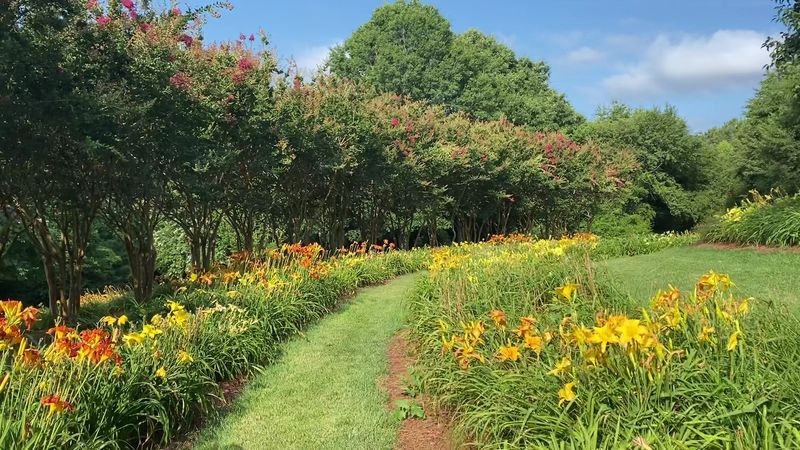
After the daffodils fade, Gibbs Gardens transitions into its tulip season, which typically arrives in mid to late spring and brings an entirely new palette of color to the landscape. Rows of tulips in shades of red, pink, purple, yellow, and white stretch across dedicated planting areas throughout the property.
The contrast between the vibrant blooms and the surrounding green Georgia hills creates a scene that feels almost theatrical.
Many visitors plan return trips specifically to catch tulip season after first visiting during the daffodil bloom, finding that each season offers a genuinely different visual experience.
Photographing the tulip fields works best in morning light, when shadows are long and colors appear most saturated. Bringing a camera with a zoom lens helps capture the depth of the planting rows stretching into the distance.
Children tend to love walking alongside the colorful fields, making tulip season a particularly enjoyable time for families visiting with younger kids in tow.
5. Sweeping North Georgia Mountain Views From The Garden Paths
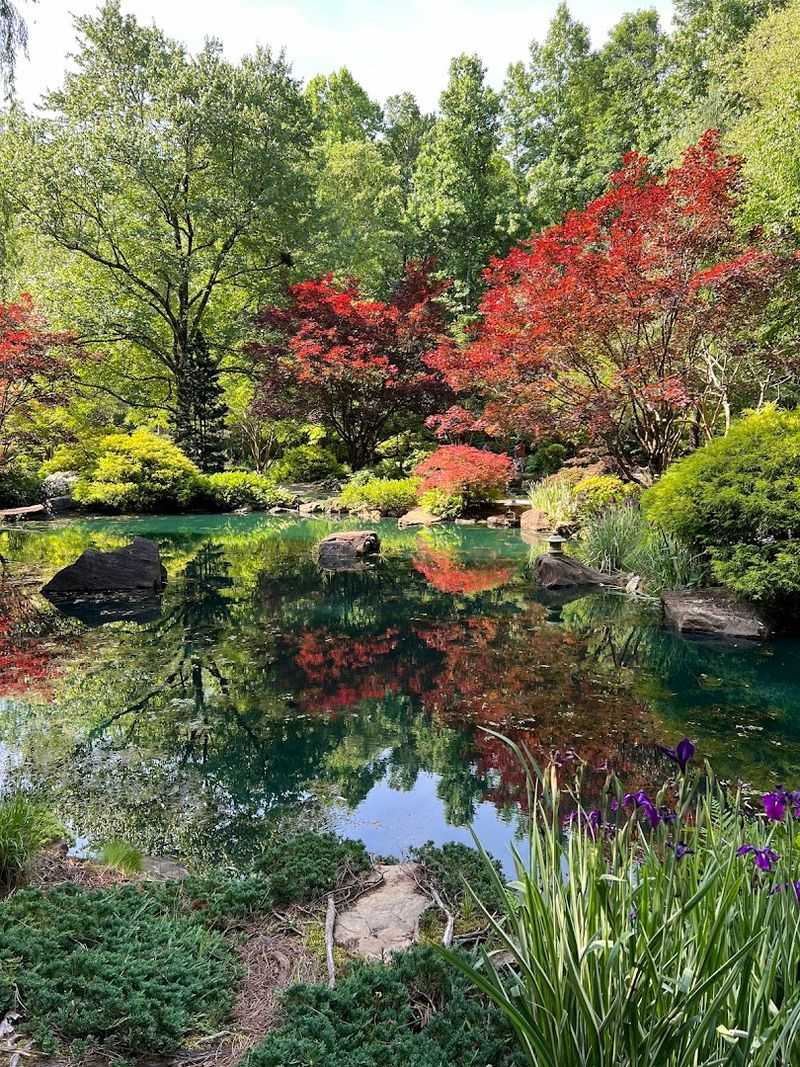
Not many botanical gardens can offer mountain scenery alongside their floral displays, but Gibbs Gardens manages both with ease.
The property sits in the North Georgia foothills, and from several points along the walking trails, visitors are treated to wide, open views of the surrounding mountain landscape.
These vistas add a dimension to the visit that purely urban gardens simply cannot replicate. The combination of carefully cultivated flowers in the foreground and wild, untouched mountain ridges in the distance creates a layered visual experience that feels genuinely special.
Late afternoon tends to produce the most dramatic lighting on the mountains, making it a worthwhile time to position near the overlook areas. Clear days in autumn offer particularly crisp views as the air loses its summer haze.
Visitors who come during fall foliage season get the added bonus of seeing the mountain slopes dressed in warm seasonal colors, adding yet another layer to an already stunning backdrop.
6. The Stunning Manor House Garden With Elegant Formal Design
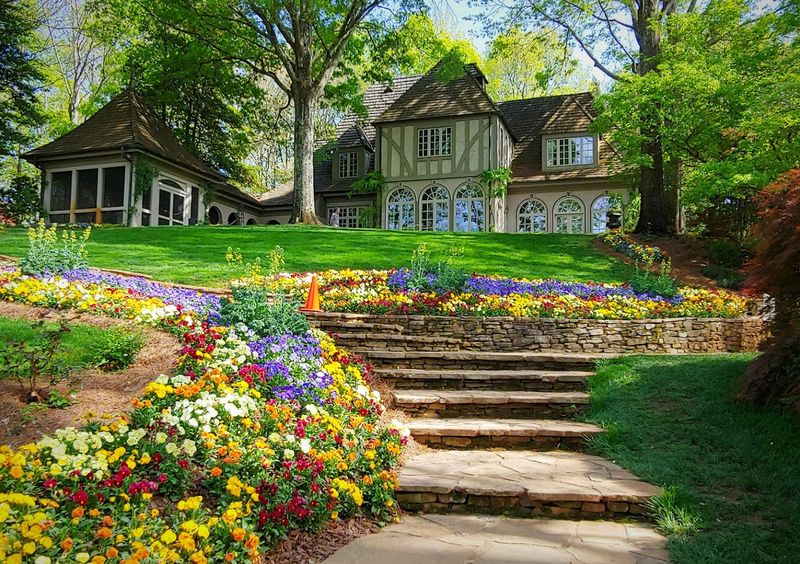
Formal garden design reaches one of its finest expressions in the Manor House section of Gibbs Gardens. Manicured hedgerows, symmetrical flower beds, and carefully placed garden ornaments frame the Manor House in a style that feels both grand and approachable at the same time.
Benches positioned throughout this section invite visitors to sit and absorb the surroundings rather than simply pass through.
Many guests describe this area as one of the most photogenic spots on the entire property, with the structured elegance of the plantings providing a natural frame for portraits and landscape shots alike.
The views from the Manor House terrace extend outward across portions of the estate, giving visitors a sense of the garden’s full scale from a single vantage point. Morning visits to this section tend to be peaceful, with soft light filtering across the formal beds.
The attention to detail in the planting design reflects decades of careful planning and consistent horticultural care.
7. Wildflower Gardens Alive With Butterflies And Natural Color
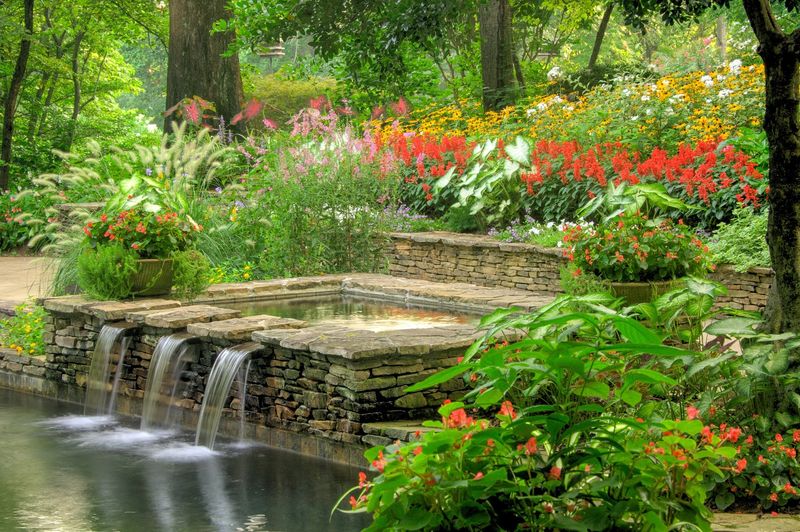
There is something wonderfully unscripted about the Wildflower Garden at Gibbs Gardens. Unlike the more structured sections of the property, this area embraces a looser, more natural aesthetic, with native wildflowers growing in generous drifts that attract pollinators in impressive numbers.
Butterflies are a constant presence here, particularly during late summer and early fall when many species are actively feeding before migration.
Visitors frequently spot monarchs, swallowtails, and other colorful species moving between blooms, making the Wildflower Garden a genuinely exciting area for nature lovers and photographers alike.
Children find this section especially captivating, with the movement of butterflies and bees providing natural entertainment that holds attention far longer than static displays. The colors in the Wildflower Garden shift noticeably through the seasons, so no two visits look exactly the same.
Even in late September, when some gardens begin winding down, the wildflower section often continues offering vibrant blooms worth exploring at a slow, unhurried pace.
8. Water Lily Ponds That Look Like Living Impressionist Paintings
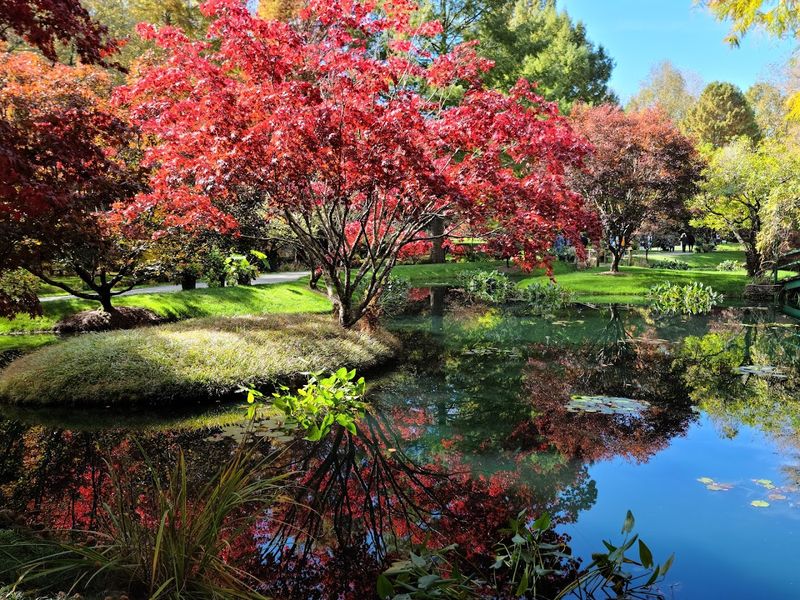
Claude Monet found endless inspiration in water lily ponds, and a visit to the pond areas at Gibbs Gardens makes it easy to understand exactly why. Broad lily pads spread across the surface of still water, dotted with blooms in pink, white, and yellow that shift gently with any passing breeze.
The reflection of surrounding trees and sky in the water adds a painterly quality to the scene that feels almost unreal on calm days. Morning visits offer the clearest reflections before wind picks up through the afternoon hours.
Summer is peak season for water lily blooms, though the ponds remain visually interesting throughout other seasons as well. Frogs, dragonflies, and occasional waterfowl add movement and life to these quiet corners of the garden.
Pausing at the pond edges rather than walking past quickly rewards visitors with small details: the texture of lily pad surfaces, the way light catches individual droplets, and the subtle color variations between different bloom varieties clustered nearby.
9. Fall Foliage Season That Transforms The Entire Property

Autumn at Gibbs Gardens is an experience that regular visitors return for year after year without hesitation. As temperatures drop across North Georgia, the property’s vast collection of deciduous trees, particularly the Japanese maples, begin their seasonal color change in earnest.
Rich shades of red, burnt orange, gold, and deep burgundy spread across the canopy, transforming familiar paths into something almost unrecognizable from their summer appearance.
The Japanese Garden becomes especially dramatic during this period, with maple branches arching overhead in layers of warm color.
October and November tend to be peak months for fall color at Gibbs Gardens, though exact timing varies year to year depending on temperature patterns. Weekends during peak fall season draw larger crowds, so weekday visits offer a noticeably quieter experience.
Bringing a camera is practically mandatory during autumn, as nearly every corner of the property provides a composition worth capturing. Many visitors describe the fall visit as the single most visually rewarding trip they have made to any Georgia garden.
10. Hydrangea Blooms That Cover The Garden In Summer Softness
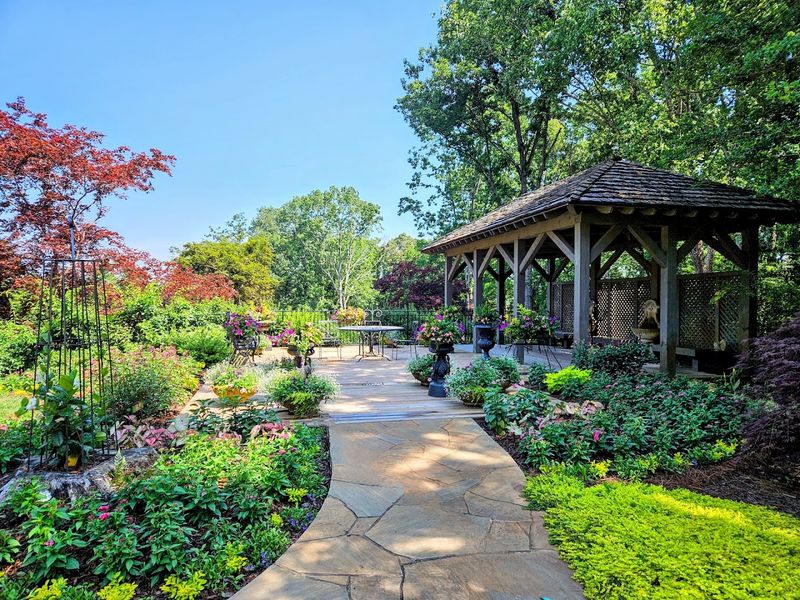
Summer brings its own kind of magic to Gibbs Gardens in the form of hydrangeas blooming across multiple sections of the property. Enormous flower heads in shades of white, lavender, blue, and pink appear on lush bushes that line paths and fill garden beds with a soft, romantic quality.
Visitors who miss the spring daffodil and tulip seasons often find the hydrangea bloom a more than worthy reason to visit during the warmer months. The scale of the planting is generous, with clusters appearing throughout the garden rather than being confined to a single area.
Hydrangeas tend to look their best in the morning before the heat of the day causes blooms to wilt slightly. Shaded areas of the garden help the flowers hold their shape longer into the afternoon.
The combination of hydrangea blooms alongside water features and woodland paths gives summer visits at Gibbs Gardens a distinctly lush, layered atmosphere that feels completely different from any other season experienced on the property.
11. A Charming On-Site Cafe Perfect For A Mid-Garden Lunch
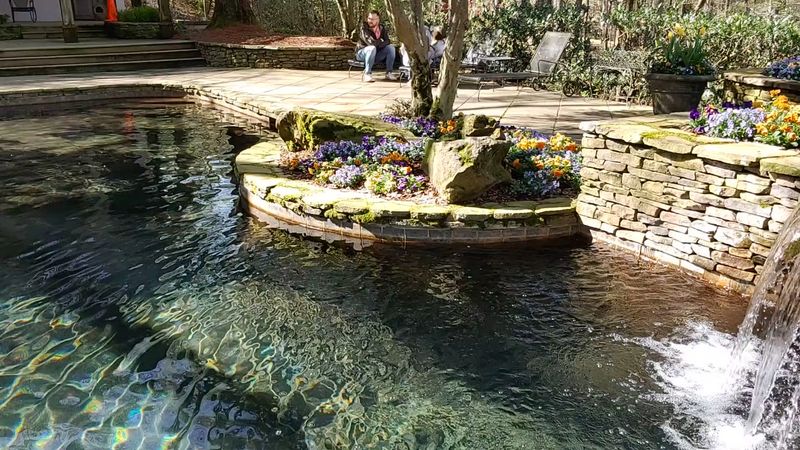
After a few hours of walking through 220 acres of gardens, a rest stop with real food becomes genuinely appealing. The small cafe at Gibbs Gardens offers visitors a convenient place to recharge without leaving the property, serving sandwiches and light refreshments that multiple guests have praised for their quality.
The menu is described as limited but carefully chosen, with sandwiches earning particular praise in visitor reviews for being fresh and satisfying. Seating in and around the cafe provides a comfortable place to rest tired feet before heading back out to explore remaining sections of the garden.
Bringing a small snack or water bottle is still a smart idea for longer visits, as the cafe may not always accommodate large groups during peak seasons without some wait. Weekends during popular bloom seasons tend to see more activity at the cafe, so arriving for lunch slightly before or after the typical noon rush helps avoid longer waits.
The cafe adds a practical, welcoming touch to what is already a well-organized visitor experience.
12. Friendly And Knowledgeable Staff Who Genuinely Enhance Every Visit
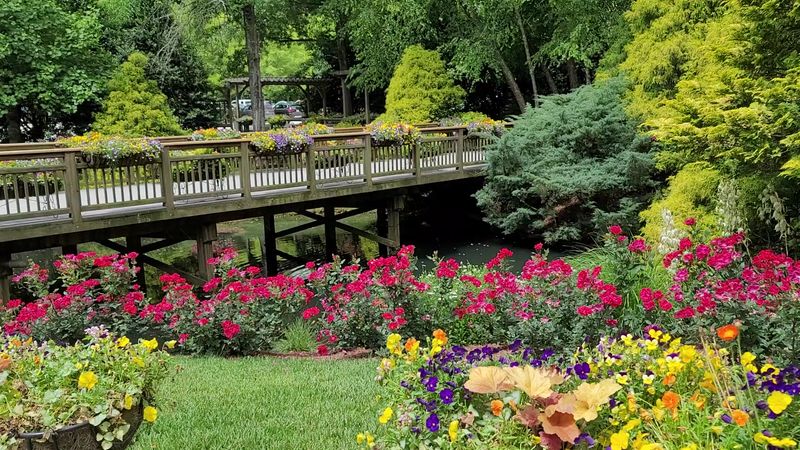
A beautiful garden can be made even better by the people who take care of it, and the staff at Gibbs Gardens consistently receive some of the warmest praise found in any visitor review. From the parking attendants who guide cars efficiently into position to the garden guides who share helpful tips about seasonal highlights, the team here genuinely seems to enjoy their work.
Multiple visitors have specifically named individual staff members who went out of their way to share trail information, bloom updates, and photography tips without being asked. That kind of attentiveness creates a welcoming atmosphere that makes guests feel like valued visitors rather than just ticket holders moving through a turnstile.
Staff are also praised for keeping pathways, rest areas, and facilities clean and well-maintained throughout operating hours. For first-time visitors feeling unsure about which trail to tackle first or which garden section is currently at peak bloom, a quick conversation with any staff member on the grounds typically provides exactly the guidance needed to make the most of the visit.
13. Annual Membership That Makes Every Return Visit Worth It
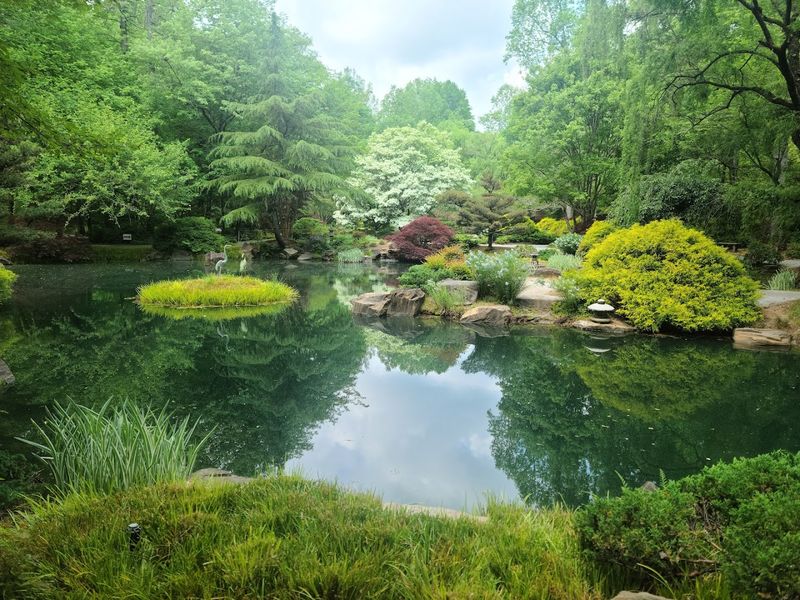
One visit to Gibbs Gardens is genuinely wonderful, but two or three visits across different seasons reveals just how dramatically the property transforms throughout the year. Many guests who visit for the first time walk out having already signed up for an annual membership before they reach the parking lot.
The annual pass allows unlimited visits throughout the operating year, which runs Tuesday through Sunday from 9 AM to 4 PM, with the garden closed on Mondays. For anyone within reasonable driving distance of Ball Ground, the membership quickly pays for itself across seasonal visits to daffodil season, tulip season, summer hydrangeas, and fall foliage.
Couples, families, and solo visitors alike mention in reviews that the membership transforms Gibbs Gardens from a special occasion destination into a regular retreat. Seasonal changes happen gradually, so visiting monthly reveals subtle shifts in bloom and color that single-visit guests never get to witness.
The annual membership option is available through the official website at gibbsgardens.com for those ready to commit to a year of garden adventures.
14. Clear Signage And Thoughtful Layout That Makes Navigation Easy
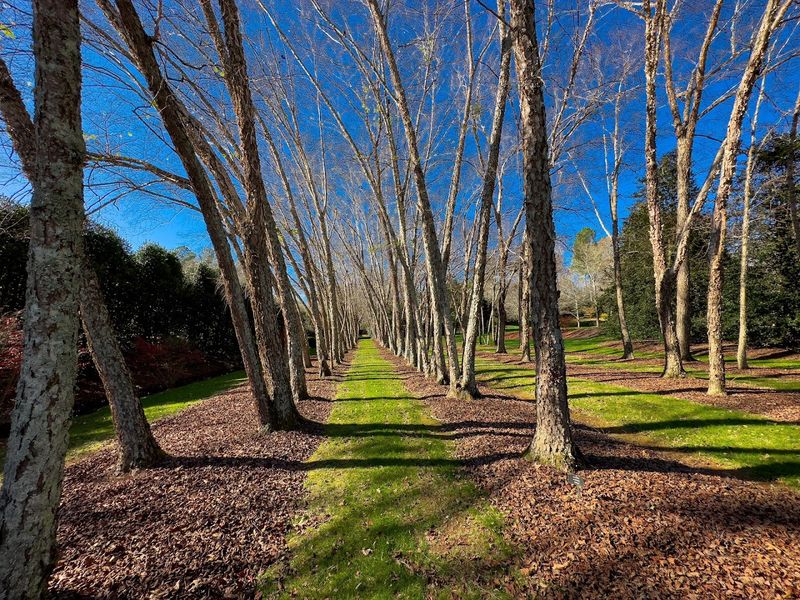
Navigating 220 acres of garden without clear guidance could easily become overwhelming, but Gibbs Gardens handles this challenge with a practical and well-executed signage system. Red arrows placed at regular intervals along the walking routes keep visitors oriented without requiring constant map consultation.
Printed maps are available at the entrance and highlight two main trail options, allowing guests to choose a route based on their available time and energy level. The thoughtful layout means families with younger children or older visitors can pace themselves comfortably without worrying about getting turned around in unfamiliar sections.
Each themed garden area is clearly identified, so visitors moving between the Japanese Garden, Wildflower Garden, water lily ponds, and Manor House sections always know exactly where they are within the broader property. This level of organization might seem like a small detail, but it meaningfully reduces stress and allows guests to focus entirely on the scenery around them.
First-time visitors particularly appreciate how intuitive and welcoming the layout feels from the very first step inside.
15. A Peaceful Escape Just Over An Hour From Atlanta
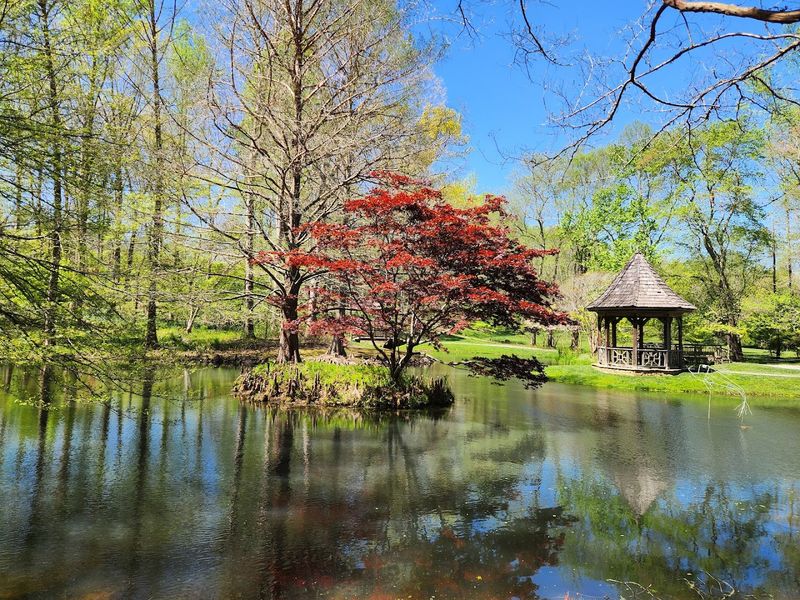
For anyone living in or visiting Atlanta, the daily rhythm of a busy city can wear on the senses faster than expected. Gibbs Gardens sits approximately one hour and fifteen minutes north of Atlanta, making it a genuinely accessible day trip that feels worlds removed from urban energy without requiring an overnight stay.
The drive itself passes through increasingly scenic North Georgia countryside, with the landscape growing greener and more open as Ball Ground approaches. Arriving at 1987 Gibbs Dr, Ball Ground, GA 30107, visitors find free parking managed by attentive staff who keep traffic moving smoothly even on busy days.
Weekday visits offer a noticeably quieter experience compared to weekends, particularly during peak bloom seasons when the garden draws larger crowds from across the region. Leaving Atlanta by mid-morning typically allows for a full garden exploration plus a cafe lunch before the late afternoon return drive.
For anyone needing a genuine mental reset, the combination of natural beauty, fresh air, and peaceful surroundings at Gibbs Gardens delivers exactly that with remarkable consistency.