This Is The Stunning Botanical Garden In North Carolina That Most People Never Hear About
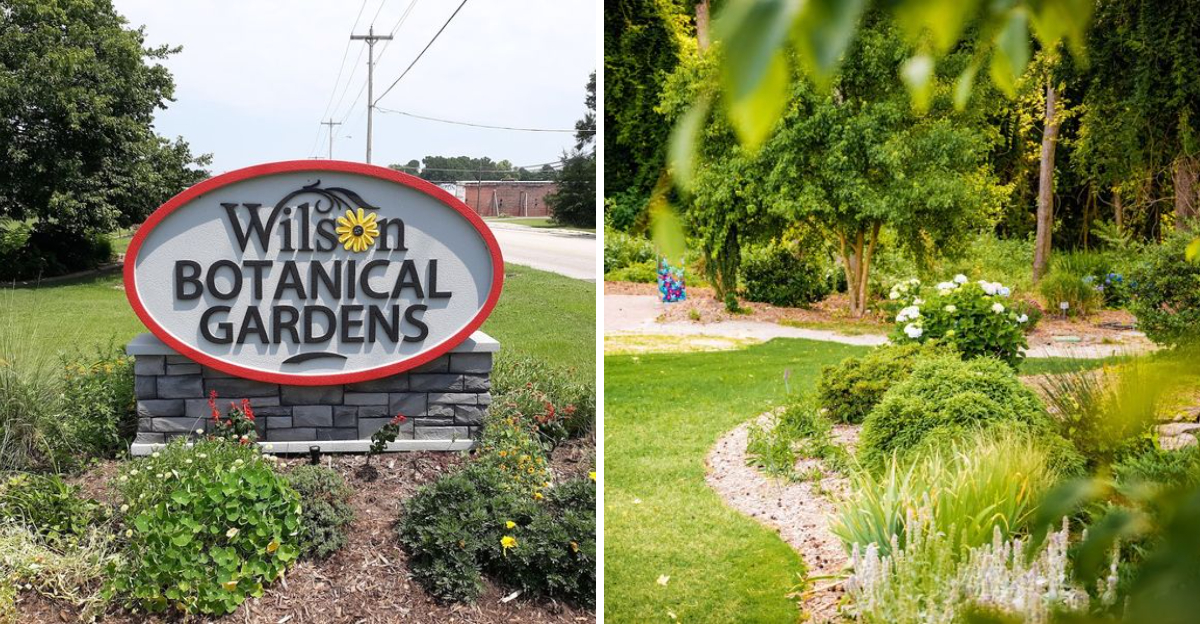
Botanical gardens do not usually come with underdog energy, but this North Carolina one absolutely deserves a dramatic little “where have you been all my life?” moment.
Over in Wilson, paths, blooms, and leafy surprises keep showing up like the place is quietly trying to win people over without making a big scene about it.
Even the children’s area has that sneaky kind of charm that can make grown-ups act like they are “just looking around” while clearly having the time of their lives.
Skip the louder famous names for a minute, because a garden this lovely pulling off this much beauty in near-secret is honestly a little show-offy.
Where It All Begins

Stepping through the entrance of Wilson Botanical Gardens for the first time feels like discovering a secret world hiding in plain sight. Located at 1806 Goldsboro St SW, Wilson, NC 27893, this garden spreads across a beautifully planned landscape that surprises visitors at every turn.
The layout is thoughtfully designed so that each section flows naturally into the next, making the whole experience feel like a gentle, unfolding story.
Rather than one long stretch of flower beds, the garden is organized into distinct specialty areas, each with its own personality and plant collection. Paths wind past water features, open lawns, and shaded corners that invite you to slow down and look more carefully.
North Carolina’s warm growing season means the garden looks vibrant for a large part of the year.
First-time visitors often say the garden feels much larger than they expected from the outside. The clever use of plantings and paths creates a sense of discovery around every bend.
Open 365 days a year from dawn to dusk, the garden welcomes curious explorers no matter the season, making it one of the most accessible and rewarding green spaces in the entire state.
Native Plants That Tell A Story
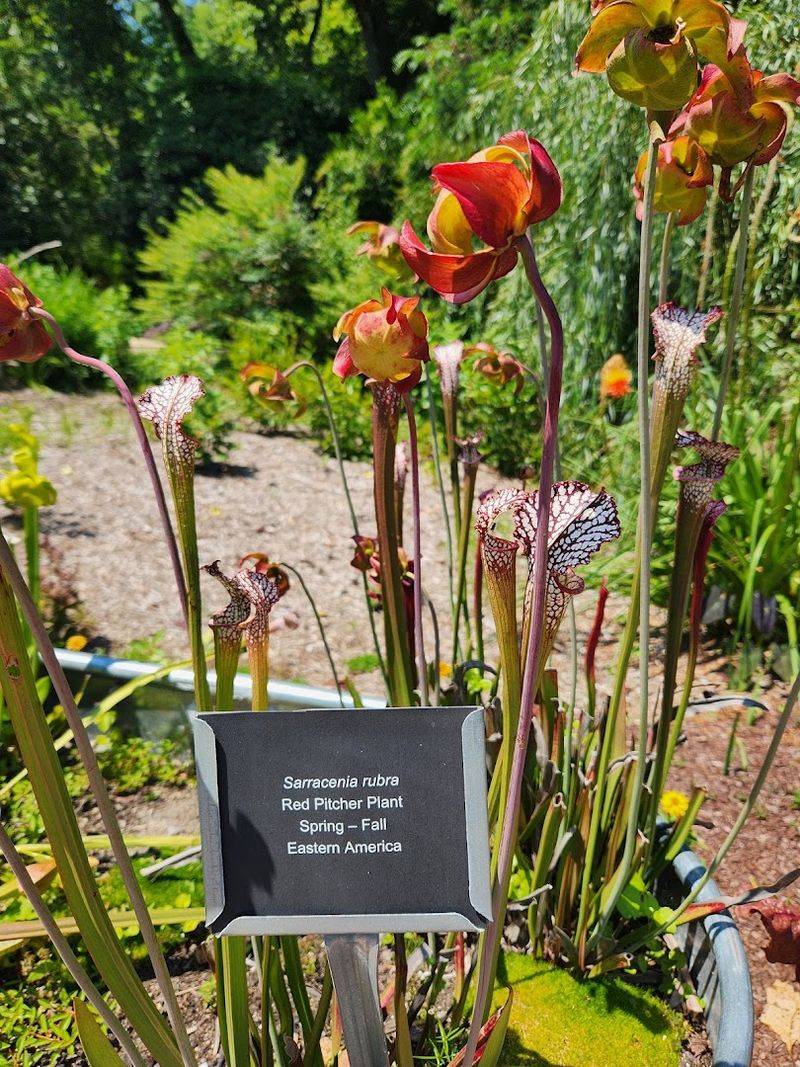
Native species give the garden one of its most grounded and most meaningful sections. Official “Relax” pages say the Native Plants Garden flanks the entrance to the Wilson Agricultural Center building and is planted predominantly with species suited to Wilson’s hot, dry climate; the site also notes that the area underwent extensive renovation in 2016.
That practical focus gives the space more value than a simple decorative planting would have. Instead of using natives as a token educational corner, Wilson Botanical Gardens presents them as a serious part of the landscape story, one tied directly to what thrives in eastern North Carolina.
Public tourism descriptions from See Wilson also emphasize native and heritage plants as central features of the garden, reinforcing that this is one of the site’s defining strengths rather than a side attraction. Native plantings tend to reward close attention differently than showier formal beds do.
Pollinators, seasonal texture, and recognizable regional species all make the experience feel more local and more connected to place. Wilson’s garden seems especially effective at showing that botanical beauty does not have to come from the exotic when the surrounding landscape already offers so much.
The Peaceful Pondside Experience
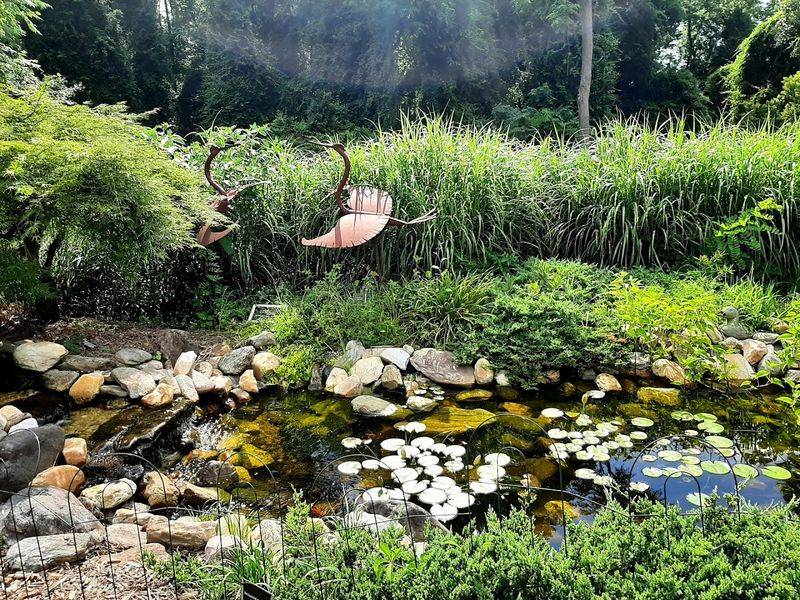
Still water changes the pace of almost any garden, and the Pondside Garden appears to be one of Wilson’s most restorative corners. Official garden descriptions say the pond is used for water’s-edge and shallow-water plantings and hosts fish, while the same page notes that the area includes a crane sculpture that adds both visual focus and memorial meaning.
That combination of aquatic planting and art is a big reason the pondside space likely lingers in memory longer than a standard decorative water feature would. Reflections, movement, and quieter seating moments usually create a different kind of visit from the more educational or playful sections elsewhere on the grounds, and Wilson Botanical Gardens seems to use the pond for exactly that softer effect.
Public tourism summaries also highlight water features as a major part of the site’s appeal, which supports the idea that this section is not a minor detail. Garden spaces become more memorable when they give visitors room to breathe rather than constantly asking for attention, and pond edges tend to do that naturally.
Here, calm appears to be built right into the design.
Children’s Secret Garden Magic
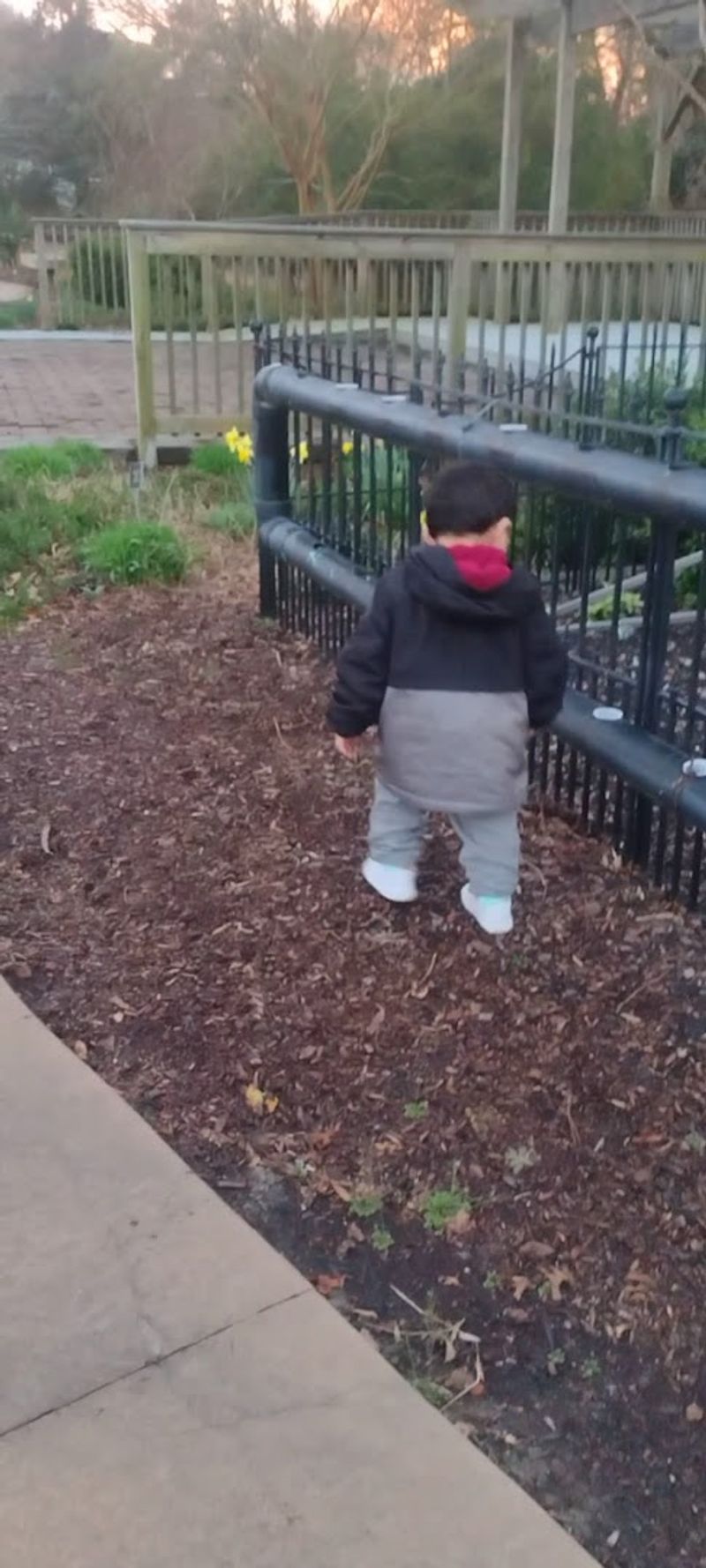
Children get one of the garden’s best spaces, and the details make it sound much better than a routine playground dressed up with plants. Official Wilson Botanical Gardens pages say the Children’s Secret Garden was dedicated in 2012 after years of fundraising and remains one of the site’s most beloved features.
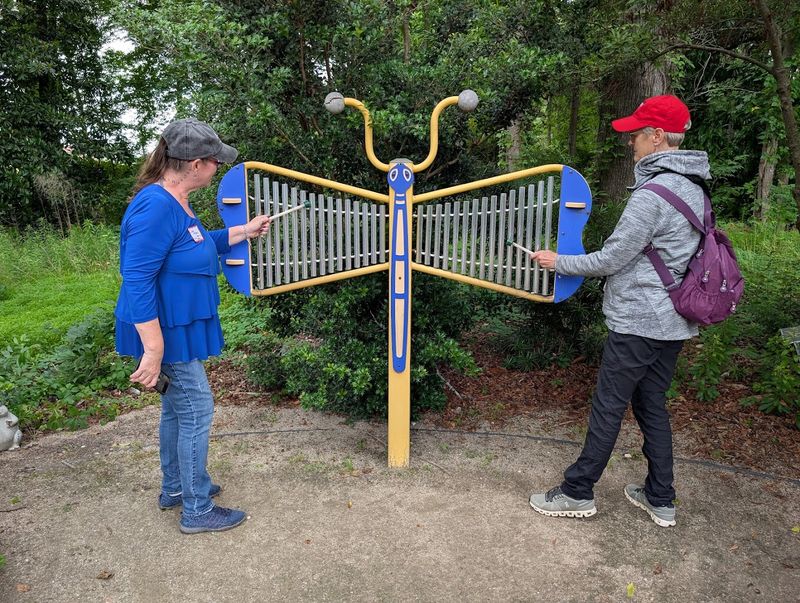
The same material lists a treehouse, garden tunnel, sand play area, dino dig, musical features, slide and swings, a labyrinth, a central fountain, and lush banana plantings among its major elements. N.C.
State Extension’s garden entry also confirms the garden is open to the public and identifies it as a demonstration garden in Wilson County. What makes the space so strong is that it clearly treats children as active explorers rather than passive visitors expected to behave in an adult garden.
Movement, sound, digging, shade, and playful structure all become part of how kids experience plants and outdoor space. Grown-ups benefit too, because a thoughtfully designed family area often gives a botanical garden far more emotional range.
Wilson Botanical Gardens seems to understand that beautifully.
Heritage Gardens And Living History
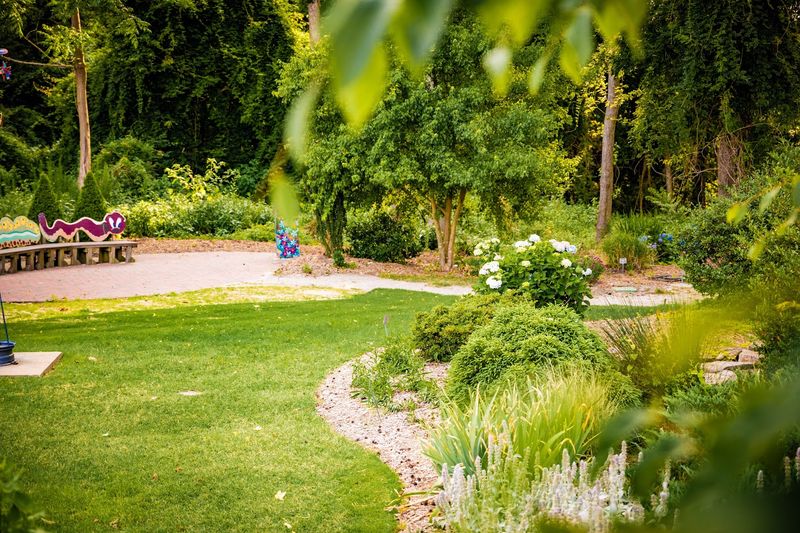
Older Southern gardening traditions get real room to breathe in the Heritage Garden. Official descriptions say this section features raised-bed planting areas suitable for vegetables, flowers, and traditional row crops, with four trellises covering the walk and large evergreen hedges screening the space from the parking lot.
Those details immediately make the garden feel more intimate and more rooted in lived practice than many “heritage” displays that stop at a few interpretive labels. Raised beds, useful plants, and structure tied to older growing patterns give the section a practical kind of nostalgia instead of a purely ornamental one.
Public tourism descriptions from See Wilson also list heritage plants among the site’s notable features, reinforcing that history is part of the garden’s overall identity. Garden visitors often connect more deeply when plants are shown not only as beautiful but as part of how people once cooked, healed, decorated, and lived.
Wilson Botanical Gardens appears to lean into that connection rather than flattening the past into a tidy backdrop. Heritage works best when it feels alive, and this section seems designed to keep it that way.
STEM Garden: Learning Outdoors
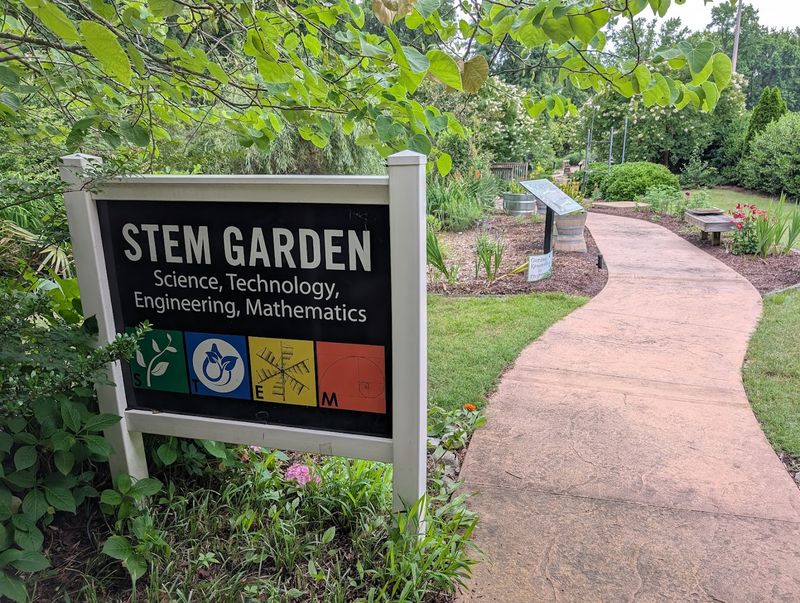
A STEM-focused area also appears among the garden’s notable educational features in public visitor material, giving the site more depth than a simple sightseeing stop. Such a feature supports the garden’s broader mission of outdoor learning and shows how the grounds can turn science, technology, engineering, and math into something visitors can actually walk through.
Public descriptions outline the details clearly: a rain garden anchored by native carnivorous plants for science learning, weather monitoring and data tracking for technology, sustainable growing systems and a human sundial for engineering, and geometric plantings for math.
Specific features like those give the space far more credibility than a generic “educational garden” label would. Just as importantly, those details explain why the section feels unusually valuable inside a public botanical garden.
Outdoor education becomes far more memorable when abstract subjects like filtration, erosion, geometry, and Earth’s motion become visible in living form. At Wilson Botanical Gardens, that connection seems to be the whole point.
A flexible central lawn used for programming and community events adds even more usefulness, making the STEM Garden feel active rather than symbolic.
Sculpture, Art, And Garden Atmosphere
Sculpture gives the grounds another layer of personality, and the official garden pages make clear that art is not random decoration here. The Pondside Garden includes a crane sculpture, while other public descriptions refer broadly to garden art and sculpture as part of the visitor experience.
See Wilson’s current attraction page also highlights garden art alongside water features, native plants, and the STEM Garden, which suggests that art has become one of the elements people are meant to notice across the site rather than in one isolated corner. That matters because botanical gardens often feel stronger when they offer visual interruptions that are not purely floral.
Sculpture can change sightlines, create surprise at the end of a path, and give photography-minded visitors one more reason to pause. Wilson Botanical Gardens appears to use that idea with restraint, letting art work with the landscape instead of trying to dominate it.
Resulting atmosphere sounds especially appealing: less like a formal outdoor gallery and more like a thoughtfully shaped garden where plants and objects occasionally collaborate. Quiet places become unforgettable through details like that, and Wilson seems to have more of them than most people expect.
Seasonal Blooms Worth The Trip
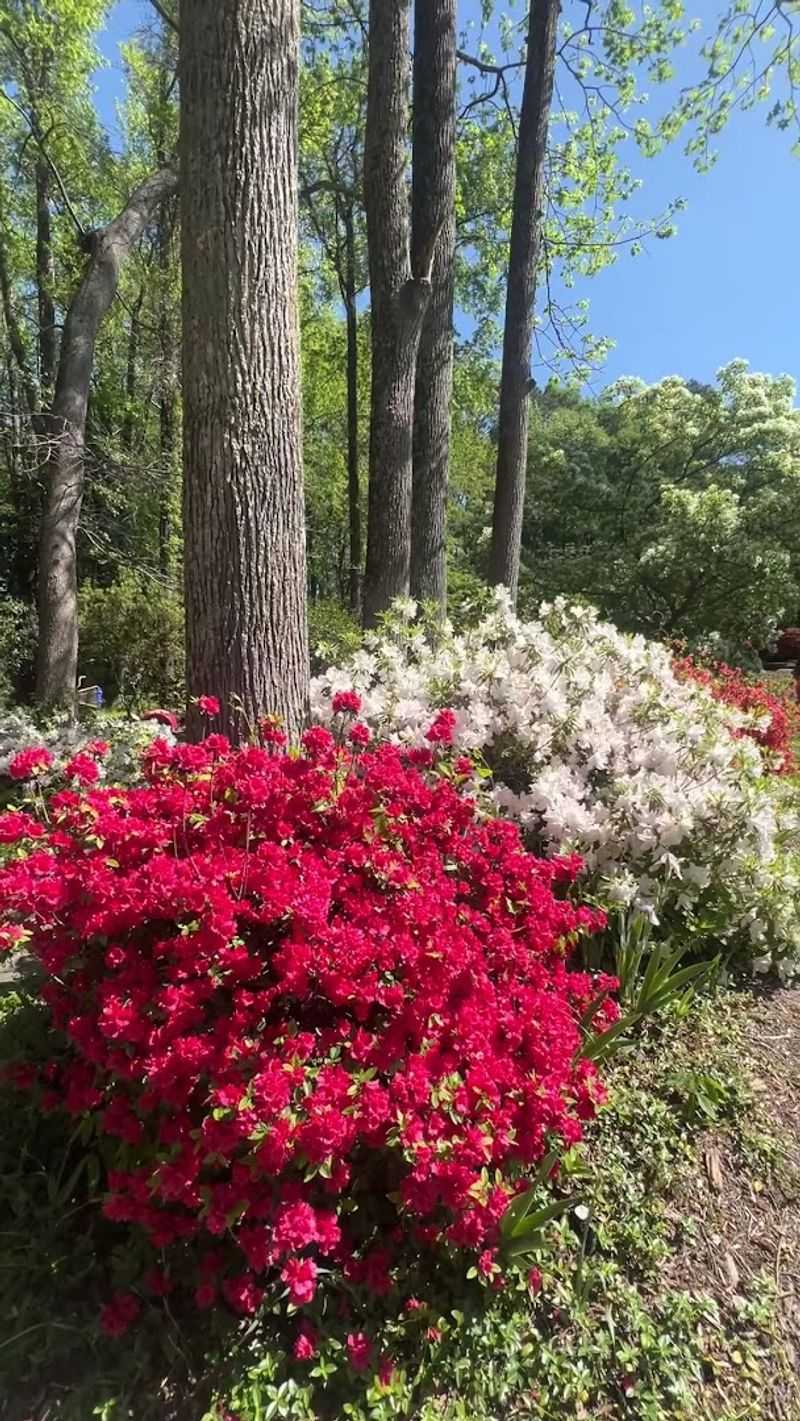
Every season brings something completely new to Wilson Botanical Gardens, which makes it genuinely hard to visit just once. Spring lights up the grounds with bursts of color from flowering trees, fresh blooms, and lively perennial beds.
Summer brings lush greenery and the steady hum of pollinators moving through vibrant, sun-soaked flowers.
Fall softens everything into warm golds and reds, giving the paths a cozy, storybook feeling.
Winter reveals the quiet structure of the garden’s bones, when branches, evergreens, and garden design take on a peaceful beauty of their own.
Planning your visit around a specific season lets you experience a totally different mood each time, almost like the garden keeps changing outfits just to show off a little. Locals often say they return year after year because the garden never quite looks the same way twice, and that shifting personality is a huge part of its charm.