This Kentucky Farm Lets You Stock Up On Dry-Aged Beef, Pasture-Raised Pork And Chicken Straight From The Source
You have probably stood in a grocery aisle wondering where your dinner actually came from. The label says “farm fresh,” but it never tells you which farm.
That question finally gets a real, delicious answer.
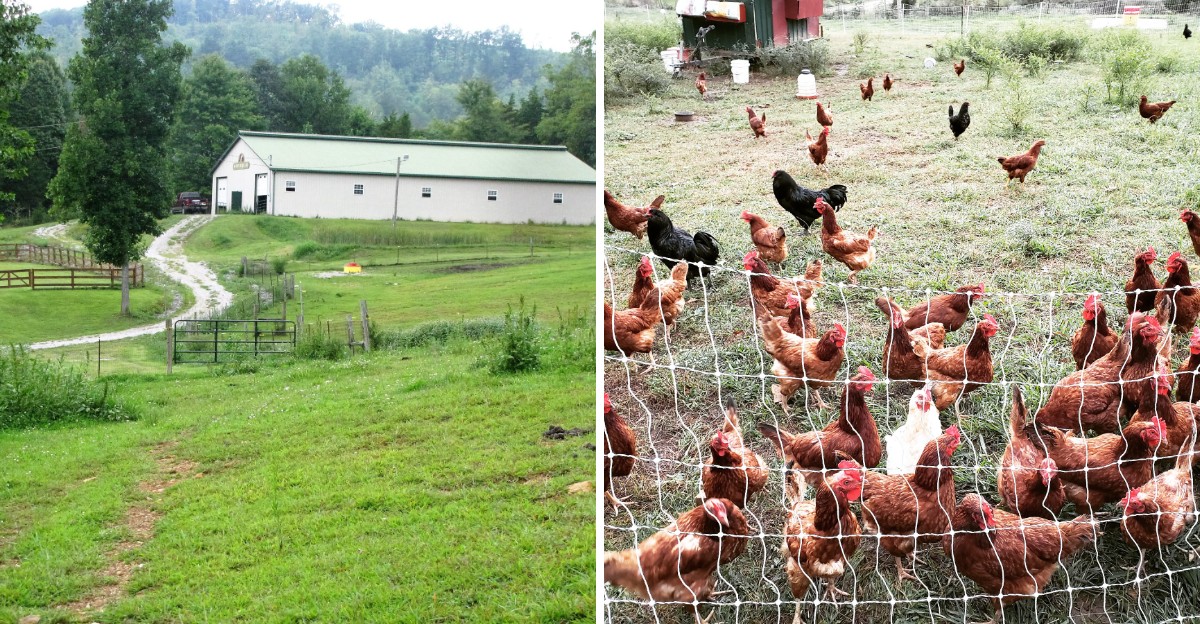
This Kentucky homestead raises its meat on fifty acres of pasture and woods. The pigs spend their days foraging under nut trees, which does wonderful things for flavor.
Some of them carry genes from a fancy breed often called the Wagyu of pork. The chickens get round-the-clock access to green grass, and they seem pretty smug about it.
The beef is dry-aged for three weeks before it ever meets your skillet.
You can shop right on the farm and even take a tour if you call ahead. The kids will love spotting whatever baby animals are around that week.
Your freezer is about to get spoiled in the very best way.
A Homestead That Thinks Big On Fifty Acres
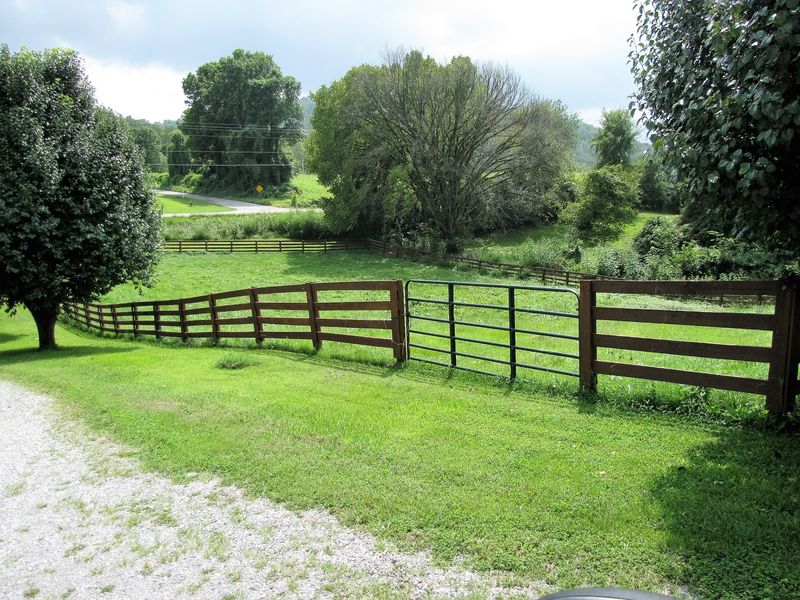
Fifty acres may not sound huge, but Serenity Valley Farms packs a lot of purpose into every one.
Permaculture is a fancy word with a simple idea. You design a farm to work with nature instead of fighting it.
That means animals, pastures, and soil all help each other out. Cattle graze, chickens follow, and the land gets healthier over time.
The owners, Bob and Colleen, run the place with clear pride. Visitors often describe them as hardworking, helpful, and honest.
You get the sense this farm is a calling, not just a business. Their own words say they are excited about what they do.
Here is a fun fact to share at dinner. The term permaculture blends the words permanent and agriculture, coined back in the 1970s.
So what does that mean for your plate? It means meat raised on land that is cared for like a family heirloom.
You are not buying from a faceless warehouse here. You are buying from neighbors who know every pasture by heart.
This permaculture homestead sits in the green hills of south central Kentucky at 6313 East Highway 92, Monticello, Kentucky.
Bring a cooler and an appetite. You will want both before you leave.
Twenty-One Days Of Patience For One Perfect Steak
Good things come to those who wait, and steak lovers know it best. The beef here is dry-aged for 21 days before it reaches you.
Dry-aging sounds mysterious, but the idea is easy. Beef rests in a cold, controlled space while moisture slowly leaves the meat.
Natural enzymes go to work during that rest. They make the beef more tender and give it a deeper, richer flavor.
Many fancy steakhouses charge a small fortune for dry-aged cuts. Here, you can bring that same idea home to your own grill.
A few tips will help you enjoy it. Let the steak sit at room temperature for a bit before cooking.
Season it simply with salt and pepper. Beef this flavorful does not need a costume party of sauces.
Cook it hot and fast for a great crust. Then let it rest a few minutes so the juices stay inside.
The cattle graze on chemical-free pasture, which adds to the clean taste. Every bite tells you the farm took its time.
You might find yourself chewing slower just to make it last. That is the sign of a steak worth the wait.
Meet The Pig That Wears A Wool Sweater
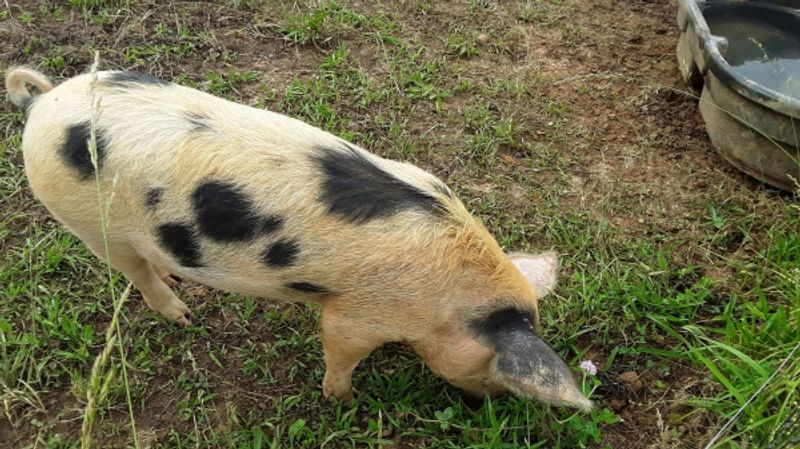
Picture a pig that looks like it borrowed a sheep’s winter coat. That is the Mangalitsa, and it is the star of the pork lineup here.
Mangalitsa pigs come from Hungary and grow thick, curly hair. Some folks even call them wooly pigs.
Chefs love this breed for a good reason. Its meat is well marbled with rich, creamy fat that melts as it cooks.
Some fans call it the Kobe beef of pork. Customers who try it often say it cooks up very well, and the farm agrees.
The owners clearly enjoy raising these fuzzy characters. They have even shared plans to breed red Mangalitsas.
So how should you cook it? Try a slow roast or a simple pan sear to let that fat shine.
Skip heavy marinades on your first try. You want to taste what makes this breed so special.
Pork chops from a Mangalitsa will change how you think about the other white meat. It is darker, juicier, and full of flavor.
If you have only known supermarket pork, this is a real wake-up call. Your taste buds may send a thank-you note.
Crossbred Pork For Everyday Feasts
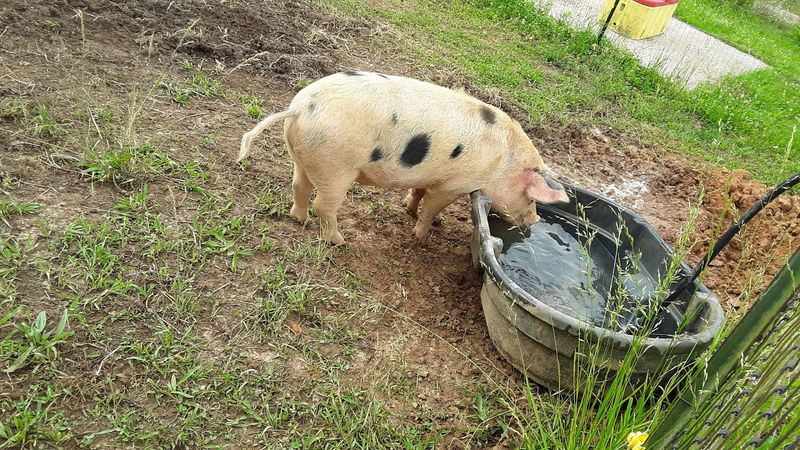
Not every dinner needs to be a showstopper, and your wallet will thank you for that. Alongside the famous Mangalitsa, the farm also offers crossbred pork.
Crossbred pigs mix traits from different breeds. The result is hearty, flavorful meat that suits weeknight cooking.
These pigs get the same careful treatment as the fancy ones. They roam chemical-free pastures and eat local Non-GMO grains.
The feed is also soy free. That small detail matters to many families who watch what goes into their food.
Think about all the meals you can make. Pulled pork, breakfast sausage, and grilled chops all start here.
A slow cooker is your best friend with shoulder cuts. Set it in the morning and come home to a house that smells amazing.
Leftovers turn into tacos, sandwiches, or fried rice the next day. One good roast can feed you for several meals.
Buying pork this way also helps you plan ahead. Many shoppers stock their freezers so dinner is always close at hand.
You get farm quality without saving it only for holidays. Good pork should be part of a normal Tuesday too.
Three Kinds Of Chicken And Zero Boring Dinners
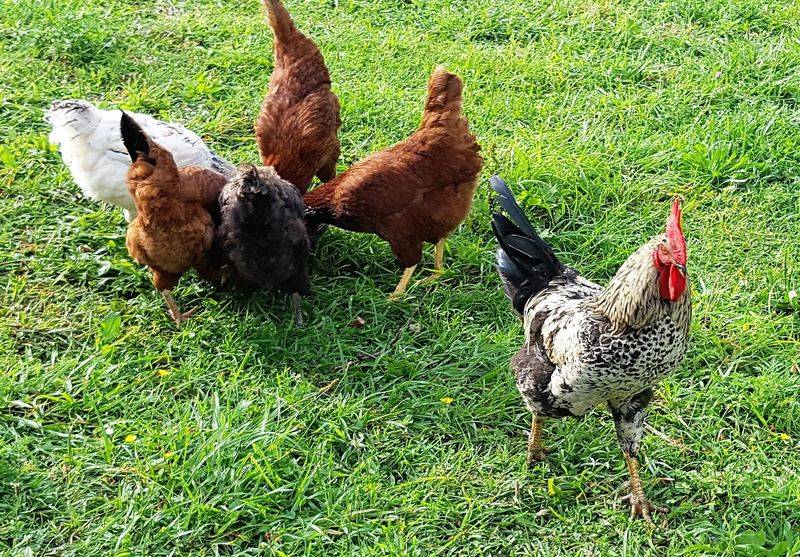
Chicken night just got an upgrade, and nobody will complain. The farm raises three types of pasture-raised birds for your table.
First up is the Jumbo Cornish Cross. It is known for plump breasts and plenty of meat, great for a family roast.
Next comes the Delaware chicken. This heritage breed was developed in the state of Delaware in the 1940s.
The New Hampshire chicken rounds out the trio. It is another classic American breed with a long farm history.
Heritage birds often have firmer texture and deeper flavor. They taste like chicken used to taste before fast food took over.
All these birds spend time outside on fresh grass. They peck, scratch, and forage like chickens are meant to.
For cooking, try roasting a whole bird with lemon and herbs. Save the bones afterward to make a rich homemade broth.
Heritage breeds can benefit from slower cooking methods. Braising or soups bring out their best qualities.
Having three choices means you can match the bird to the meal. That beats grabbing the same plastic tray every week.
Eggs That Look Like They Came From A Paint Box
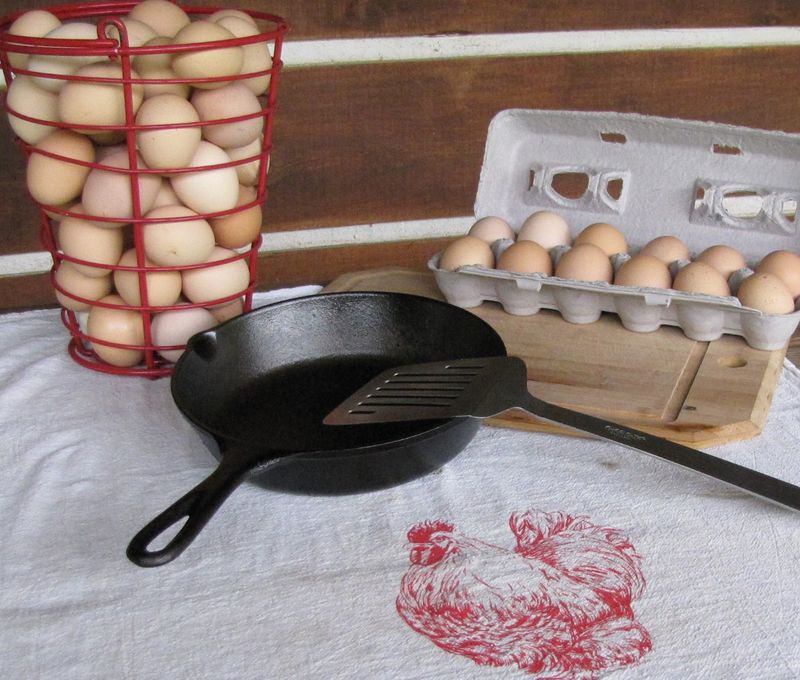
Open a carton here and you might think the hens had an art class. The pasture-raised eggs come in a mix of colors.
Shell color depends on the breed of hen. Brown, cream, and other shades can all show up in one dozen.
Here is a quirky fact for curious minds. The color is only on the outside, so every egg looks similar once cracked.
What does change is the yolk. Hens that forage on pasture often lay eggs with rich, deep orange yolks.
Bakers will notice the difference fast. Cakes and custards can turn out richer and more golden.
Breakfast becomes a little event too. A simple fried egg on toast suddenly feels like a treat.
Kids especially love picking out colors from the carton. It is an easy way to get them curious about where food comes from.
The owners have mentioned customers enjoying the eggs in particular. That is high praise from people who see them every day.
Grab a dozen while you shop for meat. Your morning routine will feel a lot more cheerful.
Clean Farming Rules You Can Actually Taste
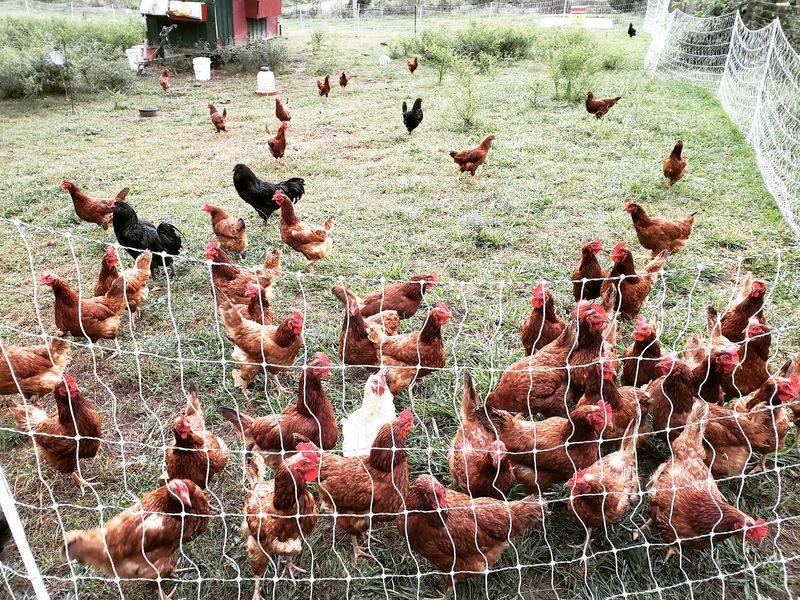
Reading a food label can feel like decoding a secret message. At this farm, the rules are refreshingly simple.
Animals live on chemical-free pastures. Their diet gets a boost from local Non-GMO grains with no soy.
The farm also skips antibiotics, hormones, and vaccines. That is a firm promise you rarely see spelled out so clearly.
Regenerative methods guide the whole operation. The goal is to leave the soil healthier every single year.
Healthy soil grows better grass. Better grass feeds happier animals, and that shows up in flavor.
Every cut is processed at a USDA-inspected plant. You get farm care plus official food safety standards.
The farm also holds the Homegrown By Heroes label. That program honors farmers who served in the U.S. military.
Kentucky Proud recognizes it as well. That label marks products grown and made right in the Bluegrass State.
You can feel good about where your money goes. It supports local land, local grains, and a local family.
When the label is short and honest, dinner tastes even better. Clean farming is not a trend here, it is the plan.
Two Easy Ways To Fill Your Freezer
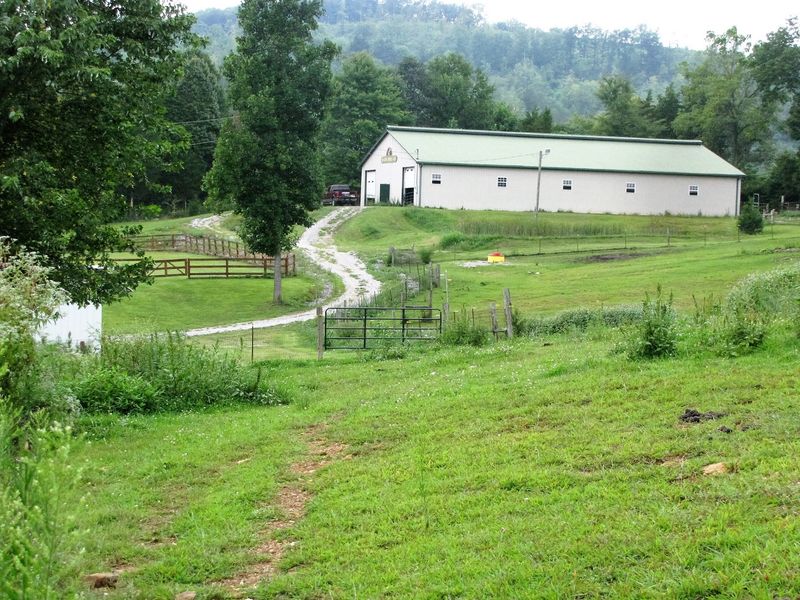
Your freezer has been waiting for this moment, so let it shine. There are two simple ways to bring this farm home.
The first is a visit to the on-site farm store. It stays open year-round, so you can stop by in any season.
Shopping in person has real perks. You can ask questions and get honest advice from the people who raise the animals.
Customers often mention how friendly and helpful the owners are. Many leave with new cooking tips along with their meat.
Live far away? No problem at all.
The farm ships orders nationwide through its website. Beef, pork, chicken, and more can travel straight to your door.
Here is a smart tip for planning. Make a list of meals for the month before you order.
That way you buy the right cuts and waste nothing. A mix of steaks, roasts, and ground meat keeps dinners flexible.
Clear some freezer space first. You will be surprised how fast it fills up.
The farm enjoys a perfect rating from happy customers. Once you taste the difference, you will probably be back too.