This Kentucky Library Is Displaying Banned Books In October, And Every Single One Is Free To Borrow
You have probably read a banned book without knowing it. Half the titles on those lists are ones you were assigned in high school.
The other half are picture books about families and feelings. Some of these books have been sitting on shelves for decades.
Every October, one Kentucky library gathers the challenged titles together and puts them on a table where everyone can see them. The display is not a lecture.
It is an invitation to make up your own mind about books other people have argued over. You can pick one up, take it home, and read the thing for yourself.
There is no fee and no sign up sheet, because that is simply how a library card works. Kids can borrow, adults can borrow, and the choice is entirely yours.
Bring your curiosity and a sturdy bag. You may be surprised by which familiar favorite made the list.
The October Display That Starts Conversations
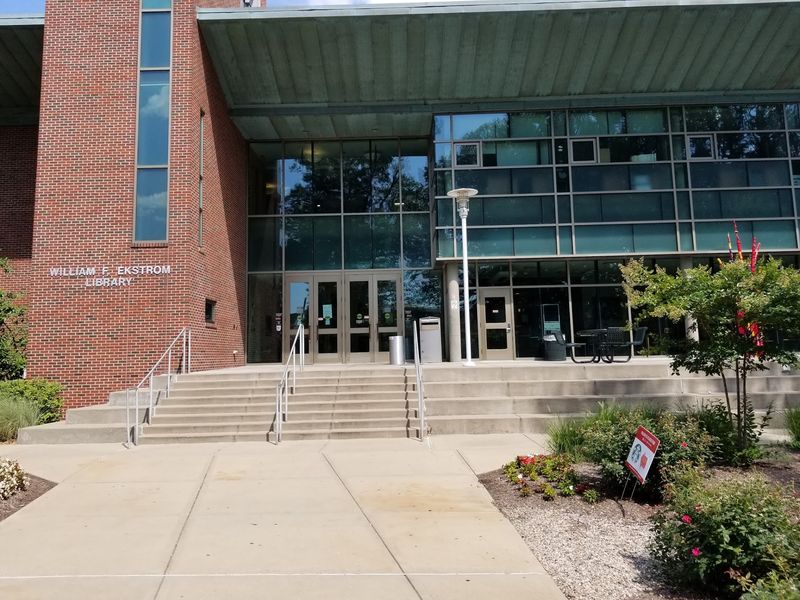
Ekstrom Library at the University of Louisville marks Banned Books Week every October with displays of challenged titles. The books sit out in the open, spines facing you, practically daring you to look closer.
You will recognize more of them than you expect. Classics share space with recent novels, and many were pulled from shelves somewhere in the country.
What makes the setup work is the honesty. Signs explain why each book was challenged, so you get the complaint and the counterargument together.
Nobody is asking you to agree with every page. The point is that you get to decide for yourself, which is the whole idea behind the event.
Students walk past on their way to study rooms and stop without planning to. That pause is exactly what the organizers hope for.
Visitors who are not students can browse too, since the building welcomes the public during open hours. You do not need a syllabus to be interested.
The display lives inside the library at 2215 S 3rd St, Louisville, Kentucky. Park nearby, walk in, and follow the signs.
Plan a little extra time. Reading the challenge reasons takes longer than you think.
Read-Ins Where Your Voice Gets The Microphone
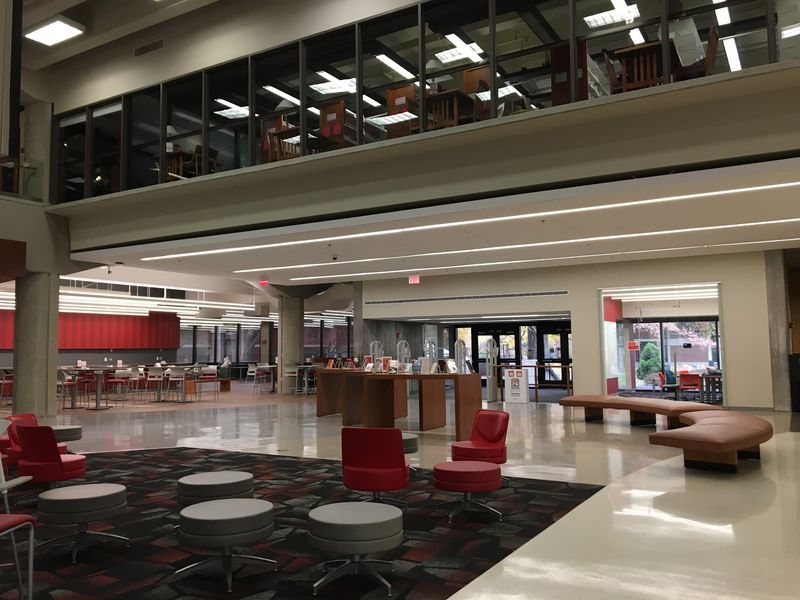
Reading out loud in public sounds terrifying until you try it. The read-in events here turn that nervous feeling into something closer to fun.
Participants pick a favorite challenged book and share a passage aloud. Some choose a childhood picture book, others go for something heavier.
There is no audition and no grade. You sign up, you read, and people listen.
Organizers have handed out free books to readers who take part. Additional titles get raffled off to people in the audience.
That small reward changes the mood. Suddenly a serious topic feels like a celebration instead of a lecture.
Listening is just as valuable as reading. Hearing someone else’s voice give life to a banned page hits differently than scanning it silently.
You might notice how ordinary most of the passages sound. Very few contain anything shocking, which is often the biggest surprise of the afternoon.
Bring a friend who claims they do not read much. Read-ins have a habit of converting skeptics.
Arrive early if you want a seat near the front. These gatherings draw students, faculty, and curious neighbors alike.
Borrowing Costs You Nothing At All
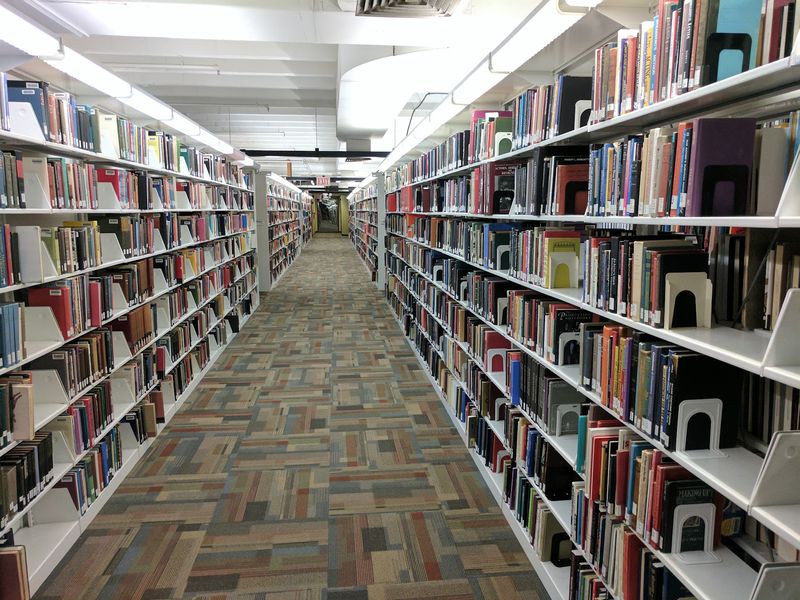
Free is a word thrown around loosely, but here it means what it says. Challenged titles live in the regular collection, ready to check out.
The library issues cards to non-students, so community members are not locked out. That detail surprises plenty of Louisville residents.
Checkout is simple at the front desk. Staff scan your card, hand back your stack, and you are on your way.
Interlibrary loan expands your options even further. If a title is not on the shelf, it can often be requested from elsewhere.
Consider building a small reading list before you arrive. Writing down three or four titles keeps you from wandering aimlessly.
Many visitors grab one banned book and one unrelated novel. There is no rule saying your borrowing has to be themed.
The collection is well maintained, and the selection earns steady praise from regular patrons. Shelves are organized, not chaotic.
If you cannot find something, ask. Staff here have a reputation for going further than expected to track down materials.
Free access is the quiet argument the whole event makes. Nobody is charging you for the right to read.
Meet The People Behind The Whole Thing
Good events rarely appear out of thin air. Fannie Cox, a Community Engagement Consultant and Liaison Librarian, helps drive this one every year.
Joan D’Antoni, an English professor, works alongside her as a key organizer. Together they keep the tradition alive on campus.
Their message stays consistent. Libraries should be safe places where people meet ideas that differ from their own.
That includes children, who they argue benefit from encountering a wide range of experiences in print. Sheltering readers does not prepare them for much.
The organizers also focus on the First Amendment. Defending the freedom to read is the backbone of the entire week.
You will notice the programming is informative rather than preachy. The goal is explaining why books get challenged, not scolding anyone.
Faculty and library staff teaming up gives the event real range. Academic context meets practical access to actual books.
If you attend, ask questions. The people running the tables genuinely want to talk about censorship and what drives it.
Their persistence is why October looks different here. A single display would fade, but a yearly tradition sticks.
Why Certain Titles Landed On The List
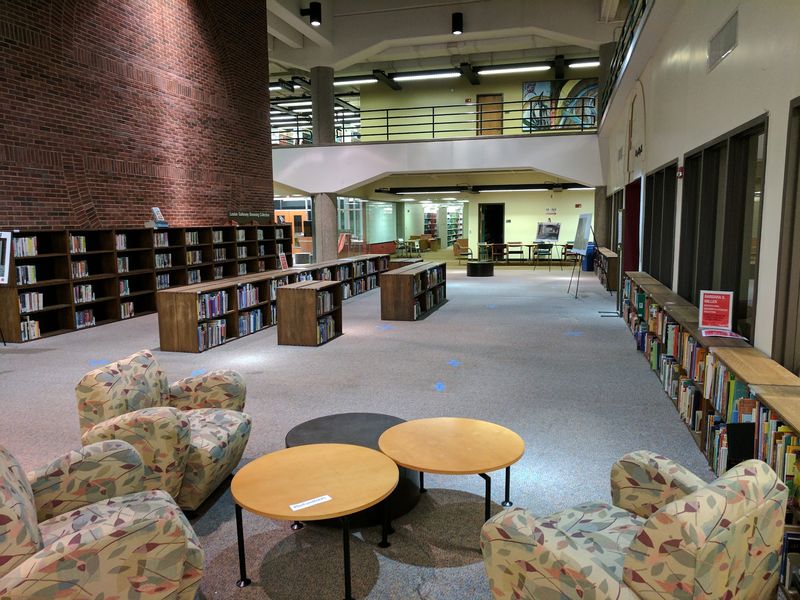
Guessing why a book got challenged is harder than it sounds. The reasons listed at the display often feel wildly out of proportion.
Some titles were flagged over language. Others were questioned for themes about identity, race, religion, or family life.
Seeing the reason printed next to the cover changes things. You start judging the complaint rather than the book.
A few entries are award winners taught in schools across the country. That contrast makes the point without anyone having to say it.
The library encourages you to explore the reasoning behind each censorship attempt. Checking out the title is part of that exploration.
Reading a challenged book cover to cover is the fairest test. Secondhand summaries rarely capture what is actually on the page.
You may end up disagreeing with a book. That is allowed, and it is a completely different thing from banning it.
Keep notes if you are the type. Comparing your reaction to the official objection can be genuinely eye opening.
Curiosity beats assumption every time. The display simply gives you the raw material to be curious with.
Four Floors Built For Reading
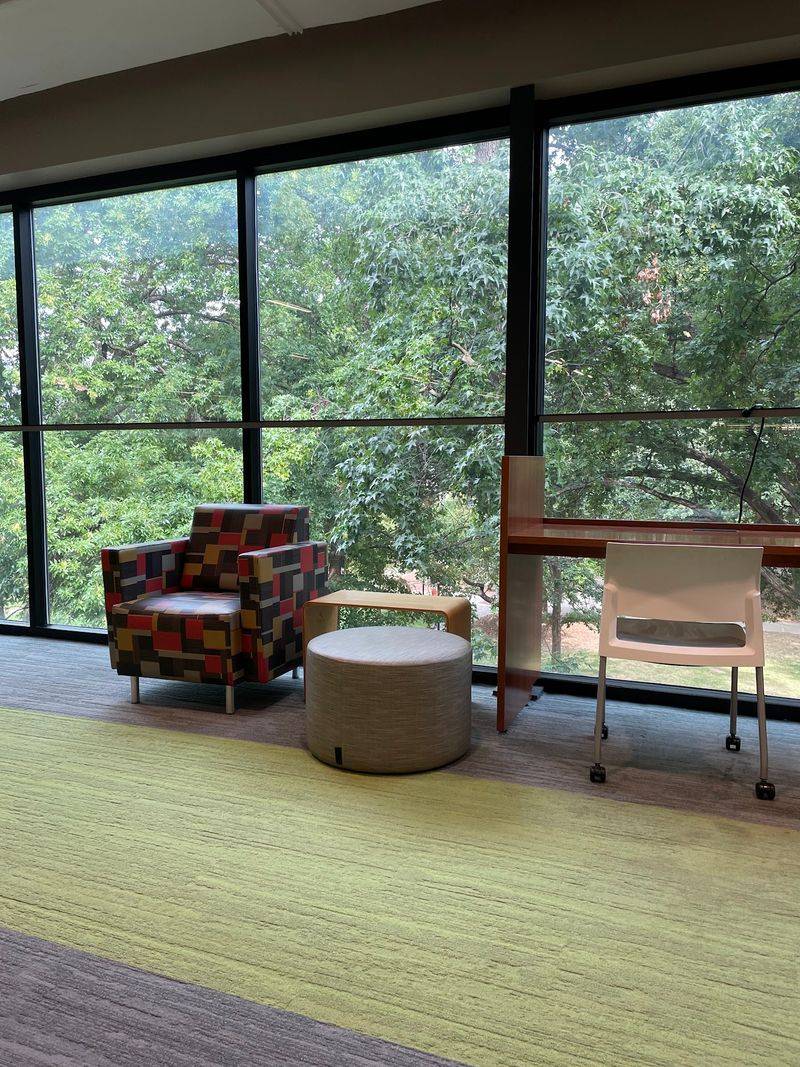
Grabbing a banned book is step one. Finding somewhere to read it is where this building shines.
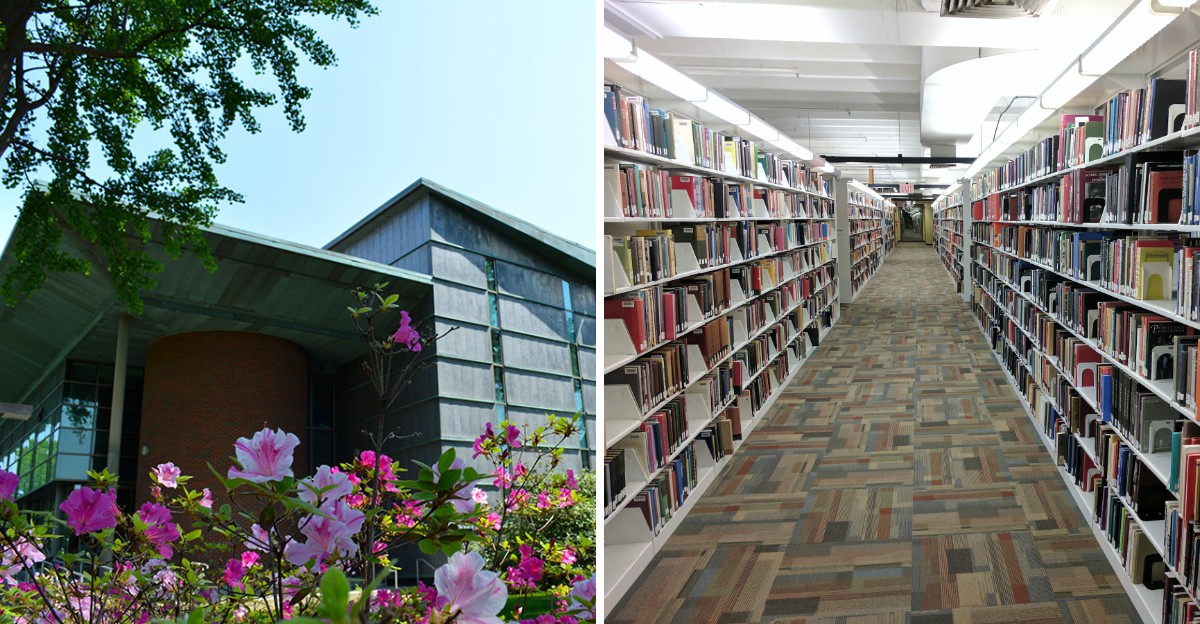
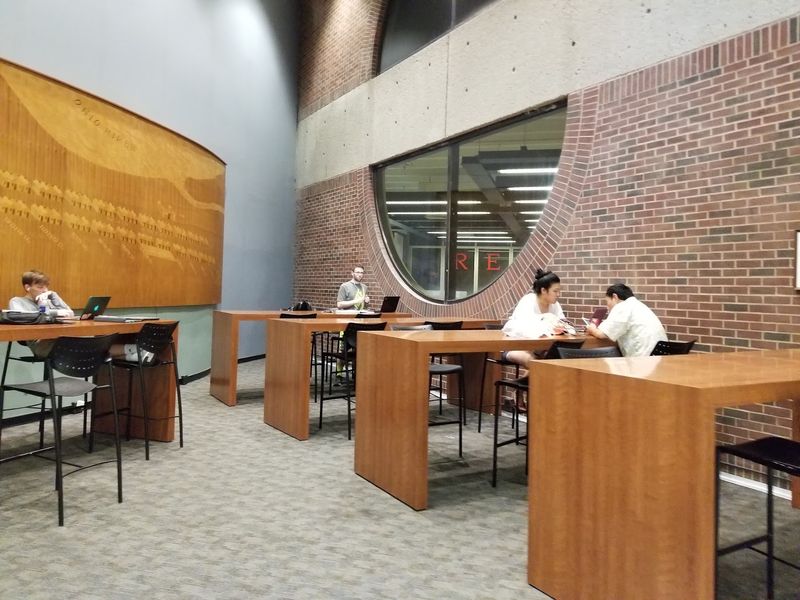
Study areas come in several flavors. Long tables, individual desks, and softer seating all exist under the same roof.
The third and fourth floors are designated quiet zones. Regulars head straight up when they need real concentration.
Noise does creep in occasionally, as any student will admit. Even so, the quiet floors remain the best bet for focus.
Computers and printers are available for students who need them. That makes the library useful beyond browsing shelves.
A Starbucks inside the building handles coffee and snacks. Caffeine and a controversial novel pair surprisingly well.
Bathrooms are on multiple floors, and the building is generally well kept. Practical details matter when you plan to stay a while.
The library has earned strong ratings from visitors, with staff friendliness mentioned constantly. Helpfulness seems to be part of the culture here.
Pick your floor based on mood. Social reading downstairs, serious reading upstairs, and nobody judges either choice.
Planning A Visit Without Overthinking It
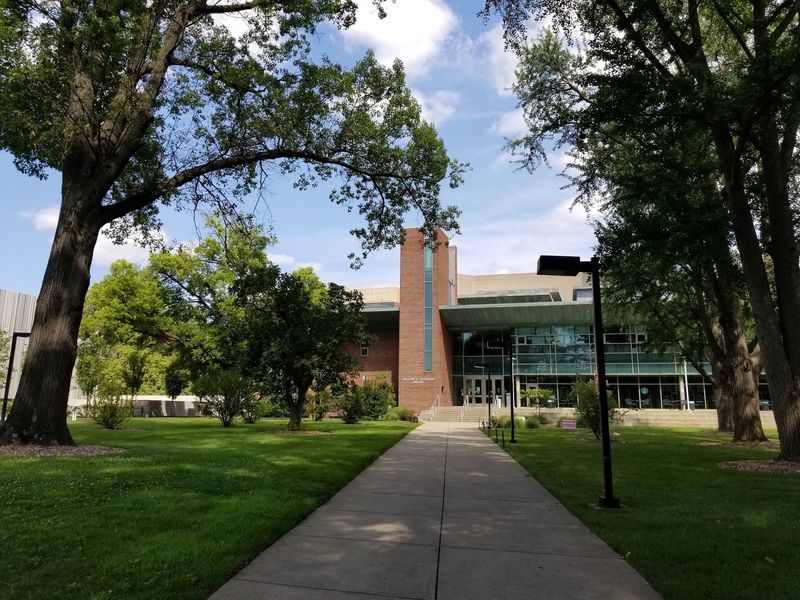
Showing up is easier than most people assume. The library sits on the University of Louisville campus in the Old Louisville area.
October is the month to aim for if banned books are your goal. Displays and programming cluster around Banned Books Week.
Campus parking takes a little planning. Give yourself a few extra minutes rather than circling in a rush.
Security staff check identification after certain evening hours, limiting late access to students. Daytime visits avoid that issue entirely.
Fall on campus is genuinely pleasant. Trees turn, the grounds look sharp, and the walk in sets the mood.
Community members can get library cards, which makes a return trip worthwhile. One visit rarely covers everything.
Bring a tote bag. Optimism about how many books you can carry tends to exceed your arm strength.
The website lists current programming if you want specifics before heading over. Event details shift from year to year.
Treat it as a half day rather than a quick errand. Between the display, the shelves, and the coffee, time disappears fast.
What You Take Home Beyond The Books
Something shifts after you read a book somebody tried to remove. The experience sticks longer than the plot does.
You start noticing how censorship debates play out elsewhere. School board stories in the news suddenly connect to that table you browsed.
Talking about it becomes easier too. Having actually read the book beats arguing from headlines.
Families sometimes make the trip together. Parents and kids reading the same challenged title opens up honest conversations at home.
The organizers frame libraries as safe spaces for encountering unfamiliar ideas. That framing lands harder once you have tested it yourself.
Free access is the quiet hero of the whole thing. Cost never becomes the reason someone misses out on a story.
Consider passing a title along. Recommending a banned book to a friend keeps the momentum going past October.
Write down which ones surprised you most. Lists like that make excellent starting points for next year’s visit.
Reading freely is a habit worth protecting. A single display table in Louisville does a decent job reminding people of that.