This Kentucky Park Holds One Of The Only Verified Resting Places Of Cherokee Leaders Along The Trail Of Tears
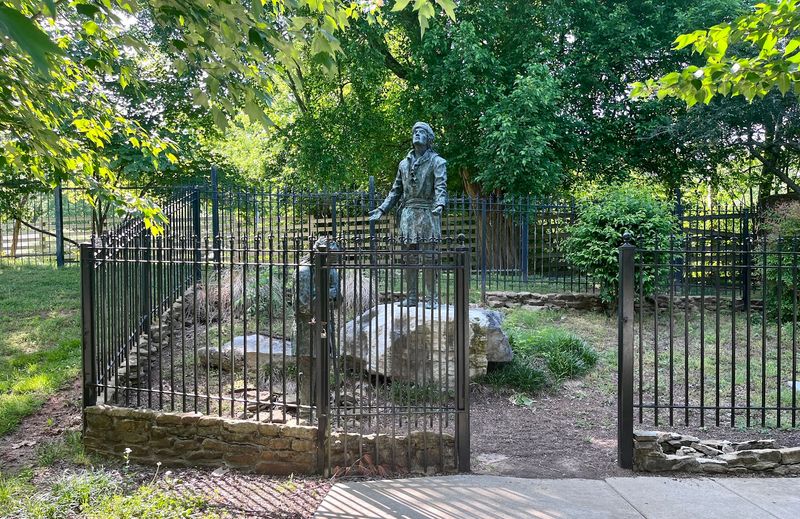
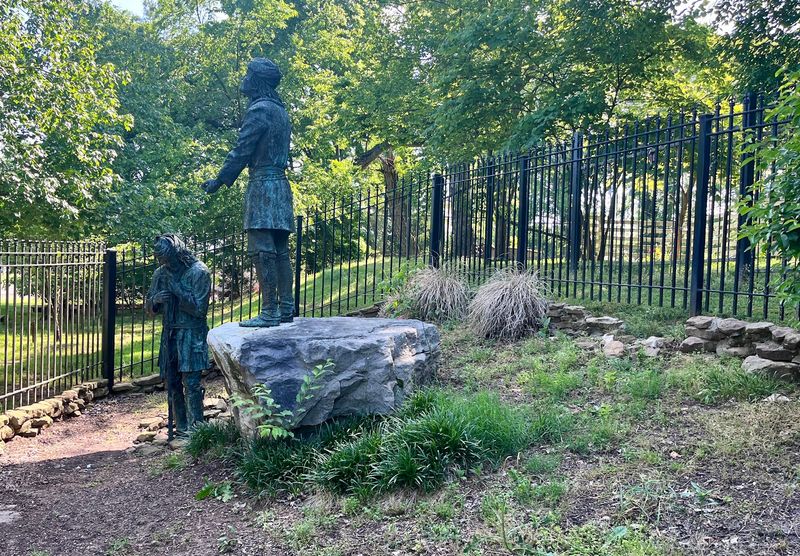
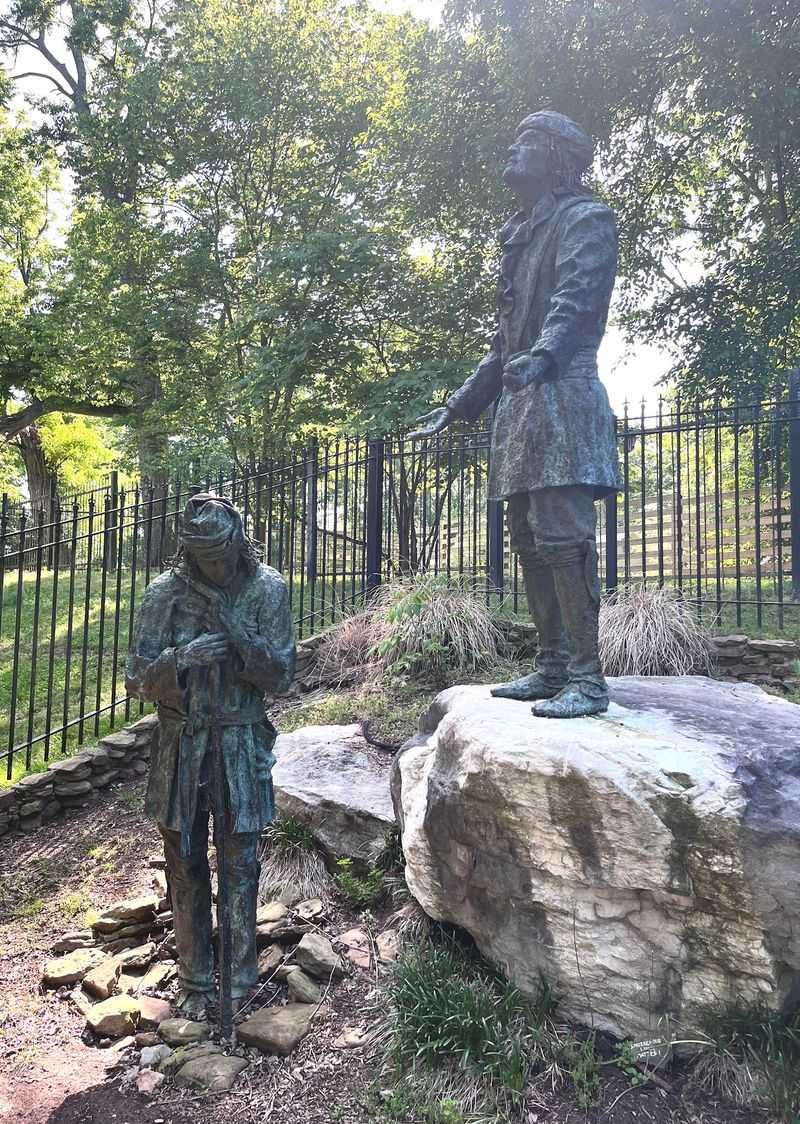
Two Cherokee leaders named Whitepath and Fly Smith are buried in a quiet city park, and copper statues still stand watch near their graves. Their resting place is one of the few verified gravesites along the entire Trail of Tears.
Imagine how many people drive past without knowing that. Their graves were rediscovered in 1954, more than a century after the winter that changed everything for their people.
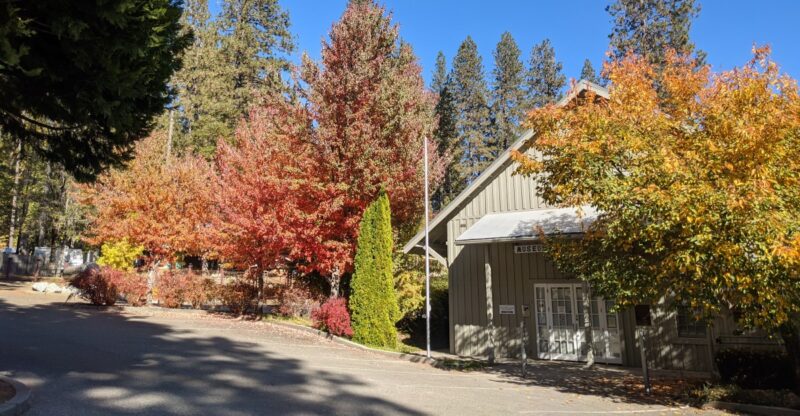
This spot in western Kentucky was once a winter camp and ration stop for Cherokee families during the forced removal of 1838 and 1839. Today it holds a log cabin museum, walking paths, and a river crossing.
I believe some history hits harder when you can stand right where it happened. What does it feel like to visit a place carrying this much meaning?
Two Leaders Rest Here, And Their Story Still Speaks
Few places along the Trail of Tears can point to a confirmed grave. The Trail of Tears Commemorative Park and Heritage Center in Hopkinsville can, and that fact alone makes it remarkable.
Chief Whitepath and Fly Smith were respected Cherokee leaders traveling with their group during the forced removal. Both passed during the hard winter of 1838 and 1839, while their group was camped right here.
Their graves sat largely forgotten for more than a hundred years. Then, in 1954, the burial site was rediscovered, giving the community a chance to honor them properly.
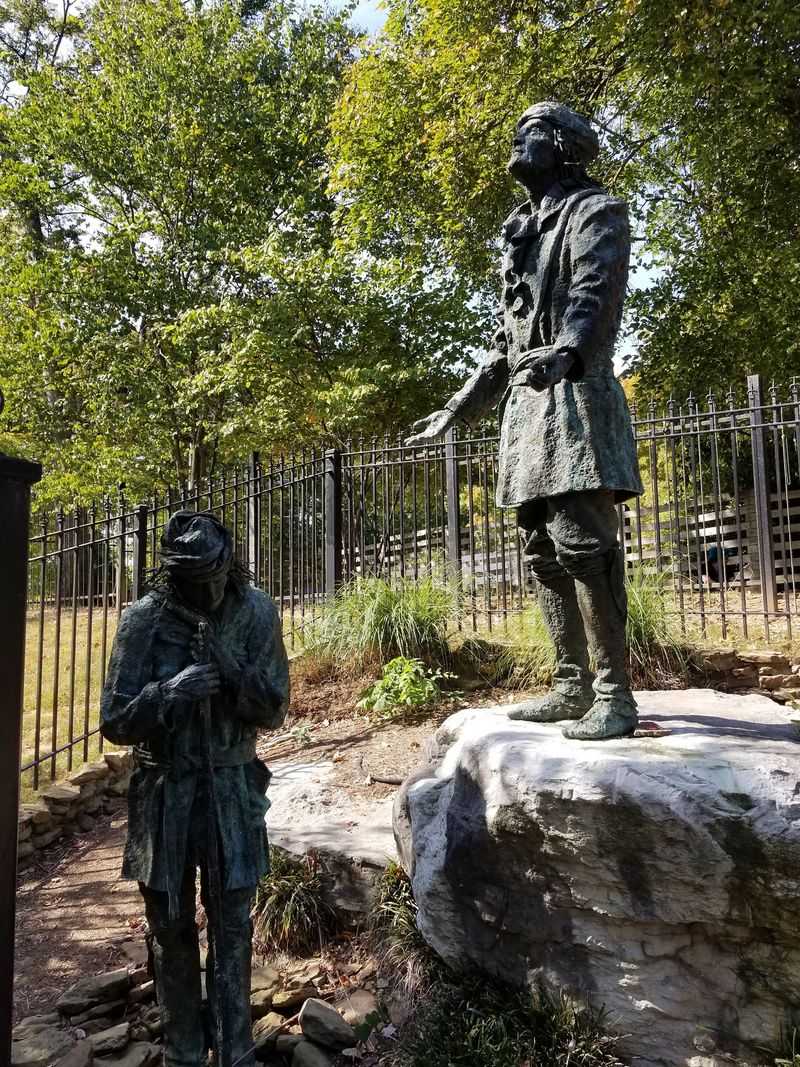
Today, copper statues representing the two men stand near the burial area. They give the site a human face, which helps visitors connect with real people instead of just dates in a textbook.
I like how the memorial keeps things simple and respectful. There’s no flashy show here, just a meaningful place to pause and reflect.
Plan to slow down when you reach this part of the park. Read the markers, take a quiet moment, and think about the long road these families faced.
It’s a powerful stop for history fans, families, and anyone with Cherokee roots.
The Ground Beneath Your Feet Was Once A Winter Camp
Long before walking paths and picnic tables, this land served a very different purpose. Cherokee families stopped here as a winter camp and ration stop along the Northern Route of the Trail of Tears.
That detail changes how the whole park feels. You aren’t visiting a memorial built somewhere convenient.
You’re standing on the actual ground where people rested, gathered supplies, and endured a cold Kentucky winter.
The forced removal moved thousands of Cherokee people from their homelands in the Southeast toward Indian Territory in the West. Several routes crossed different states, and the Northern Route passed through this part of Kentucky.
Interpretive signs and historical markers around the grounds help fill in the story. Reading them as you go turns a simple stroll into a self-guided history lesson.
Here’s a helpful tip for families. Before your visit, read a short kid-friendly book about the Trail of Tears together.
Children usually connect more deeply when they recognize names and events on the signs.
Come with questions, and let the land help answer them. History feels a lot less distant when it happened right where you parked your car.
A Federal First That Put Hopkinsville On The Map
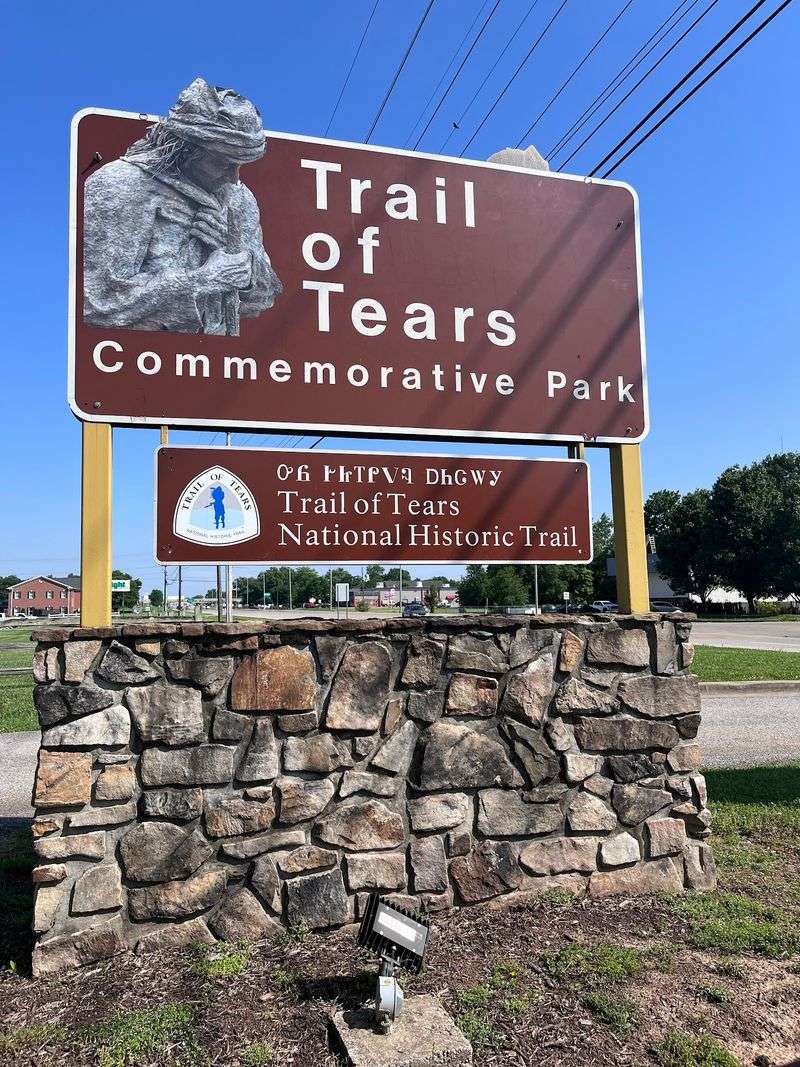
April 1996 was a big month for this little park. That’s when the National Park Service certified it as a site on the Trail of Tears National Historic Trail.
Here’s the impressive part. The Trail of Tears Commemorative Park became the first non-federal property to earn that distinction.
Some background helps here. President Ronald Reagan signed legislation in 1987 that created the Trail of Tears National Historic Trail.
That trail links important sites across several states, telling the larger story piece by piece.
Being first is a pretty strong statement for a city-run park in western Kentucky. It shows how seriously local people took the job of protecting and sharing this history.
The park is managed by the City of Hopkinsville, with the Trail of Tears Commission playing a big role in its care and programs. That teamwork keeps the grounds, memorials, and events going year after year.
If you enjoy collecting national trail stops, this one deserves a spot near the top of your list. It’s a chance to see where official recognition of the trail really got rolling outside federal land.
Nine Flags Greet You Before You Even Reach The Cabin
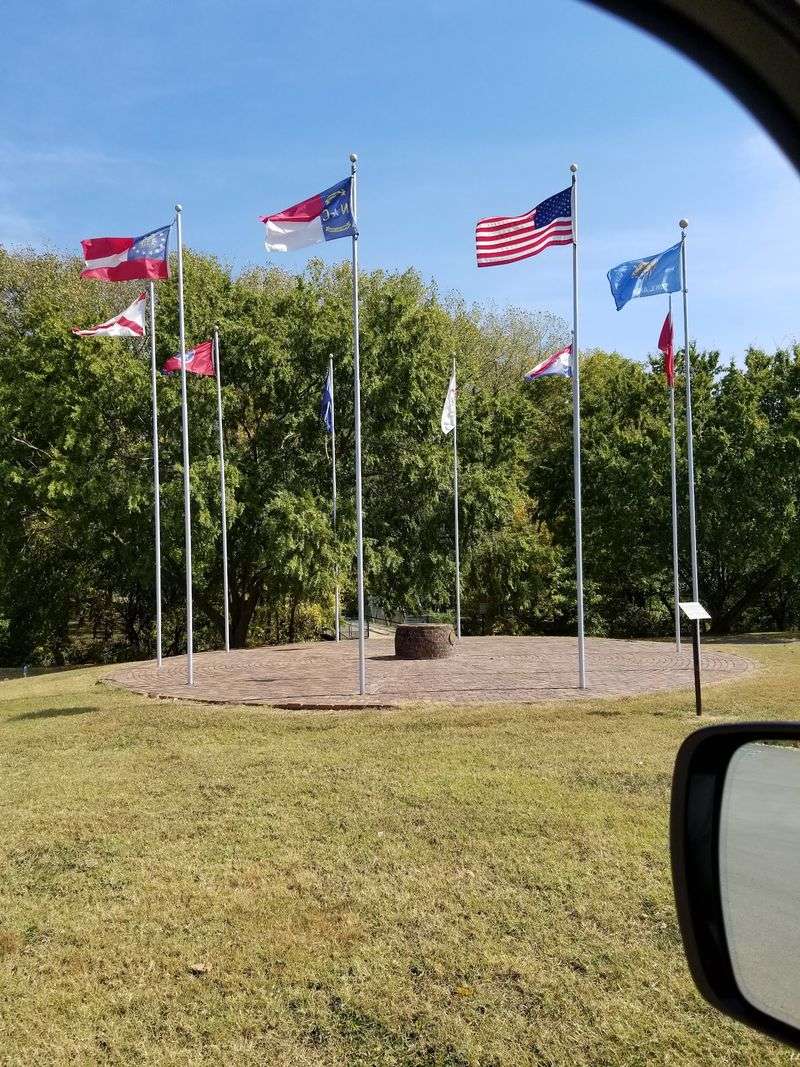
Flags snapping in the breeze make a fine first impression. At the flag court, the American flag flies alongside state flags from all nine states touched by the Trail of Tears.
That lineup tells a story before you read a single sign. It shows how far the removal reached and how many communities share this difficult chapter.
Next to the flags, a map illustrates the different routes of the Trail. It’s one of the best spots in the park to get your bearings, both literally and historically.
Take a few minutes to trace the routes with your finger. Find Kentucky, then follow the Northern Route through the state and beyond.
Kids often enjoy guessing which flag belongs to which state.
Here’s a fun challenge for the car ride home. See who can name all nine states without peeking.
It’s sneaky learning, and it actually works.
This area also makes a natural meeting point if your group splits up to explore. The flags are easy to spot from across the grounds.
Start here, and the rest of the visit will make a lot more sense.
Small Log Cabin, Surprisingly Big Lessons Inside
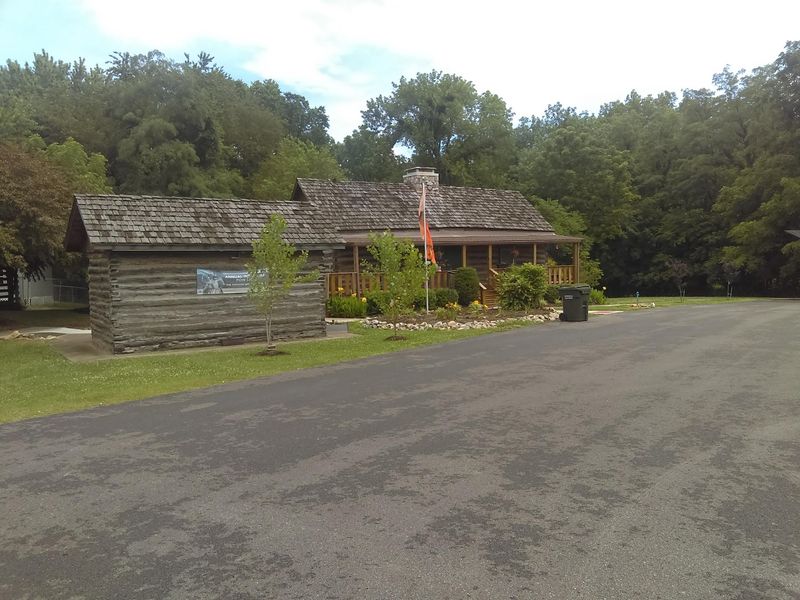
Good things really do come in small wooden packages. The Heritage Center sits inside a restored log cabin, and it packs plenty of history between those walls.
Exhibits and artifacts inside share the story of the Trail of Tears. They also highlight other Native American tribes from across North America, which broadens the visit in a meaningful way.
Admission is by donation, so everyone can come in and learn. If you enjoyed your time, a contribution helps support the exhibits and keep the doors open.
Heritage Center hours change with the seasons. Calling the Hopkinsville Visitors Center before your trip is the smart move, especially if you’re driving in from out of town.
The building is accessible and includes accessible restrooms. That’s a thoughtful touch that makes the cabin welcoming for more visitors.
You’ll find the Trail of Tears Commemorative Park and Heritage Center at 100 Trail of Tears Drive, Hopkinsville, KY 42240. An entrance near the Hopkinsville Visitors Center sits on East 9th Street.
Give yourself time to read the displays slowly. A cabin this size rewards curious, unhurried guests.
Seven Dogwoods Honor Seven Cherokee Clans
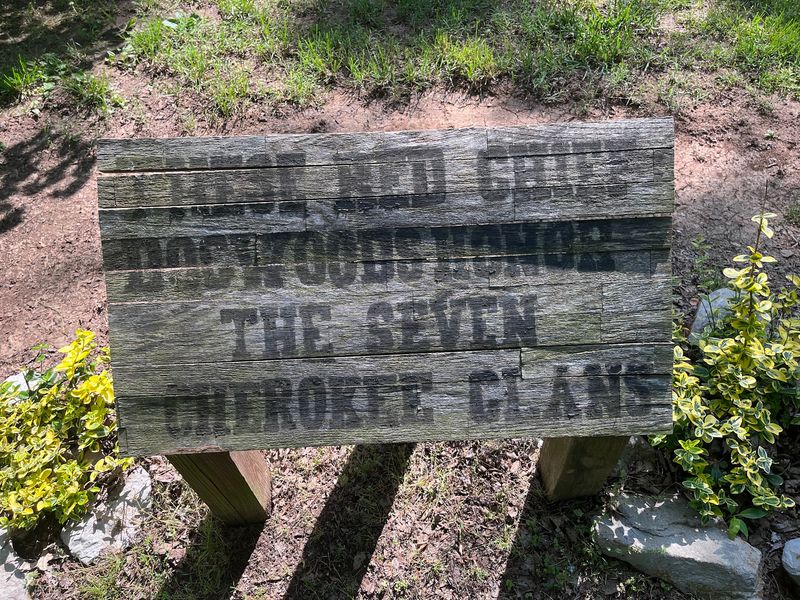
Bird, Paint, Deer, Blue, Wolf, Long Hair, and Wild Potato. Those are the seven Cherokee clans, and each one has its own tree in this park.
Near the burial area, the Trail of Tears Commission planted seven Red Cherokee Chief Dogwood trees. Every tree represents one clan and stands beside a carved redwood sign bearing its name.
I like how living trees carry this tribute forward. They grow, change with the seasons, and keep the memory present in a gentle, natural way.
Clans have long been an important part of Cherokee family and community life. Seeing all seven names together helps visitors understand that the Cherokee Nation was made of real families with deep connections.
Spring is a lovely time to check on these trees. Red Cherokee Chief dogwoods are known for their rosy blooms, so the memorial area can look especially beautiful then.
Bring a notebook if you’re visiting with students. Writing down each clan name makes a simple activity that sticks.
It’s a quiet corner, but it holds a lot of meaning for such a small grove.
Cross The Little River And Keep On Strolling
Thirty-four acres give you plenty of room to roam. The park spreads out with walking paths, interpretive signs, and historical markers scattered across the grounds.
A bridge crosses the Little River, which ranks among the most pleasant spots on the property. On the other side, a walking path leads past benches and picnic areas.
That makes the park a nice mix of learning and fresh air. You can read about history, then stretch your legs beside the water without leaving the grounds.
General park hours run from early morning into the evening, so timing is flexible. An early walk works well during hot Kentucky summers, when shade and cooler air feel like small gifts.
Pack a simple lunch and claim a picnic spot. Sandwiches always taste better near a river, and nobody has ever proven otherwise.
Wear comfortable shoes, since you’ll likely cover more ground than you expect. Bring water too, especially with kids.
Benches along the path give everyone a place to rest, chat, and talk about what they learned back at the memorial.
Kids Get A Playground, Grown-Ups Get Disc Golf
History lessons go better when little legs get a break. Thankfully, the Trail of Tears Commemorative Park includes a playground for younger visitors.
That’s a real win for parents. Kids can burn off energy after the museum, and you can enjoy a few calm minutes on a nearby bench.
Older kids and adults have something too. The park offers a disc golf course, so you can toss a few throws while enjoying the open grounds.
Disc golf is easy to learn and pretty affordable to start. Bring your own discs, since there’s nothing worse than arriving ready to play with empty hands.
Mixing play with reflection works surprisingly well here. Families can spend time at the memorial and Heritage Center, then let everyone unwind outdoors.
A good plan is to visit the serious spots first while attention spans are fresh. Save the playground or disc golf for the end as a reward.
That way, the visit ends on a cheerful note.
Remember to be respectful near the burial area. Running and loud games fit best in the recreation spaces, not near the memorial.
Mark Your Calendar For The September Pow Wow
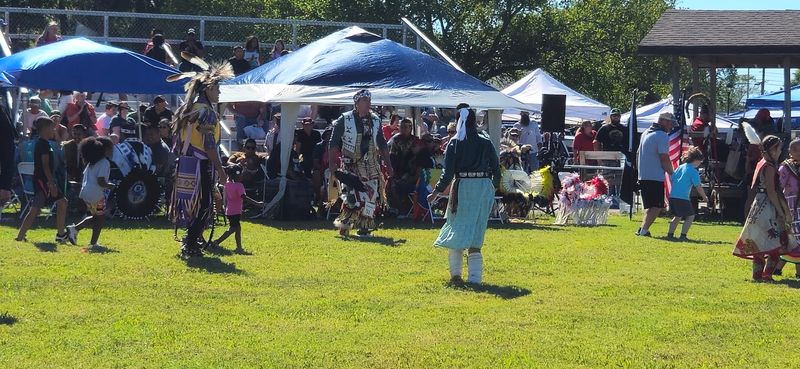
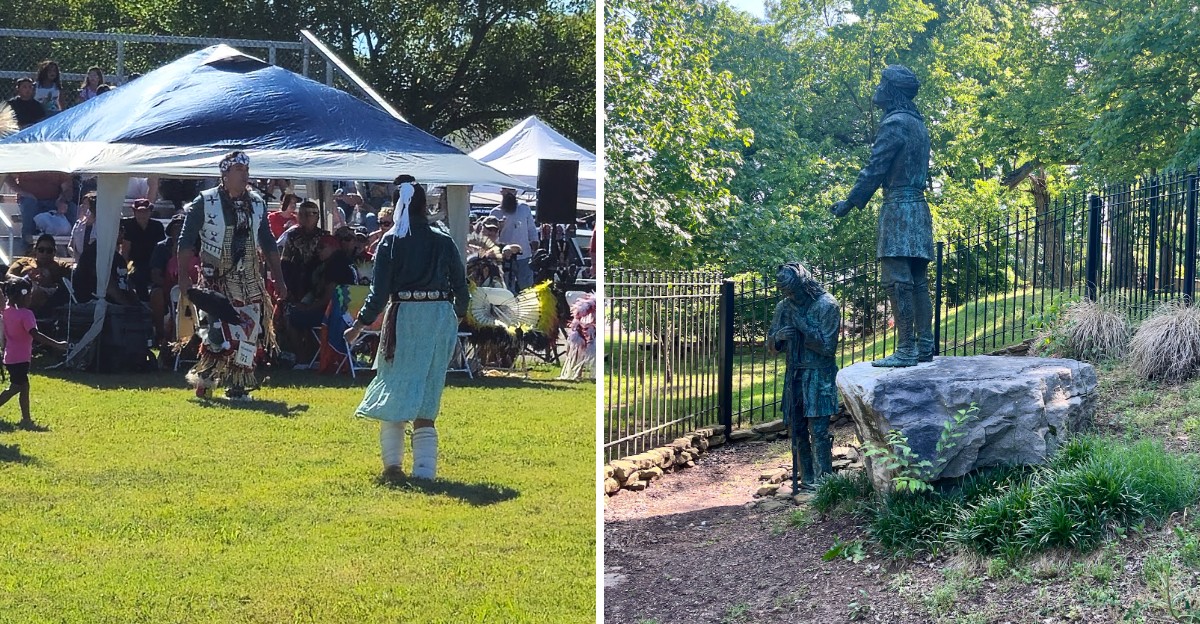
Drums, dancing, and color fill the grounds each year. The annual Trail of Tears Intertribal Pow Wow takes place in the park’s outdoor arena.
It’s typically held on the first full weekend after Labor Day. That timing usually brings early fall weather, which is great news for anyone planning to spend a day outside.
The event features Native dance competitions, crafts, and food. Watching dancers in their regalia is an unforgettable way to see living culture, not just history behind glass.
The pow wow also shows something important. The story here doesn’t end in 1839.
Native traditions continue, and this celebration brings people together to honor them.
A few etiquette basics help first-timers. Listen to the announcer, stand when asked, and always ask before photographing dancers up close.
Craft vendors offer a chance to find handmade pieces. Bring some cash just in case, and wear comfy shoes for wandering.
If you can only visit Hopkinsville, Kentucky once, this weekend is a strong choice. You get the memorial, the museum, and a joyful celebration all in one trip.