This Kentucky University Helped Build The First Instrument Astronauts Will Place On The Moon
Kentucky does not come to mind when somebody says moon. You think of horses and hills and maybe a good biscuit, and you would not be wrong.
Yet on a campus in the eastern part of the state, engineers built the radio system that will beam moonquake data back to Earth.
Sit with that for a second. When astronauts reach the lunar South Pole and set down their science instrument, a piece of it will carry Kentucky fingerprints.
The team running it will be watching from here too.
The device is about the size of a carry-on suitcase. It listens for tremors beneath the surface and survives lunar nights cold enough to destroy ordinary electronics.
It should keep working for months after the crew flies home.
NASA has already called the hardware finished. Everything that happens next involves a rocket.
A Small Campus With A Very Long Reach
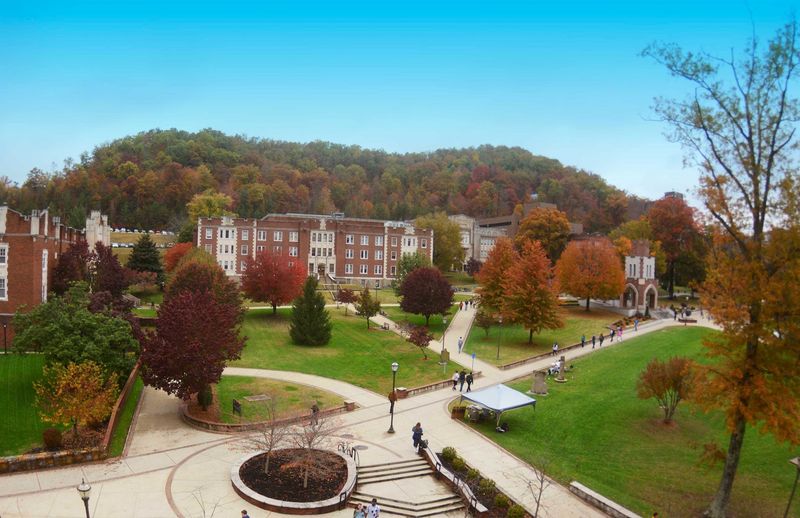
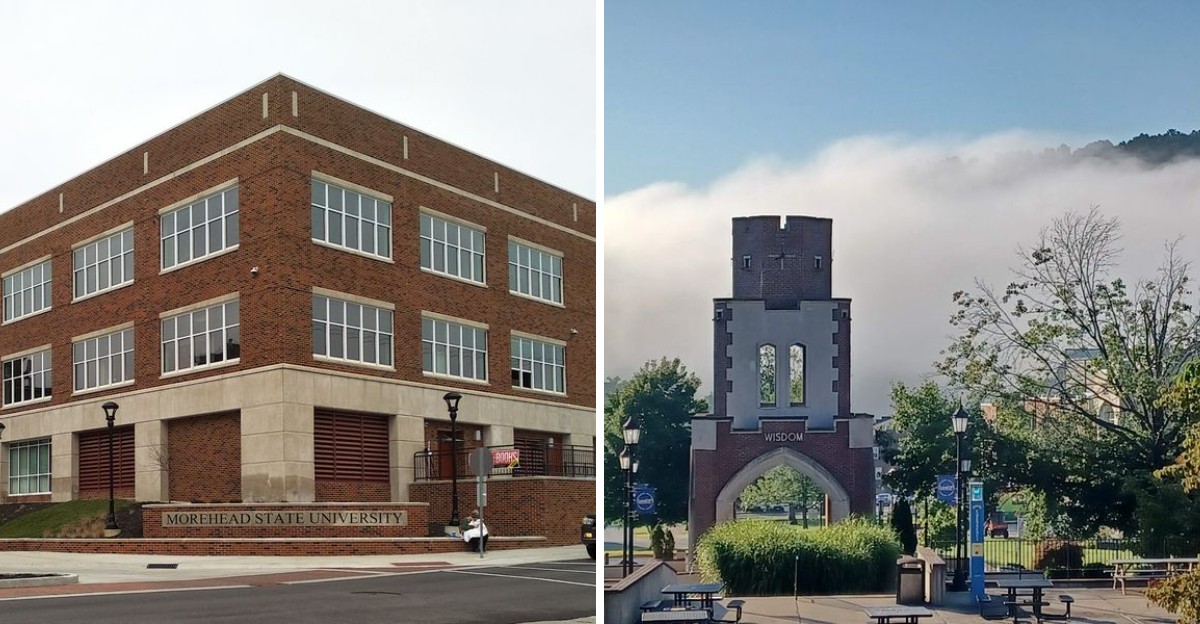
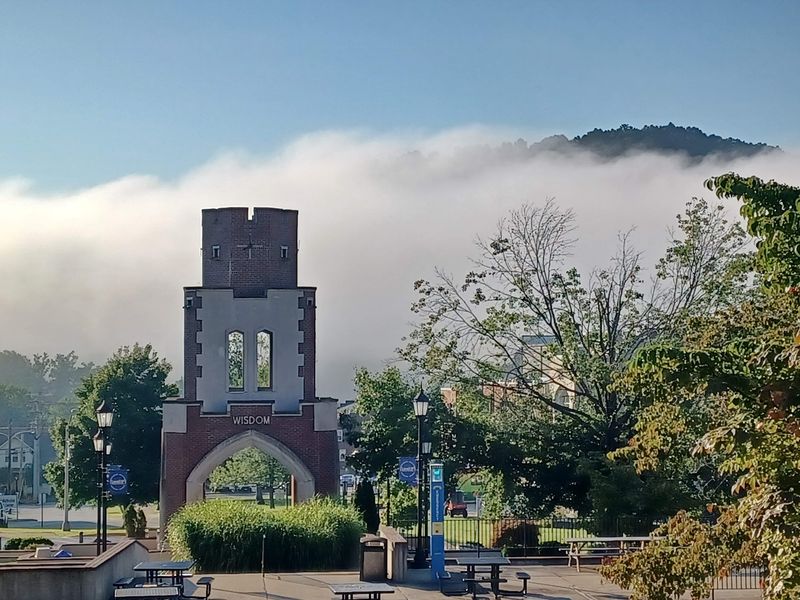
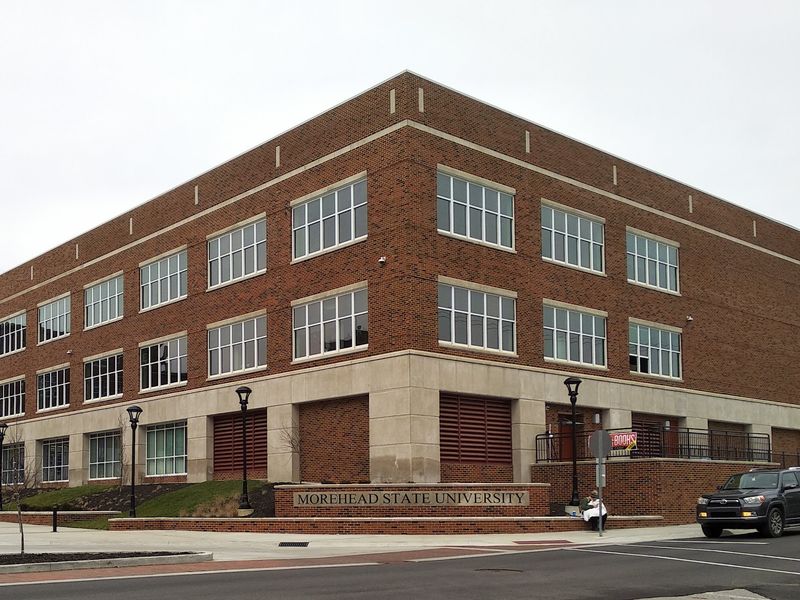
Morehead State University sits in the Appalachian foothills of eastern Kentucky, far from any launch pad. Still, its work travels roughly 239,000 miles.
The campus feels calm and walkable, the kind of place visitors describe as friendly. Students mention the quiet, and how few distractions get between them and their studies.
What sets the school apart is its nationally recognized Space Science Center. Space engineering is a rare specialty for a regional public university.
Reviewers often point to the STEM programs as the school’s strongest draw. Space science tops that list for good reason.
Undergraduates here get their hands on real hardware, not just textbook diagrams. That kind of access usually belongs to graduate programs at much larger schools.
The university offers well over a hundred undergraduate degree programs, so space is only one path among many. It just happens to be the one reaching the lunar surface.
Think of it as proof that big science does not require a big city. Sometimes it requires a good antenna and stubborn curiosity.
You can find the campus at 150 University Blvd, Morehead, Kentucky. The address sounds ordinary. The work happening there is not.
Meet LEMS, The Suitcase-Sized Moon Machine
Its name is a mouthful: the Lunar Environment Monitoring Station. Everyone just calls it LEMS.
The instrument is compact, built to survive brutal lunar conditions. It has been cleared for an upcoming Artemis mission.
Here is the part that makes it historic. NASA plans for astronauts to place LEMS directly onto the lunar surface by hand.
That makes it the first completed payload ready for astronaut deployment in the Artemis program. First is a word that does not get handed out often.
Instead of dropping from a lander automatically, LEMS gets carried and set down. A human being will physically position it on the Moon.
Picture that moment. A gloved hand, gray dust underfoot, and technology with Kentucky fingerprints all over it.
Small payloads matter more than their size suggests. They gather data that shapes every mission that follows.
LEMS is designed for the long haul, not a quick check-in. It will keep working after the crew heads home.
You will hear plenty about rockets and landers in the coming years. Remember the quiet instrument doing steady work between the headlines.
The Communication Link That Talks To The Moon
An instrument on the Moon is useless if nobody can hear it. That problem landed squarely on Morehead State’s desk.
The university developed the space-to-Earth telecommunications system for LEMS. In plain terms, they built the part that phones home.
Signals have to cross a quarter million miles and arrive clean enough to read. Interference, distance, and temperature swings all work against that.
Getting a whisper of data through space takes precise engineering. Every component gets tested, retested, and tested again.
The university also leads LEMS operations from its Mission Operations Center. Building the link is one job.
Running it is another.
That means the data flowing back from the lunar south pole passes through Kentucky hands. Scientists worldwide will use what comes through.
Communication systems rarely get the glory. Cameras and landers grab the photos, while the radio quietly does everything else.
Students who work on projects like this graduate with genuine flight hardware experience. Employers notice that immediately.
Next time your phone drops a call across town, spare a thought for the team keeping a signal alive from the Moon.
The People Steering The Whole Thing
Behind every payload is a group of people who refuse to quit at 5 p.m. Morehead State has that group.
Dr. Ben Malphrus serves as executive director of the Space Science Center. He has guided the program’s rise for years.
Nathan Fite leads the LEMS project at the university. He is also an alumnus, which makes the story sweeter.
A graduate coming back to run a Moon-bound mission says a lot about the program. The pipeline works.
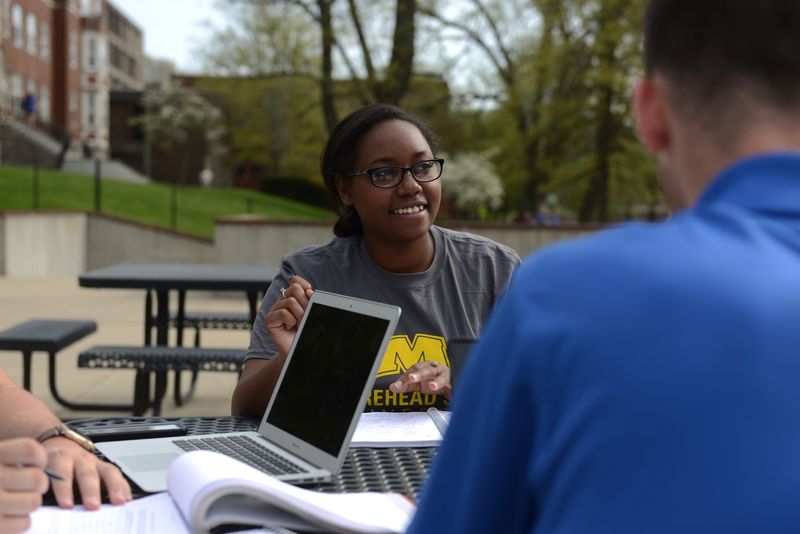
Faculty here mix teaching with active mission work. Students are not observers on the sidelines.
Reviewers frequently mention instructors who genuinely care about student success. In a lab building space hardware, that attention matters even more.
Space projects run on deadlines that do not move. Launch windows ignore excuses, and everyone on the team knows it.
The result is a working culture closer to an aerospace company than a typical classroom. Pressure included.
You do not need a famous last name to build something that reaches the Moon. You need patience, training, and people willing to teach you.
Lunar IceCube And The Hunt For Water

Before LEMS, there was a shoebox-sized spacecraft with a big assignment. Students and faculty built it themselves.
Lunar IceCube launched aboard Artemis I in November 2022. Its mission was to search for water ice on the Moon.
Water on the Moon is not a trivia question. It could support future crews and even help make rocket fuel.
A nanosatellite that small doing science that serious impresses professional engineers. Undergraduates helped design and build it.
Riding on Artemis I put the university in rare company. Most schools never get a payload on a NASA flagship mission.
Projects like this teach lessons no lecture can. Deadlines, vibration testing, and unforgiving specifications become daily reality.
The experience clearly paid forward. LEMS exists partly because the team already proved it could deliver.
Small satellites have changed space exploration by lowering costs dramatically. Universities can now play in a field once reserved for governments.
Kentucky students building a Moon-bound spacecraft sounds unlikely on paper. It happened anyway, and the receipts are in orbit.
The Rescue That Earned A Nickname
In February 2024, Intuitive Machines sent its IM-1 mission toward the lunar surface. The lander was named Odysseus.
Communication trouble threatened the whole attempt. Morehead State provided critical support to help restore contact.
NASA Administrator Bill Nelson later called the university the savior of that landing. That is a remarkable thing to hear from the head of NASA.
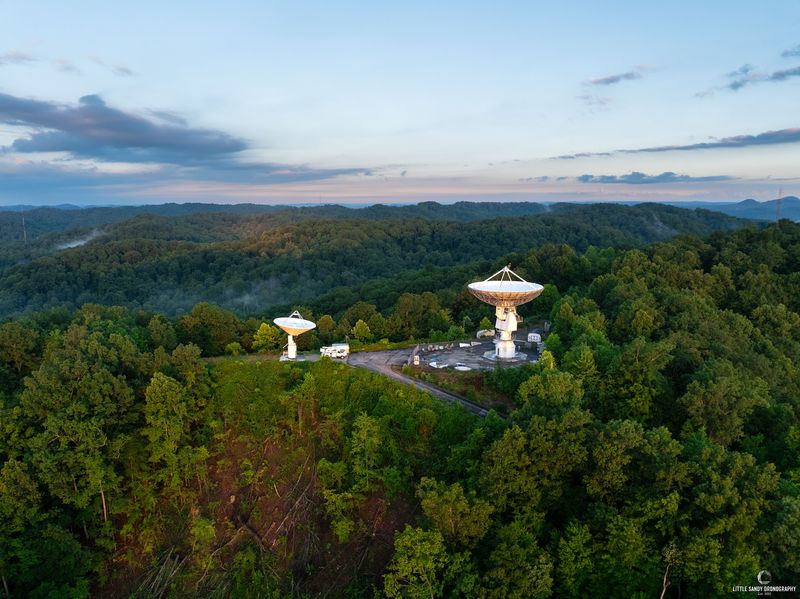
The 21-meter antenna system on campus made that assistance possible. Big dishes hear faint voices.
Odysseus went on to become part of a historic American lunar landing. Kentucky played a real role in that outcome.
Support work like this rarely makes the evening news. The success story does, and the ground station stays offstage.
Being trusted during a live crisis says more than any brochure. Companies do not call amateurs when a lander is in trouble.
Students on shift during moments like that learn something permanent. Real missions, real stakes, real problem solving.
Next time a lunar lander makes headlines, check who is tracking it. Sometimes the answer is a hillside in eastern Kentucky.
Listening For Moonquakes At The South Pole
The Moon shakes. Not often, and not violently, but it shakes.
LEMS will act as the Moon’s dedicated seismologist. Its highly sensitive seismometers listen for those tremors.
It will also detect meteorite impacts near the lunar south pole. Every strike sends vibrations through the ground.
Those vibrations reveal what sits beneath the surface. Seismic waves travel differently through rock, dust, and possible ice.
Scientists use that data to map the Moon’s internal structure. You cannot dig a hole thousands of miles deep, so you listen instead.
The south pole is the target region for future crewed landings. Knowing whether the ground is stable is not optional.
Astronauts will eventually need shelters, landing pads, and equipment anchored to that surface. Engineers need seismic data before building anything.
LEMS is designed to keep collecting information long after the crew leaves. Continuous monitoring beats a quick snapshot.
Consider it a permanent listening post. A quiet Kentucky-connected instrument, taking notes on a world nobody lives on yet.
Inside The Space Science Center
The Space Science Centre 21-meter space antenna system dominates the view. Few universities anywhere own a dish that capable.
Inside, you will find classrooms, advanced laboratories, and faculty offices under one roof. Learning and mission work share the same hallways.
The Mission Operations Center sits within the facility. From those consoles, staff and students direct actual space activities.
Undergraduates get access to instruments that many graduate students never touch. That combination is genuinely unusual.
Graduates leave with aerospace skills employers actively want. Flight hardware experience on a resume opens doors quickly.
The campus itself stays welcoming and unpretentious, which makes the contrast fun. Peaceful walkways, then a control room talking to spacecraft.
Morehead State has become a working part of America’s return to the Moon. Not a footnote, a contributor.
Sometime soon, an astronaut will kneel in lunar dust and set down an instrument. Technology shaped in Kentucky will stay there, listening.