This Little-Known Connecticut Museum Is Packed With Vintage Trucks, Tractors And Machines
Anyone who has ever stopped to admire an old tractor for absolutely no practical reason will understand the appeal immediately. Big vintage machines are simply fun to inspect up close.
Age has given them personality. Scratched paint or an old-fashioned control can make you imagine the working days these machines had long before they became museum pieces.
The collection goes well beyond something you would expect to stumble across casually.
Vintage machinery fills this little-known Connecticut museum, giving old trucks and tractors another life after their working years ended.
You do not need to know anything about engines to enjoy the experience. Half the entertainment comes from seeing how dramatically equipment has changed and wondering what operating some of these hulking machines must have been like.
Modern equipment may be faster and considerably easier to use. Still, it is difficult to compete with an old machine that looks like it has stories to tell.
1. Old Machines Bring Working History Back To Life
Some museums stay quiet. This one can roar to life. At Zagray Farm Museum, old machinery is more than something to admire from behind a barrier.
Much of the collection reflects a hands-on approach to preserving agricultural and industrial history. Vintage tractors, earthmoving equipment, stationary engines, machine-shop tools, sawmill equipment, and other machines help show how demanding everyday work once was.
The real fun begins when equipment runs. Engines rumble, wheels turn, and mechanical parts start moving again, giving visitors a much clearer picture of how these machines actually operated.
Instead of simply reading about old technology, you can sometimes hear and watch it doing the job it was designed to do.
The collection highlights agricultural and industrial life during a period when mechanical power was transforming work across New England. Seeing different equipment gathered across the property helps connect farming, construction, manufacturing, and other trades that shaped daily life.
The museum grew from the collection and interests of brothers Edward and George Zagray. Today, volunteers continue preserving equipment and sharing the stories behind it.
That volunteer involvement gives visits an especially personal feel. Questions can lead to conversations, demonstrations can turn an unfamiliar machine into something fascinating, and a collection of old equipment suddenly feels anything but still.
2. Route 85 Leads To This Sprawling Historic Farm
It feels bigger than expected. Much bigger.
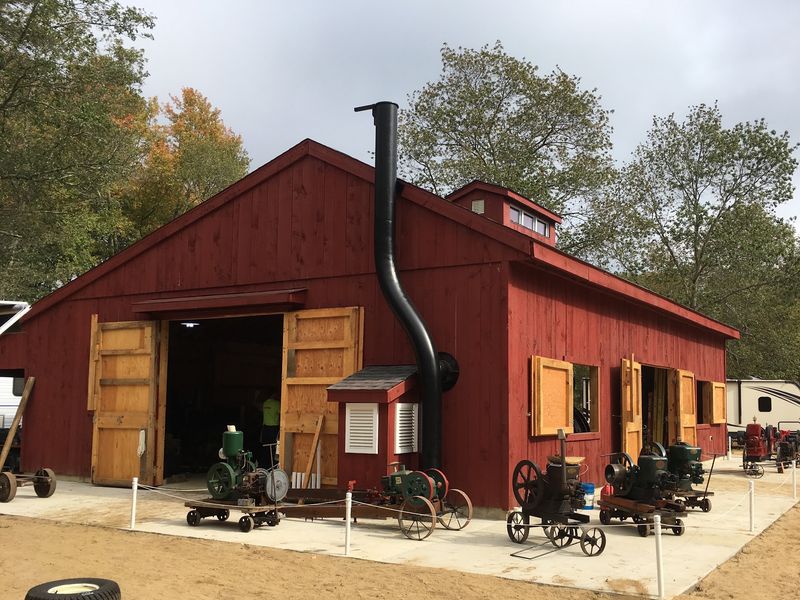
Beyond the old machinery, Zagray Farm Museum spreads across a large rural property where fields, woods, historic buildings, and working equipment all become part of the visit.
Several structures connected to the original Zagray farm remain on the grounds. Visitors can explore areas devoted to machine work, foundry equipment, sawmilling, and other pieces of agricultural and industrial history.
Because the property developed as an actual farm rather than a recreated historic village, the surroundings add valuable context to the collection.
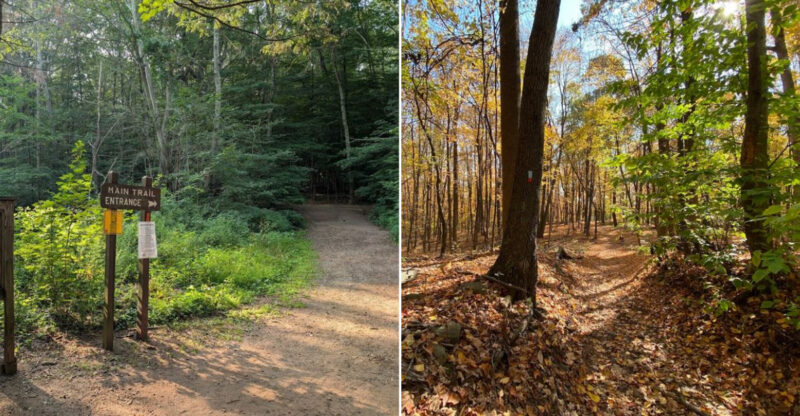
This is also a place made for wandering. Grassy paths and dirt roads connect different sections, so comfortable closed-toe shoes are a sensible choice.
Much of the experience happens outdoors, and weather can make a noticeable difference in how long you want to explore.
The wider property includes open fields, woodland, and wetland habitat, bringing a surprisingly natural backdrop to all that heavy machinery.
The museum operates at 544 Amston Road in Colchester, along Route 85 north of the town center. Visits are generally centered around scheduled events and seasonal activities rather than traditional daily museum hours.
Checking the current event calendar before making the trip is worthwhile. Arrive on the right day, and those quiet farm buildings can become a surprisingly lively window into the past.
3. Vintage Tractors Fill The Grounds And Buildings
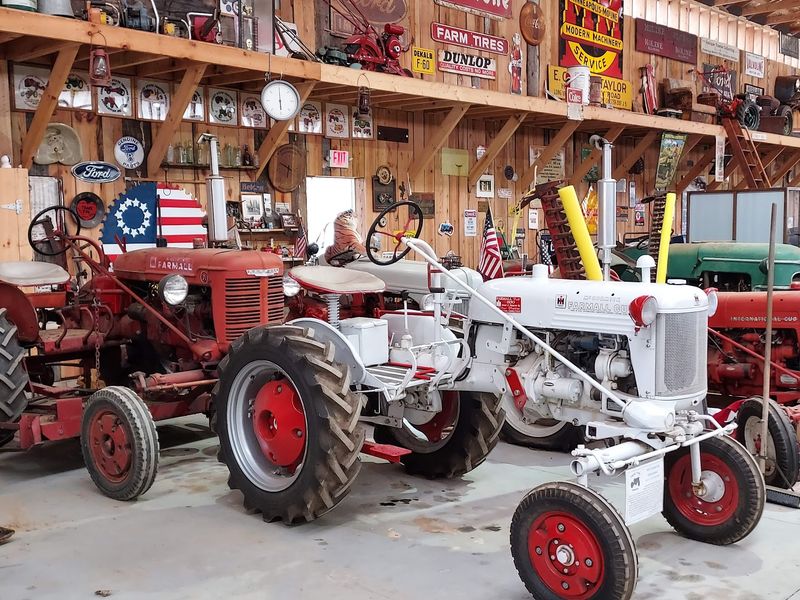
Tractors are the headliners here, and there are a lot of them. Walk the rows during an event and you will find machines from Case, IHC, McCormick Farmall, John Deere and Allis-Chalmers, many restored to paint-fresh condition by collectors who clearly enjoy the work.
Some members of the association own whole fleets, and Fords from the 1950 to 1952 years have a particularly devoted following within the group. Ask a question near one of these tractors and you will usually get a full answer, plus a story about where it was found.
Indoor space has grown along with the collection. A newer tractor building covering about 17,600 square feet gives these machines a proper home and welcome shelter if the weather turns.
Outdoors, tractor-drawn wagon rides circle the property, which is a smart way to see the far corners without wearing out your legs. Kids get their own version of the experience with pedal tractors sized for small drivers.
Antique tractor pulling demonstrations bring the biggest crowds. Watching decades-old iron dig in and drag a load is loud, dusty and surprisingly suspenseful, and it tends to be the thing families talk about on the ride home.
4. Antique Trucks Add More Heavy-Duty Nostalgia
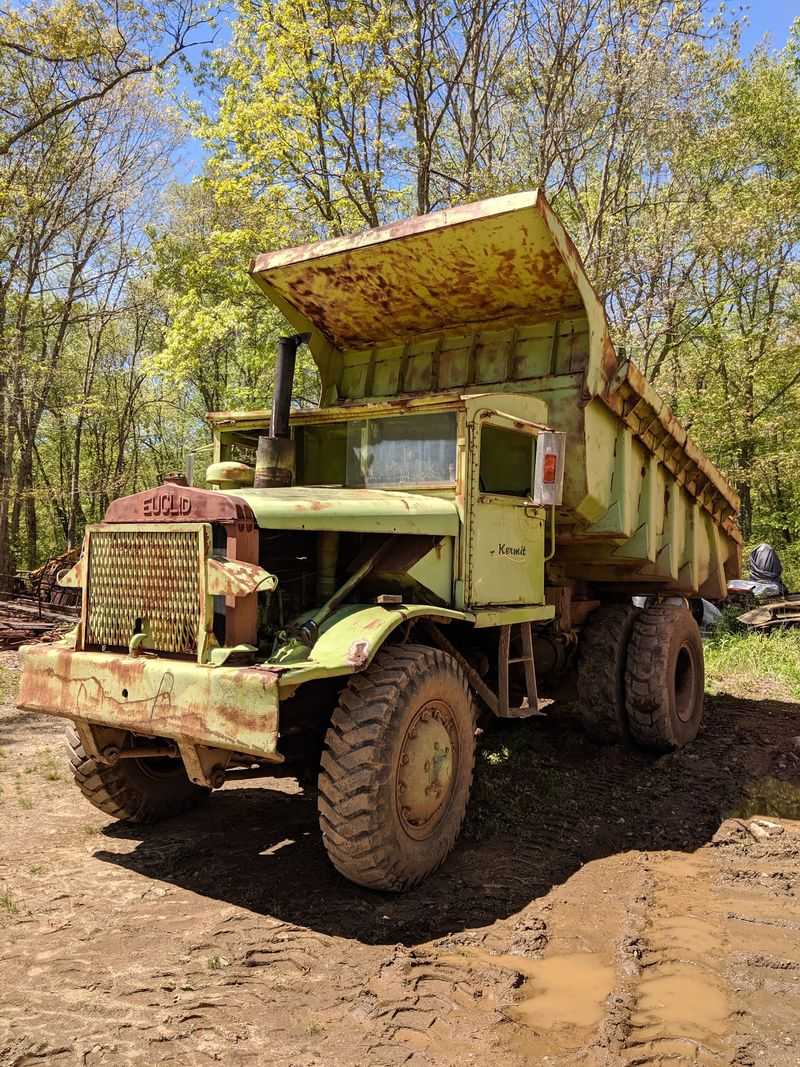
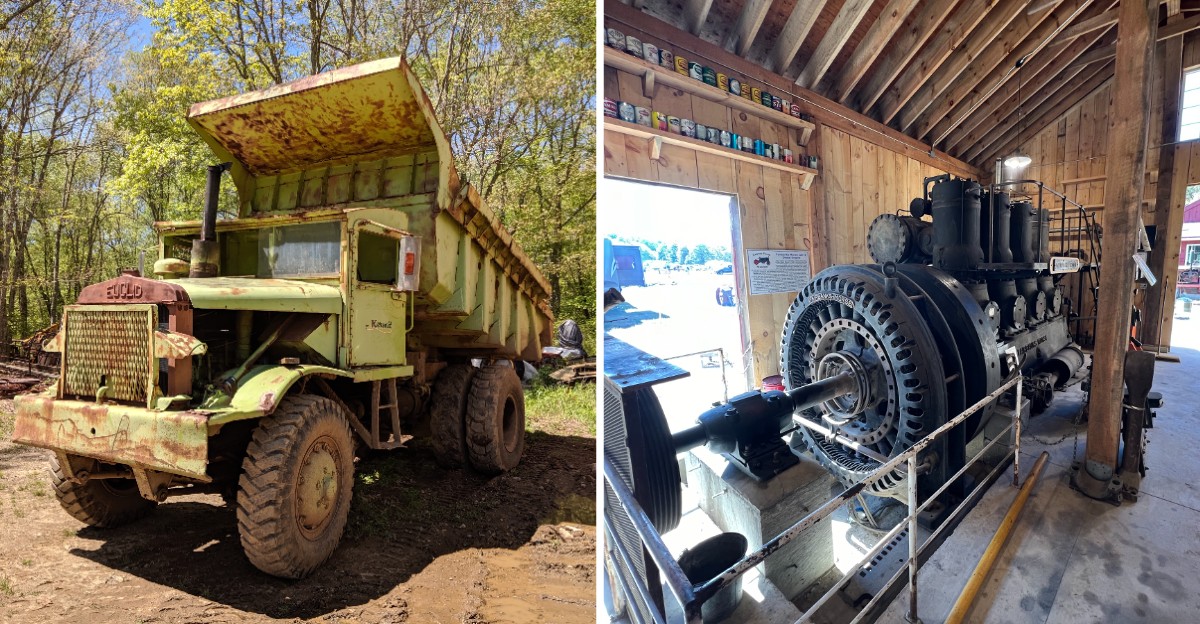
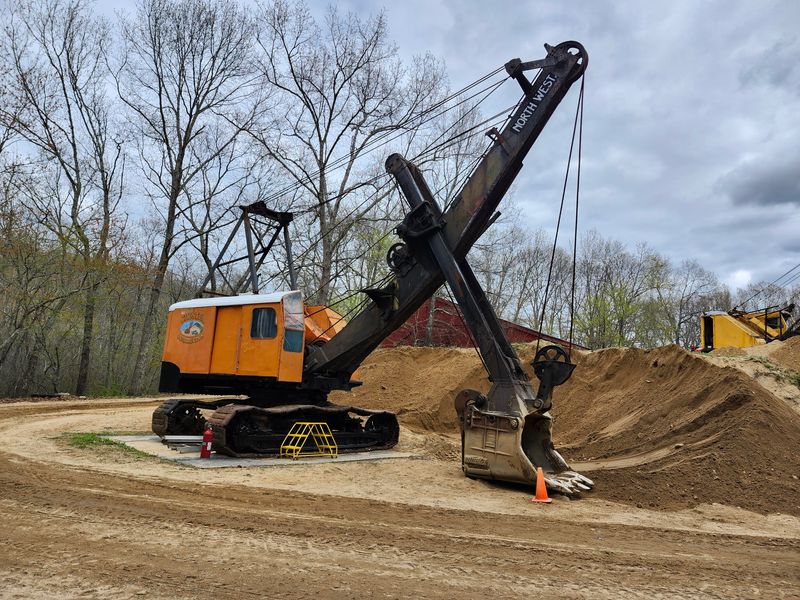
Tractors may pull the crowds, but the trucks and heavy equipment give the collection its rougher edge. Vintage earthmoving machines, including cable shovels and bulldozers, sit on the grounds as reminders of how roads, cellars and drainage ditches got built before hydraulics took over.
One standout is a Nelson truck loader, built by Nelson Iron Works in Clifton, New Jersey, during the 1930s. Its original job was scooping shoveled snow into waiting trucks, a task that says a lot about New England winters.
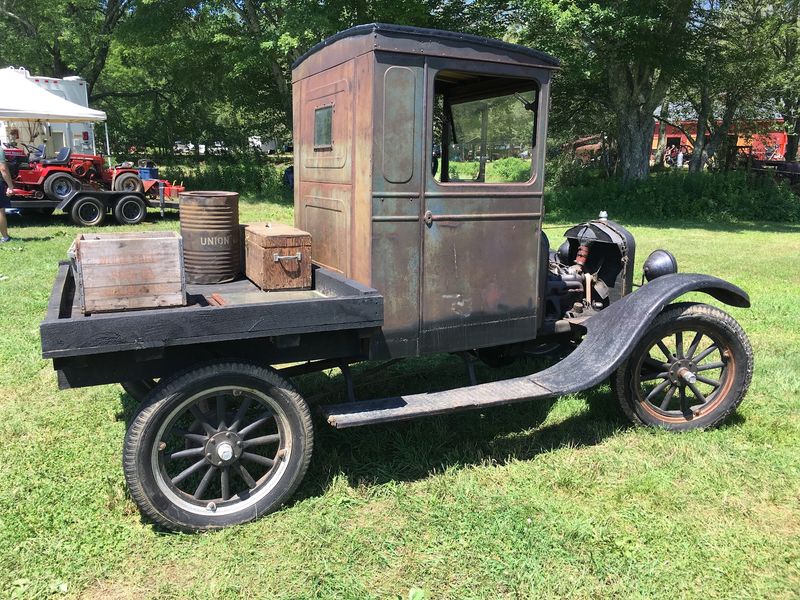
Road vehicles show up too, including an older Ford F250 and a GMC truck that together sketch out how work trucks changed across the decades. Standing beside them, the difference between a 1930s cab and a postwar one is easy to see.
June brings something different again. The annual Connecticut Military Vehicle Show and Flea Market fills the property with military trucks and equipment, drawing collectors from around the region alongside a busy flea market.
Mechanically curious visitors tend to linger longest in this part of the museum. Cables, gears, levers and exposed linkages are all right there in the open, which makes the engineering much easier to understand than a sealed modern machine ever allows.
5. Working Engines Make Exhibits Far From Static
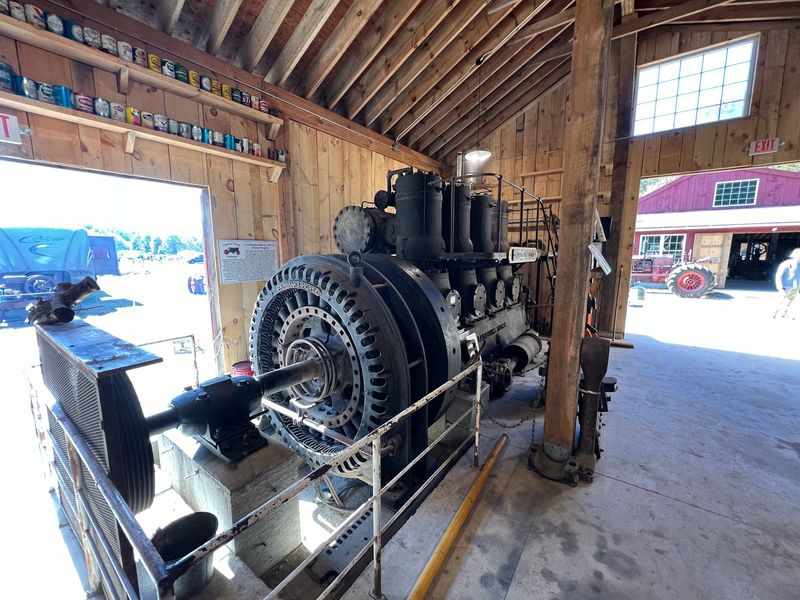
Listen closely. Then wait for the rumble. The engine collection at Zagray Farm Museum can turn a quiet history lesson into something you can hear and feel.
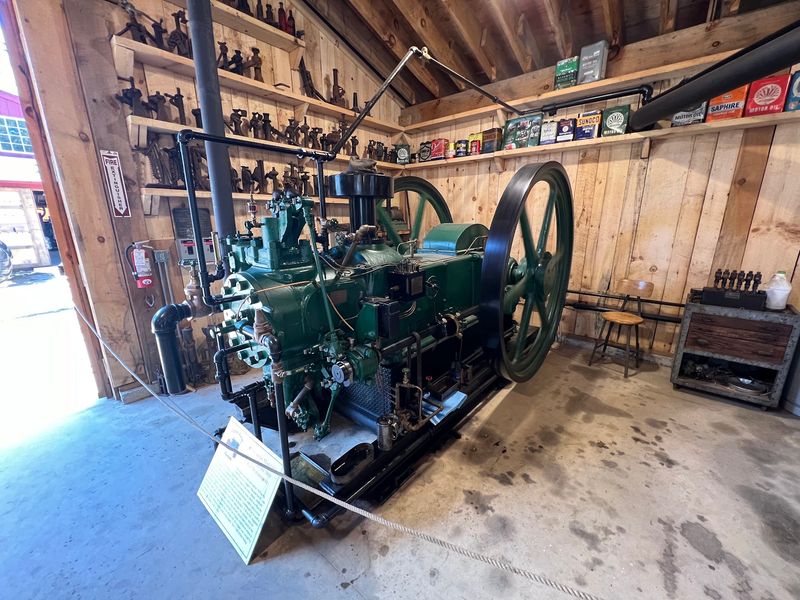
Many of these antique machines are preserved in operating condition, which changes the experience completely. Hit-and-miss engines burst to life in their distinctive stop-and-start rhythm, while larger engines produce the slower, heavier sounds once familiar around farms and industrial sites.
The collection includes stationary gasoline and diesel engines from several manufacturers and eras. Among the preserved equipment are machines from Fairbanks Morse, International Harvester, Ruston & Hornsby, and other historic makers.
Some examples are surprisingly large, offering a close look at the engineering needed to produce reliable mechanical power long before modern electric equipment became commonplace.
Better yet, the engines can have a job to do. During demonstrations, power may be transferred to other historic machinery, helping visitors understand how engines, belts, shafts, and equipment once worked together as a complete system.
The sound can get loud when several machines are operating, so ear protection may be helpful for younger visitors or anyone sensitive to noise.
Give this section some time. Watching the moving parts and discovering the rhythm of an old engine can make century-old technology unexpectedly fascinating.
6. Farm Equipment Shows How Rural Work Once Looked
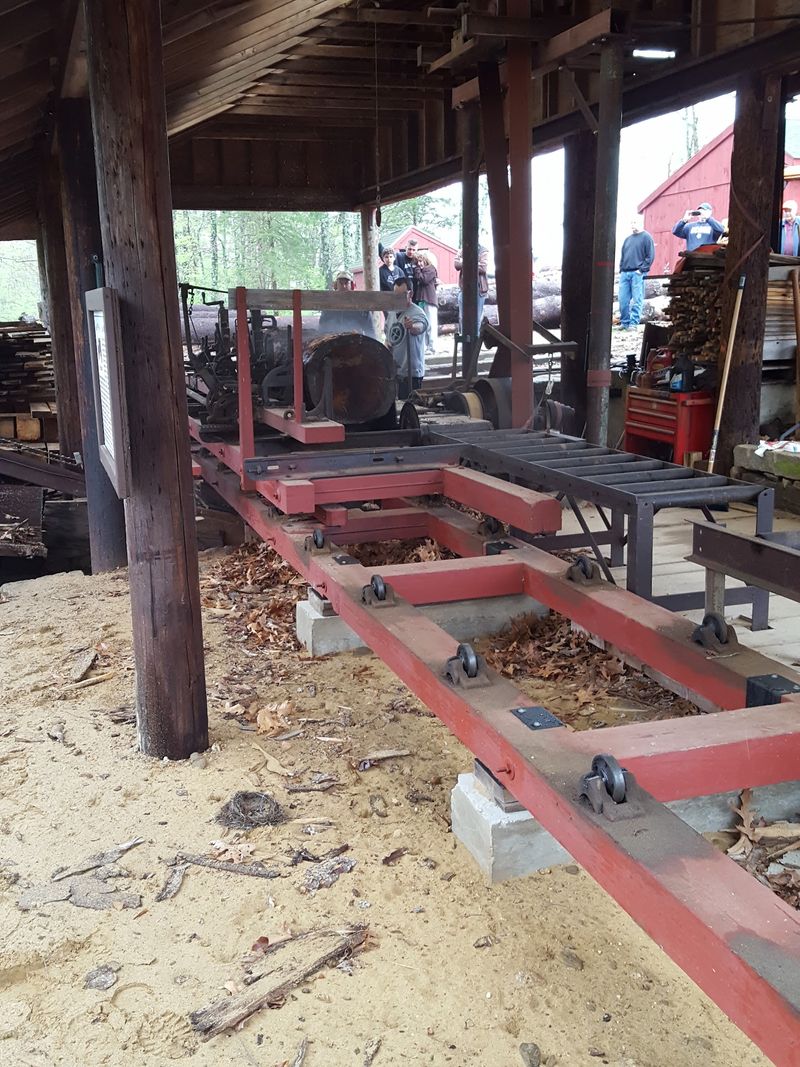
Before chainsaws, before power tools, cutting lumber and firewood meant feeding logs into machines that showed no patience with careless hands. The equipment collection here makes that reality clear without needing a lecture.
Planers and cordwood saws line up as examples of how timber was processed and building materials prepared. The centerpiece is an 1873 Lane sawmill that still runs on demonstration days, throwing sawdust and turning rough logs into boards.
Here is a detail worth knowing: that same sawmill cut wood used for some of the museum’s own buildings. The tool did not just get preserved, it kept earning its keep.
The original Zagray brothers’ machine shop is also intact, and many regular visitors call it the most overlooked corner of the property. Inside sit late 1800s machine tools, the kind of setup a farm needed when replacement parts were a long way off and repairs had to be made by hand.
An 1866 cupola furnace, saved from a historic foundry, rounds out the story by showing where metal parts came from in the first place.
Take the dirt road down toward the shop rather than sticking to the main show area. The walk is short and the payoff is real.
7. Special Events Put Historic Machinery Into Motion
This is when things get loud. Really loud.
On major event weekends, Zagray Farm Museum shifts from a quiet historic property into a busy showcase of old-fashioned mechanical power.
Several special events bring the biggest crowds and demonstrations. The summer show typically fills the grounds with antique tractors, engines, historic farm machinery, vendors, and equipment operating throughout the property.
The fall event brings another chance to see machines running before the season winds down.
One highlight is the museum’s 1873 Lane sawmill. Demonstrations show how historic machinery once handled demanding jobs, while other events can feature earthmoving equipment, tractors, woodworking machinery, and stationary engines in action.
Tractor-drawn wagon rides also offer an easier way to see more of the sprawling grounds.
The swap-meet sections add a different kind of entertainment. Tables can hold old tools, mechanical parts, collectibles, and unexpected pieces that reward a slow browse.
Family activities may also be offered during larger shows.
Additional gatherings during the year have included spring programming and events devoted to historic military vehicles. Because schedules, admission prices, and demonstrations can change, checking the museum’s current calendar before visiting is the safest plan.
Arriving early has another advantage. It leaves more time for demonstrations and gives dedicated treasure hunters the first look at those swap-meet tables.
8. Hands-On Demonstrations Keep Mechanical History Alive
Demonstrations are the reason to time your visit around an event rather than simply driving out to look at parked machines. Watching something work changes how you understand it.
The 1873 sawmill demonstration draws the steadiest crowd, and plenty of visitors name it the highlight of their day. Nearby, vintage cable shovels and bulldozers operate during shows, giving a clear picture of how earth got moved before modern excavators existed.
Farming techniques get their turn as well, with plowing demonstrations using oxen or tractors that make the leap in agricultural technology genuinely visible. Blacksmithing sessions add another layer, showing the metalworking craft that kept farm and factory tools in service.
The preserved machine shop, stocked with century-old equipment, rounds out the picture by revealing the precision early mechanics achieved without any of today’s conveniences.
For a slower pace, the tractor-drawn wagon rides roll through the grounds and give tired legs a break, while barrel tractor rides keep younger visitors happily occupied.
Volunteers stationed around the demonstrations are generally happy to field questions, and many guests come away saying they learned more than expected. Bring water, wear sturdy shoes, and give yourself at least a few hours to take it all in.