This Little-Known Maine Shop Has Thousands Of Pieces Of Antique Stained Glass
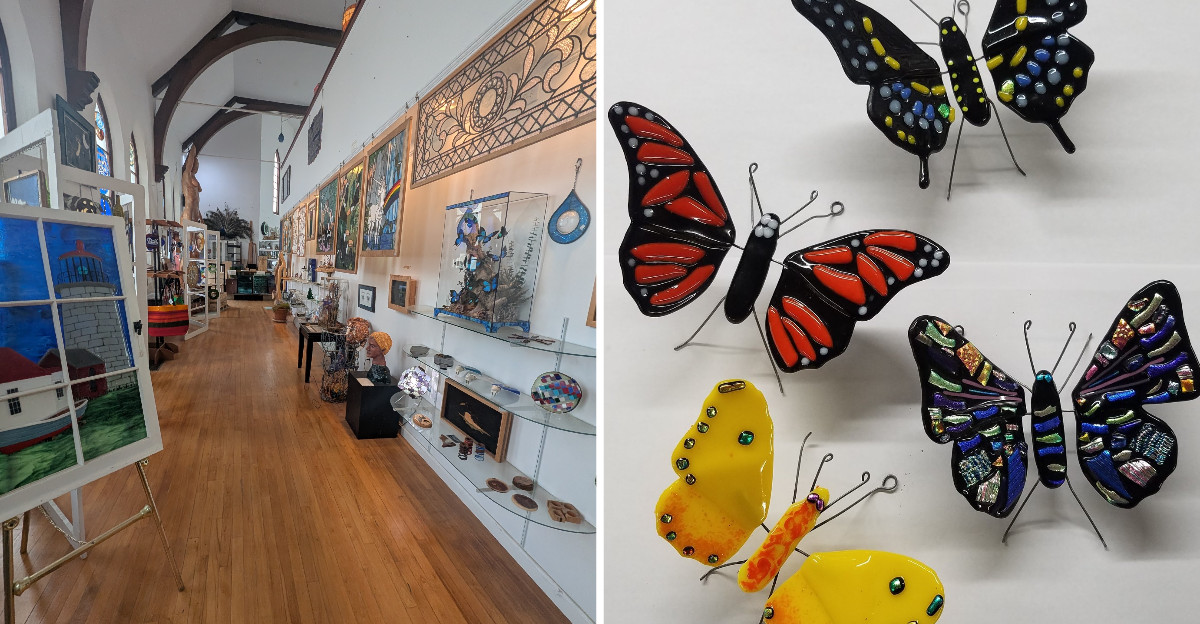
Sunlight has an absolute field day in a shop filled with stained glass.
In Maine, one little-known studio lets color bounce through a building with history of its own, turning a casual browse into something surprisingly mesmerizing.
Antique glass adds plenty of character, but the story keeps moving.
New pieces are created, older ones are repaired, and classes keep the craft from becoming something people only admire from a distance.
That mix gives the shop real life. Then, just when stained glass seems like enough, another unusual collection adds a completely different twist.
Apparently one colorful obsession was not enough for this place!
A Church Full Of Color
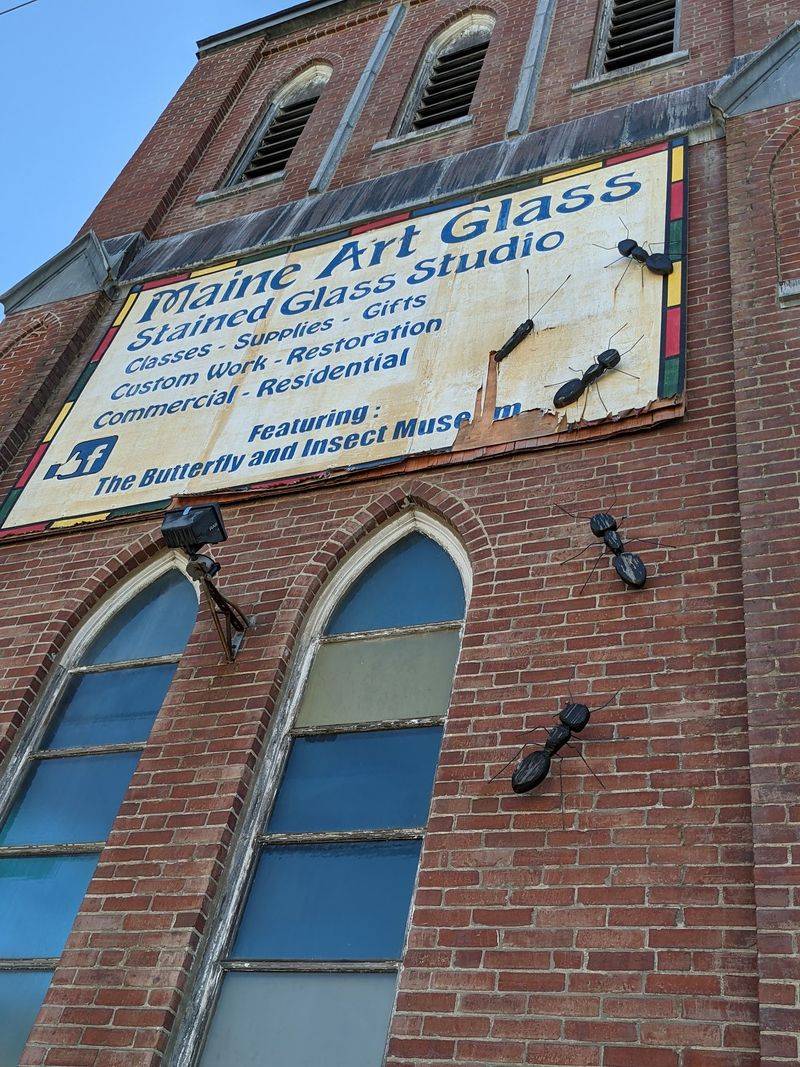
The building makes an impression before the glass does. Brick walls and Gothic arches immediately show that this was never an ordinary shop.
Maine Art Glass Studio occupies the former St. Cyril and St. Methodius Catholic Church. Square towers, arched entrances, and a wagon-wheel rose window shape the facade.
A circle-and-cross design appears above the entrances, while a cross crowns the gable. Those details preserve the building’s earlier religious identity.
The studio has operated here since 2000. Today the interior holds a working studio, retail shop, classrooms, gallery space, and an insect museum.
The reuse feels fitting because light and glass remain central to the building, even though the original parish moved elsewhere before the studio arrived.
The church was designed in 1923 and dedicated in 1926. It also has historic ties to Lisbon Falls’ Slovak immigrant community.
The building joined the National Register of Historic Places in 1977, decades before the studio converted it into its current creative home. The full address is 51 Main St, Lisbon Falls, ME 04252.
Glass In Every Color
The glass supply area is where the numbers become impressive. Nearby sheets can look very different because color and texture change how light moves through them.
The shop currently reports more than 1,200 colors and textures of glass. That figure describes material choices, not thousands of antique stained-glass pieces.
Maine Art Glass also sells supplies for entirely new work. Clear, colored, textured, and specialty glass can produce very different visual effects.
Some sheets diffuse light through patterned surfaces, while others use deeper color or stronger opacity. Comparing them in person can make selection easier.
Because glass sheets are fragile and often stored closely together, handling is best done carefully and with staff guidance when needed.
A smaller palette can give a first project more control, while experienced makers may combine a wider range of colors, textures, bevels, and decorative details.
Texture can matter as much as color. Pale glass with a strong surface pattern may change dramatically once light passes through it.
The inventory gives artists a chance to compare materials directly rather than judging them only from photographs.
Older Pieces Get New Care
Older stained glass does not automatically lose its usefulness when damage appears. The studio continues to repair and restore antique and other damaged glasswork.
Current services cover traditional leaded stained glass, framed pieces, and projects that need work where they are already installed.
Restoration needs vary, so the condition, size, and original construction of a panel can all affect the approach.
Matching damaged areas can require attention to color, transparency, texture, and pattern. A technically sound replacement can still stand out if those details are ignored.
Construction methods matter too. Traditional lead came holds many windows together, while copper foil is common in other stained-glass work.
Historic or valuable panels generally call for specialized tools, compatible materials, and an understanding of the original structure rather than improvised repairs.
Restoration adds another layer to the visit because it shows how the craft includes preservation as well as new design.
A successful repair has to stabilize the piece while respecting the surrounding glass, especially when original material has aged.
Designs Made For Real Spaces
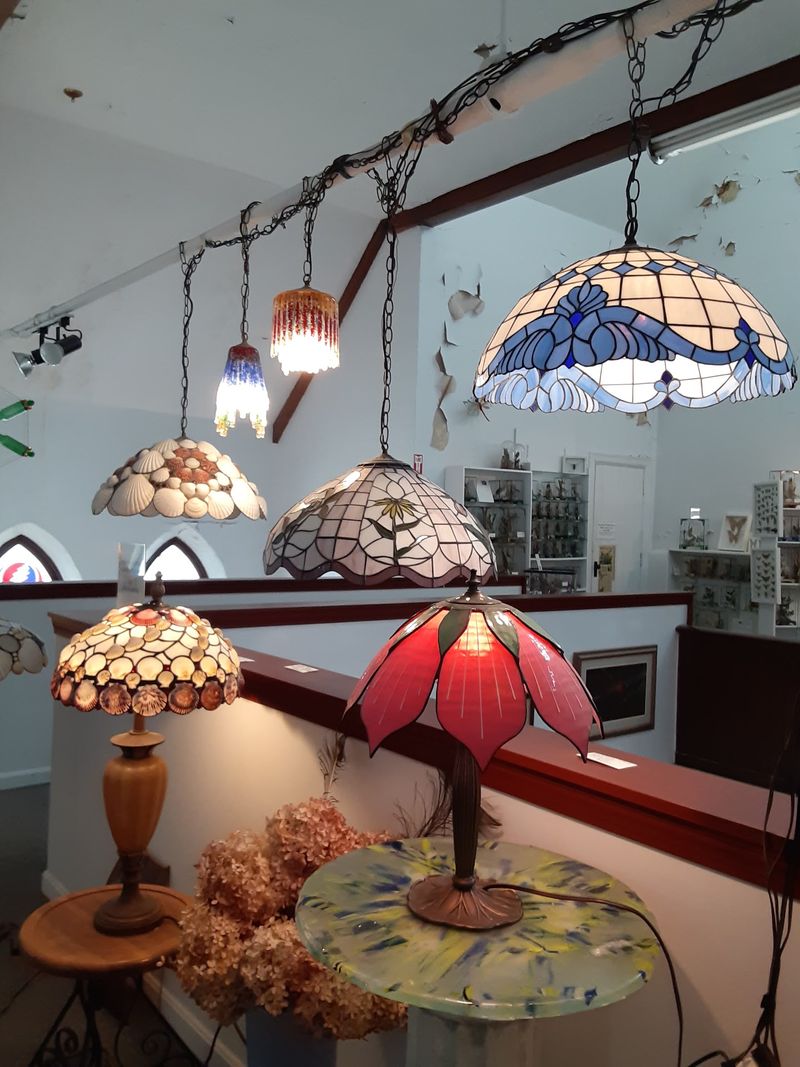
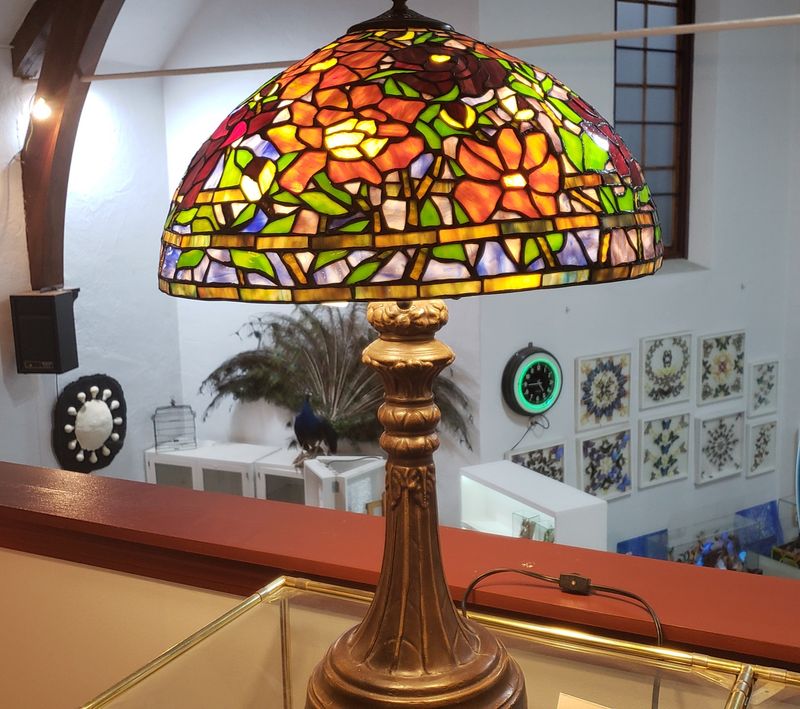
Custom glass changes when it has to fit a real room. Maine Art Glass creates commissioned work for windows, doors, panels, cabinetry, lampshades, and decorative applications.
Each format brings different practical questions. A window must suit its opening, while a lampshade has to work around a light source and support structure.
The studio produces original imagery rather than one fixed style. Its services also include architectural consultation for homeowners, designers, and builders.
Privacy, transparency, color, and surrounding materials can shape a window commission. Those choices affect how much light and visibility pass through the finished piece.
The direction and strength of nearby light can also change how glass reads once installed.
Smaller cabinet panels usually demand tighter compositions, while larger pieces offer more room for broad patterns and detailed imagery.
Joining lines become part of the design too. Lead came or copper foil can outline shapes and organize the image.
Custom work begins before cutting starts, so measurements, installation needs, structure, and the intended setting all matter during planning.
Butterflies Behind The Glass
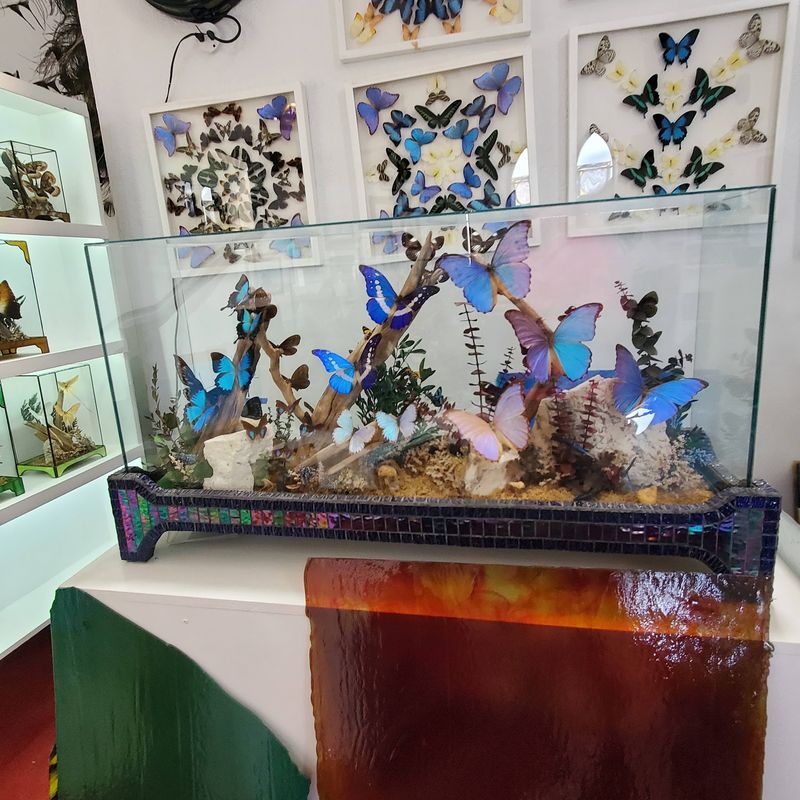
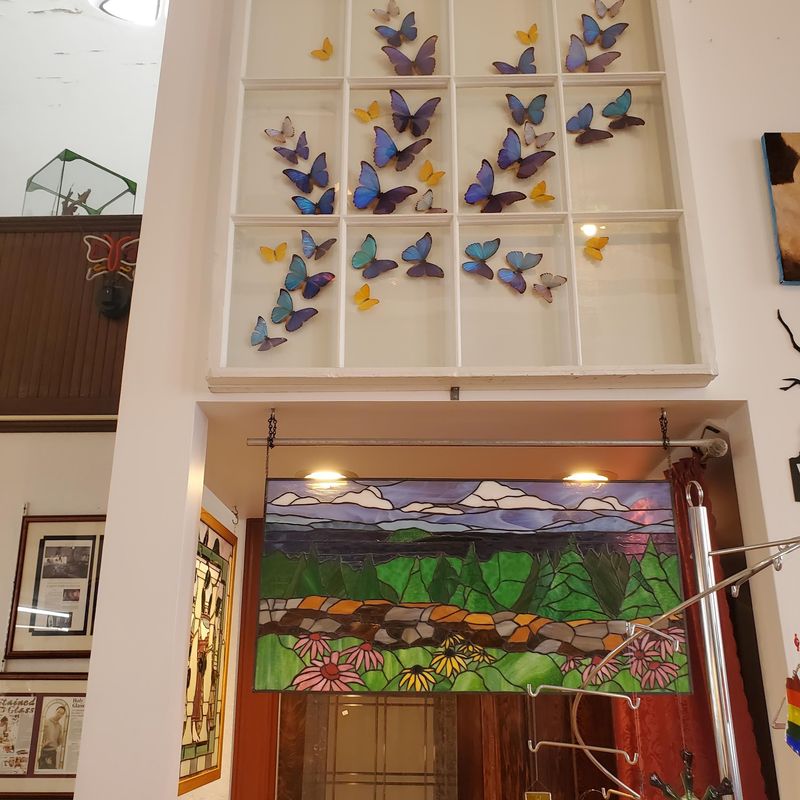
Butterflies are an unexpected addition to a stained-glass studio. Maine Art Glass includes an on-site Butterfly and Insect Museum beside its working art spaces.
Preserved specimens appear in cases and shadow boxes, including displays that use custom glasswork to connect natural history with the studio’s main craft.
The collection reflects the studio owner’s biology background and long-running interest in insects, shells, fossils, minerals, and other natural specimens.
This part of the building rewards close observation because wing patterns, body shapes, and color differences can disappear during a quick pass.
Younger visitors can compare markings and forms without handling specimens, while adults may notice how the display cases use glass as part of the presentation.
The museum also shows that custom glass can do more than fill windows. It can frame and protect small objects meant for close viewing.
That shift from art supplies to natural history gives the studio a second identity and breaks up the experience of browsing glass and finished work.
The insect museum is a regular feature, and the broader natural-history collection also includes shells and related material.
Try Making Glass Art
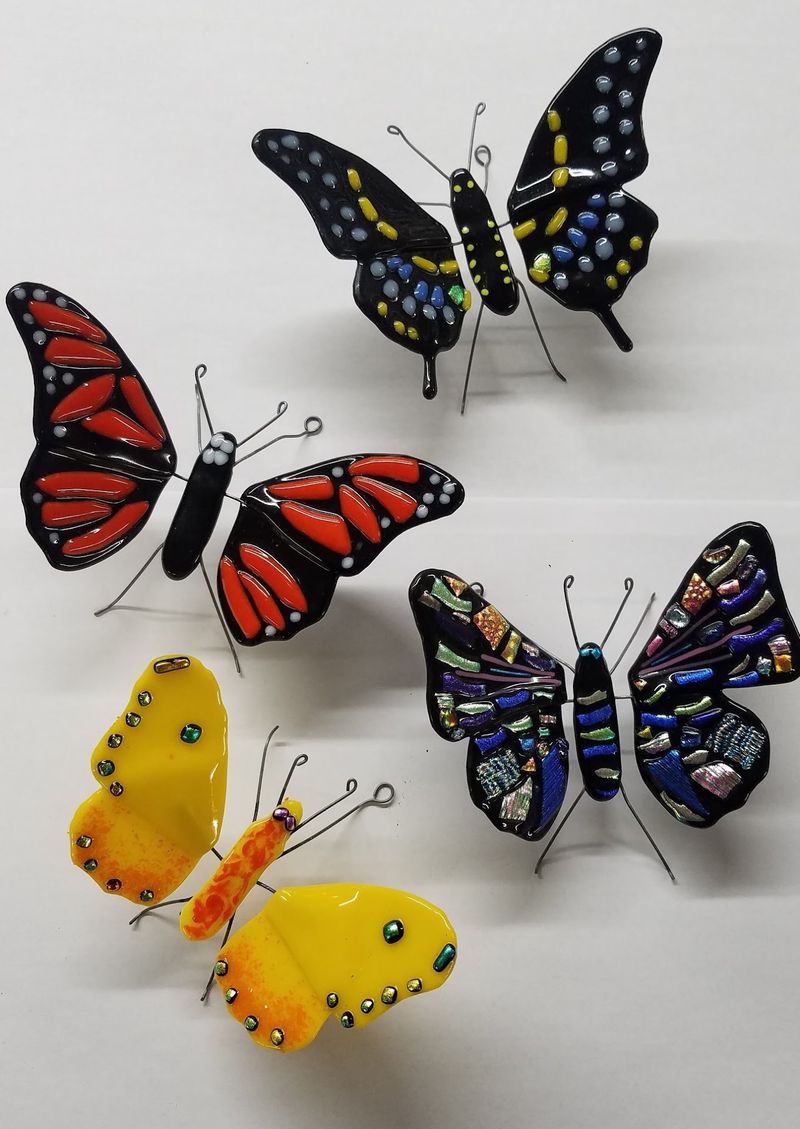
Finished pieces are only part of the story. Maine Art Glass currently offers instruction for beginners and experienced makers across several glass-based techniques.
Regular classes include stained glass, kiln-formed fused glass, and mosaics, with intermediate and advanced workshops for students continuing their skills.
Beginning stained-glass students learn cutting and copper-foil assembly before moving into projects such as panels, suncatchers, or lampshades.
Fused-glass classes cover cutting, grinding, stacking, kiln use, firing schedules, and different levels of fusing and slumping.
Mosaic instruction focuses on design planning, glass selection, nipping, grouting, and finishing.
The weekly schedule includes several stained-glass sessions plus recurring fused-glass and mosaic classes, so advance registration is sensible.
Experience level matters because a beginner needs different guidance from someone returning to lead came, fusing, restoration, or another advanced technique.
Starting with a manageable project can make the process easier to understand before moving into larger or more complicated work.
Tools For Your Next Project
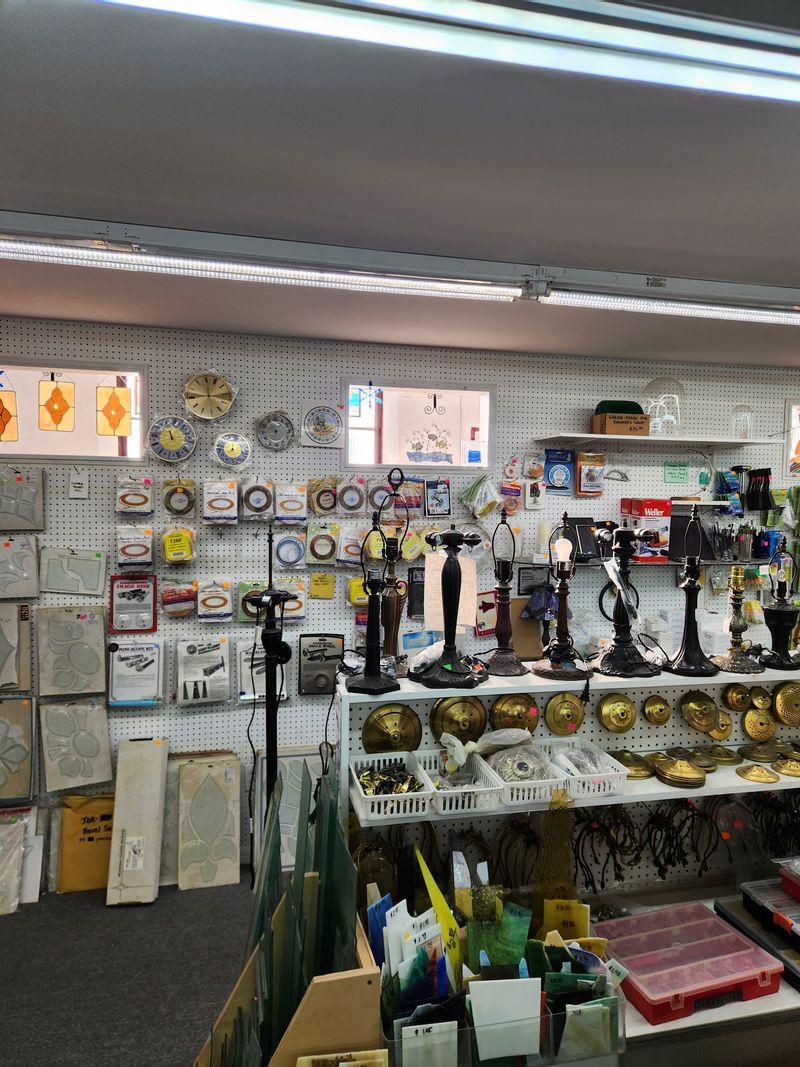
A colorful sheet of glass still needs the right materials around it. The retail side stocks supplies for stained glass and related techniques.
Current inventory includes glass sheets, tools, solder, bevels, lamp hardware, grout, pre-cut kits, and supplies for fusing and lampworking.
Planning the project first can keep the supply list focused. The construction method determines which materials and hardware are actually needed.
For newer makers, the working-studio setting helps connect tools and materials with the techniques taught in classes.
The studio also reports carrying more than 500 books for patterns, references, and design inspiration.
Patterns influence more than appearance. Their shapes affect cutting difficulty, assembly, material use, and the number of pieces required.
The supply operation connects finished gallery work with the practical steps behind creating stained, fused, and mosaic glass.
Anyone traveling for a specific color, texture, tool, or piece of hardware should confirm availability because retail stock can change.
Plan A Better Visit
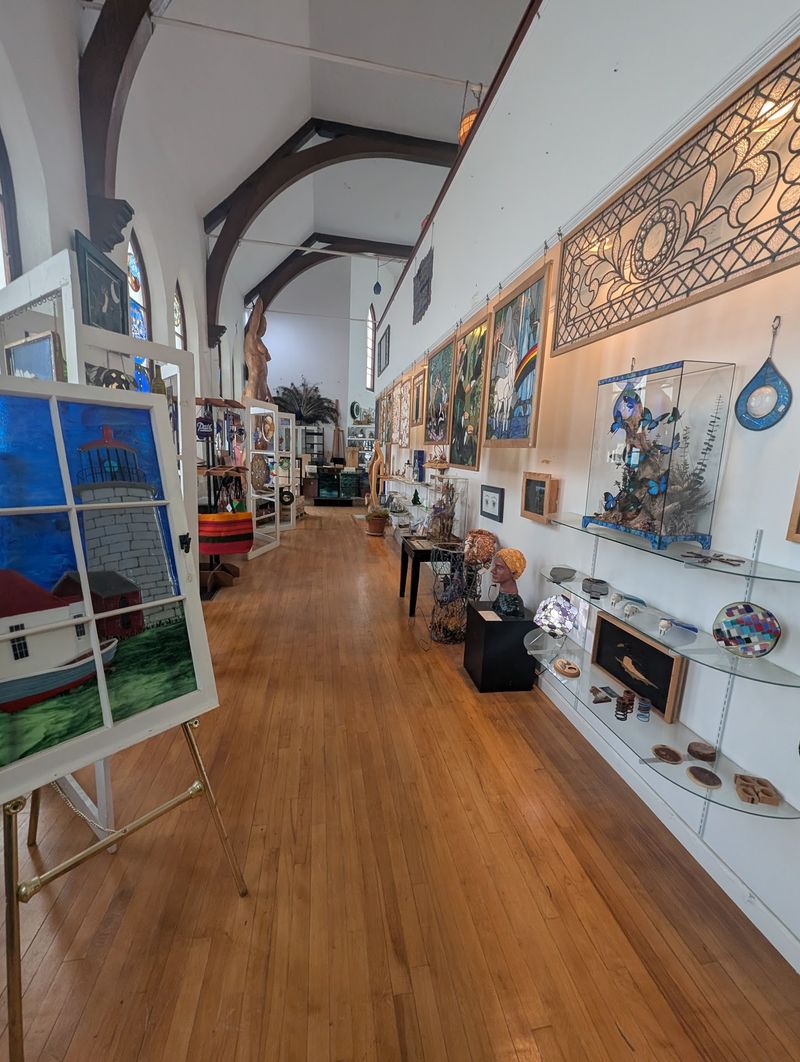
Leaving time to explore makes sense because the former church combines architecture, retail supplies, a working studio, gallery displays, classrooms, and the insect museum.
Current hours are Monday and Tuesday from 9 a.m. to 4 p.m., Wednesday from 9 a.m. to 9 p.m., Thursday from 9 a.m. to 6 p.m., and Friday and Saturday from 9 a.m. to 4 p.m.
Sunday is closed, so checking posted hours before traveling is worthwhile, especially when a class or special project is part of the plan.
Visitors interested in repair work, custom commissions, private instruction, or classes should contact the studio directly because those activities require more planning than ordinary browsing.
Daylight can make translucent glass easier to compare, but any sheet or finished panel will still change with weather, angle, and interior lighting.
For custom work, accurate measurements and useful photographs can make the discussion more specific, while restoration projects may need a separate assessment.
Displayed work and glass supplies are best examined carefully, with staff permission before handling fragile pieces or materials stored for sale.
A shorter visit can focus on the gallery or insect museum, while a longer stop leaves room to browse supplies and see how a working glass studio fits inside a historic Maine church.