This Little-Known North Carolina University Is Ranked No. 1 In America For Undergraduate Teaching
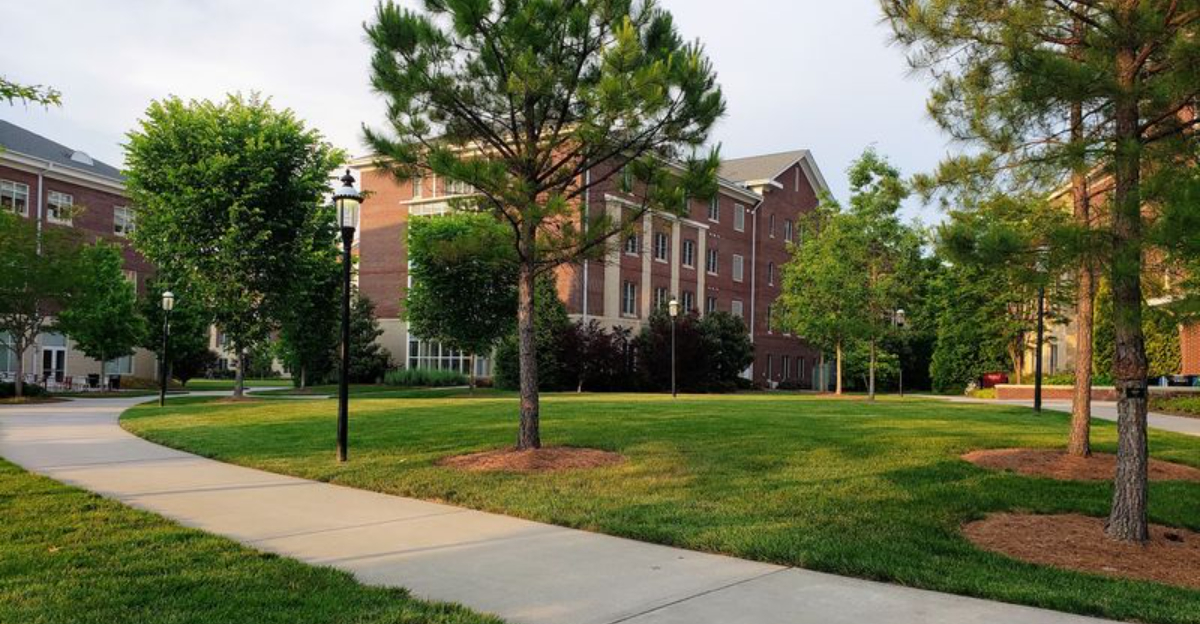
The Ivy League does not own the bragging rights this time.
For five straight years, a private university in a small North Carolina town has held the No. 1 spot in the nation for undergraduate teaching in U.S. News & World Report’s rankings.
And it did not get there by turning classrooms into packed auditoriums.
Average class size sits around 20 students, which makes disappearing into the back row considerably harder. Professors are expected to actually know the people they are teaching, not recognize them solely as “the student who always sits near the outlet.”
That close attention has helped a mid-sized campus compete with universities carrying much bigger names.
So yes, the brick walkways are pretty.
But the real flex is happening after class starts.
America’s top-ranked undergraduate teaching campus may be hiding somewhere far quieter than most people would guess.
See What Put This Campus At The Top For Undergraduate Teaching
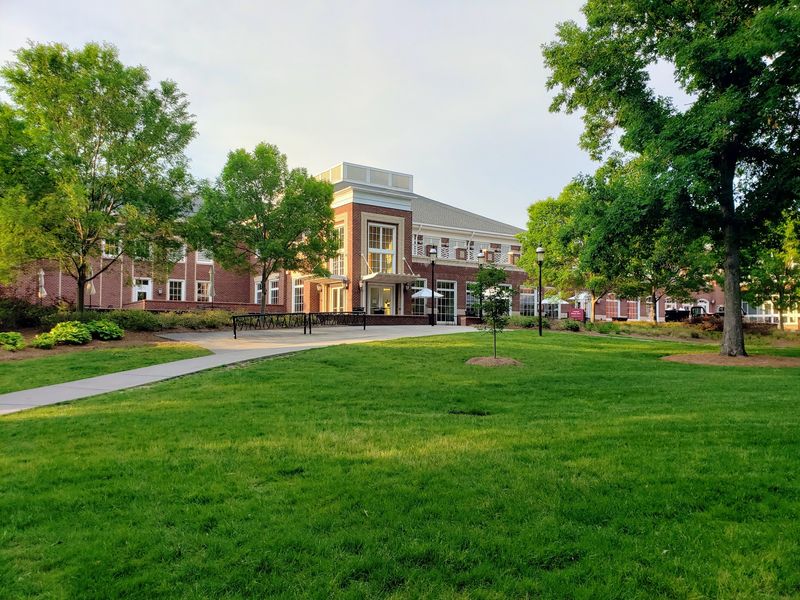
Rankings rarely tell a full story, yet the recognition here comes from something you can feel on a morning stroll past brick walkways and shady oaks.
For five straight years, U.S. News & World Report has named this school first in the nation for excellence in undergraduate teaching.
That honor rests on a simple idea: teaching comes first, and learning happens through doing.
Faculty design courses around experience, sending students into labs, studios, communities, and countries far from campus. The university has also been praised for eleven consecutive years as a leader in programs that enhance student experience.
It earned a top ten spot in all eight categories U.S. News links to student success, a combination no other American university has matched.
Visitors can see the philosophy at work between classes, when professors linger to finish conversations.
The address, 100 Campus Dr, Elon, NC 27244, sits about twenty minutes from Greensboro, making a campus tour easy to fold into a road trip.
Guided visits run on weekdays, when offices are open from 8 a.m. to 5 p.m.
You Can Compare Its Classroom Experience With Much Larger Universities
Numbers help here, so start with the scale: roughly 6,191 undergraduates study on this campus, small enough that faces repeat but large enough to feel lively. The student to faculty ratio sits at 11 to 1, and the average class holds about 20 students.
Tours often pause outside a classroom, letting visitors glance in and judge the room size for themselves.
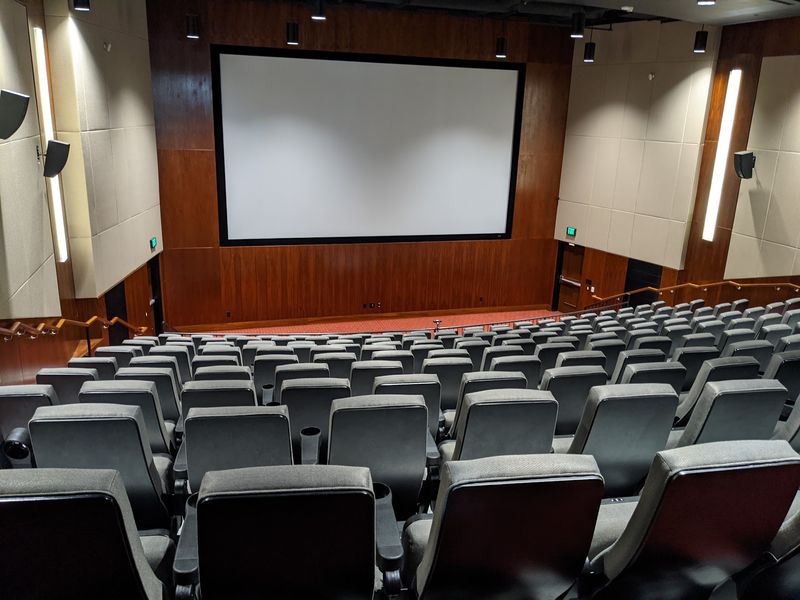
Picture the difference. Instead of a lecture hall with several hundred seats and a distant microphone, most rooms here fit around a long table or a loose circle of desks.
Every single undergraduate class is taught by a faculty member rather than a teaching assistant, which is a real departure from how many big public universities handle first-year courses.
Popular introductory subjects can fill up more chairs, especially in business or biology. Upper-level seminars swing the other way, sometimes shrinking to a dozen students debating a text or reviewing each other’s research drafts.
For families touring campuses and comparing notes, that structure is the detail worth writing down.
Look At Why Small Classes Matter So Much Here
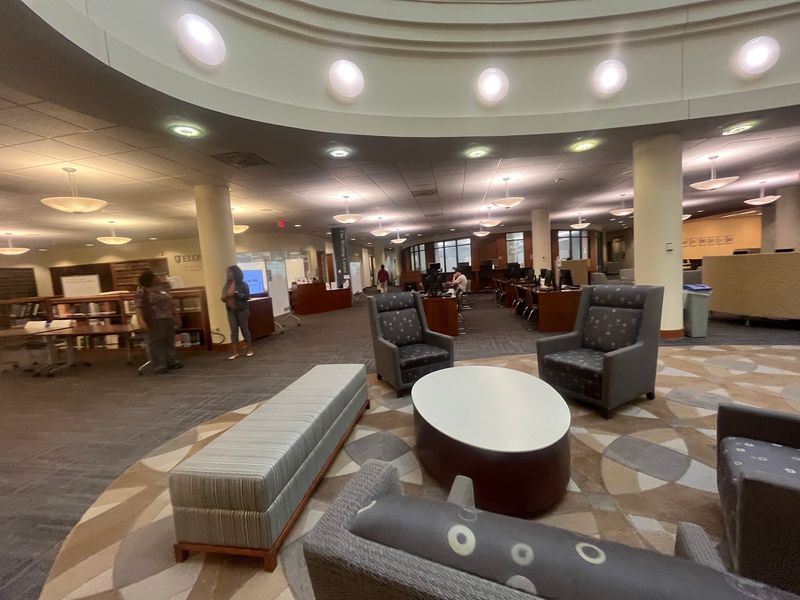
Being known by name changes how a semester feels. In rooms of twenty, a professor notices when someone is quiet for two weeks, and that noticing turns into an email, a coffee, or a nudge toward the writing center.
Attention like that is the engine behind the teaching reputation. Students receive personalized guidance from faculty and staff mentors who track progress rather than test scores alone.
Questions get asked out loud, because nobody hides in the back row of a seminar table.
There is a trade, of course. Small classes require full participation, so reading the chapter matters and skipping discussion is obvious.
That expectation turns passive listening into active work, which is exactly the point.
Across North Carolina, plenty of excellent schools offer strong majors, yet few build the entire academic day around conversation this way.
Sit in on a class during an official visit and the pattern shows quickly: fewer lectures, more back and forth, and professors who ask follow-up questions by name.
It is a quieter kind of rigor, and it sticks. The name is Elon University.
Find Out How Professors Stay Closely Involved With Students
A shared lunch can teach more than a syllabus. Through programs known as SIDE SWIPE and Take a Student Lunch, students invite a professor or staff member to eat together at no cost, trading trays of dining hall pasta and conversation about internships, hometowns, and what to study next.
Office hours stretch across the week and are scheduled at different times so athletes, commuters, and early risers can all find a window.
Advising sits inside faculty teaching duties rather than in a separate building, which means the person grading your essay also helps map your four-year plan.
Some professors live in university residential neighborhoods, hosting evening events where students show up in sweatshirts with a plate of cookies in hand.
Behind the scenes, faculty gather in communities of practice, informal meetings where they swap ideas, work through problems, and sharpen how they mentor undergraduate research. Those conversations often spark projects that cross departments.
The result is a faculty presence woven into daily life rather than confined to one classroom hour.
Explore The Programs That Help Undergraduates Learn Beyond Lectures
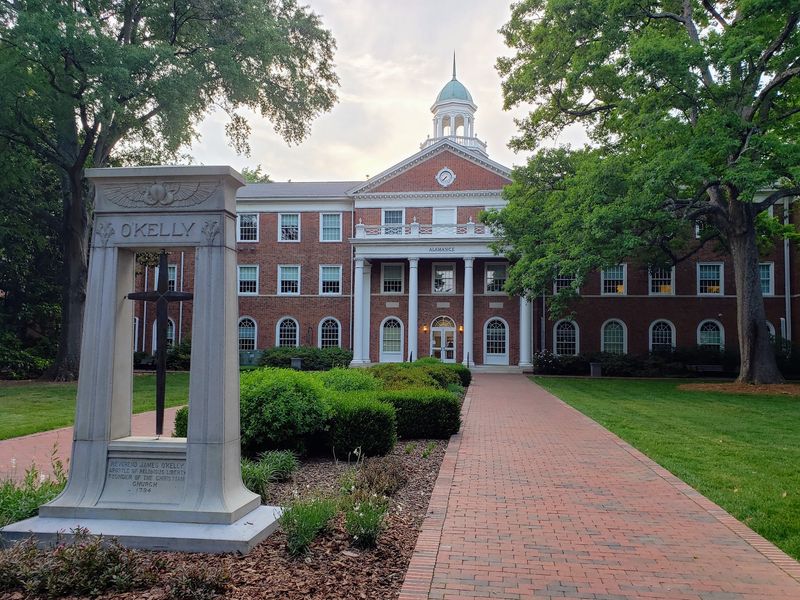
Five signature paths shape life here: study abroad, internships, service learning, leadership development, and undergraduate research.
Every student completes at least two before graduation, and plenty finish all five, which explains why resumes from this school read like travel journals.
Global learning is the headline. The Institute of International Education’s Open Doors Report ranks the university first in the country for study abroad, with more than 160 programs in over 50 countries, including short Winter Term trips and full semesters.
Career preparation runs through the Student Professional Development Center, which links students with employers nationwide.
Eighty-seven percent of the Class of 2023 completed at least one internship before walking across the stage.
Mock interviews, hiring events, and alumni connections fill the calendar each semester.
Research thrives too, supported by the Summer Undergraduate Research Experience and the Spring Undergraduate Research Forum, plus grants for student projects. The university ranks eighth nationally for undergraduate research and creative projects.
Best of all, these experiences appear on official transcripts, giving employers and graduate schools clear proof of hands-on work.
Walk The Campus And See Why Student Experience Gets So Much Attention
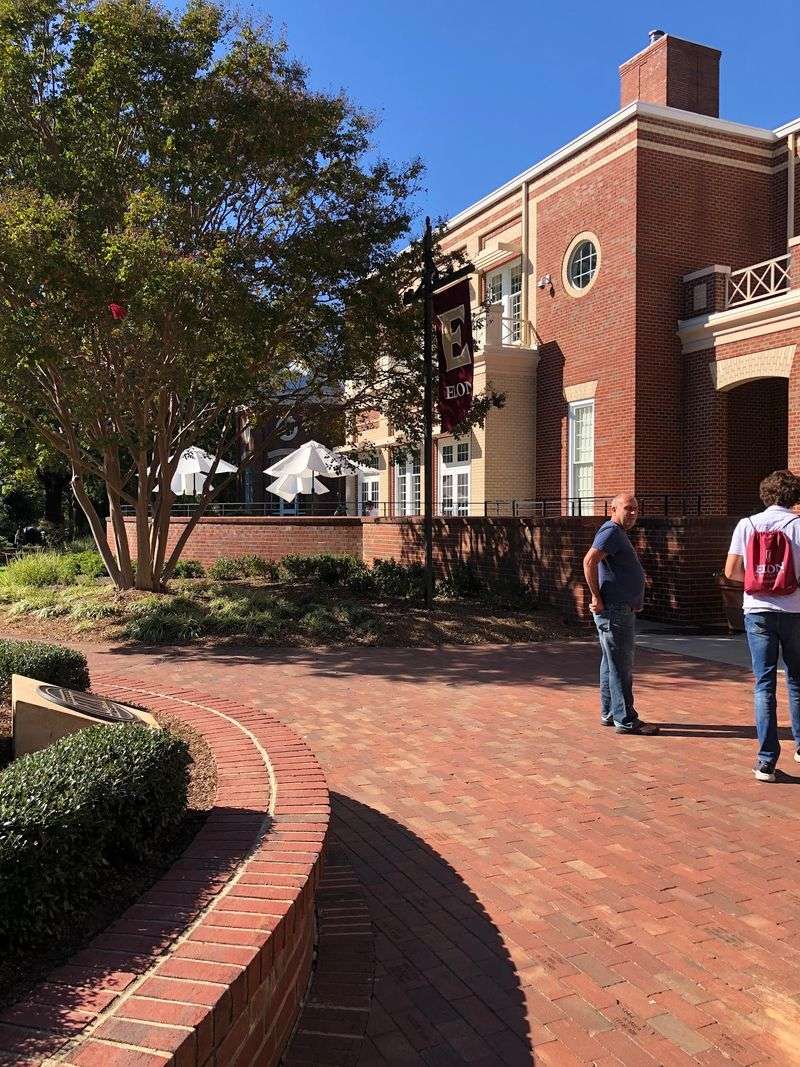
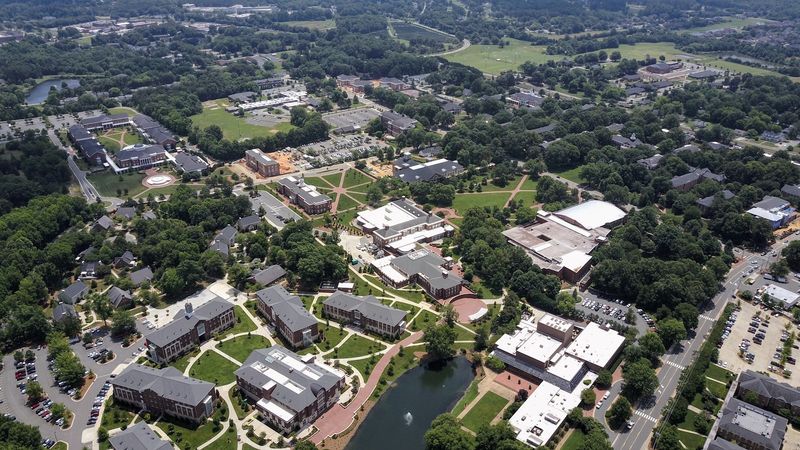
Brick paths curve past fountains, oaks, and lawns wide enough for hammocks, and the grounds stay trimmed with obvious care. Water features hum quietly near study benches, giving the walk a calm rhythm even during class changes.
Tuesday mornings belong to College Coffee. No classes meet during that hour, so students, professors, and staff drift outdoors for cups of coffee and easy conversation, a tradition that turns a whole campus into one big front porch.
More than 250 student-led clubs and organizations fill the rest of the week, covering everything from a cappella singing to service trips. Intramural fields, rehearsal rooms, and campus radio studios stay busy well past dinner.
Food lovers should aim for Thursday. A farmers market sets up in the lot at West Haggard Avenue and South Williamson from 3:00 to 6:30, where growers from around North Carolina sell yellow squash, ripe tomatoes, sourwood honey, cut flowers, pickles, and flavored sea salts.
Vendors happily explain how they grow things, so shopping feels like a conversation.
Compare The Teaching Focus With Schools Better Known Nationally
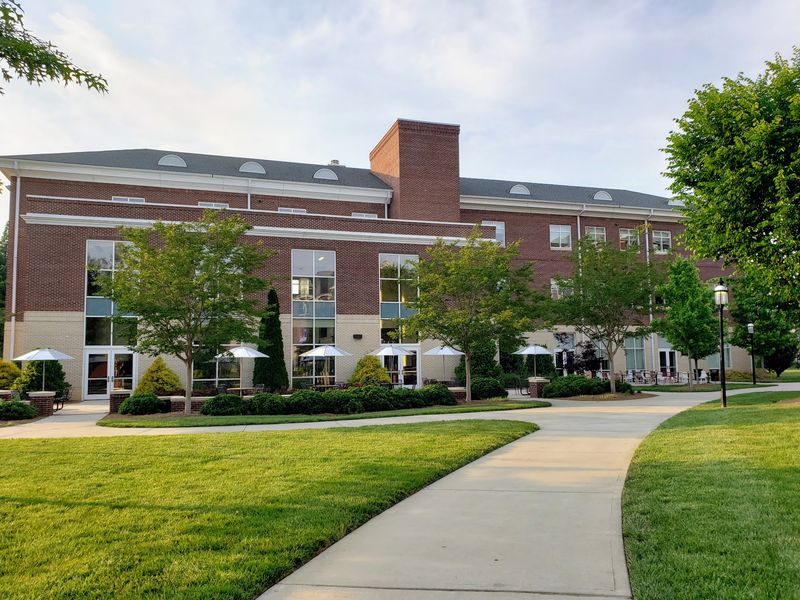
Big research universities measure prestige in grant dollars and graduate labs. The priority here runs a different direction, placing undergraduate teaching, mentoring, and experiential learning at the center of the budget and the calendar.
Neither model is wrong, though they produce very different classroom days.
That choice shows up in the ranking tables. In the U.S.
News category for undergraduate teaching, this school appears alongside Brown, Dartmouth, Princeton, Duke, Rice, and Yale, sitting at the top of that group year after year.
One statistic does much of the explaining: 100 percent of undergraduate classes are taught by faculty rather than teaching assistants. First-year students meet full professors in week one, not in year three.
It is also the only institution in the country named to the top ten in all eight categories U.S. News ties to student success and strong learning outcomes.
Reputation at famous universities often grows from research output, while this campus built its name on what happens between a professor and a student. For applicants weighing options, that distinction deserves a serious look.
Leave Understanding Why This North Carolina University Keeps Standing Out
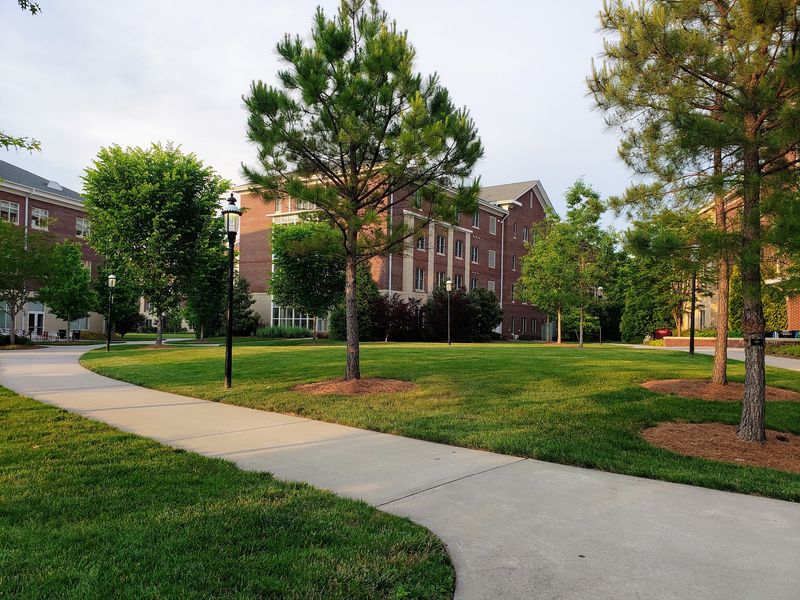
Ninety-six percent of the Class of 2025 was working, enrolled in graduate school, or serving in volunteer programs within nine months of graduation.
That figure grows out of years spent presenting research, traveling abroad, and holding real internships.
Size plays a role as well. With roughly 6,000 undergraduates, the school lands in a comfortable middle, busy enough for big traditions yet small enough that a student can be recognized crossing the quad.
Offices sit at 100 Campus Dr, Elon, NC 27244, open weekdays from 8 a.m. to 5 p.m., and tours can be arranged by calling 336-278-2000.
Greensboro and Raleigh are both within easy driving distance, so a visit pairs nicely with barbecue stops and downtown wandering across central North Carolina. Farm stands, small bakeries, and local coffee shops sit minutes from the entrance gates.
Walk the brick paths once, watch a professor greet students by name, and the top ranking stops feeling like a headline. That quiet consistency, more than any list, explains the reputation.