This Louisiana Botanic Garden Bursts With Color Around Every Corner
You probably have that one friend who kills every houseplant they touch. Maybe that friend is you, and that is perfectly fine here.
This garden does all the hard work so you can simply enjoy the view. It is packed with specialty gardens that each have their own personality.
You can stroll past roses, fragrant herbs, and a lovely collection of camellias. There is a tropical garden that makes Louisiana feel even more exotic.
Kids have their own garden too, so the little ones will stay happy and curious. Beyond the flower beds, shady woodlands and peaceful wetlands invite you to wander.
A leafy arboretum adds even more shade and greenery to the scene. Every path seems to lead to another colorful surprise.
Bring a camera, comfortable shoes, and maybe a friend who loves nature. By the end of your visit, even your sad little houseplant might feel inspired.
A Grand Welcome To 440 Acres Of Green
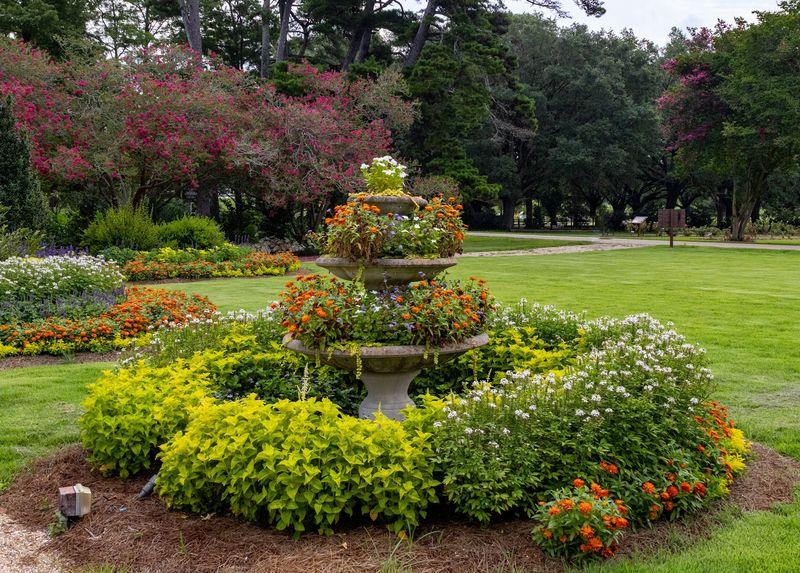
Bring comfy shoes, because this garden does not do small. The LSU AgCenter Botanic Gardens covers about 440 acres.
That size is the first surprise. Themed gardens sit near the front, while meadows, ponds, and wetlands stretch farther back.
Around five miles of walking paths loop through the grounds. You can pick a short flower stroll or a longer wander that fills a whole morning.
Best of all, general entry to the gardens is free. That makes it easy to pop in for twenty minutes or stay until your legs file a complaint.
Start at the visitor center and grab a map. Staff can point you toward whatever is blooming, which saves you from guessing.
Signs along the paths share facts about the plants and the land. This place belongs to a university, so it likes to teach while it shows off.
Parking is plentiful, which feels like a small gift in any city. The grounds also host weddings, photo shoots, and seasonal events throughout the year.
If you plan professional photos of people, buy a photo pass at the visitor center first. Casual snapshots are welcome, so let your phone camera run wild.
Think of this first stop as your warm-up lap before the real color show begins at 4560 Essen Lane, Baton Rouge, Louisiana.
Where Roses Rule The Room
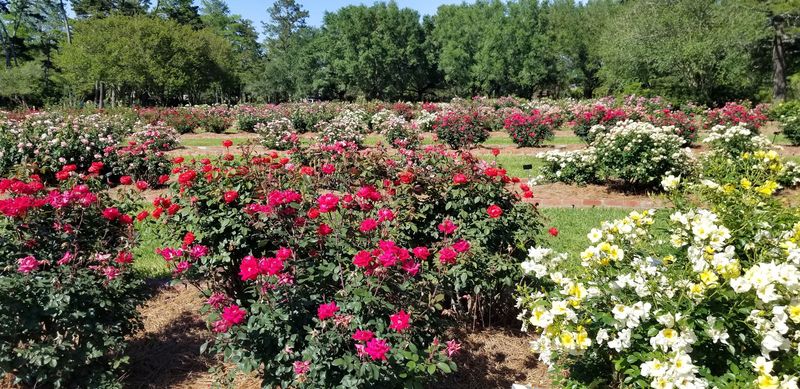
Roses clearly got the memo about dressing to impress. The Rose Garden brings blooms in reds, pinks, yellows, whites, and shades that seem to change with the light.
Blooms appear from April through November. That is a long season for a flower with such a fancy reputation.
Timing matters if you want the full show. Peak displays usually arrive in April, May, and October.
Spring brings that first big rush of petals. Fall offers a second wave, often with cooler air that makes lingering much easier.
Lean in close and take a sniff. Some varieties smell sweet and spicy, while others barely whisper a scent at all.
Notice the shapes too. Some blooms look tight and elegant, while others open wide and ruffled like party skirts.
Home gardeners, this is your cheat sheet. Seeing roses thrive in Louisiana heat and humidity can help you choose tougher plants for your own yard.
Bring a notebook or snap photos of the name tags. Your future garden will thank you.
Photographers love this spot for good reason. Early morning light makes the petals glow and keeps the crowds thinner.
Just remember one simple rule. Admire the thorns from a respectful distance.
Camellias With A World-Class Reputation
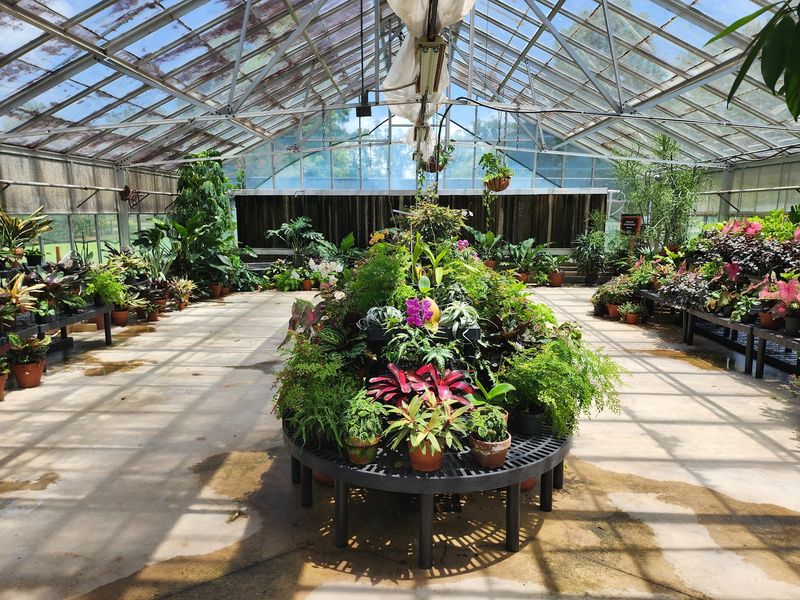
Winter gloom has met its match, and it wears glossy green leaves. Camellias bloom when many other plants are taking a long nap.
The Stone Camellia Collection holds more than 450 varieties. It has earned the title of International Camellia Garden of Excellence.
That honor is a big deal in the plant world. Only gardens with outstanding collections and care receive it.
So what does that mean for you? It means a stroll here is like flipping through a living catalog of camellia history.
Look for blooms that range from simple single petals to lush, layered forms. Colors run from snowy white to soft pink to deep red.
Some flowers even show stripes or speckles. Spotting your favorite pattern turns the walk into a fun little treasure hunt.
The historic Crowder Camellia Collection adds even more to explore. Together, these plantings show why camellias are a Southern garden classic.
Plan a visit during the cooler months for the best color. A light jacket and a warm drink make the walk even cozier.
Here is a handy tip for your own yard. Camellias love partial shade and slightly acidic soil, so check your spots before you shop.
A Tropical Escape Without A Passport
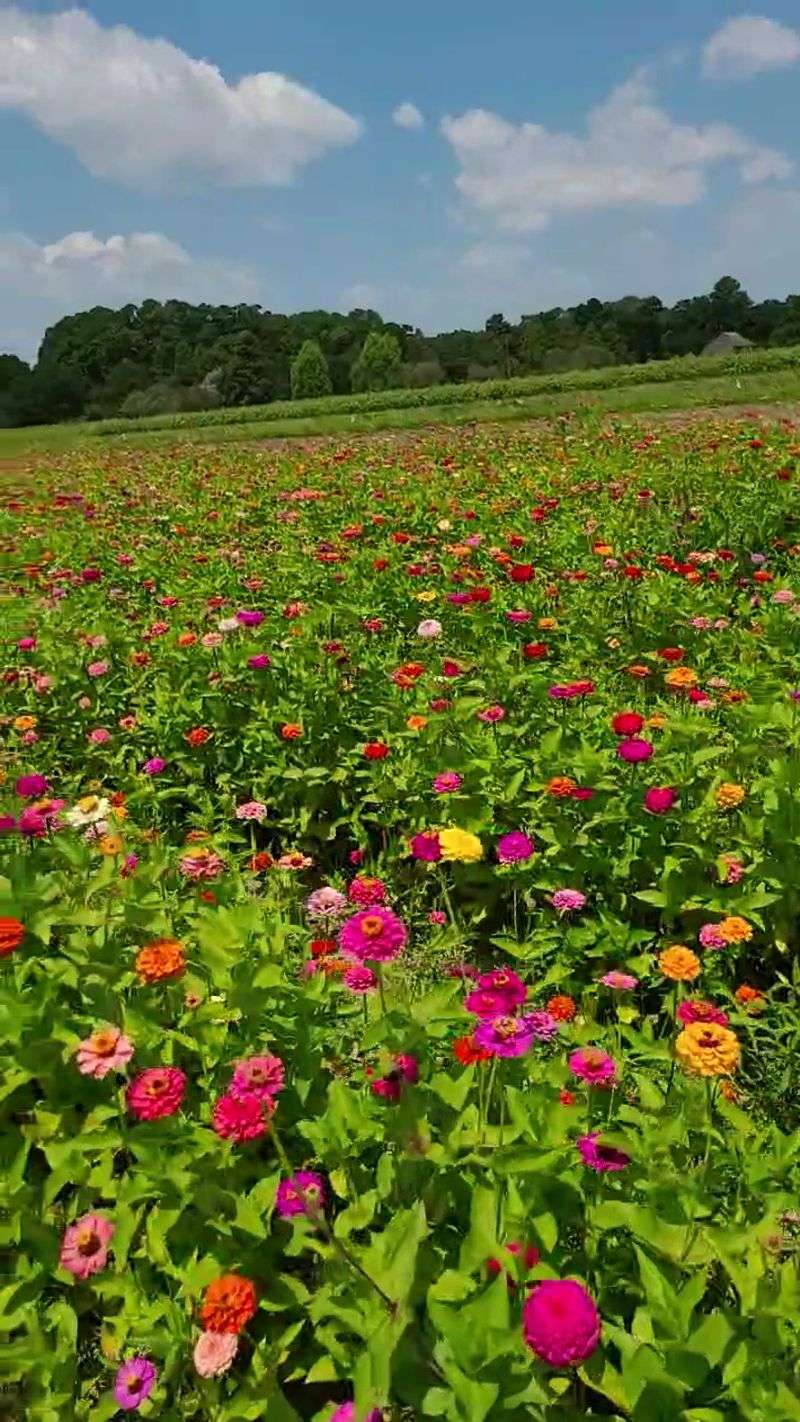
Summer in Louisiana is hot, so a few plants decided to throw a party about it. The Tropical Garden turns steamy weather into a showcase of bold leaves and bright blooms.
Rare gingers grow here in striking forms. Brilliant bromeliads add pops of red, orange, and pink.
You will also spot plumeria, cycads, and banana plants. The mix feels like a quick trip to an island, minus the airport lines.
Plumeria flowers smell sweet and look almost too perfect. Banana leaves stretch wide enough to shade a small picnic.
Cycads bring an ancient look to the scene. These plants belong to a very old group that has been around for millions of years.
Fun fact for your next trivia night. Cycads may look like palms, but they are not true palms at all.
This garden truly shines in the heat of summer. Many plants grow fastest and brightest when temperatures climb.
Visit in the morning to beat the strongest sun. Pack water, a hat, and sunscreen so you can explore without wilting.
Gardeners can pick up ideas for bold patio pots. Many of these plants do well in containers that move indoors when winter arrives.
Award Winners And Little Explorers
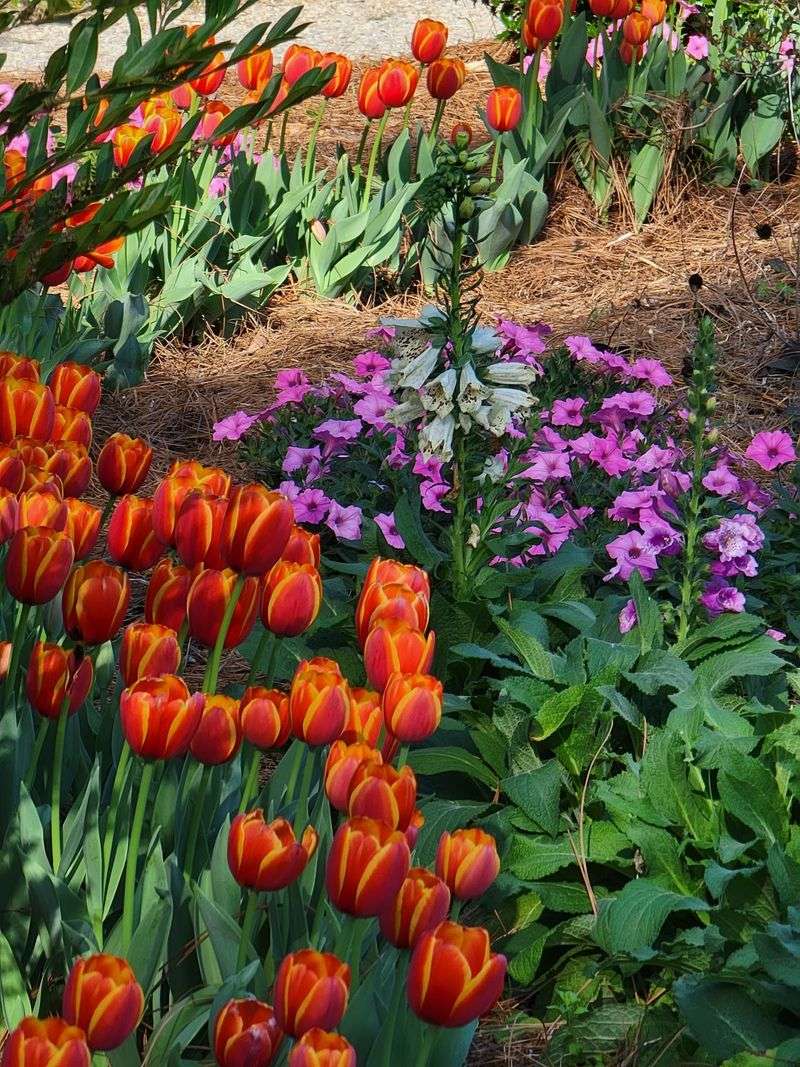
Plants compete for trophies too, and some of the champions live right here. The All-America Selections Garden shows off award-winning flowers and vegetables.
These plants earned their honors through careful trials. Judges test how well they grow, bloom, and hold up in real gardens.
The displays rotate with the seasons. That means each visit can bring new faces and fresh ideas.
Think of it as a sneak peek at what might thrive in your own backyard. Snap photos of the labels before heading to the plant store.
Families will want to find the Children’s Garden next. It offers hands-on ways for kids to learn about plants and nature.
Young visitors can explore, ask questions, and see how growing things work. Curiosity is basically the admission ticket.
The grounds also include two playgrounds, and one sits in the shade of trees. Parents appreciate that cool spot on warm afternoons.
Let kids pick a favorite flower and look for its name tag. Small games like that keep little legs moving and minds busy.
The AgCenter has also hosted plant sales over the years. Master Gardeners often share advice, so bring your questions and your shopping list.
A Calendar Painted In Tulips And Sunflowers
Mother Nature keeps a busy schedule at these gardens. Every season brings a new wardrobe change.
Early spring starts things off with a bang. Around 2,000 tulips burst open in shades of red, orange, and vibrant pink.
Tulips are tricky in the Deep South because winters stay mild. Seeing them here feels like a special treat.
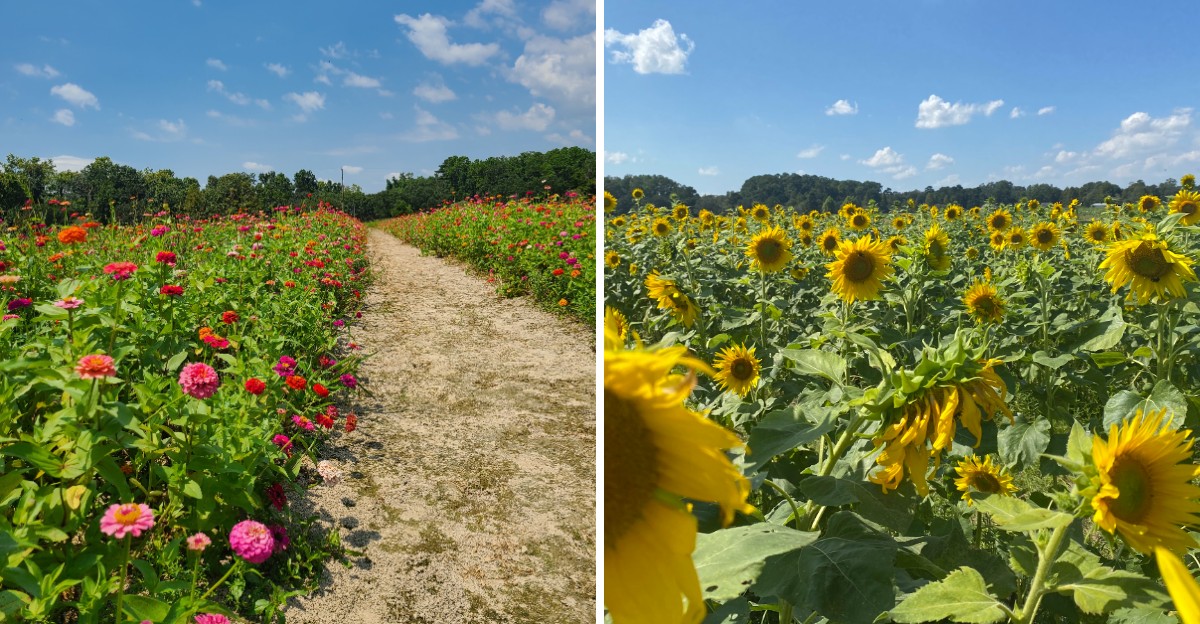
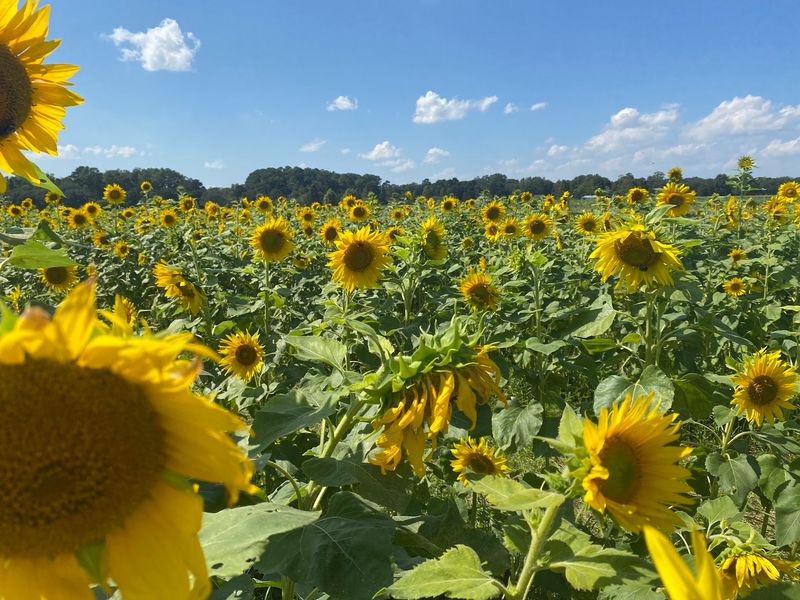
Warm weather hands the stage to sunflowers. Their tall stems stretch skyward from roughly June through October.
Sunflower fields are a photographer’s dream. Bright yellow faces against blue sky make almost any picture look cheerful.
Planting times can shift from year to year. Check the AgCenter website or ask the visitor center before you drive over for a specific bloom.
Fall often brings seasonal fun as well. The AgCenter has hosted events like a pumpkin patch and corn maze on the grounds.
These events may have separate tickets and time slots. Families enjoy them for photos, games, and plenty of autumn spirit.
Even winter holds surprises. Camellias and evergreen shrubs keep color alive when other beds rest.
So when is the best time to visit? Honestly, the answer is whichever season you happen to be in right now.
Shady Strolls Beneath Mighty Oaks
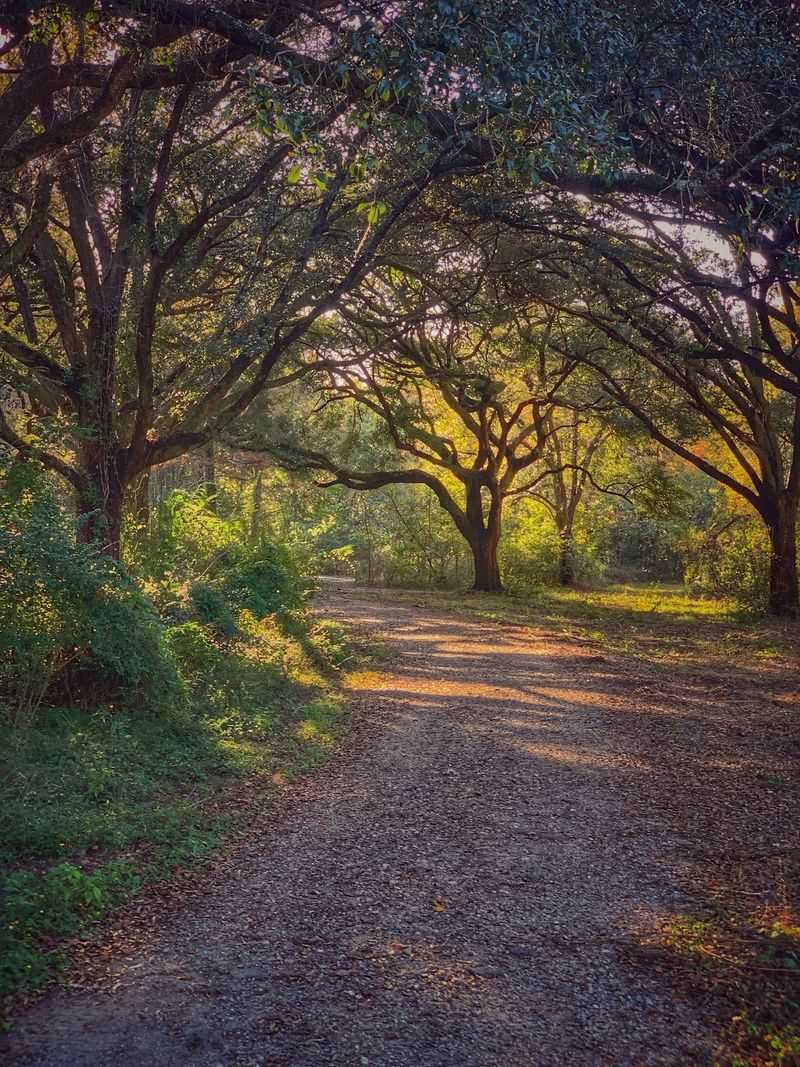
Some trees seem to have been around long enough to remember everything. Windrush Gardens offers a calm, shady world under towering branches.
Majestic live oaks spread wide arms overhead. Old crape myrtles add smooth, twisting trunks that look sculpted by hand.
Beneath them, azaleas and camellias bring soft bursts of color. Spring azalea season can turn the ground into a sea of pink and white.
Winding paths invite you to slow down. This is the part of the garden made for easy talks and quiet thinking.
The shade makes a real difference on warm days. Temperatures under those big oaks often feel noticeably cooler than open lawns.
Look up now and then. Sunlight filtering through the leaves creates dappled patterns that shift with every breeze.
Live oaks are a true symbol of the South. Their thick branches can stretch far sideways, sometimes dipping close to the ground.
Please admire them without climbing. These old trees deserve gentle treatment so future visitors can enjoy them too.
Photographers love Windrush for portraits and soft light. Couples often choose this area for engagement and wedding pictures.
Bring a friend, pick a path, and let the conversation wander as much as your feet.
Buzzing Blooms In The Pollinator Garden
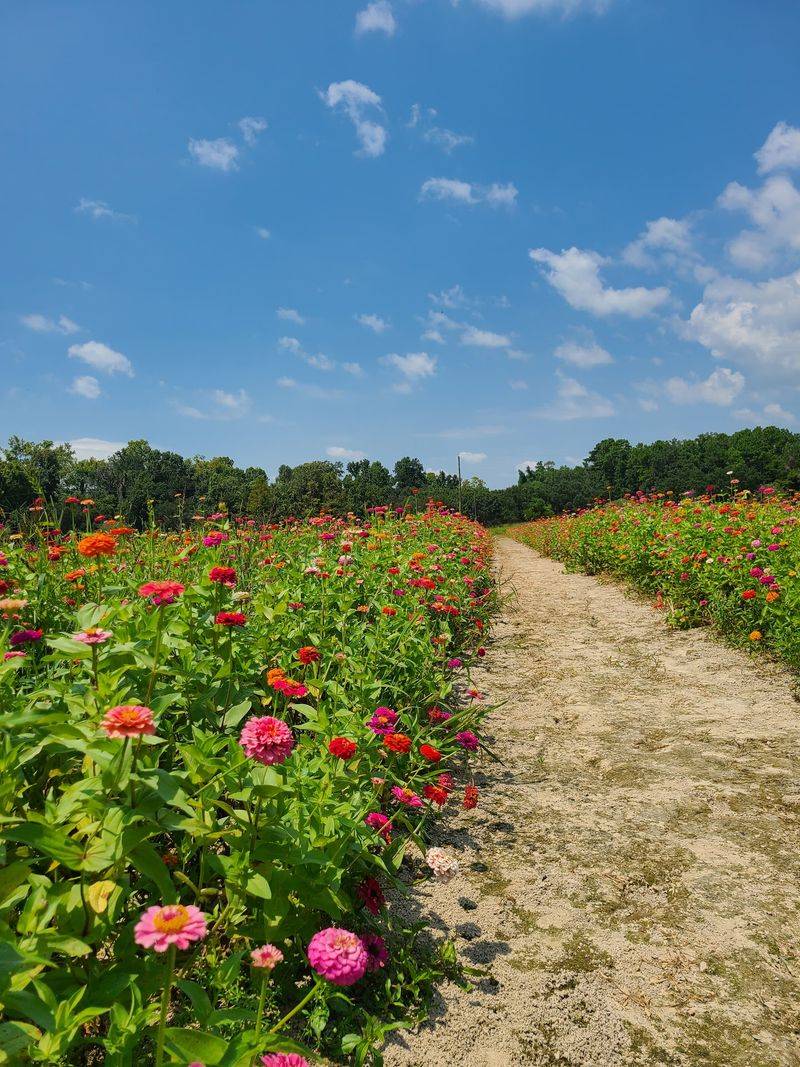
The busiest workers in the garden never clock out, and they happen to have wings. The Pollinator Garden is where bees, butterflies, and other helpers come to feast.
This space covers about 23,000 square feet. It is packed with nectar-rich plants chosen to feed hungry visitors.
Milkweed, salvia, and hibiscus are some of the stars. Each one offers food and color throughout the growing season.
Milkweed is especially important for monarch butterflies. Monarch caterpillars rely on it as their main food source.
Stand still for a minute and watch. You may notice bees moving flower to flower, dusted with golden pollen.
Pollinators help many plants make fruits and seeds. That includes plenty of the foods that end up on your dinner table.
Kids get their own treat nearby. An insect-themed play area lets them climb, explore, and burn off extra energy.
Want to help pollinators at home? Try planting native flowers and adding a shallow dish of water with pebbles.
Even a small balcony pot of salvia can make a difference. Every little patch of blooms gives these tiny helpers another place to refuel.
Leave this garden with a new respect for small wings doing big jobs.