This Massachusetts River Town Feels Like A Surprisingly Affordable Escape With Homes Under $200,000
Two hundred thousand dollars does not buy much anymore, or so I thought. A friend sent me a listing link with no context, just the words “look at this.” I clicked expecting a joke.
Instead I found a real house, river view included, sitting well under that number. I had to see the place with my own eyes.
Turns out the whole town runs on that same quiet math. Brick buildings from another century still stand along the main street, and the river moves past like it has nowhere urgent to be.
People here do not talk about their homes like a bargain. They talk about them like a secret they are still deciding whether to share.
Massachusetts has plenty of expensive corners, but this river town breaks the pattern completely, and once you see the prices, you get why locals want to keep it quiet.
Home Prices That Actually Make Sense
Massachusetts and affordable housing rarely appear in the same sentence. Yet along this stretch of the Connecticut River, the math changes in your favor.
Recent home sale prices in Turners Falls have hovered around the mid-$300,000 range. That already undercuts much of the state, and the bargains go deeper than the median suggests.
Listings under $200,000 do appear, and they are not fantasies. One property was recently listed at $195,000, another at $205,000, which puts ownership within reach for regular budgets.
Housing costs run about 40 percent below the Massachusetts average. Overall cost of living sits near 15 percent lower than the state norm.
Those numbers matter more than any brochure photo. They mean a first home, a retirement plan, or a studio space can happen without a decade of saving.
Inventory moves quickly, so patience helps. Watching listings weekly beats hoping something perfect appears on your first search.
What surprised me most was the quality behind the prices. Many homes carry 19th-century bones, tall windows, and porches built when craftsmanship was standard.
The village sits within Montague, Massachusetts, and the name locals use for it is Turners Falls.
A Mill Village Built On Purpose
Most New England towns grew by accident. This one was drawn on paper first, then built.
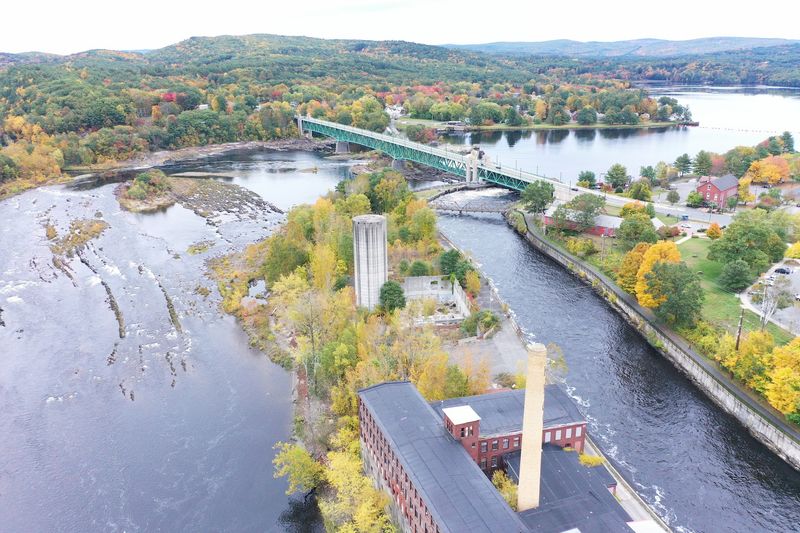
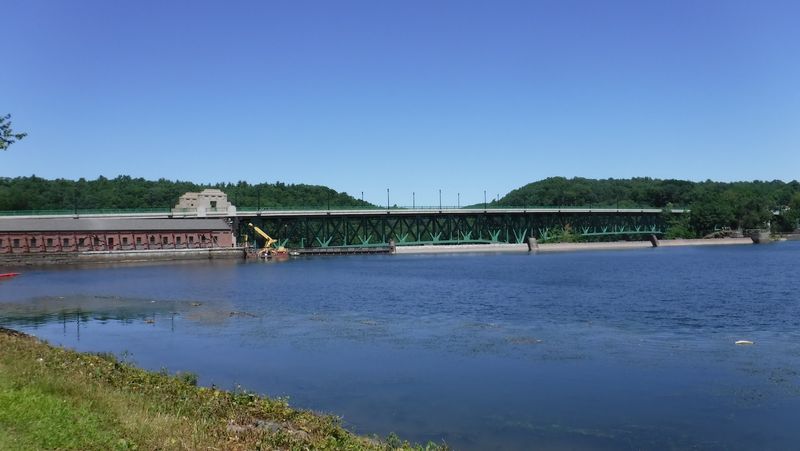
Founded in 1868, the village was designed as a planned industrial community. Engineers wanted to capture the enormous power of the river rushing past the falls.
Canals were dug, mills were raised, and a grid of streets went in around them. The result feels unusually orderly for the region, with wide avenues and long sightlines.
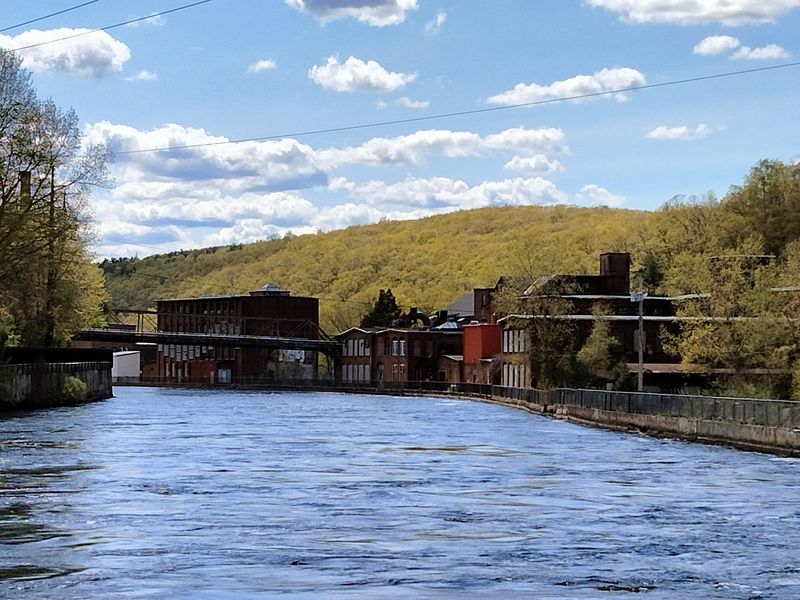
The village center now carries National Historic District status. That protection has kept the brick facades, tall arched windows, and cast-iron details largely intact.
Walking the main avenue feels like reading a timeline. Storefronts from the 1800s still hold businesses, just different ones than the founders imagined.
An informative center in the village explains how the whole system worked. Displays cover the canal, the industry, and the people who came to work here.
History buffs get real substance here, not a plaque and a parking lot. The buildings themselves do the teaching.
My favorite detail is the scale. A village of about 4,500 residents holds architecture built for far bigger ambitions.
Artists Took Over The Storefronts
Cheap rent and big windows attract a very specific crowd. Artists found this place years ago and never really left.
In 2017, the area was officially designated a Cultural District. That formal recognition confirmed what the storefronts already showed.
Working studios and galleries fill spaces that once held hardware stores and shops. You can often watch work being made rather than just hung on a wall.
Waterway Arts at 102 Avenue A is one of those spaces. Art gets displayed there, but it also gets created on site.
The mix leans practical rather than precious. Printmakers, painters, and makers of all kinds share the same few blocks.
For anyone considering a move, that creative density is a genuine asset. Studio space costs a fraction of what similar square footage runs near Boston.
Visitors benefit too. An afternoon here can include three or four galleries without ever moving your car.
What makes it feel real is the lack of polish. These are working rooms with paint on the floor and projects half finished.
Creativity here reads as a daily habit, not a marketing campaign.
Festivals, First Fridays, And Reggae
Small towns often go quiet after dinner. Not this one, at least not on the first Friday of the month.
The RiverCulture program organizes an event calendar that would embarrass much larger places. It runs steadily through the year rather than clustering in one busy season.
The Crab Apple Festival brings out crowds in a distinctly local way. The One Love Reggae Festival pulls a completely different audience into the same streets.
Monthly First Friday celebrations tie it all together. Pop-up art shows appear in unexpected rooms, and live music spills onto sidewalks.
Those evenings are the best introduction for newcomers. You meet more people in two hours than in two months of nodding at neighbors.
Events stay affordable, which fits the general spirit here. Many are free to attend, requiring only comfortable shoes.
The eclectic mix is the point. Reggae one month, apple-focused fun the next, with gallery openings scattered between.
For families, the pace is manageable. Kids can wander, and nothing runs so late that bedtime becomes a negotiation.
Community here is something people actively schedule.
The River Does The Heavy Lifting
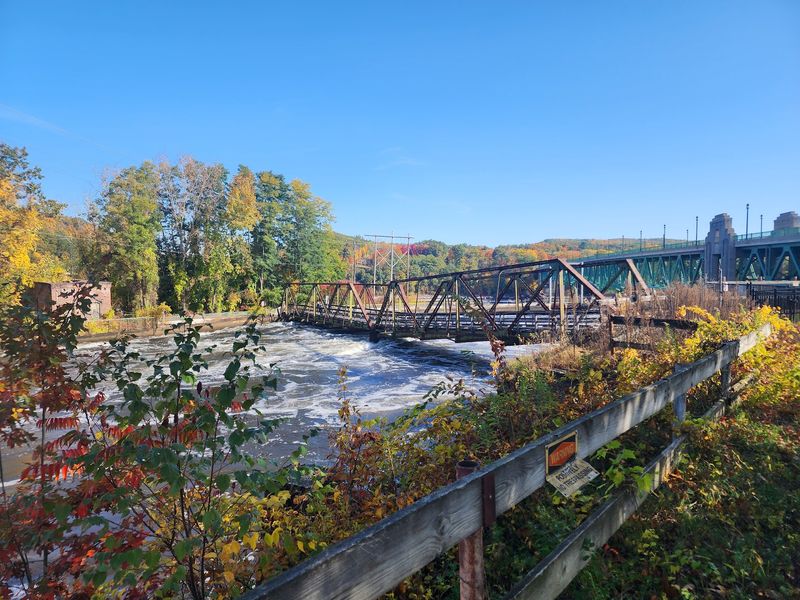
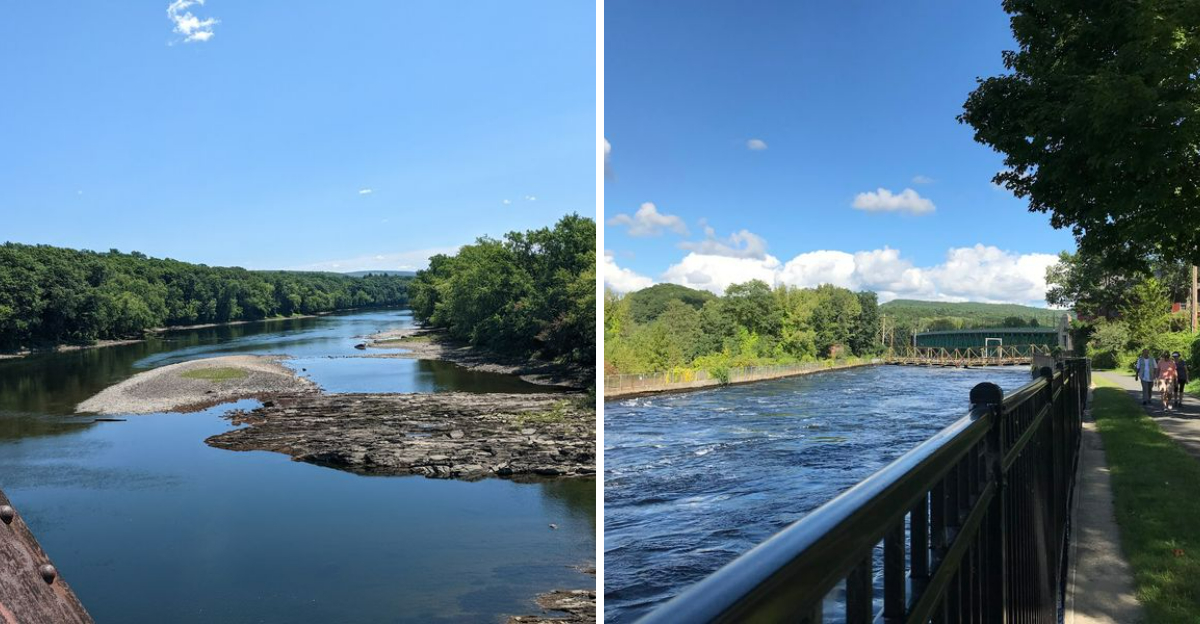
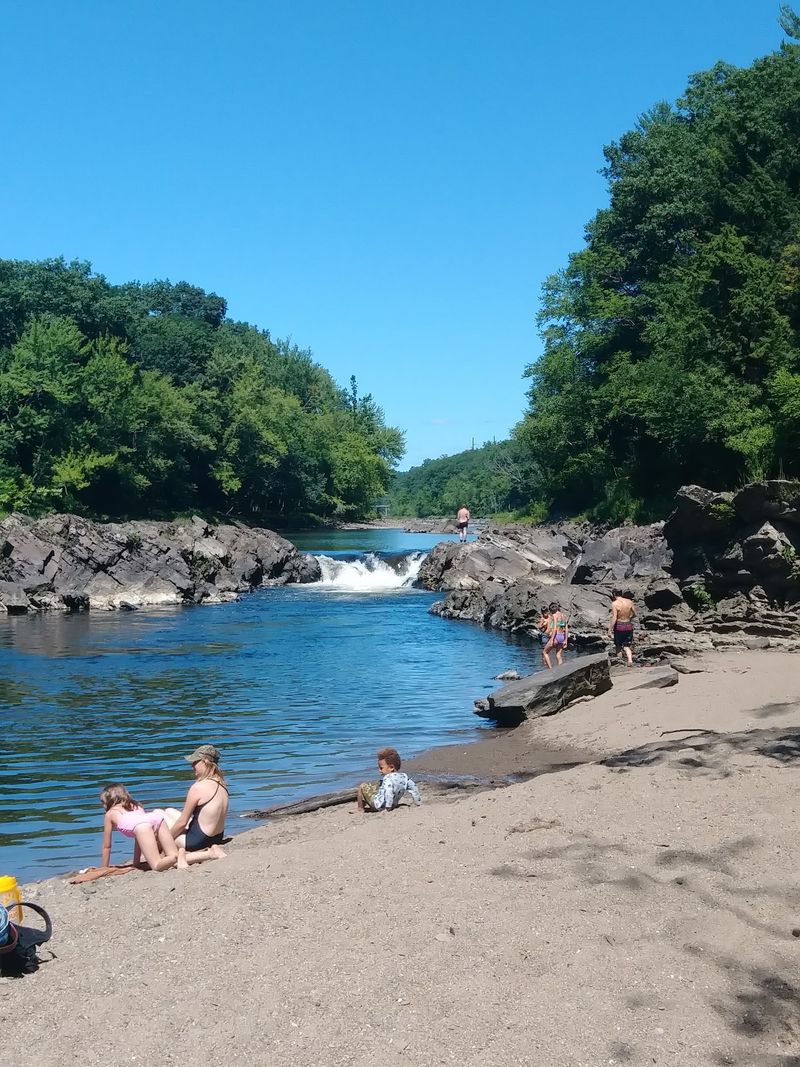
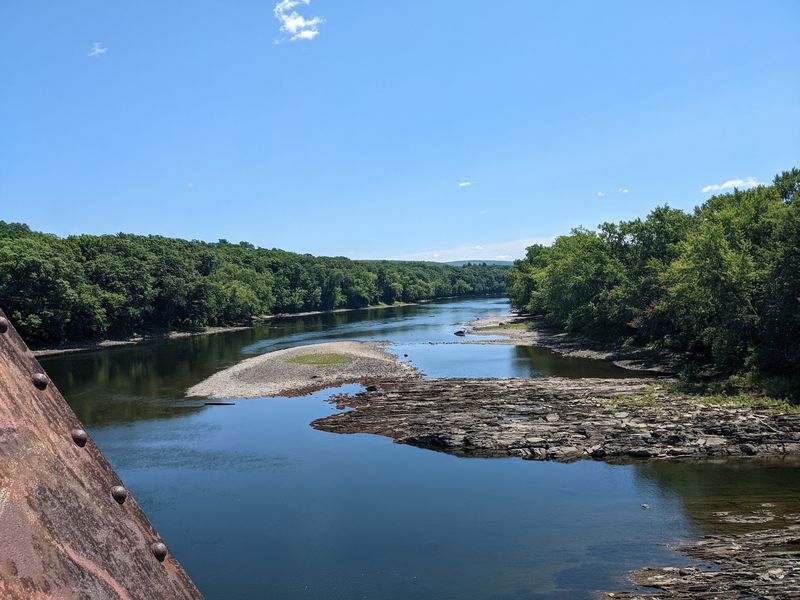
Everything here starts with the water. The Connecticut River shaped the mills, the streets, and the daily rhythm.
The Great Falls Discovery Center focuses on the river’s ecology. Exhibits walk through the habitats found across the watershed, from uplands to wetlands.
It works well for kids and adults alike. Displays explain the wildlife you might actually spot outside, which makes the visit stick.
Barton Cove is the outdoor headquarters. Fishing, canoeing, and quiet paddling all happen within minutes of downtown.
Bald eagles nest in the area, and watching for them has become a local pastime. Winter mornings often deliver the clearest sightings.
Bring binoculars if you own them. The distances across the water are larger than they appear from shore.
What I appreciate is the accessibility. You do not need expensive gear or a long drive to reach open water.
Seasons change the experience completely. Spring runs high and fast, summer turns calm and green, and fall paints the banks in serious color.
Living near this much river access, at these housing prices, feels like a genuine loophole.
Three Paved Miles Along The Canal
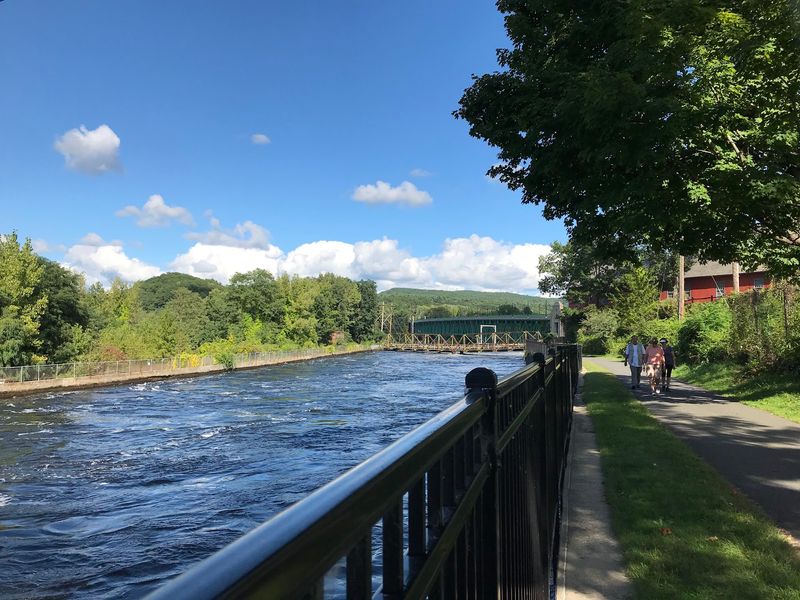
Yankee Magazine once named a bike path here the Best Urban Bike Path in New England. That was back in 2010, and the trail still earns it.
The Canalside Rail Trail runs about three paved miles. It follows the historic power canal that made the whole village possible.
Views open onto the Connecticut River along the way. Old industrial structures appear on the other side, which gives the ride real character.
The surface is smooth and mostly flat. Beginner cyclists, families with training wheels, and casual walkers all manage it comfortably.
Strollers roll easily, and the route is friendly for anyone taking their time. There is no need to be fast here.
Morning light on the canal is worth setting an alarm for. Mist sits low over the water in cooler months.
Parking near the trailhead is straightforward, which is not always true in scenic spots. That small convenience matters more than people admit.
Cyclists can connect toward neighboring communities for a longer outing. The three miles are a starting point, not a limit.
Free recreation like this quietly lowers your cost of living.
Dinner Options On A Walkable Main Street
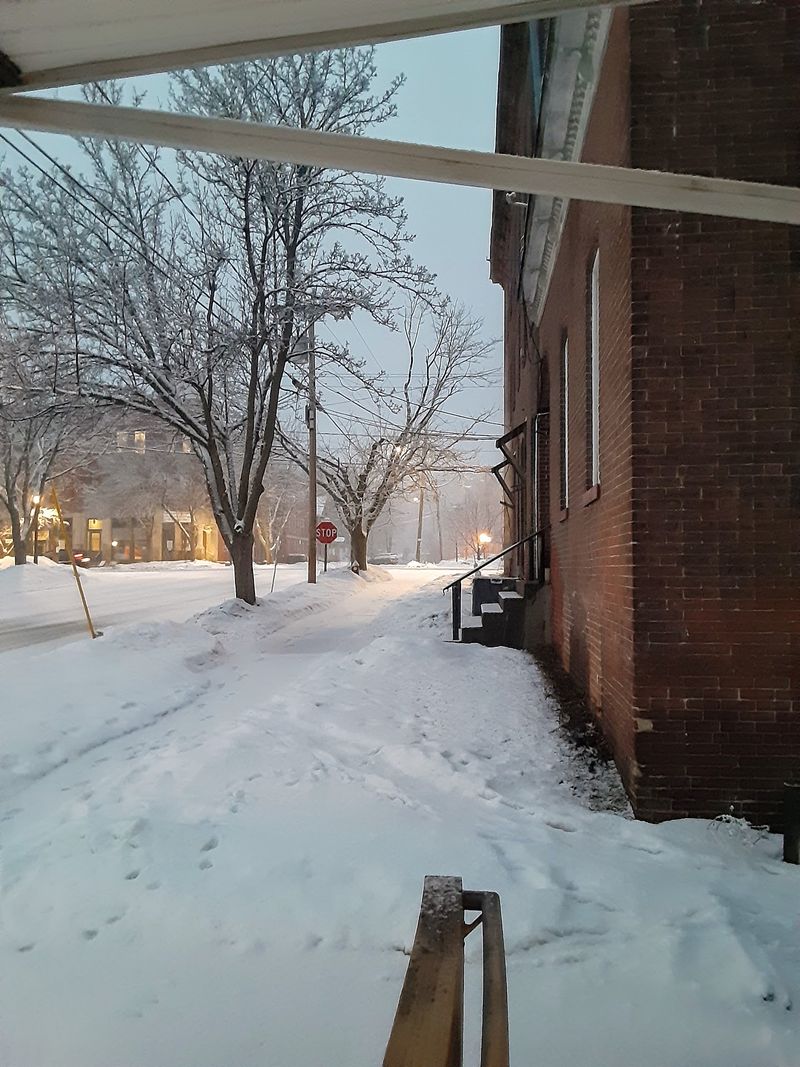
A walkable downtown changes how you eat. You stop planning and start wandering.
The main commercial stretch holds a genuinely varied lineup of restaurants. Italian fine dining sits within a few blocks of Mexican-American plates and classic American cooking.
That range is unusual for a village of this size. Most communities this small offer one style and call it a night.
Several kitchens host open mic nights. Live entertainment arrives with your meal, no separate ticket required.
Prices reflect the local cost of living, which is a relief. Dinner out does not require a special occasion here.
Parking is easy, and you can leave the car in one spot all evening. Everything worth trying sits within a short stroll.
The crowd tends to mix generations, which keeps the mood friendly rather than trendy. Conversations carry across tables.
Weekend evenings feel liveliest, especially when a festival is running. Weeknights stay relaxed and unhurried.
For anyone weighing a move, a downtown you can eat your way through on foot is a real quality-of-life win.
It makes an ordinary Tuesday feel slightly better than it should.
Why The Numbers Add Up For Real Life
Affordability only counts if daily life works. That is where the full picture matters.
Costs here run roughly 15 percent below the Massachusetts average across the board. Housing leads that gap at about 40 percent below state norms.
Lower monthly bills free up money for things people actually enjoy. Art classes, bikes, and dinners out become realistic instead of aspirational.
The village holds about 4,512 residents according to the 2020 census. Small enough to recognize faces, large enough to keep a real downtown alive.
It falls within the Springfield metropolitan area, so larger services are not far away. That balance helps for jobs and appointments.
Buyers should still act quickly when a listing appears under $200,000. Those properties do not sit around waiting.
Working with an agent familiar with the area speeds things up considerably. Local knowledge beats scrolling listings alone.
Visit before committing, ideally in two different seasons. Winter and summer feel like separate places along the river.
What convinced me was the combination. Affordable homes, real history, working artists, and open water within walking distance.
That mix is rarer than any single bargain price.