This Massive Beach Event Is The Most Unique Thing Happening In California This Month
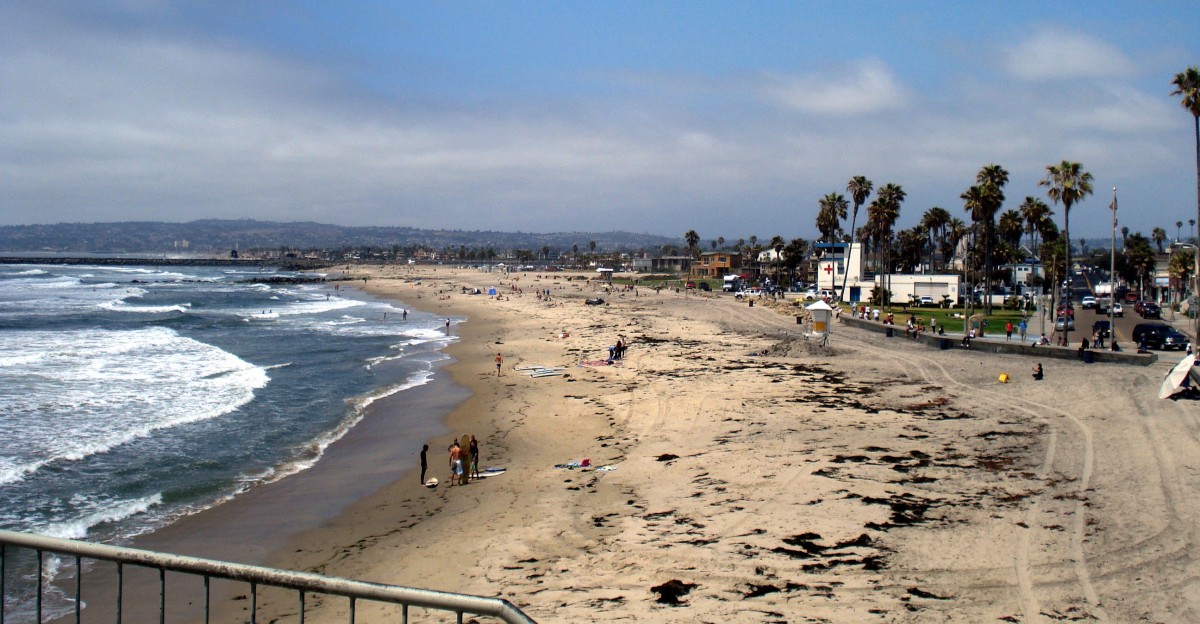
Most beach days involve towels, waves, and maybe an ambitious attempt at a sandcastle. This event takes that last part to a completely different level.
Teams arrive ready to transform ordinary sand into elaborate creations that can look more like temporary works of art than something built with buckets at the beach.
The best part is knowing every sculpture has a very short lifespan, making the whole spectacle feel wonderfully fleeting.
For one October day, a California beach becomes a giant outdoor gallery where the artwork is made almost entirely of sand. Watching the builds take shape is part of the experience.
What begins as enormous piles gradually develops into detailed characters, structures, and designs, with spectators getting to see the creative process unfold right beside the ocean.
Mark The Calendar For October 24, 2026
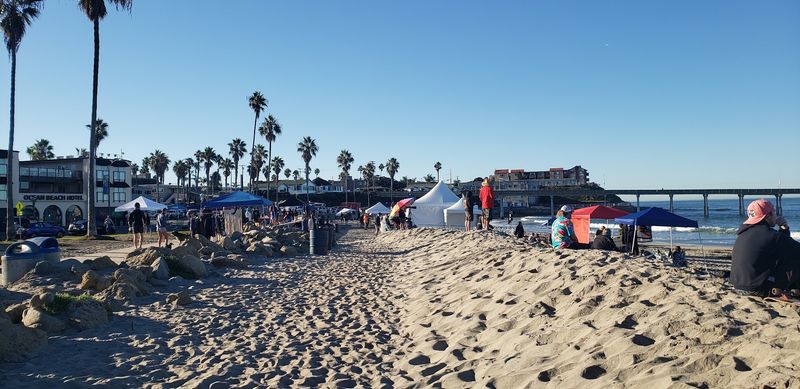
Saturday plans just got a lot more interesting for anyone near California’s Bay Area this fall. The 44th annual Sandcastle Classic is set for October 24, 2026.
Building and festivities take place at Ocean Beach near Balboa Street from 11 a.m. to 3:30 p.m.
A four and a half hour window is short enough to fit into a busy weekend. It is also long enough to see the whole story unfold, from flat sand to finished sculptures.
Many visitors might choose to arrive near the start and stay through the awards. Others may prefer to drop by for an hour and wander between the teams.
Either approach can work well, since the event spreads out along the beach and does not require sitting in one spot.
October weather along this coast can shift quickly. Mornings may start gray and foggy, while afternoons sometimes bring sun and a stiff breeze.
Packing a warm jacket, a hat, and sunscreen is a simple way to stay comfortable no matter what the sky decides to do.
Event details can change from year to year, so checking the official Leap Sandcastle Classic website shortly before the date is a smart habit.
Northern California’s Biggest Sandcastle Showdown
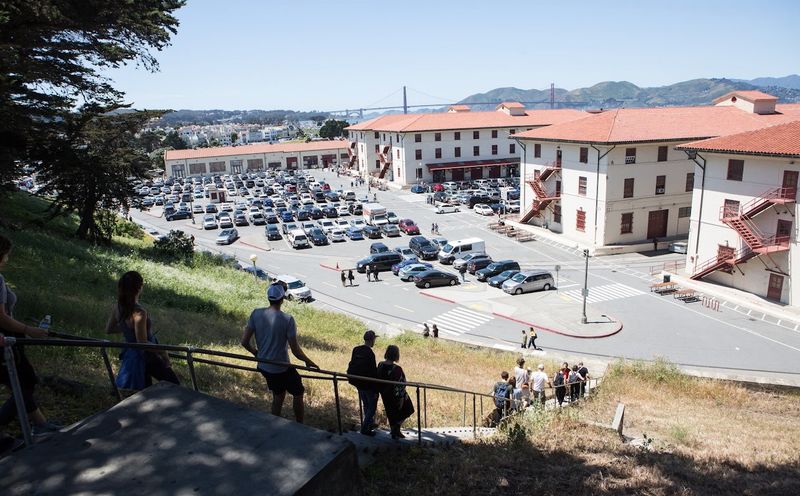
Big crowds and bigger sculptures set this gathering apart from an ordinary afternoon at the shore.
Leap, the nonprofit behind the event, describes it as the largest sandcastle competition in Northern California.
More than 5,000 people come out to watch each year, according to the organizer. That number gives a good sense of the energy on the beach.
Voices, laughter, and the scrape of shovels mix with the steady roar of the waves. Kids run between sculptures while adults stop to study tiny carved details.
A crowd that size also means some planning helps. Areas around the most popular sculptures may feel packed, especially later in the day when the finished pieces are on display.
Stepping back a few feet often gives a better view anyway, since many of the works are wide and best seen from a distance. Even with thousands of visitors, the beach is long and open.
Far Beyond The Bucket-Shaped Castle
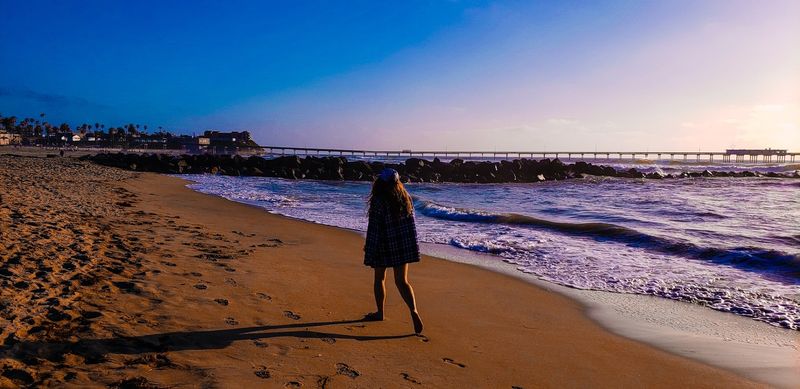
Forget the lumpy little towers made with a plastic pail on summer vacation.
Teams at the Sandcastle Classic build elaborate, large-scale sand sculptures that can stretch across a wide patch of beach.
Groups include architects, engineers, contractors, designers, companies, and elementary school students. That mix of skills shows up in the finished work.
People who design real buildings for a living know how to plan shapes that stay standing.
Engineers think about weight and balance, while designers focus on how a piece looks from every side. Watching closely can be a lesson in itself.
Builders often pack wet sand firmly, then carve away extra material to reveal edges, stairs, faces, and curves.
Small tools like spoons, brushes, and straws might be used for the finest touches, though methods vary from team to team.
Smooth walls sit next to rough rocky sections, and shadows from the afternoon light can make the carvings stand out even more.
Visitors who want ideas for their own beach projects may pick up a few tricks just by paying attention.
Spraying sand with water to keep it from drying out and crumbling is one common habit worth noticing.
Bay Area Vibes Shape The 2026 Theme
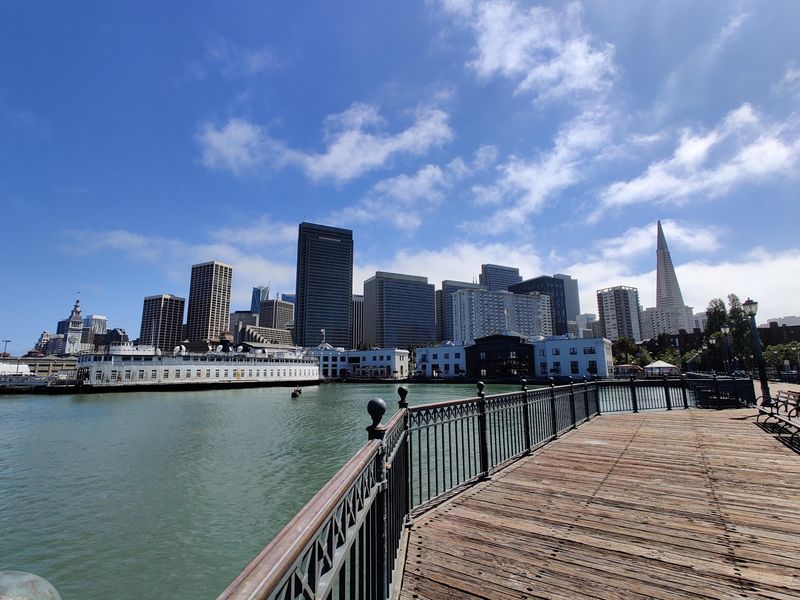
Local pride takes center stage this year.
The 2026 theme is Bay Area Vibes, and teams will draw inspiration from the region’s music, art, culture, architecture, landmarks, landscapes, and sports.
That leaves a huge amount of room for creativity.
Some teams might lean toward famous structures that appear on postcards. Others could focus on neighborhood culture, local wildlife, rolling hills, or the energy of a home game.
Nobody knows exactly what will appear until the building begins, which keeps the surprise alive.
A fun game for families is guessing what each sculpture shows before reading any signs.
Kids might spot a familiar shape right away, while adults may catch a sneaky reference to a local tradition.
Talking about the choices can turn a simple walk into a little conversation about what makes the region special.
Themes change every year, so each event offers something fresh even for people who have attended before.
A sculpture of a bridge or a stadium also looks different in sand than in steel or concrete. The grainy texture and soft tan color give familiar landmarks a playful new feel.
Three And A Half Hours On The Clock
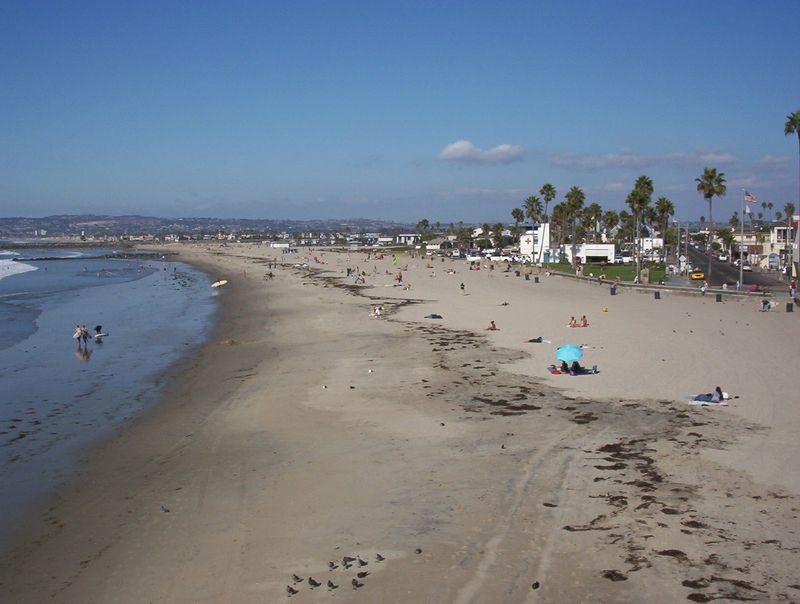
Speed is part of the drama here. Teams begin building at 11 a.m. and must finish by 2:30 p.m.
That gives each group about three and a half hours to turn a plain stretch of beach into a finished sculpture.
For a project this size, that is not much time at all. Early on, the scene may look like organized chaos. People haul sand, pack it into piles, and pour water to firm it up.
Over the next hour or two, rough shapes start to appear. The final stretch often brings the most careful work.
Builders lean in close with small tools, smoothing walls and sharpening edges as the deadline gets closer.
The mood can feel a bit like the last minutes of a big game, with focus and quick teamwork everywhere.
Visitors who enjoy seeing progress might walk the beach once in the late morning and again in the early afternoon.
Comparing the two visits shows just how much can change in a short time. A tight schedule also teaches a quiet lesson about planning.
Young Builders Share The Spotlight
Kids are not just watching from the sidelines at this event. Elementary school students work alongside professional teams to design and build the sculptures.
Small hands pat down sand next to grown-up builders, and young voices explain what their team made and why.
For many students, speaking in front of a crowd might feel brand new, so a little cheering can go a long way.
Watching kids proudly point to a carved feature they helped create is often one of the warmest parts of the afternoon.
It shows that art is not only for experts. Anyone can have a good idea worth building.
Families with children who love building blocks, drawing, or crafts may find this part especially inspiring. Seeing other kids involved could spark a new interest in design or architecture.
Classroom Visits Before Beach Day
Long before anyone sets foot on the sand, the planning has already started in classrooms.
Participating professionals are encouraged to make two or three school visits during September and October. These visits help teams prepare with their partner students.
During this stage, students may sketch ideas and shape small models to test out designs. Working on paper and in clay first gives everyone a chance to fix problems before the real build.
It is a lot like how real architects plan a building before construction crews arrive. Knowing about this hidden prep work adds a new layer to watching on event day.
Each sculpture is the result of weeks of teamwork, not just one afternoon of digging.
The connection between professionals and kids also has value beyond the beach. Students get to meet adults who use creativity and math in their jobs every day.
Sketching a plan and building a small model before any big project is an easy habit that helps kids think through their ideas step by step.
No Ticket Needed To Watch
Good news for anyone watching a budget. Spectators can watch the competition without buying an admission ticket.
Simply showing up at the beach is enough to enjoy the sculptures and the atmosphere.
Free events can be a great fit for families with several kids, students, or travelers who want to save money for meals and other stops.
There is no pressure to stay for a set amount of time either. Visitors can stroll through for a short look or settle in for the full afternoon.
Even though watching is free, a few small costs might pop up. Food trucks typically charge for meals, and parking or transit fares depend on how someone travels.
Bringing water and snacks from home is an easy way to keep spending low.
Since the event supports arts education, some visitors may choose to give a donation through the official website. That step is completely optional, but it helps the cause behind the fun.
Sand Sculptures That Fund Arts Education
Behind every carved tower and sandy dragon sits a much bigger purpose.
Money raised by teams and sponsors helps fund Leap arts programs that serve more than 8,000 students in over 30 Bay Area elementary schools each year.
The beach day works as a major fundraiser for Leap. That mission gives the event a warm and meaningful feel.
Many schools have struggled over the years to keep music, dance, and visual arts classes going.
Leap was founded in 1979 in response to arts budget cuts in California schools, and it places professional teaching artists in classrooms.
Knowing this can change how the sculptures look. Each one stands for more than a fun afternoon.
It represents real support for kids who might not otherwise get to paint, perform, or write creatively during the school day.
Visitors who feel moved by the cause can learn more on the Leap website.
Companies and community groups interested in joining as future teams or sponsors may also find details there. A simple day at the beach becomes a small lesson in community and helping others.