This Massive Mennonite Market In Kentucky Is Basically The Costco Of Fresh Groceries
You came here for flour. You will leave with opinions about pickles.
That is how this place works. It has been doing this to people for years.
It sits out in Kentucky farm country looking modest. Then you see the size of the bulk bins.
Somebody here decided that a scoop should mean business. The spice aisle alone could ruin your afternoon plans.
The produce is stacked like it is showing off. The bread is younger than your drive over.
There is a deli counter with real ambition. The pies are baked, not fried.
Locals will tell you this like it is medical news. Your cart will fill faster than your willpower holds.
Bring somebody who can talk you out of things. That last one is optional but strongly encouraged.
You came in for flour, remember. Nobody has ever left here with only flour.
A Country Market That Feels Bigger Inside
Walnut Leaf Country Market sits along a quiet Kentucky road and hides its size well. The parking lot fills up fast, which is always the first good sign.
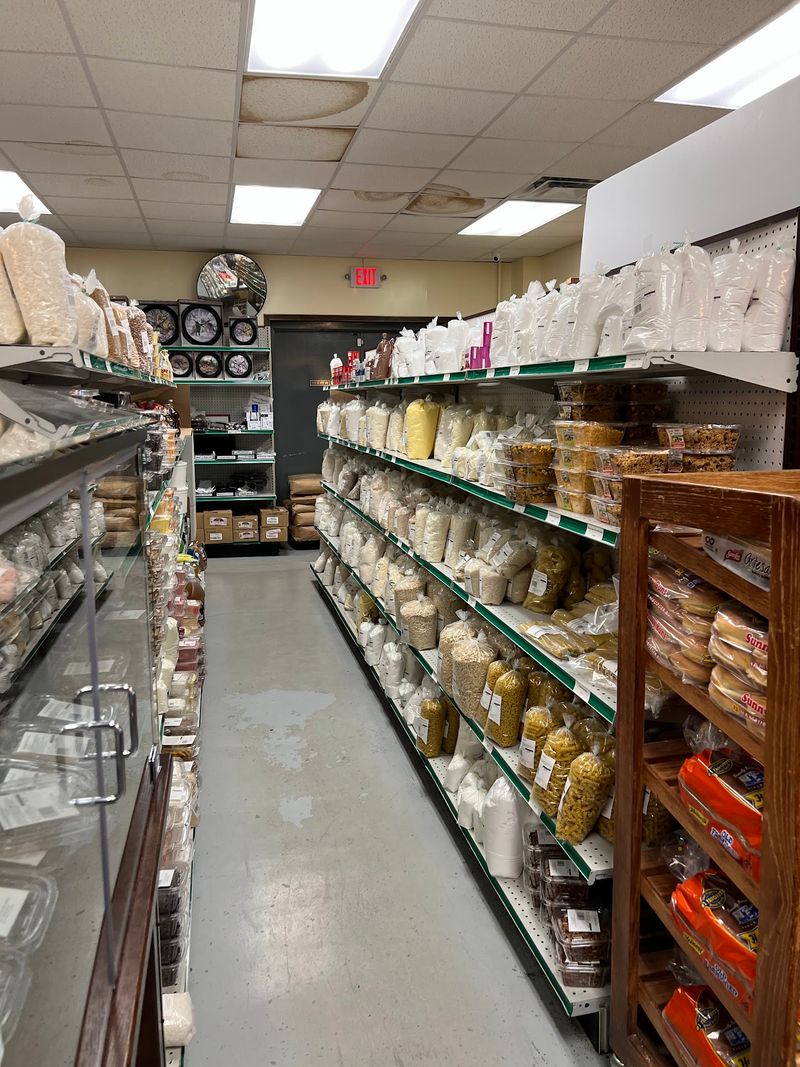
Inside, the aisles stretch farther than expected. Shelves run high with jars, bags, and boxes in every direction.
The layout feels practical instead of fancy. Wood shelving, clean floors, and handwritten labels do most of the decorating.
Shoppers move with purpose here. Many carry lists, and plenty push carts stacked with bulk bags.
I made the mistake of grabbing a small basket on my first visit. Ten minutes later I traded it for a cart with no regrets.
The atmosphere stays calm even when the store is busy. Conversations happen at a normal volume, and nobody rushes you.
Staff members answer questions without a sales pitch. Ask about a spice blend and you get a real answer.
Prices are posted clearly, which makes comparing easy. That transparency builds trust quickly.
Bring reusable bags if you have them. You will likely need more than you planned.
You can find it at 4004 Camargo Rd, Mt Sterling, Kentucky. Give yourself an hour, because a quick trip rarely stays quick.
Bulk Bins Built For Serious Shoppers
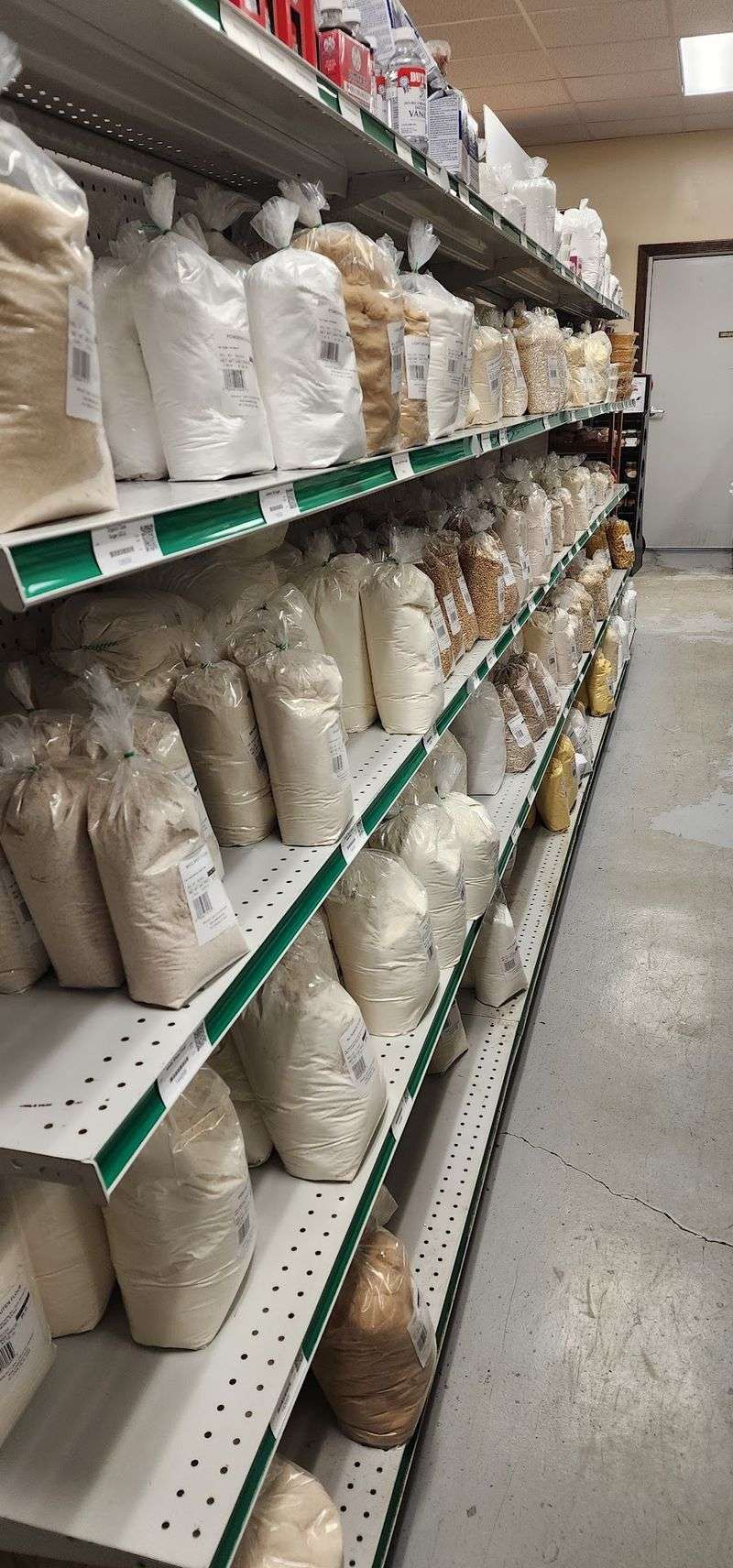
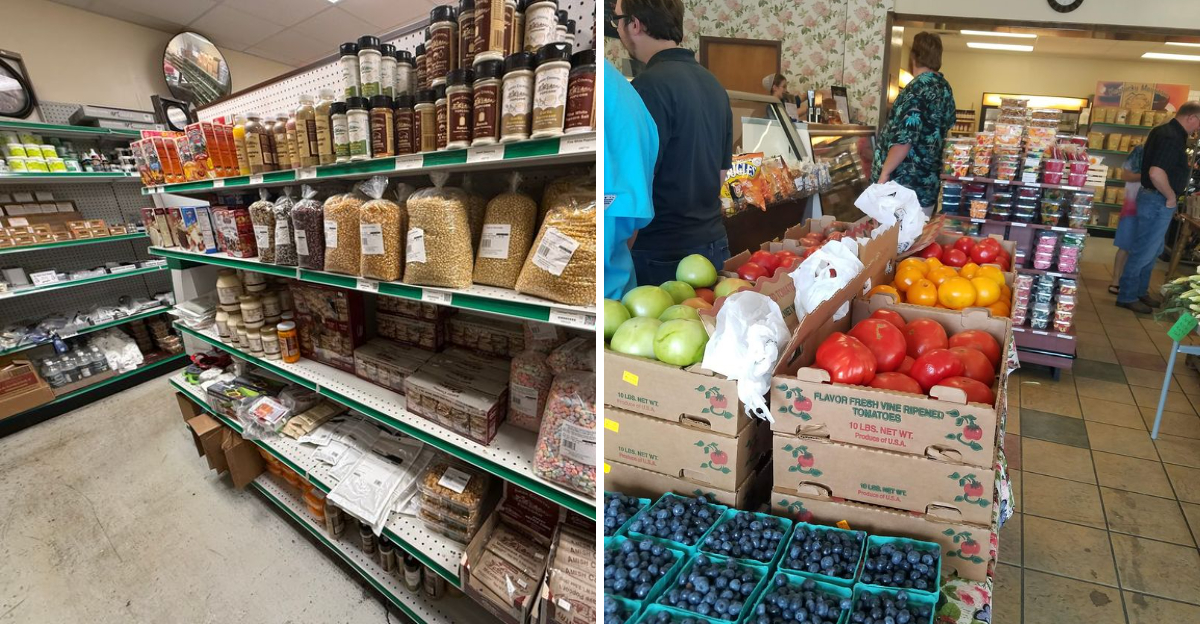
The bulk section is where the Costco comparison really earns itself. Bags come in sizes that make a pantry feel prepared.
Flour, oats, sugar, and rice sit in large quantities at friendly prices. Beans and lentils line up nearby in tidy rows.
Nuts get their own stretch of shelving. Pecans, almonds, walnuts, and cashews all wait in clear packaging.
Dried fruit tempts more than expected. Apricots, cranberries, and banana chips disappear fast in my kitchen.
Baking supplies deserve special attention. Chocolate chips, coconut, and specialty flours cost noticeably less than usual.
Buying big only saves money if you actually use it. Start with staples you cook with weekly.
Airtight containers help once you get home. I keep oats and flour in sealed jars to protect freshness.
Smaller bags exist too, which is helpful for first timers. Try a modest amount before committing to a five pound bag.
Check the shelf labels for unit pricing clues. The math often surprises you in a good way.
Families and bakers benefit the most here. One trip can cover weeks of cooking.
Take a photo of what you buy. It makes your next list much easier.
Fresh Produce Piled High And Priced Right
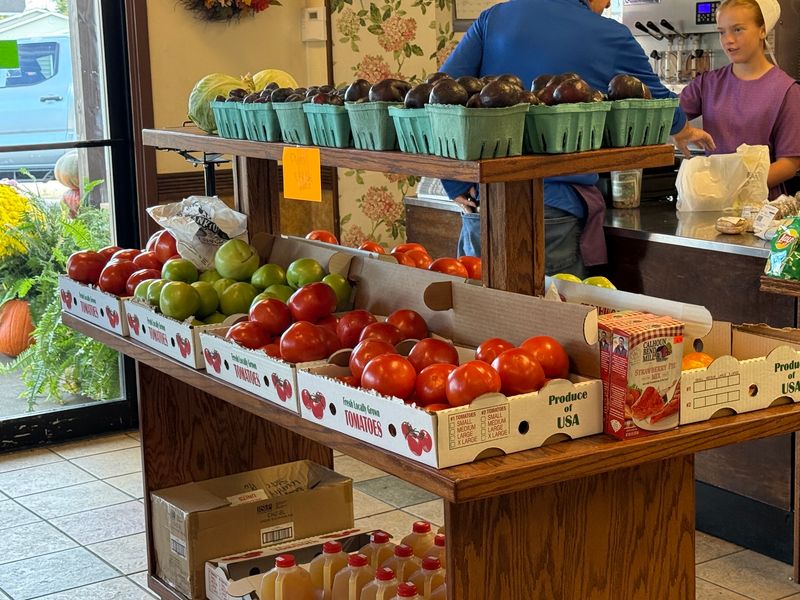
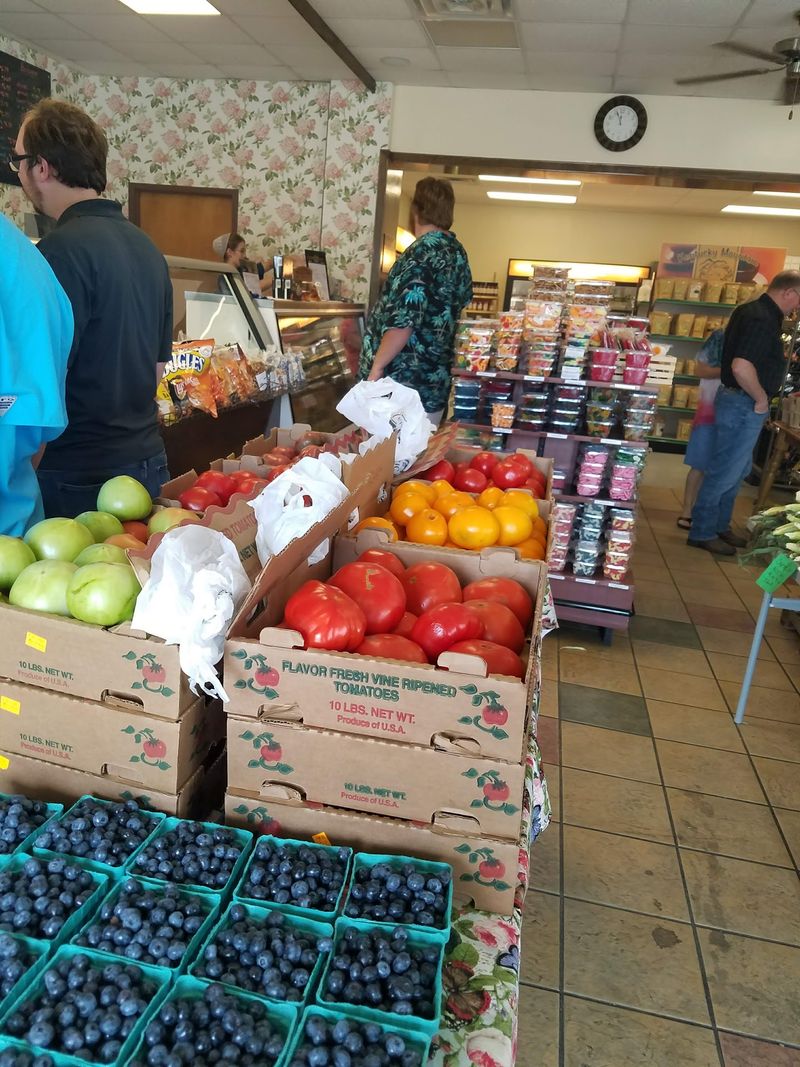
Produce here looks like it came from a field, not a warehouse. Crates sit low so you can dig around comfortably.
Seasonal picks change often, which keeps visits interesting. Summer brings tomatoes, sweet corn, and green beans.
Fall shifts toward apples, squash, and pumpkins. The colors alone make the trip worthwhile.
Peppers and cucumbers show up in big quantities. Canning fans load carts without hesitation.
I bought a cantaloupe once out of pure curiosity. It was sweet enough that I went back for two more.
Prices tend to beat what I see in bigger stores. Buying by the box saves even more.
Ask what arrived most recently if freshness matters most. Someone usually knows the answer.
Plan meals around what looks best that day. Flexibility pays off in a market like this.
Bring a cooler in warm weather. Kentucky summers do not treat groceries kindly.
Extra produce freezes well with a little prep. Green beans and corn handle it especially nicely.
Morning visits usually mean the fullest selection. Later in the day, popular items thin out.
Take your time picking. The good stuff rewards patience.
Baked Goods Worth Planning Your Day Around
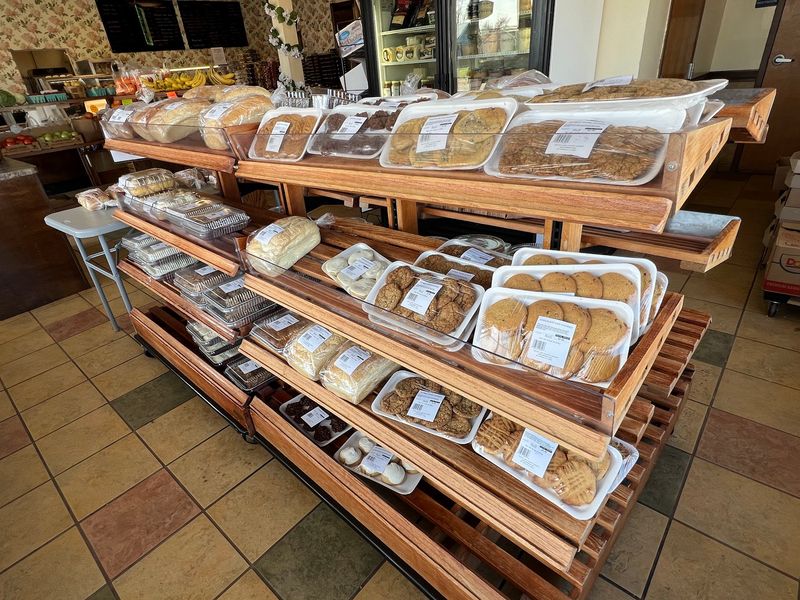
My nose found the bakery shelves before my eyes did. Warm sugar and yeast make a powerful welcome.
Loaves of bread sit wrapped and ready. Soft white, wheat, and specialty varieties rotate through.
Cinnamon rolls draw a crowd for good reason. The frosting is thick and unapologetic.
Cookies come in generous sizes. Oatmeal and chocolate chip vanish quickly from the shelf.
Pies deserve a mention of their own. Fruit fillings taste closer to homemade than store bought.
Fry pies are a regional favorite worth trying. They travel well and hold up in a car.
Arriving early improves your odds. Popular items sell out before afternoon.
Grab two of anything you love. Sharing becomes harder than you expect.
Freezing works well for bread. Slice first, then bag it for easy mornings.
I once planned to buy one loaf and left with three. My family finished them within days.
Prices stay reasonable compared to bakery counters elsewhere. That combination keeps regulars coming back.
Pair a sweet roll with coffee in the parking lot. It is a small, satisfying tradition.
Deli Meats And Cheeses By The Block
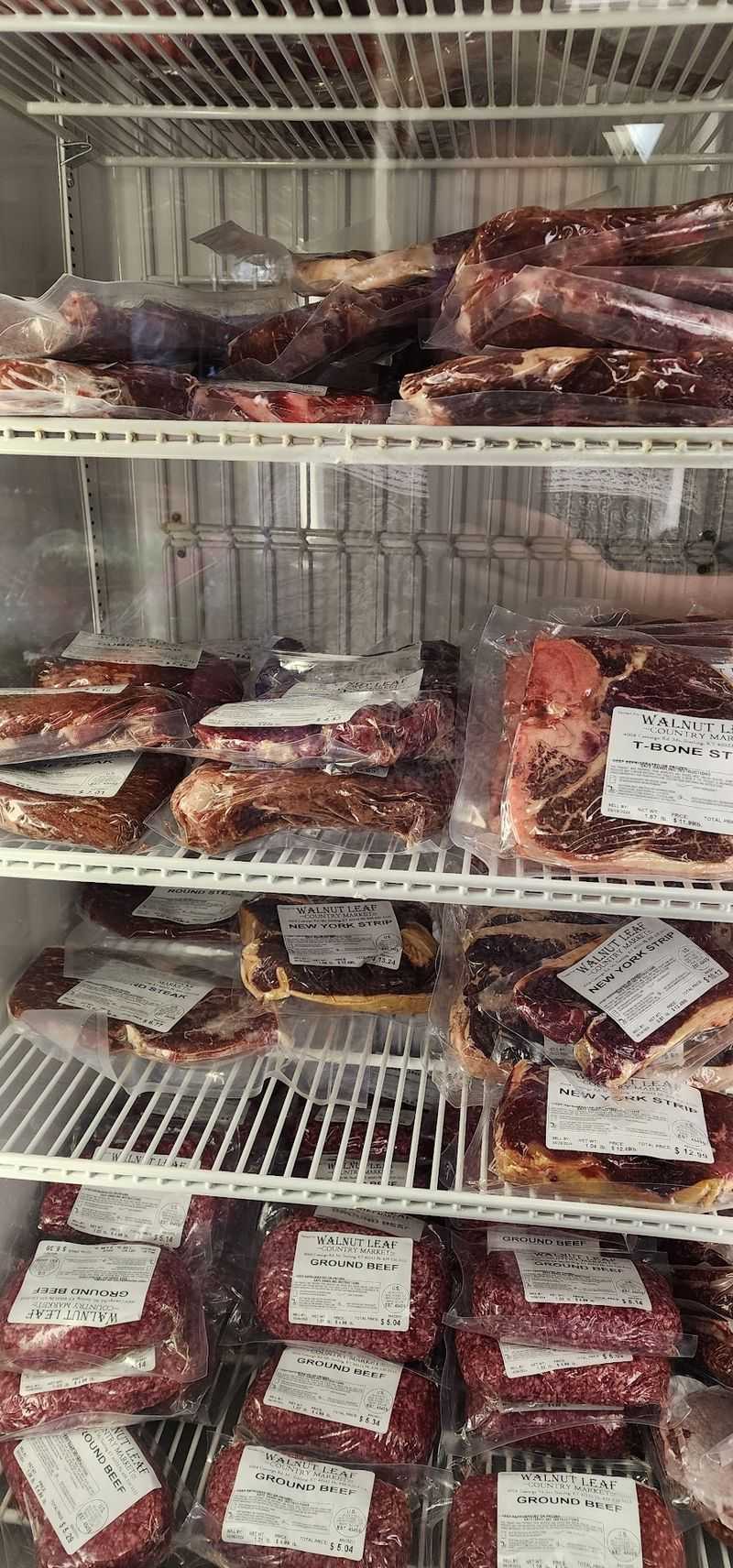
Cheese lovers should budget extra time and extra money. The selection runs longer than most deli counters.
Blocks of colby, swiss, cheddar, and pepper jack fill the case. Sharper aged options hide near the back.
Sliced meats sit alongside them. Smoked turkey and ham get sliced to your preference.
Buying a block instead of slices saves money. Shred it yourself and it melts better too.
Sample recommendations if offered. Staff know which cheeses pair well with what.
Sandwich building becomes an event after a trip here. Good bread plus good cheese needs little help.
Store cheese properly once home. Wrap it in parchment, then a loose bag, for better texture.
Larger blocks freeze acceptably for cooking use. Texture changes slightly, but flavor holds.
Cheese spreads and dips also appear here. They make easy party contributions.
I brought home a pepper jack block for chili night. It disappeared before the chili did.
Ask about weekly favorites if choices overwhelm you. A quick tip narrows things fast.
Keep a cooler bag in your trunk. Dairy appreciates the effort.
Jams, Jellies, And Canned Goods Galore
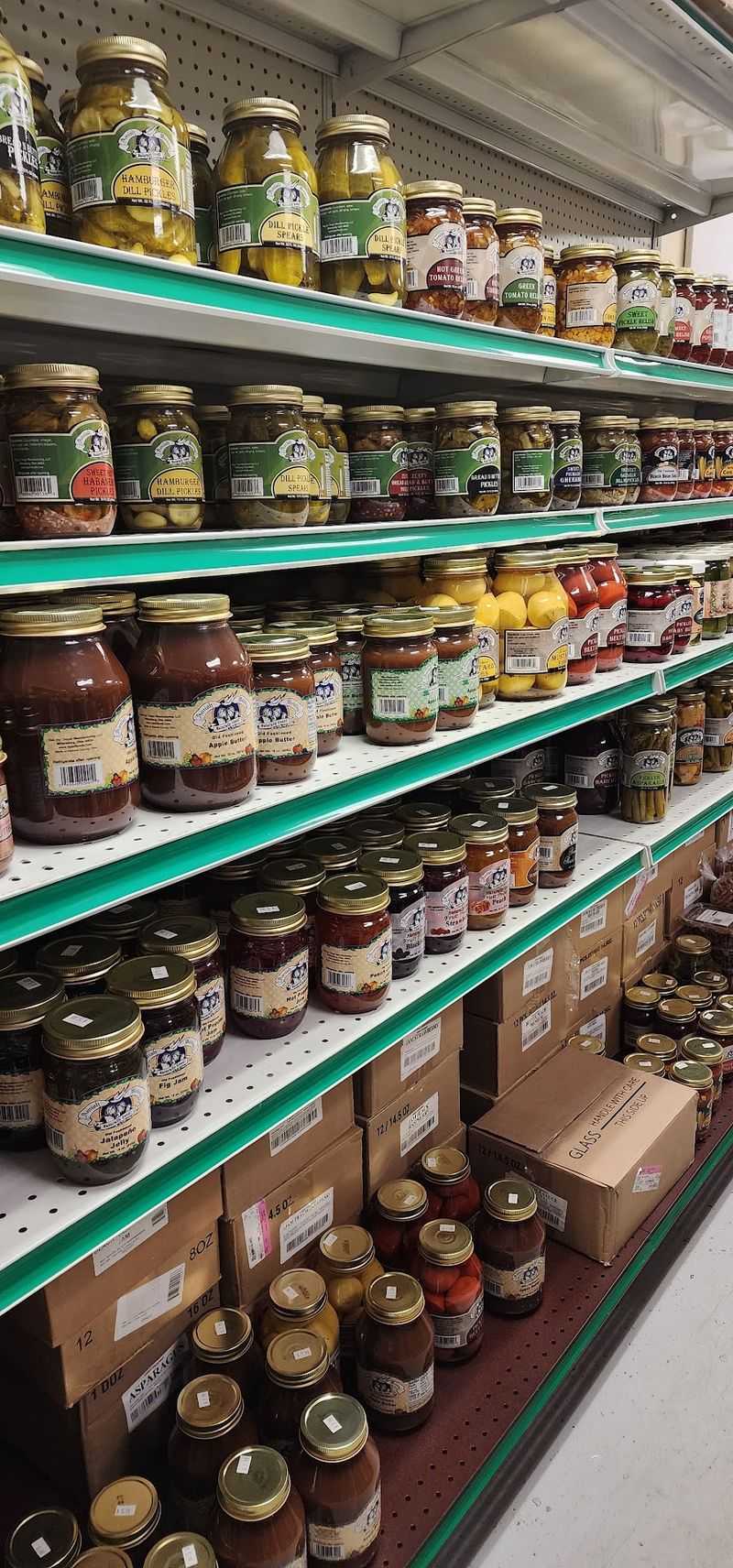
Rows of glass jars catch the light like a display case at a museum. Except these you get to take home.
Jams come in flavors beyond the usual suspects. Blackberry, peach, and strawberry rhubarb all show up.
Apple butter earns its own loyal following. Spread it on warm bread and understand why.
Pickles fill an impressive stretch of shelving. Dill, bread and butter, and spicy versions compete for attention.
Relishes and salsas add more choices. Heat levels are usually labeled clearly.
Jars make excellent gifts. I keep a few on hand for last minute occasions.
Check lids and labels before buying. Everything I have seen looked neat and well sealed.
Mixing sweet and savory jars builds a nice snack board. Add crackers and cheese for an easy spread.
Prices per jar feel fair for handmade goods. Buying several often costs less than expected.
Store opened jars in the refrigerator. Most last several weeks with normal use.
Try one unfamiliar flavor each visit. That habit has led me to some real favorites.
Bring a box for safe transport. Glass and gravel lots do not mix well.
Spices, Mixes, And Kitchen Shortcuts
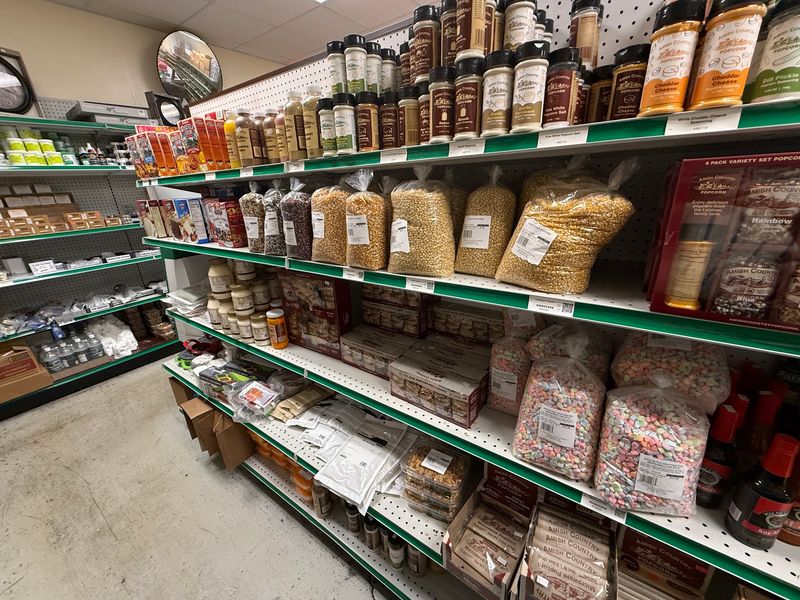
Spice prices here almost feel like a clerical error. Bags cost a fraction of grocery store jars.
Cinnamon, garlic powder, paprika, and chili blends stock the shelves. Refilling your rack becomes affordable again.
Seasoning mixes cover plenty of ground. Taco, ranch, and soup blends save weeknight effort.
Baking mixes sit nearby for shortcuts. Pancakes and muffins get easier fast.
Buy smaller bags of spices you rarely use. Freshness matters more than quantity.
Store everything away from heat and sunlight. A closed cabinet works better than a stove side shelf.
Label your containers with the purchase date. It helps you track potency over time.
Gravy and dip mixes deserve a look. They handle holiday cooking pressure well.
I replaced my entire spice rack for less than one restaurant meal. That trip converted me permanently.
Ask staff about popular blends. Local favorites often outperform national brands.
Read ingredient lists if you watch sodium. Details are usually printed clearly.
Keep a running list on your phone. Spice needs are easy to forget until dinner time.
Smart Tips For Your First Visit
A little planning turns a good trip into a great one. Timing, bags, and a list do most of the work.
Weekday mornings tend to feel calmer. Saturdays bring bigger crowds and thinner shelves.
Bring cash just in case. Small markets sometimes prefer it, and it speeds checkout.
Walk the entire store before choosing. Prices and sizes vary between sections.
Carry a cooler for cheese and produce. Kentucky heat works against you in summer.
Set a rough budget before entering. Bulk savings tempt you into overbuying quickly.
Check the address before heading out.
Verify hours ahead of time. Many Amish and Mennonite businesses keep limited schedules on certain days.
Bring a friend if you plan to buy heavy items. Flour bags get awkward alone.
Take notes on what you loved. Your second visit becomes far more efficient.
Leave a little room in the trunk. Something unexpected always makes the cut.
Slow down and enjoy the browsing. Half the fun is discovering items you never knew existed.