This Massive Nebraska Cathedral Rises With Carved Saints, Gold Leaf Ceilings And Free Walk-In Visits
Twin towers soar 187 feet over a Nebraska neighborhood, and the doors below open to anyone who wants to wander in. You don’t need a ticket for any of it.
When it was finished, it ranked among the ten largest cathedrals in America.
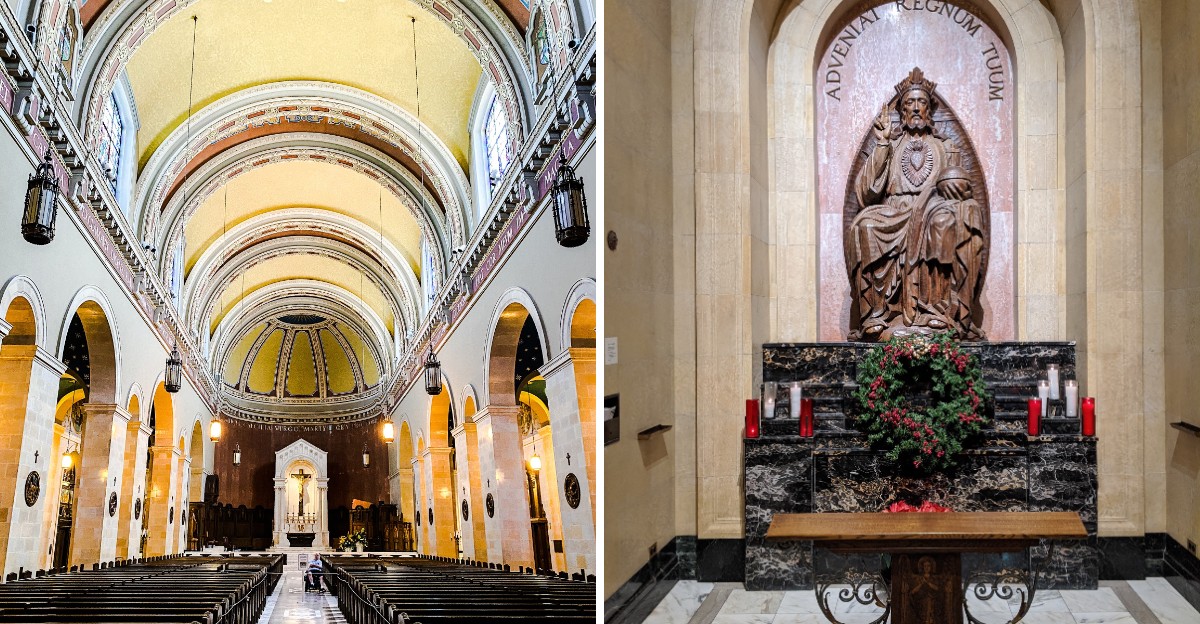
Inside, saints and angels are carved right into the woodwork. Gold leaf paintings run across the ceilings and down the walls.
Stained glass from a 16th-century Spanish cathedral glows in one quiet chapel.
I like how this place mixes jaw-dropping scale with tiny details. You could spend an hour staring at one carved panel.
I can’t imagine rushing through it, honestly.
The story behind it involves a windstorm, a decades-long build and a design nobody else was attempting. So how did a Spanish-style giant end up on the prairie?
A Spanish-Style Giant Waiting On A Quiet Omaha Street
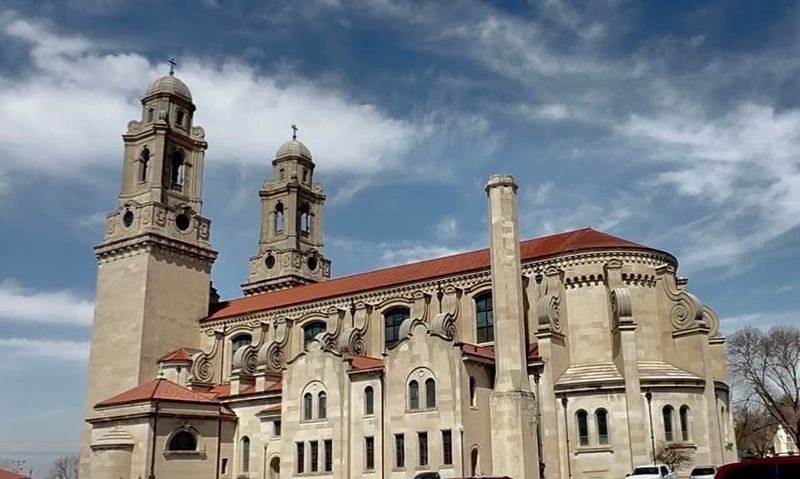
Most people don’t expect a Spanish Renaissance Revival masterpiece in the middle of Nebraska. Saint Cecilia Cathedral breaks that expectation with twin domed towers and a red tile roof.
The building serves as the cathedral of the Archdiocese of Omaha. It’s also one of the city’s most striking architectural landmarks, open to curious visitors during set hours.
The numbers alone are impressive. The cathedral stretches 255 feet long and 158 feet wide.
At its tallest point, the structure rises to 222 feet. The twin towers themselves reach 187 feet and finish in rounded cupolas.
When it was completed in 1959, it ranked among the ten largest cathedrals in the United States. That’s a big claim for a city better known for steaks and Warren Buffett.
The exterior walls are solid masonry faced with off-white Bedford limestone from Indiana. Statues fill niches on the facade, added in 2002 to complete the look.
Here’s the fun part for budget-minded Nebraskans. Walk-in visits for personal prayer and viewing cost nothing at all.
You simply open the doors and look around. Few grand buildings in the state make it that easy.
Five Decades, One Windstorm And A Very Patient Parish
Patience built this cathedral, plain and simple. The parish began in 1887, and its first wooden church was dedicated in 1888.
Leaders chose the current site in 1901. Groundbreaking came in May 1905, and the cornerstone was laid on October 6, 1907.
Architect Thomas Rogers Kimball drew up the plans. He skipped the popular Gothic style of the era and went Spanish instead.
That choice still makes the building stand out today. It looks nothing like the pointed spires most people picture.
The first Mass inside the unfinished cathedral happened in 1916. Then nature stepped in with a plot twist.
On November 21, 1917, a windstorm knocked down the original wooden church. Suddenly the half-built cathedral went into use sooner than anyone planned.
Work continued for decades after that. The cathedral was finally consecrated in 1959, more than fifty years after the groundbreaking.
Honors followed later. It joined the National Register of Historic Places in January 1979.
Omaha named it a city landmark in May 1979. Not bad for a project that outlasted several generations of builders.
Carved Saints Hiding In Every Corner Of The Woodwork
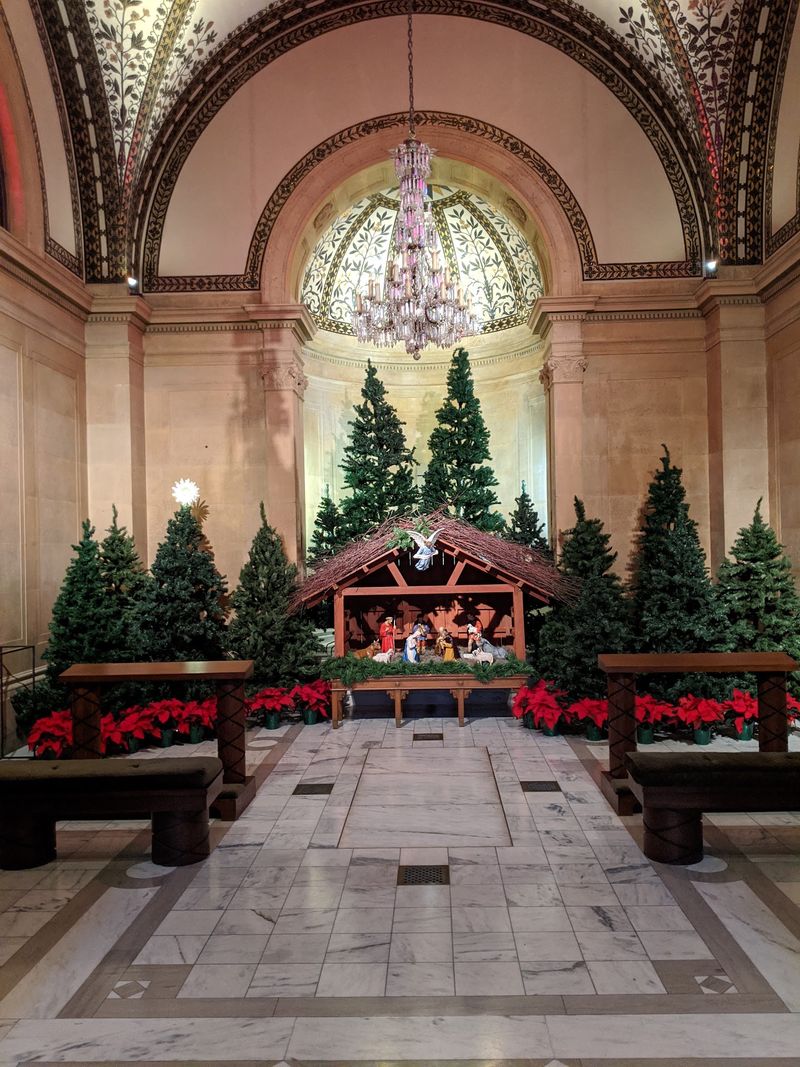
Bring your reading glasses, because the woodwork rewards a close look. Altars, podiums and confessionals feature detailed carvings of saints and angels.
The pulpit is a showstopper in hand-carved mahogany. It’s the kind of piece that makes you wonder how many hours went into a single figure.
Sculpture goes far beyond wood here. Masterpieces in wood, bronze and marble by Albin Polasek and William Hoppe appear throughout the building.
Polasek was a Czech-born sculptor, which adds a fun Old World connection. Nebraska’s strong Czech heritage makes that detail feel right at home.
Marble plays a big role too. The cathedral features white Carrara marble imported from Pietrasanta, Italy.
That town is famous for its marble workshops. So a little piece of Italian craft now lives in Omaha.
Every surface seems to hold something worth studying. One carved panel can easily eat up ten minutes of your visit.
Take your time moving from piece to piece. The details are the real reason to linger.
Gold Leaf, Murals And Saints Of North America Overhead
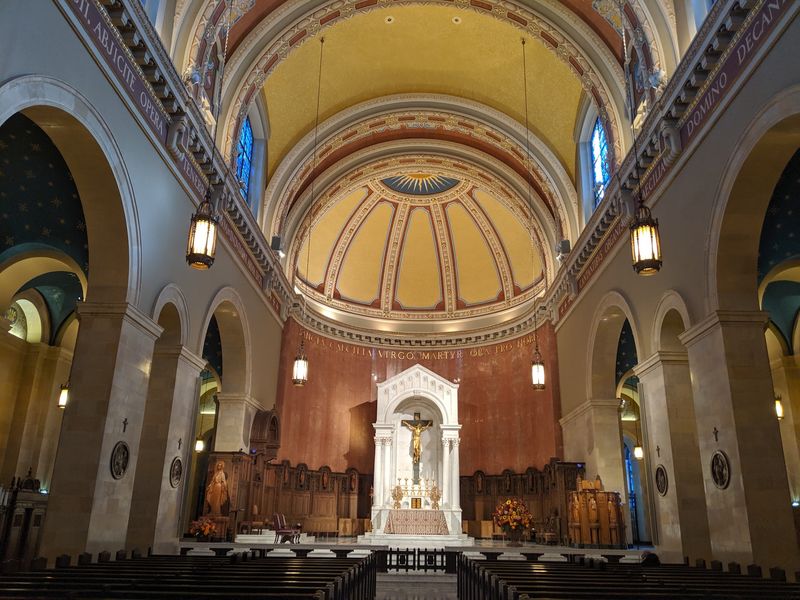
Look up. Seriously, your neck will thank you later for the view.
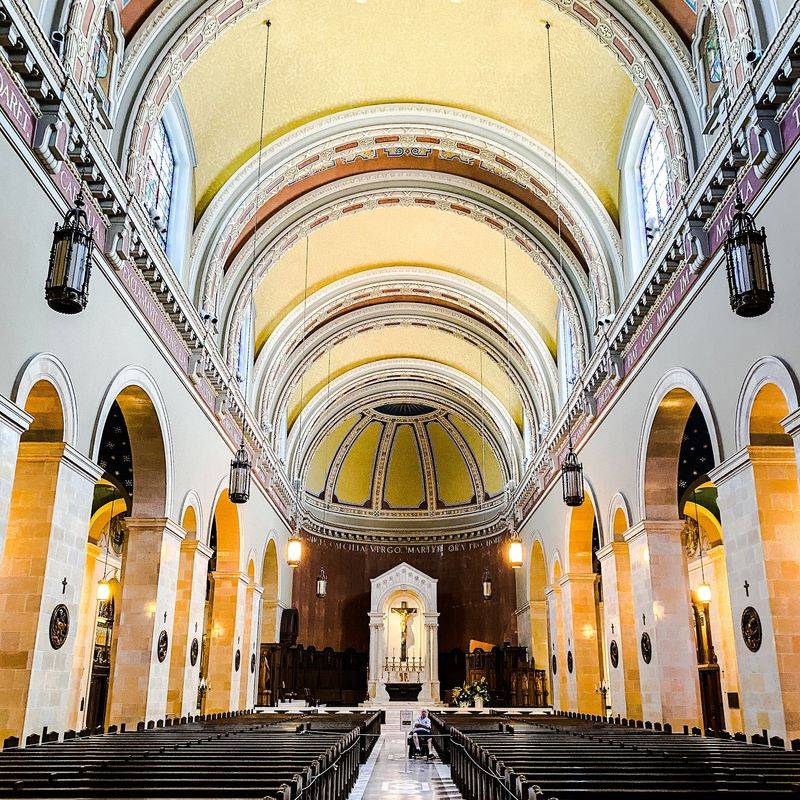
Gold leaf paintings decorate the ceilings and run along the walls. The shimmer catches the light and adds warmth to the huge space.
Murals by Hugo Ulhm add color and storytelling. They show beatified and canonized saints of North America.
That’s a thoughtful choice for an American cathedral. Instead of only European figures, you’ll spot holy people tied to this continent.
The look you see today owes a lot to a major renovation finished in 2002. Crews added a new paint and décor scheme.
The goal was to reflect the original design intentions. In other words, the cathedral finally looks the way its planners hoped.
A new Mass altar arrived in 2005. It fits right into the refreshed sanctuary.
The combination of gold, marble and painted saints feels rich without turning cluttered. Find a pew, sit for a while and let your eyes wander across the ceiling.
52 Windows And A Chapel Glowing With 16th-Century Glass
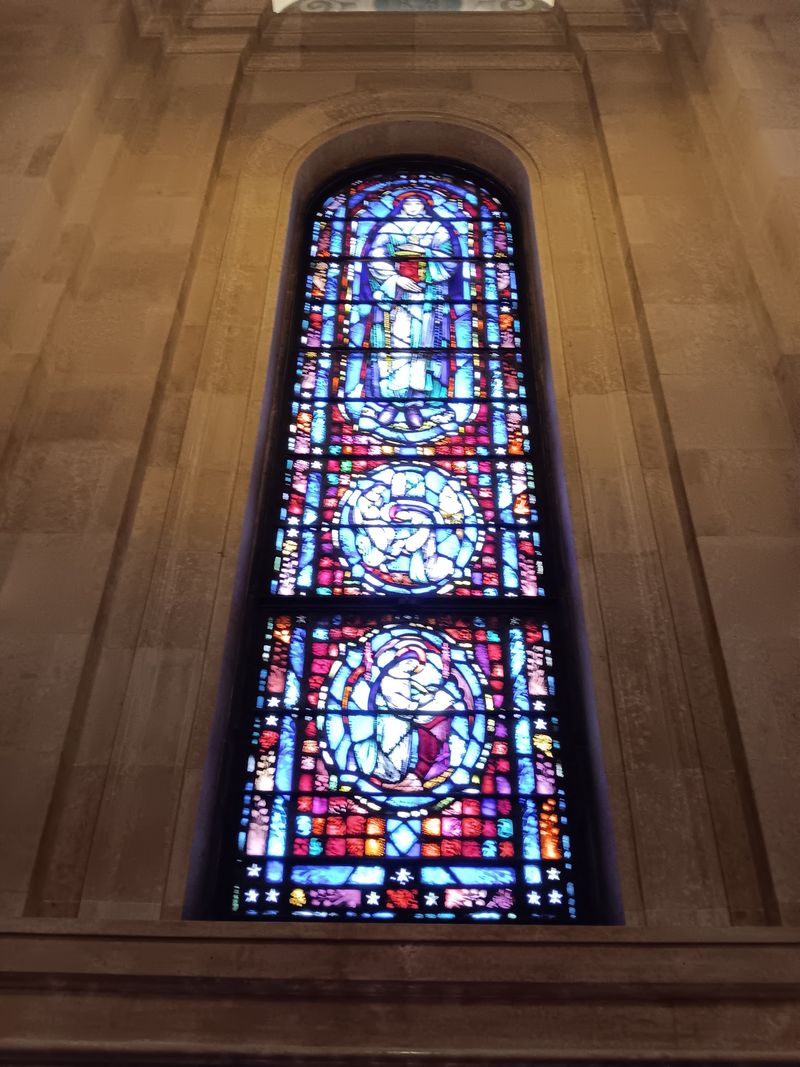
Count them if you can: 52 stained glass windows fill this cathedral. The first 27 came from Charles Connick Studios.
The rest were made by Rambusch Decorating Company. Both names carry serious weight in American stained glass history.
Now for the jaw-dropper. The Our Lady of Nebraska Chapel holds stained glass from a 16th-century cathedral in Pamplona, Spain.
That glass is hundreds of years older than Nebraska statehood. It’s wild to think it made the trip all the way to Omaha.
The chapel’s name gives it a homegrown touch. Spanish history and Nebraska identity share one small, glowing room.
Sunny days are the best time to see the windows at work. Light pours through and paints the floors in color.
Overcast days still offer plenty to admire up close. You can study the figures and patterns without squinting.
Plan a few extra minutes for this chapel. It’s easy to miss if you only stick to the main aisle, and missing it would be a shame.
Free Art Galleries And A Pipe Organ Built For The Patron Of Musicians
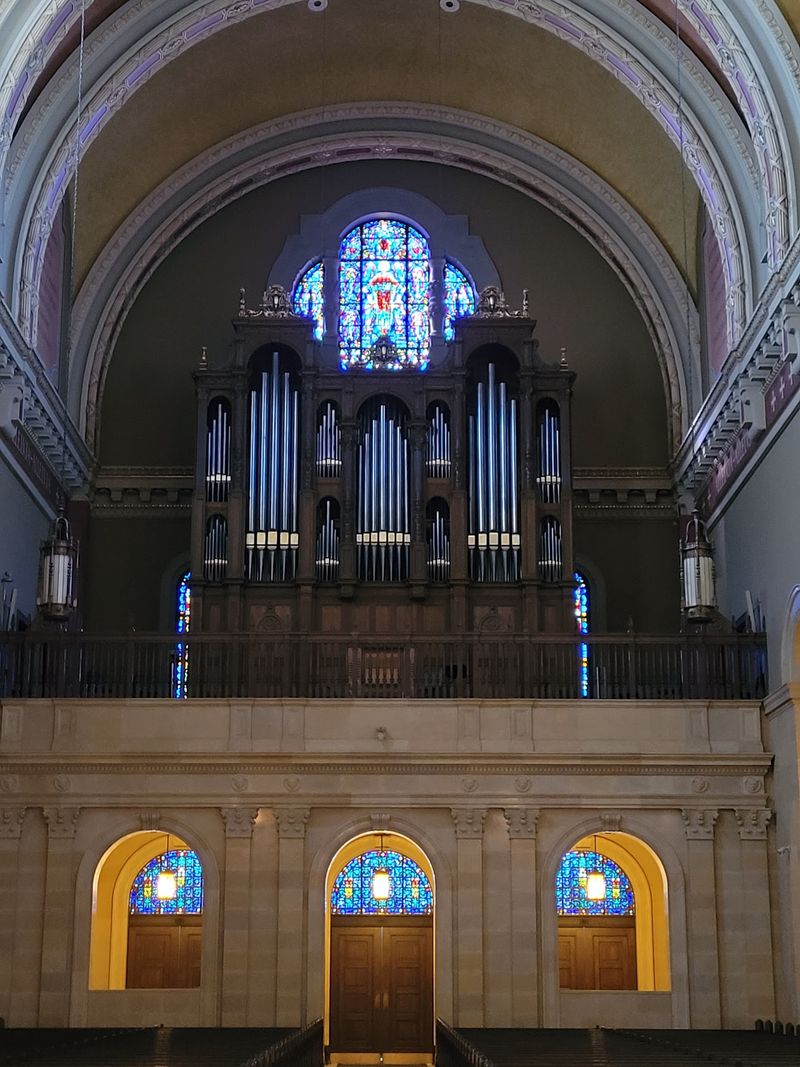
Saint Cecilia is the patron saint of musicians, so the cathedral takes music seriously. A Pasi pipe organ was installed in the early 2000s.
It features 55 stops across three manuals and pedals. For non-organists, that means a huge range of sounds from one instrument.
The cathedral also holds a Spanish Colonial Art collection. About two dozen paintings, figures and statues come mainly from Mexico, Central America and northern South America.
You’ll find those pieces in the East Ambulatory and Nash Chapel. They connect nicely with the building’s Spanish design.
Next door, the Cultural Center adds even more to explore. It houses the Sunderland Gallery, Cathedral Museum, O’Donnell Lecture Hall and a gift shop.
The Sunderland Gallery showcases Spanish Colonial and Republican art. The museum offers free admission.
That’s a lot of culture without opening your wallet. Families watching a budget will appreciate that.
Pair the galleries with a slow loop through the cathedral itself. It turns a quick stop into a solid afternoon in Omaha.
Quiet Pews, Big Flowers And A Calm You Can Feel
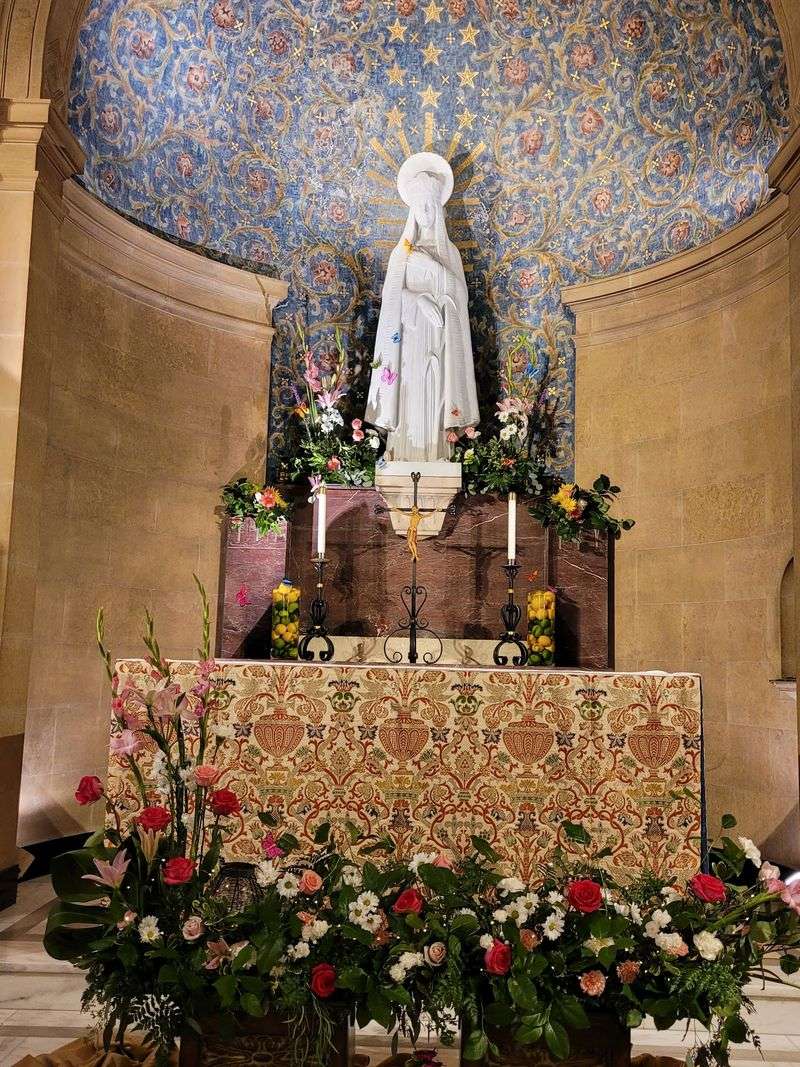
Silence feels different in a room this big. The space invites slow steps and soft voices.
Many people come for personal prayer during open hours. Others simply sit and take in the architecture.
Winter brings a colorful tradition. The annual Flower Festival is held in late January, filling the cathedral with floral displays.
Timing it right gives you a burst of blooms during Nebraska’s grayest month. Check the cathedral’s calendar for each year’s dates.
Bilingual Masses in Spanish and English have also been part of parish life. That fits the cathedral’s Spanish roots beautifully.
The space suits a wide range of visitors. Architecture fans, history lovers, art students and families can all find something here.
Photographers will want extra time for the woodwork and windows. Just stay respectful during services and prayer.
Kids who love spotting details can turn it into a treasure hunt. How many carved angels can they find before lunch?
Plan A Weekday Stop For The Easiest Visit
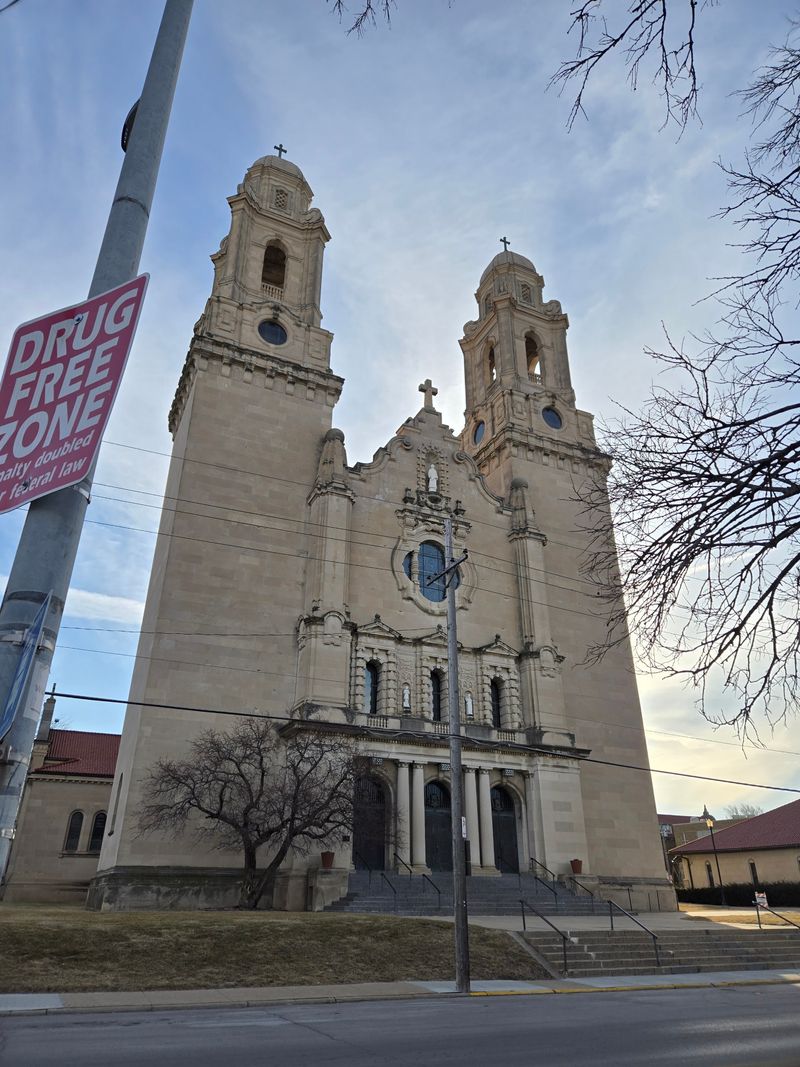
Getting there is simple. Saint Cecilia Cathedral sits at 701 N 40th St, Omaha, NE 68131.
It’s in a residential area just west of downtown Omaha. Parking near the cathedral is close and convenient.
Weekdays are your best bet for a relaxed walk-in visit. Current listings show doors open from morning until early evening Monday through Friday.
Hours can shift around services, holidays and special events. A quick check with the cathedral before driving saves any surprises.
Walk-in visits for prayer and viewing remain free. Private tours can be scheduled by appointment if you want deeper stories.
Tours are worth considering for groups or curious history buffs. Someone pointing out details helps you spot what you’d otherwise miss.
So is it worth the trip? For anyone who loves Nebraska history, grand architecture or a peaceful pause, I believe the answer is an easy yes.
A Spanish-style giant, Italian marble and centuries-old glass, all free to see. That’s a pretty generous gift sitting right here in Nebraska.