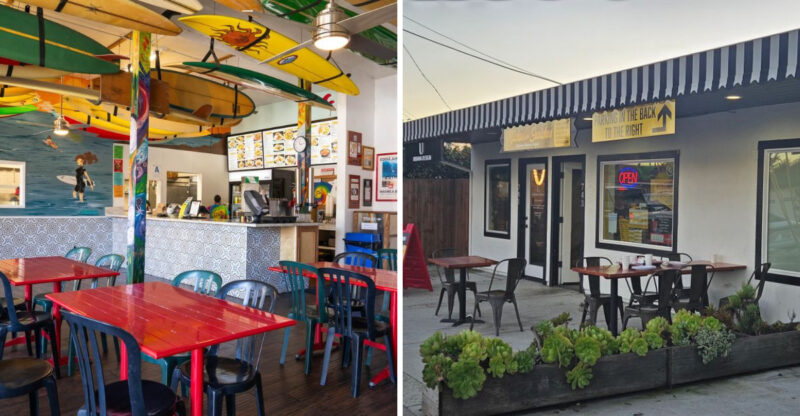
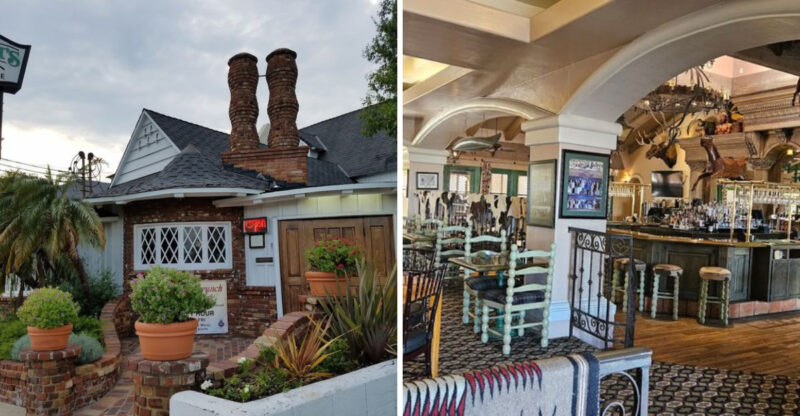
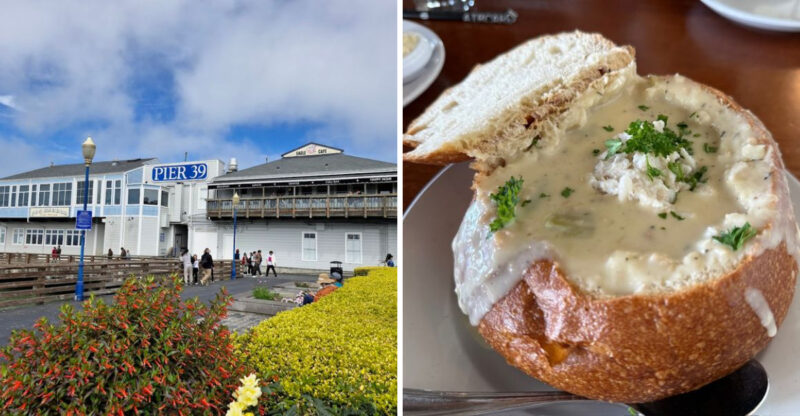
This Mountain Town In California Quietly Built One Of The Best Food Scenes Around
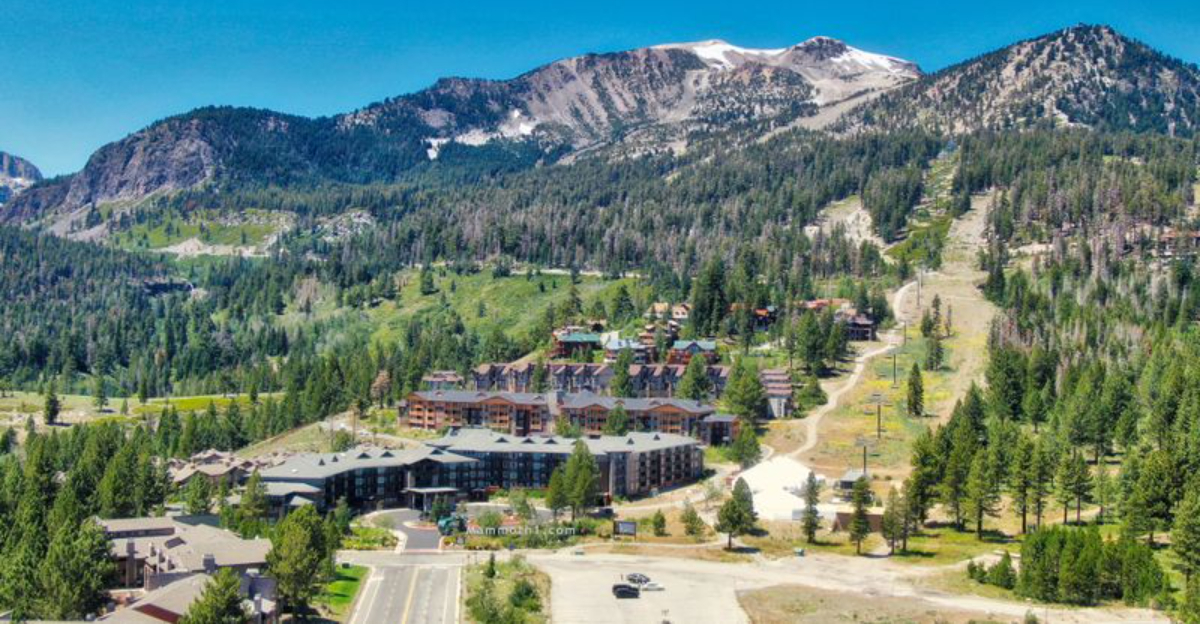
Snow-covered peaks tower above alpine lakes and pine forests high in California’s Sierra Nevada. The setting feels built for adventure, not culinary buzz. That’s what makes the surprise hit harder.
Mammoth Lakes has quietly transformed into one of California’s most unexpected food destinations.
Chefs here push far beyond standard ski town fare, blending farm-to-table ingredients with bold global flavors.
Menus shift with the seasons. Plates arrive polished, creative, and city-level refined. Breakfast cafés fuel early trail days. Après-ski crowds fill cozy taverns.
Evenings stretch into lively dinners built around wine, craft mocktails, and multi-course meals. Many visitors come for the slopes and leave talking about the food.
The contrast is what makes it unforgettable. Rugged mountain wilderness outside. Standout dining inside. In Mammoth Lakes, the meals linger just as long as the views.
1. Farm-To-Table Philosophy Drives Restaurant Excellence
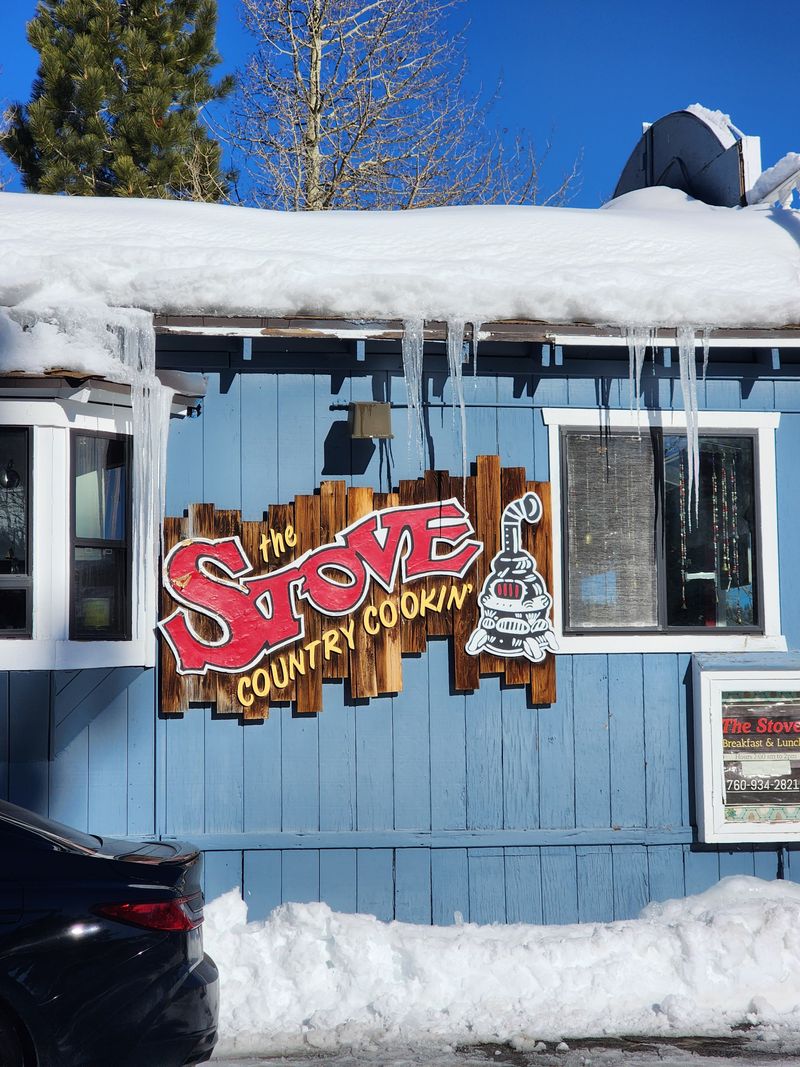
Restaurants throughout Mammoth Lakes have embraced sourcing ingredients from nearby farms and ranches. This commitment to local ingredients means menus shift with what grows best each season.
The approach creates dishes that taste noticeably fresher than what frozen or shipped ingredients could provide. The Stove exemplifies this philosophy by building relationships with regional suppliers.
Located at 644 Old Mammoth Rd, Mammoth Lakes, CA 93546, the restaurant changes its menu based on harvest schedules.
Diners can taste the difference in vegetables picked that morning versus those transported across states.
This farm-to-table movement has elevated expectations across the entire town. Even casual eateries now highlight where their ingredients originate.
The practice supports regional agriculture while giving visitors authentic tastes of what the Sierra Nevada region produces. Seasonal availability means certain dishes appear only during specific months.
This limitation actually enhances the dining experience by creating anticipation and variety. Return visitors often plan trips around particular harvest seasons to enjoy specific menu items again.
2. Elevation Brings Unique Brewing Opportunities
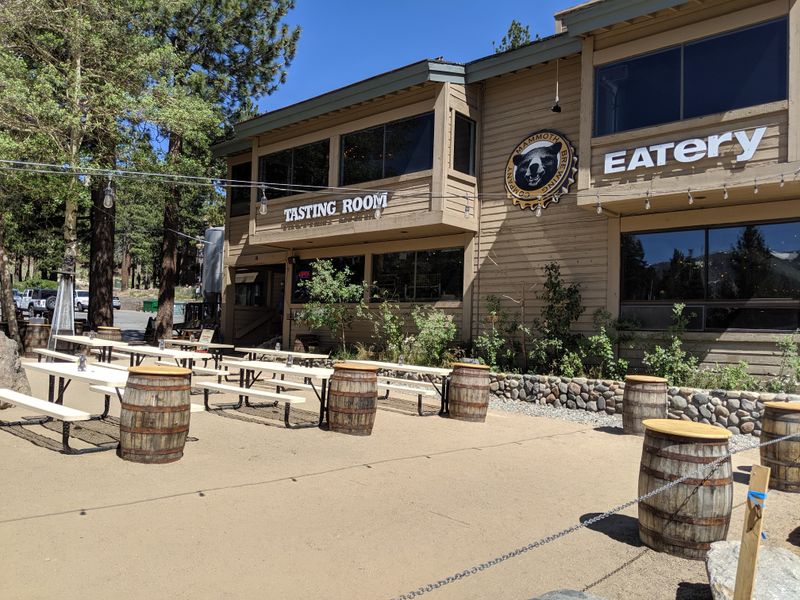
Mammoth Brewing Company at 18 Lake Mary Rd, Mammoth Lakes, CA 93546 operates as one of the highest elevation breweries along the West Coast.
Founded in 1995, the brewery has become a cornerstone of the local dining scene. The thin mountain air and pure water sources create distinctive brewing conditions that affect fermentation and flavor development.
The brewery produces a rotating selection of styles that pair well with the town’s diverse restaurant offerings. Many dining establishments feature these local brews on their menus.
The connection between local brewing and local eating strengthens the community’s culinary identity. Visitors often stop by the brewery before or after meals elsewhere in town.
The tasting room provides a casual atmosphere where people share stories about their mountain adventures. This gathering spot has become as much about community as it is about the beverages.
The brewing process at high altitude requires adjustments to standard recipes and techniques. Brewmasters here have developed expertise that attracts attention from industry professionals.
The unique conditions have become an advantage rather than a challenge for creating memorable flavors.
3. Annual Food And Wine Experience Showcases Regional Talent
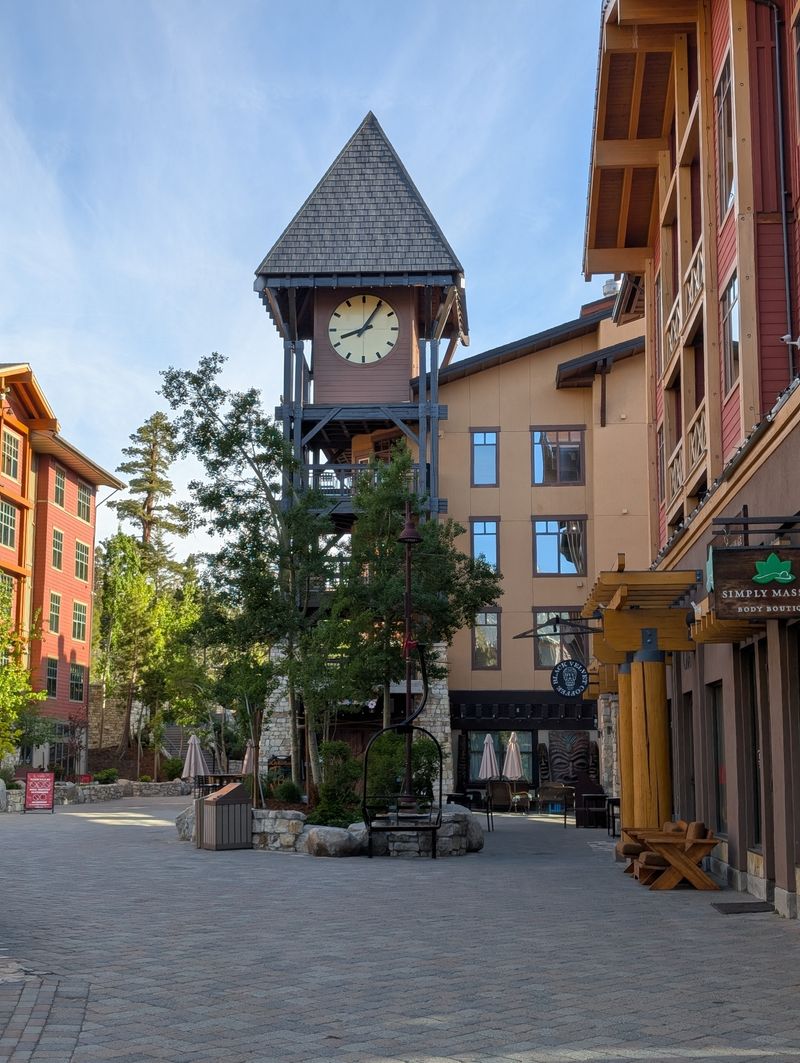
Each year, the Mammoth Wine Weekend brings together chefs and producers from across the region.
The multi-day event features cooking demonstrations, tastings, and collaborative dinners. Attendees get direct access to the people creating the food rather than just consuming it.
The festival format includes both grand tasting events and intimate chef dinners. Participants can sample dishes from restaurants they might not otherwise visit during their stay.
The event has grown in reputation, drawing food enthusiasts who plan entire trips around the festival dates.
Local restaurants often use the festival as an opportunity to showcase experimental dishes. Chefs collaborate with peers from other establishments to create unique one-time menus.
The creative energy during festival days spreads throughout the town’s entire dining scene. Educational components teach attendees about ingredient sourcing and preparation techniques.
Cooking demonstrations reveal the skills behind dishes that seem simple but require expertise. The festival has helped elevate public appreciation for the craftsmanship involved in quality food preparation.
4. International Cuisines Add Unexpected Variety
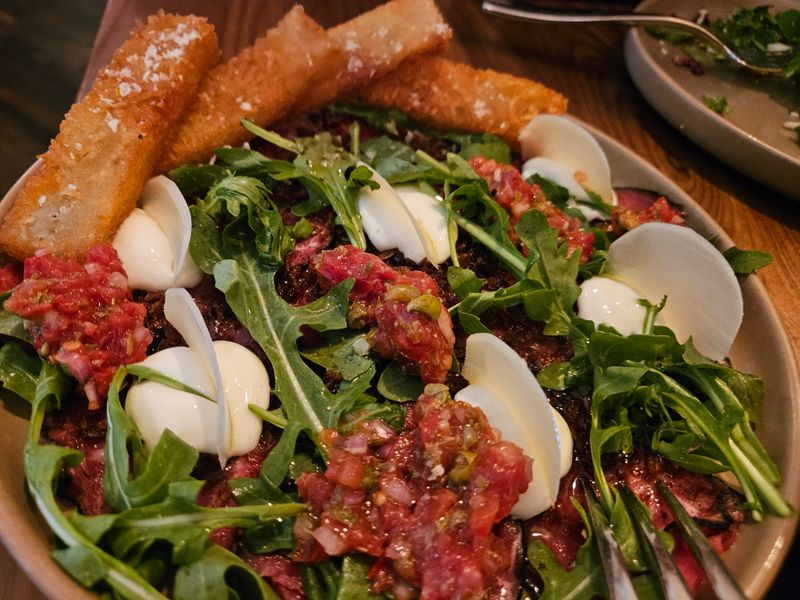
Italian trattorias serve house-made pasta alongside Asian-inspired restaurants offering sushi and Japanese specialties. This range of international flavors surprises visitors expecting only American comfort food.
The diversity reflects both the backgrounds of restaurant owners and the sophisticated tastes of regular visitors.
Several establishments focus on authentic preparations rather than Americanized versions of international dishes.
Chefs with family recipes or formal training in specific cuisines bring genuine techniques to their kitchens.
The quality compares favorably to restaurants in major metropolitan areas. This variety means groups with different preferences can all find satisfying meals.
Someone craving Italian can dine well while their companion seeks Asian flavors. The options prevent dining fatigue for visitors staying multiple days or locals eating out frequently.
International ingredients sometimes require special ordering given the mountain location. Restaurant owners have developed supply chains that bring authentic components to their kitchens.
The extra effort demonstrates commitment to serving genuine rather than compromised versions of dishes.
Seasonal specials often incorporate international techniques with local ingredients. This fusion approach creates unique menu items found nowhere else.
5. Breakfast Cafés Fuel Mountain Mornings
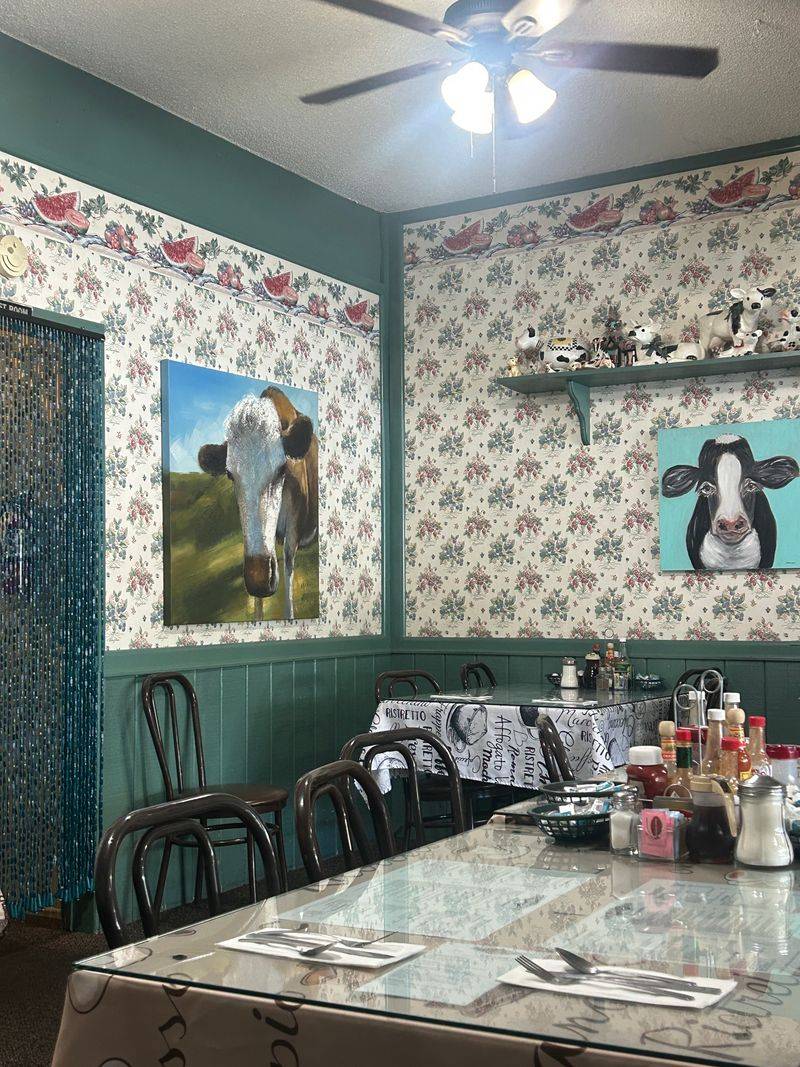
Morning dining options range from quick coffee stops to leisurely brunch destinations. Several cafés specialize in hearty breakfast plates designed to fuel outdoor activities.
Pancakes, omelets, and breakfast sandwiches appear on most menus, often made with locally sourced eggs and produce.
The atmosphere in breakfast spots tends toward casual and welcoming. Many feature communal seating where strangers share tables and trail recommendations.
This informal vibe suits the mountain town culture where outdoor adventures create common ground among visitors.
Smoothie bowls and healthier options have joined traditional breakfast fare in recent years. These lighter choices appeal to visitors focused on nutrition before athletic activities.
The balance between indulgent comfort food and health-conscious options accommodates different dining philosophies.
Morning service often starts early to accommodate guests heading to ski slopes or hiking trails. Some cafés open before sunrise during peak seasons.
The early hours and quick service make these spots practical rather than leisurely, though weekend mornings tend to be more relaxed.
Locally roasted coffee appears in many breakfast establishments. The quality of morning beverages receives as much attention as the food itself.
6. Family-Friendly Restaurants Welcome All Ages
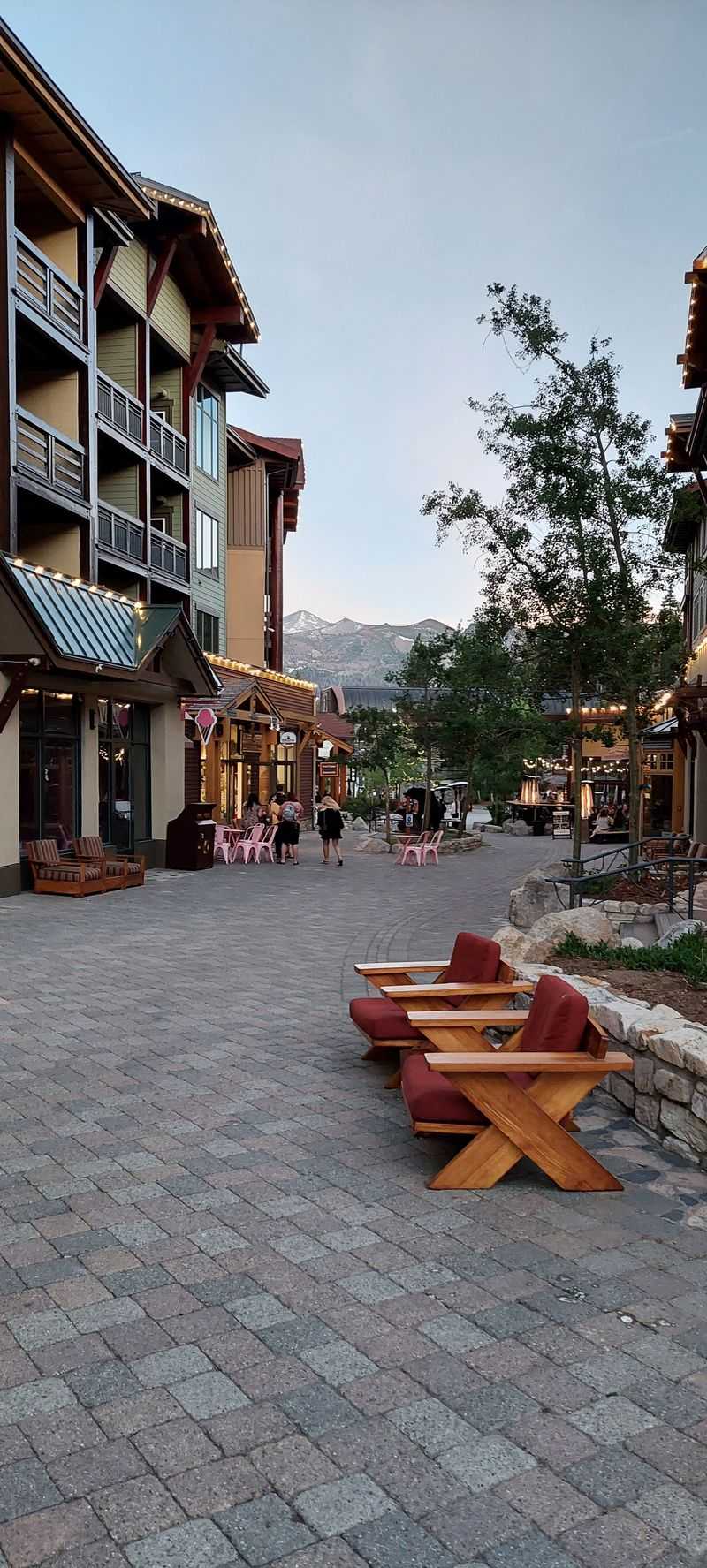
Dining with children requires different considerations than adult-only meals. Mammoth Lakes offers numerous restaurants designed to accommodate families comfortably.
Menus include recognizable options like burgers, pizzas, and chicken dishes alongside more adventurous choices for adults.
Casual atmospheres in these establishments reduce stress about noise or movement from younger diners.
Staff members typically show patience with families taking longer to order or needing special accommodations.
This welcoming attitude makes dining out feasible even with tired children after mountain activities. Wood-fired pizza restaurants have become particularly popular with families.
The visual appeal of pizza preparation entertains children while parents relax. Barbecue spots offer another family-friendly option with shareable platters and straightforward flavors.
Seating arrangements in family restaurants often include booths and larger tables. The layouts provide space for high chairs and diaper bags without crowding adjacent tables.
Practical design choices demonstrate understanding of family dining needs. Many family-oriented restaurants keep service moving efficiently.
Shorter wait times between ordering and eating help prevent restlessness in younger diners. The balance between quality food and practical service timing serves families well.
7. Dessert Destinations Satisfy Sweet Cravings
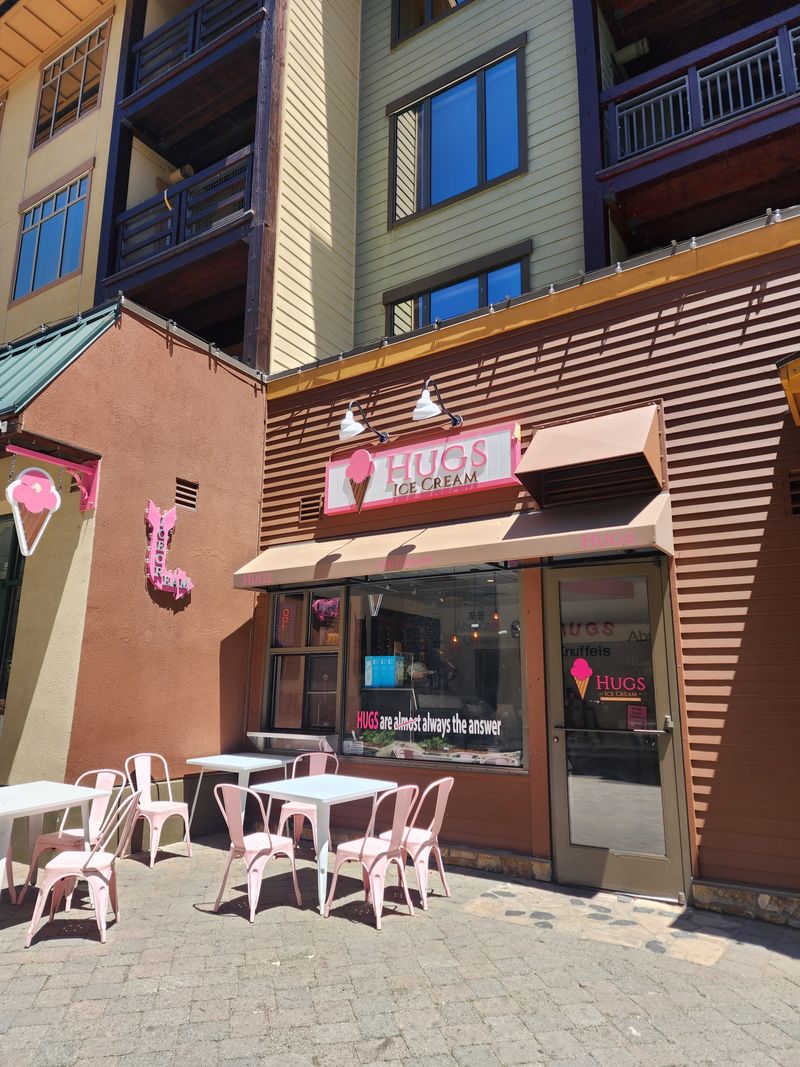
Hugs Ice Cream has built a following with creative flavors and customizable options. The shop located at 6201 Minaret Road #224 in Mammoth Lakes, California 93546 offers standards alongside unique combinations like Honey Lavender.
Customers can build their own cookie ice cream sandwiches by choosing both cookie and ice cream flavors.
The texture of ice cream changes slightly at high elevation due to air pressure differences. Shops here have adjusted recipes to maintain proper consistency.
These technical adaptations happen behind the scenes while customers simply enjoy the results. Dessert spots become gathering places after dinner or during afternoon breaks from activities.
The casual nature of ice cream shops creates relaxed social environments. Families, couples, and friend groups all find these destinations suitable for unwinding.
Seasonal flavors rotate based on ingredient availability and holiday themes. Summer brings fruit-based options while winter features richer, warming flavors.
The changing selections give regular visitors reasons to return throughout the year. Some dessert establishments also serve coffee and light snacks. This expanded menu makes them viable for afternoon visits beyond just sweet treats.
8. Summer Farmers Markets Connect Producers And Consumers
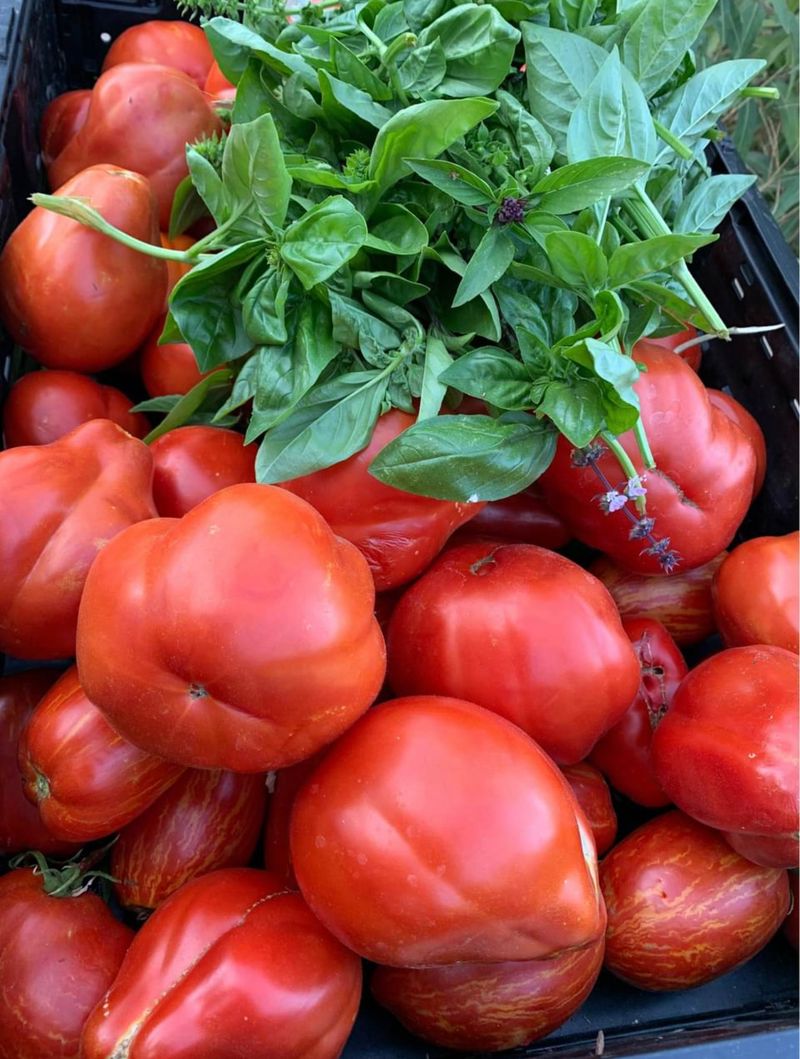
Warm weather brings weekly farmers markets where local producers sell directly to consumers. Fresh vegetables, artisanal cheeses, homemade jams, and baked goods fill vendor tables.
The markets create opportunities to purchase ingredients that appear on restaurant menus throughout town.
Food trucks often park at market locations, serving prepared meals alongside raw ingredient vendors.
This combination allows visitors to eat immediately while shopping for items to prepare later. The variety of food options makes markets dining destinations rather than just shopping stops.
Conversations between vendors and customers reveal stories behind products. Learning about growing methods or production techniques adds context to food purchases.
These personal connections strengthen appreciation for the work involved in bringing food from farm to table.
Markets typically operate during morning or early afternoon hours. The timing works well for visitors planning outdoor activities later in the day.
The schedule also suits vendors who travel from surrounding agricultural areas. Live music and community announcements often accompany market activities.
The atmosphere becomes festive rather than purely transactional. Markets function as social gatherings that happen to involve food shopping.
9. Contemporary Dining Spaces Blend Design And Innovation
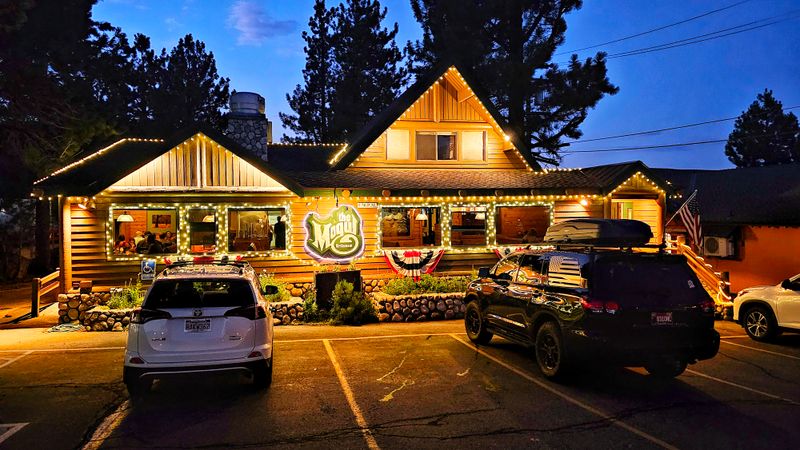
The Mogul Restaurant at 1528 Tavern Rd, Mammoth Lakes, CA 93546 represents the evolution of mountain dining beyond rustic lodge aesthetics.
Contemporary design elements create sophisticated atmospheres that complement innovative menus.
The space demonstrates that mountain towns can offer urban-quality dining experiences without sacrificing their character.
Innovative cuisine here means creative combinations rather than molecular gastronomy experiments.
Chefs apply refined techniques to quality ingredients without overthinking presentations. The approach produces memorable meals that feel special without seeming pretentious.
Lighting design in contemporary restaurants enhances the dining experience significantly. Warm tones create intimacy while maintaining enough brightness for comfortable eating.
Attention to these details shows understanding that atmosphere affects how food tastes. Seating comfort receives consideration in these establishments.
Chairs and booths support diners through multi-course meals without causing discomfort. The physical experience of dining extends beyond just the food on plates.
Noise levels in well-designed spaces allow conversation without shouting. Acoustic treatments prevent the echo that makes crowded restaurants unpleasant. Thoughtful design creates environments where the entire experience feels carefully considered.
10. Culinary Scene Continues Evolving And Expanding
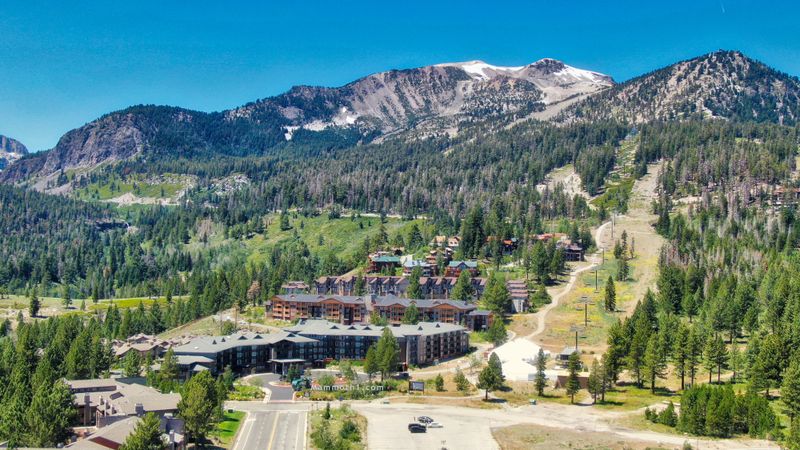
The food scene in Mammoth Lakes shows no signs of stagnating. New restaurants open regularly while established ones refine their offerings.
This ongoing evolution keeps the dining landscape fresh for both visitors and residents. Restaurant owners demonstrate commitment to quality over quick profits.
Many could serve mediocre food and still attract customers based on location alone. Instead, they choose to invest in better ingredients, skilled staff, and thoughtful preparations.
Sustainability practices extend beyond farm-to-table sourcing. Waste reduction, composting, and energy efficiency appear in restaurant operations throughout town.
These environmental considerations align with the outdoor recreation values that draw people to mountain communities.
Collaboration between restaurants creates a rising tide effect. Rather than viewing each other as pure competition, establishments often refer customers to other spots.
This cooperative spirit strengthens the entire culinary community. The combination of quality, variety, and commitment to improvement has transformed Mammoth Lakes into a legitimate food destination.
Visitors now plan trips specifically for dining experiences rather than treating meals as mere fuel between activities.
This shift represents significant achievement for a town primarily known for skiing and mountain recreation.