This Nearly 90-Year-Old California Grape Festival Returns With Carnival Rides And Four Days Of Fun
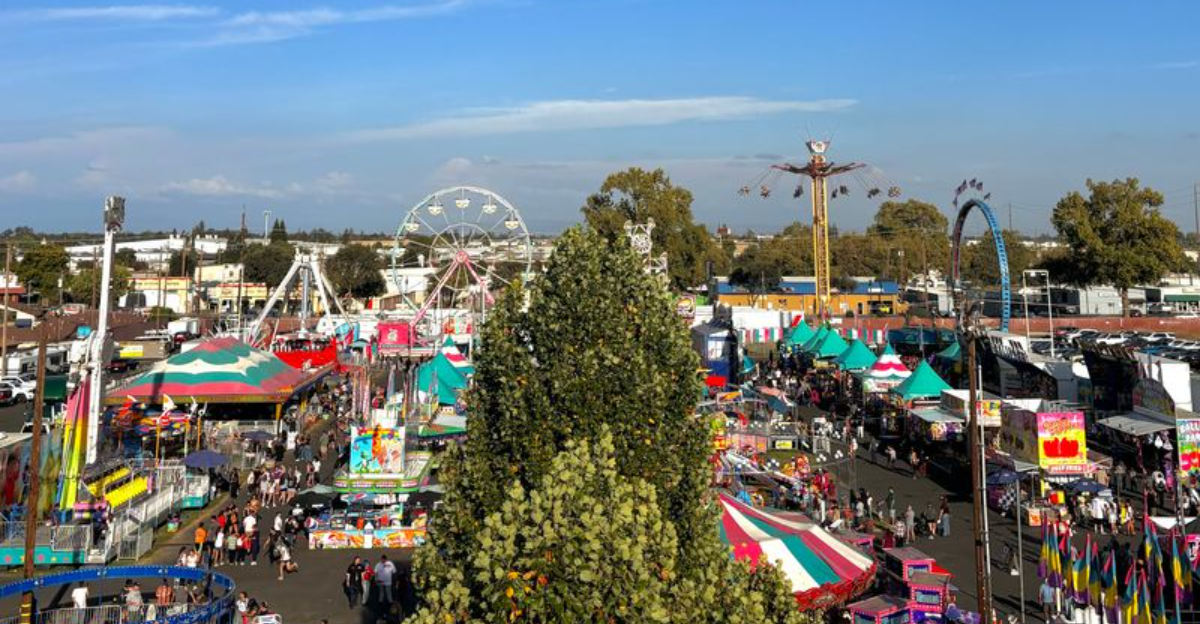
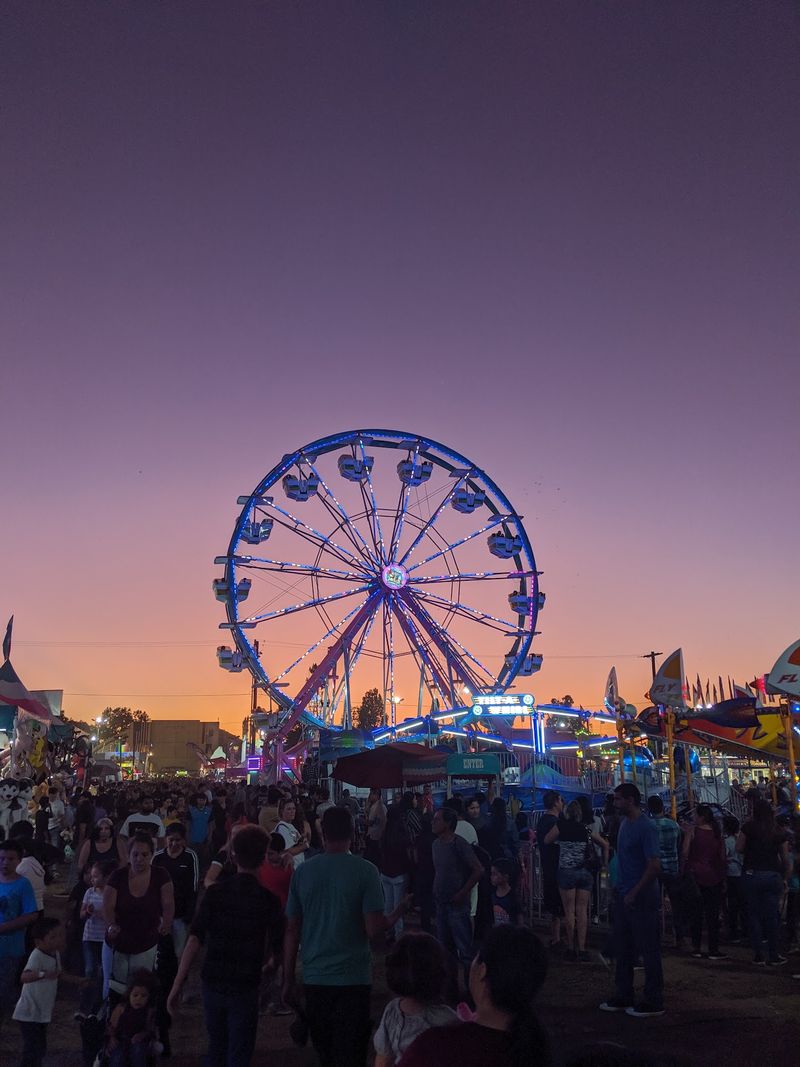
For four days, an ordinary fairground becomes the place everyone seems to be heading. Carnival lights flicker on after sunset. Rides spin overhead.
Food stands keep the air smelling dangerously good, and generations of families return to a tradition that was already around before their grandparents were making weekend plans.
Nearly 90 years of history gives this California celebration something newer festivals cannot manufacture.
There is nostalgia built into the experience, but it never feels stuck in the past. Kids still race toward the rides. Adults still get talked into joining them.
Somewhere along the midway, someone inevitably spends far too much effort trying to win a prize that would have been easier to buy. That’s simply part of the charm.
The festival has changed with the decades, but the basic promise remains wonderfully uncomplicated. Show up, stay late, and give September one more excuse to feel like summer.
See The Famous Grape And Commodity Murals
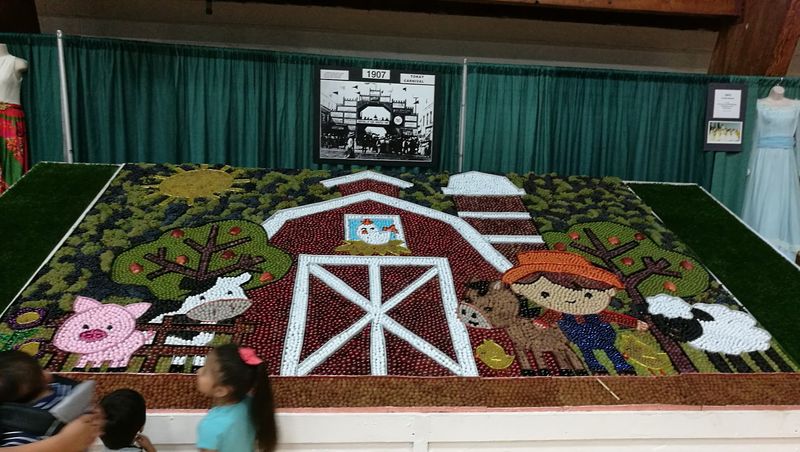
Few county fairs in the country can claim an art form entirely their own, but grape murals belong to Lodi.
The tradition started in 1950 and continues today, with community groups, school clubs, and service organizations spending long hours building each panel.
Individual grapes get glued onto boards one at a time to form mosaic pictures of local scenes and historical moments.
A small piece of stem stays attached to every grape, which helps keep the fruit from spoiling during the four days of display.
Vegetable oil gives the surface a glossy shine, and glitter sometimes gets added for extra sparkle under the pavilion lights.
Standing close reveals the scale of the work, with thousands of real grapes covering each mural; different grape varieties provide much of the color, although the rules also allow limited foreign material.
Stepping back a dozen feet is when the full picture snaps into focus, which is part of the fun.
Cash prizes and public recognition go to the strongest entries, so the competition stays lively year after year.
Commodity murals appear within the competitive exhibits too, spotlighting other crops grown across the region.
Plan for a slow walk through this area rather than a quick pass, because the details reward patience and the indoor space offers a break from the sun.
Ride The Festival Carnival
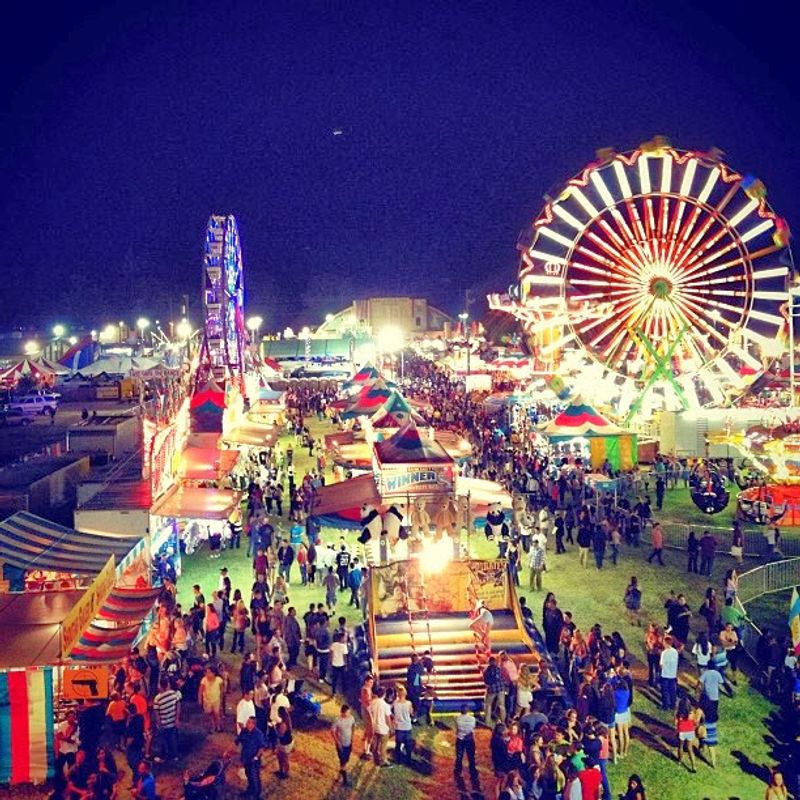
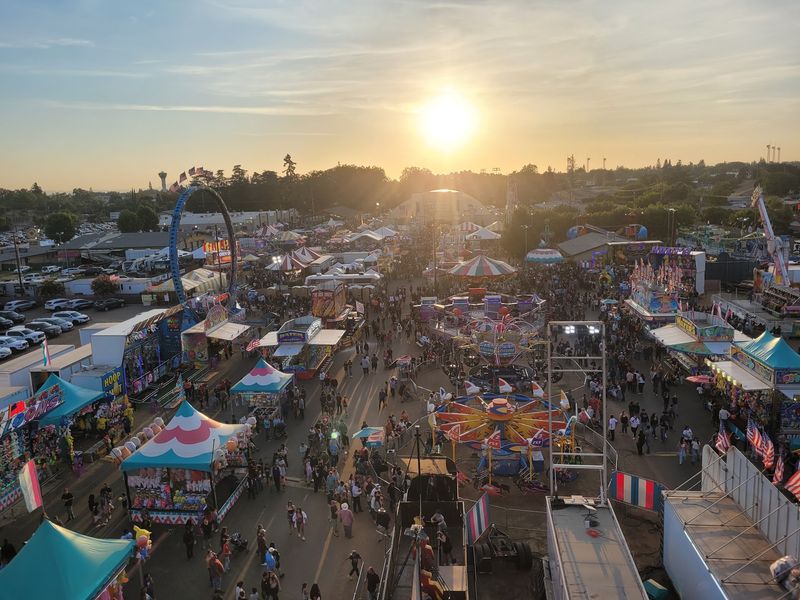
Bright bulbs, whirring motors, and the occasional delighted shriek make the midway the loudest corner of the grounds.
Carnival rides run across all four days, mixing familiar classics with faster spinning attractions for older kids and teenagers. Energy in this section builds as the afternoon fades and the lights start doing the heavy lifting.
Unlimited ride wristbands are the simplest option for anyone planning to stay a while.
On Thursday, September 17, 2026, wristbands sell at a reduced price, which makes that day especially appealing for families watching their budget.
Standard wristband pricing applies on the remaining days of the festival. Individual ride tickets are also sold for visitors who only want a couple of turns rather than a full session.
Each ride generally requires between four and seven tickets, so counting ahead helps avoid buying more than needed. Shorter lines tend to show up earlier in the day, before school-day crowds arrive.
Height and safety rules vary by attraction, and checking posted signs at each entrance saves disappointment for smaller riders.
Keeping wristbands visible and secure through the day is worth a quick reminder to kids.
Watch The Paul Bunyan Lumberjack Show
Axes, saws, and floating logs turn one corner of the fairgrounds into a timber sports arena.
The Paul Bunyan Lumberjack Show puts strength and precision on display through log rolling, axe throwing, and wood chopping demonstrations. Wood chips fly, water splashes, and the crowd usually reacts loudly.
Performances happen multiple times each day of the festival, so missing one show is not a problem. Checking the daily schedule board near the entrance helps line up a viewing time between other activities.
Announcers explain the history behind each event, which gives the show an educational side alongside the spectacle.
Kids often get pulled into cheering for one competitor over another, and that back-and-forth keeps the energy up.
Seating for these performances is generally open and first-come, with shaded spots filling first on hot afternoons. Arriving five or ten minutes early improves the odds of a clear view of the chopping block.
The log rolling portion involves a water tank, so front-row seats occasionally come with a light spray. Anyone who prefers staying dry should sit a few rows back.
Runtime is short enough to fit easily into a larger festival plan without eating up the whole afternoon.
Meet Creatures At The Serpentarium Reptile Show
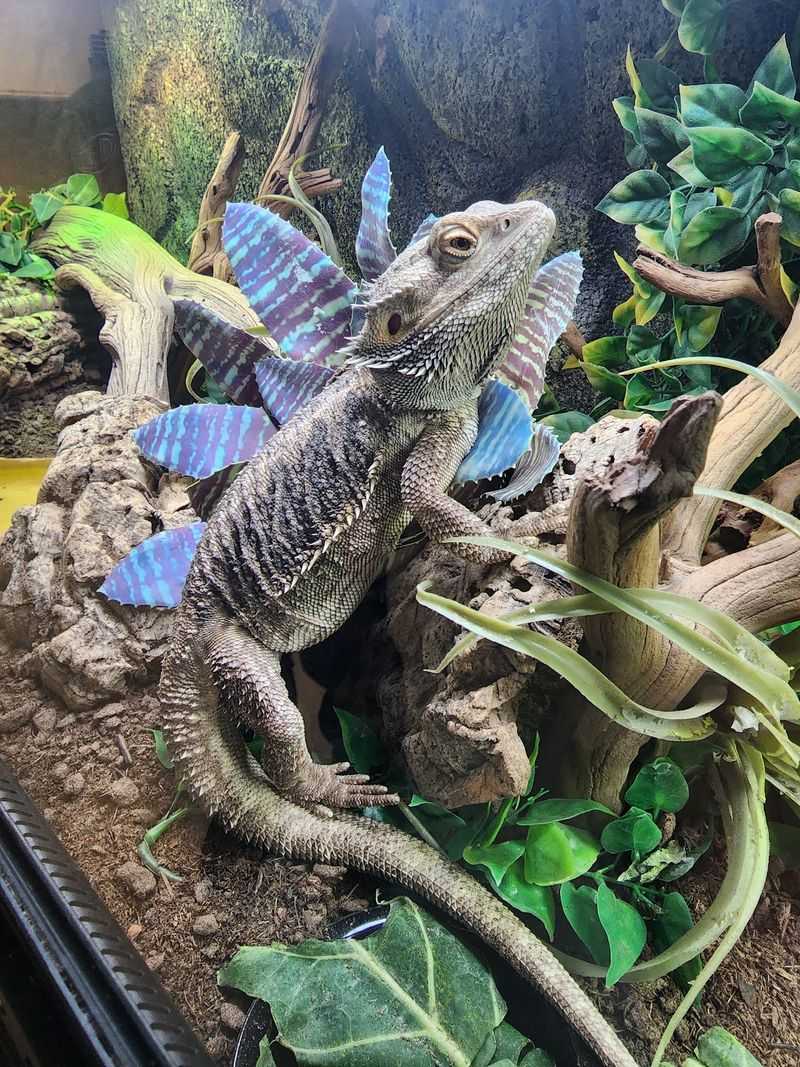
Snakes and lizards draw a very specific kind of crowd, and it is usually a fascinated one.
The Serpentarium Reptile Show, also listed as the Reptile Exhibit, presents a variety of reptiles from different environments. Handlers share information about characteristics and habitats while visitors get an unusually close look.
Presentations happen several times daily, giving attendees plenty of chances to catch one. The setting stays controlled and informative rather than sensational, which suits nervous first-timers.
Learning why certain species behave the way they do often shifts how people feel about them. Reptiles carry a reputation problem, and a good handler chips away at it in about fifteen minutes.
Younger kids sometimes need a moment to warm up before approaching the enclosures. Standing toward the back at first works fine, and moving closer once curiosity beats hesitation is completely normal.
Lighting in this exhibit is dimmer than the open fairgrounds, which helps eyes adjust after time in the sun. Noise levels stay lower here too, making conversation with kids easier.
Anyone with a phone camera should check whether flash is permitted before shooting, since bright light can stress animals.
Check Out The 2026 Out Of This World Exhibit Theme

A single phrase shapes hundreds of creative decisions across the exhibit halls each year.
For 2026, the competitive exhibits theme is Out of This World, and participants interpret that idea through their submissions.
With the festival still ahead, the finished entries have not yet been displayed, so the exact mix of literal, abstract, and space-inspired interpretations remains to be seen
The theme reaches across categories, appearing in art pieces, craft projects, and educational presentations. Some entries take it literally with rockets and planets, while others go abstract.
Walking the halls with the theme in mind turns browsing into a kind of scavenger hunt. Spotting the most creative interpretation becomes a game families can play together.
Decorations and display arrangements follow the theme too, which gives the exhibit buildings a cohesive look rather than a random collection of tables. That consistency makes the space feel intentional.
Kids who enjoy space topics often find this section more interesting than expected, especially the school and youth entries. Educational posters frequently include facts worth stopping to read.
Comparing how different exhibitors handled the same prompt reveals a lot about individual style. Two quilts built on identical instructions can look nothing alike.
Anyone considering entering next year should note how the theme gets used, since strong interpretation tends to catch a judge’s attention alongside technical skill.
Hear The Drumheads Around The Festival
Rhythm has a way of finding people before they see where it comes from.
The Drumheads perform as a featured entertainment act, known for percussive shows that carry across open ground. Following the sound usually leads straight to a small gathered crowd.
Performances happen at various locations and times throughout all four days of the event. That roving setup means the music turns up in different corners rather than staying on one stage.
The group adds a steady beat to the background of the festival, which changes how the walkways feel between attractions. Kids frequently start moving before they realize it.
Because sets are short and mobile, catching one requires no scheduling at all. Wandering visitors tend to stumble into a performance by accident.
Standing close means feeling the low end in the chest, which is part of the appeal for some and reason to step back for others. Sensitive ears might prefer listening from a slight distance.
Percussion translates across all ages and languages, so nobody needs context to enjoy it. That universality suits a crowd as mixed as a county fair.
Checking the entertainment schedule can reveal a set time, though stumbling upon one unplanned is arguably better.
Browse Food Stands And Festival Vendors
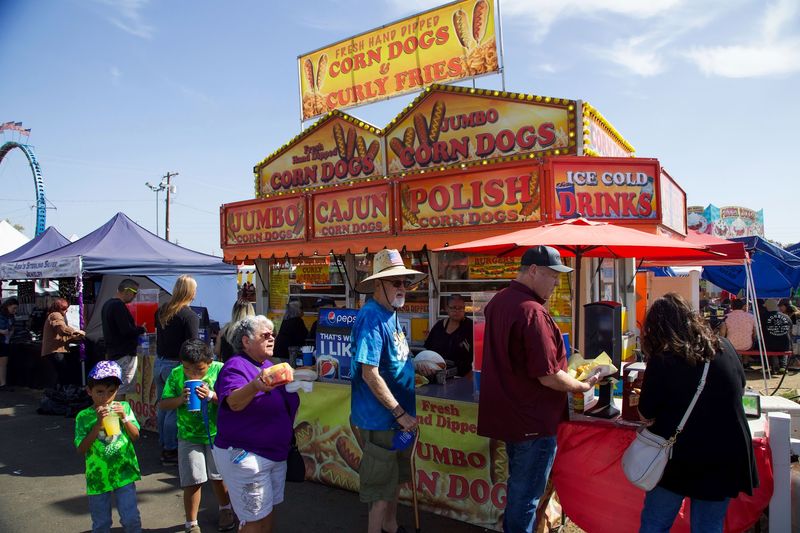
Smells do most of the advertising along the food row.
A wide selection of food stands operates throughout the Lodi Grape Festival, covering traditional fair favorites, local specialties, and both sweet and savory options. Choices span quick snacks and full meals.
Walking the full stretch before buying anything is a reliable strategy, since the second lap usually reveals something better than the first. Prices and portion sizes vary from stand to stand.
Beyond food, numerous commercial vendors set up stalls selling goods, crafts, and other products. Browsing turns up items that are hard to find elsewhere and supports small businesses in the process.
The vendor areas encourage a slower pace than the midway, with room to look without feeling rushed. Some booths offer demonstrations, which makes for a decent break.
Bringing a reusable bag helps with carrying purchases through the rest of the day. Cash still speeds up some transactions, though card acceptance is common.
Peak eating hours around lunch and early evening bring the longest lines, so shifting a meal slightly earlier or later saves time. Shaded seating fills quickly during those windows.
Sharing large portions between two people is a practical way to sample more without overdoing it.
Take Advantage Of Thursday’s Family Value Day
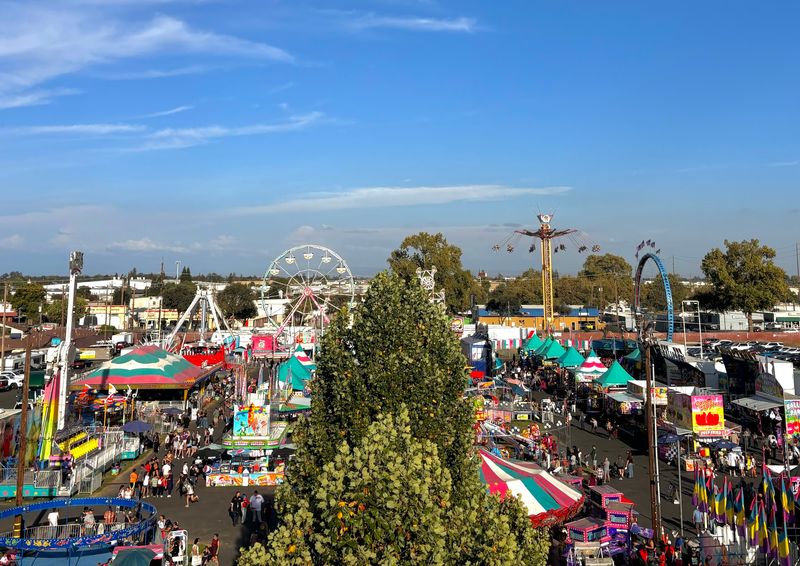
Timing a fair visit well can cut the cost of a family day dramatically.
Thursday, September 17, 2026, is designated Family Value Day at the Lodi Grape Festival, which is located at 413 E. Lockeford Street, Lodi, CA 95240.
Everyone aged 16 and under receives free admission for the entire day.
Unlimited carnival ride wristbands also sell at a significantly reduced price on that Thursday. The combination makes it the strongest value day of the four for families with kids.
Other promotions fill out the schedule for anyone who cannot make Thursday work. Free til 5 Day on Friday, September 18, 2026, admits everyone free from noon to 5 p.m.
On Saturday, September 19, and Sunday, September 20, the Two for $2 til 2 p.m. offer allows admission for $2 from noon to 2 p.m. with two donated cans of food.
Regular adult admission is $15 for ages 13 and up, youth admission runs $10 for ages 6 to 12, and children 5 and under enter free. Advance tickets are $8 before the festival begins.
Parking in official lots costs $12 and accepts credit or debit cards only. Re-entry is not permitted after exiting, and pets are not allowed on the grounds.