This Nebraska Arboretum Feels Like A Hidden Garden Most Travelers Never Expect
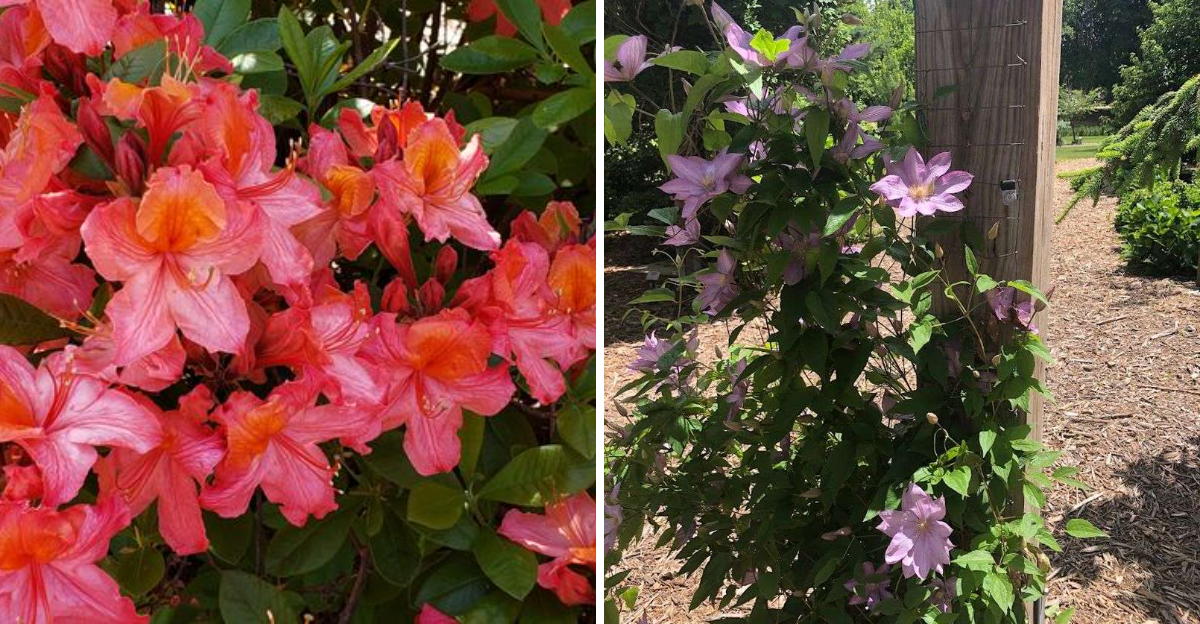
A hidden garden does not need to announce itself with grand gates.
Sometimes it works better when it feels quietly found. A path bends. Shade gathers. Trees start doing most of the talking.
The city feels farther away than it should. A simple walk turns into the kind of peaceful pause travelers rarely expect to stumble across.
Here in Nebraska, even a university campus can hide a leafy little plot twist.
This arboretum gives visitors a softer kind of stop. The appeal is not speed or a packed itinerary. It is the slow pleasure of noticing different trees, garden pockets, and calm spaces.
Walk, look up, read a few plant labels, sit for a minute, and let the greenery do its quiet work.
The best surprise is how easily the place shifts the mood. One short stroll can make Lincoln feel greener and a little more secret than most travelers realize.
Five Acres Feel Surprisingly Far From The Surrounding Campus
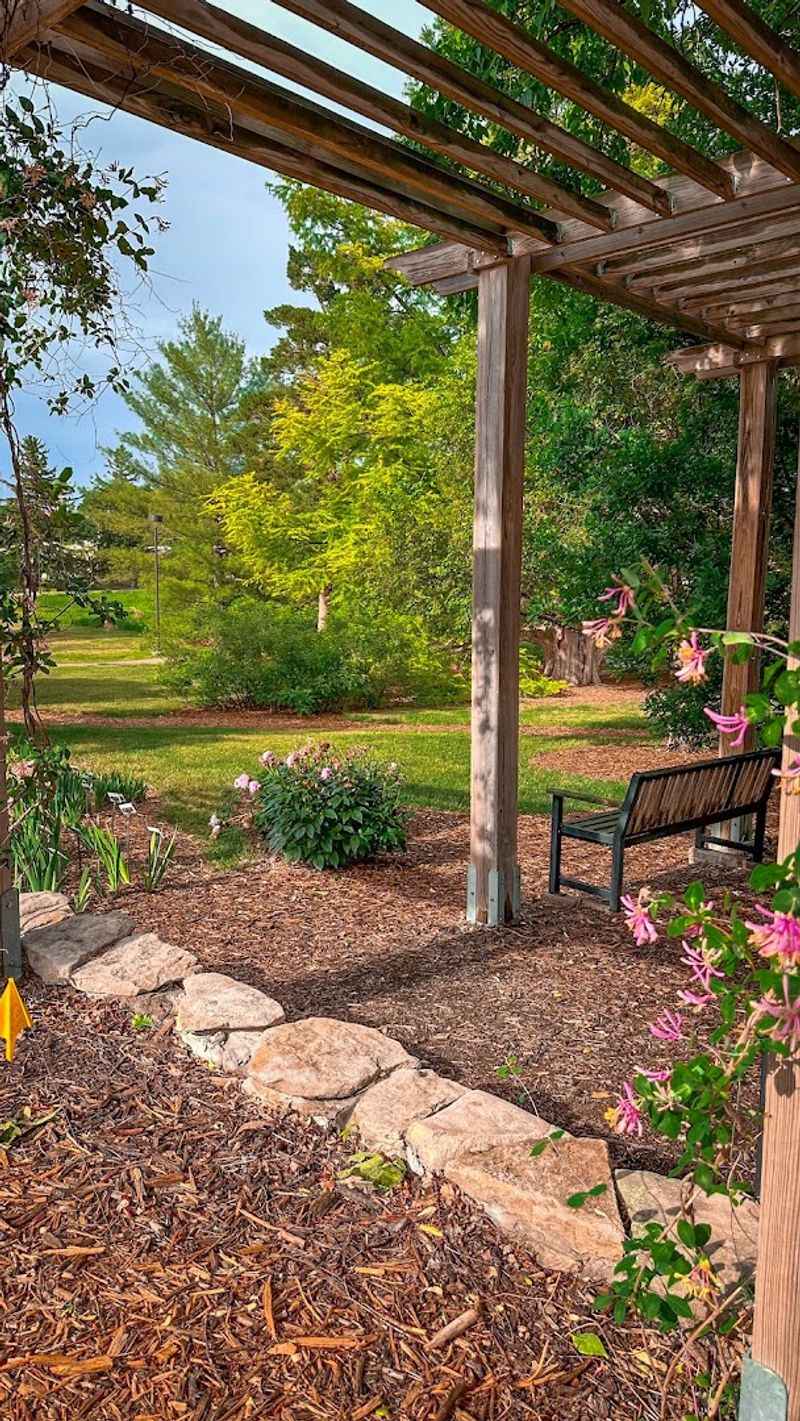
Stepping through the entrance of Maxwell Arboretum feels almost like crossing into a different world, even though a university campus sits just beyond the tree line.
The core five-acre section of the grounds was the original planting area, and it still carries that intimate, carefully tended character that makes it feel far more secluded than its actual size would suggest.
Sound behaves differently here. The noise of nearby roads and campus activity softens quickly once the canopy closes in overhead, replaced by the rustle of leaves and the occasional bird call.
The landscaping was designed with purpose, using layered plantings and curved pathways to create a natural sense of enclosure that feels organic rather than forced.
Visitors often slow their pace without even noticing it, drawn into a quieter rhythm by the surroundings.
The paths are well maintained and easy to navigate, making the space comfortable for a casual stroll or a longer, more attentive walk.
For anyone who has ever wanted a green retreat in the middle of a busy weekday, this corner of the arboretum offers exactly that kind of unhurried, grounding experience.
Mature Oaks Create A Cool Woodland Walk
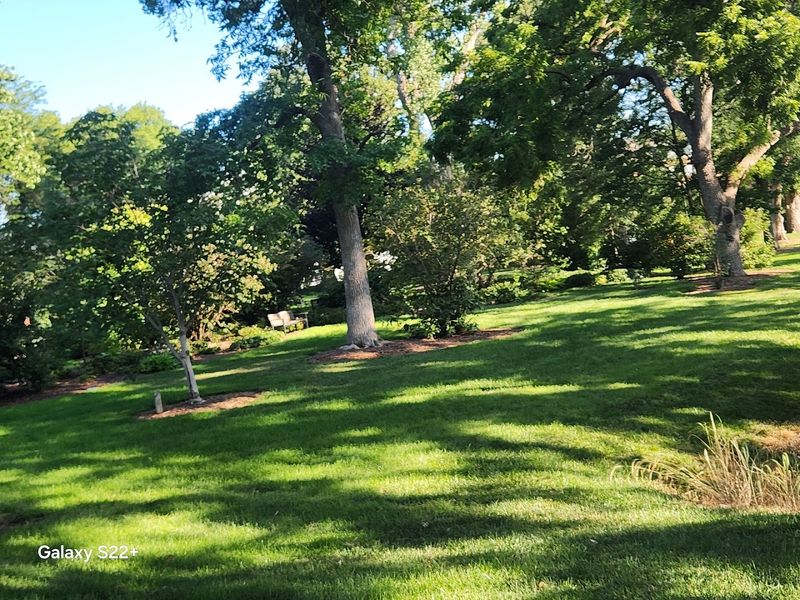
Few things set the tone of a garden walk quite like a canopy of mature oak trees stretching overhead, and Maxwell Arboretum delivers that experience with impressive variety.
English oaks and swamp white oaks are among the more prominent specimens, their wide-spreading branches creating long stretches of deep shade along the main pathways.
Sawtooth, columnar pin, black, shingle, and shumard oaks also appear throughout the grounds, each with its own distinct leaf shape and bark texture that makes the collection genuinely educational as well as visually satisfying.
The combined effect of so many large trees growing in close proximity creates a natural microclimate that keeps temperatures noticeably cooler beneath the canopy, especially during summer months.
Sunlight filters through the leaves in shifting patterns depending on the time of day, casting soft dappled light across the path that shifts as clouds move overhead.
The sheer scale of the older oaks gives the arboretum a sense of permanence and age that most urban green spaces simply cannot replicate.
Walking beneath them feels grounding in a way that is hard to put into words but easy to appreciate in person.
More Than 80 Hosta Varieties Fill The Shaded Ground
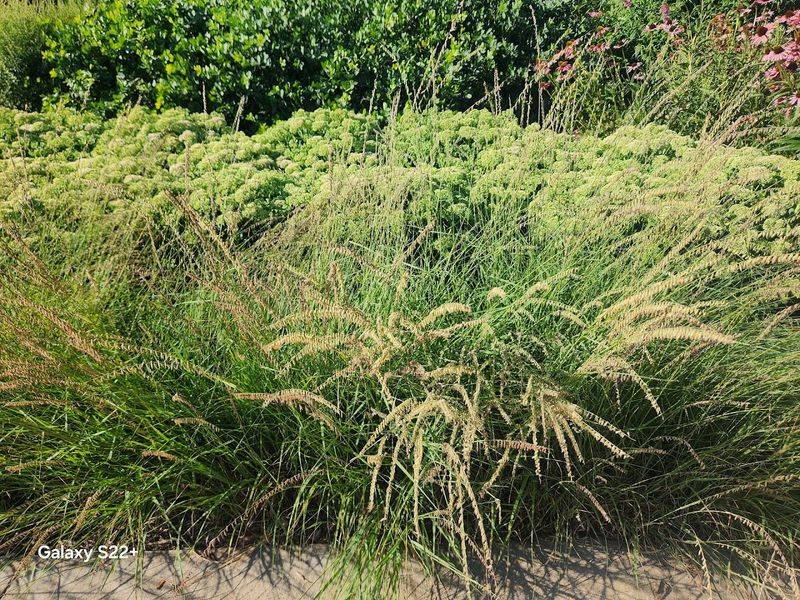
Ground-level planting in a shaded garden can either feel sparse and forgotten or lush and intentional, and the hosta collection at Maxwell Arboretum falls firmly in the second category.
More than 80 cultivars of hostas fill the understory beneath the oak canopy, creating a layered carpet of foliage that shifts in color and texture across the seasons.
Some varieties stay compact and low to the ground while others spread wide with leaves as large as dinner plates, giving the collection a sense of depth and dimension that rewards close inspection.
The color range moves from deep blue-green to pale chartreuse, with variegated cultivars adding streaks of cream and white that catch even the limited light filtering through the trees above.
Hostas are reliable performers in shaded conditions, and seeing so many cultivars growing together in one space makes the arboretum feel almost like a living reference library for shade gardening.
Home gardeners visiting for the first time often leave with a much longer mental list of plants to try in their own yards. The collection is well labeled, which makes it easy to note specific varieties worth seeking out.
Rare Trees Make Every Bend Feel Different
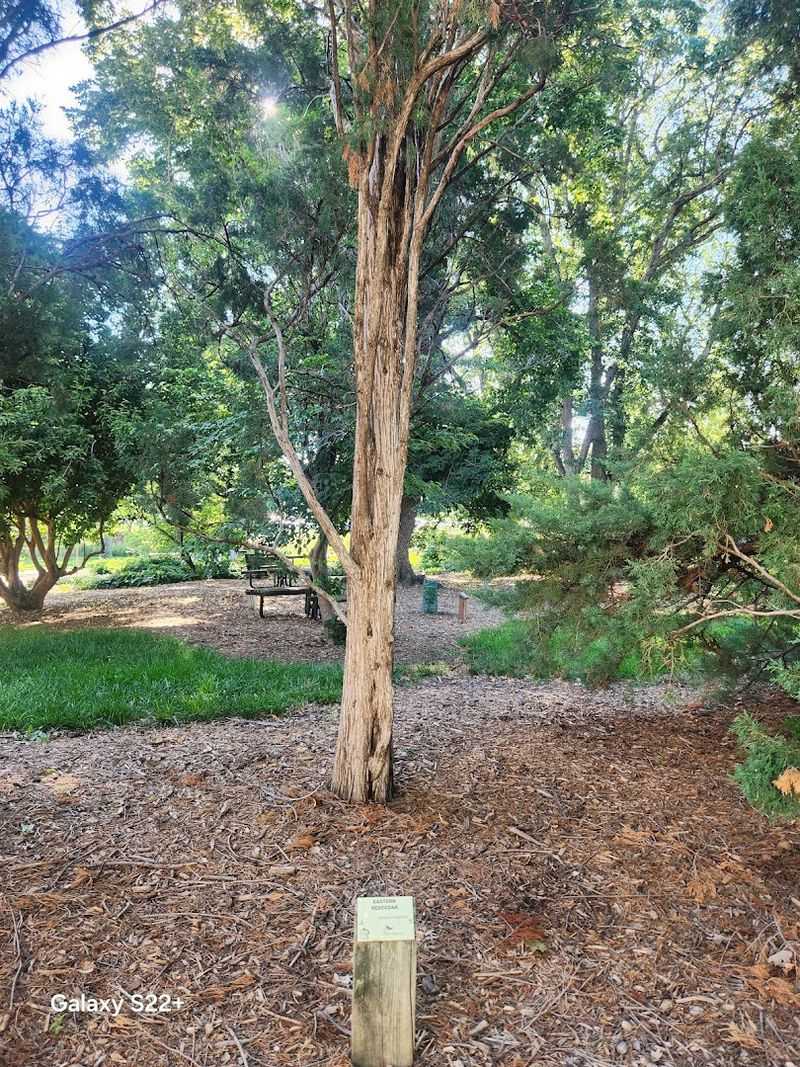
Part of what makes walking through Maxwell Arboretum so engaging is the sense that something unexpected might appear around the next curve in the path.
The collection includes a genuinely diverse mix of uncommon trees, sourced from different regions and climates, that give the arboretum a character well beyond a typical campus green space.
Among the more unusual finds are the Seven Sons Flower Tree from China, recognized by its clusters of small white flowers and attractive bark, and the Amur Corktree from the Russian Far East, known for its deeply furrowed, cork-like bark that is striking even in winter.
These are not trees that appear in most neighborhood parks, which makes spotting them feel like a small discovery worth slowing down for.
The placement of rare specimens throughout the grounds rather than grouped in one section means that the sense of surprise continues throughout the entire walk.
Plant labels are present for most specimens, which adds an educational layer to the experience without making it feel like a formal tour.
Visitors with a genuine interest in trees and woody plants tend to find this aspect of the arboretum particularly rewarding and worth a return visit.
You Can Spot Pawpaw, Sweetgum, And Black Gum Trees
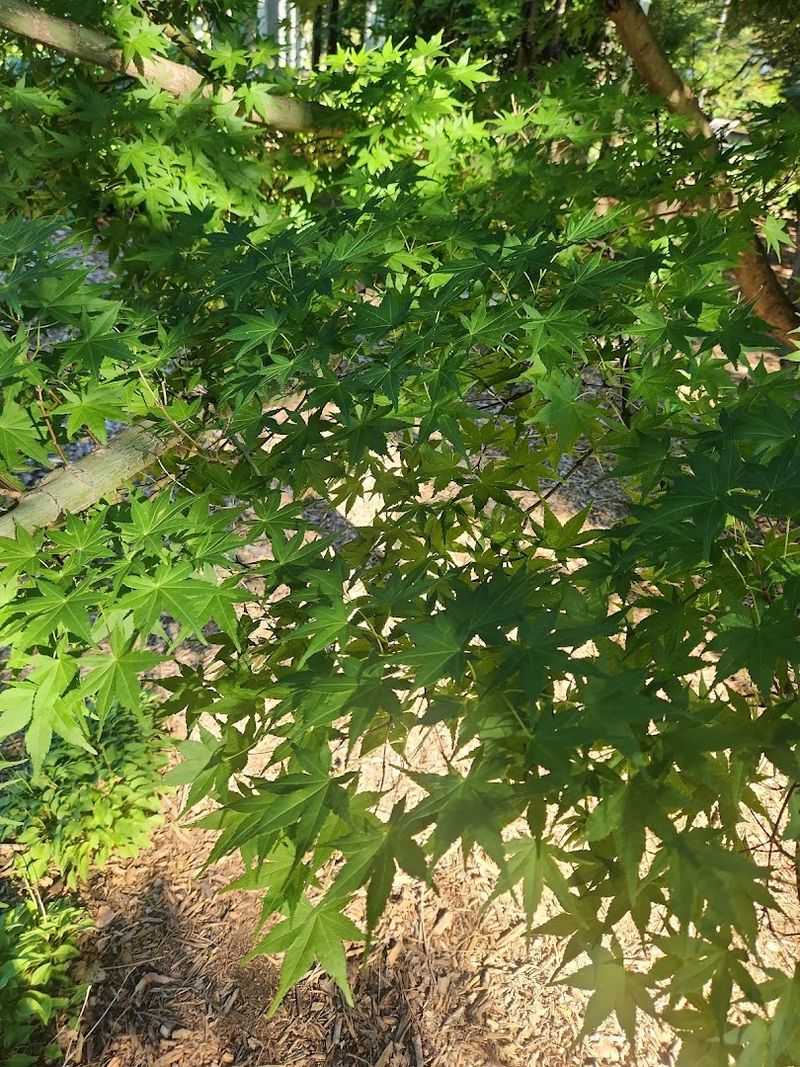
Not every arboretum includes pawpaw trees, which makes their presence at Maxwell Arboretum a genuine point of interest for anyone who has tried to track down this native fruit tree in the wild.
Pawpaws tend to grow in clusters along stream banks, and the conditions near Arbor Creek provide exactly the kind of moist, partially shaded habitat they prefer.
Sweetgum trees are easier to identify once their star-shaped leaves and spiky seed balls catch the eye, and they offer some of the most reliable fall color in the collection, shifting through shades of yellow, orange, and deep red before dropping their leaves.
Black gum, also known as black tupelo, is another standout in autumn, with foliage that turns a brilliant scarlet earlier in the season than most other trees in the arboretum.
Together, these three species create a particularly dynamic stretch of the garden during the fall months, when color and texture combine in ways that feel genuinely striking.
The labels near each tree make identification straightforward even for visitors with limited botanical knowledge.
Open Prairie Brings Sunshine Back Into The Route
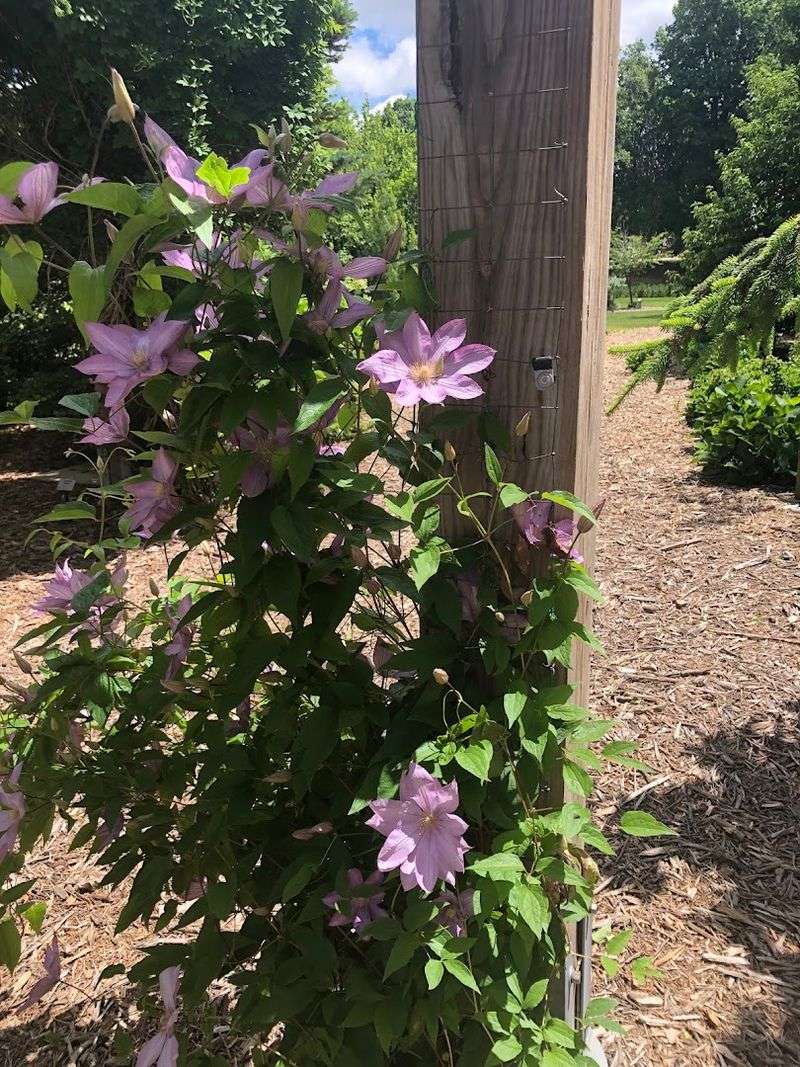
After spending time beneath the oak canopy and along the shaded creek path, emerging into the open prairie section of Maxwell Arboretum feels like a genuine shift in mood and atmosphere.
Bright sunlight fills the space in a way that the woodland areas simply do not allow, and the contrast between the two environments makes each feel more distinct and intentional.
The one-acre prairie is planted with native species including bluestem and Indian grass, along with a rotating selection of wildflowers that attract pollinators throughout the warmer months.
Bees, butterflies, and other insects move actively through the planting in summer, adding a layer of living movement to the landscape that is quietly captivating to watch.
Fall brings a different kind of beauty to the prairie, when the grasses shift to warm amber and copper tones that glow in the lower-angle sunlight of late afternoon.
The open sky above the prairie section also makes it a good spot for observing birds that prefer open habitats rather than dense woodland.
Viburnums Bring Flowers, Fruit, And Seasonal Color
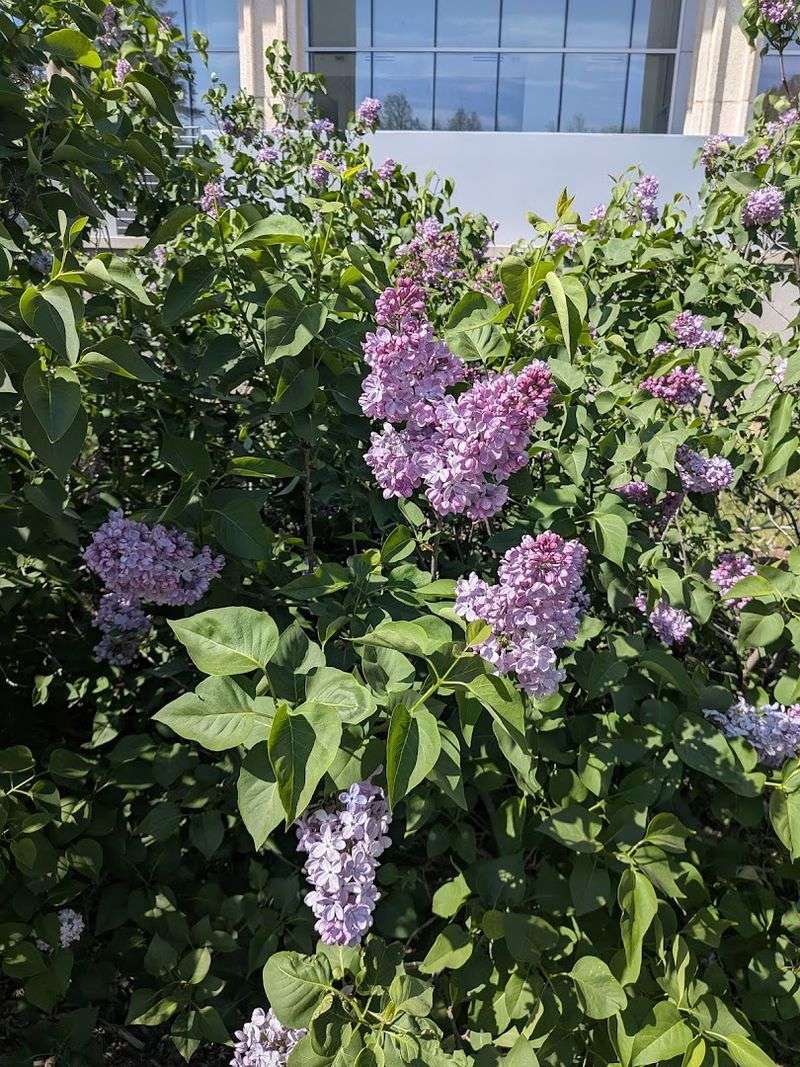
Viburnums are among the most reliable multi-season shrubs in temperate gardens, and the selection at Maxwell Arboretum demonstrates exactly why horticulturists return to them so consistently.
The cultivars planted throughout the woodland areas cycle through distinct visual phases across the year, beginning with clusters of flowers in spring that range from white to soft pink depending on the variety.
Summer brings a quieter phase when the foliage fills out and the developing fruit clusters begin to form, often in shades of green that slowly shift to red, blue, or black by late summer and early fall.
The fruit is attractive to birds, which adds another layer of wildlife interest to the shrub borders during the cooler months when other sources of food become scarcer.
Fall foliage on many viburnum varieties turns to warm shades of burgundy and orange, giving the shrubs a final burst of color before the leaves drop.
The combination of flowers, fruit, and foliage across three distinct seasons makes them genuinely valuable to the arboretum’s year-round appeal.
Visiting the arboretum in different seasons to observe the same viburnum specimens in different stages can be a surprisingly satisfying exercise in botanical observation.
Trial Gardens Show Which Plants Can Handle Nebraska Conditions
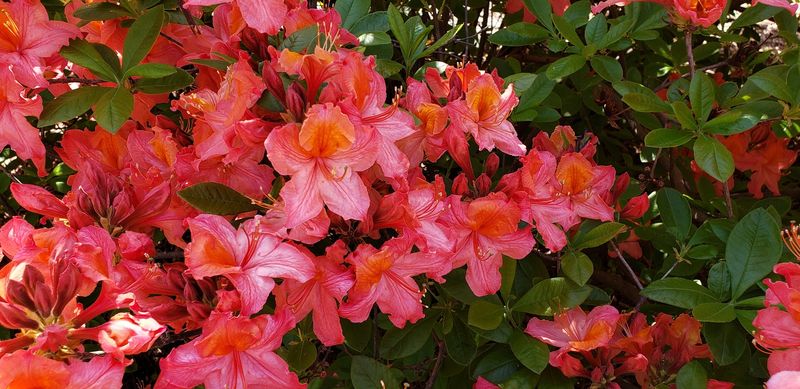
Earl Maxwell, the horticulturist whose work gave this arboretum its name, spent years planting and evaluating more than one hundred species specifically to identify which ones could realistically thrive in Nebraska’s climate.
That original mission of practical, evidence-based plant evaluation remains embedded in how the arboretum functions today as part of the broader University of Nebraska-Lincoln Botanical Garden and Arboretum system.
The trial areas within the grounds serve as a living reference for gardeners and students who want to know what actually performs well under local conditions rather than relying solely on catalog descriptions.
Plants that make it through Nebraska winters and summer heat waves without excessive intervention earn a kind of credibility that no controlled greenhouse trial can fully replicate.
Seeing these trial plantings in person provides a grounded perspective on what is worth growing in the region and what might struggle despite looking promising in theory.
The labels in these areas often include additional information about the cultivar’s origin and intended use, making them more informative than a typical garden bed.
For home gardeners who have experienced the frustration of losing plants to unexpected weather, the trial garden section offers genuinely useful and locally relevant guidance.
Picnic Tables Make Lunch Beneath The Trees An Easy Plan
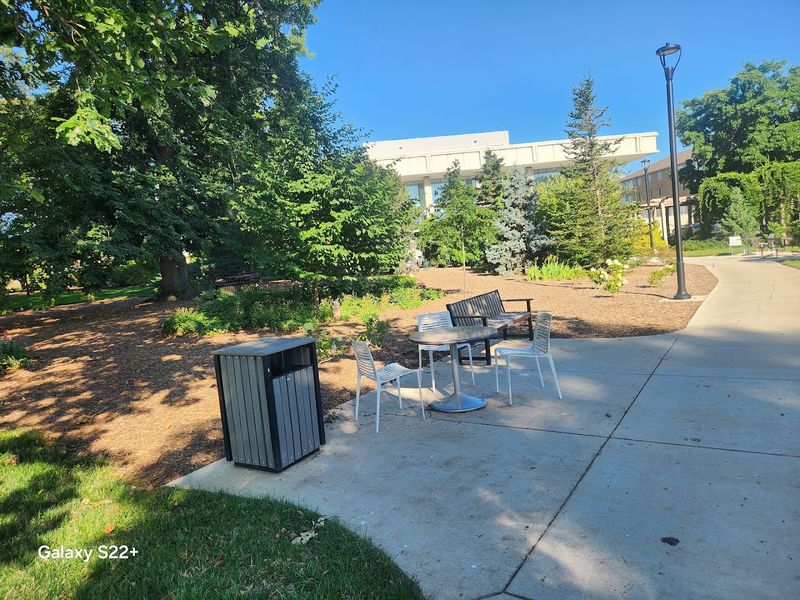
Bringing food along to Maxwell Arboretum turns a standard outdoor walk into something that feels more like an afternoon well spent.
Picnic tables are available on the grounds, providing a simple and comfortable setup for anyone who wants to eat outside without needing to spread a blanket on the grass or balance a lunch box on a bench armrest.
The tree canopy overhead keeps the tables shaded during much of the day, which makes eating outside feel comfortable even when temperatures climb higher in summer.
The surrounding plantings create a pleasant visual backdrop that makes the meal itself feel more relaxed and unhurried than eating in a more exposed outdoor setting would allow.
Practical planning helps here, since the arboretum does not have an on-site cafe or vending area, so packing food and water before arriving is the straightforward approach.
The nearby UNL Dairy Store on East Campus is worth noting as an option for picking up a treat before or after a visit, though hours and availability there may vary.
Combining a walk through the arboretum with a picnic lunch is a genuinely low-cost and satisfying way to spend a few hours in Lincoln without any particular agenda or itinerary.