This Nebraska Soda Fountain Serves The Tin Roof Sundae People Still Plan Dessert Runs Around
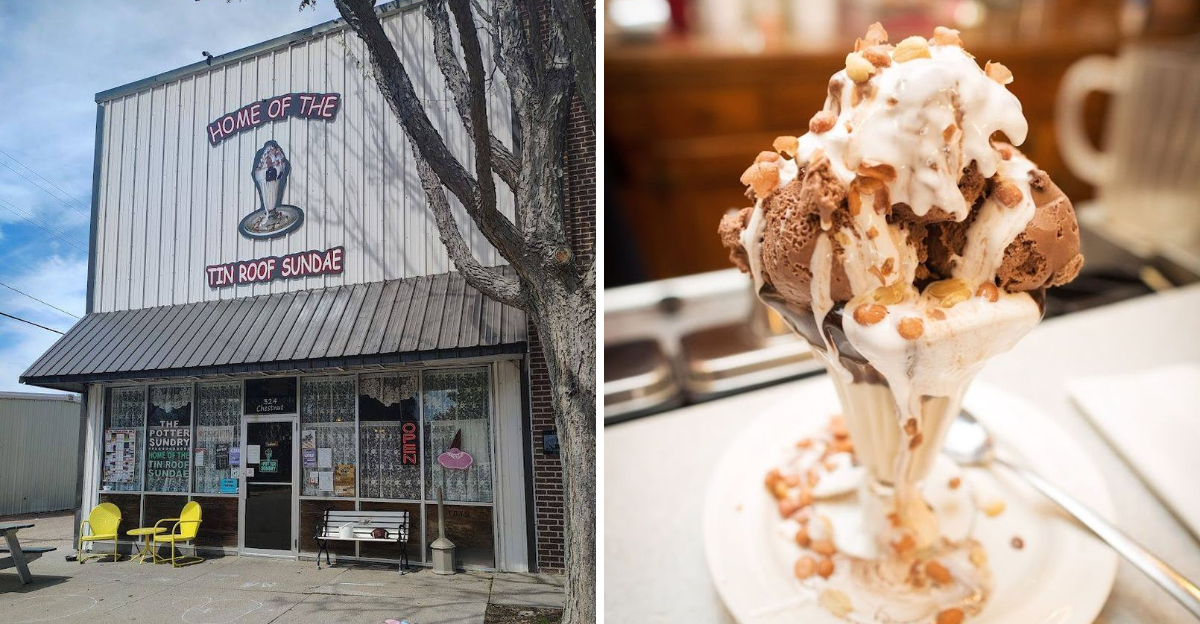
Some desserts do not fade into the menu. They become the reason people get in the car.
Out in western Nebraska, an old-fashioned soda fountain keeps that kind of sweet tradition alive with a sundae that has local legend energy.
Chocolate, ice cream, and peanuts do the heavy lifting here.
The classic tin-roof combo feels old-fashioned in the best possible way. It’s as if dessert decided to wear a paper hat and work behind the counter.
Out here, Nebraska dessert nostalgia comes with a spoon and zero interest in being subtle.
The setting matters almost as much as the sundae. Counters, small-town charm, and the place that knows exactly what it does well.
People do not plan dessert runs for something forgettable. They make the trip because the treat feels specific and fun.
Leave room after lunch. Better yet, make the sundae the plan and let the rest of the day work around it.
The Sundae That Put Potter On Dessert Maps
Not every small town can claim a dessert that inspired a century of copycat versions.
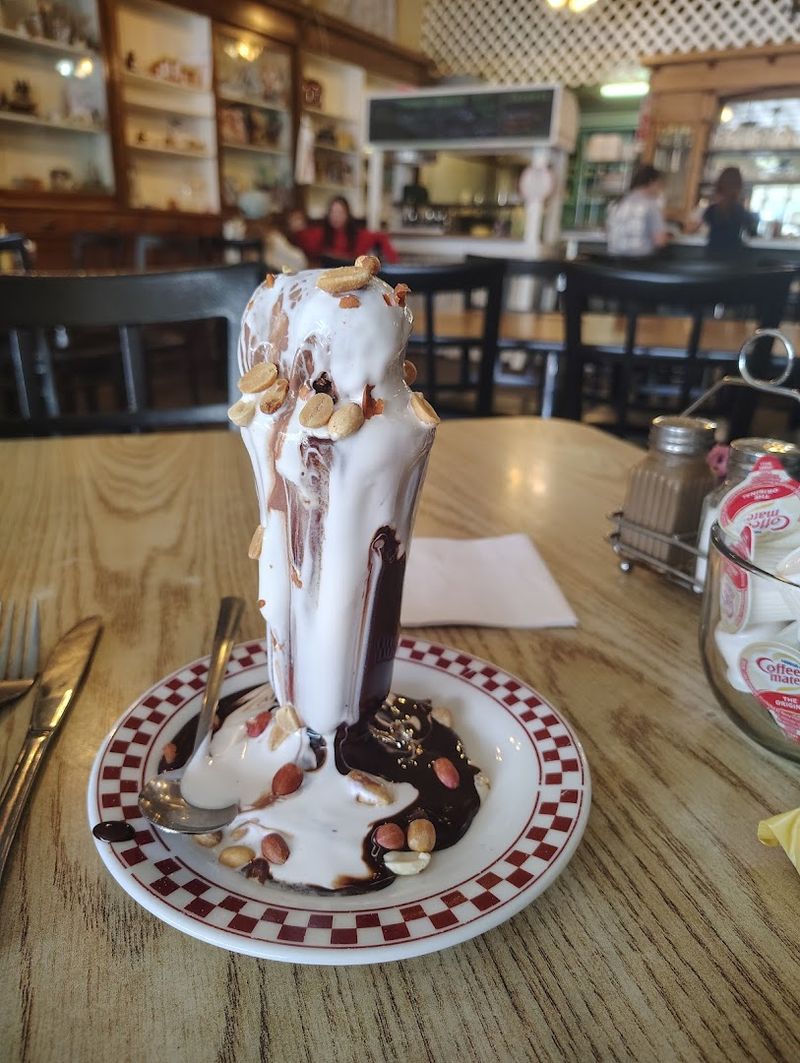
The Tin Roof Sundae at the Potter Sundry holds that distinction, and it is recognized by Visit Nebraska as one of the state’s iconic foods.
The combination of chocolate syrup, marshmallow topping, and Spanish peanuts layered over ice cream has become the kind of thing people specifically reroute their road trips to experience.
Featured on AFAR’s list of best summer foods across all 50 states, the sundae has earned attention well beyond Nebraska’s borders.
Major ice cream brands have released their own Tin Roof-inspired flavors over the years, but the original recipe at this historic soda fountain remains the version that draws the most curious visitors.
The Potter Sundry sits at 324 Chestnut St in Potter, NE 69156, just about a minute off the interstate.
Arriving with an appetite and a little curiosity about where this dessert actually came from makes the stop feel meaningful rather than random.
Know Why The Name Actually Fits
Behind every great dessert name, there tends to be a story worth telling.
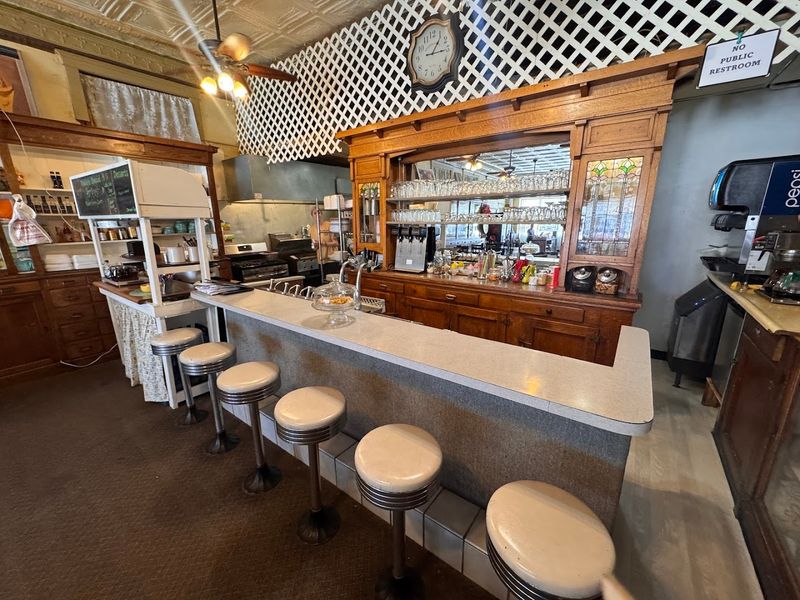
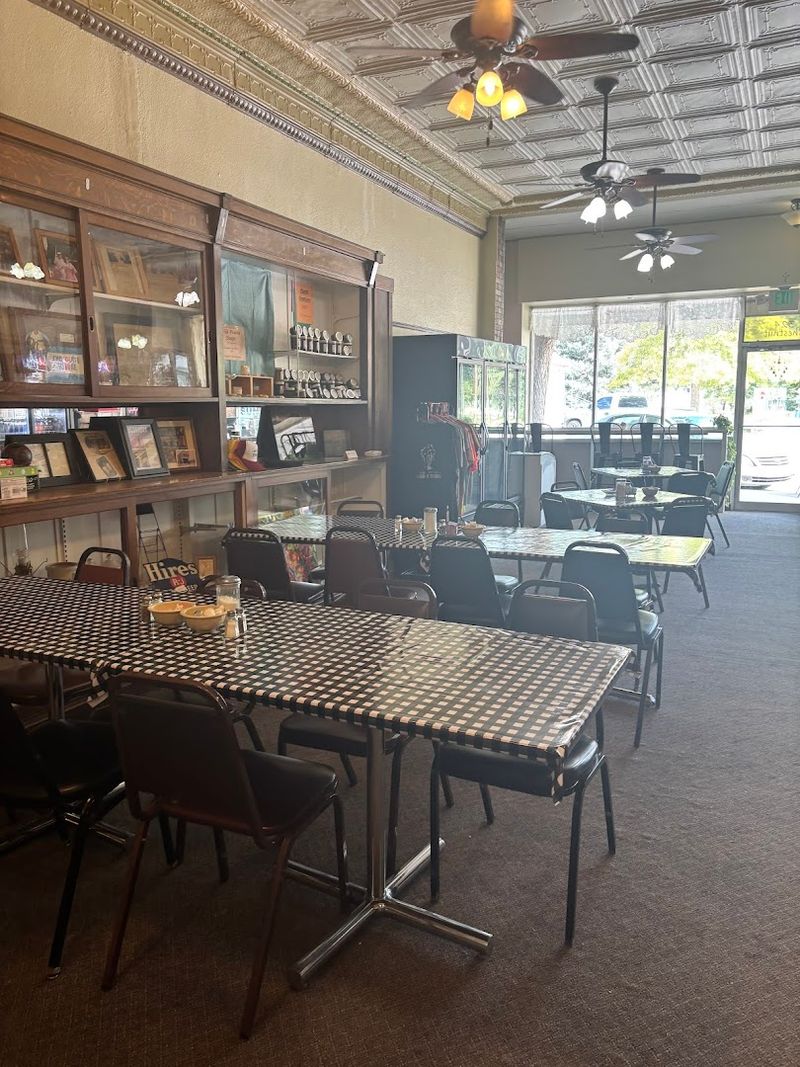
The Tin Roof Sundae gets its name from the distinctive tin ceiling tiles still visible inside the Potter Sundry building, which underwent a careful restoration in 2010 to preserve those original architectural details.
Walking in and looking up connects the dessert’s name to something real and tangible, not just a marketing gimmick.
A second theory about the name adds a playful layer to the origin story.
Some accounts suggest that the sound of Spanish peanuts tumbling onto the sundae reminded the creator of rain or hail hitting a tin roof, which made the name feel like a natural fit.
Both explanations circle back to the same physical space, making the building itself part of the dessert’s identity.
Restored historic details like those tin ceiling tiles are increasingly rare in small-town diners across the country.
The fact that they survived and were preserved rather than replaced gives the room a texture and character that no modern renovation could replicate.
Spending a moment to notice the ceiling before focusing on the menu is worth the few extra seconds it takes.
Give The Original Recipe Its Proper Credit
The Tin Roof Sundae traces back to a specific person working behind a specific counter during the early 1930s.
A soda jerk connected to the pharmacy owner’s family is credited with inventing the recipe, described in historical accounts as a teenager who enjoyed experimenting with sweet combinations while working the fountain.
That origin story gives the dessert a human quality that factory-produced versions simply cannot replicate.
The building itself dates back to around 1914 and operated as the Potter Drug Company before becoming the soda fountain and diner it is today.
The Potter Historic Foundation, a nonprofit organization, later acquired the building to preserve both its physical structure and its place in local food history.
That preservation effort is what allows visitors today to eat the same dessert in the same historic space where it was first created.
Knowing that context before ordering changes the experience in a subtle but real way.
The sundae stops being just a sweet treat and becomes a direct connection to a specific moment in American soda fountain culture.
Few desserts can make that claim with this much documented backing, which is exactly what makes the detour feel justified rather than indulgent.
Order The Classic Layers The Right Way
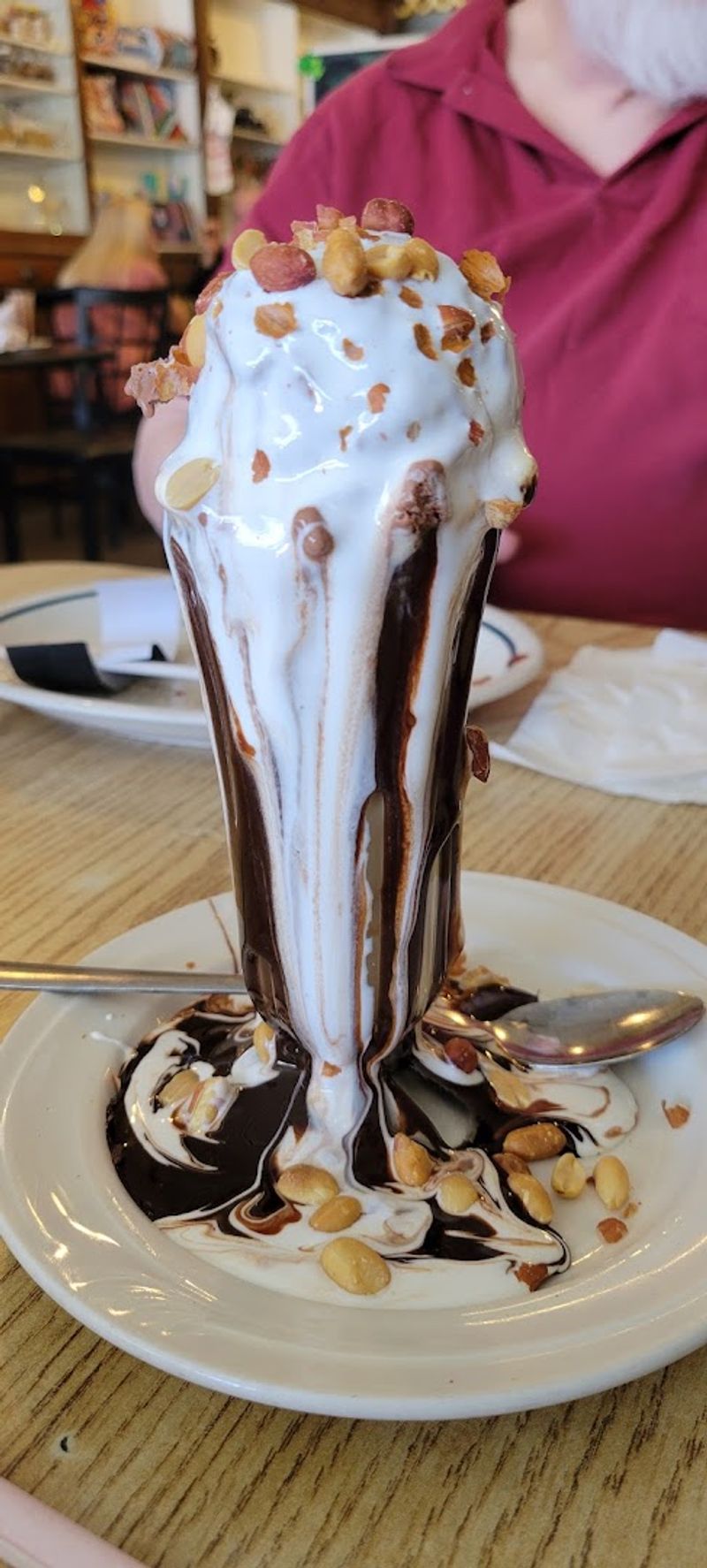
Understanding what goes into the original Tin Roof Sundae before ordering helps set expectations in the best possible way.
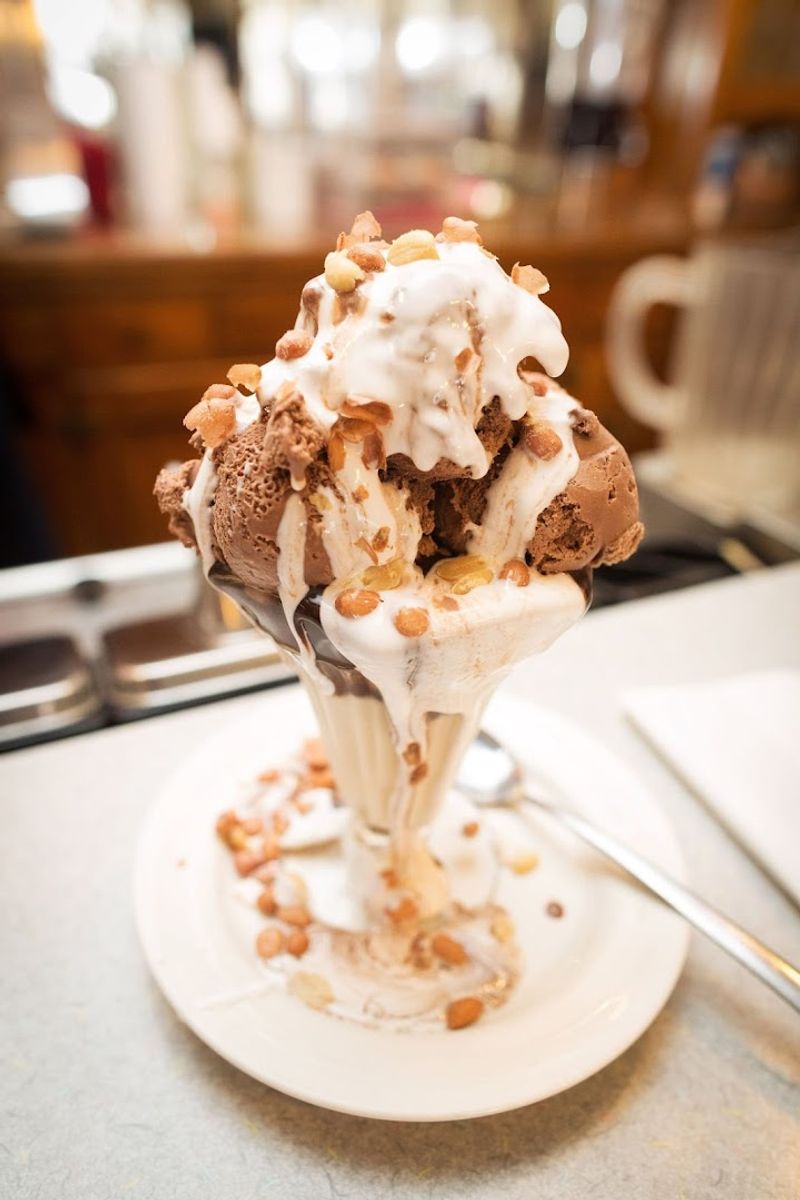
The classic version starts with a scoop of chocolate ice cream covered in chocolate syrup, followed by a scoop of vanilla ice cream generously topped with real marshmallow syrup, and finished with a layer of Spanish peanuts on top.
That specific sequence of layers is what separates the original from the countless imitations that followed.
The salty crunch of the peanuts against the sweet, sticky marshmallow and the richness of the chocolate creates a contrast that is genuinely hard to describe without tasting it.
Visitors who arrive expecting a standard hot fudge sundae tend to be surprised by how much personality the marshmallow topping adds to the overall flavor.
The combination feels both nostalgic and unexpectedly satisfying.
A mini size is available for those who want to try the sundae without committing to the full portion, though accounts from visitors suggest even the smaller size is a generous serving.
Ordering the classic version on a first visit rather than customizing it is the most reliable way to understand what made this dessert worth replicating for nearly a century.
Stay For More Than Dessert
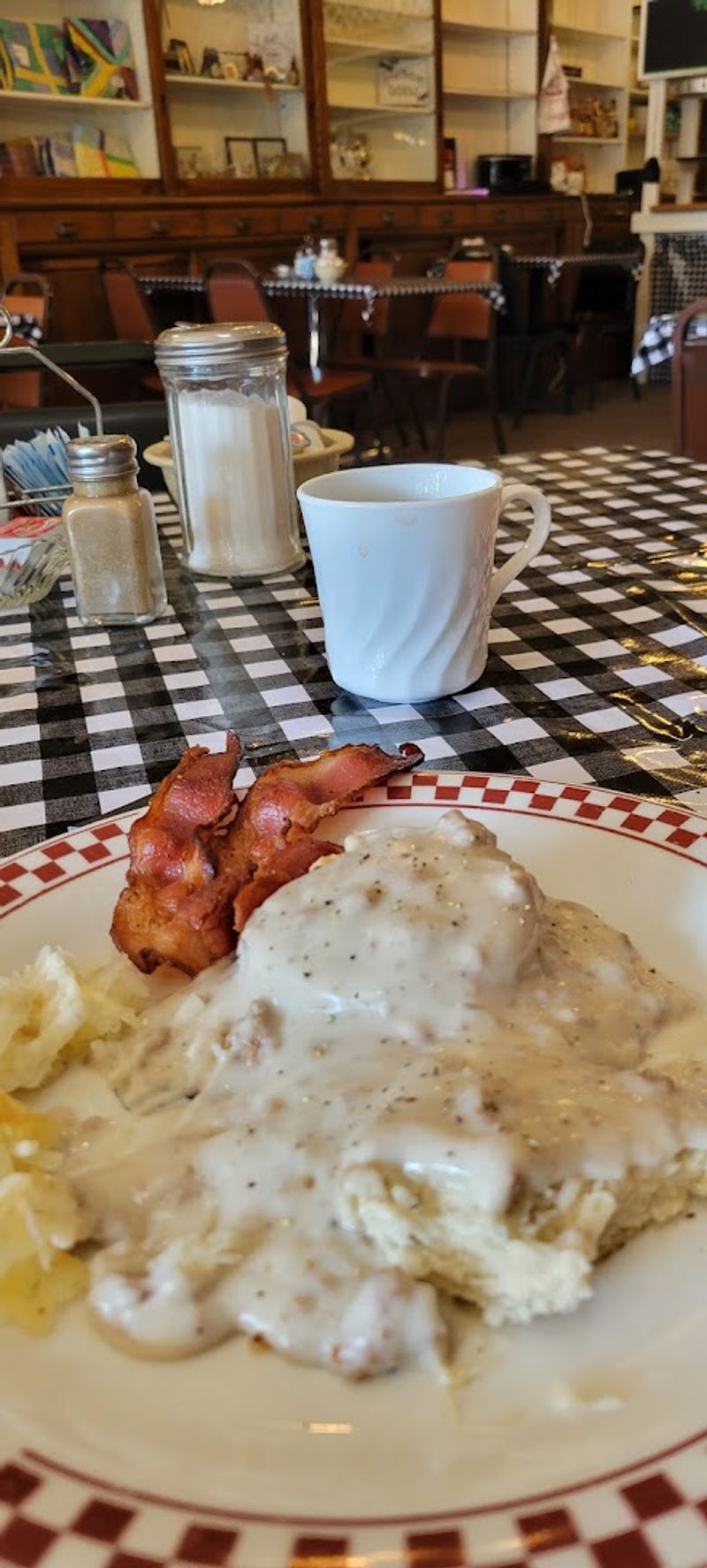
Plenty of visitors arrive at the Potter Sundry with only the Tin Roof Sundae in mind and leave having discovered that the full menu deserves equal attention.
The kitchen serves breakfast, lunch, and dessert, with daily lunch specials that rotate and a selection of homemade pies that have developed their own devoted following among regular visitors.
French toast, biscuits and gravy, and grilled cheese sandwiches are among the items that have earned positive mentions from those who have stopped in for a meal.
Homemade desserts beyond the Tin Roof Sundae include coconut cream pie, apple pie, cinnamon buns, and donuts, giving the dessert menu enough range to satisfy people who want something different after a savory meal.
The cabbage burger, a regional specialty, is also available and worth trying for visitors curious about traditional Nebraska diner food.
Cheese curds round out the menu with a satisfying salty option that pairs well with a cold drink.
Arriving hungry enough to eat a full meal before the sundae is a strategy that tends to make the overall visit feel more complete.
The Potter Sundry functions as a genuine neighborhood diner as much as it does a dessert destination, and the food quality holds up across both roles without leaning too hard on either one.
Make It A Road-Trip Stop Worth Planning Around
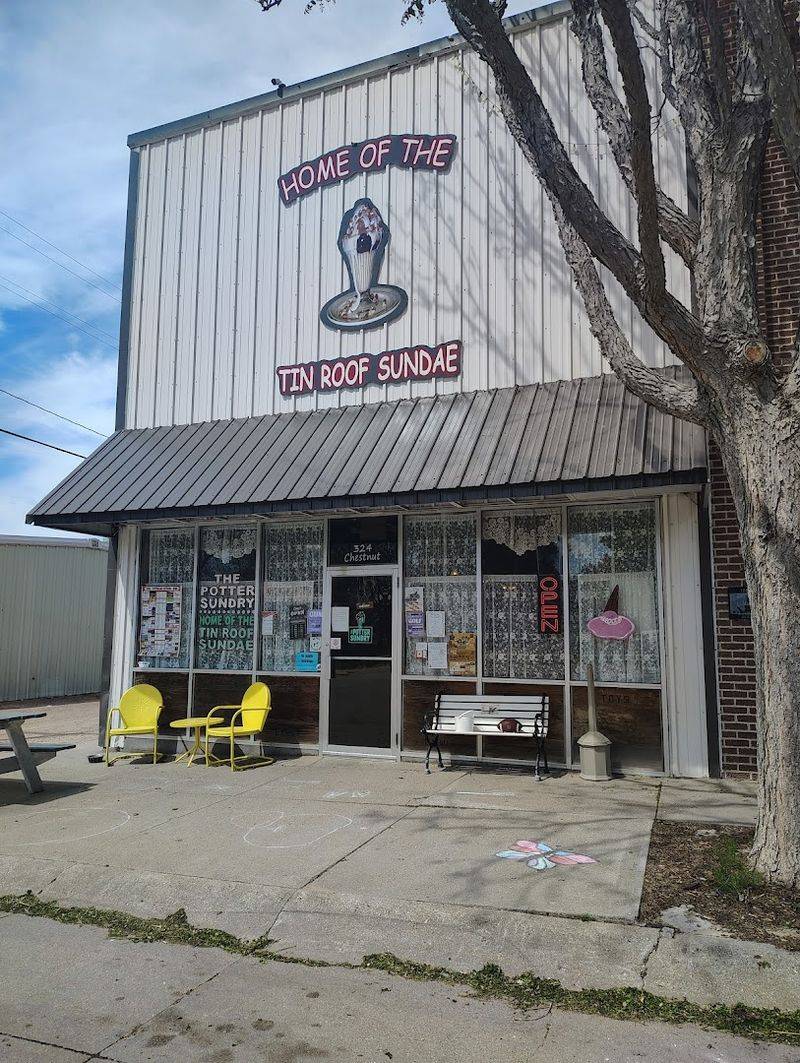
Potter is a small village in Cheyenne County, Nebraska, and the drive there from the interstate is measured in minutes rather than miles.
The Potter Sundry is located at 324 Chestnut St, Potter, NE 69156, sitting right in the heart of downtown and close enough to I-80 that a detour barely registers on a long cross-country drive.
That accessibility is part of what makes planning a stop feel reasonable rather than ambitious.
Treating the visit as a deliberate dessert mission rather than a spontaneous impulse tends to make the experience more satisfying.
Pulling off the highway with the intention of tasting the original Tin Roof Sundae in the building where it was invented is a different kind of road-trip moment than grabbing fast food at an exit ramp.
Cheyenne County’s wide-open landscape and quiet roads also make the approach to Potter feel like a genuine change of pace from interstate driving.
Arriving in a small town with a clear goal and a little historical context turns a fuel stop into a food memory. That kind of intentional detour is exactly what road-trip culture is built around at its best.
Check Current Hours Before The Drive
Few things derail a well-planned road-trip stop faster than arriving at a closed door.
The Potter Sundry operates Wednesday through Monday from 7 AM to 4 PM and is closed on Sundays, which means timing the visit correctly requires a quick check before heading out.
Those hours make a mid-morning or early afternoon arrival the most reliable window for catching the full menu in action.
The shop’s Facebook page and official website at pottersundryne.com are the most current sources for any schedule changes, seasonal updates, or daily specials.
Checking either one the day before a planned visit takes about thirty seconds and eliminates the risk of driving to Potter only to find the kitchen already closed for the day.
Small-town diners sometimes adjust hours around local events or slower seasons, so staying updated is practical rather than overly cautious.
Calling ahead is also an option since the phone number listed is 308-225-0740.
A quick call confirms not only hours but also whether a particular menu item is available that day, which can be useful for visitors making the trip specifically for a pie or a lunch special.
Planning one step ahead turns a hopeful detour into a guaranteed good stop.
Explore What Else Potter Has Going For It
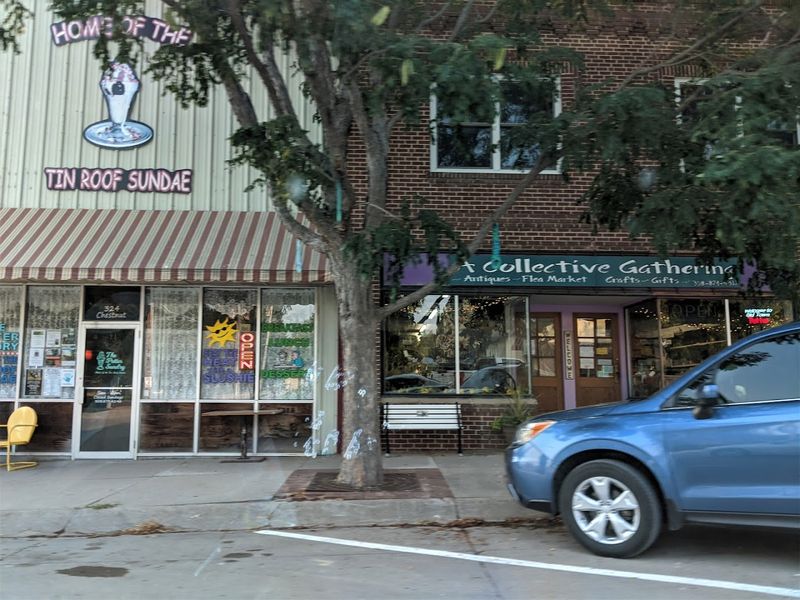
A town small enough to walk across in a few minutes can still pack in a surprising amount of character.
Potter has a small park directly across the street from the Sundry, which makes it easy to take a post-sundae walk and enjoy the quiet of a genuinely unhurried afternoon in a Nebraska village.
Sitting outside after a meal and watching the pace of small-town life is its own kind of reward after hours on the interstate.
A duckpin bowling alley located next door to the Sundry adds an unexpected recreational option for visitors with extra time on their hands.
Duckpin bowling uses smaller balls and shorter pins than standard bowling, making it a novelty for most people who have never tried it.
Combining a historic sundae with a round of duckpin bowling turns a quick stop into a full afternoon activity with minimal planning required.
The town’s overall atmosphere reflects the kind of Midwestern calm that is genuinely hard to manufacture.
Quiet streets, a handful of local businesses, and a community that clearly takes pride in its history create an environment where slowing down feels natural rather than forced.
Potter rewards visitors who stay long enough to notice the details rather than rushing back to the highway after finishing dessert.