This New York Museum Is So Small And So Unexpected That Finding It Feels Like Part Of The Experience
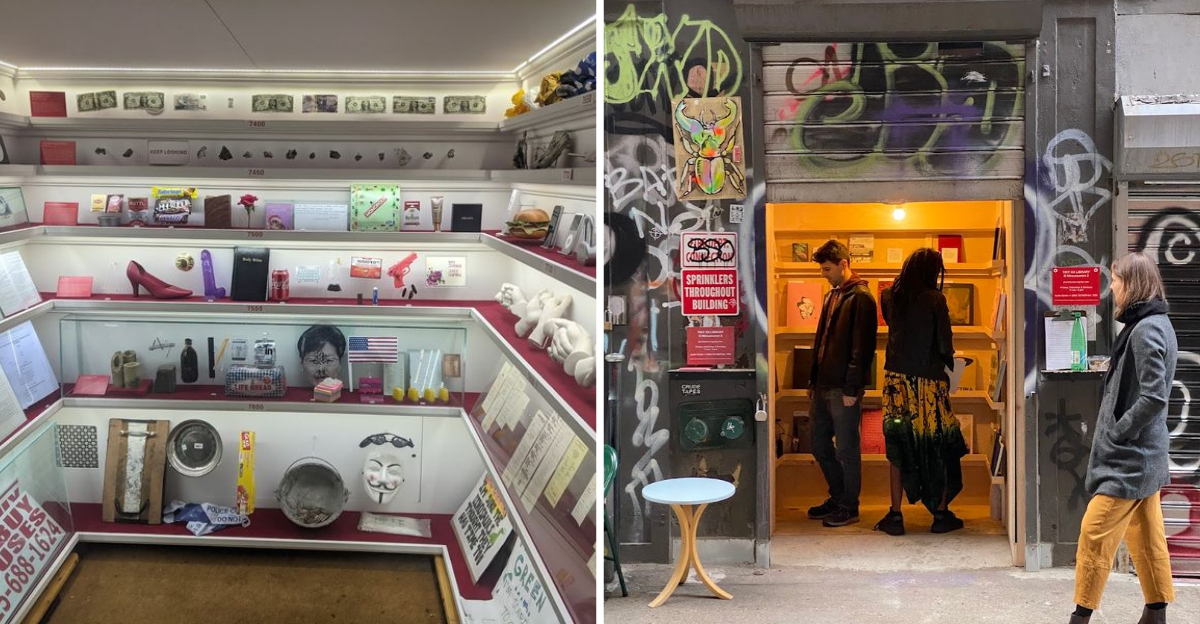
Small museums ask something different of you than large ones do. This New York spot requires a little searching before you arrive.
The address is real but the building does not announce itself loudly. Finding it genuinely made my afternoon before I even stepped inside.
Once inside, scale stops mattering because the content fills every single inch. The experience rewards people who pay close and very careful attention here.
New York surprises constantly, but this one has earned its own category. Finding it is genuinely part of what makes it so memorable.
Bring curiosity and leave with a story worth telling.
An Elevator Became A Real Museum
You might think I am making this story up, but trust me, everything I’m about to tell you is real!
Back in 2012, a filmmaker named Alex Kalman teamed up with directors Josh and Benny Safdie to do something wonderfully strange.
They took an abandoned freight elevator shaft on Cortlandt Alley in New York and turned it into a museum. Not a pop-up art space, not a gallery.
A real, functioning museum with rotating exhibitions, a curatorial vision, and a phone hotline you could call to hear about each object on display.
The idea was to treat everyday objects with the same seriousness that major institutions reserve for fine art.
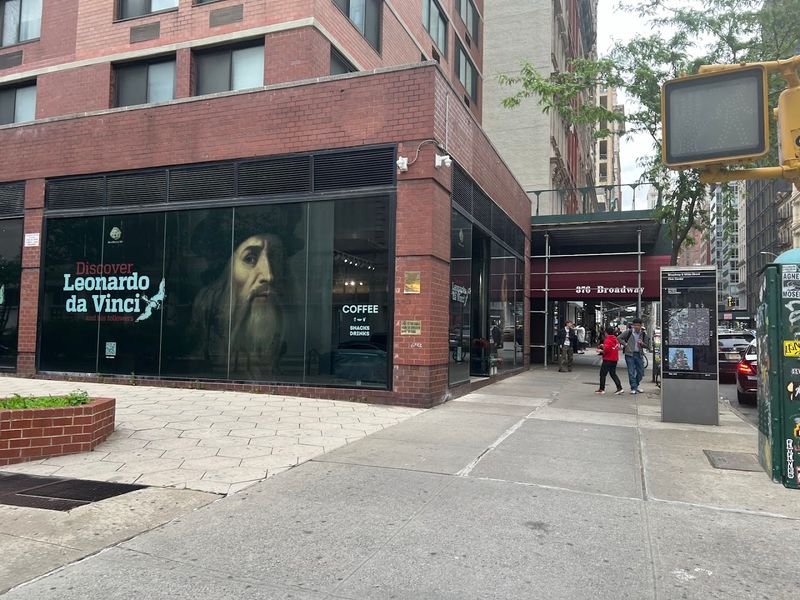
A toothpaste tube from Venezuela, a shoe thrown at a former president, a Happy Meal from Iran, these are the things that earned a place on the shelves here. Each object was chosen to say something true about the modern world.
Mmuseumm has been quietly rewiring the brains of curious visitors ever since. The founders called their approach object journalism.
It is a brilliant description for what this place actually does. New York has never lacked for bold ideas, but this one feels original.
You Will Walk Past It Once But Not Twice
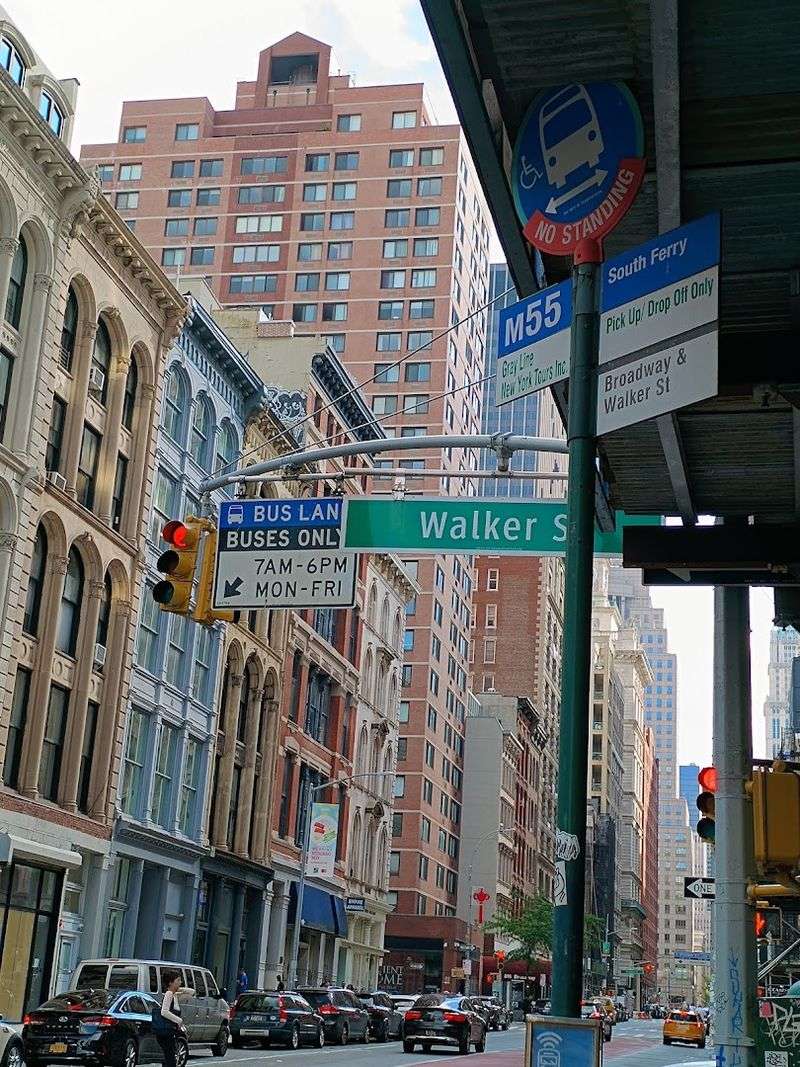
Cortlandt Alley is not the kind of street that shows up on most tourist maps. It is a narrow, cobblestone stretch in Tribeca that seems like it belongs to a different century.
The buildings are old, the light is filtered, and the whole mood shifts the moment you turn off the main road. Finding it the first time genuinely feels like a reward.
I walked past the entrance twice before I noticed the small sign. There is no grand facade, no ticket booth, no line of people waiting with cameras.
Just a door set into a brick wall, a viewing window, and a quiet sense that you have stumbled onto something private.
New York has a long tradition of hiding its best things in plain sight, and this alley delivers on that tradition completely. The address 4 Cortlandt Alley is easy enough to type into your phone, but the actual arrival still surprises you.
Six Feet Wide And Completely Intentional
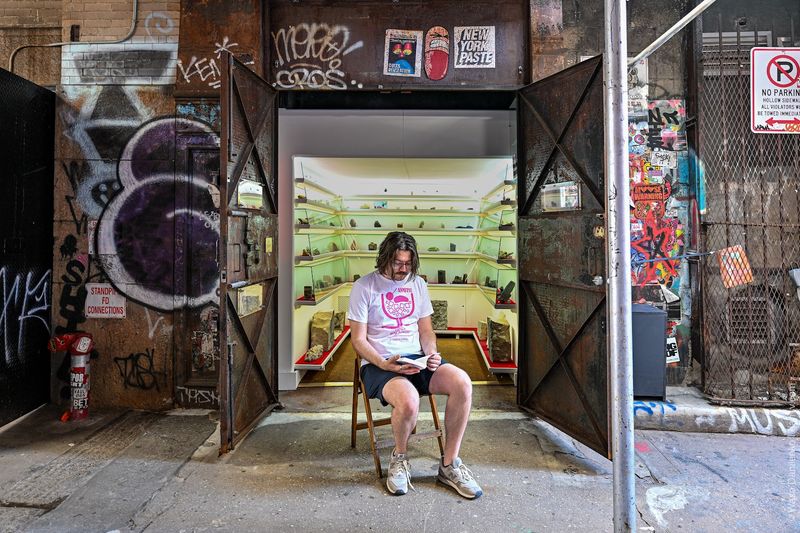
Picture a space roughly six feet wide, six feet deep, and six feet tall. That is the core of this experience, and it is not a lot of room to work with.
Yet somehow, the curators manage to fill every inch with intention. Glowing shelves line the walls, and each object sits under careful lighting that makes even a crumpled receipt feel important.
There is a second component too, called Mmuseumm 2, which is a roughly 20-square-foot space visible through a window display on the alley wall.
This means that even when the museum is closed, you can press your face to the glass any hour of the day or night and still get the full effect.
The 24/7 viewing window is one of the most charming details about this place.
New York is full of enormous institutions where you can spend an entire day and still feel like you missed something. Here, the smallness is the feature, not the flaw.
Standing in that alley in New York, you realize that constraint can actually sharpen meaning. Every square inch of Mmuseumm earns its place.
Rotating Exhibitions
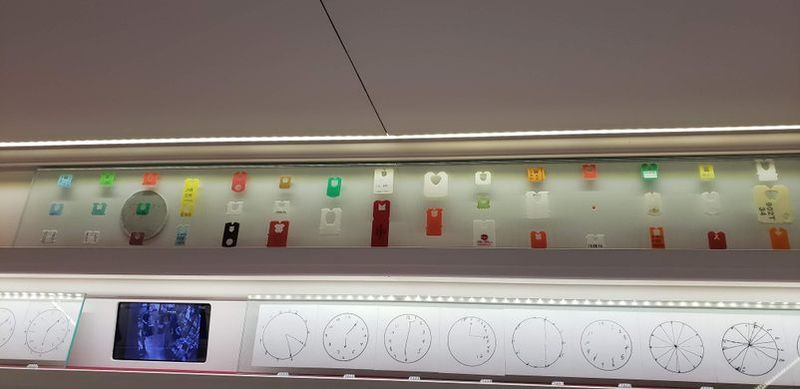
One of the smartest things about this museum is that the exhibitions change. You could visit three times in a single year and see three completely different shows.
Past exhibitions have included asteroid fragments, a cornflake taxonomy, last meal receipts from prison executives, personal belongings of people crossing the Mexico-US border, and debris collected from around the world.
Each show is built around a theme that connects seemingly unrelated objects into a coherent argument about modern life. The curators have a sharp eye for the kind of object that looks ordinary but carries enormous weight once you know its story.
Because the space is so small, every exhibition feels complete and focused in a way that sprawling shows rarely manage. You are not skimming highlights.
You are reading every single line. New York audiences are famously hard to impress, but Mmuseumm keeps earning new fans with each new show.
Object Journalism Explained
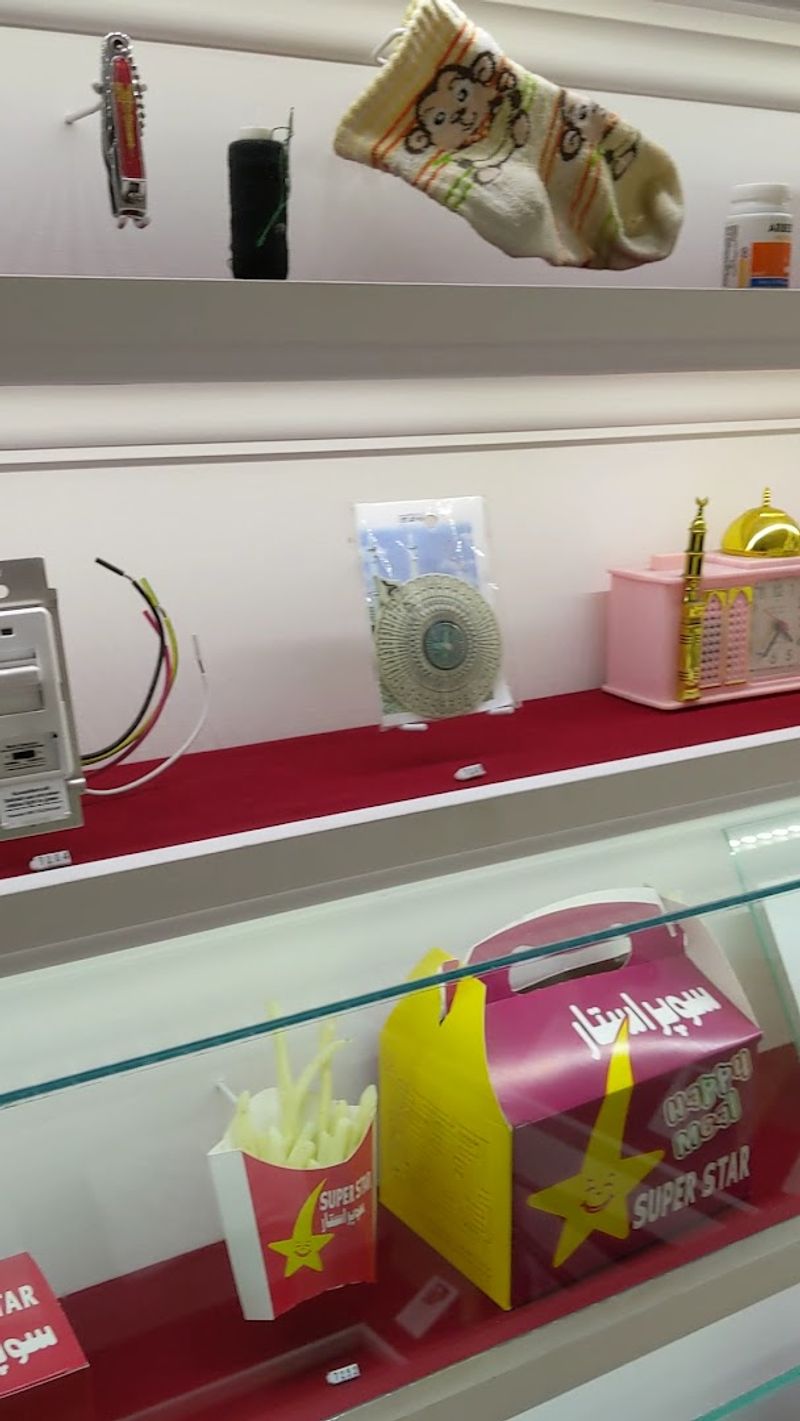
The founders of Mmuseumm use the phrase object journalism to describe what they do, and it is a phrase worth sitting with.
The idea is that a physical object can report on the world just as accurately as a written article or a documentary film. Sometimes more accurately, because the object itself cannot lie about what it is.
A toothpaste tube from Venezuela tells you something about shortages and daily life that a news segment might flatten into statistics. A shoe thrown at a political figure tells you something about public frustration that a think piece might over-explain.
The objects here are chosen because they carry information in their material existence, not just in their symbolism.
This approach treats the visitor as someone capable of drawing their own conclusions. There is no heavy-handed messaging, no oversized wall text pushing you toward a single interpretation.
You look, you think, and you decide what the object means to you.
The Emotional Impact
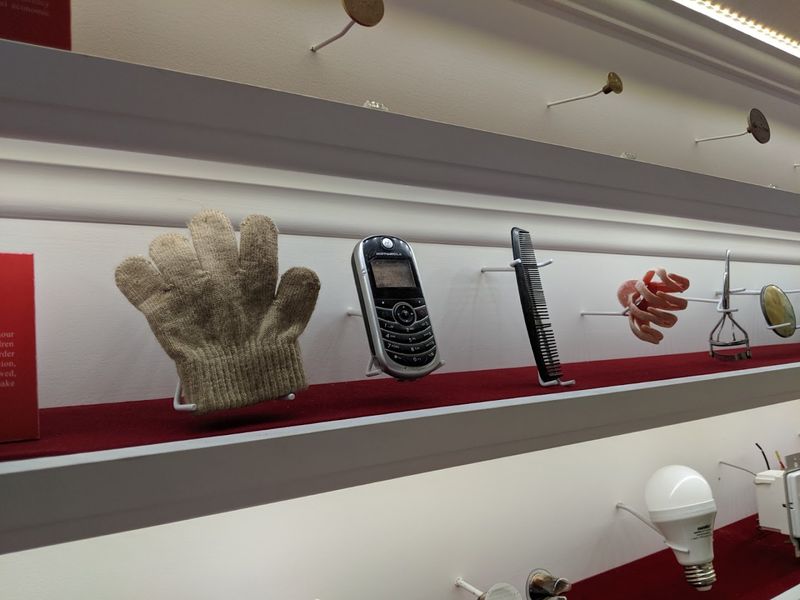
Some of the most affecting moments I have had in any museum happened in 36 square feet on a cobblestone alley.
The exhibition featuring personal belongings of people attempting to cross the Mexico-US border reportedly moved at least one visitor to tears on the spot. That response is rare even in institutions with entire wings dedicated to human history.
The smallness of the space actually amplifies the emotional weight of each object. When you are standing in a room the size of a large closet, there is nowhere to look away.
You cannot drift toward the next gallery. You are present with whatever is in front of you, and that presence creates a different kind of attention than most museum visits allow.
New York can sometimes feel like a city that moves too fast for reflection, which makes Mmuseumm feel almost countercultural in the best way. It insists on slowness.
It insists that one object, properly chosen and properly framed, deserves your full attention.
Visiting Hours And Tips
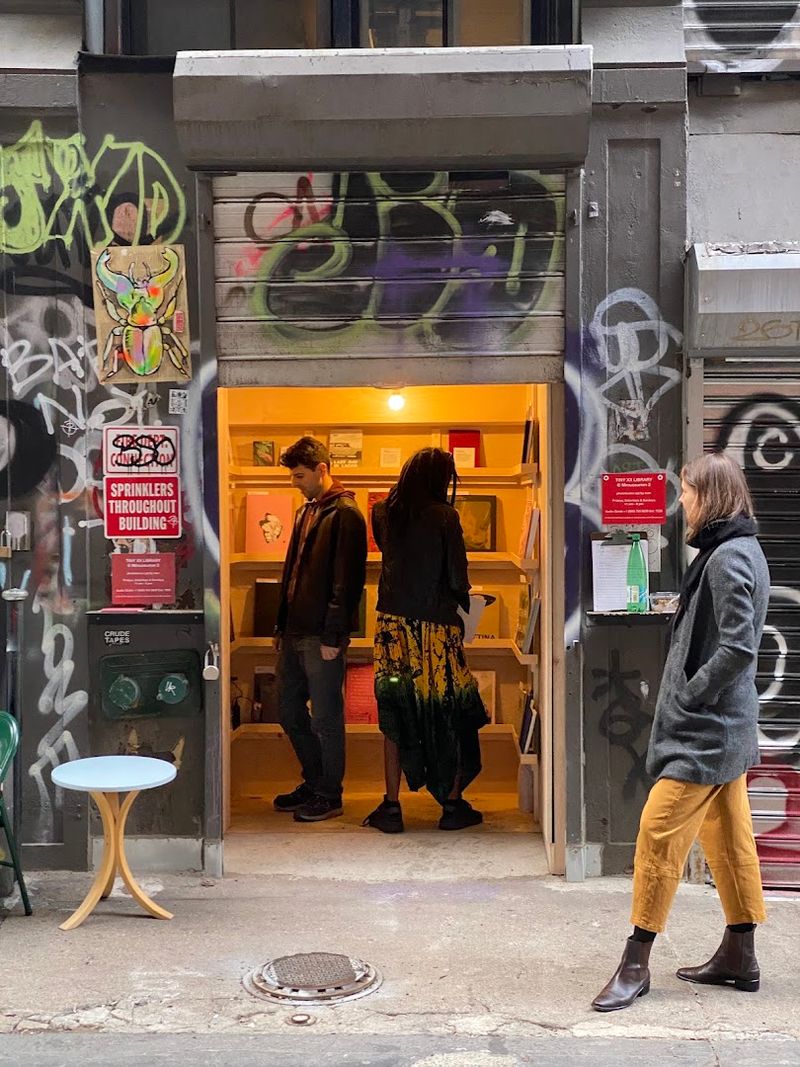
Planning your visit requires a little preparation because the hours are limited. Mmuseumm is open on Saturdays and Sundays from 11 AM to 6 PM.
The rest of the week, the doors stay closed, but the 24/7 viewing window means you can always get a peek at the current exhibition no matter when you arrive in New York.
Admission is free, though a small donation is suggested and very much appreciated. The recommended amount is around five dollars, which feels like the most reasonable ask in a city where a coffee costs more than that.
There is also a phone hotline you can call to hear audio descriptions of each object on display, which adds a lot of context without requiring you to carry a pamphlet.
The best advice I can offer is to go without expectations about what you will find. The exhibition changes throughout the year, and the experience varies depending on what is currently on the shelves.
Some shows will stop you cold. Others will make you smile. Either way, the walk through Tribeca in New York is worth it on its own.
Thirty Six Square Feet Of Pure Vision
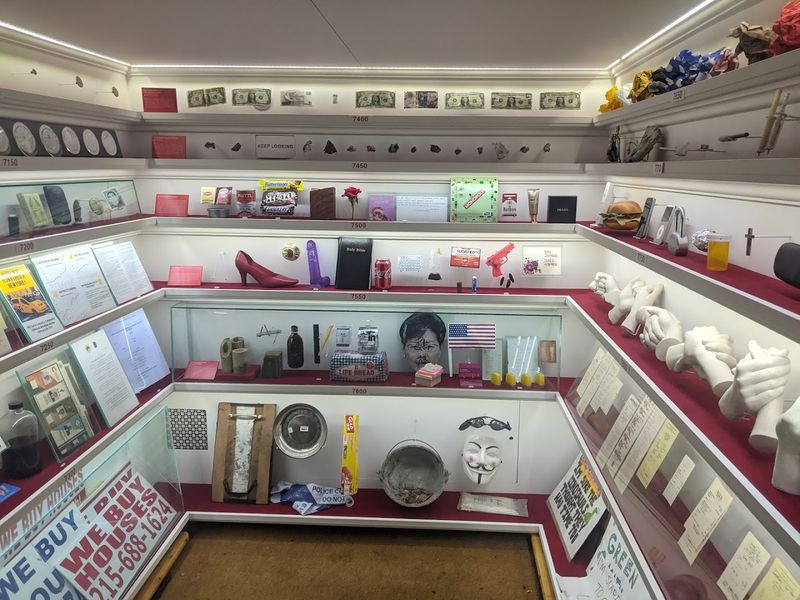
New York has more museums per square mile than almost any other city in the world.
There are institutions here with entire floors dedicated to single artists, entire buildings filled with ancient civilizations, and collections so large that staff members use bicycles to get around.
Against that backdrop, a 36-square-foot space in a freight elevator shaft should be invisible.
People find Mmuseumm, tell their friends, and those friends make a specific trip to New York just to stand in that alley. That kind of loyalty is earned, not manufactured.
What sets it apart is the clarity of its vision. The founders knew exactly what they wanted to say and found exactly the right format to say it.
There is no compromise here, no attempt to be everything to everyone. The museum is small because the idea requires smallness. It is in an alley because the alley suits the mood.
Every choice reinforces every other choice, and the result is something that feels complete.