This No-Frills Hawaii Restaurant Is One Of The Local Favorites For Loco Moco
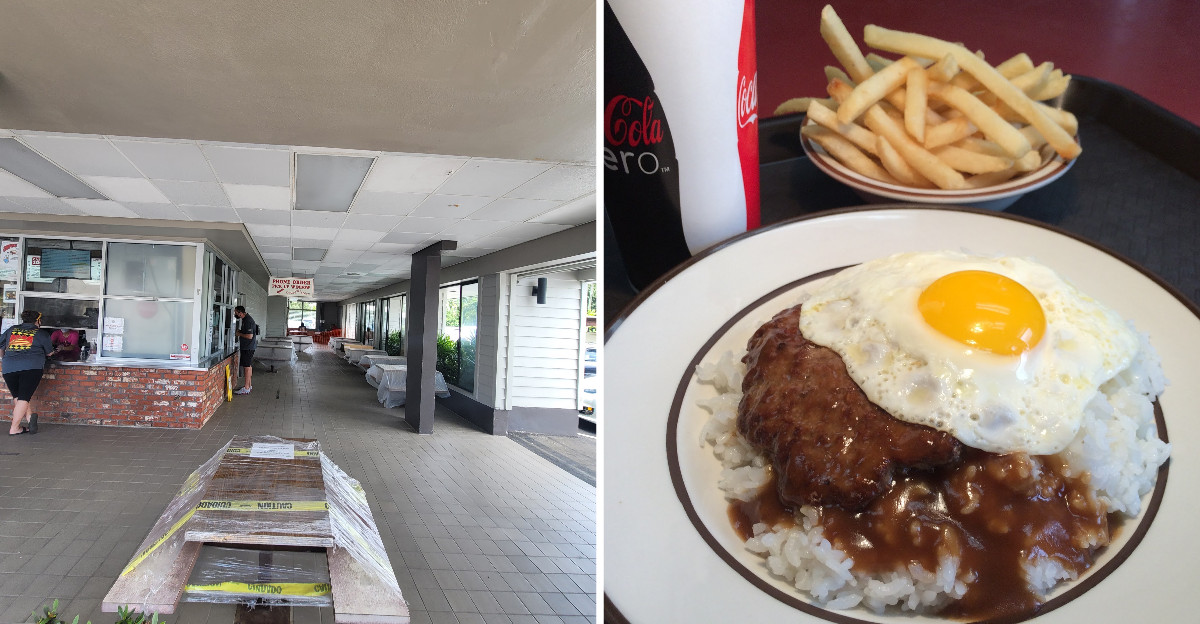
Four humble ingredients can carry an enormous amount of comfort.
In Hawaii, loco moco turns rice, a beef patty, gravy, and egg into a plate that feels far bigger than the sum of its parts.
One no-frills restaurant keeps that tradition wonderfully straightforward.
The setting is casual. The portions are not shy.
Variations give regulars room to experiment, but the classic version needs very little improvement. Fancy presentation would only get in the way.
This is food designed to satisfy first and impress second. When lunch arrives covered in gravy, nobody is checking whether the tablecloth matches the mood.
Where The Loco Moco Legend Lives
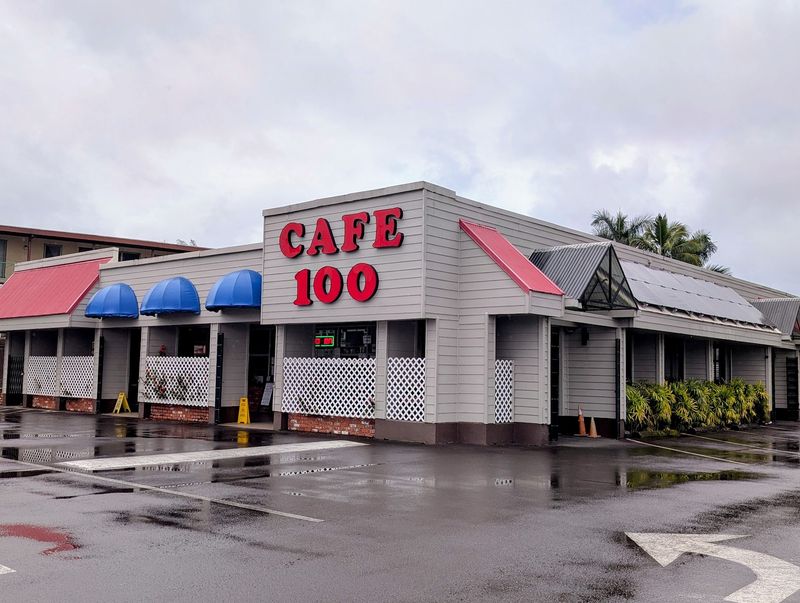
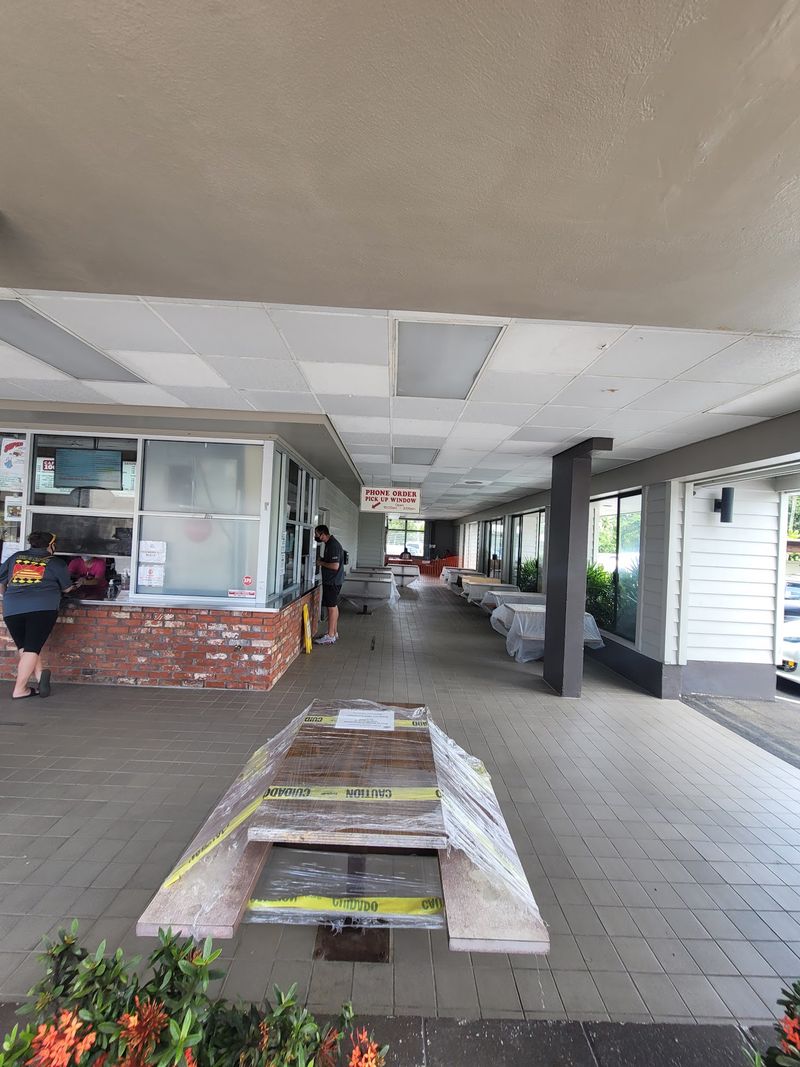
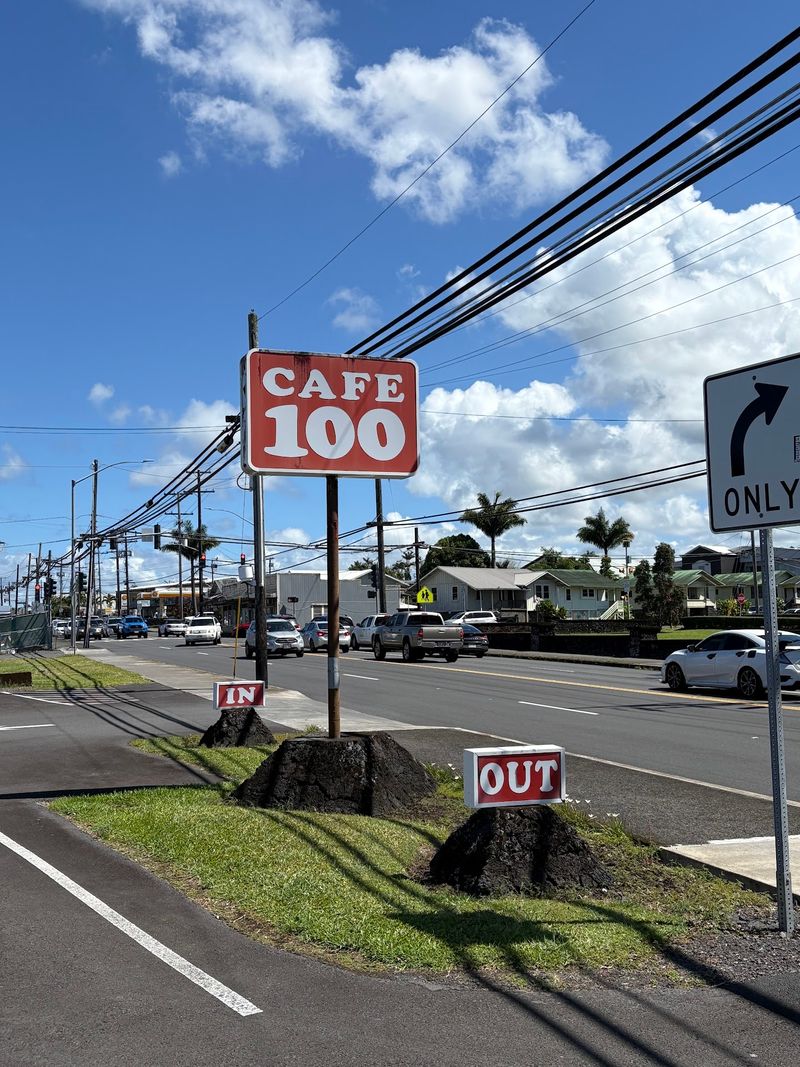
Hilo does not shout about its treasures, which is why the parking lot gives nothing away. A low building, a service window, a few covered tables and a steady stream of hungry regulars.
Cafe 100 opened in 1946, founded by a returning soldier who named it after the 100th Infantry Battalion. That unit was made up of Japanese American troops from these islands, and their courage became legend.
The 1946 tsunami badly damaged the original restaurant, while the 1960 tsunami completely destroyed its newly built replacement. Rebuilding twice takes a stubborn kind of heart.
The present Kilauea Avenue location opened in the early 1960s as Hilo’s first drive-in restaurant. Customers could order a full meal at a window and eat wherever they pleased.
The walk-up, takeout-focused format remains central, though online ordering has since joined the longtime service-window model. You order, you wait for your name, you grab a table outside.
Finding it is easy since it sits right along a busy stretch at 969 Kilauea Ave in Hilo with plenty of parking out front.
Thirty Ways To Loco Moco
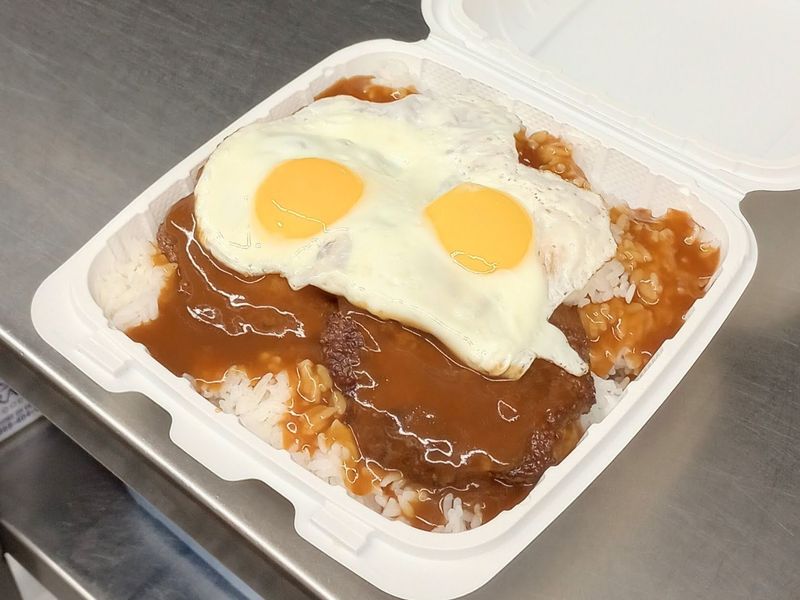
Decision paralysis is real here, and I mean that with affection. The loco moco board stretches long enough to make first timers freeze mid sentence.
More than thirty versions exist, which turns a simple dish into a choose your own adventure. The lineup stretches beyond hamburger to options built around sausage, Spam, fish, chicken, vegetables, and other rotating proteins.
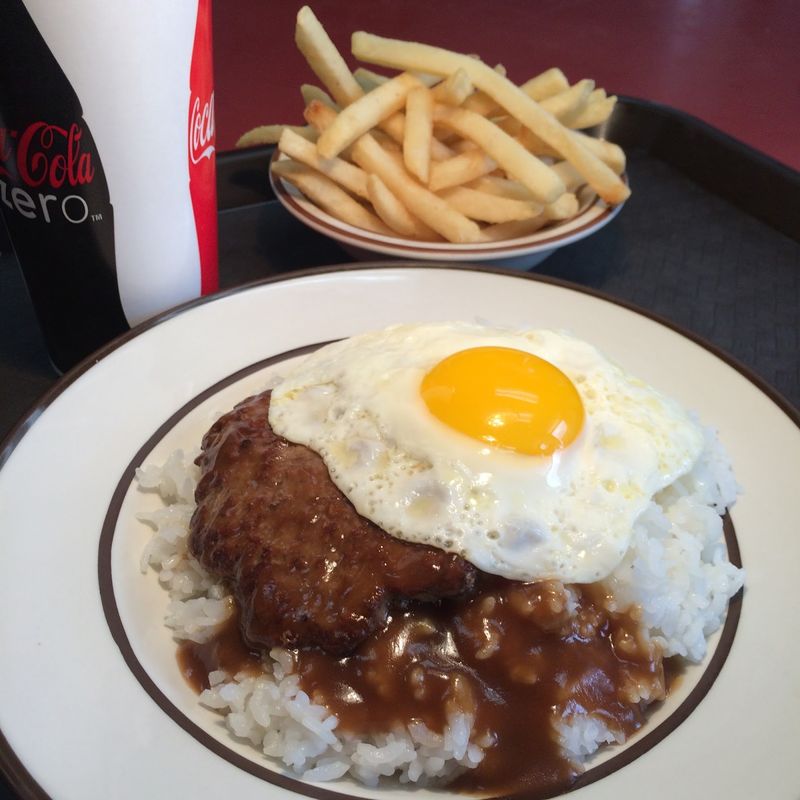
The original remains the champion though. White rice, a tender hamburger patty, that deep Hilo style brown gravy and an egg cooked over easy.
Break the yolk and everything softens into one glorious mess. The gravy tastes beefy rather than canned, and the patty stays juicy instead of puck like.
Portion sizes vary, so you can order modest or go full super loco if hunger demands. The larger versions are designed for diners who want a much more substantial take on the original.
Cafe 100 also rolls out seasonal creations, and they openly invite customers to suggest new combinations. That playful streak keeps the menu alive.
The dish itself is a cultural mashup, blending a Japanese rice bowl, an American burger and diner gravy into one island staple. Few plates explain Hawaii this clearly.
Beef Stew Worth Bragging About
Beef stew has shared the menu spotlight with loco moco for decades. Bold advice, but it holds up.
The beef stew follows the founder’s original recipe, which explains why it tastes like somebody’s grandmother made it. Chunks of beef, carrots and potatoes swim in a broth that leans savory rather than heavy.
Served over rice, it becomes the kind of lunch that makes you slow down. Steam rises, the plastic fork bends slightly, and you stop caring about anything else.
Rainy days in Hilo are common, and this town gets a lot of them. Stew under a covered picnic table while drizzle taps the roof is a genuinely lovely experience.
The current online menu includes a Half & Half Plates section for combining two selections. Indecisive eaters, rejoice.
Tripe stew shows up too for those chasing something more traditional. It has its devoted following among longtime customers. Recipes handed down for decades rarely survive intact, yet Cafe 100 keeps this one steady.
Comfort food does not need reinvention. Sometimes it just needs someone willing to protect it.
Plate Lunches Beyond The Gravy
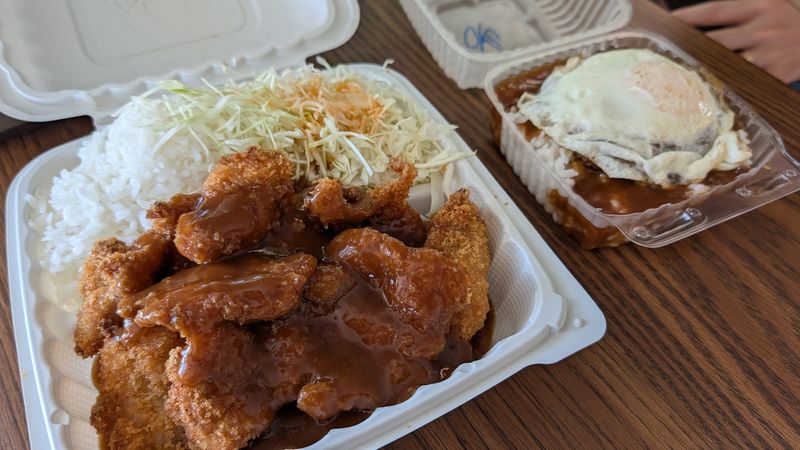
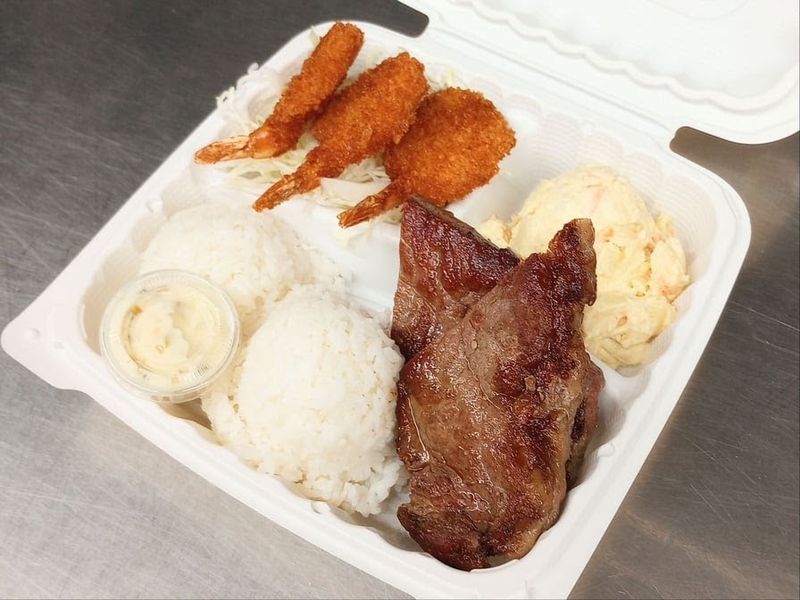
Gravy gets the glory, but the plate lunch section quietly does heavy lifting. Two scoops rice, macaroni salad and a protein that changes your whole mood.
Korean chicken remains available through the restaurant’s larger-order menu. Chicken katsu also continues to appear among its current catering and plate-lunch offerings.
Fish remains part of the rotating menu, while the Island Girl combination has paired breaded shrimp with beef teriyaki.
Other daily and weekly specials rotate through chicken, pork, beef, and local-style comfort dishes. Portions run large enough that leftovers are practically guaranteed.
Daily specials rotate, so the menu shifts depending on when you visit. If you have your heart set on something specific, check ahead rather than gambling.
Breakfast service begins at 7 a.m. Monday through Thursday before the daytime menu takes over. The current breakfast bento combines egg, bacon, Portuguese sausage, Smokie sausages, rice, and takuan.
The menu includes a sweets section, though individual desserts change and are not guaranteed every day.
Cafe 100 proves a one dish reputation can hide an entire pantry of talent. Order sideways from the famous thing occasionally.
Ordering Kiosks And Covered Tables
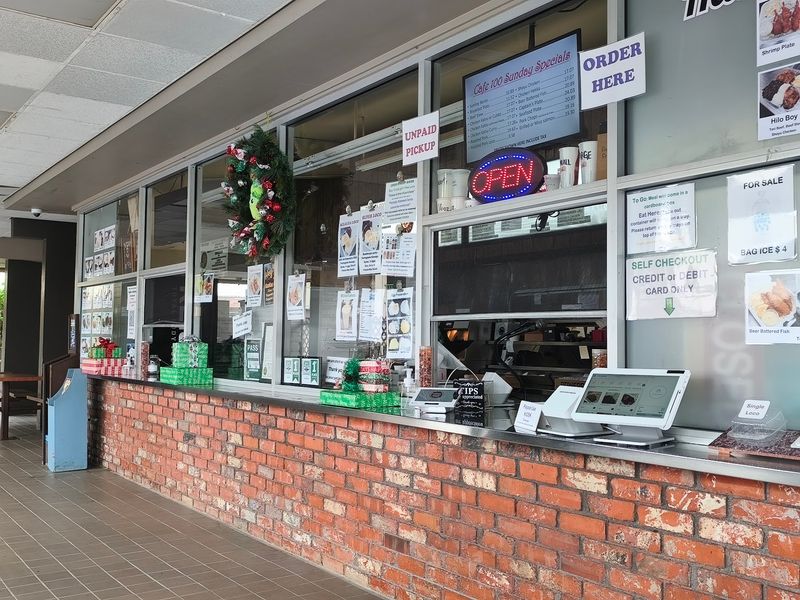
Old school food, surprisingly modern ordering. That contrast catches people off guard the moment they walk up.
Online ordering now complements the restaurant’s traditional walk-up service. Customers can also call or text orders directly to Cafe 100 for pickup.
The restaurant still operates around a quick-service model rather than traditional table service. Orders are prepared for pickup from the same casual drive-in operation that defines the property.
Seating sits entirely outdoors under covered picnic tables. The open-air setup means weather becomes part of the meal.
No indoor dining room means the atmosphere is casual to its core. Families spread out, workers eat in trucks, and nobody dresses up.
Plan this as a casual outdoor stop rather than a full-service dining experience.
Plenty of parking makes the stop easy, which matters when you are driving between Volcanoes National Park and town. Its Kilauea Avenue location also fits easily into a broader day of exploring Hilo and the surrounding area.
Cafe 100 never pretended to be a sit down establishment. The food does the talking, and it talks loudly.
A Business That Gives Back
Behind the gravy sits a business philosophy that rarely gets advertised. Feed people well, charge fairly, keep things clean and move fast.
Cafe 100 serves as a job site for Special Education and mental health programs. Students and adults build real workplace skills in a supportive setting.
That kind of commitment does not show up on a menu board. You notice it in the rhythm of the place instead.
Neighboring schools have received support too, including help funding computer labs and assorted projects. Community investment runs deep here.
Staff loyalty tells its own story. Several team members have worked here for more than forty years, which almost never happens in food service.
Richard Miyashiro’s granddaughter Mari Kobayashi Leung now carries the family business into its next generation. Supporting island farmers keeps money circulating across Hawaii rather than flowing elsewhere.
Cafe 100’s 80-year history now spans multiple generations of Hilo diners. That continuity helps explain why the restaurant remains closely tied to local memory.
Restaurants come and go, especially in tourist heavy regions. Places built on service to their neighbors tend to stick around.
Timing Your Visit Right
Showing up hungry on the wrong day leads to genuine disappointment. Trust me, the schedule here surprises people.
Weekdays from Monday through Thursday run early, opening at seven in the morning and closing by two in the afternoon. Sunday shifts later, running from ten until three.
Friday and Saturday are closed entirely. Weekend visitors often learn this the hard way while standing in an empty lot.
Morning service includes breakfast choices alongside the restaurant’s longtime local favorites. As the day continues, loco mocos, plate lunches, and rotating specials broaden the selection.
Daily and weekly specials rotate, so the available lineup changes across the week.
The takeout-focused format makes it easy to carry a meal to a nearby park or the Hilo bayfront. Eating with an ocean view costs nothing extra.
Online ordering provides a card-based option before arriving. Walk-up and phone ordering remain available alongside that newer system.
Cafe 100 pairs beautifully with a Hilo day trip, whether you are heading toward waterfalls or the volcano. Fuel first, explore after. Plan around those hours and the whole experience becomes effortless.
Why Locals Keep Returning
Loyalty like this cannot be manufactured with marketing. It gets earned one plate at a time over decades.
Hilo has changed enormously across the past forty years, adding shopping centers and newer restaurants. Cafe 100 stayed put, stubbornly familiar.
Affordability matters here, especially in a state where dining out adds up quickly. Generous portions stretch a meal into two.
Loco moco emerged in postwar Hilo in the late 1940s as an inexpensive, filling meal associated with a group of hungry local teenagers. That practical spirit still defines the menu.
At Cafe 100, loco moco works as either breakfast or lunch during the restaurant’s current daytime hours. There is no wrong hour for rice and gravy.
Nostalgia plays a role too. Cafe 100 itself says local diners return for both its home-style food and the memories attached to the restaurant.
For visitors, tasting a loco moco where the dish gained fame feels like completing a small pilgrimage. It puts a flavor to all those island stories.
Hawaii offers no shortage of polished dining rooms with ocean views. Cafe 100 counters with paper trays, open air tables and food that satisfies completely.