This No-Frills Thrift Store In California Is A Treasure Trove For Thrifters
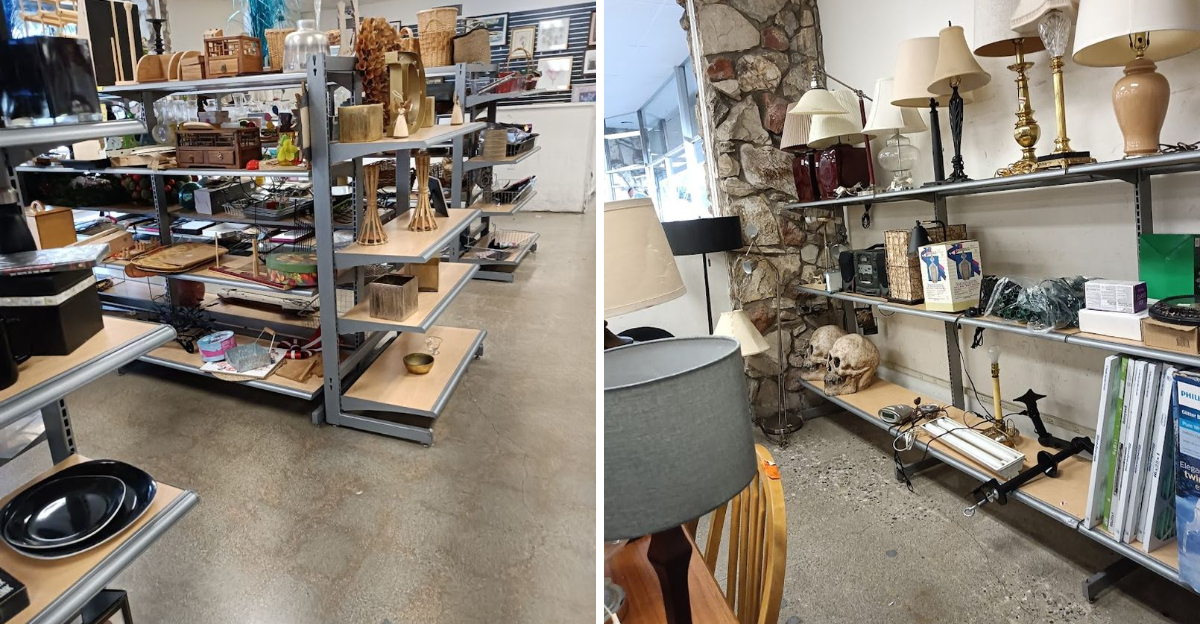
Great finds rarely come from the places people expect. A simple rack of clothing or a quiet row of shelves can hide something surprising just waiting to be discovered.
Shoppers browse slowly, scanning for that one item that stands out. A vintage jacket appears between everyday pieces.
A solid wood chair waits quietly beside a stack of books. The thrill comes from never knowing exactly what the next aisle might hold.
Across California, thrift stores like this have become treasure hunts for shoppers who enjoy the excitement of finding something valuable at a fraction of the usual price.
That experience happens every day inside The Salvation Army Thrift Store and Donation Center, where racks and shelves fill with clothing, furniture, books, and household goods that change constantly as new donations arrive.
Regular visitors know that no two trips ever look the same. One visit might reveal a unique vintage piece, while the next could uncover practical items for everyday life.
Shopping here offers more than just a bargain. Each purchase also helps support programs that assist people facing addiction, homelessness, and other difficult circumstances, giving every discovery a deeper sense of purpose.
Wide Selection Of Items
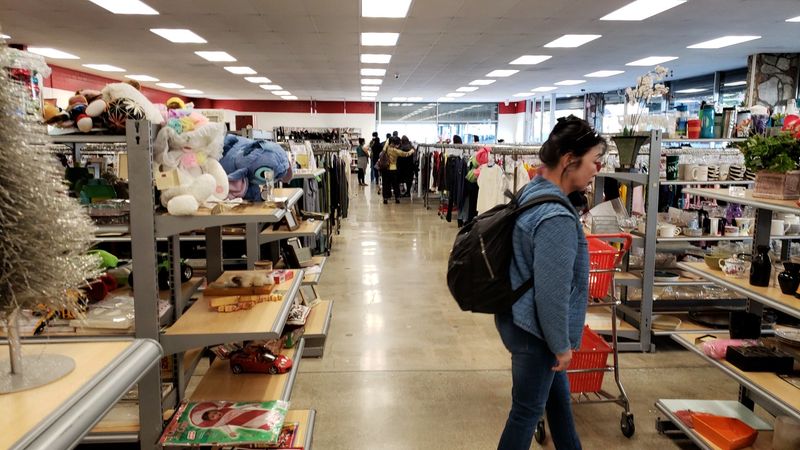
Walking into a Salvation Army Thrift Store at 1940 W Pico Blvd, Los Angeles, CA 90006 feels a lot like opening a mystery box.
The floor space tends to be filled with an eclectic mix of clothing, furniture, books, kitchenware, electronics, and decorative items that span decades of style and function.
No two visits look exactly the same, which is a big part of the appeal for regular thrifters.
Clothing sections are usually organized by type and size, making it easier to scan through options without feeling overwhelmed.
Furniture pieces range from solid wood dressers to upholstered chairs, and the turnover means new items show up on the floor regularly.
Shoppers who visit often tend to develop a good eye for spotting quality pieces tucked between more ordinary finds.
Books are another strong category at these stores, with shelves that cover fiction, nonfiction, cookbooks, and children’s titles at prices that are hard to beat.
Household goods like dishes, lamps, and small appliances round out the inventory and make these stores genuinely useful for anyone setting up a home on a budget.
The variety alone makes each trip worth the time.
Affordable Prices
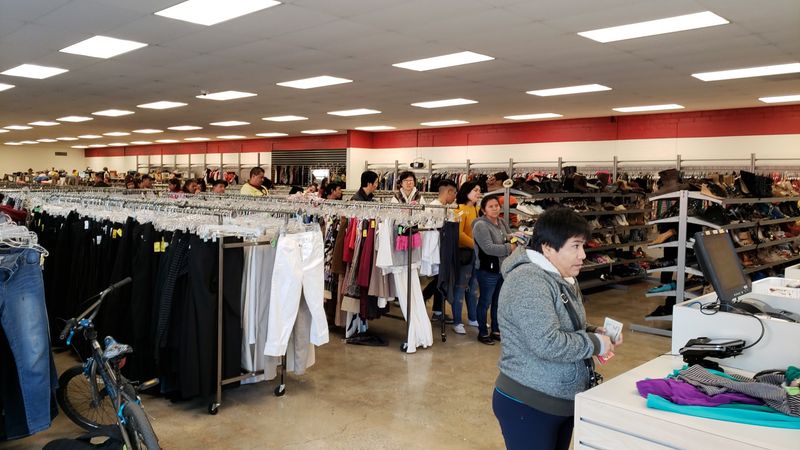
Budget-friendly shopping is the cornerstone of what makes the Salvation Army Thrift Store stand out in California.
Clothing items are more than affordable, while larger items like furniture and appliances tend to fall well below what comparable pieces would cost at retail stores.
For shoppers watching their spending, these prices make a noticeable difference. The pricing structure is generally straightforward, with tags that clearly indicate the cost of each item.
There are no membership fees or loyalty cards required to access the low prices, which keeps the experience open and accessible to everyone.
Families on tight budgets, students furnishing first apartments, and collectors hunting for underpriced gems all tend to find the pricing model appealing.
Compared to other thrift chains and consignment shops, the Salvation Army consistently ranks among the more affordable options in California.
The combination of low prices and a broad inventory means shoppers can often walk out with a full cart without spending much at all.
Prices may vary slightly between locations and can shift depending on the condition and category of the item, so checking tags carefully is always a good habit to build.
Regular Inventory Updates
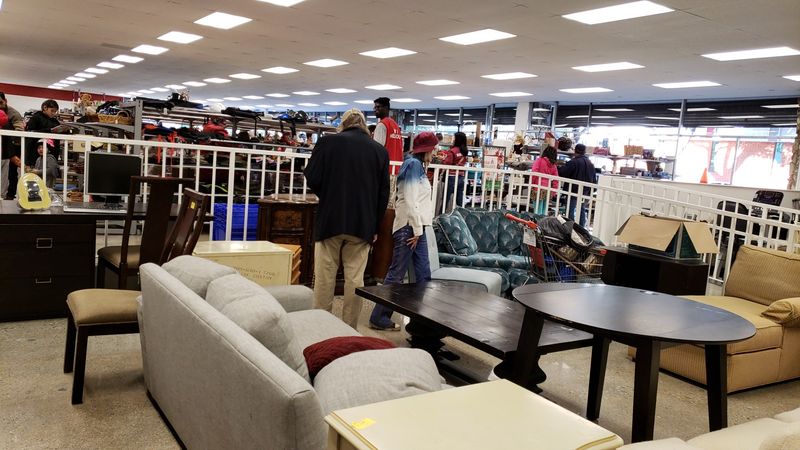
One of the most talked-about qualities of the Salvation Army Thrift Store in California is how frequently the inventory changes.
Because the stores rely on community donations rather than wholesale purchasing, new items arrive on a rolling basis throughout the week.
That constant flow of fresh merchandise is what keeps dedicated thrifters coming back regularly.
Experienced shoppers often develop a routine of visiting on specific days or times when they know new items are most likely to hit the floor.
Staff members process donations and put items out as they become available, which means a Tuesday visit could look completely different from a Saturday trip to the same location.
Patience and consistency tend to reward those who make it a habit. Seasonal donations also play a role in shaping the inventory at different times of year.
After the holidays, for example, stores often receive an influx of gently used items that were replaced by new gifts. Back-to-school season tends to bring in clothing and school supplies.
Staying aware of these patterns can help shoppers time their visits to find the most useful and interesting items. The unpredictability of the inventory is genuinely part of the fun.
Community Impact
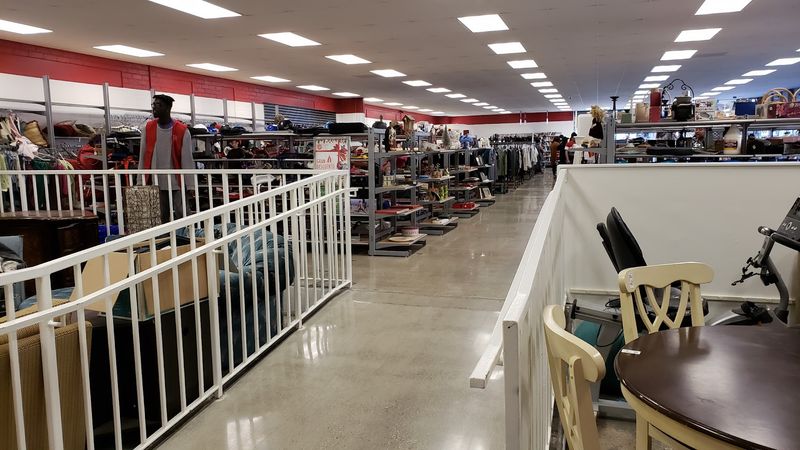
Every dollar spent at a Salvation Army Thrift Store does more than buy a second-hand item.
The proceeds from sales are directed toward funding the Salvation Army’s Adult Rehabilitation Centers, which provide residential programs for individuals struggling with addiction and homelessness.
That connection between a simple thrift purchase and meaningful social support is something many shoppers find genuinely motivating.
The Adult Rehabilitation Centers offer structured environments where participants can receive counseling, job training, and transitional housing support.
These programs rely heavily on the revenue generated by thrift store sales, which means the volume of shopping activity directly influences the scale of help that can be provided.
Communities across California benefit from the presence of these centers, and the thrift stores serve as their financial backbone.
Shoppers who might otherwise feel indifferent about a thrift store often find a renewed sense of purpose when they understand the connection between their purchase and someone’s path toward recovery.
The Salvation Army has operated these rehabilitation programs for decades, building a track record of community service that extends far beyond retail.
Supporting the store is a straightforward way for California residents to contribute to local programs without any additional effort or cost.
Donation Opportunities
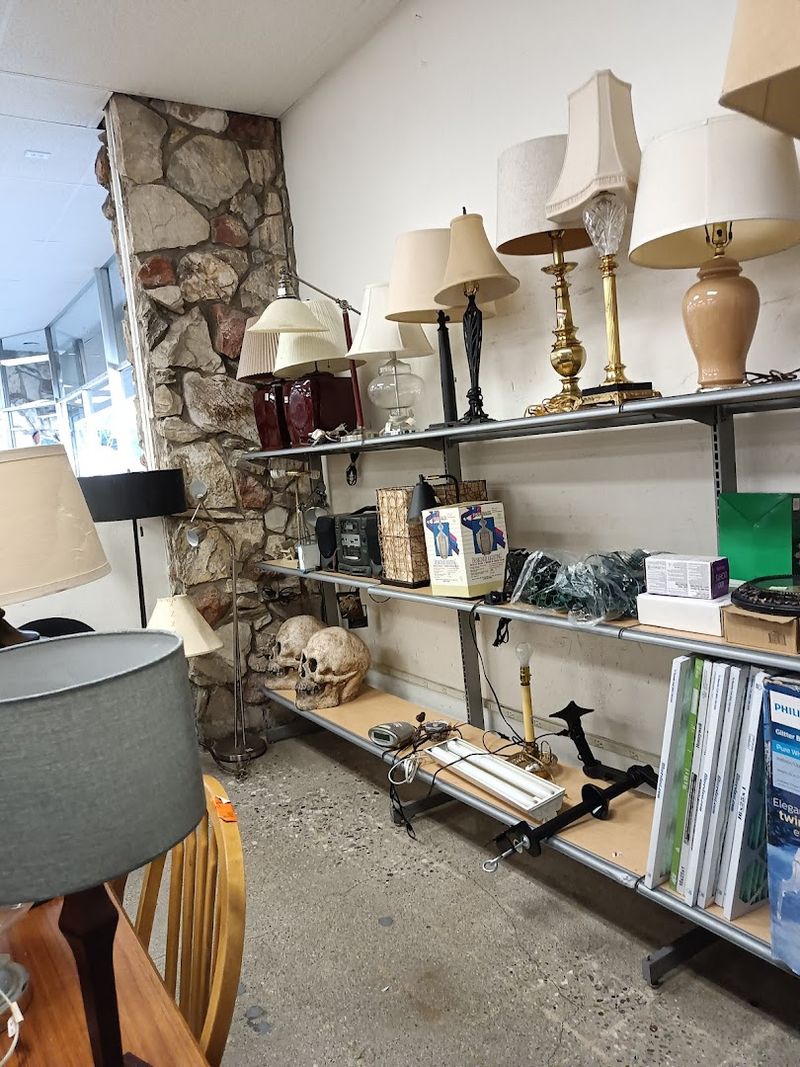
The donation side of the Salvation Army Thrift Store operation is just as important as the shopping experience itself.
Community members can bring in gently used clothing, furniture, books, electronics, and household goods to any donation center location in California.
Those contributions directly fuel the store’s inventory and help keep prices low for everyone who shops there. Dropping off donations is generally a quick and simple process.
Most locations have a dedicated donation area where staff members accept items and provide a receipt that can be used for tax deduction purposes.
Knowing that a donated item could help fund rehabilitation programs adds a layer of meaning to the act of clearing out a closet or garage.
The Salvation Army does have guidelines about what can and cannot be accepted, so checking with the specific location beforehand is always a practical step.
Items in good working condition and free from major damage are typically welcomed, while broken electronics or heavily worn clothing may not be accepted.
For California residents looking to declutter responsibly, donating to the Salvation Army is one of the most community-oriented options available.
The cycle of donating and shopping creates a self-sustaining loop that benefits both the organization and the neighborhoods it serves.
Multiple Locations Across California
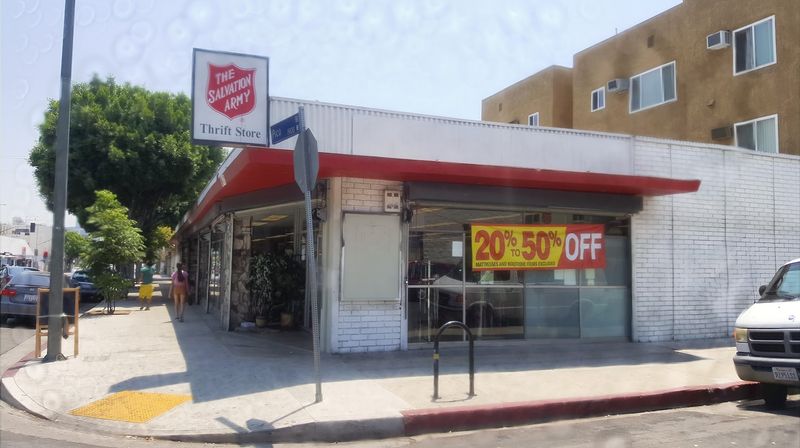
Accessibility is a real strength of the Salvation Army Thrift Store network in California.
Locations are spread across the state in cities including San Francisco, San Diego, Los Angeles, and Huntington Beach, making it relatively easy for residents in many parts of California to find a store within a reasonable distance.
Urban and suburban areas alike tend to have at least one nearby location.
Having multiple stores across such a geographically diverse state means the inventory can vary quite a bit from one location to another.
A store in a coastal city may receive different types of donations than one in an inland suburb, which gives thrifters who travel a reason to stop in at locations outside their home area.
Each store reflects the character of its surrounding community in its own subtle way.
For shoppers new to the Salvation Army Thrift Store experience in California, the organization’s website offers a store locator tool that makes finding the nearest location straightforward.
Hours and donation drop-off availability can also vary by location, so checking ahead of a visit is a sensible habit.
The broad geographic footprint of the stores means that thrifting through the Salvation Army is a genuinely statewide option rather than a niche urban experience.
Organized Store Layout
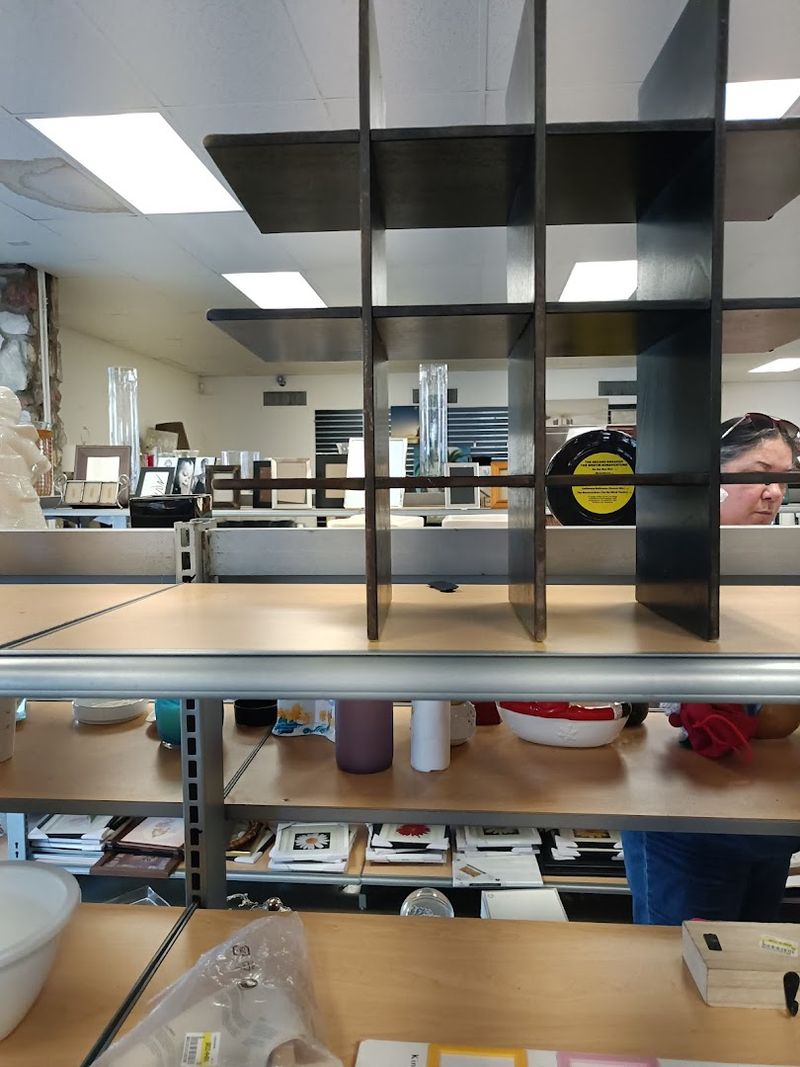
A common complaint about thrift stores is that they can feel chaotic and hard to navigate.
The Salvation Army Thrift Store in California tends to address that concern with a layout that groups items by category and, in many locations, organizes clothing by both type and color.
That level of organization makes browsing feel more manageable and less overwhelming for first-time visitors.
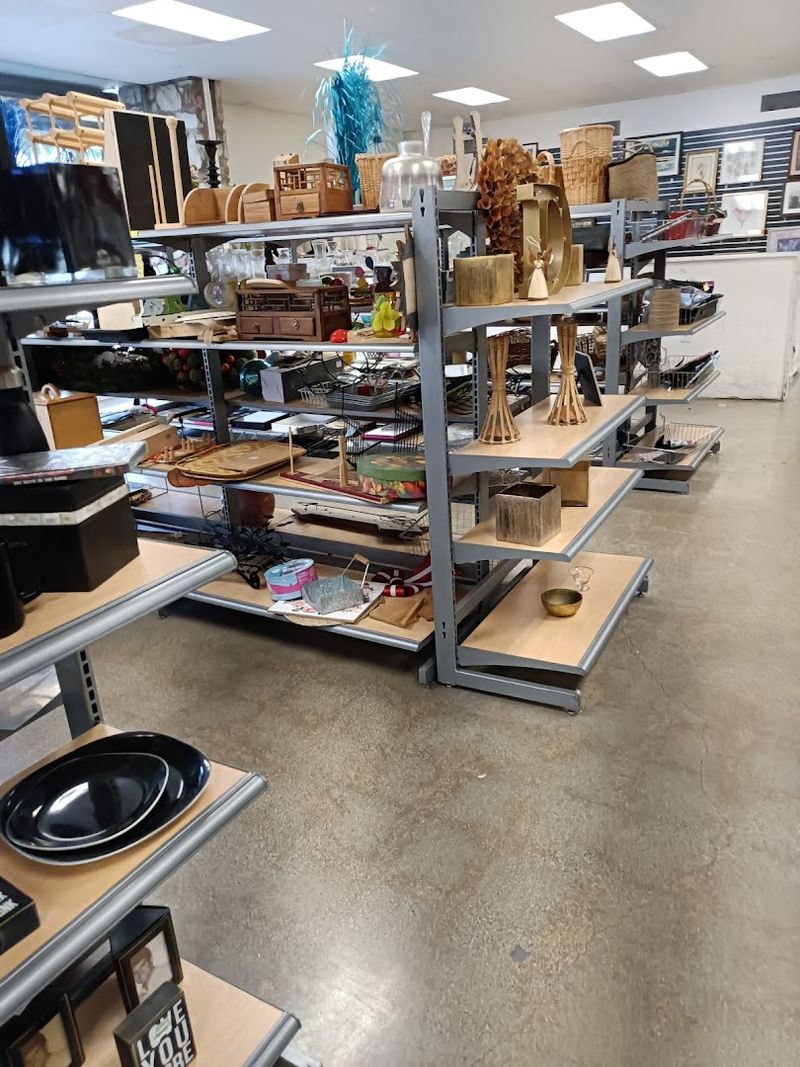
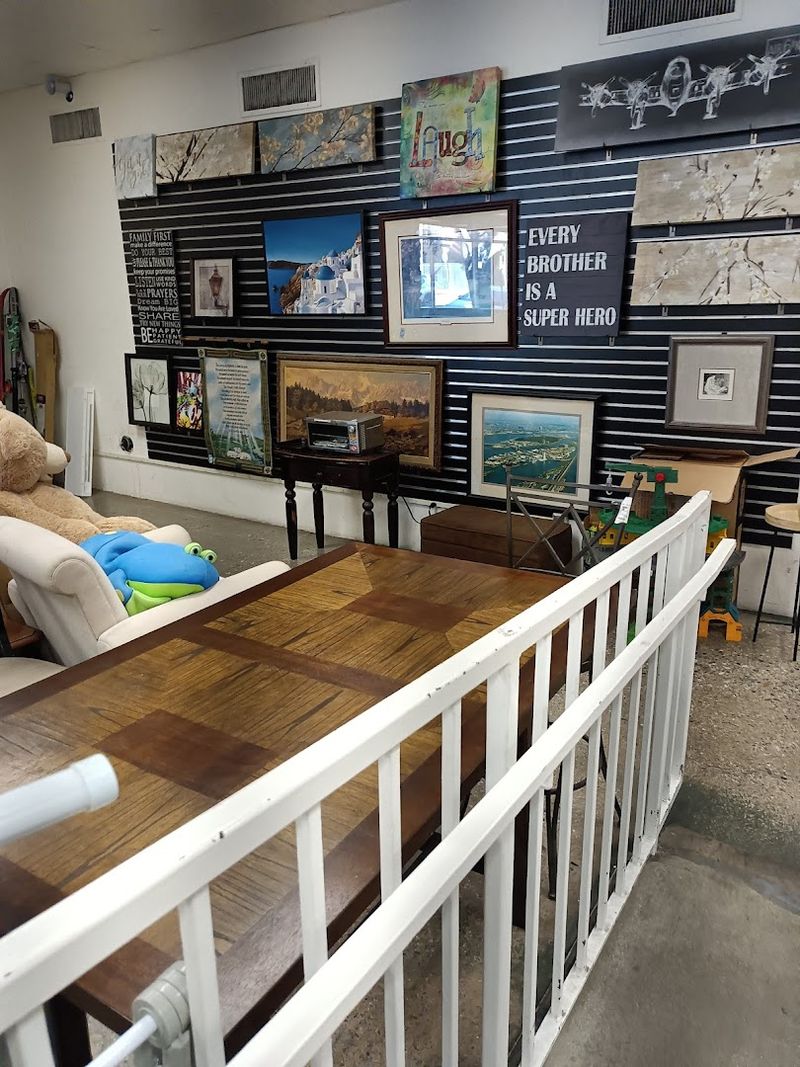
Furniture and larger items are usually displayed in a dedicated section of the store, separate from clothing and small goods.
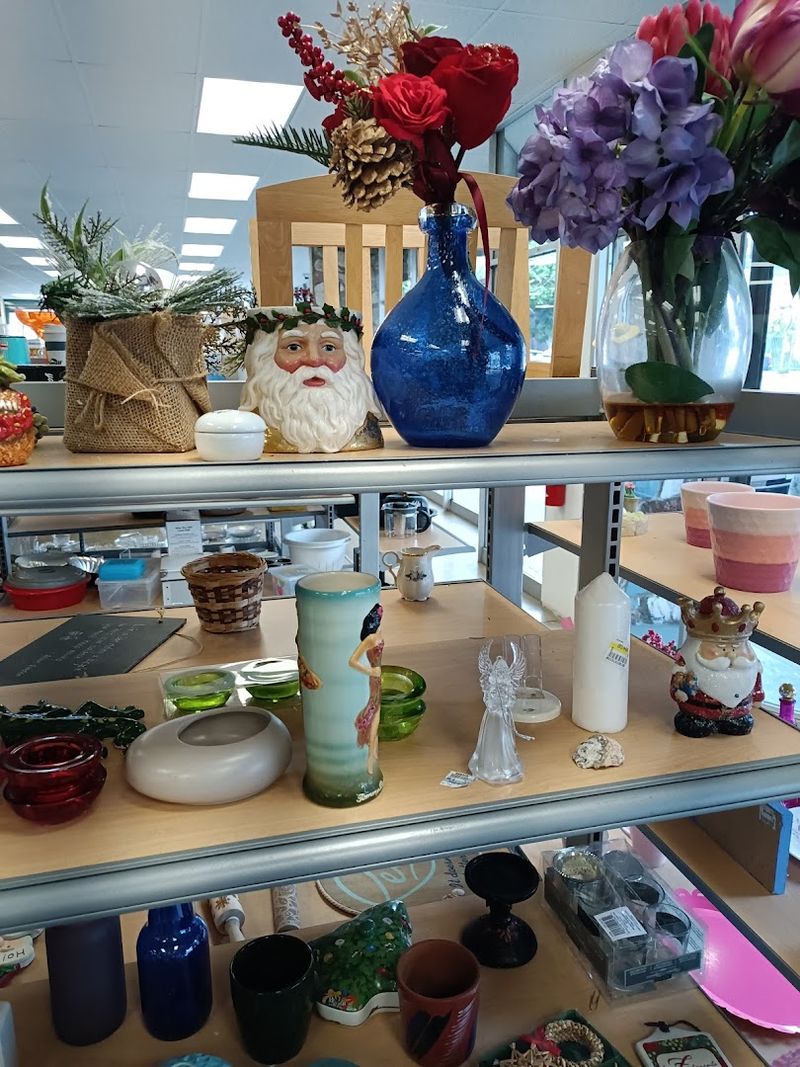
Books are shelved by genre or subject in many locations, and household items like dishes, glassware, and small appliances are grouped together in a way that makes comparison easy.
The overall effect is a store that feels purposeful rather than haphazard.
Color-coded tag systems are also a feature at many Salvation Army locations, and these tags serve a dual purpose.
They help staff track when items were put on the floor, and they also tie into rotating discount systems that reward shoppers who pay attention.
Understanding how the tagging system works at a specific location can unlock additional savings on top of already low prices.
Taking a few minutes to orient at the entrance before shopping tends to make the whole experience more productive and enjoyable.
Friendly And Welcoming Staff
The atmosphere inside a thrift store is shaped as much by the people working there as by the merchandise on the shelves.
At many Salvation Army Thrift Store locations in California, shoppers frequently mention the staff as a highlight of the experience.
Employees tend to be approachable and willing to answer questions about the store’s layout, donation process, or current promotions.
For new thrifters who may feel uncertain about how to navigate a large secondhand store, having a friendly staff member nearby can make the experience feel a lot less intimidating.
Staff members at these locations often have a genuine familiarity with the inventory and can point shoppers toward sections that match their interests.
That kind of personal guidance is something most retail stores simply do not offer.
The Salvation Army also employs many individuals who are connected to its rehabilitation programs, which adds a layer of personal investment to the work environment.
Knowing that employment at the store may be part of someone’s recovery journey tends to shift the dynamic in the store toward something more human and community-rooted.
Shoppers who visit regularly often build a comfortable familiarity with the staff over time, turning a simple errand into a genuinely pleasant outing. That warmth is hard to manufacture and easy to notice.
Special Sales And Discount Days
Thrifting on a budget gets even more rewarding when a store layers in additional discount opportunities.
The Salvation Army Thrift Store regularly runs special sales that include half-price days and color-coded tag promotions that rotate on a scheduled basis.
For shoppers who plan their visits around these events, the savings can be substantial. Color-coded tag systems work by assigning a specific color to items put out during a given week.
When that color goes on sale, everything with that tag gets marked down significantly.
Paying attention to which color is currently discounted at a specific store is a simple strategy that experienced thrifters use to maximize their value on every visit.
Store staff can usually confirm which tag color is active during any given sale period.
Senior discounts are also available at select Salvation Army locations in California, providing an additional reason for older shoppers to make these stores part of their regular routine.
Holiday weekend sales and clearance events happen periodically as well, often tied to the need to move older inventory and make room for fresh donations.
Signing up for any available email or social media updates from a local store can help shoppers stay informed about upcoming promotions. Planning a visit around a sale day turns a good thrift trip into a great one.
Environmental Benefits Of Thrifting
Choosing secondhand over new is one of the more straightforward ways to reduce personal environmental impact.
Shopping at the Salvation Army Thrift Store in California keeps usable items out of landfills and extends the life cycle of clothing, furniture, and household goods that still have plenty of use left in them.
The environmental math behind thrifting is genuinely compelling. The fashion industry is one of the largest contributors to textile waste globally, and buying secondhand clothing directly counters that trend.
A single thrift purchase can represent a garment that might otherwise have ended up discarded within months of its original sale.
For shoppers who care about sustainability, the Salvation Army Thrift Store offers a practical and accessible way to align spending habits with environmental values.
Furniture and household goods carry a similar logic.
Buying a used lamp or a solid wood table instead of a new mass-produced alternative reduces the demand for new manufacturing and the energy that process requires.
California has a strong culture of environmental awareness, and many residents in the state are already looking for ways to reduce consumption.
The Salvation Army Thrift Store fits naturally into that mindset by making sustainable shopping convenient, affordable, and genuinely rewarding. Every purchase is a small vote for a less wasteful approach to daily life.