This North Carolina Beach Is So Remote That Visitors Have To Take A Boat To Reach It
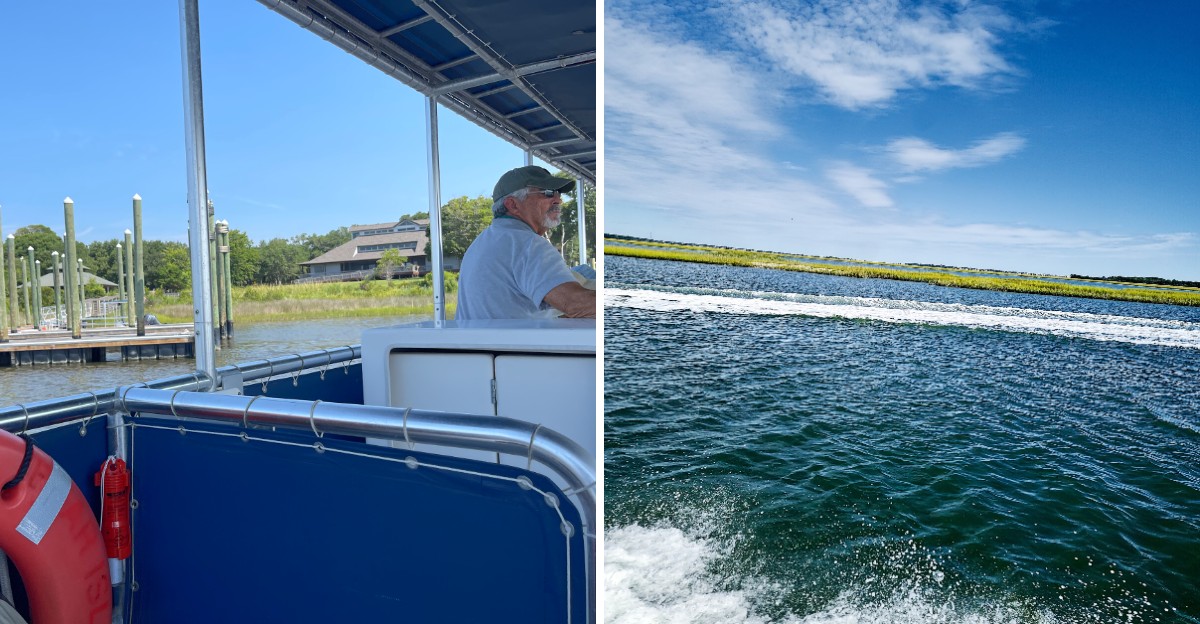
No road, no bridge, and no parking lot will get you onto this beach. You arrive by ferry, private boat, or your own two paddling arms.
Then comes a half-mile walk from the dock before you even see the ocean. I like how the island makes you earn that first look at the Atlantic.
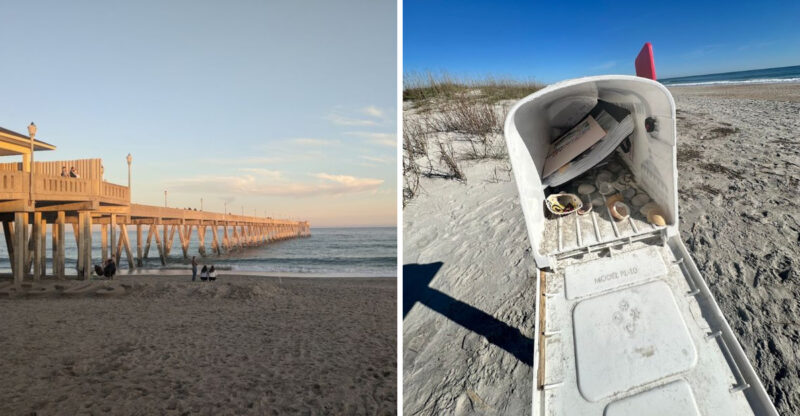
What waits on the other side is about four miles of undeveloped shoreline on the North Carolina coast. The buildings are few, the dunes are tall, and the sand dollars are plentiful.
Loggerhead sea turtles even come ashore to nest here in summer.
I can’t imagine a better place to lose cell bars on purpose. Pirates, Native American communities, and soldiers all found shelter on this sandy strip long before beach towels did.
So what does a beach this wild actually offer once you finally land?
Your Car Stays Behind, And Honestly, It Won’t Miss You
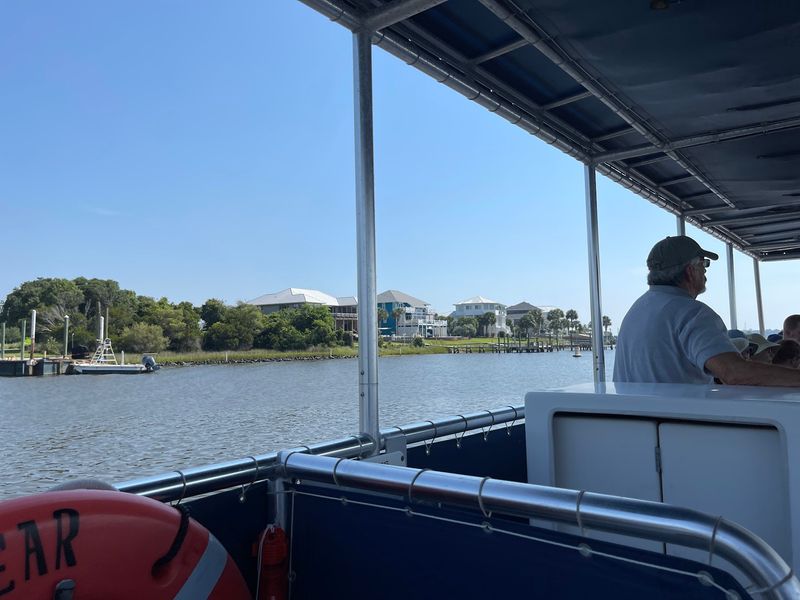
Bear Island has zero roads leading to it. That single fact shapes everything about a visit to this barrier island in Hammocks Beach State Park.
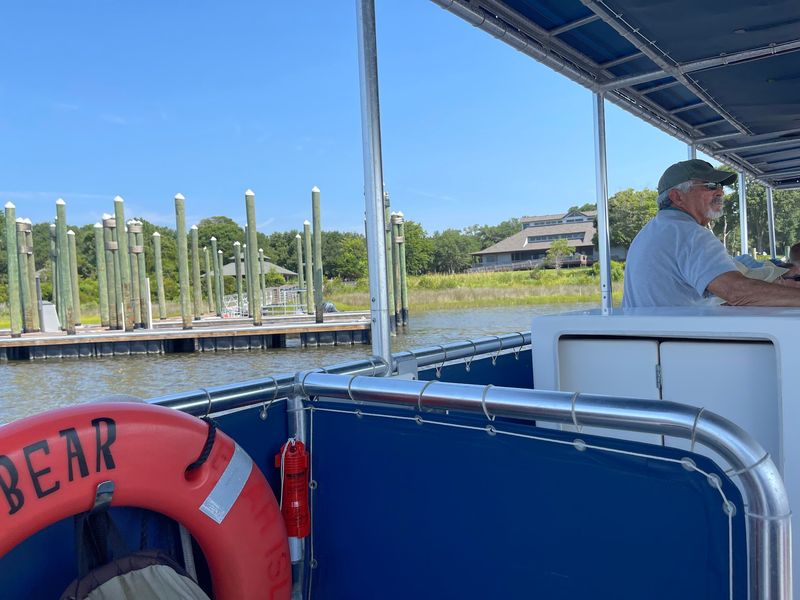
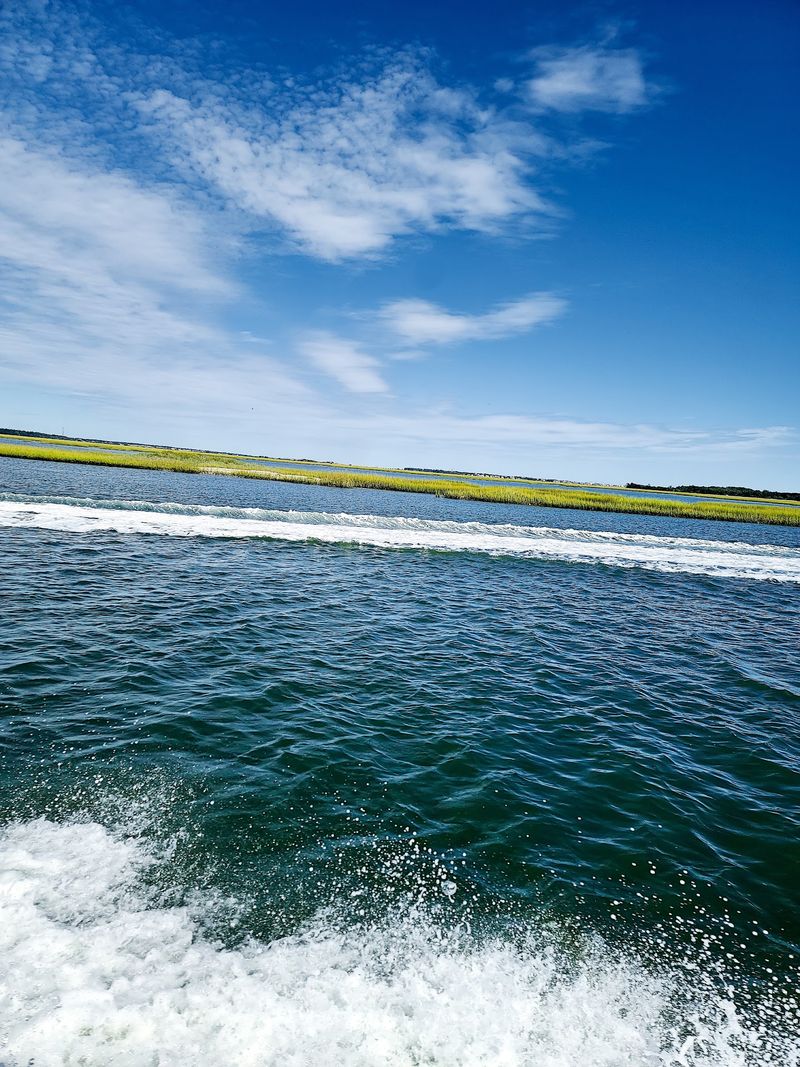
Most day-trippers ride the park’s seasonal passenger ferry from the mainland visitor area. The crossing runs across the Intracoastal Waterway and through winding salt marsh channels.
The ride takes roughly 15 to 20 minutes, which feels about right. It’s long enough to spot herons in the marsh, and sometimes bottlenose dolphins appear nearby.
Boaters can also come over in their own vessels. Paddlers have their own marked routes, which we’ll get to later.
The park’s passenger ferry is closed for the remainder of 2026, after its final scheduled day on October 26. During the off-season, visitors must arrange their own water transportation or paddle to Bear Island, and ferry travelers should check the park’s schedule before planning a future trip.
Collapsible carts and wagons are allowed on board, which helps a lot. Pets, kayaks, canoes, and paddleboards aren’t permitted on the ferry, though.
That rule matters if you’re planning a full family setup. Pack smart, roll your gear onto the boat, and let the marsh do the entertaining.
The Half-Mile Walk Is Part Of The Payoff
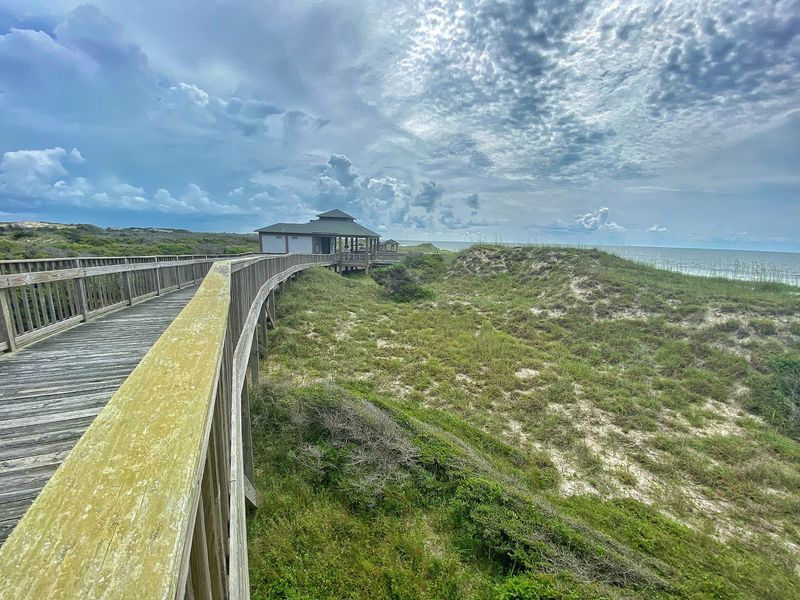
Stepping off the ferry doesn’t put you on the sand right away. A path of about half a mile leads from the island dock to the oceanfront.
Some folks groan when they hear that. Then the dunes open up, the Atlantic appears, and the complaints quietly disappear.
The route passes through the island’s interior landscape of shrubs and sandy ridges. It’s a nice preview of how wild the rest of the island feels.
Bug spray is a wise companion for this stretch. Sunscreen should ride along too, since shade gets scarce once you reach the beach.
Near the beach access, a bathhouse provides restrooms and showers during the warmer months. It’s scheduled to close for winter after November 15, 2026, so visitors should not count on those facilities during the off-season.
Families with little ones should plan for the trek. A wagon full of snacks and towels makes the walk much easier on tired legs.
Think of it as a short warm-up before a long, lazy beach day. By the time your toes hit the sand, you’ll feel like you truly arrived somewhere.
Four Miles Of Beach With Almost Nothing Built On It
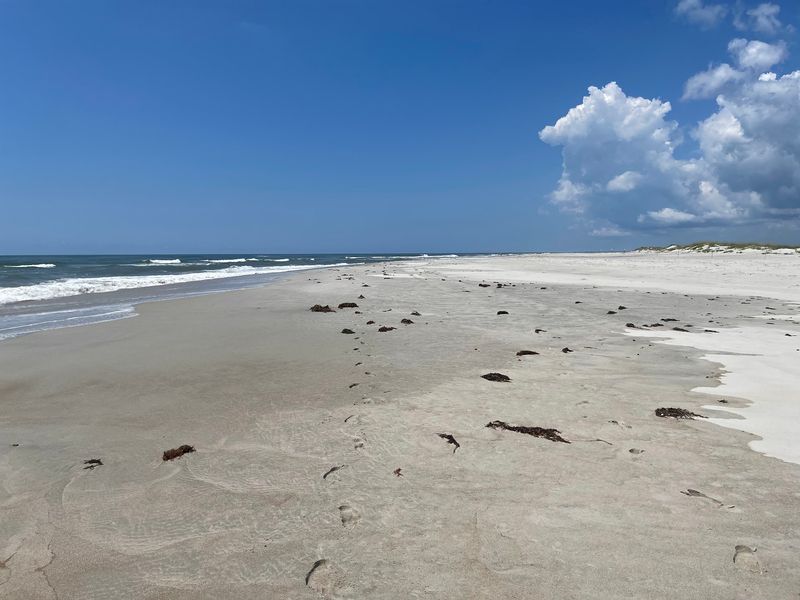
Hotels, rental houses, and souvenir shops simply aren’t part of the scenery here. Bear Island stretches about four miles, and nearly all of it stays undeveloped.
The island covers roughly 900 acres. Its landscape mixes high dunes, sand ridges, maritime forest, and thick shrubs.
Built structures are kept to a minimum. The main ones are a bathhouse and a seasonal concession stand near the beach access.
That leaves a lot of open sand for wandering. Walk far enough in either direction and the beach can feel like your own private coastline.
The sounds out here are mostly wind, waves, and seabirds. Nobody is blasting music from a balcony above you.
It’s a rare thing along the East Coast. So many beaches have filled in with buildings, but this one stays raw and natural.
Bring a chair, a book, and maybe a sense of wonder. The empty horizon does most of the work, and it does it beautifully.
Sea Turtles Picked This Beach Long Before We Did
Loggerhead sea turtles treat Bear Island like a nursery. The species is federally threatened, which makes this quiet beach especially valuable.
From around mid-May through late August, females crawl ashore at night. They dig nests above the high-tide line and lay their eggs.
The park works to protect these nests during the season. Giving any marked nest area plenty of space is the respectful thing to do.
Turtles aren’t the only locals, either. Brown pelicans, ospreys, and migrating shorebirds all use the island’s undisturbed habitat.
Watch the water and you might catch bottlenose dolphins cruising offshore. Closer to your feet, ghost crabs dart across the sand like tiny sprinters.
Raccoons and gray foxes live in the island’s inland areas too. Keeping food sealed is a good idea, especially if you’re camping.
A pair of binoculars can turn an ordinary beach walk into a wildlife show. Who knew a quiet island could be this busy?
Pirates And Teachers Both Shaped This Island’s Story
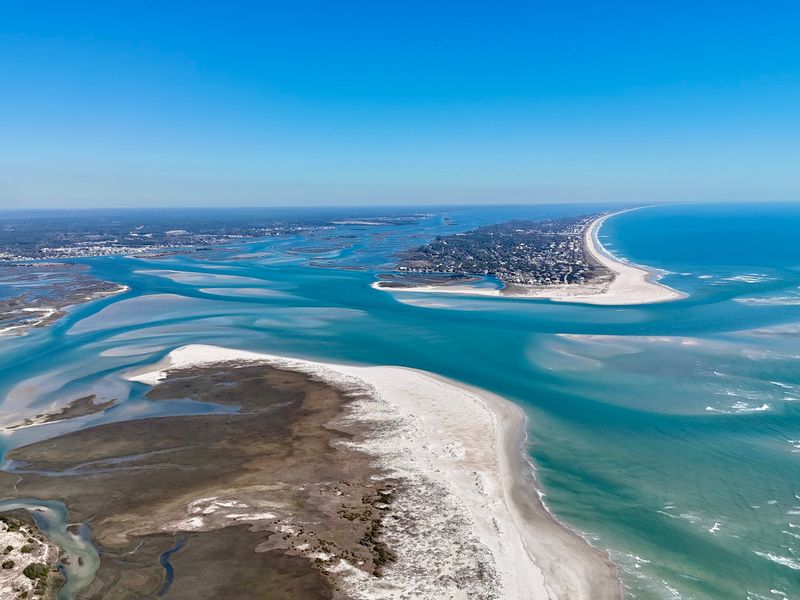
Bear Island has a long history that stretches well beyond its days as a state park. Its coastal location made it important to communities living along North Carolina’s waterways.
Indigenous communities used the surrounding coastal islands for activities such as fishing and hunting long before European settlement. Archaeological evidence continues to reveal details about that history.
The island also served as a military lookout spot. It played a role during the Civil War and again during World War II.
The 20th century brought an unexpected chapter. A New York neurosurgeon, Dr. William Sharpe, acquired the land for hunting.
Through his guide, the property was given to the North Carolina Teachers Association, an organization of African American educators. For years, it became a rare coastal retreat in the South that welcomed Black visitors.
The property became Hammocks Beach State Park in 1961, initially providing coastal recreation for African American visitors during segregation. Following the Civil Rights Act of 1964, the park opened to everyone.
That history adds real meaning to every footprint you leave in the sand.
Knowing the story first makes the visit richer. Few beaches can claim pirates, soldiers, and teachers in one timeline.
Sleep Behind The Dunes Where The Stars Take Over
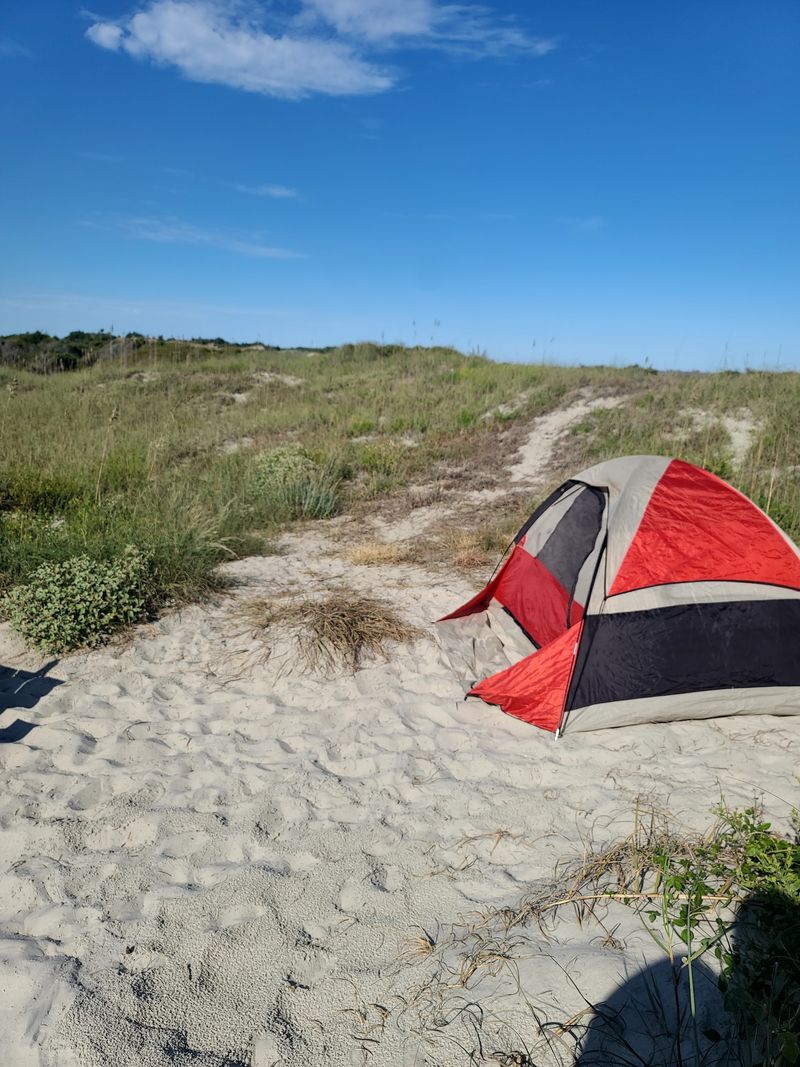
Night on Bear Island gets wonderfully dark. With no houses or streetlights nearby, the stars put on a serious show.
Bear Island offers primitive camping at oceanfront sites and a designated group campsite. Three additional sites on the sound side can be reached only by canoe, kayak, or private boat, and reservations are required.
Campers can reach their sites by ferry, private boat, or paddle craft. Some sites are reserved for boat-in campers, adding extra seclusion.
Restrooms, showers, and drinking water are available at the beach bathhouse during its operating season. The facilities are winterized from mid-November through March, so campers must bring their own water and prepare for limited amenities during those months.
Everything else is on you. Bring your own food, plenty of water, and gear, then pack out every scrap of trash.
Campfires aren’t allowed on the island. That rule keeps the dunes and wildlife safe, so plan meals that don’t need a fire.
Summer can be hot and buggy, so pack netting and repellent. Then wake up early for a sunrise over the ocean, with almost nobody else around.
Grab A Paddle And Earn Your Beach Day
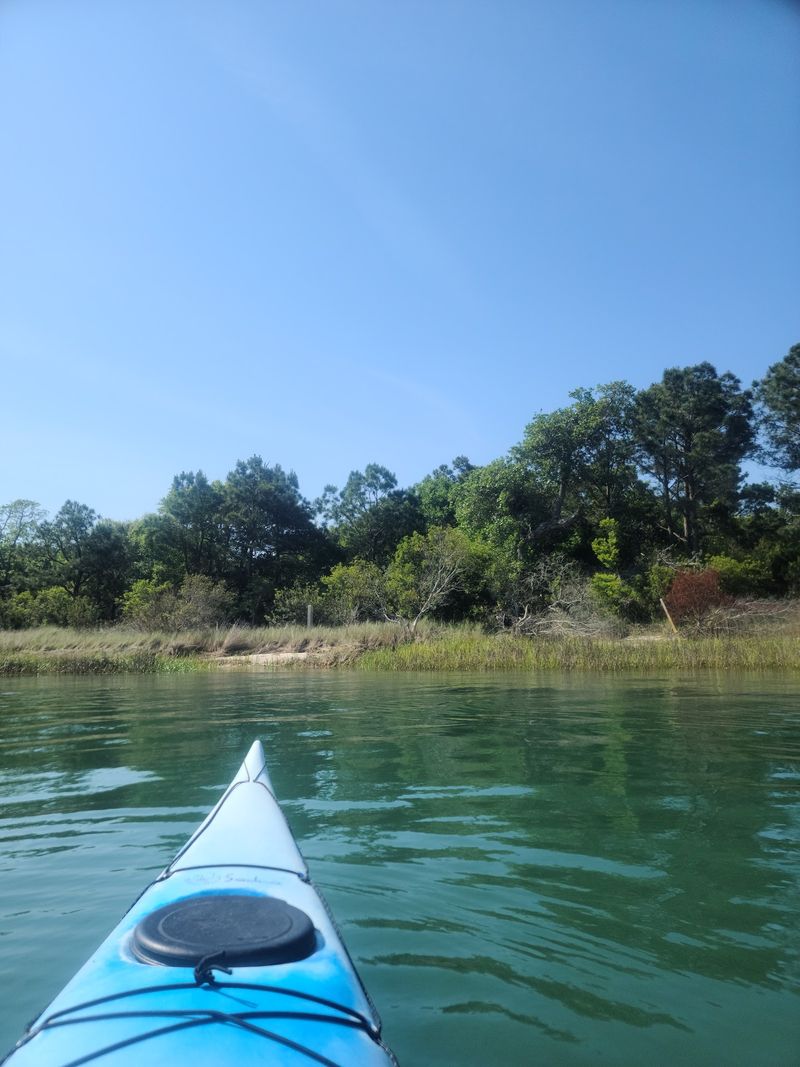
Feeling sporty? Paddling to Bear Island might be the most memorable way to arrive.
Hammocks Beach State Park maintains a network of marked paddle trails. They wind through quiet salt marshes between the mainland and the island.
The marked Bear Island paddle trail runs approximately 2.7 miles one way and is rated moderate, making it an adventure best planned around the tides and weather.
You can launch your own kayak or canoe from the park’s mainland area. Rentals for kayaks, canoes, and paddleboards are also available from a park concessionaire.
The marsh can get confusing fast, so stick to the marked trail. Every channel starts looking like every other channel after a while.
Tides matter a great deal out here. Check a tide chart before launching, since low water can turn channels into mud flats.
Paddling also lets you slip close to wading birds without engine noise. Few things beat climbing a dune after that trip and seeing the ocean.
Sand Dollars Show Up More Than You’d Expect
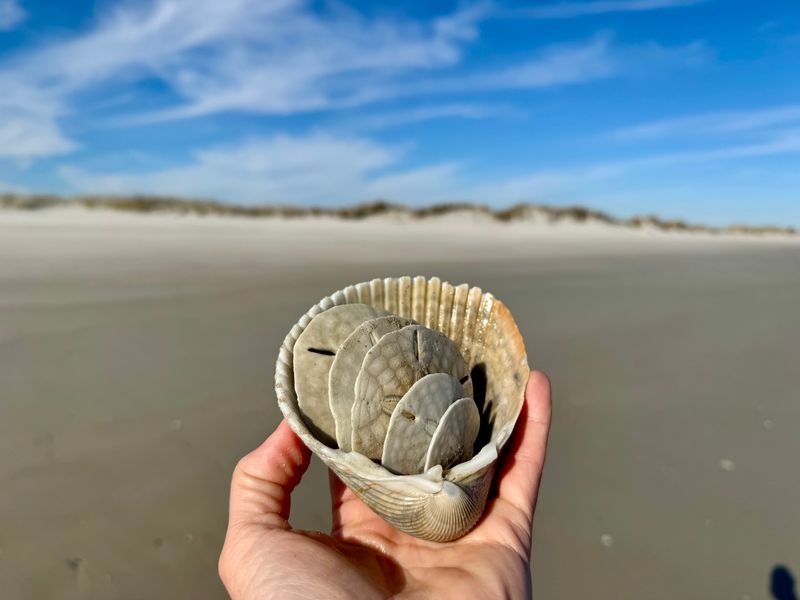
Shell hunters, this one’s for you. Bear Island’s wide, uncrowded beach gives up a nice variety of seashells.
Sand dollars are a favorite find here. Low tide is usually your best chance to spot them along the shoreline.
Walking farther from the main beach access can improve your luck. Fewer feet mean more untouched treasures waiting in the sand.
There are a few rules to keep in mind. Shells are fine to take home, but driftwood stays on the island.
Plants stay put too, whether living or dead. Those pieces help hold the beach and dunes together.
Make sure any shell you pocket is empty. A living creature belongs back in the water, not in your beach bag.
A small mesh bag makes collecting easy and lets sand fall out. Every tide reshuffles the beach, so the next walk could bring something brand new.
Pack Like You’re Heading Off The Grid, Because You Are
Planning ahead turns a good island day into a great one. Your trip starts at the mainland entrance of Hammocks Beach State Park.
The address is 1572 Hammocks Beach Road, Swansboro, NC 28584. From there, the ferry or your paddle carries you across to Bear Island.
The island concession stand typically runs from Memorial Day through Labor Day. It offers cold drinks and snacks, but don’t count on a full meal.
Bring more water than you think you’ll need. The North Carolina sun is strong, and shade is limited on the beach.
Sunscreen, hats, and bug spray belong on your checklist. A collapsible wagon helps on the half-mile walk from the dock.
Cell service can be spotty, so download maps and schedules beforehand. Telling someone your plans is smart, especially for paddlers and campers.
Leave pets at home if you’re riding the ferry. Then simply enjoy one of the wildest, most rewarding beach days on the coast.