This North Carolina Bird Park Has More Than 2,500 Birds And Lets Visitors Hand Feed Flamingos
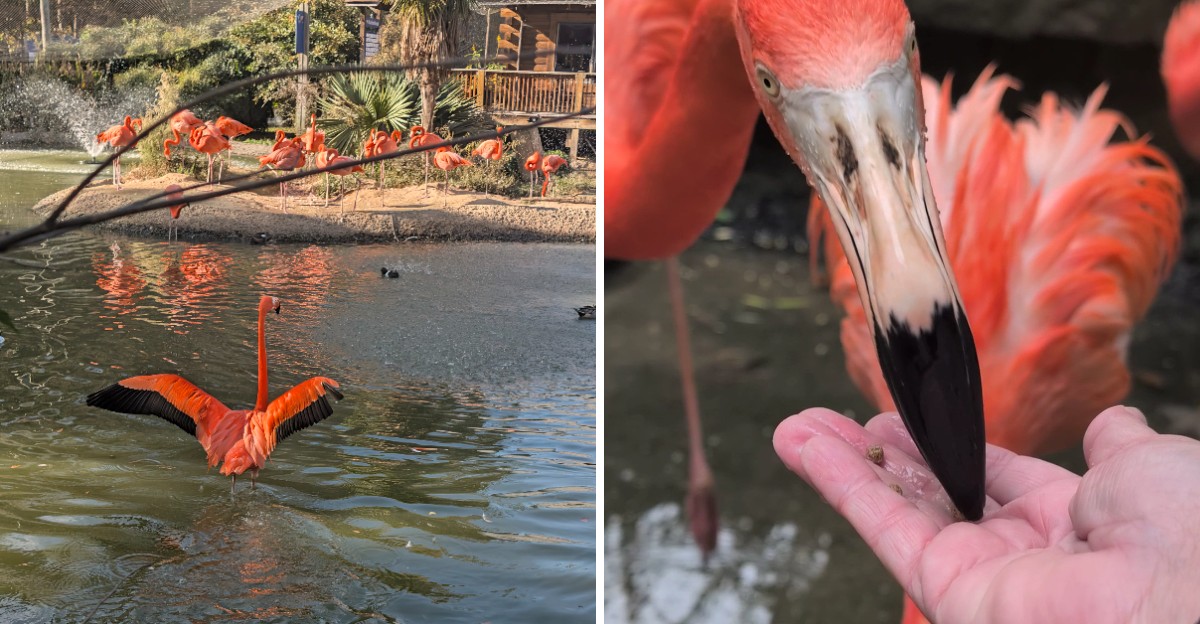
Getting hand-fed by a flamingo was not on my North Carolina bingo card, but I am suddenly very interested.
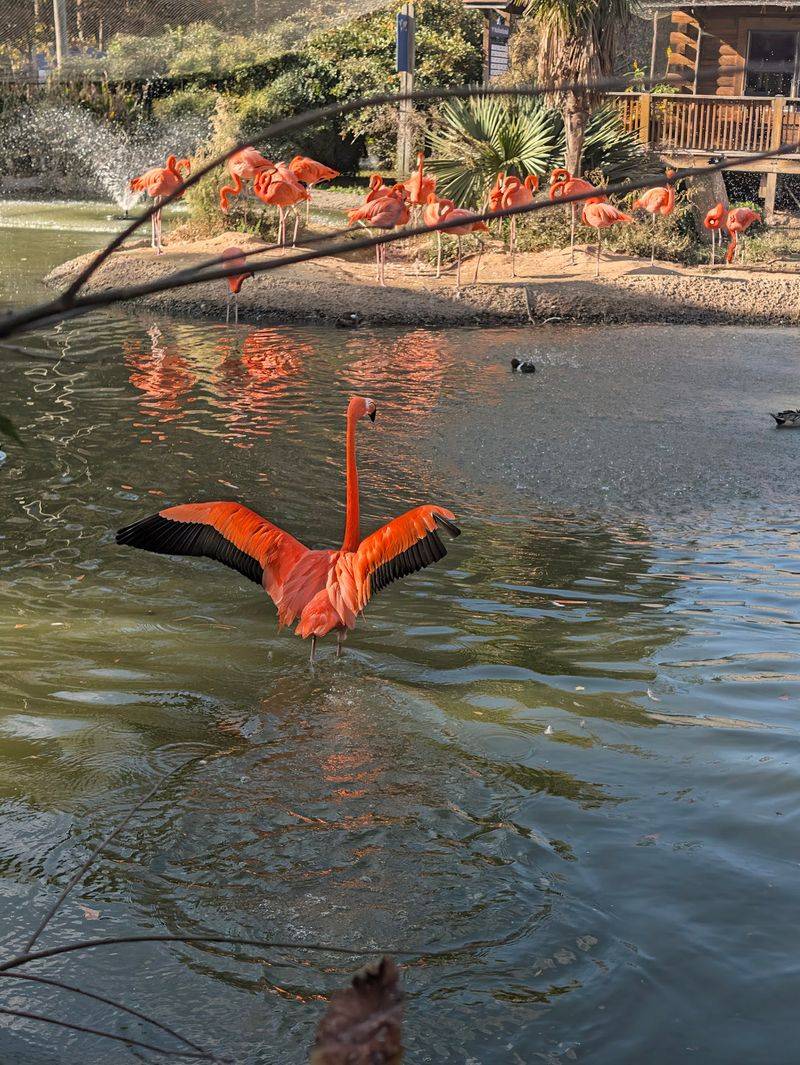
These bright pink birds will actually take food from your palm, which already sounds like enough chaos for one afternoon.
Then hundreds of parakeets join the equation.
They can land on shoulders and heads once the seed sticks come out, so personal space apparently ends at the entrance.
I’m fascinated by how quickly the place shifts from goofy to genuinely important.
More than 2,500 birds live here, including rare and endangered species that give the park a much bigger purpose than cute photos.
African penguins recently added even more personality to the mix.
I would probably arrive laughing at the flamingos and leave knowing far more about bird conservation than I expected.
Your Palm Is About To Become A Flamingo Snack Bar
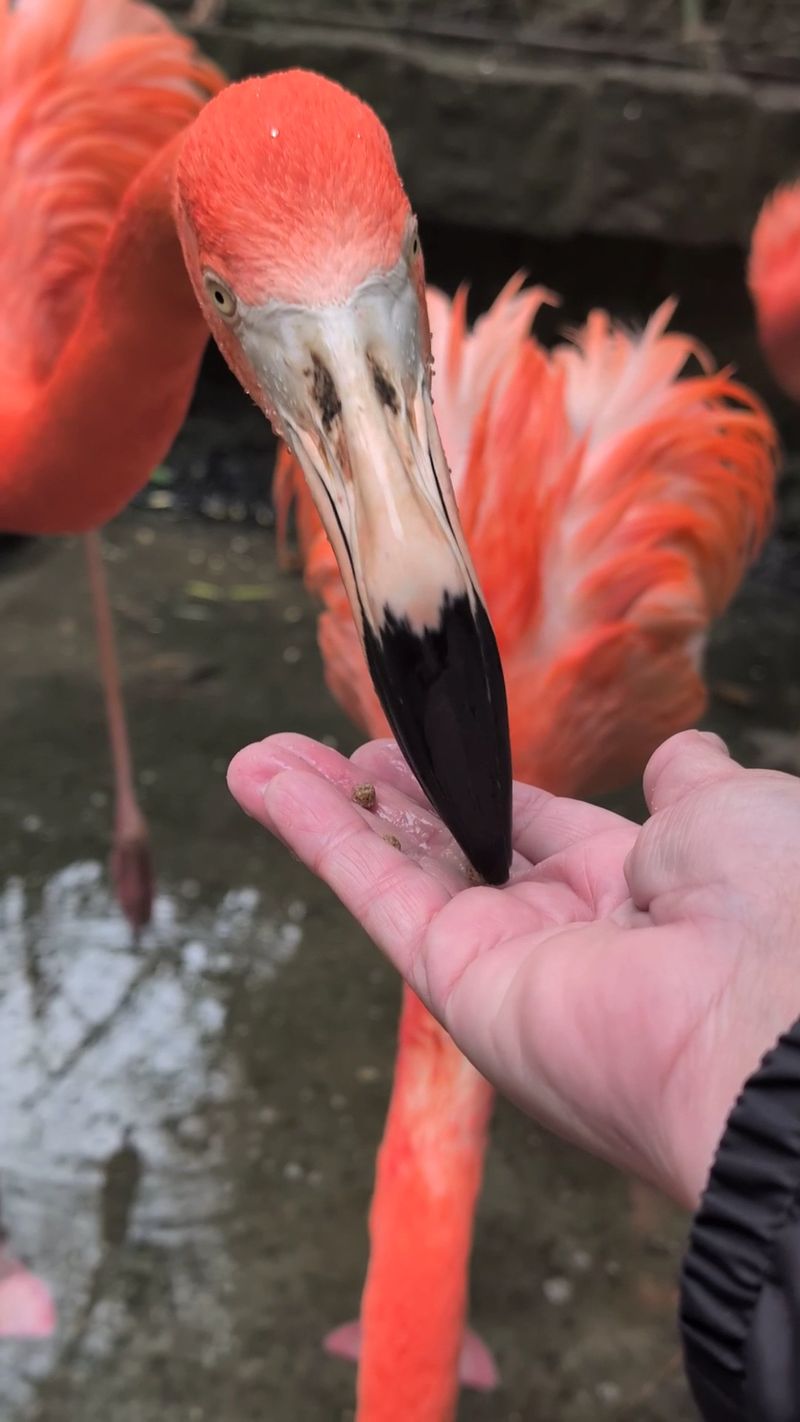
Flamingo beaks are built upside down for filter feeding, so watching one scoop food from your palm feels delightfully odd. At Sylvan Heights Bird Park, that odd moment is the main event for plenty of guests.
The hand-feeding happens inside The Landing Zone, an interactive aviary built for close encounters. A flock of Caribbean flamingos lives there, and they know exactly what that little cup of food means.
Here’s the practical part. You’ll buy the flamingo food at the Visitor Center before heading into the park.
Grab it on the way in so you don’t have to backtrack later.
Entry to The Landing Zone is included with general admission. Only the bird food costs extra, which keeps the whole thing pretty family-friendly.
Hold your hand flat and steady when a flamingo leans in. Quick movements can startle birds, and nobody wants a startled flamingo.
Keep your phone ready and use natural light when photographing the birds. Be mindful of their comfort and follow any photography instructions posted around the park.
Patience pays off with these long-legged diners. Some birds may be full, so give them a moment before deciding they’ve snubbed you.
Hundreds Of Parakeets Might Treat You Like A Perch
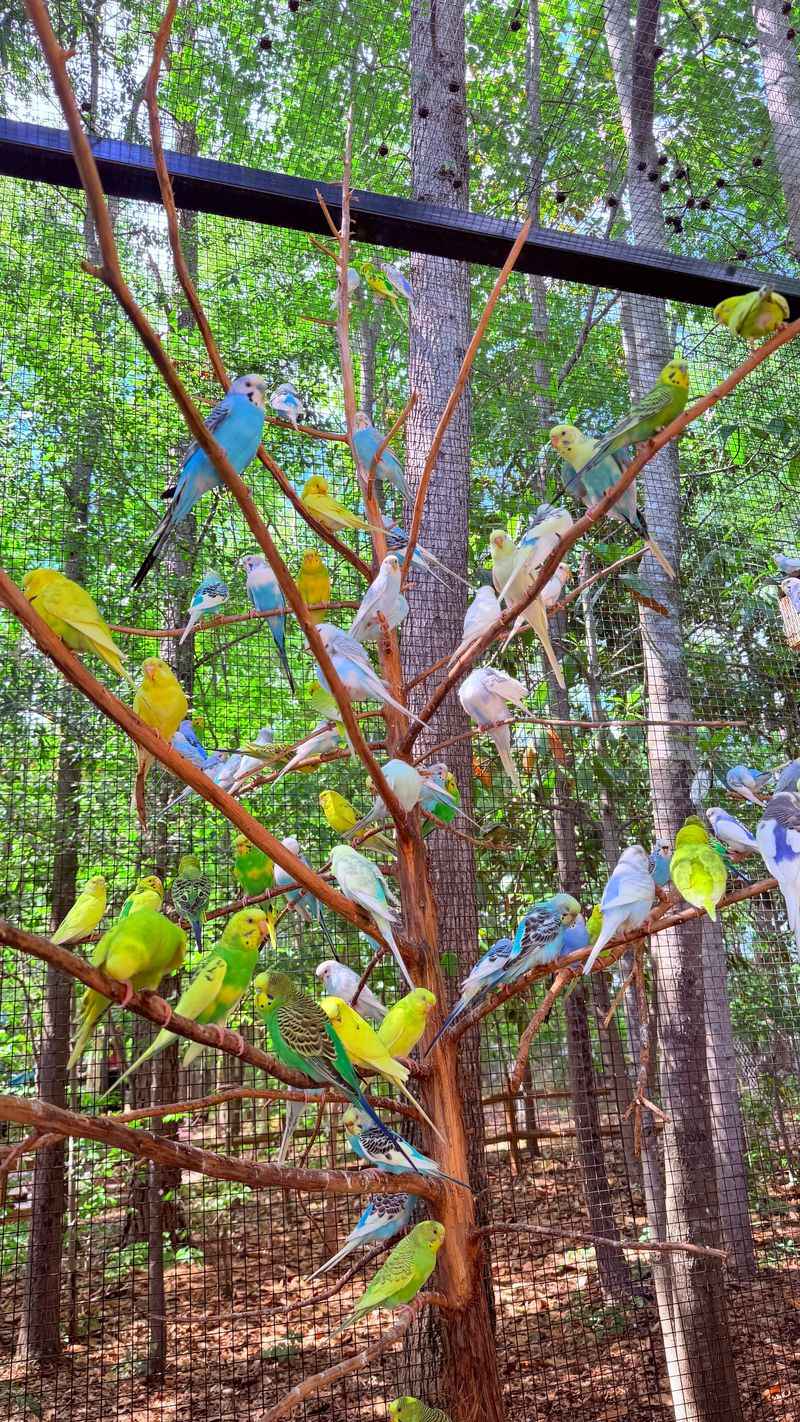
Bring a seed stick into The Landing Zone and watch your popularity skyrocket. Hundreds of parakeets share this aviary, and they aren’t shy about landing on hands, shoulders, or the top of your head.
Seed sticks are sold at the Visitor Center along with the flamingo food. Buy both at once and save yourself a second trip.
Kids usually squeal the moment the first bird touches down. Adults tend to squeal too, though they’ll deny it later.
The Landing Zone has set open hours during the day, with a break in the middle. Check the schedule when you arrive so you can plan around it.
Arriving earlier in the day is a smart move. This spot is easily the most popular area in the park, and space inside the aviary is limited.
Wear clothes you won’t mind getting a little dusty. Tiny feet and flapping wings come with the territory.
Keep your arm still once a parakeet settles on the stick. The calmer you stay, the longer your colorful new friends will hang around.
It’s a goofy, joyful few minutes that most families talk about all the way home.
Five Continents Of Birds Without Ever Showing A Passport
Africa, Australia, Eurasia, North America, and South America all fit inside one rural park in North Carolina. That’s the clever setup behind the continent-themed walk-through aviaries here.
Each zone gathers birds from one part of the world. You walk right through the exhibits, often with netting overhead and birds moving around you.
That design makes a huge difference. Instead of peering through glass, you share the path with ducks, geese, and other species going about their day.
Signs help you keep track of who’s who. Every bird gets an informative label, which is handy when you’re staring at a duck you’ve never seen before.
Plan to move slowly through each continent. Many birds hide in plants or float quietly at the back of a pond.
A pair of binoculars can really help here. Small details on feathers and bills pop out when you get a closer view.
Try picking a favorite bird from every continent as you go. It turns the walk into a fun game, especially for kids who need a little motivation between snack breaks.
Set your GPS for 500 Sylvan Heights Park Way, Scotland Neck, NC 27874. The park sits in eastern North Carolina, so many visitors turn it into a day trip.
Toucans And Turacos Bring The Tropics To Halifax County
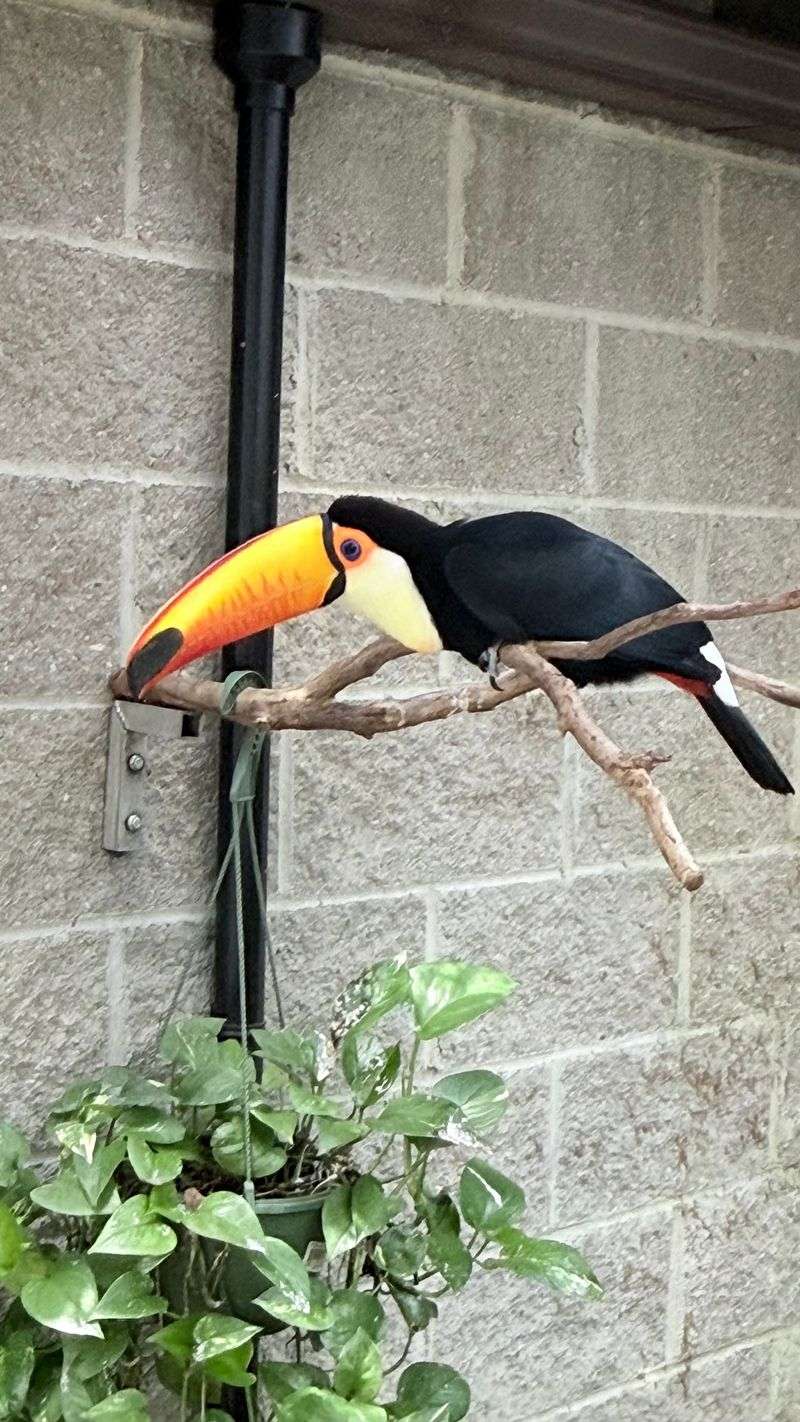
Big orange bills are hard to miss, even in a jungle of leaves. Wings of the Tropics shows off toucans, finches, and turacos among lush tropical plants.
Turacos might be the best surprise of the bunch. Their bright feathers look almost painted, and plenty of visitors meet one for the first time here.
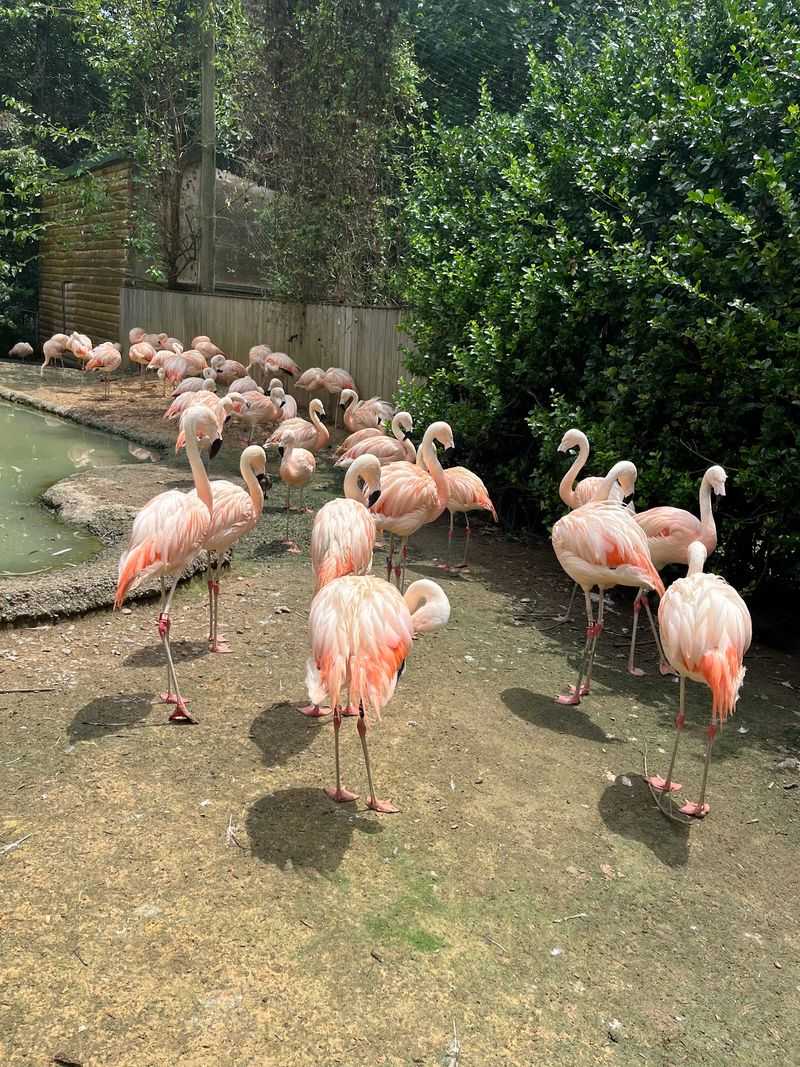
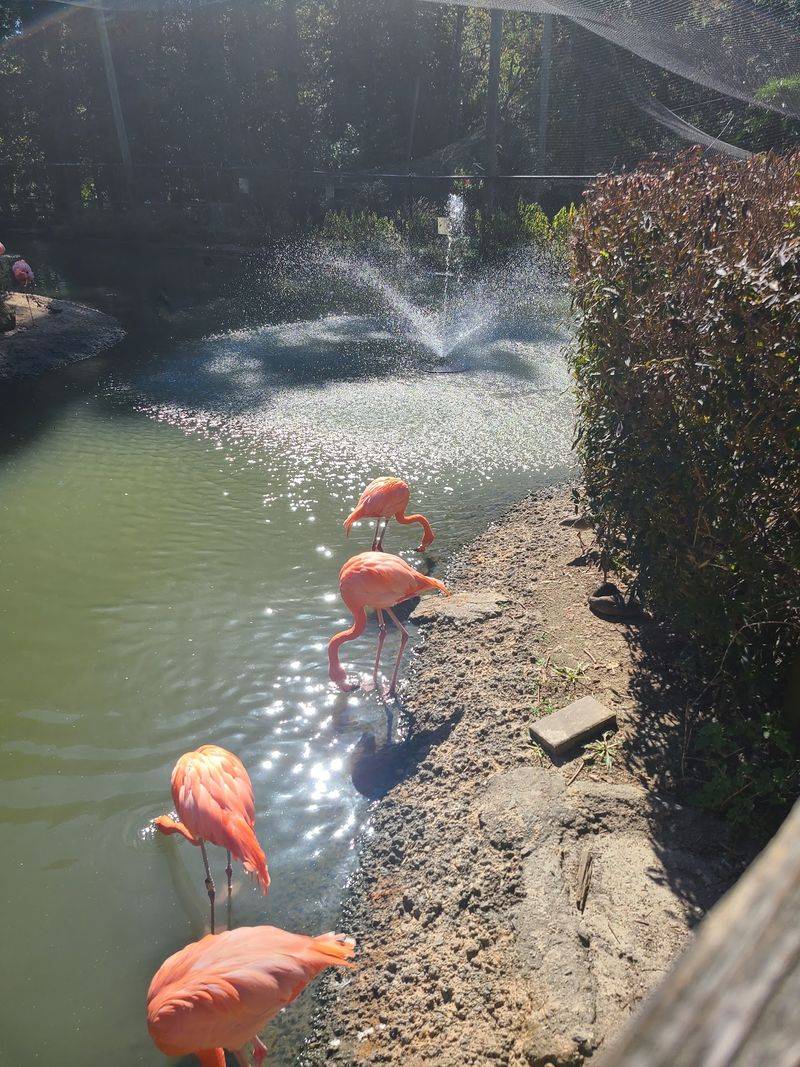
Then there’s the Multinational Aviary, which takes a different approach. Waterfowl from several regions share this space, often with a flock of American flamingos at the center.
You’ll find flamingos in more than one part of the park. The Landing Zone offers close encounters with Caribbean flamingos, while the Multinational Aviary features American flamingos, another name for the same species.
Bird lovers should spend real time in these areas. Small finches flit around quickly, so watching quietly rewards you with more sightings.
Photographers will love the colors against all that green. Just remember the no-flash rule and let natural light do the work.
Little ones can play a color hunt here. Ask them to spot something red, yellow, and blue before you leave, and watch how carefully they suddenly start looking.
Penguins Waddled In And Stole Some Of The Spotlight
Ducks and geese made this place famous, but newcomers in tuxedos have joined the crew. Penguin Point is the park’s new exhibit for African penguins.
African penguins are classified as critically endangered, which makes their arrival especially meaningful to the park’s conservation mission. Sylvan Heights Bird Park focuses on protecting rare birds, and these little swimmers add a fresh chapter to that story.
The penguins also bring a different kind of fun. Watching them hop, swim, and stand around looking important is surprisingly entertaining.
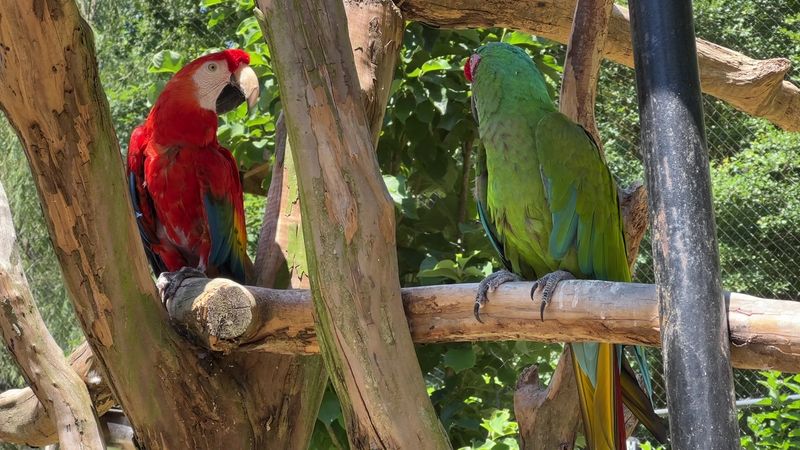
Plenty of other birds deserve attention too. You’ll find cranes, colorful parrots and macaws, owls, and even emus around the grounds.
Many species here are hard to find in other parks. That variety is a big reason bird watchers make the trip from all over.
Keep an eye out for scheduled bird talks during your visit. Staff share stories about specific species, and those chats can turn a quick look into real understanding.
Penguin Point may become a new family favorite. Still, don’t rush past the quieter exhibits, because some of the rarest birds aren’t the loudest ones.
A Treehouse And Wetland Trails Offer A Quieter Kind Of Wild
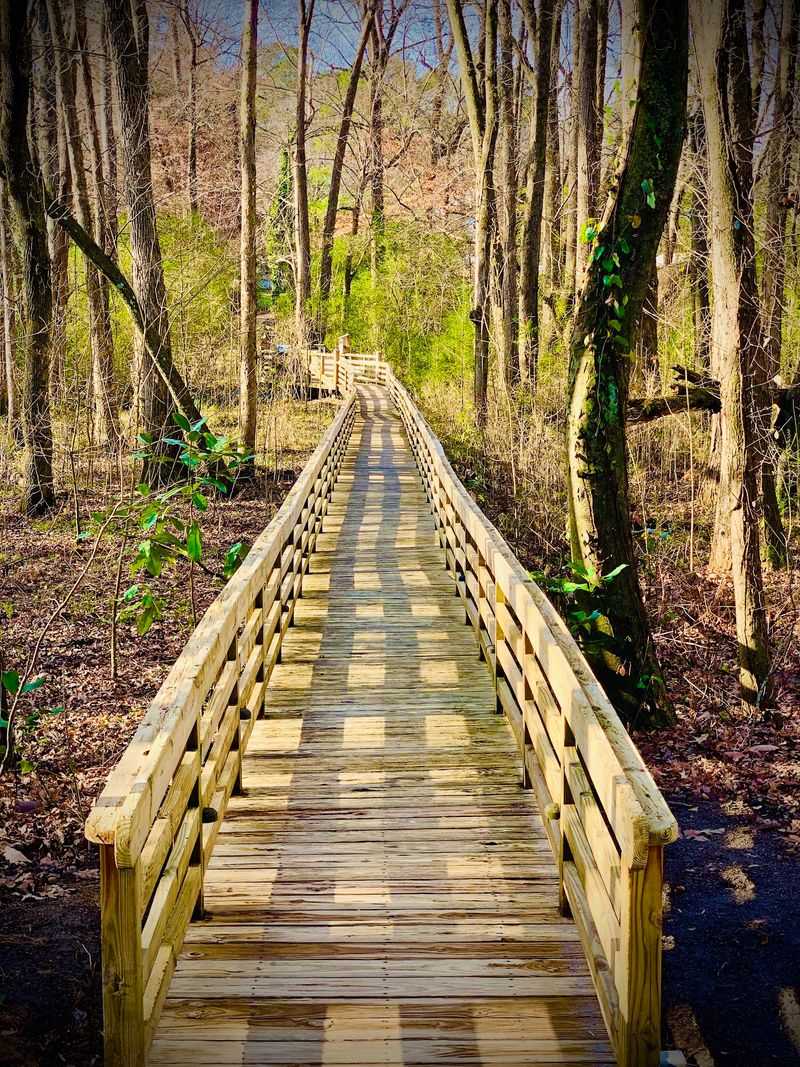
After all that flapping and squawking, a quiet trail can feel like a deep breath. The Wetland Safari and Nature Trails lead you into native North Carolina wildlife habitat.
Wild animals don’t follow a schedule, so sightings are never guaranteed. That’s part of the charm, though, because every walk can turn up something different.
The Beaver Pond Blind gives you a hidden spot to watch the water. Stay quiet, settle in, and see what moves.
An accessible treehouse also overlooks the park’s natural wetlands. It’s a fun change in view, and kids tend to love anything called a treehouse.
The park covers about 28 acres. Roughly a mile of paved paths makes it easy for strollers and wheelchairs to get around.
Benches show up often along the way. That’s great news for grandparents, tired toddlers, and anyone who wants to sit and listen for a minute.
Trees shade parts of the grounds, which helps on warm days. Still, bring water and sunscreen, especially during the hotter months of the year.
Packing A Picnic Is Totally Allowed Here
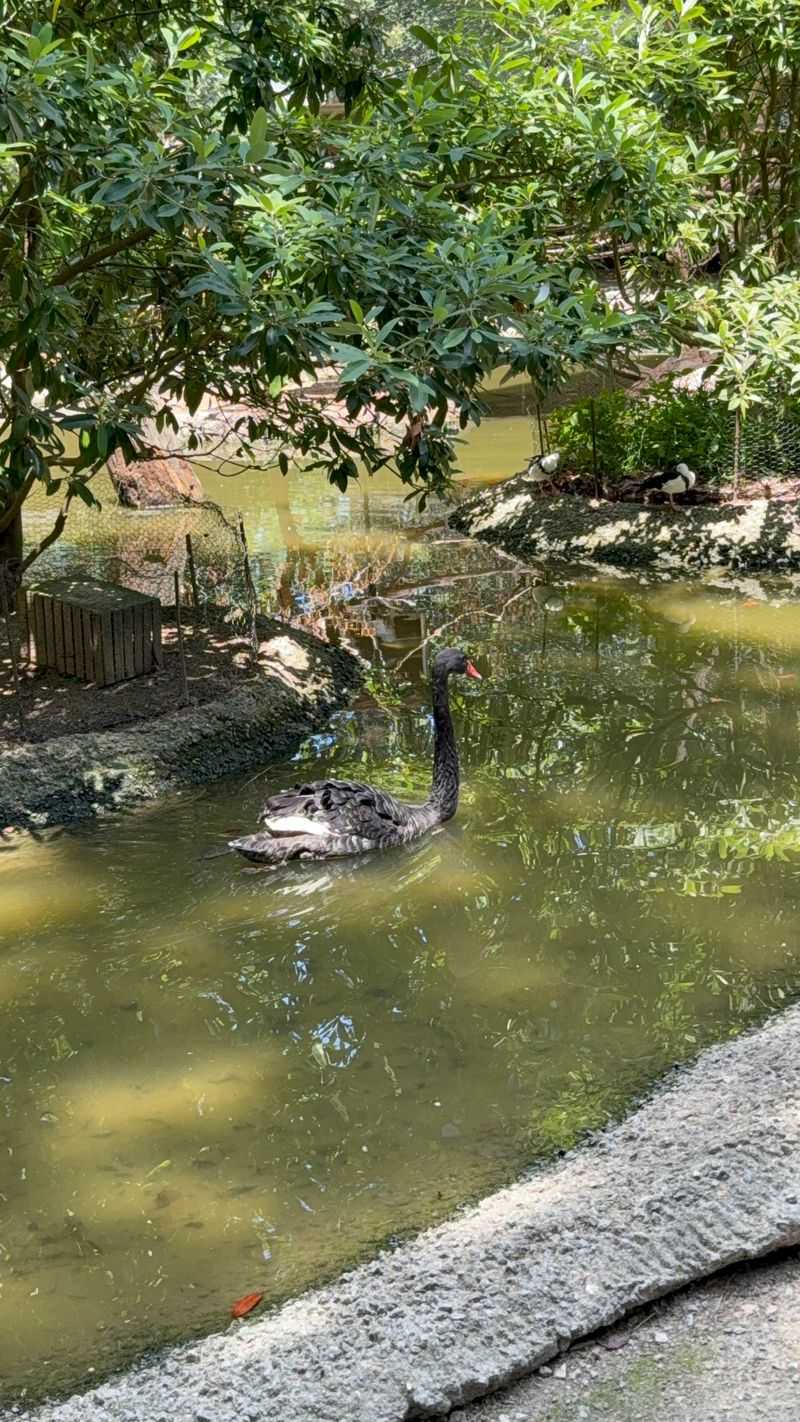
Plenty of family attractions frown on outside food. Sylvan Heights Bird Park happily welcomes your packed lunch, which can save both money and meltdowns.
Shaded picnic areas and tables are scattered around the grounds. Spread out your sandwiches and enjoy a break between aviaries.
Prefer someone else to handle lunch? Duck Landing Cafe serves quick bites like hot dogs, sandwiches, snacks, and ice cream.
The cafe runs seasonally, so its hours may change through the year. Checking ahead keeps you from planning around a hot dog that isn’t available.
A cooler in the car is a solid backup plan. The park sits in a rural area, so nearby food options aren’t as plentiful as in a big city.
Ice cream makes a great reward after a long walk. It’s also a handy bargaining chip for kids who aren’t quite done looking at ducks.
A playground offers another spot for little ones to burn energy after eating. Grown-ups can relax nearby while the kids climb and the birds keep chattering in the background.
One Couple’s Love Of Waterfowl Started All Of This
Mike and Ali Lubbock came from England with a huge passion for rare waterfowl. They began their work in North Carolina in 1981.
In 1989, they moved their collection to Scotland Neck. That’s where they started the Sylvan Heights Avian Breeding Center.
The public park opened in 2006, sharing their mission with everyday visitors. Today it’s home to one of the world’s largest collections of rare and endangered waterfowl.
Mike Lubbock earned the nickname The Waterfowl Man. He received many World First Breeding Awards for his success raising birds that had never bred in human care before.
He passed away in September 2024. His work continues through the park and its focus on protecting species at risk.
Knowing this backstory changes how the visit feels. Those quiet ducks might be some of the rarest birds you’ll ever see.
So take a second at each exhibit to read the signs. Every bird has a story, and many of them connect to a much bigger effort to keep their species around for future generations.
Smart Planning Means More Time With The Birds
Doors open at 9 a.m. from Tuesday through Sunday. The park is closed Mondays, so don’t build your weekend around a Monday visit.
Hours stretch longer in spring and summer. From April to October, closing time is 5 p.m., while winter months wrap up at 4 p.m.
Give yourself at least two hours. Honestly, half a day feels better if you want to linger at every aviary.
Most visits are self-guided, so you can wander at your own speed. Guided tours, including golf cart options, need advance reservations and an extra fee.
Families with sensory needs can use sensory kits and quiet areas. That thoughtful touch helps everyone enjoy the day comfortably.
Every season shows something new. Spring brings nesting birds, while fall and winter feature waterfowl in their best feathers.
Honestly, that’s a pretty great excuse to come back more than once.