This North Carolina Bookstore Turns Banned Books And Challenged Reads Into Its Boldest Calling Card
Books are not supposed to feel haunted, but banned ones definitely know how to lurk.
In North Carolina, one independent bookstore has made forbidden reads feel less like dusty homework and more like literary mischief with a spine.
Shelves here come with a little rebel energy.
The kind that makes a book look innocent until someone tries to ban it, and then suddenly everyone wants to know what the fuss is about.
That is the funny little curse of challenged books.
Tell readers they should not look, and congratulations, the book just became ten times more interesting.
This worker-owned shop leans into that energy with purpose, pride, and just enough spooky defiance to make every shelf feel like it is whispering, “Go ahead. Open me.”
For anyone who likes bookstores with brains, backbone, and a little haunted-library attitude, this place makes silence look seriously boring.
This Asheville Bookstore Makes Challenged Reads Feel Urgent
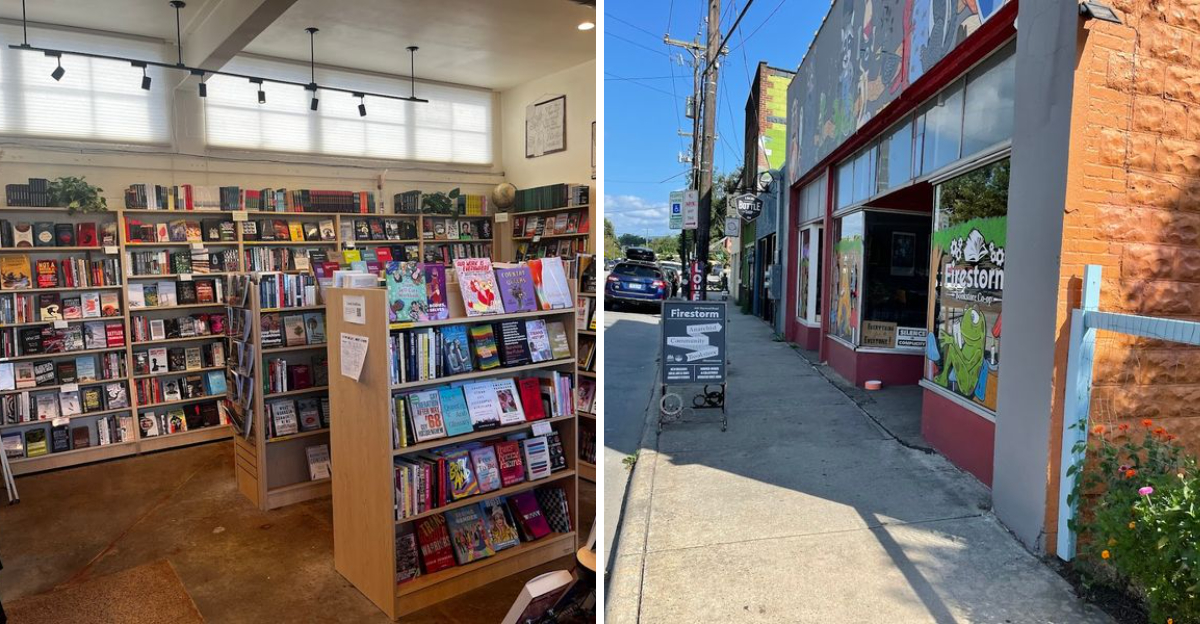
Haywood Road gives Firestorm Books a neighborhood setting, but the shelves make the mission clear before long.
The shop’s current address is 1022 Haywood Road, Asheville, NC 28806, in West Asheville’s busy corridor of local businesses, coffee stops, restaurants, and creative spaces.
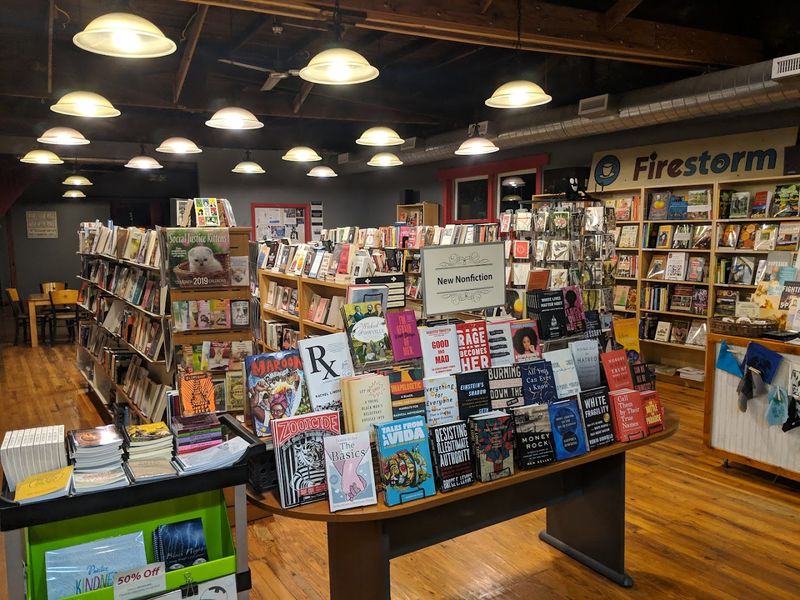
Inside, challenged reads do not feel like a side display created for one awareness week. They fit naturally into a larger collection shaped around voices that often face censorship, dismissal, or political pressure.
Queer literature, radical history, social justice, prison abolition, community organizing, independent fiction, and children’s books all help create that wider context.
Browsing here can feel personal because the curation keeps asking what gets labeled dangerous and who benefits when certain books disappear from public view.
Firestorm does not need to make every title feel dramatic. The work is in the selection, the placement, and the confidence of stocking books with something at stake.
For readers who care about access, representation, and intellectual freedom, the urgency is built into the room.
The Banned Books Story Gives The Shelves Extra Weight
Challenged books became an even bigger part of Firestorm’s public identity after the cooperative received 22,500 books removed from Duval County Public Schools in Florida.
Instead of letting those copies vanish into storage or private resale, Firestorm launched the Banned Books Back! project to redistribute them at no cost to youth and allies, especially in Florida.
The campaign has since concluded, with Firestorm reporting that all received books were distributed. That ending makes the story stronger, not smaller.
A huge shipment of books that had been removed from school circulation found new readers through a small North Carolina cooperative with a national sense of responsibility.
Many titles involved stories and identities often targeted in censorship efforts, including books centering LGBTQ+ characters, race, history, and marginalized communities.
Knowing that history changes the way a visitor understands the shelves. Books here are not only products.
Many represent an argument about access, care, and resistance. Firestorm’s role in that redistribution effort gave the store a reputation far beyond Asheville.
You Feel The Mission Before The First Title Sinks In
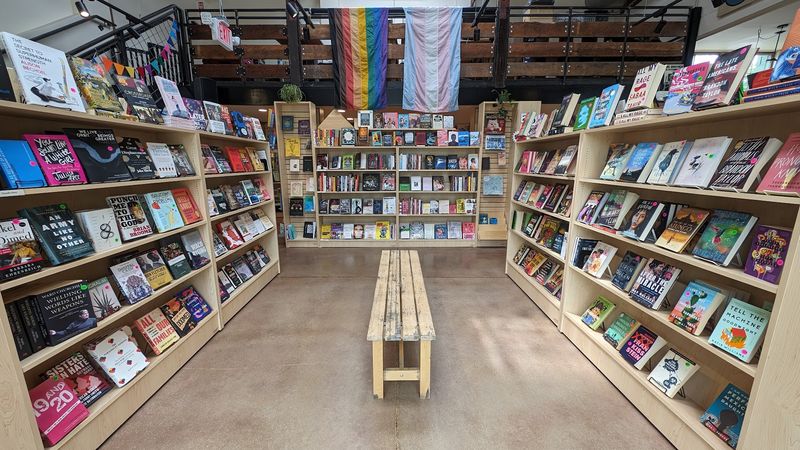
Purpose shows up quickly here, even before a visitor settles on a book to buy. Firestorm operates as a worker-owned and self-managed cooperative, which gives the space a different feeling from stores built around top-down retail polish.
Staff members are not simply selling whatever corporate buying trends suggest for the season. The collective’s identity shapes the inventory, the events, the displays, and the way the store understands its role in Asheville.
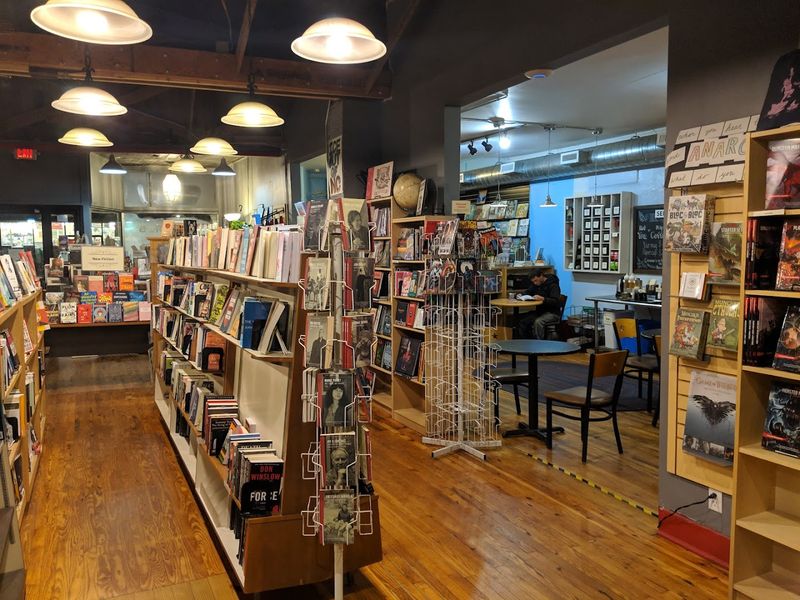
Handmade signs, focused sections, community flyers, and carefully chosen books all create a sense of intention. Nothing feels random, even when the selection is wide.
Firestorm describes itself as a radical bookstore and community event space, and both halves matter. Readers may walk in for a novel, but they are also entering a place that hosts discussions, supports mutual aid, and treats books as tools for connection.
That atmosphere makes browsing slower and more thoughtful. The mission does not need to be shouted from every corner.
It becomes obvious through what the store chooses to make visible.
Free-Speech Energy Runs Through The Whole Shop
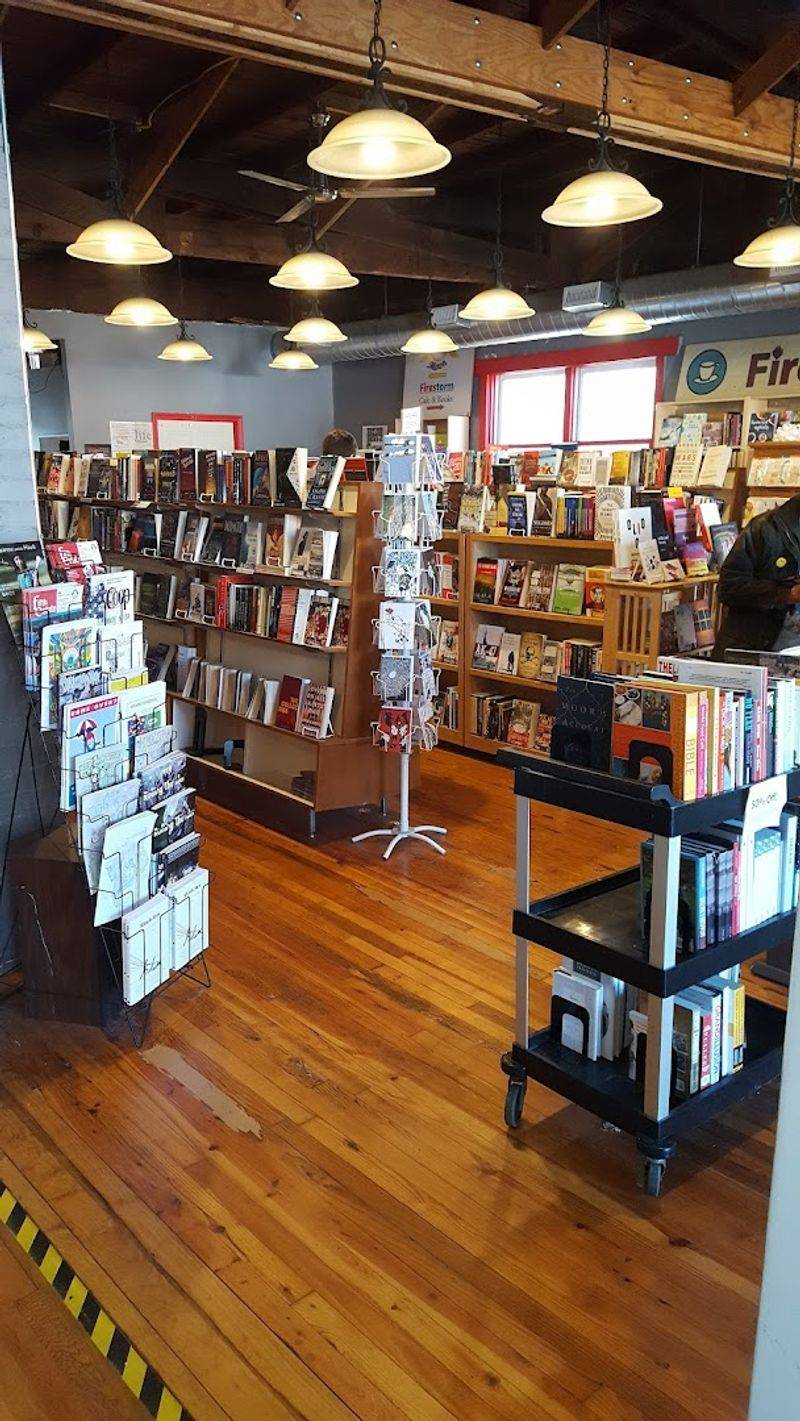
Free expression feels practical at Firestorm, not abstract. The shop’s work around book access has extended beyond bookstore shelves and into prison book advocacy, where restrictions can determine whether incarcerated readers receive free literature at all.
In 2026, Firestorm joined Asheville Prison Books and others in a legal challenge involving South Carolina Department of Corrections rules that limited book access to approved commercial vendors.
Advocates argued those restrictions harmed nonprofits and independent bookstores that send free books to incarcerated people.
That kind of action shows how seriously the collective treats literature as a public good rather than a luxury item. Inside the bookstore, the same energy appears in sections devoted to political education, queer voices, liberation movements, banned books, and community survival.
The collection does not feel curated for shock value. It feels curated for usefulness, honesty, and intellectual freedom.
Readers who want safe, glossy neutrality may be surprised. Readers who want books with conviction will understand quickly.
Firestorm’s free-speech energy comes from doing the work, not just displaying the slogan.
The West Asheville Location Adds Neighborhood Character
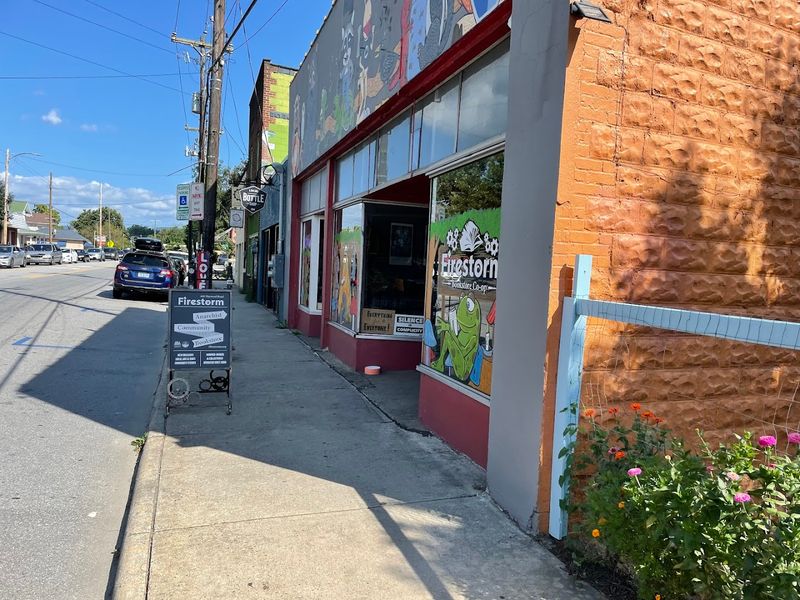
West Asheville gives Firestorm the right kind of backdrop. Haywood Road has long carried an independent streak, with small businesses, food spots, music culture, art, and walkable pockets that reward slow wandering.
A bookstore like Firestorm fits that rhythm because it does not feel separated from the street around it. It feels embedded in the neighborhood’s creative and community-minded character.
Visitors can stop at 1022 Haywood Road, browse for a while, then turn the trip into a longer West Asheville afternoon. Nearby cafes, shops, and restaurants make it easy to pair a book run with coffee, lunch, or a second round of browsing after thinking about the first stack.
Current hours should be checked before going, since independent shops and community spaces can adjust schedules around staffing, events, and local needs. Still, the setting itself adds to the experience.
Firestorm is not a sterile bookstore dropped into any city. It belongs to this stretch of Asheville, where local identity and independent culture already shape the walk.
Readers Find More Than A Normal Bookstore Browse
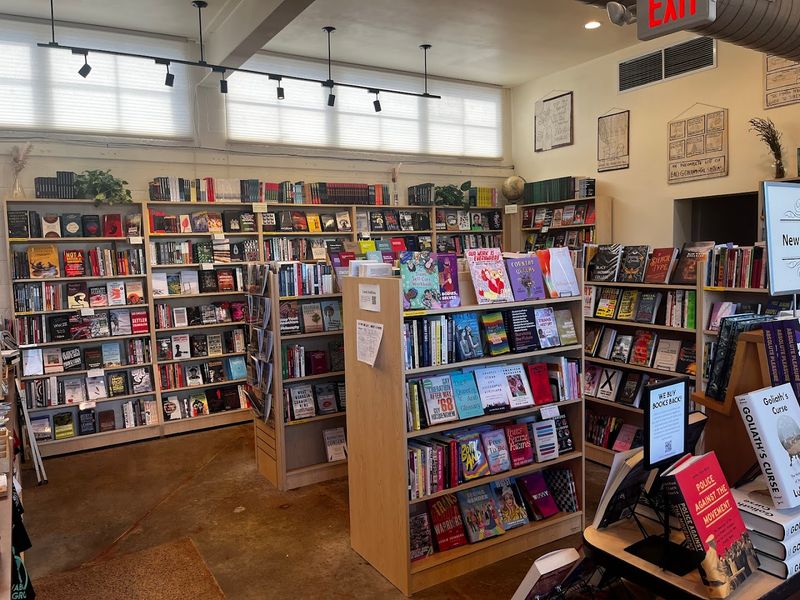
Events and community programs make Firestorm feel larger than its square footage. The shop describes itself not only as a bookstore but also as a not-for-profit community event space, which changes what a visit can become.
Author talks, workshops, discussion groups, fundraisers, skill shares, and movement-related gatherings all help the space function as more than a retail stop.
Readers can still enjoy the simple pleasure of pulling a book from a shelf, but the room also carries the energy of people meeting, learning, organizing, and sharing resources.
That layered use makes the store especially valuable in a city with a strong creative and activist presence. A Community Sustainers model also gives supporters a way to help keep the project going beyond individual purchases.
Instead of depending only on bestseller traffic, Firestorm leans into community backing and shared investment. For visitors, that means the browse may feel different from the start.
Buying a book here can feel connected to a wider ecosystem of events, mutual aid, and local care.
The 22,000-Book Campaign Still Shapes Its Reputation
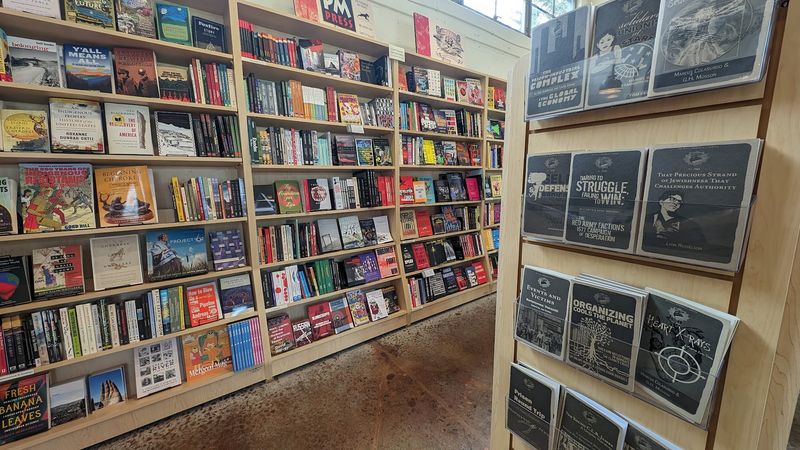
After Firestorm accepted the Duval County books, the number alone helped the story travel. More than 22,000 removed books are not easy to ignore, especially when they came from a public school system at the center of wider censorship debates.
Firestorm’s Banned Books Back! campaign turned that mass removal into a redistribution project, sending books back out to young readers and allies for free until the campaign was complete. That effort still shapes how many people first hear about the store.
Someone may never have visited Asheville, yet know Firestorm as the cooperative that helped banned books find new homes.
Such recognition can be complicated for a small shop, because national attention often arrives with logistical pressure, donations, questions, and expectations.
Firestorm’s response made the mission visible: literature should circulate, especially when the books being removed speak to identities and histories that young people deserve to encounter. The campaign gave the bookstore a lasting reputation for action.
In a national debate about access, this North Carolina shop did more than comment.
This Shop Turns Book Browsing Into A Point Of View
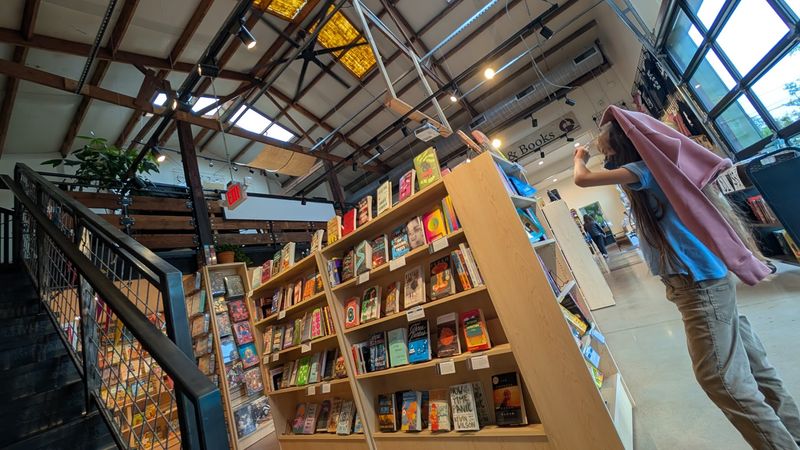
Browsing here feels less like drifting through inventory and more like entering an argument for what books can do.
Firestorm’s shelves make room for titles that challenge power, preserve memory, explore identity, imagine different futures, and give readers language for experiences mainstream retail often sidelines.
That does not mean every book is heavy or academic. Fiction, poetry, children’s books, zines, practical guides, memoirs, and community-focused nonfiction all appear in the mix.
The point is that the selection has a pulse. Staff choices, outward-facing covers, focused displays, and event connections help visitors understand the store’s values without needing a formal tour.
Travelers looking for a souvenir may leave with something more meaningful than a postcard. Locals may find a book that names a feeling or question they had not yet put into words.
Firestorm turns the ordinary act of browsing into a sharper experience because each shelf seems to ask what stories are worth protecting. For many readers, that question is the real reason to go.