This 1788 North Carolina Church Just Reopened And It’s The Only Surviving German Colonial Church Of Its Kind In America
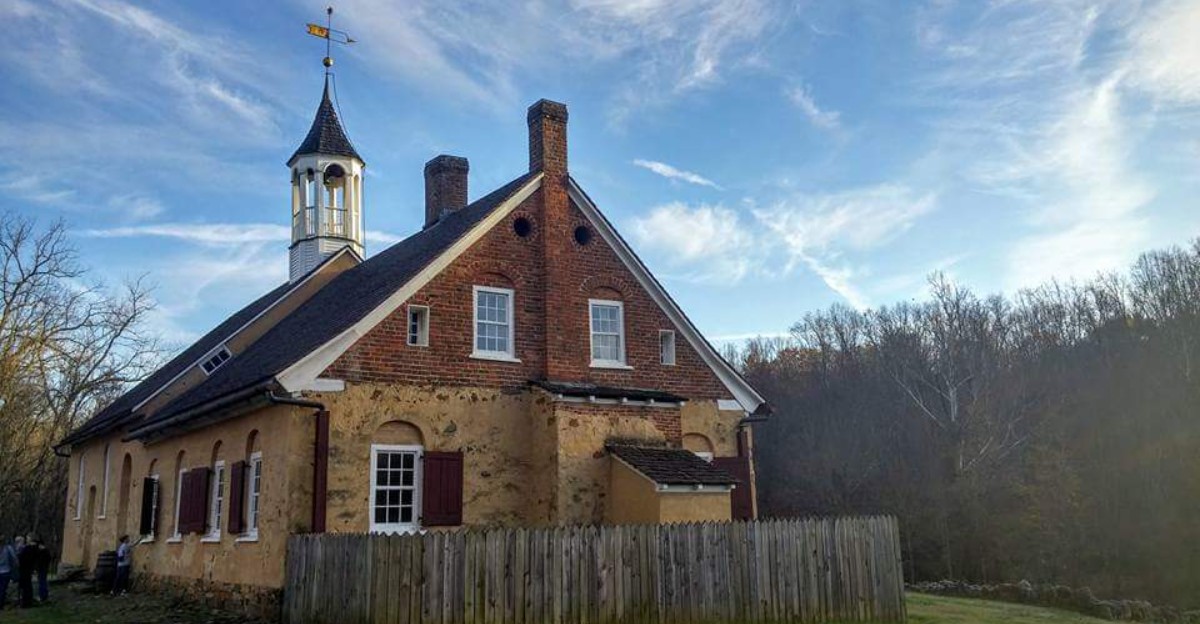
The pastor here once lived just a few steps from the sanctuary, and I cannot decide whether that sounds convenient or impossible to escape.
This North Carolina church dates to 1788, and the attached minister’s quarters make it the only surviving German colonial church of its kind in the United States.
That detail pulled me in, but the building did far more than host Sunday services.
For years, the same roof covered school lessons, community meetings, and everyday life for early settlers.
Some original furniture is still inside, which makes the age feel much more real to me.
After major preservation work in 2026, the church reopened for guided tours.
Now I want to see how much of that old world still survives in the rooms people once used every single day.
The Preacher Lived Right Next Door To His Pulpit
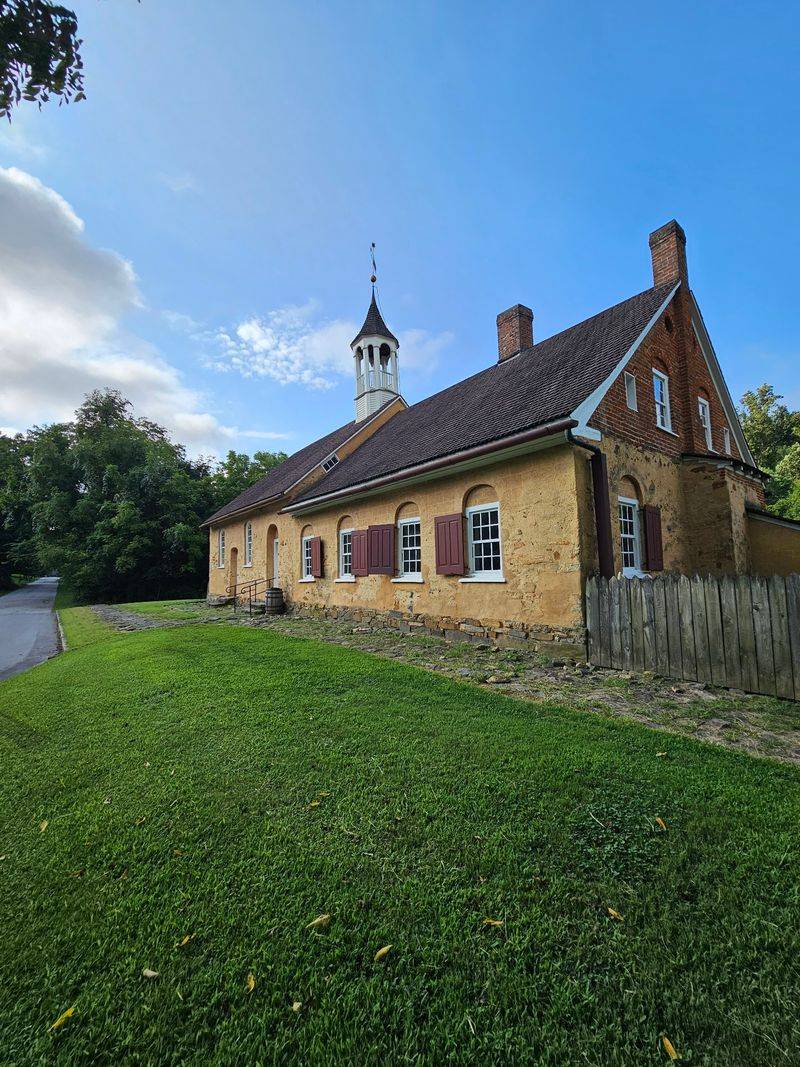
Talk about a short commute. The 1788 Gemeinhaus is the only German colonial church in the United States that still has the minister’s living quarters attached.
That one detail makes it a true one-of-a-kind building. Plenty of colonial churches survive, but none of the others in this German style kept the pastor’s home under the same roof.
The word Gemeinhaus is German for congregation house or meeting house. Fittingly, the name tells you the building was meant for the whole community, not just Sunday services.
I believe that’s what makes it so fun to explore. You aren’t only seeing a worship space, you’re seeing where a family actually ate, slept, and worked.
The building stands inside Historic Bethabara Park in North Carolina, and it’s often called the crown jewel of the site. That’s a big title for a park packed with history, yet this building earns it.
So when someone says it’s a rare survivor, they really mean it. Few places let you stand where church life and home life overlapped this closely.
Fresh Plaster And A Tower That Finally Stopped Leaking
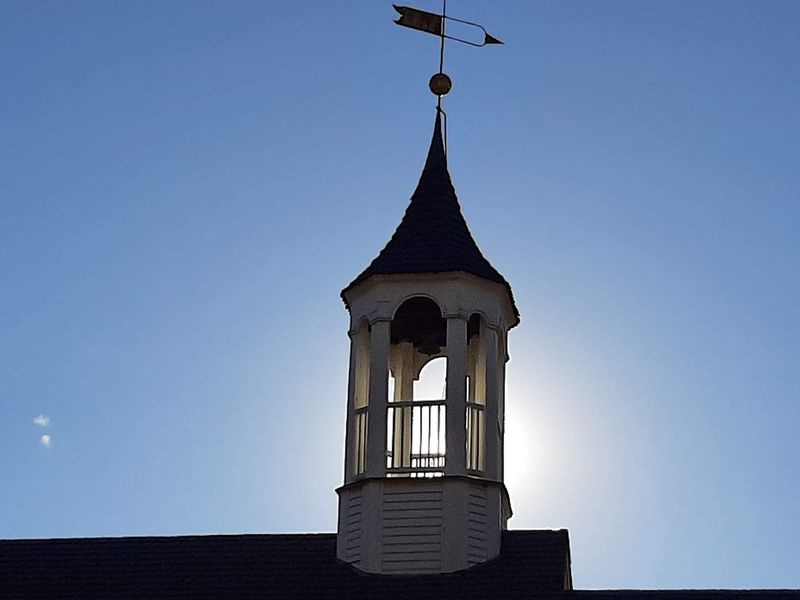
Good news travels fast in historic circles. The first phase of restoration work on the 1788 Gemeinhaus has been completed, and the building looks ready for its next chapter.
Crews focused on two big needs. The restoration addressed water intrusion around the bell tower and included repairs to the historic roof structure, damaged timber framing, and other vulnerable parts of the building.
Neither job sounds glamorous, but both matter a lot. Water is one of the biggest threats to an old building, and a sound ceiling protects everything beneath it.
The preservation project has involved extensive work on the bell tower, a part of the building that has experienced water problems for generations. With guided tours available again, visitors can see the historic structure while its preservation remains an ongoing priority.
That makes now an exciting time to visit. You get to see a building in the middle of getting the care it deserves after more than two centuries.
I like knowing that people still invest this much effort in keeping history standing. A building from 1788 doesn’t stay upright by luck alone.
Plan ahead, though, since ongoing work can affect what’s open on a given day. A quick call to the park before you go can save you from any surprises at the door.
One Roof, Four Jobs, Zero Wasted Space
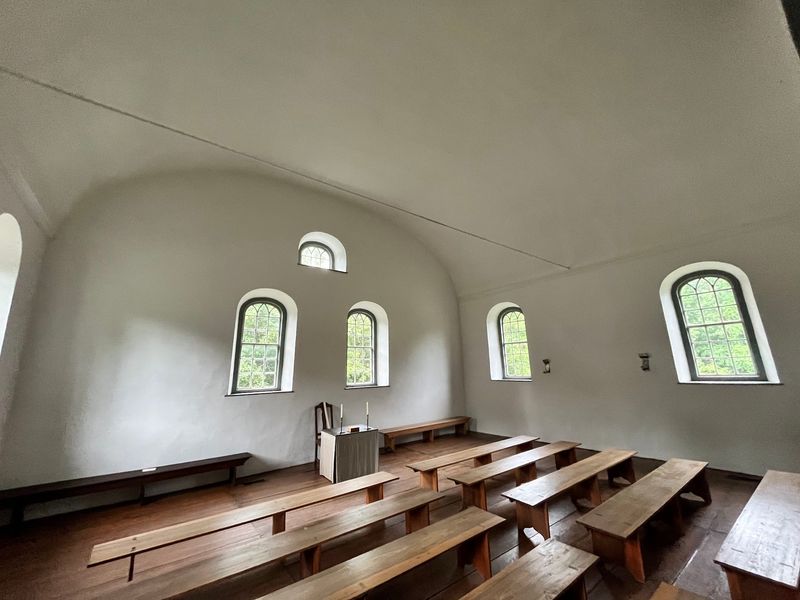
Colonial settlers were masters of multitasking. Inside the 1788 Gemeinhaus, a single building handled worship, meetings, school lessons, and the minister’s household.
The worship room is called the Saal. It served as the sanctuary, the heart of the congregation’s spiritual life.
Beyond Sunday services, the building hosted community meetings. Decisions, gatherings, and shared plans all happened within these walls.
Then there’s the school part, which I find especially charming. Kids in the settlement learned their lessons in the same place where their parents worshiped.
On top of all that, the minister and his family lived there too. Picture trying to keep a quiet home when the schoolroom is right around the corner.
This mix tells you a lot about early Moravian life. Faith, learning, and family weren’t separate boxes, they were woven together every single day.
Walking through the rooms helps that idea click. You start to understand how a small community made one sturdy building serve almost every important need it had.
A Building Placed By The Lot And Drawn By A Planner
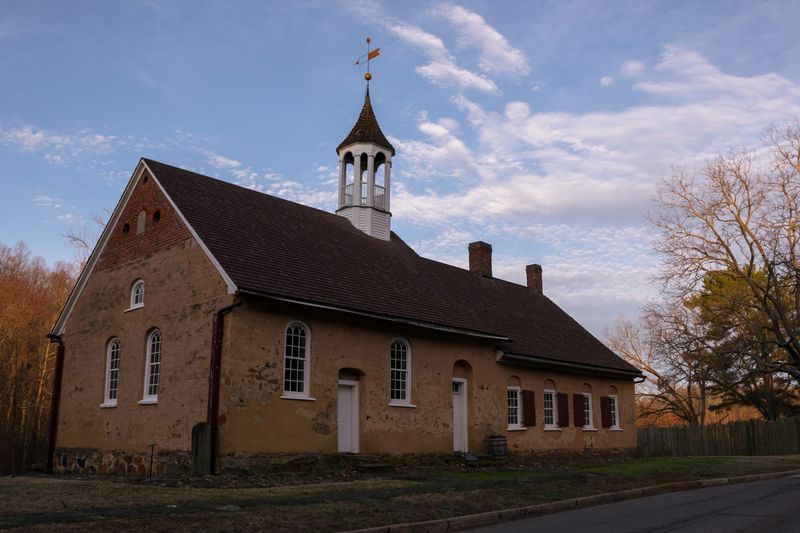
April 8, 1788, was a big day in this settlement. That’s when the foundation stone was laid for the 1788 Gemeinhaus.
The work moved quickly for the time. By November 26, 1788, the building was consecrated and ready for use.
It replaced an earlier log structure from 1756. Moving from logs to this sturdier building showed a community that planned to stay.
Frederic William Marshall designed it. He served as the administrator of the Moravians’ Wachovia Tract, the large area of land they settled in North Carolina.
Here’s a detail I love. The building’s location was chosen using a Moravian decision-making practice called the Lot.
Instead of arguing over the perfect spot, the community trusted this practice to guide the choice. It’s a peek into how deeply faith shaped even practical decisions.
Knowing this backstory changes how the building feels. Every wall stands where it does because a group of settlers believed that spot was meant for them.
Grab A Guide And Go Room By Room
History hits differently with a good guide. Guided tours of the 1788 Gemeinhaus walk you through the building one room at a time.
That room-by-room approach is the best way to see it. You get context for each space instead of guessing what happened where.
Tours typically last about an hour. That’s long enough to learn plenty without turning your visit into a marathon.
There’s also a 15-minute video about the Moravians at Bethabara. It’s a smart warm-up before you explore, especially if the Moravian story is new to you.
I believe the video plus the tour makes a great combo. You’ll recognize names and events as you move through the building, which makes everything stick better.
Bring your questions along. Guides can help explain the details that signs and plaques simply don’t have room for.
Families with curious kids will appreciate the pace too. An hour of stories and old rooms keeps young history fans engaged without wearing them out.
Some Of The Furniture Has Never Left Home
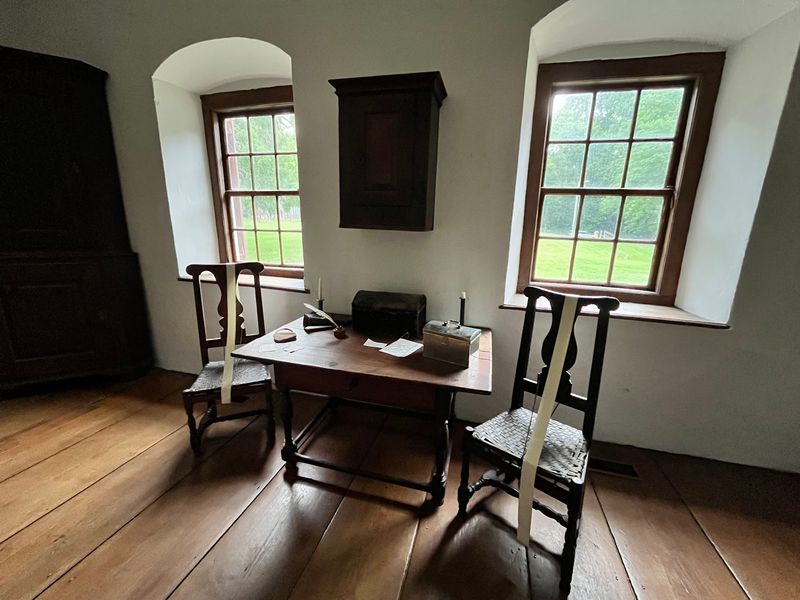
Original pieces are the real treasure in any old building. Inside the 1788 Gemeinhaus, visitors can see historic furnishings and artifacts, some more than 200 years old, that help bring early Moravian life into focus.
That means certain items have been part of this place for a very long time. Unlike the replica furnishings used in the park’s 1834 Log House, the Gemeinhaus contains historic objects that visitors are asked not to touch.
The Gemeinhaus served the Bethabara Moravian congregation into the 1950s. The congregation began moving into newer facilities during that decade and eventually dedicated its present sanctuary in 1972.
Later came a major restoration in 1969 and 1970. The building was rededicated on April 25, 1971, the same time Historic Bethabara Park was established.
So the furniture you see connects to a long and well-cared-for story. Generations used this building before it became a place for visitors to learn.
I can’t imagine sitting near something that early settlers may have used every day. It turns an old room into something personal.
Take your time in each space. Small details in the furnishings often say more about daily life than any big date on a sign.
The First Moravian Stop In North Carolina Started Here
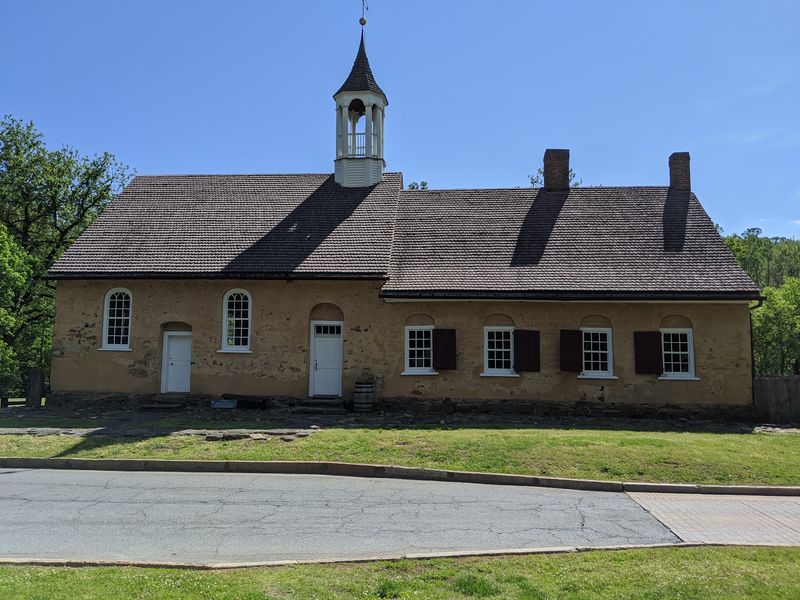
Bethabara means House of Passage, and the name fits beautifully. German-speaking Moravians founded the settlement in 1753, making it the first Moravian settlement in North Carolina.
The 1788 Gemeinhaus came along decades later. By then, the community had grown roots deep enough to build something lasting.
Today, you’ll find it at 2147 Bethabara Rd, Winston-Salem, NC 27106. It sits within Historic Bethabara Park, which covers 183 acres.
That’s a lot of room to wander. The building is the standout, but the setting around it adds to the story.
The park operates as a museum. It’s managed by the Winston-Salem Recreation and Parks Department, with support from the city and Forsyth County.
I like how the whole area feels connected to that early settlement. You aren’t visiting a lone building dropped into a modern neighborhood.
Give yourself time to take in the grounds before or after your tour. Seeing the landscape helps you understand why settlers called this spot a place of passage and new beginnings.
Save Energy For Gardens, Trails, And A Rebuilt Fort
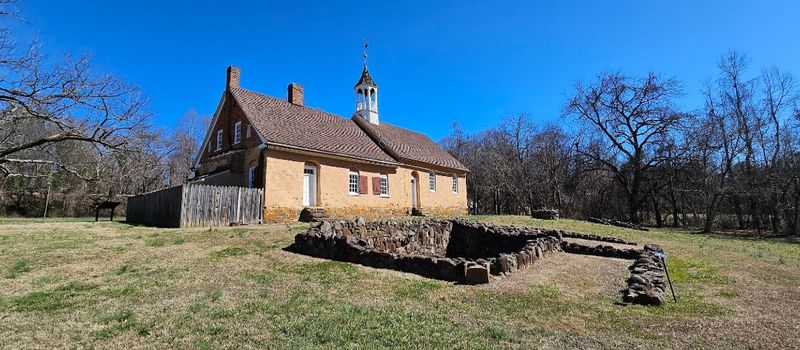
Plant lovers, this part is for you. Historic Bethabara Park is home to the reconstructed Hortus Medicus, originally established in 1756 and recognized as one of America’s earliest European-style medicinal gardens.
The 1759 Community Garden is here too. Both show how settlers grew what they needed to stay fed and healthy.
Beyond the gardens, the park has walking trails. They’re a nice way to stretch your legs after time indoors at the 1788 Gemeinhaus.
Bird watchers get their own treat. The park offers birdwatching opportunities along with wildlife preserves.
History fans can check out a reconstructed palisade fort and colonial village. These help paint a fuller picture of early life in the settlement.
There are archaeological sites as well. It’s fun to think that the ground itself still holds clues about the people who lived here.
Wear comfortable shoes and plan for more than a quick stop. Between the gardens, trails, and fort, this North Carolina park easily fills a relaxed afternoon.
A Few Smart Moves Before You Head Out
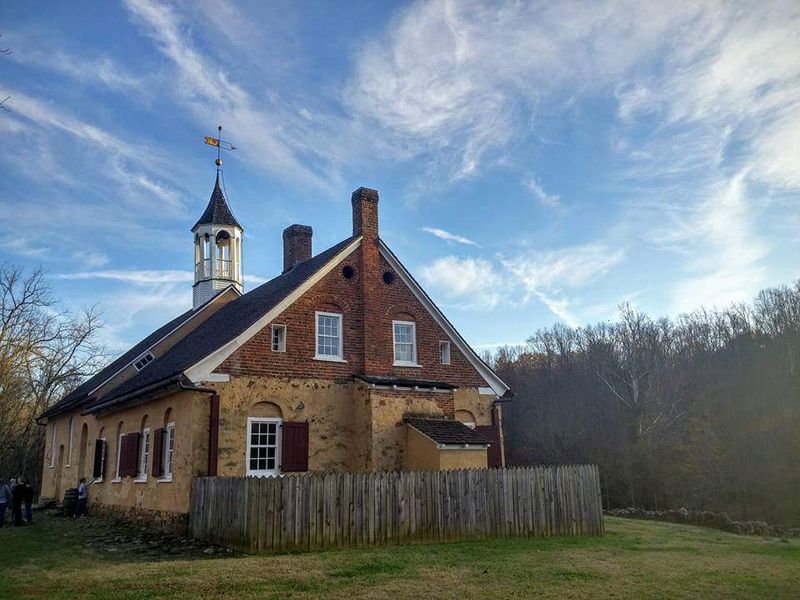
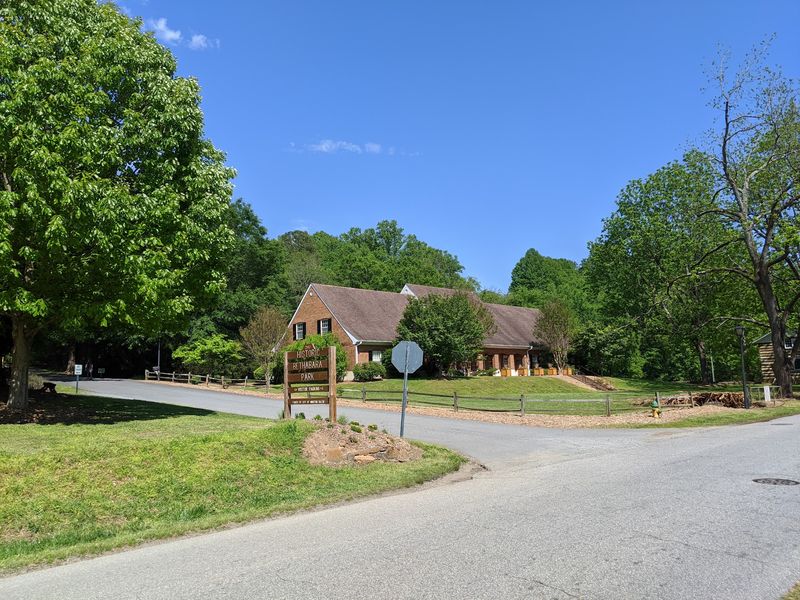
Start at the Visitor Center, and you’ll thank yourself later. Historic Bethabara Park has a Visitor Center and Gift Shop to help you get oriented.
Picking up a souvenir is a nice way to remember the day. It also supports a place working hard to protect its history.
Keep an eye on the park’s calendar. Historic Bethabara Park hosts special events throughout the year, which can make a visit even more memorable.
The 1788 Gemeinhaus also carries some serious credentials. It became a Local Historic Landmark in 1995, and the Bethabara Historic District earned National Historic Landmark status in 1999.
One more fun fact. The Bethabara Moravian Church congregation that once used this building is still active today.
They now worship in a separate, newer building on Bethabara Road. I believe that living connection makes the old building feel even more meaningful.
With restoration work moving forward, now feels like the right time to go. Few chances let you see a 1788 survivor getting ready for its next couple of centuries.