This North Carolina Festival Has Caber Tossing, Sheepdogs And A Full Weekend Of Scottish Tradition
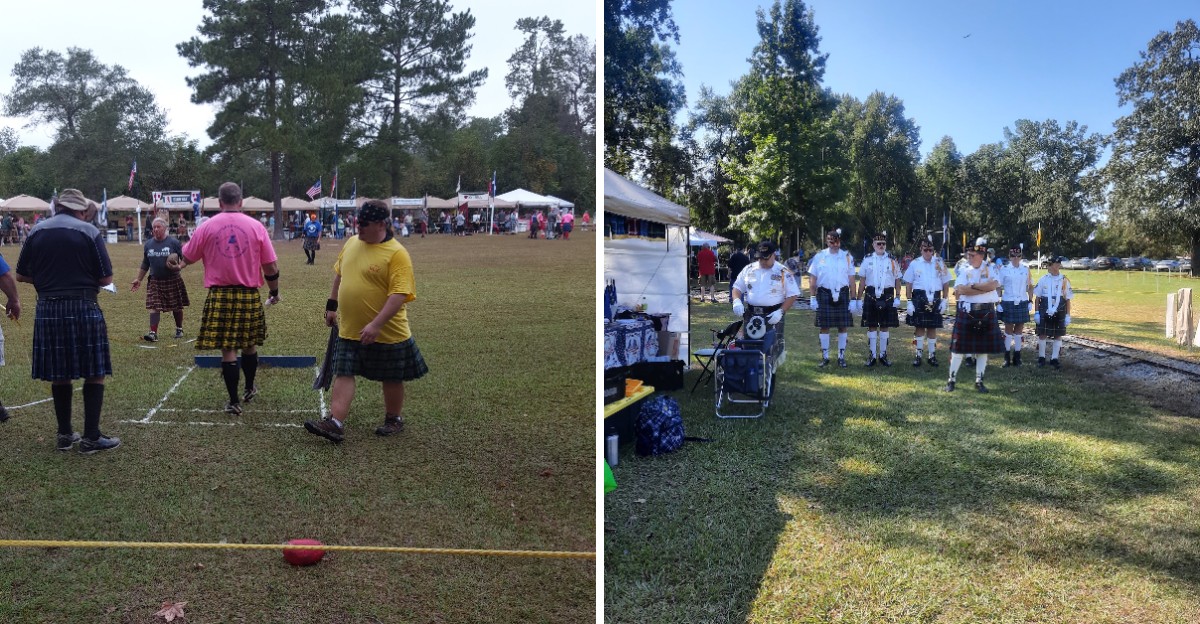
Most people see a telephone-pole-sized log and think construction project.
These athletes see a challenge.
This October, one North Carolina field turns into a wonderfully Scottish kind of chaos as competitors send cabers flipping through the air and crowds collectively hold their breath.
Nobody watches casually once several hundred pounds of timber starts moving.
The tradition may be old, but the excitement feels very current.
Even newcomers quickly discover there is something strangely addictive about cheering for a log to land correctly.
Kilts help the atmosphere considerably.
By the end of the weekend, you may be practicing your Scottish accent and seriously overestimating your own caber-tossing abilities.
Watch Athletes Hurl Full-Size Cabers Like Giant Wooden Spears
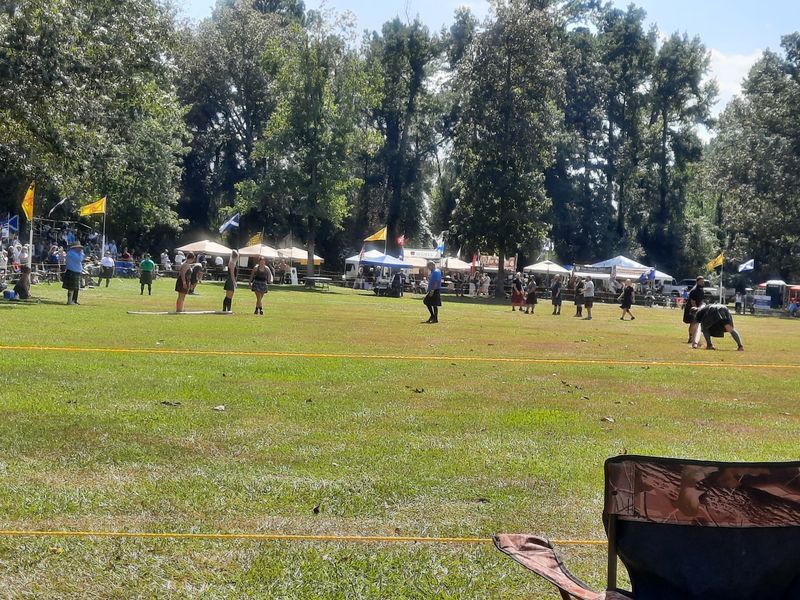
For a few seconds, the whole field seems to hold its breath.
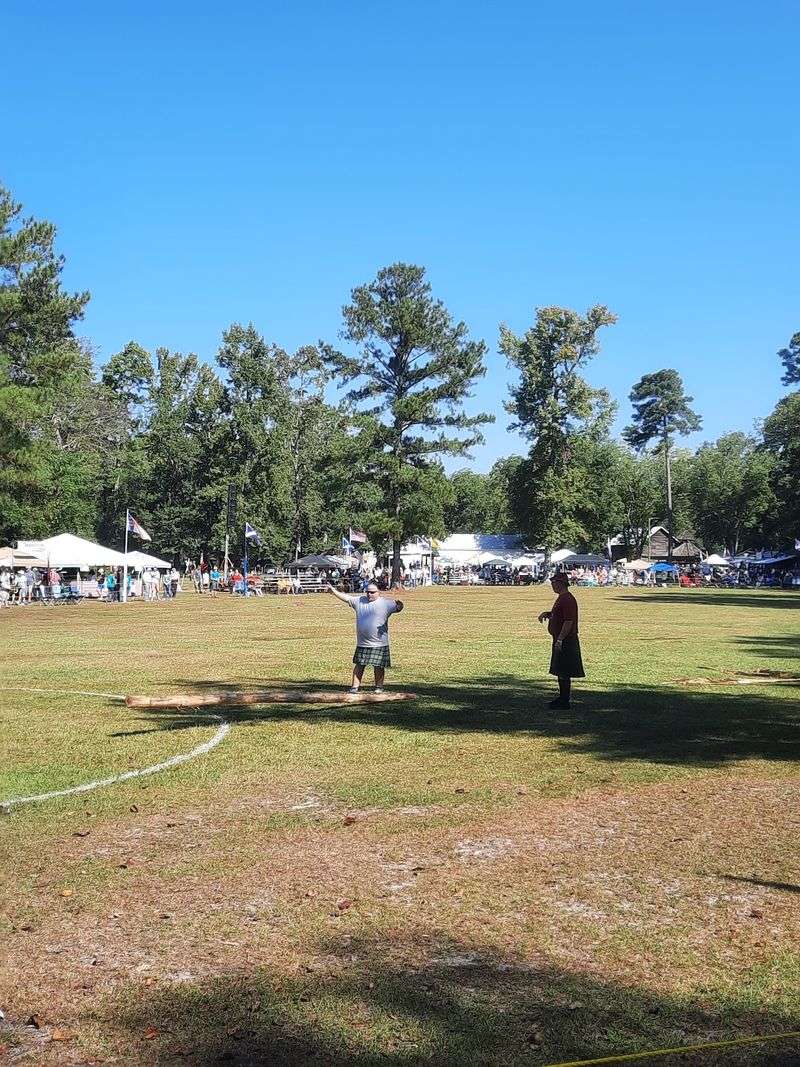
An athlete lifts a long wooden caber, balances it upright, runs forward, and sends it turning end over end.
The caber toss is about control as much as strength.
Cabers commonly measure 17 to 21 feet long and weigh 70 to 160 pounds, so each attempt takes careful timing. The goal is not to throw the pole the farthest.
Instead, the athlete tries to make it land straight ahead, in the 12 o’clock position, after it flips.
Watch where the caber first touches the ground, then notice which way its top falls.
That makes the result easier to understand, even if you have never seen the event before. Stay behind marked viewing areas and give athletes plenty of room.
If you are visiting with children, explain the goal before a throw so they can follow the action.
The open grounds offer a fitting setting for this traditional sport, with room to watch the full movement rather than only the final landing.
The main Games take place at the John Blue House property at 13040 X Way Road in Laurinburg.
Sheepdogs Turn Herding Into One Of The Weekend’s Biggest Crowd-Pleasers
One quiet signal can send a Border Collie sweeping around a flock.
At the sheep herding demonstrations, the dogs work with their handlers to guide sheep across the field.
Their quick turns and steady focus make the lesson easy to follow, even from a seat along the edge. Demonstrations are a chance to see herding as a working skill, not just a show.
The dog must keep the sheep moving without scattering them, while the handler watches the whole group and gives directions.
Look for the moments when a dog pauses, changes direction, or moves wide to bring a sheep back toward the flock. Small choices can make a big difference.
Morning and afternoon sessions give visitors more than one opportunity to watch.
Bring a portable chair, since you may want to settle in for the full demonstration.
Choose a spot behind any marked boundary, and remind children to stay quiet enough for the handler and dog to concentrate.
Afterward, the busy festival grounds may sound especially lively by contrast.
It is a memorable look at the patience, teamwork, and practice behind a Scottish rural tradition that still has a clear purpose today.
Athletes Launch A Weighted Sheaf Over A Rising Bar With A Pitchfork
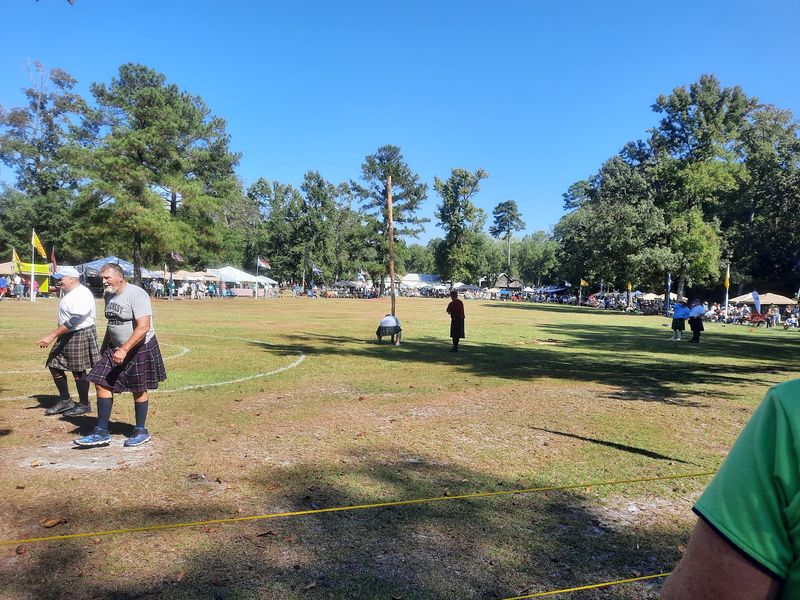
The sheaf can look surprisingly small against the tall bar it must clear.
During this field event, competitors use a pitchfork to send a weighted burlap bag up and over a horizontal crossbar.
Its roots in farm work make it a natural fit for a festival held on heritage grounds. Despite the heading’s 20-pound figure, sheaf weights vary by competition.
A common standard is 16 pounds for men and 12 pounds for women. Athletes usually get three tries at each height.
When they clear the bar, it rises for another round, turning each successful toss into a tougher challenge.
Check the event’s posted rules for the weights used that day.
From a safe viewing spot, notice the smooth swing before the sheaf leaves the pitchfork.
Height matters more than distance, so the best tosses travel almost straight up.
A clear view of the bar helps younger spectators understand the result without needing an explanation after every attempt.
In North Carolina, the John Blue House Grounds provide a fitting backdrop for an event tied to agricultural skill.
Give yourself time to watch several rounds; the rising bar makes the contest more interesting as it goes on.
Bagpipes, Drums And Highland Dancing Keep The Grounds Moving All Day
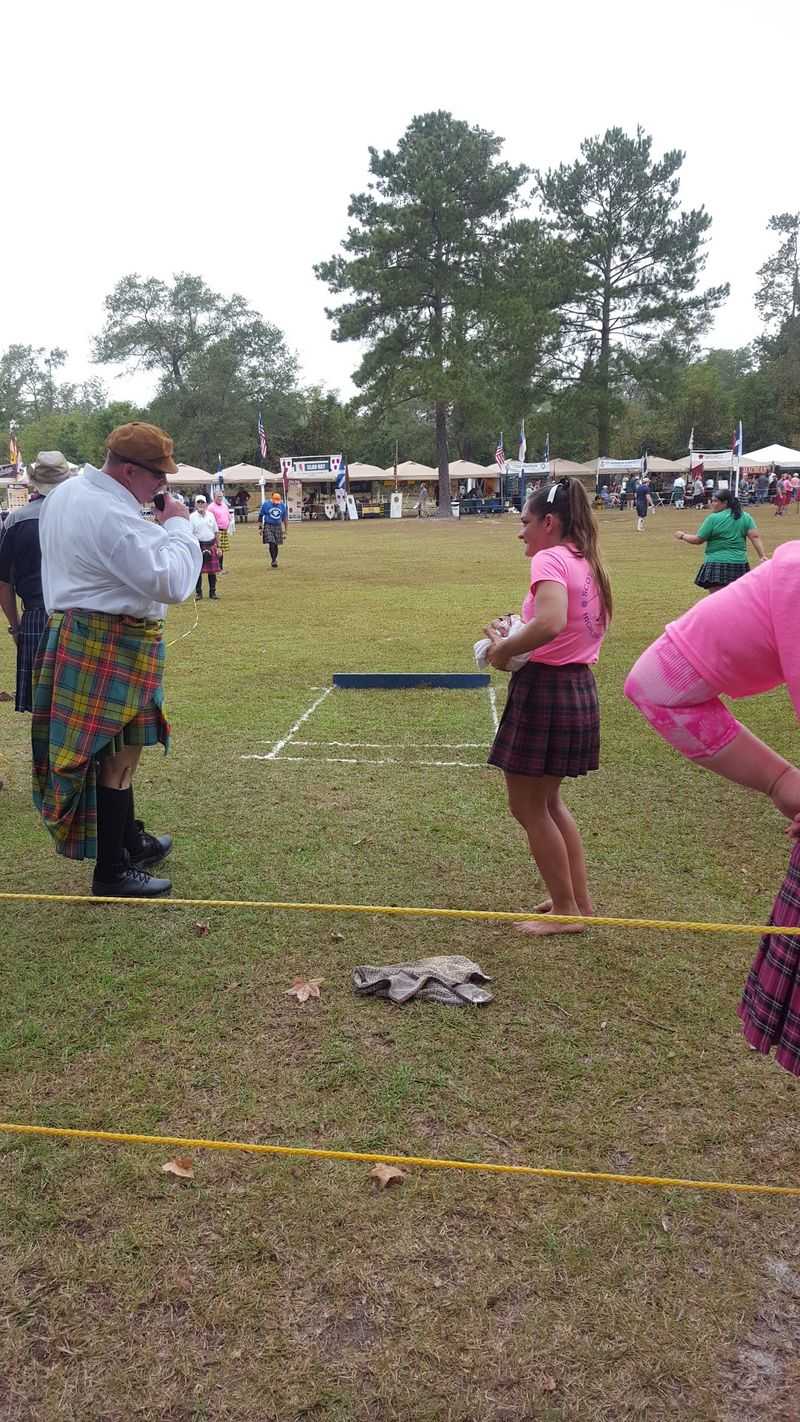
You may hear the music before you reach the performers.
Bagpipes carry across the grounds, drums set a firm beat, and Highland dancers turn those sounds into quick, careful steps.
Together, they give visitors another way to experience Scottish traditions beyond the athletic field.
The games feature pipe band competitions sanctioned by the Eastern United States Pipe Band Association, along with individual piping and drumming contests. Solo events usually start in the morning, while bands generally compete later in the day.
Highland dance competitions add movement and bright tartan to the schedule.
Because event times can change, check the current program before choosing where to stand or when to take a break. For a close look, watch a solo performer and notice how much concentration goes into one tune or dance.
Then seek out a band performance to hear how players keep their sound together.
Massed pipe bands also perform during the opening and closing ceremonies, when many musicians fill the space at once.
If loud sounds bother someone in your group, bring hearing protection and stand farther back.
The music can still be enjoyed from across the field, with room to take in the whole scene.
Clan Tents Bring Centuries Of Scottish Family History Into One Place
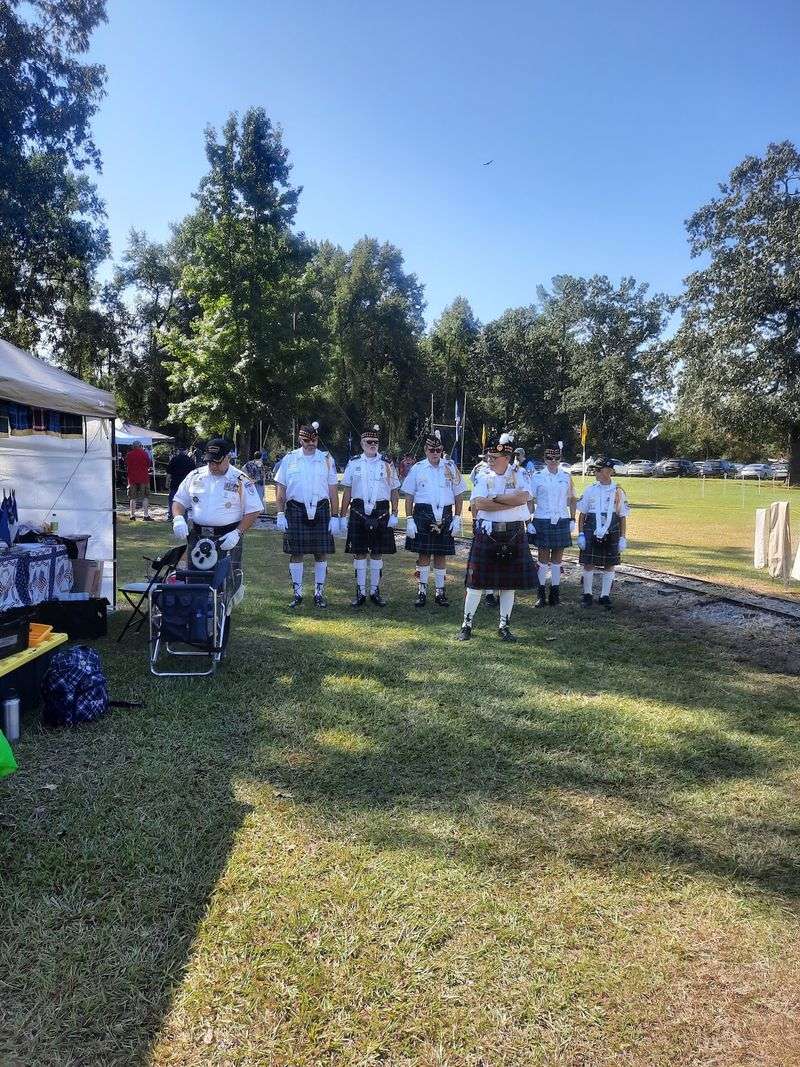
A tartan pattern can open the door to a much bigger story.
At the clan tents, displays introduce Scottish family groups, their histories, and the societies that keep those connections active today. You do not need Scottish ancestors to stop, look around, and ask a thoughtful question.
Walk through the tent area at an easy pace.
Some displays may share maps, family names, or details about a clan’s current activities.
If you are tracing your own roots, bring the family names and places you know rather than expecting an instant answer. A conversation may point you toward useful research, but matching a surname alone does not prove a family link.
The setting adds another layer of history.
On the John Blue House Grounds in North Carolina, festival visitors move through a place dedicated to rural heritage while learning about traditions carried across generations.
Be mindful of tent entrances and any areas reserved for participants.
Clan and society registration for the 2026 games has closed, but visitors can still make time for the displays.
Between performances, this is a good place to slow down and discover why a color, name, or shared story matters to the people preserving it.
Gaelic Songs And Harp Music Add A Completely Different Side To The Games
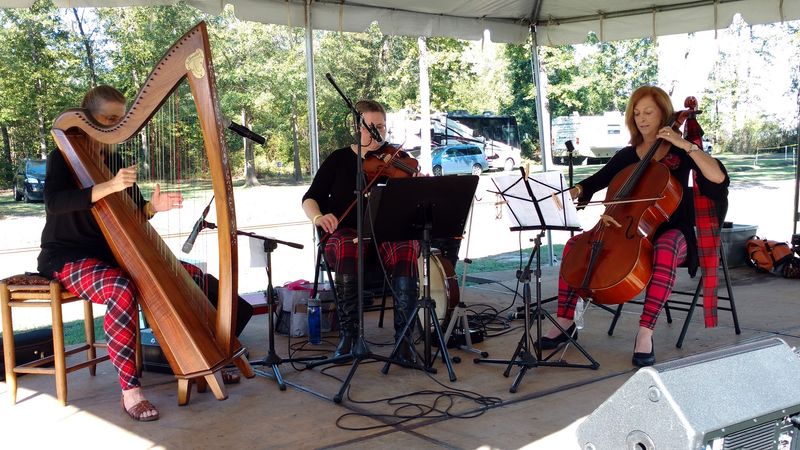
Step away from the athletic field, and a softer sound may catch your ear.
Harp and fiddle music bring a different pace to the games, inviting people to listen closely to each melody. Gaelic language activities add another path into the culture behind the weekend’s sights and sounds.
The festival includes music demonstrations and workshops, and open Celtic jam sessions offer a chance to hear musicians play together.
A Gaelic workshop introduces visitors to the language and its cultural ties. You can enjoy these sessions without knowing a tune or a single Gaelic word beforehand.
Listen for a repeated phrase, then notice how another instrument answers it.
The clarsach, a traditional Gaelic harp, has a long history in Scotland and Ireland.
Its clear notes can feel especially striking after the strong beat of drums outside.
For families, a workshop may offer a welcome change of pace between larger events. Check the festival schedule for session times, arrive early if seating is limited, and keep conversations low while music is underway.
You might leave with a new word or tune in mind, plus a broader picture of the traditions celebrated across the grounds.
Friday Night Starts The Celebration Before The Heavy Athletics Even Begin
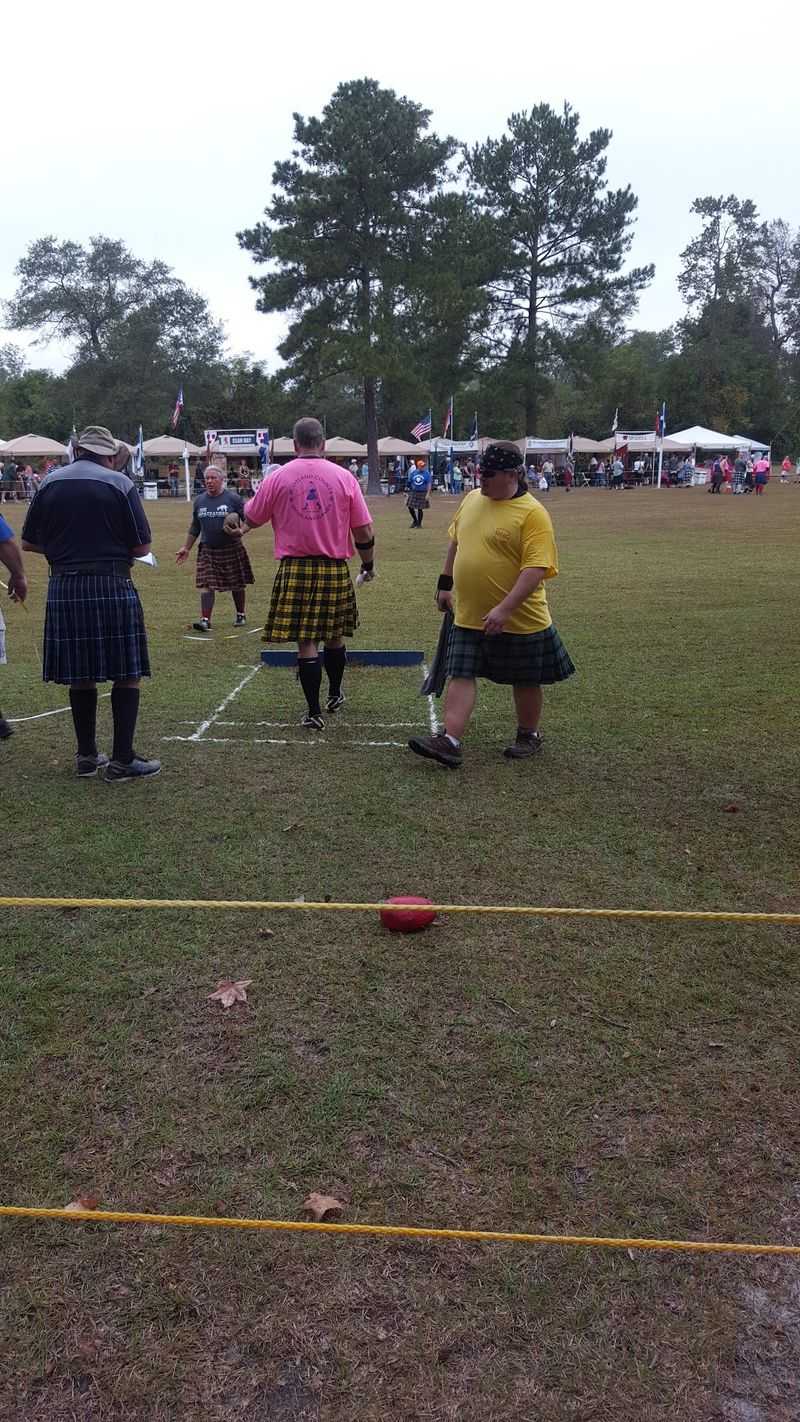
Before the field contests begin, Laurinburg gets the weekend moving with an evening gathering.
The Friday Highland Fling is a free, family-friendly kickoff featuring Celtic music, dancing, food trucks, and the Calling of the Clans.
It offers a first taste of the celebration without asking visitors to keep track of several competitions at once. For 2026, the Fling is scheduled for October 2 from 5:30 to 9 p.m. at McDuffie Square in downtown Laurinburg.
That is a different site from the John Blue House Grounds, where the main games take place, so check your destination before setting out.
Bring a portable chair because seating is not provided. Food trucks offer meal choices, making it easy to eat while enjoying the evening’s music.
If you plan to attend the full weekend, Friday is a useful time to settle into town and enjoy the festival’s social side.
The Calling of the Clans introduces the family heritage that visitors can explore more closely at the tents during the games. Dress for an outdoor evening and check the current schedule before you travel.
A little planning leaves more time to listen, eat, and look forward to Saturday’s activities.
Sunday Ends With A Kirkin’ Of The Tartans Tradition That Goes Far Beyond The Games
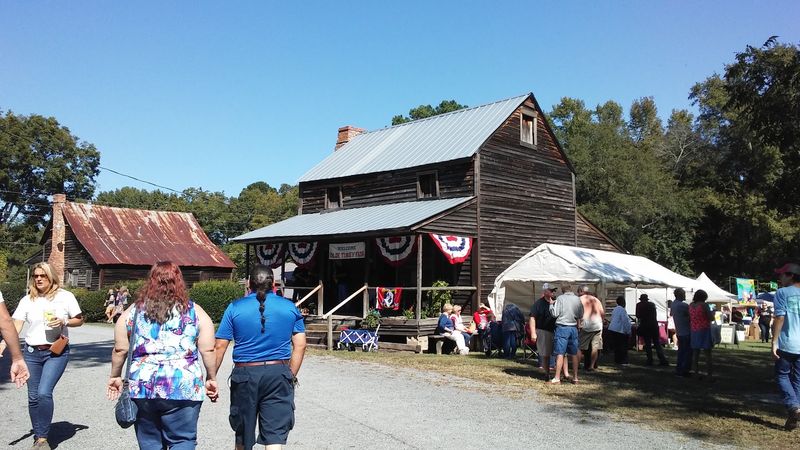
After the noise and motion of the games, Sunday offers a quieter way to reflect on the weekend.
The Kirkin’ of the Tartans is a Scottish-American worship tradition in which clan tartans are presented for a blessing. It connects family heritage with faith, giving the celebration a closing moment unlike a field contest or concert.
The 2026 service is scheduled for Sunday, October 4, at 10:30 a.m.
It takes place at Old Laurel Hill Presbyterian Church, rather than at the John Blue House Grounds.
Founded by Highlanders in 1797, the church stands at 15301 McFarland Road in Laurinburg, North Carolina. The service is free and open to the public.
If you would like to attend, allow travel time between the festival grounds and the church, and arrive early enough to enter without disturbing the service.
Treat the gathering as worship rather than a performance; follow any guidance about seating or photographs.
Even visitors who spent Saturday focused on athletics can find a deeper sense of the weekend here.
The tartans make family connections visible, while the historic church recalls how Scottish traditions became part of the local community.