This North Carolina Flea Market Has Rescue Cats Wandering The Aisles
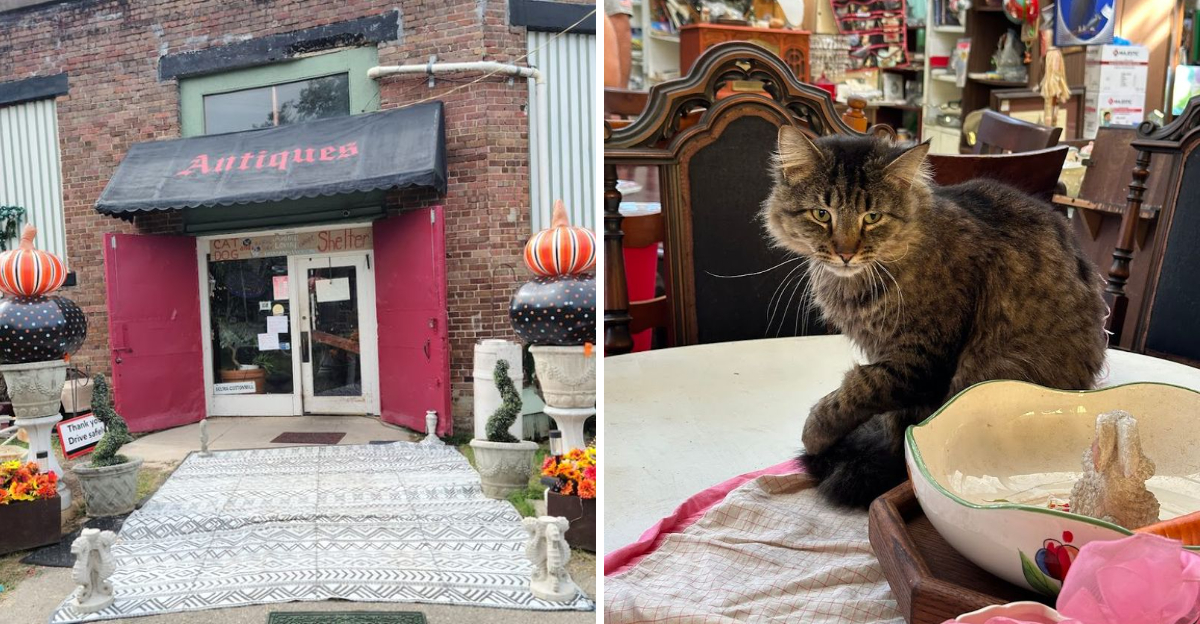
Antique shopping gets a lot harder to play cool when a cat is watching like it has seen every bad purchase before.
At this North Carolina market, rescued felines roam the aisles with the confidence of tiny managers who never applied for the job but fully believe they deserve it.
Half the fun comes from browsing for vintage finds while a whiskered local suddenly appears beside you like an unpaid consultant with very strong opinions.
Forget ordinary treasure hunting, because this place turns a simple afternoon out into a cat-supervised adventure with antiques on the side.
Mill Magic
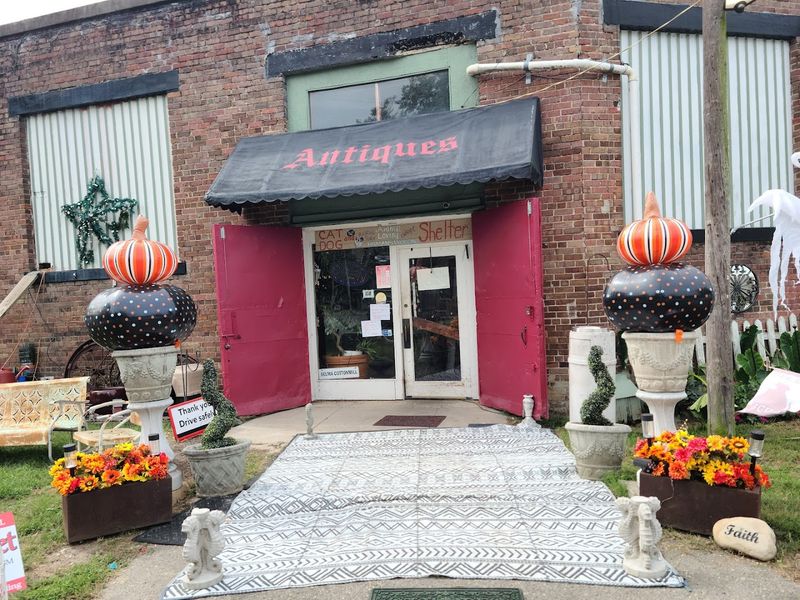
History does a lot of the work before the shopping even begins at Selma Cotton Mill Antique Flea Market. Public tourism information places it at 1105 W.
Anderson St., Selma, NC 27576, on the grounds of an old cotton mill, and that former industrial setting gives the visit a real sense of place instead of a generic resale-store feel. Johnston County tourism describes the market as being in business for over 20 years and highlights antiques, architectural salvage, farmhouse wares, collectibles, a garden center, and more than 50 dealers, which helps explain why the space feels so layered once you step inside.
Old brick, big rooms, and the broader mill atmosphere give every booth a stronger backdrop than polished retail ever could. Shopping here feels tied to local history rather than detached from it, and that matters in a town like Selma where older buildings still carry memory and character.
A market housed in a former cotton mill already has more personality than most afternoon shopping stops. Once weathered furniture, vintage signs, practical salvage, and quirky finds start filling that shell, the whole place shifts from flea market to destination.
What stays with people is not only what they bought. It is the feeling of browsing inside a building that already had a story long before the first antique booth arrived.
Cats Among Finds
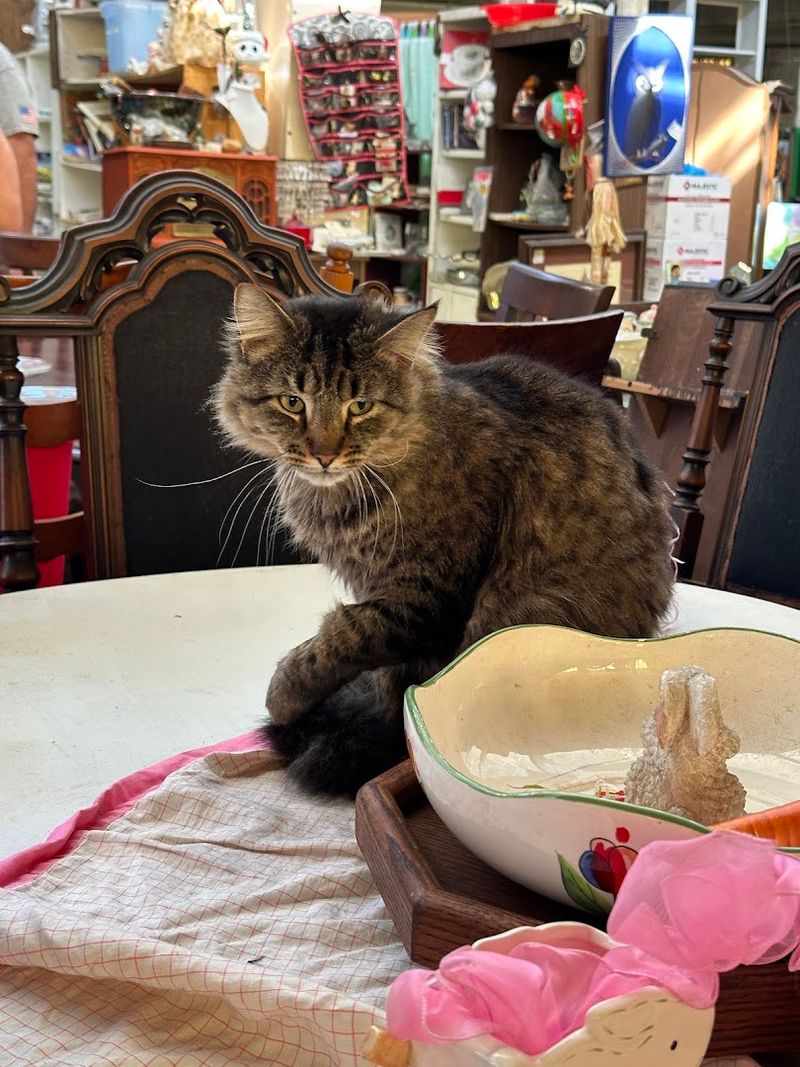
Rescue cats are the feature that turns this market from memorable into unmistakable. Current 2026 social posts still describe rescued cats at the Cotton Mill Flea Market in Selma, and older public writeups, reviews, and visitor commentary all point to the same thing: cats roaming the aisles are not a rumor or a one-time novelty here.
They are part of the place people talk about afterward. Tripadvisor reviewer comments note rescue cats and dogs available for adoption, while recent Instagram and Threads posts from 2026 describe sweet rescue cats wandering the market as shoppers browse.
That kind of consistency across current and older public descriptions matters because it shows the experience has become part of the market’s identity rather than a charming accident someone saw once. Browsing antiques already slows people down, but cats add a second kind of pause.
One moment you are looking at dishes or old tools, and the next a sleepy cat is curled near a display case or padding across the floor like it has full authority over the building. Small details like that soften the whole atmosphere.
Large vendor spaces can sometimes feel overwhelming, but cats make this one feel warmer, calmer, and more personal. Shopping becomes a little less transactional and a lot more story-worthy once whiskers and vintage furniture start sharing the same aisle.
Adoption Heart
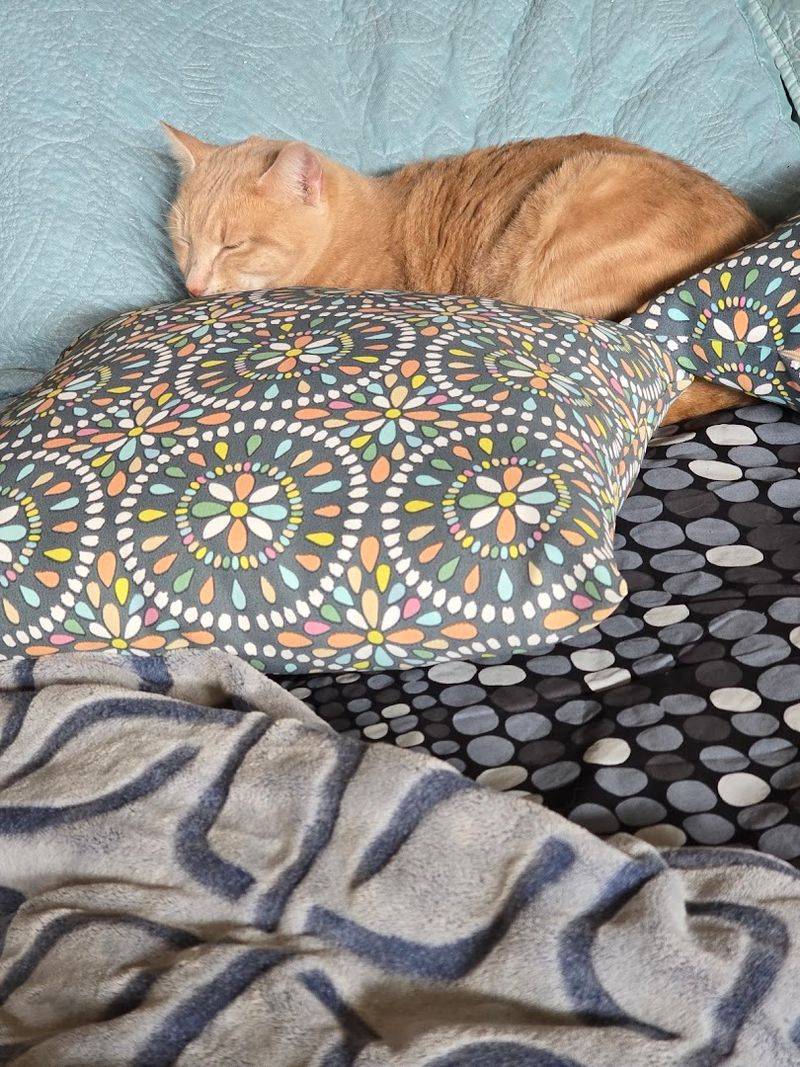
Beyond the novelty of seeing cats stroll past antique booths, there is a meaningful purpose behind their presence. Visitors have described rescue animals moving around the market and noted that some are available for adoption.
That turns a fun outing into something connected to care, responsibility, and second chances.
The address, 1105 W. Anderson St., Selma, NC 27576, belongs to more than a shopping stop.
This is also a place where rescue work has become part of the identity, not hidden in the background. Public sources describe rescue animals at the market as being available for adoption, which adds a clear animal-rescue dimension to the visit.
Because of that, the market carries a gentler energy than many large vendor spaces. You are not only sorting through antiques and salvage pieces, you are also stepping into a place where everyday browsing supports something humane.
In North Carolina, that blend of practicality and kindness feels especially memorable.
It is easy to imagine leaving with a vintage lamp, a weathered stool, or an armful of records. Still, the deeper takeaway might be the reminder that local institutions can build community in unexpected ways.
Here, rescue work lives right alongside old treasures and curious shoppers.
Aisles Of Variety
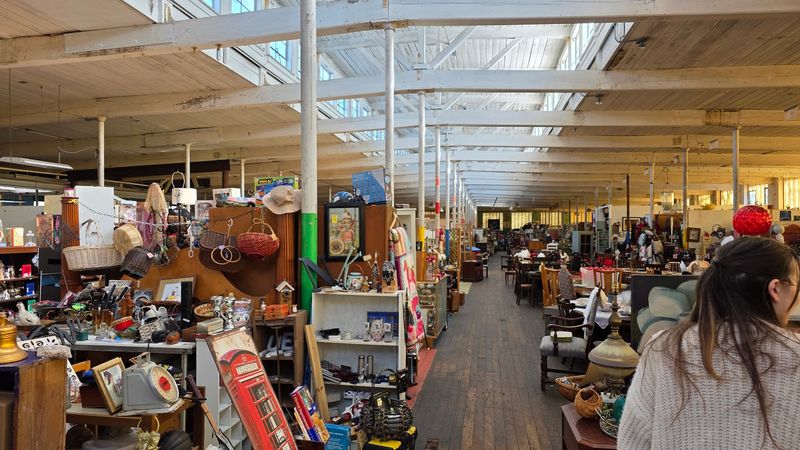
Scale helps the market feel like a real outing rather than a quick browse, and current tourism listings support that impression directly. Johnston County tourism says the Selma Cotton Mill Antique Flea Market is home to more than 50 flea market dealers, which explains why the inventory feels broad enough for wandering to be part of the fun.
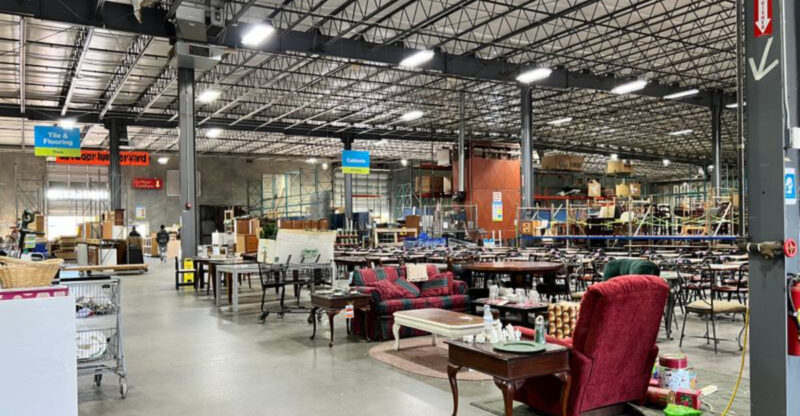
Antiques, primitives, architectural salvage, farmhouse wares, one-of-a-kind finds, garden items, and furniture are all specifically mentioned in public descriptions, and that mix matters because it keeps the market from settling into one narrow style. One booth may lean hard into rustic furniture, another into home décor, another into collectibles or old tools, and another into something much harder to classify neatly.
Good flea markets work because they let discovery lead, and this one seems built exactly that way. People can arrive with a list and still get distracted by a cabinet, a stack of framed art, or a weathered piece of salvage they did not know they needed until it appeared in front of them.
More than fifty dealers also means no single taste dominates the whole building. Variety keeps the pace lively.
Even repeat visitors can come back expecting a different mix of finds, which is part of why markets like this keep their following over many years instead of becoming one-and-done curiosities.
Local Institution
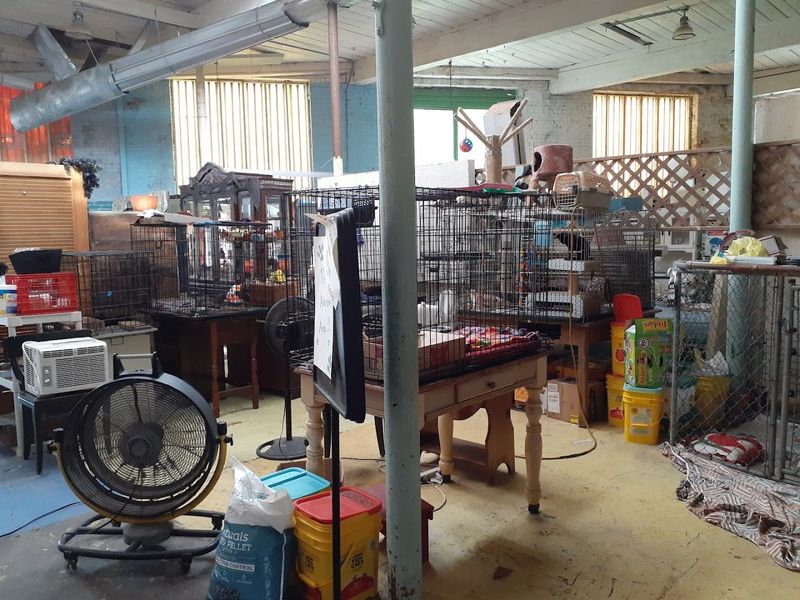
Longevity gives the market a steadier kind of appeal than trendier destinations usually manage. Johnston County tourism says the Selma Cotton Mill has been in business for over 20 years, and that duration matters because flea markets do not survive that long without becoming part of local routine.
Places like this need repeat vendors, repeat shoppers, and enough trust from the surrounding community to stay active through changing tastes and shopping habits. Cotton Mill seems to have built exactly that kind of foothold.
It no longer reads as a temporary curiosity tucked into an old building. It reads as part of Selma.
Public writeups and reviews reinforce the sense that people return for more than the merchandise alone. Atmosphere, rescue animals, scale, and history all work together, but longevity is what turns those features into something durable.
A market with two decades behind it starts to feel woven into the rhythm of weekends, day trips, and local recommendations. Travelers notice that difference.
Established places tend to move with more confidence because they know what they are. Cotton Mill does not seem to need reinvention every season.
Antiques, mill character, dozens of dealers, and a deeply unusual rescue-cat angle have already given it a stable identity. Staying power like that is one of the clearest signs that a destination has real local value beyond novelty.
Worth The Drive
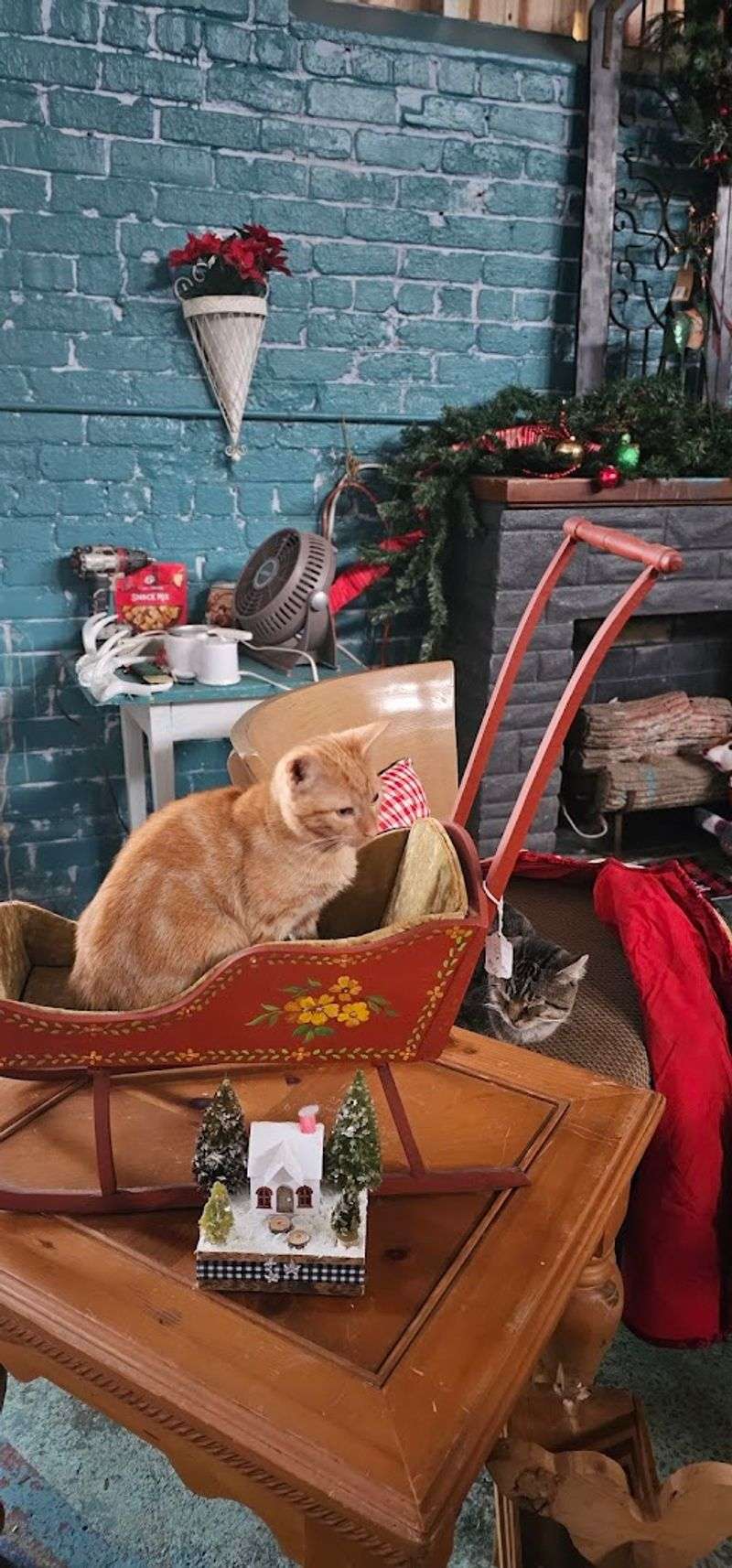
Selma already works well as a day-trip stop in Johnston County, but this market adds a much stronger reason to pull off the road and stay awhile. Johnston County tourism currently lists the market hours as Thursday from 1 p.m. to 5 p.m. and Friday through Sunday from 10 a.m. to 5 p.m., which makes it easy to build into a weekend route.
Johnston County also continues to feature the market in its 2026 Selma visitor information, which reinforces that it is not just open but still considered a notable local stop. Accessibility matters for a place like this because atmosphere alone will not make a market worth the drive unless the visit is also practical to plan.
Cotton Mill seems to hit both sides well. It is near I-95, rooted in a historic mill, large enough to justify a real browse, and unusual enough that people are not likely to confuse it with another antique mall down the road.
Rescue cats roaming among vintage finds only strengthen that pull. A worthwhile roadside stop needs a clear personality, and this one has one immediately.
Shopping, history, rescue work, and small-town character all come together in a way that gives shape to a day rather than merely filling an hour. By the time visitors head out, Selma feels less like a point on the map and more like a place they might actually return to.
Treasure Hunting
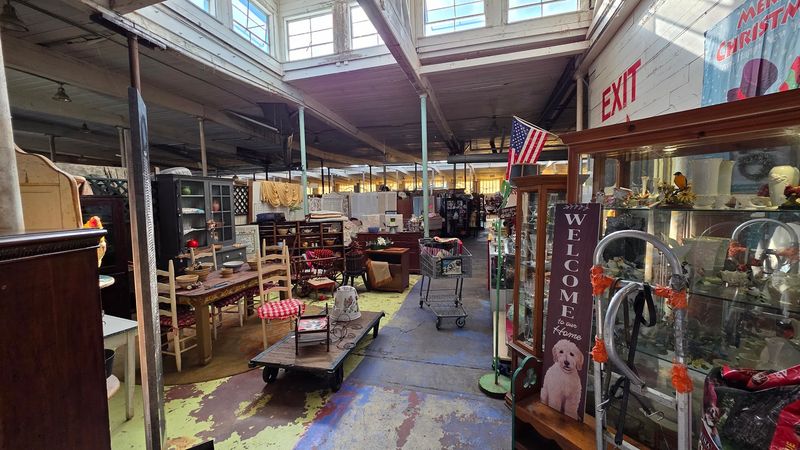
Browsing works best here when people let go of urgency. More than fifty dealers spread through the old mill space means the market rewards patience, second looks, and the willingness to drift instead of shopping with tunnel vision.
Public descriptions call out antiques, collectibles, furniture, architectural salvage, and farmhouse wares, which already signals a place where the inventory is likely to shift from practical to decorative to wonderfully odd without much warning. Treasure hunting at Cotton Mill appears to live in exactly that zone.
One person might lock onto sturdy tables or old cabinets, while someone else gets pulled into smaller things: signs, dishes, tools, art, or pieces with no obvious use except the fact that they are irresistible. Flea markets succeed when they invite that kind of different attention, and the mill setting likely helps by making the whole experience feel more exploratory than polished.
Big-box antiquing often flattens everything into rows of priced objects. This market seems to preserve the better feeling, where a shopper slows down because every booth has its own personality and every aisle might shift the mood again.
Add cats drifting in and out of the browsing experience, and even the act of looking starts feeling less routine. What people find here probably matters.
How they find it matters just as much, and this place seems to understand that beautifully.
Why It Sticks
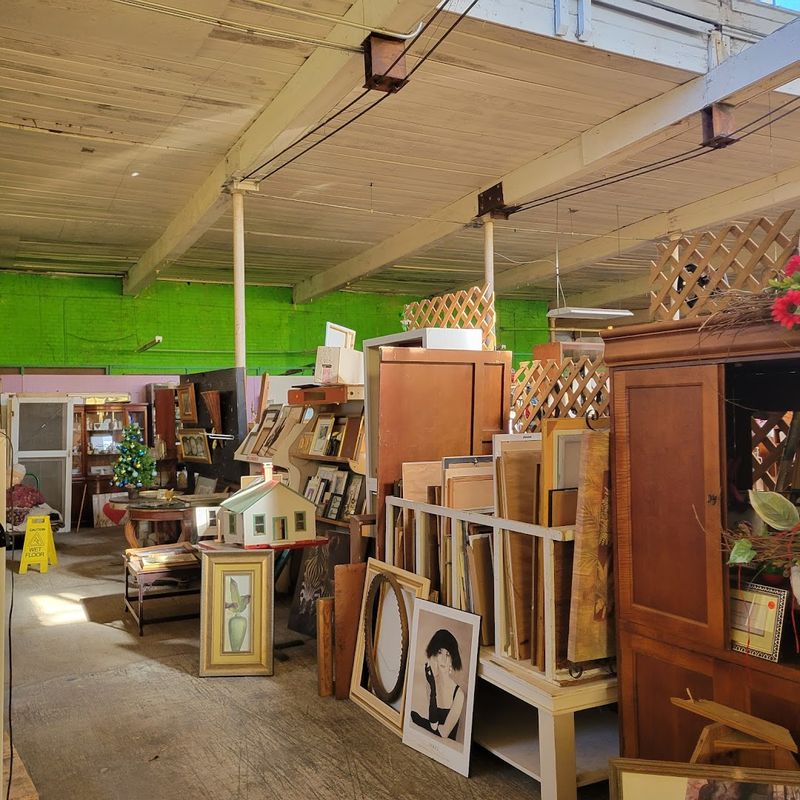
Memory is where this place really wins. Plenty of flea markets offer old furniture, vintage pieces, or a building with history behind it, but very few seem to combine all of those with rescue cats, adoption ties, and an animal-rescue presence connected to the Selma Cotton Mill.
Cotton Mill stands out because its strongest qualities reinforce one another instead of competing. Historic mill atmosphere makes the antiques feel more at home.
More than fifty dealers give the visit scale and discovery. Rescue cats soften the edges of a large indoor market and make the whole place feel unexpectedly affectionate.
A connected rescue effort gives the charm an actual purpose. Public reviews and 2026 social posts suggest visitors remember the animals as vividly as the merchandise, which says a lot about how different the experience feels from ordinary treasure hunting.
Places become stories when they offer more than products, and this one clearly does. Selma Cotton Mill Antique Flea Market seems to linger in people’s minds because it turns a simple shopping trip into something layered: part antique adventure, part old-building atmosphere, part small-town outing, and part rescue-centered surprise.
Markets can be fun without heart, and rescue spaces can be meaningful without much texture. What makes this one so unusual is that it appears to have both at the same time, which is exactly why people keep talking about it.