This North Carolina Historic Site Is Bringing The 1800s Back For One Day This Saturday
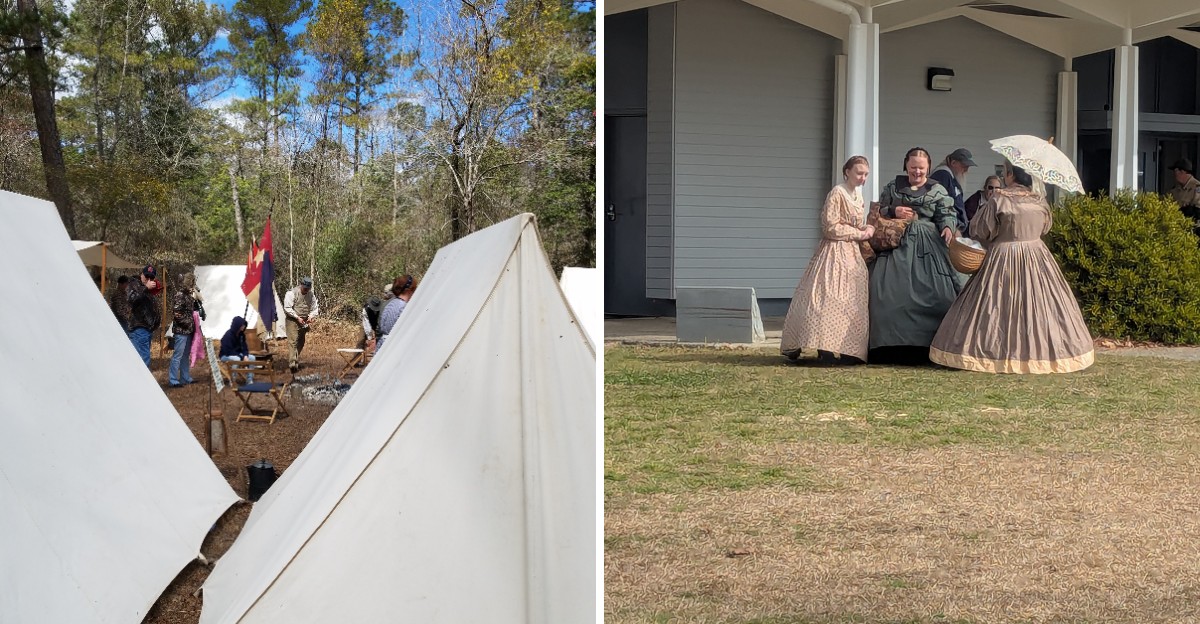
Old wooden floors carrying marks from 1865 already make this farmhouse hard for me to forget.
Then Saturday arrives, and the quiet grounds around it suddenly become busy again.
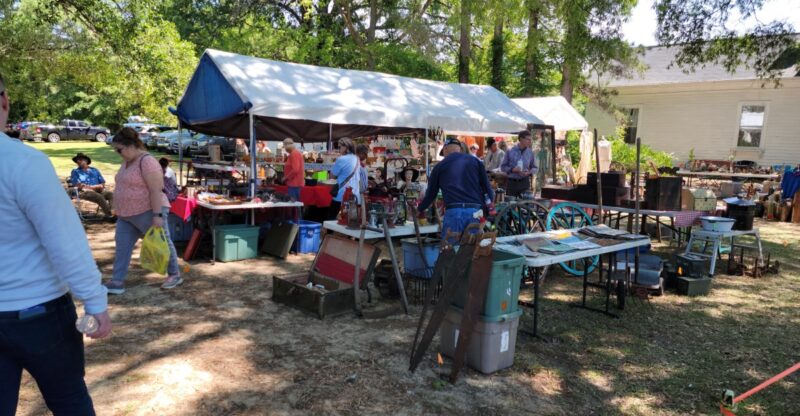
This eastern North Carolina site will fill with old-fashioned demonstrations, wagon rides, and hands-on activities that pull the past out of display cases.
I’m especially curious about seeing trades that usually survive only in textbooks or museum labels.
Kids can try period games while adults watch craftspeople work with tools most of us rarely see anymore.
Even the atmosphere shifts once music starts and visitors spread across the grounds. For me, the appeal is not pretending history was simple.
It is getting close enough to the setting to imagine how different everyday life once felt.
By the end, even something as ordinary as making rope starts to look surprisingly interesting.
Clear Your Saturday Because The Clock Rolls Back At 10 A.M.
Mark it down in pen: Saturday, November 14, 2026, is the day the Bentonville Battlefield State Historic Site hosts its annual Fall Festival. The gates of history swing open at 10 a.m. and the fun runs until 4 p.m.
Six hours might sound like plenty of time. Once you see everything packed into the day, though, you may wish the sun stayed up a little longer.
The whole event centers on 19th-century daily life in rural North Carolina. Think less about dates in a textbook and more about how people cooked, worked, built things, and passed the time.
Admission is inexpensive, with reduced rates for some visitors. Families should confirm the current children’s admission rules before arriving.
Here’s my practical tip for you. Arrive close to opening so you can catch the demonstrations before the afternoon crowd builds and the best spots near the tents fill up.
November weather in eastern North Carolina can swing from chilly mornings to warm afternoons. Dress in layers, wear comfy shoes, and plan to walk across open fields for much of the day.
Old-School Skills Get Hammered, Twisted, And Explained Right In Front Of You
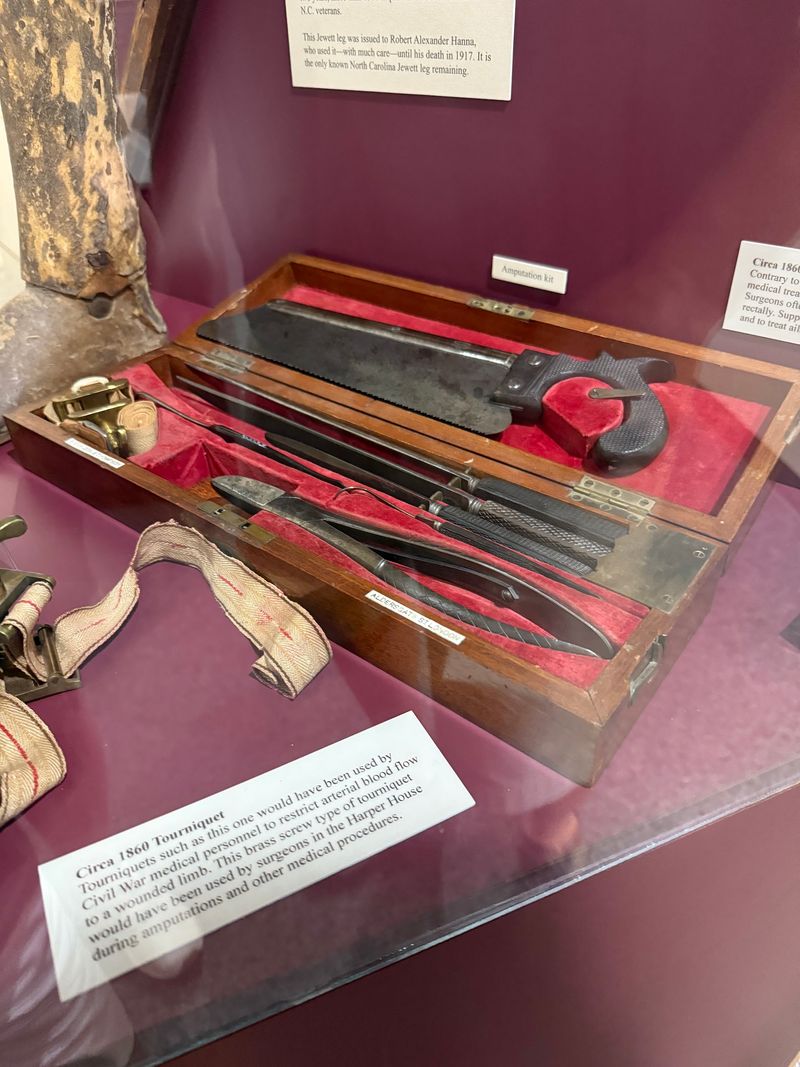
Sparks fly when the blacksmith gets to work, and kids tend to lean in closer than parents would like. Blacksmithing is one of the headline trades at the festival, and it’s a great way to see how everyday tools were made by hand.
Rope making is another demonstration on the list. It sounds simple until you watch strands get twisted together into something strong enough to haul real weight.
Then there’s the undertaking demonstration. Yes, an old-time undertaker shows how that trade worked in the 1800s, which ties into the hard history of this very field.
It might be the most unexpected booth at any fall festival in the state. Still, it gives an honest picture of what communities faced back then.
My advice is simple. Ask questions, because the folks running these demos know their craft and love sharing the small details you’d never guess on your own.
Kids especially get a lot from seeing work done with muscle instead of machines. Few things make a phone charger feel more boring than watching someone shape iron with a hammer and fire.
The Bentonville Battlefield State Historic Site sits at 5466 Harper House Rd, Four Oaks, NC 27524. It’s in Johnston County, not far from Interstate 95.
Wagon Rides, Games, And Music Keep The Mood Lively
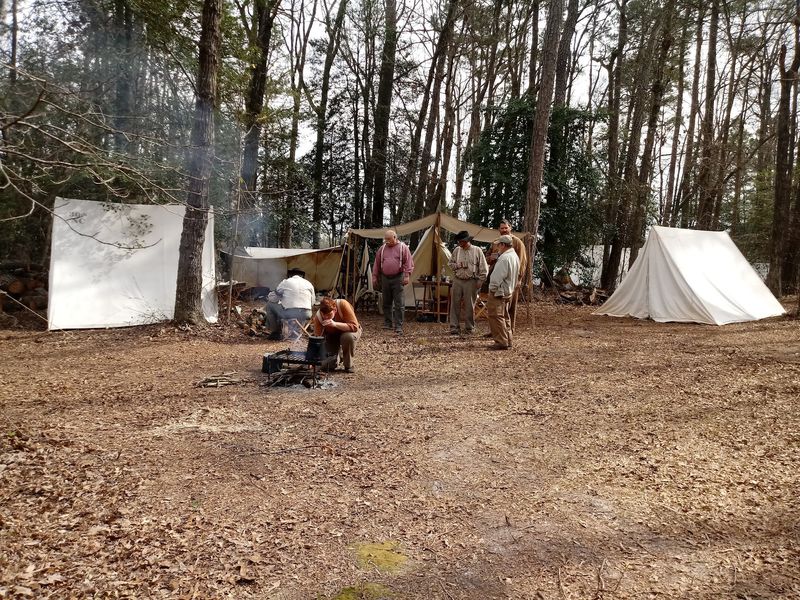
Nothing says old-fashioned fun quite like bumping along on a wagon ride. The festival offers rides around the property, giving you a relaxed look at the fields without wearing out your legs.
Kids’ games are part of the lineup too. Simple, classic games remind everyone that children in the 1800s found plenty to do without a single screen.
Live music drifts across the grounds throughout the day. It adds a cheerful soundtrack while you stroll from tent to tent.
Hungry? Multiple food trucks will be parked on-site, so nobody has to leave early because of a growling stomach.
Another fun stop is the display from the Johnston County Beekeepers Association. Bees and honey were a real part of farm life, and the display connects that past to beekeepers working in the area today.
Here’s a smart plan for families. Ride the wagon early to get your bearings, then circle back to the demonstrations and grab lunch from the trucks once you know where everything is.
It’s the kind of day where everyone finds a favorite moment. Mine would probably involve the wagon and a snack.
A Quiet Farmhouse Holds The Site’s Most Powerful Story
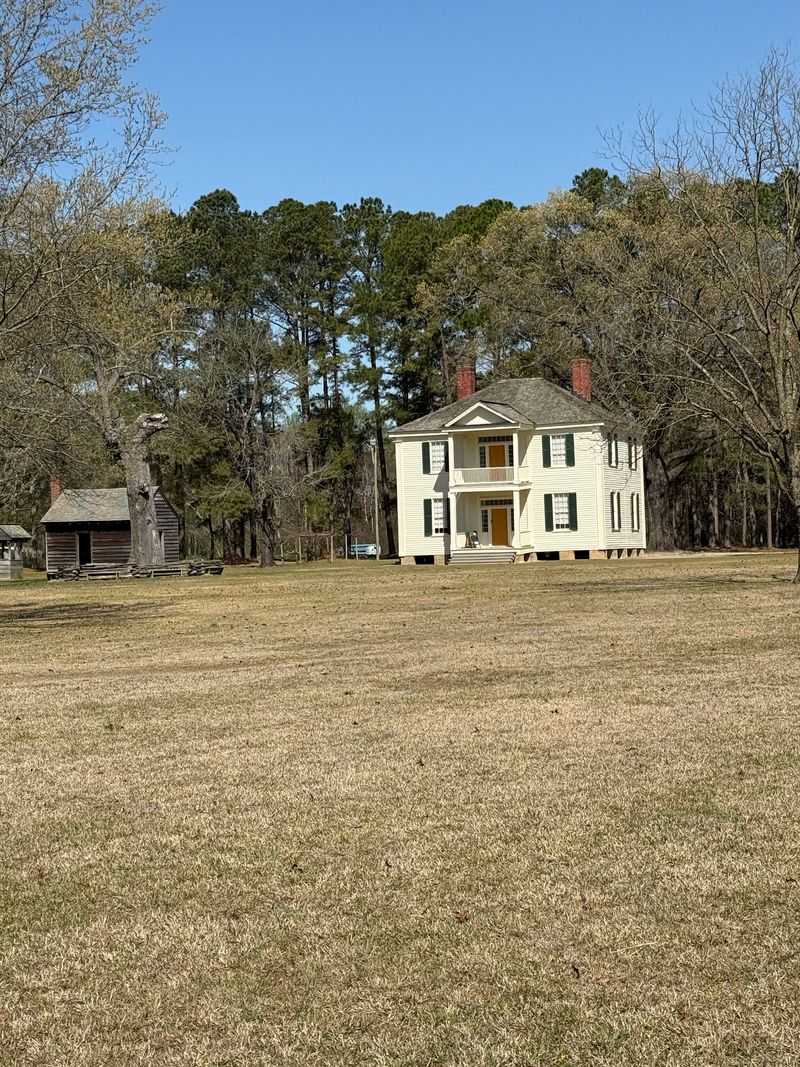
Built around 1855, the Harper House looks like a modest farmhouse. In March 1865, it became a Union field hospital where more than 500 wounded soldiers, including 45 Confederates, received treatment.
Stains traditionally associated with the field hospital remain visible on the original wooden floors. Seeing them in person makes the history feel close in a way no photo can match.
The home is set up to show two sides of its past. Downstairs rooms are furnished to reflect the hospital, while upstairs rooms show how the Harper family lived during those hard days.
That split tells a big story in a small space. A family’s ordinary life and a crowded medical scene shared the same walls.
Guided tours of the Harper House depart from the Visitor Center at scheduled times. Visitors can explore the battlefield grounds and outdoor exhibits independently, but entry into the historic house is through guided tours.
My tip is to take the guided tour if you can. The guides share stories about the Harper family and the area that bring each room to life.
It’s a humble home, but it carries more history than most mansions ever will.
The Farm Tells Stories Beyond The Battle Lines
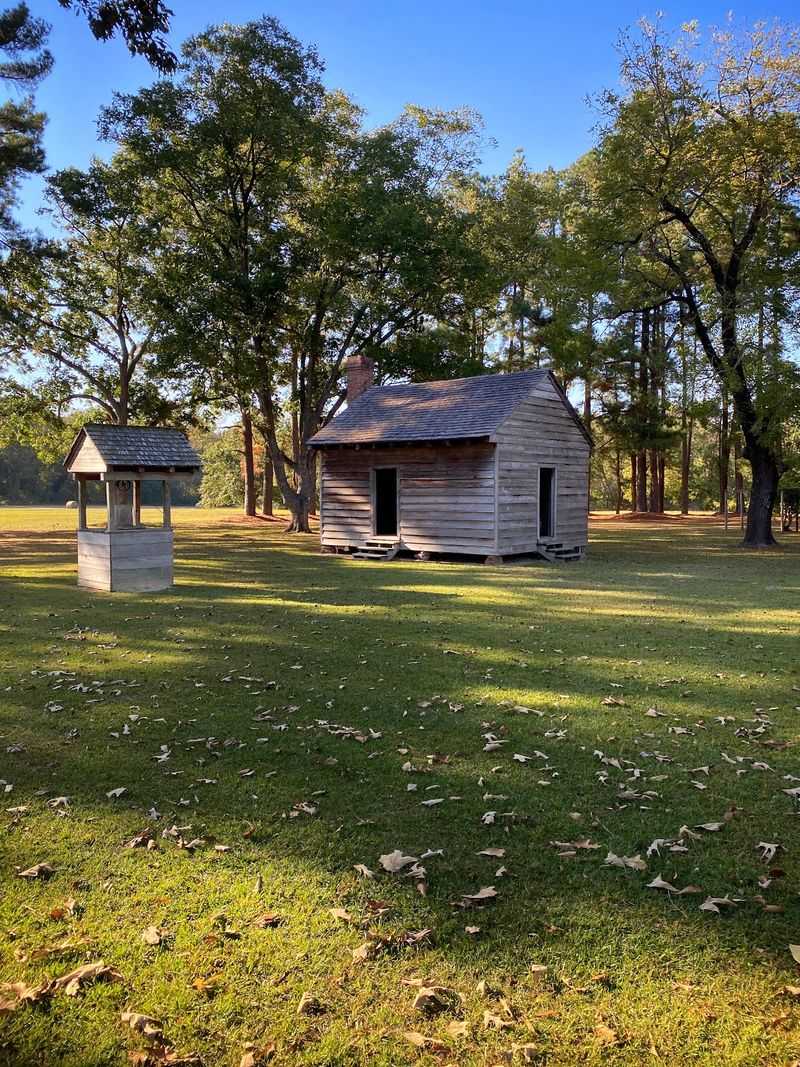
Lucy, Alexander, and Clarsie were enslaved people on the Harper farm who likely witnessed the 1865 battle. The site makes a point of sharing their stories, which gives visitors a fuller picture of who lived on this land.
A reconstructed kitchen and an enslaved dwelling stand near the Harper House. These buildings help explain the daily work that kept the farm running.
I believe this part of the visit matters just as much as the battlefield itself. History feels more honest when it includes everyone who was there.
The grounds also hold the Harper family cemetery. Nearby, a Confederate mass grave and several monuments honor the soldiers who fought here.
It’s a good idea to slow down in this area. Read the signs, take a quiet moment, and talk with your kids about what life was like for each person on the farm.
During the festival, these spaces pair nicely with the trade demonstrations. Seeing a kitchen building and then watching period skills in action helps the whole 1800s picture click into place.
This corner of the property rewards curious visitors who look beyond the big headlines.
Three March Days Made This Ground Famous
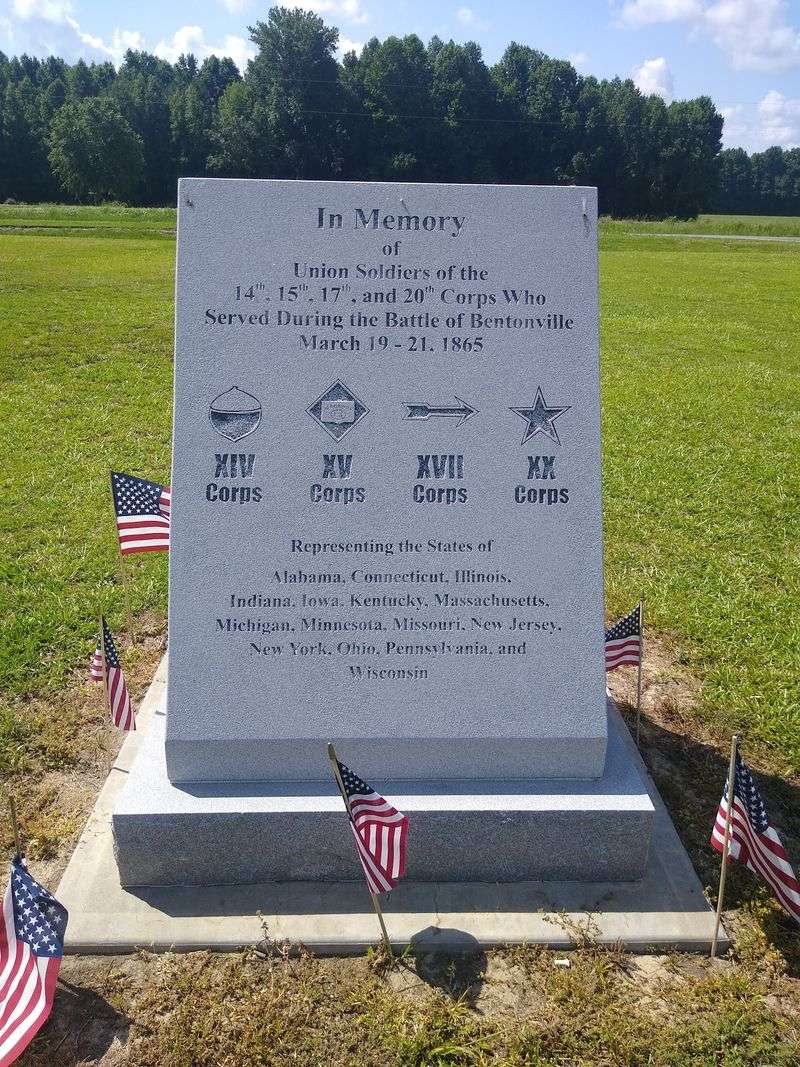
Roughly 80,000 soldiers clashed on these fields from March 19 to 21, 1865. That makes the Battle of Bentonville the largest battle of the 1860s conflict ever fought in North Carolina.
It was also the last major Confederate offensive of that era. Southern forces tried to stop General William T.
Sherman’s march through the Carolinas, and the effort fell short.
The losses were heavy, with an estimated 4,133 casualties over those three days. Walking the land helps you understand the huge scale of what happened here.
Because of its importance, the battlefield became a National Historic Landmark in 1996. That honor puts it among the most significant historic places in the country.
Plenty of people drive past this area without knowing any of this. Major events elsewhere a few weeks later often steal the spotlight in history books.
Here’s a fun way to prep before Saturday. Read a little about Sherman’s march with your family, then see how much clicks once you’re standing on the actual ground.
Knowing the story ahead of time turns every field and marker into something you’ll remember long after the drive home.
Glowing Map Lights Make Troop Movements Easy To Follow
Tiny lights crawl across a fiber-optic map inside the Visitor Center, showing how troops moved on March 19, 1865. That was the bloodiest day of the battle, and the map makes a confusing day much easier to understand.
Battle sounds play along with the lights. It’s a clever way to hold everyone’s attention, including kids who usually yawn at museums.
A 15-minute film sets the stage for the whole visit. Watching it first gives you the background you need before heading outside.
Museum exhibits display artifacts recovered from the battlefield. Seeing real objects from 1865 adds weight to the stories you’ll hear later.
There’s also a gift shop stocked with books and souvenirs about Bentonville and the era. History fans can easily lose track of time in there.
My strongest advice is to start your day at the Bentonville Battlefield State Historic Site Visitor Center. Restrooms and picnic tables are handy here too, which helps families plan breaks.
Think of this building as your launch pad. Everything else on the grounds makes more sense once you’ve seen the map and film.
Original Earthworks Still Line The Walking Trails
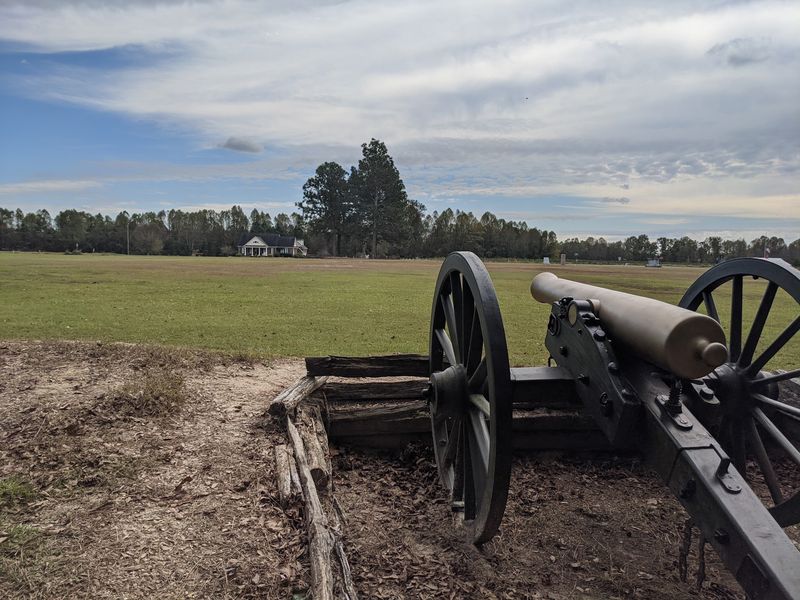
Trenches dug in 1865 are still visible along the trails, more than 160 years later. Standing behind original earthworks is one of the most memorable parts of any visit.
About six miles of walking trails wind through fields and woods. Comfortable shoes are a must if you plan to explore much of them.
Prefer to sit while you learn? A ten-mile self-guided driving tour circles the battlefield, with signs and markers at pull-off stops.
Each stop explains a key moment from the three-day fight. An audio tour can also guide you, though cell coverage may be spotty in spots, so it helps to plan ahead.
On festival day, the main action stays near the house and Visitor Center. If you still have energy afterward, a few driving tour stops make a great bonus.
I like that you can choose your own pace here. Hike it, drive it, or mix both and call it a day well spent.
Missed Saturday? History Keeps Its Doors Open
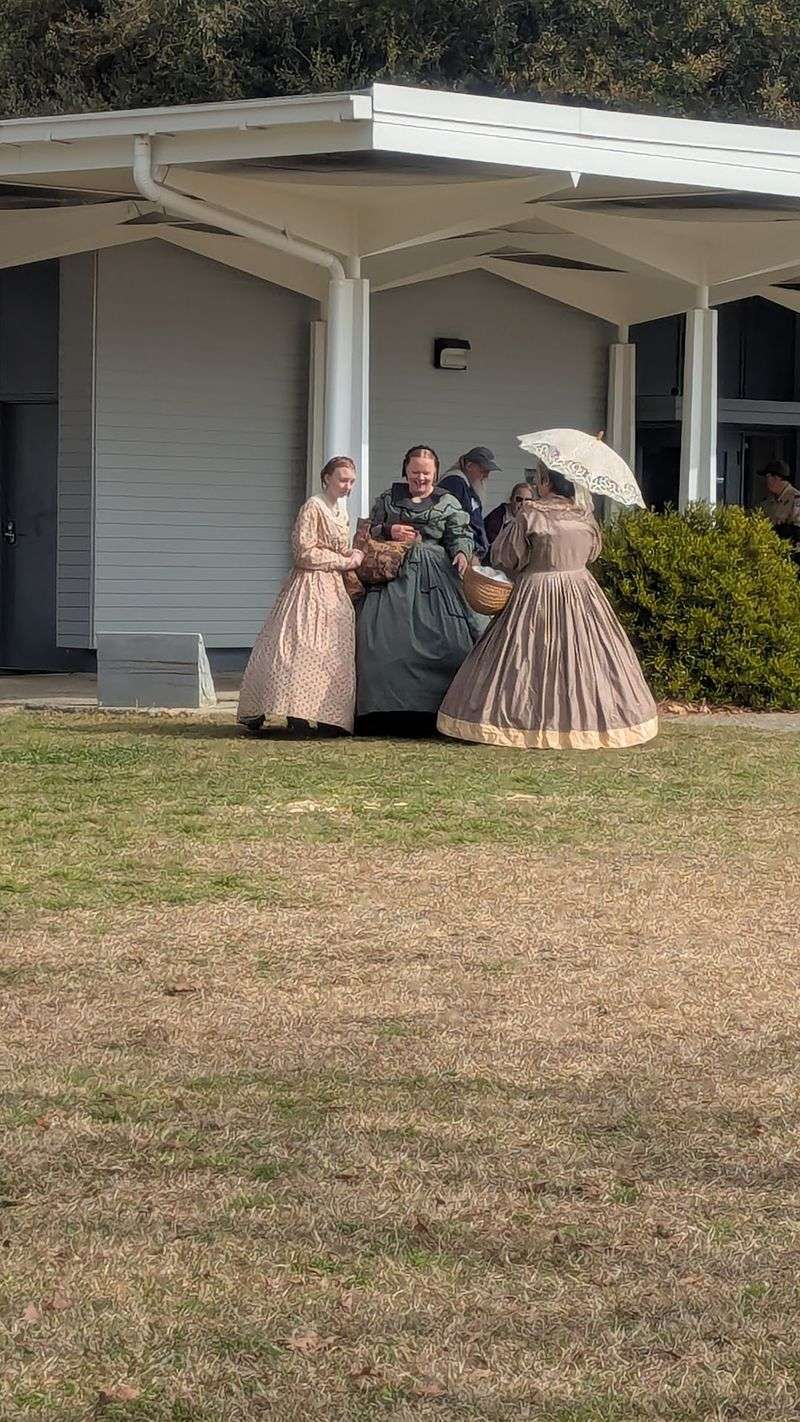
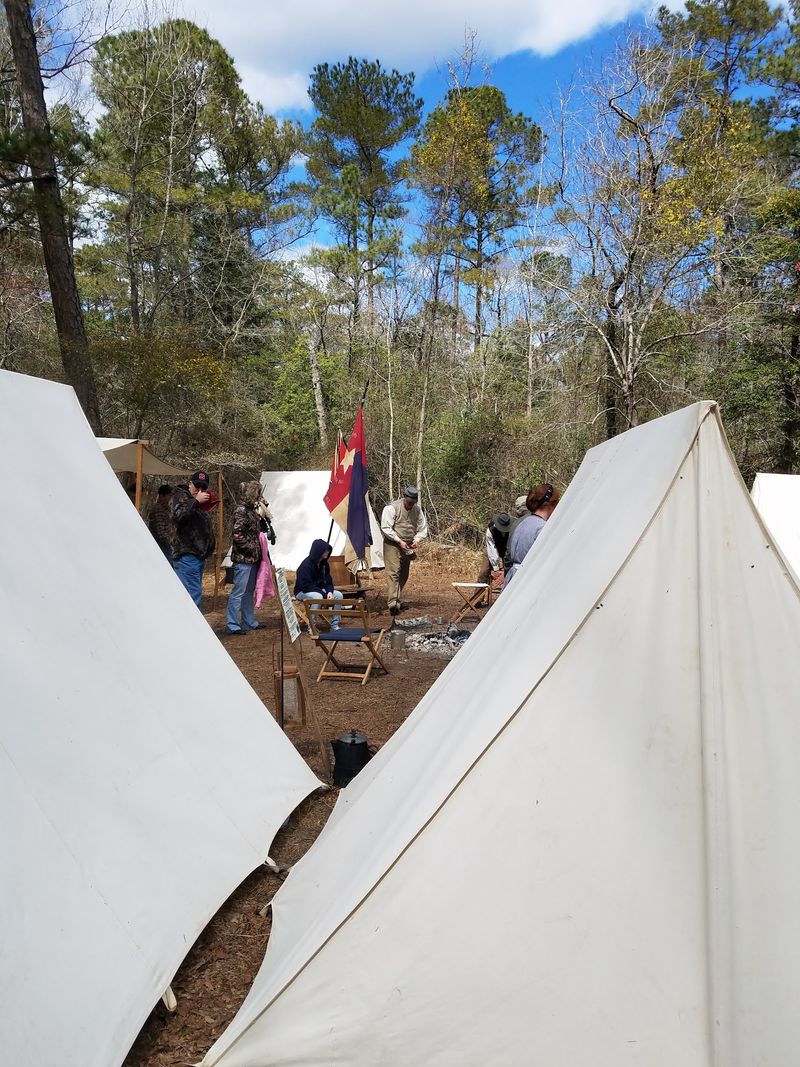
Good news for anyone with a packed calendar this weekend. The festival is just one of several special events held at the Bentonville Battlefield State Historic Site throughout the year.
Living history programs pop up on the schedule regularly. The biggest buzz usually comes in March, around the anniversary of the 1865 battle.
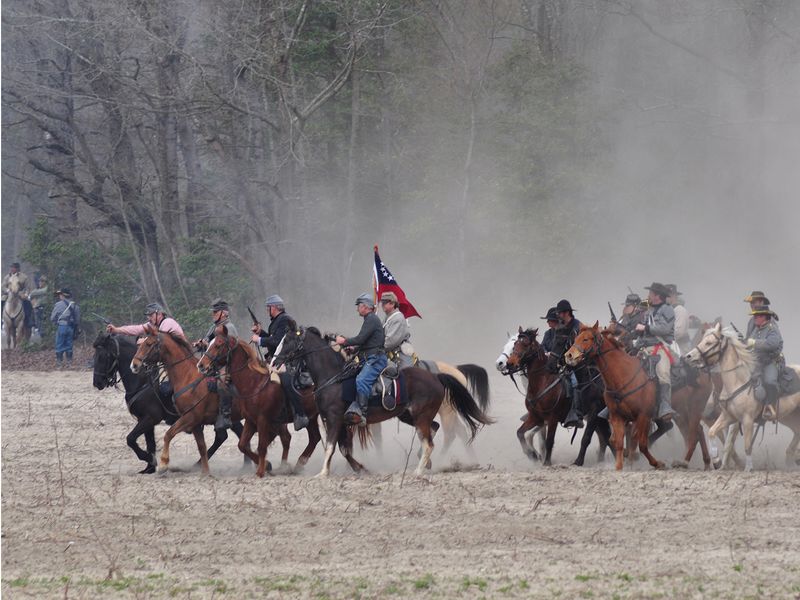
Anniversary events often feature reenactments that bring big crowds and lots of energy. History lovers from across North Carolina and beyond make the trip for them.
On regular days, the site is open Tuesday through Saturday from 9 a.m. to 5 p.m. Mondays and most major holidays are closed, so check before you go.
Here’s a small tip that saves frustration. Arrive well before closing, since buildings can shut down a bit before the gates do.
Cooler seasons are ideal for the trails and driving tour. Summer heat in eastern North Carolina can make long walks feel much longer.
Whether you come for the festival or a quiet weekday, the land keeps telling its story. Every visit seems to uncover a detail you missed before, which is a pretty great reason to come back.