This North Carolina Market Is A Treasure Trove Of Hard-To-Find Eastern European Foods
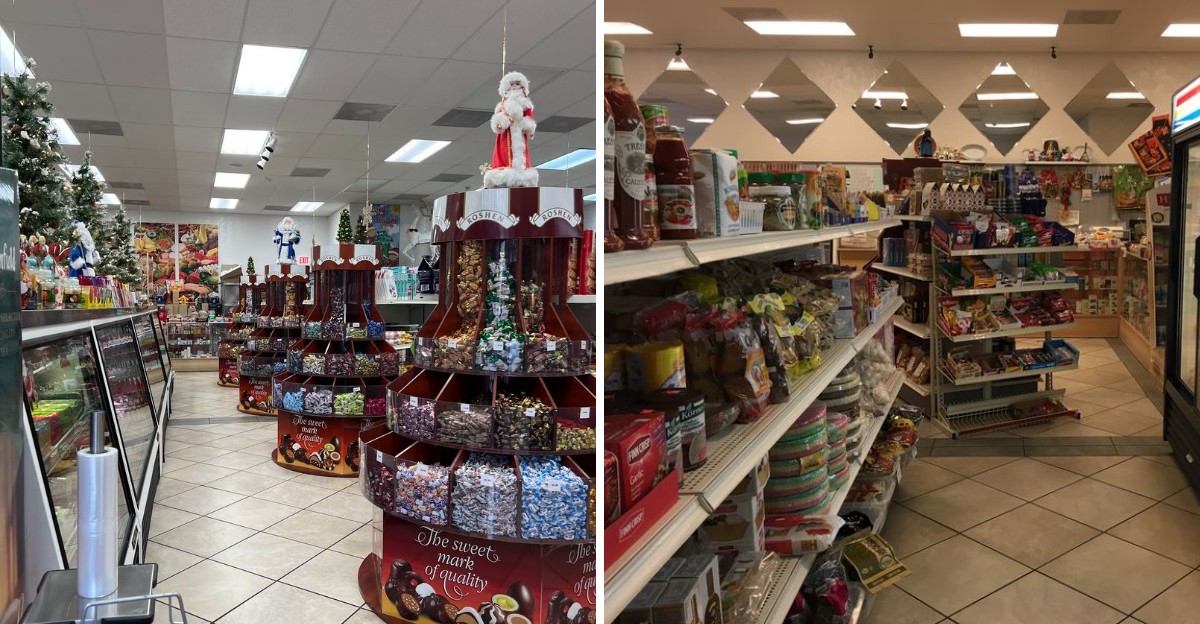
There is a little market in Indian Trail that can make your regular grocery store feel painfully boring.
You walk in for one thing and immediately realize that was a ridiculous plan.
Half the fun is figuring out what you are looking at without pretending you know more than you do.
Some labels are familiar.
Others make you squint like the answer might magically appear if you stare hard enough.
Then the deli counter gets involved, and whatever self-control you brought with you starts looking shaky.
North Carolina has plenty of places to grab groceries, but this one feels more like a treasure hunt where the prize is dinner.
Regulars know exactly what they came for.
Newcomers tend to wander around looking curious, hungry, and slightly confused.
That is a pretty good combination here.
By the time you leave, your bag is heavier, your original shopping list is irrelevant, and you are probably already planning a second visit.
Browse Shelves Packed With European Foods You Rarely See Elsewhere
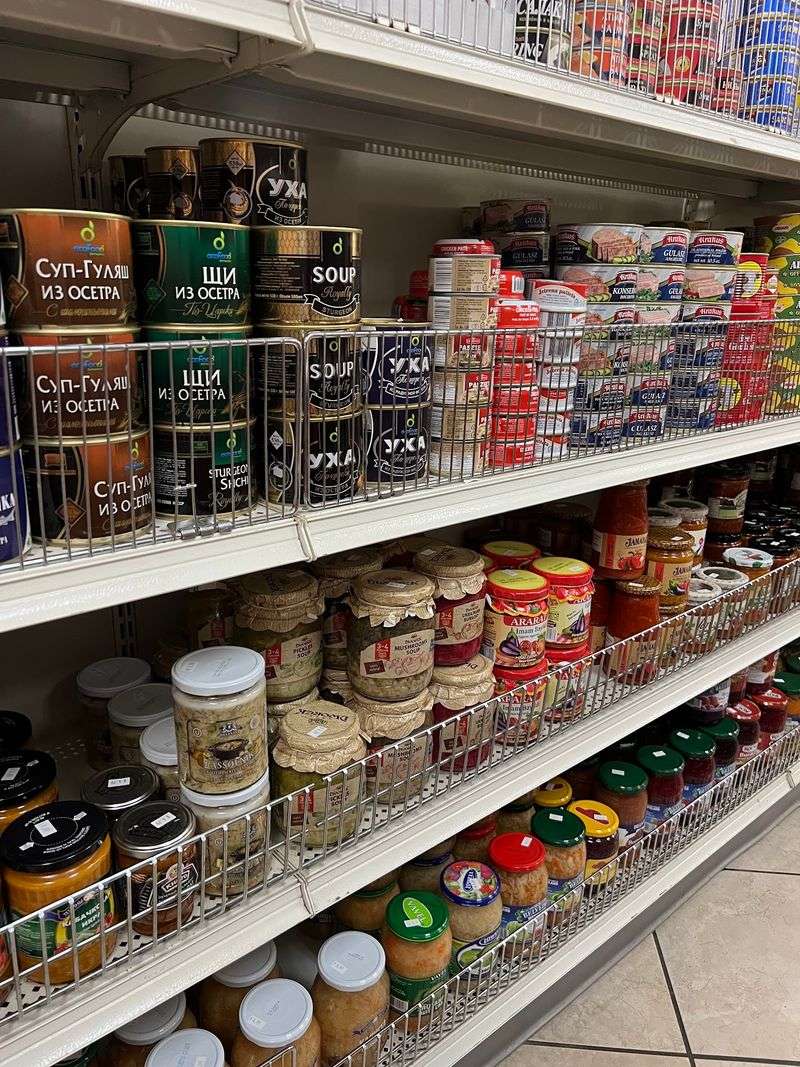
Golden Key European Food Market puts its specialty identity front and center through shelves devoted to European groceries rather than a small international corner hidden among conventional brands.
Packaged foods make up a large part of the experience, with products connected to Polish and Eastern European cooking sharing space across the store.
That focus gives the aisles a different rhythm from a standard supermarket, where imported items are usually scattered among larger domestic categories. Here, the European selection is the main reason to browse.
Labels, brands, and package designs can vary from what shoppers normally see at major grocery chains, so taking a little extra time makes the visit more useful.
Pantry staples can sit beside snacks, sauces, preserves, and foods intended for traditional recipes, making it easy to move between practical ingredients and more casual finds.
The compact scale also means shoppers can cover the store without navigating a sprawling floor plan. Golden Key is not trying to imitate a full supermarket.
Its strength is concentration. By focusing on a narrower range of specialty foods, the market gives Indian Trail a grocery option built around European flavors, ingredients, and brands rather than everyday mass-market selection.
That distinction stays throughout.
Make The Deli Counter One Of Your First Stops
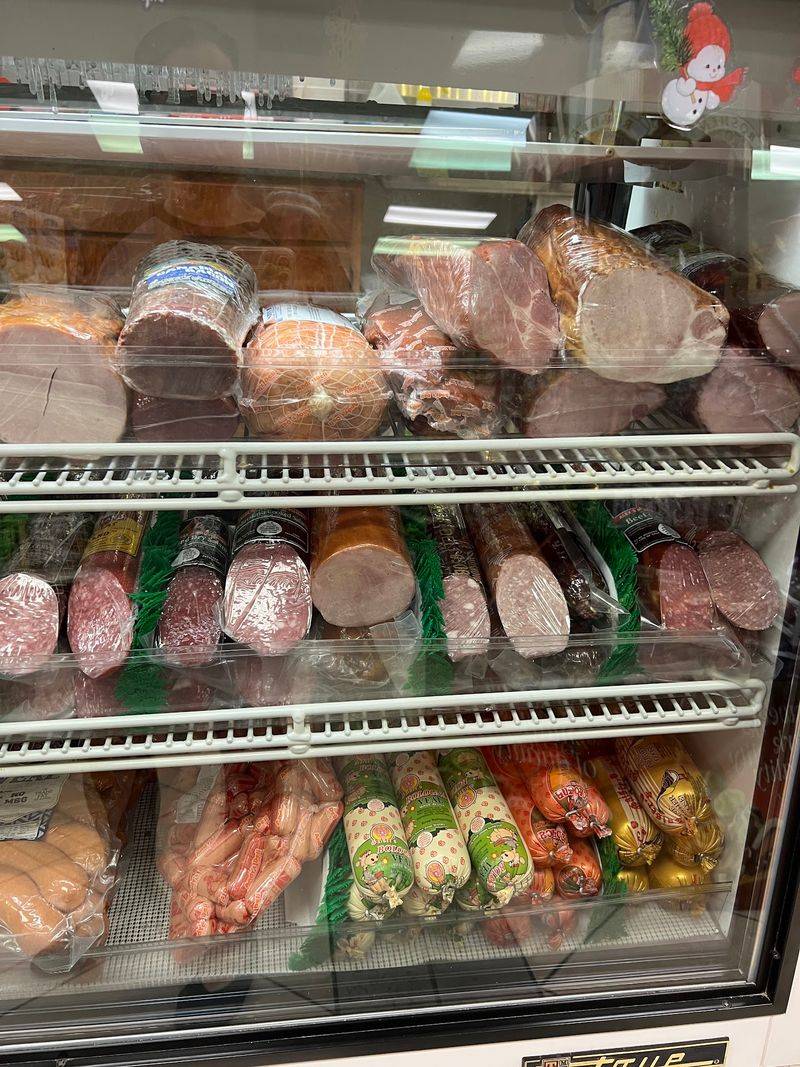
The deli side of Golden Key European Food Market gives the shop more depth than shelves alone provide. Business directories classify the market as a grocery store and delicatessen, while current food coverage highlights kielbasa, smoked meats, sausages, and other refrigerated specialties.
That combination matters because many Eastern European dishes depend on cured, smoked, or prepared meats that are not always easy to substitute with standard supermarket options.
Instead of treating the deli as an afterthought, the market folds it into the broader European grocery experience.
Shoppers can move from packaged pantry goods to chilled items without changing stores, which makes it easier to gather several parts of a meal during one stop.
The precise selection can shift as inventory changes, but the deli remains one of the shop’s defining categories.
It also creates a useful contrast with the dry-goods aisles, giving visitors another area to explore after browsing jars, boxes, and packaged snacks.
For cooks building a traditional dish or anyone interested in European sausage styles, this is one of the sections worth checking carefully before moving on to the rest of the market.
It is one clear way the market separates itself from a conventional grocery run. Overall.
Pick Up Pierogi, Kielbasa, And Other Eastern European Favorites
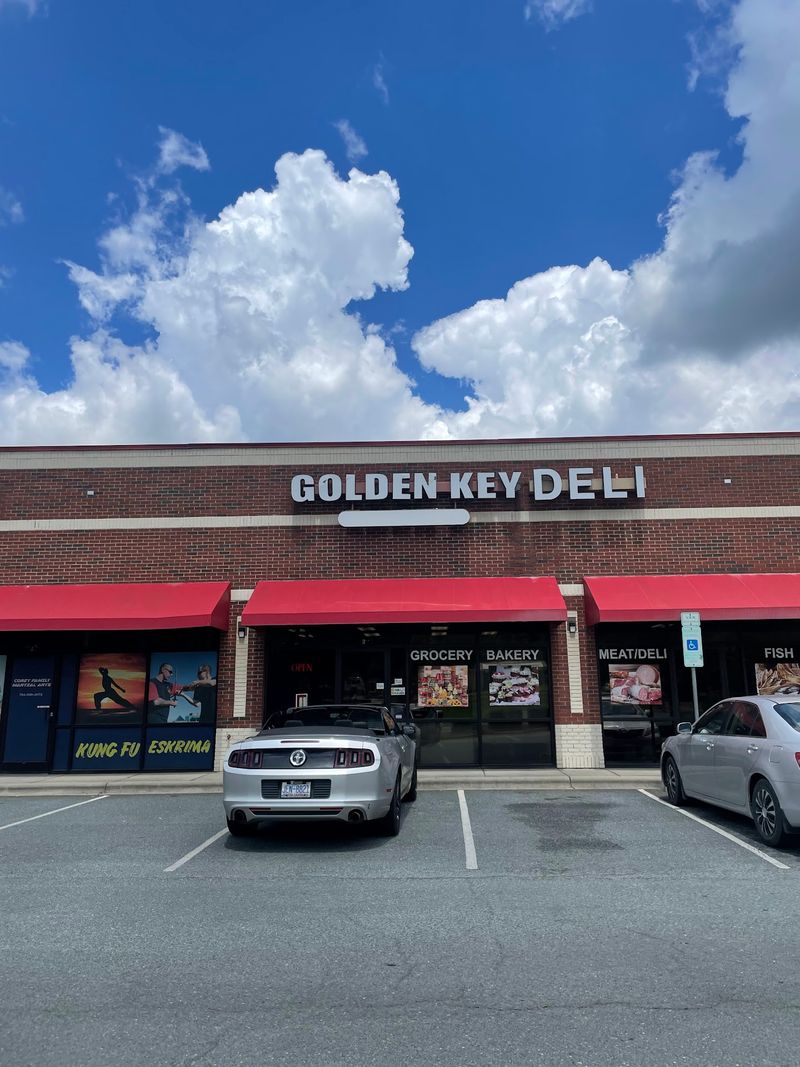
Pierogi and kielbasa give Golden Key European Food Market a clear connection to Polish and Eastern European home cooking. A 2026 North Carolina food feature identifies both among the store’s specialty offerings, along with smoked meats and other ready-to-cook foods.
Packaged pierogi are especially practical because they turn a labor-intensive dumpling into something that can be prepared at home without starting from dough and filling.
Kielbasa serves a different role, working as a main ingredient, an addition to soups and stews, or a simple component of a larger meal.
Exact brands, fillings, and varieties can change, so the selection on one visit may not match the next. That variability is part of shopping a small specialty market rather than a national chain with standardized inventory.
It also makes the freezer and refrigerated areas worth checking even when the pantry shelves have already supplied most of what is needed. Preparation should follow the directions on each package, since cooking methods differ by product.
For shoppers interested in Polish staples, these ready-to-cook foods provide a direct reason to include Golden Key on an Indian Trail grocery run.
They also make it easier to try regional dishes without preparing every component from scratch.
Dig Through The Refrigerated Cases For Meats And Specialty Cheeses
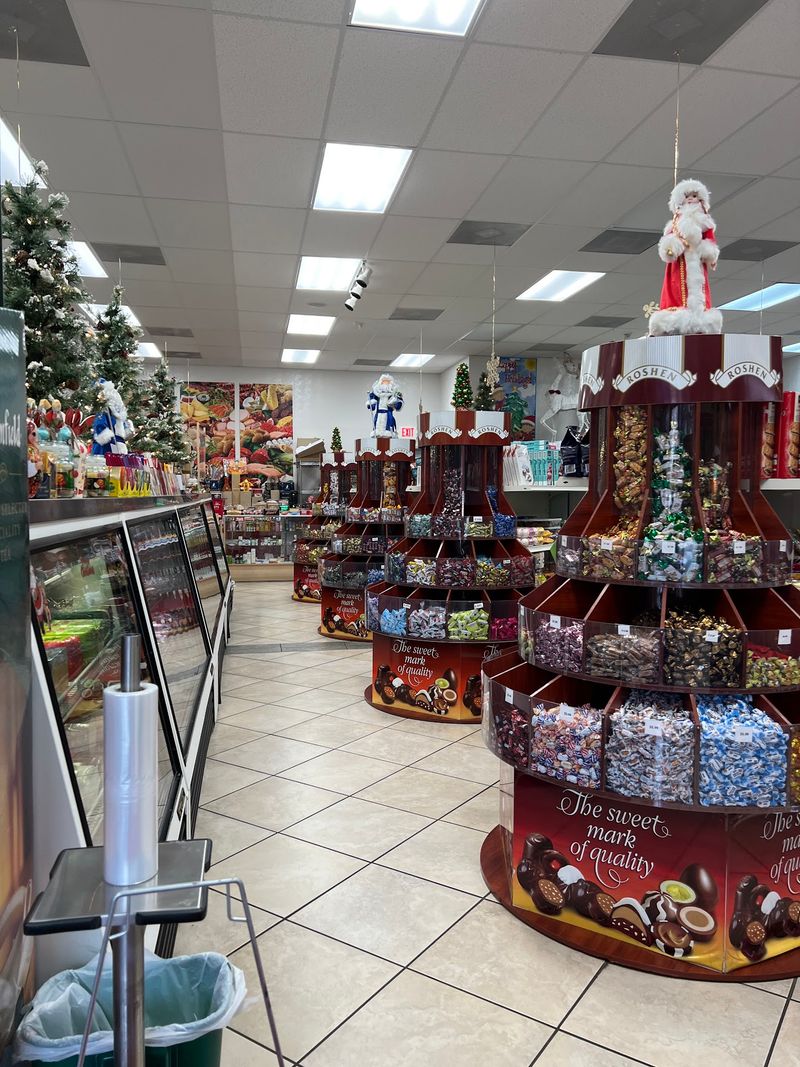
The refrigerated cases broaden the market beyond shelf-stable groceries.
Current 2026 coverage of Golden Key European Food Market identifies traditional dairy products alongside fresh kielbasa, smoked meats, and other chilled specialties, giving shoppers several categories to explore beyond jars and boxes.
These foods fit naturally into a store centered on Polish and Eastern European cooking, where refrigerated ingredients can be just as important as pantry staples.
The chilled section is worth treating as its own stop rather than something to glance at while heading toward the register.
Different temperatures mean different storage needs, and a specialty market can place related foods in separate coolers or cases depending on the product.
Reading package labels carefully can help with storage instructions, ingredients, and preparation details when a brand is unfamiliar.
Inventory may change, so a specific dairy item, sausage, or smoked meat cannot be guaranteed on every visit, but the broader refrigerated category adds useful range. Shoppers can move from dry ingredients to deli foods and chilled products without leaving the same compact storefront.
That variety gives Golden Key more depth than a market devoted only to packaged imports and makes the refrigerated area an important part of the visit each time.
Fill Your Basket With Pickles, Mustards, Preserves, And Pantry Staples
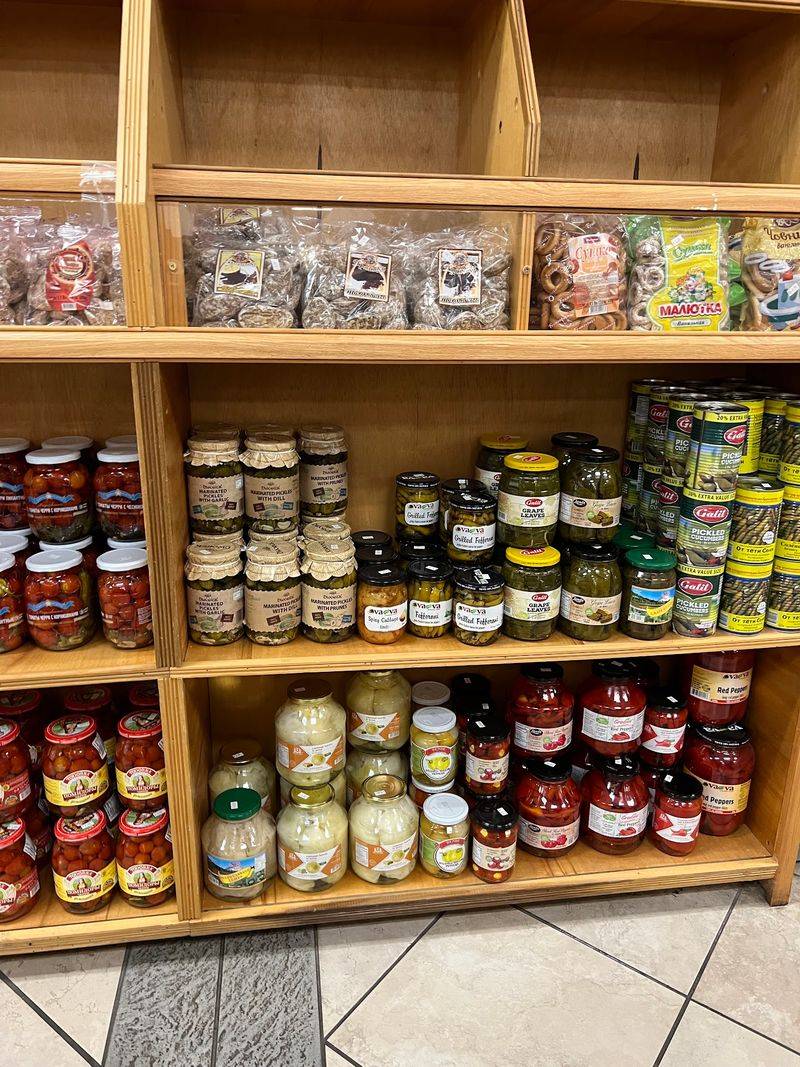
Shelf-stable foods bring another side of Eastern European cooking into focus. A current North Carolina food guide specifically identifies pickled vegetables, mustards, preserves, packaged snacks, and specialty ingredients among Golden Key European Food Market’s offerings.
These categories matter because they can change an entire meal without requiring complicated preparation.
A sharp mustard can accompany cooked meats, pickled vegetables can add acidity beside richer foods, and preserves can move easily from breakfast to dessert.
Packaged pantry items also make practical purchases for shoppers who are not heading directly home, since they do not require the same immediate temperature control as deli or dairy products.
The variety within each category can be substantial because recipes and flavor profiles differ across countries, regions, and producers.
That makes broad assumptions about “Eastern European taste” less useful than simply reading the individual label and ingredient list. Golden Key’s pantry aisles work best as a place to compare products rather than rush toward the first familiar jar.
Someone arriving for one ingredient may find several versions of the same general category, each designed for a different use. This part of the store rewards curiosity while staying grounded in everyday cooking.
It leaves room for experimentation. Naturally.
Leave Room For Imported Chocolates, Candies, And Sweet Treats
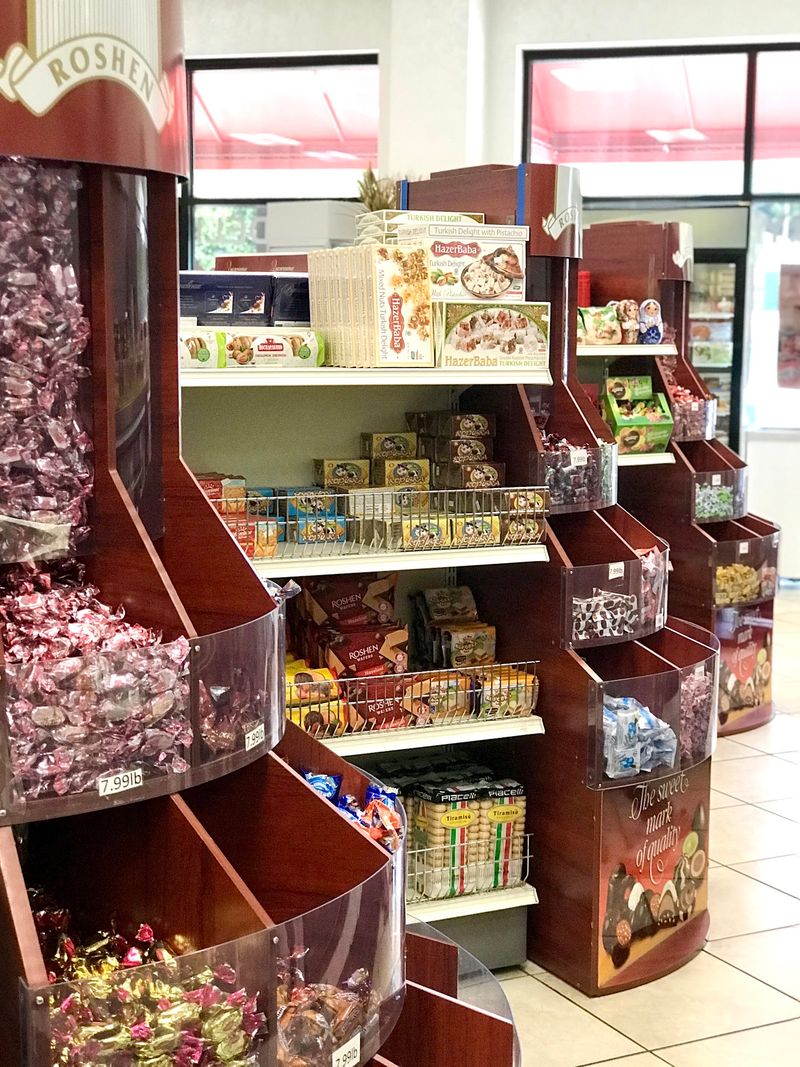
Packaged snacks add a lighter, more spontaneous element to a visit that might otherwise revolve around ingredients for full meals.
Golden Key European Food Market carries Eastern European packaged foods alongside its deli, dairy, and pantry staples, giving shoppers room to add something simple after the practical shopping is finished.
The exact brands and flavors can change with inventory, so this is one section that benefits from browsing rather than arriving with a rigid list.
Packaging is part of the experience because imported products may retain the language, graphics, and serving information used for their original markets.
That makes ingredient lists and preparation notes especially useful when a brand is unfamiliar. An English-language sticker may provide additional information on some imported items, while a phone translation tool can help when more context is needed.
Packaged snacks also provide an approachable entry point for shoppers who are new to Eastern European food because they require less planning than preparing a full traditional recipe.
One small item can introduce a different flavor, texture, or brand without committing to an entire meal.
It is a simple category, but it reinforces the market’s focus on European foods that sit outside the standard supermarket lineup.
Ask For A Recommendation When Something On The Shelf Looks Unfamiliar
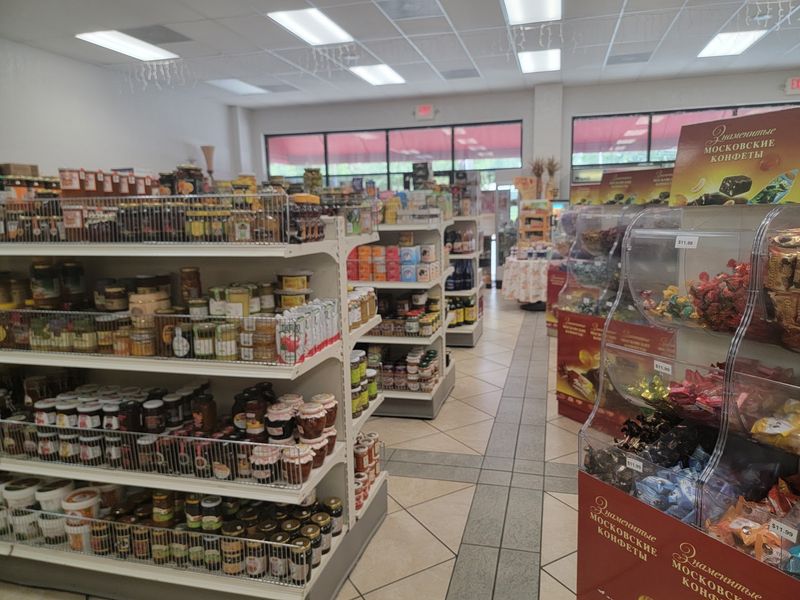
Golden Key European Food Market works best when the trip is approached as specialty shopping rather than a substitute for a conventional supermarket run.
The store’s strength lies in its focused European selection, so a short list of specific ingredients can make the visit more productive.
Someone planning pierogi, sausage dishes, sandwiches, preserved vegetables, or recipes that call for particular European pantry items can check several relevant categories in one stop.
At the same time, keeping the list slightly flexible makes sense because smaller specialty markets may rotate brands and varieties.
If one exact product matters, calling the store before leaving home is a practical way to confirm availability. Product labels deserve attention too, particularly when storage directions, preparation steps, or ingredients differ from familiar American brands.
None of that requires turning the visit into homework. It simply helps shoppers understand what they are buying and how to use it once they get home.
The market’s compact layout makes that slower style of browsing manageable. Instead of racing through long supermarket aisles, visitors can spend their time comparing a smaller number of specialty categories and choosing the items that fit their own cooking plans.
That balance keeps the experience useful.
Give Yourself Time To Find Something You Never Planned To Buy
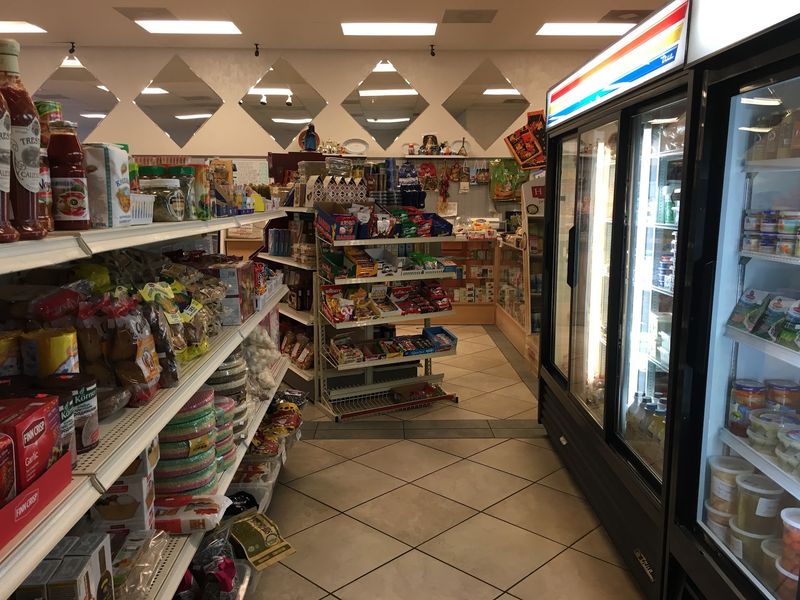
Planning the visit is straightforward because Golden Key European Food Market keeps a compact schedule. The store is open from 10 a.m. to 7 p.m.
Tuesday through Friday and from 10 a.m. to 5 p.m. Saturday, while Sunday and Monday are closed.
Golden Key is at 1001 Van Buren Ave in Indian Trail, placing the specialty market within the greater Charlotte area without requiring a trip into the center of the city. A cooler is also useful for longer drives when deli meats, sausages, dairy products, or frozen foods are part of the plan.
Once the practical details are handled, the appeal is simple: Golden Key offers a grocery trip built around Russian, Polish, and broader Eastern European foods rather than the familiar mix found in a large chain.
Its shelves, deli offerings, chilled foods, and pantry staples give curious cooks several directions to explore.
For Indian Trail shoppers interested in European ingredients, it remains a distinctive specialty-food stop with a clear focus. Checking hours before departure keeps the trip simple and efficient.