This North Carolina Town Helped Save Apollo 13 And Almost Nobody Knows It
Before anyone aimed for the moon, a few astronauts had homework in North Carolina.
No rockets. No zero gravity.
Just stars, calculations, and the mildly terrifying possibility that one day those lessons might matter hundreds of thousands of miles from home.
For fifteen years, NASA sent crews to a college campus here to practice celestial navigation, learning how to steer by reading the night sky when technology could not be trusted to do all the work.
That sounds charmingly old-school until Apollo 13 enters the picture.
During the troubled mission, those skills helped the crew determine its position and find a path back toward Earth. Suddenly, “studying the stars” was not a poetic little exercise.
It was part of getting three astronauts home alive.
Today, students hurry past the building carrying coffee and backpacks while most visitors have no idea what happened inside.
Talk about space hiding in plain sight.
The campus may look grounded, but its résumé has serious altitude.
Discover How A College-Town Planetarium Became Part Of NASA History
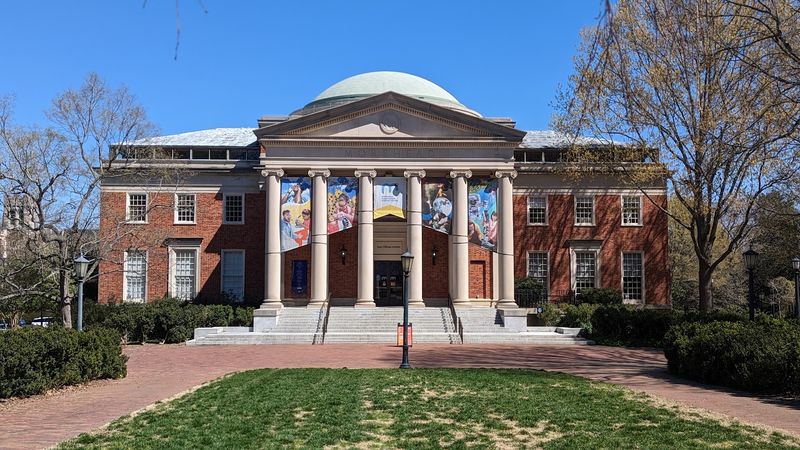
Long before rockets carried Americans into orbit, this building was simply a gift to a university town. Morehead opened its doors in 1949 as the first planetarium in the South and eighth planetarium built in the United States.
Then came the late 1950s, when planetarium director Tony Jenzano pitched an idea to NASA that sounded almost old-fashioned. Teach astronauts to read the stars, the same way sailors once crossed oceans with only guide stars overhead.
NASA agreed. Early spacecraft carried automated navigation systems that could drift or fail, and a human backup made sense.
Training began around 1960 and continued all the way through 1975.
For more than a decade, Chapel Hill quietly became a space town. Staff protected the astronauts’ privacy by using a code name for the sessions: cookie time.
Walk the brick paths outside today and the building looks calm and scholarly. The copper dome above gives away nothing about the history made underneath it.
Step Into The Dome Where Apollo Astronauts Learned Celestial Navigation
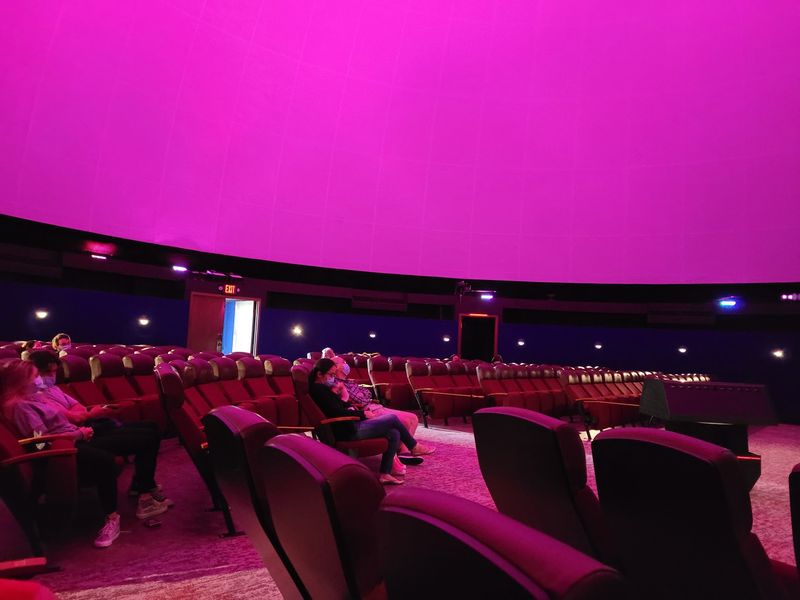
Cool air, dim lighting, and a curved ceiling 69 feet across greet you the moment the doors close. That same dome once served as a classroom for the men who flew Mercury, Gemini, and Apollo missions.
Astronauts sat inside surrounded by custom equipment built to copy the narrow views from a spacecraft window. The point was repetition: recognize constellations, single stars, and celestial landmarks from the exact angles they would see in flight.
Crew members described the large dome as highly realistic and called the facility superb. Coming from people trained on multimillion-dollar simulators, that is high praise.
Visitors today can still lean back and watch a projected night sky at 250 E Franklin St, Chapel Hill, NC 27514. The seats are comfortable, the projection wraps around you, and the star fields are the same ones that guided crews home.
Sit near the center for the fullest view, and let your eyes adjust before the show begins.
Follow The Training That Prepared Crews To Navigate By The Stars
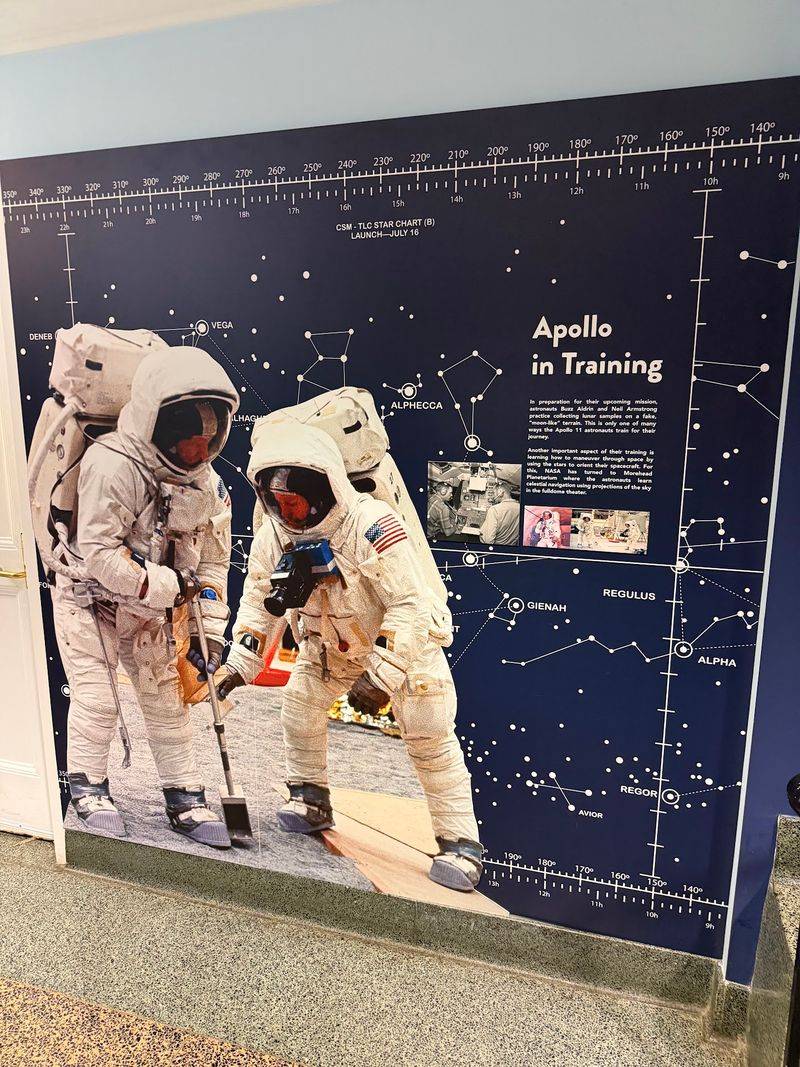
Memorizing the sky is harder than it sounds. The goal at Morehead was to build what instructors called a rock-solid mental picture of the star field, sharp enough to recall under pressure.
Training covered far more than casual stargazing. Astronauts learned to steer manually if automated systems quit, and to recalibrate equipment that slowly drifted off course during long flights.
General navigation lessons introduced 42 specific guide stars. Those served as dependable waypoints scattered across the whole sky, a set of cosmic road signs any crew member could find quickly.
Beyond the basics came mission-specific drills. Each flight had its own path, its own timing, and its own view of the heavens, so the sessions were tailored to match.
Sighting the stars became routine practice in orbit, a way to check and correct a spacecraft’s position. That habit, drilled into crews here, paid off during emergencies nobody had planned for.
Practice, then practice again. That was the whole philosophy.
Learn How Jim Lovell Practiced Here Before Flying Apollo 13
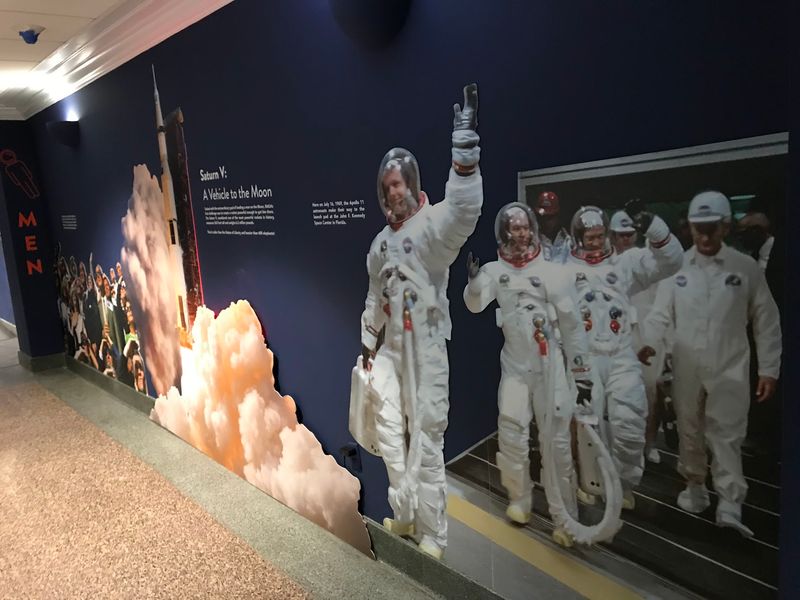
April 1970 turned a routine moon mission into one of the most gripping rescues in history. James Lovell, John Swigert, and Fred Haise had all spent time under the Morehead dome before launch.
Halfway to the moon, an oxygen tank ruptured. Power, electrical systems, and life support all suffered, and the lunar landing was abandoned within hours.
What remained was a long, cold trip home in a crippled ship. With systems unreliable, the crew leaned on the star knowledge they had rehearsed in Chapel Hill, using celestial sightings to confirm their alignment before critical engine burns.
Getting that alignment wrong meant missing Earth entirely or entering the atmosphere at the wrong angle. Getting it right meant survival.
They got it right. Apollo 13 splashed down safely, and the mission stands as the clearest example of training from this North Carolina institution making a life-or-death difference.
Exhibits inside connect visitors directly to that chapter of the story.
Find Out Why Star Navigation Became Crucial When The Mission Went Wrong
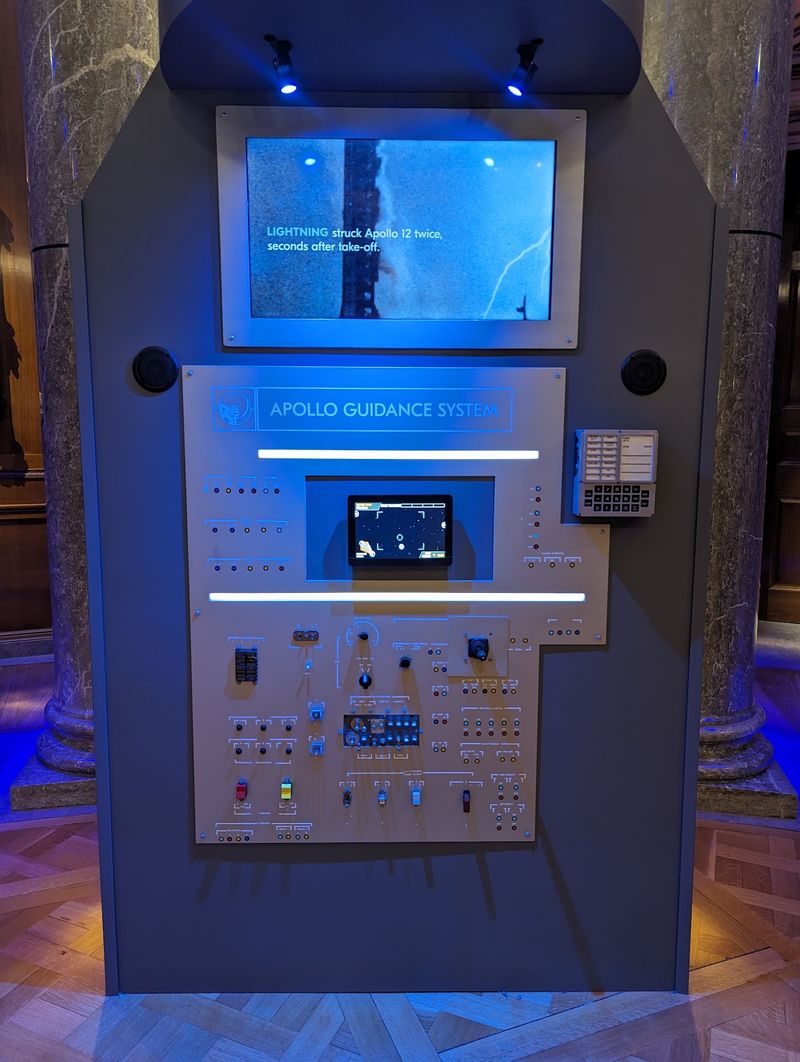
Technology fails. That simple truth is why NASA never treated star navigation as a museum skill, even as onboard computers grew smarter.
Apollo 13 proved the point in the most dramatic way, but it was not the only case. During Mercury-Atlas 9, astronaut Gordon Cooper lost power almost completely and guided his own reentry using the stars, producing the most accurate splashdown of the entire Mercury program.
Apollo 12 offered another example. Lightning struck the vehicle twice during launch, knocking navigational systems offline, and the crew realigned their equipment by sighting familiar guide stars.
Each incident traces back to the same idea Tony Jenzano proposed in the 1950s. Machines can break, but a trained human eye and a memorized sky do not.
Standing in the exhibit halls, you start to appreciate how much foresight that took. Someone in a quiet college town imagined disasters years before they happened, then prepared people to survive them.
Trace The Legacy Of 62 NASA Astronauts Who Trained Under This Dome
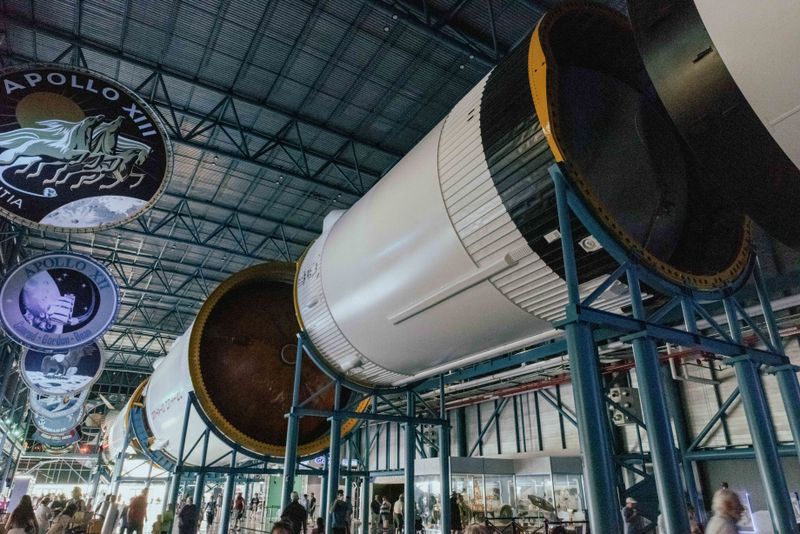
Sixty-two. That is how many NASA astronauts sat beneath this dome learning celestial navigation between 1960 and 1975.
The roster is staggering. Eleven of the twelve people who walked on the moon trained here, which means nearly every set of lunar bootprints belongs to someone who once studied the sky in Chapel Hill.
Neil Armstrong logged more hours than anyone else. Records show 11 sessions spread across 20 days, adding up to over 125 hours of instruction.
Jenzano liked to point out the result with a grin, saying Carolina is the only university in the country, in fact the world, that can claim all the astronauts as alumni.
The program wrapped up in 1975. Better navigation computers and the arrival of the Space Shuttle changed what NASA needed from its crews.
Photographs, patches, and artifacts throughout the science center keep those names visible for anyone curious enough to slow down and read them.
Explore The Equipment That Turned A Planetarium Into An Astronaut Classroom
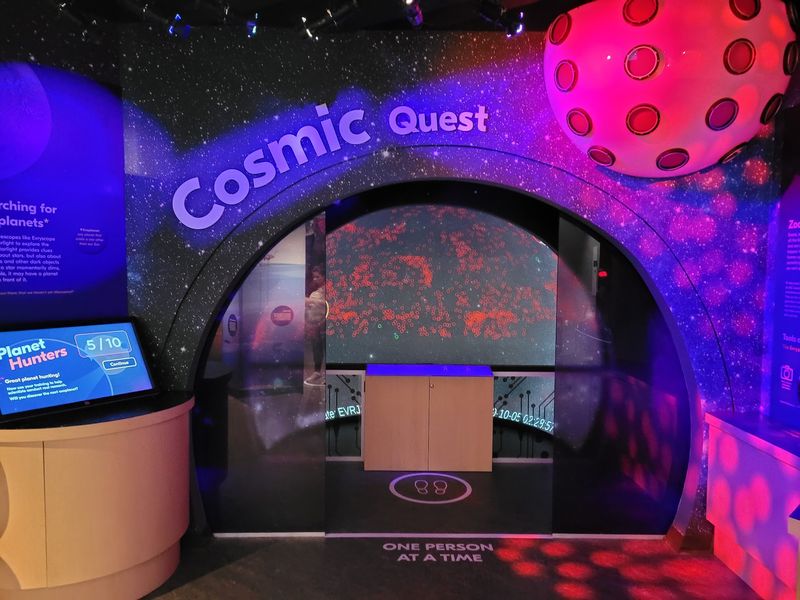
Plywood and cardboard put people on the moon, at least in part. Morehead technicians built simplified replicas of flight modules using ordinary materials and extraordinary cleverness.
Mercury training used a modified Link trainer flight simulator with a small canopy where an astronaut placed his head to mimic the capsule’s cramped window view.
The Gemini program brought a homemade solution the staff nicknamed the Gemini Trainer. Picture a plywood box mounted on a swiveling barber chair base, capable of imitating changes in pitch and yaw for a two-man crew.
Apollo required something more refined, so those simulators swapped direct window views for an optical device that improved realism.
Meanwhile, instructors ran the projection equipment by hand, placing stars exactly where they would appear along each virtual flight path. Special orbital line projectors added another layer of accuracy.
Many of these odd, wonderful contraptions remain on display. Seeing them up close makes the whole story feel handmade and human.
Look Up At The Same Artificial Sky That Helped Prepare Crews For Space
Lean back, let the lights fade, and the ceiling disappears into stars. That moment is the closest most of us will come to what Mercury, Gemini, and Apollo crews experienced during their sessions here.
The 69-foot dome was never just decoration. It existed to burn a dependable image of the star field into human memory, one constellation at a time.
Crews practiced pinpointing their position against a carefully built cosmos, learning patterns until identification became instinct rather than effort.
Planning a visit takes a little attention. Doors open at 2:30 PM on Fridays, 10 AM to 6 PM Saturdays, and 1 to 6 PM Sundays, with showtimes varying by program, so check the schedule at moreheadplanetarium.org before driving over.
Parking on site is limited and fills during busy weekends. Arrive early, explore the interactive exhibits first, then settle into a seat and look up at a sky that once helped save three lives.