This North Carolina Mountain Has Landscapes You Would Expect In Scotland
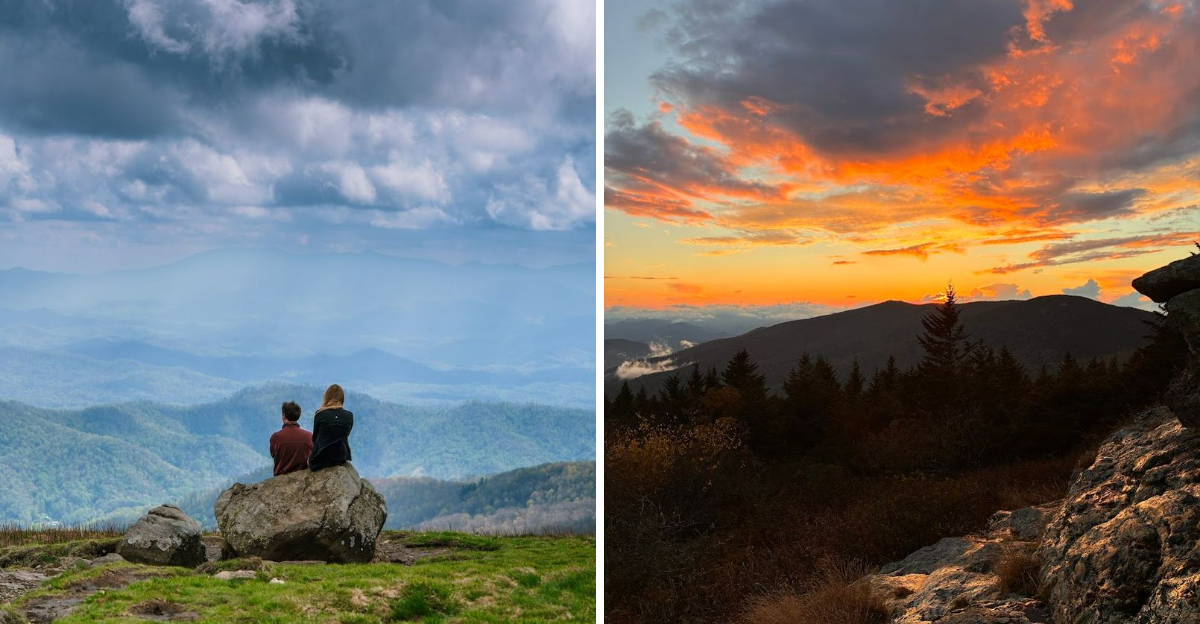
There is a mountain in North Carolina that does not look like it belongs here. The trees disappear, the ridgeline opens up, and suddenly you are standing on a wide, grassy bald with wind in your face and nothing blocking the view for miles.
People who see it for the first time always say the same thing. This does not look like America.
North Carolina is full of surprises, but this corner of the state catches you completely off guard. If you love the outdoors and have never heard of this place, keep reading.
The Open Grassy Balds That Define The Landscape
Most mountain hikes end under a canopy of trees. This one ends in open sky.
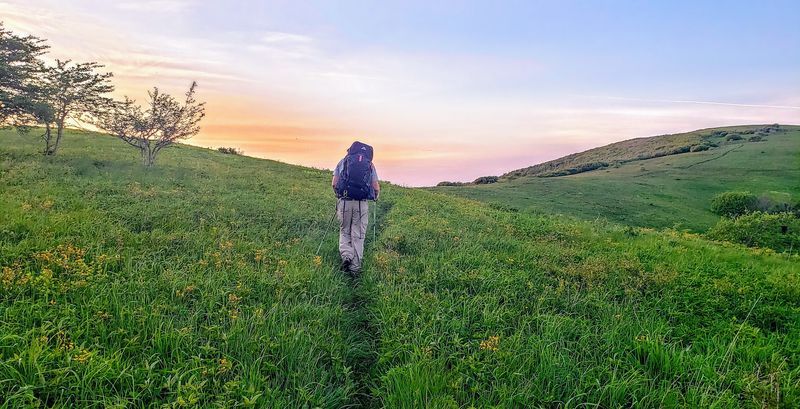
Grassy Ridge Bald is one of the largest natural grass balds in the eastern United States. No trees, no canopy.
Just open meadow stretching across the ridgeline at over 6,000 feet. The wind moves through the grass in long, slow waves that genuinely recall the Scottish moors.
Scientists still debate why these balds exist. Some believe Indigenous peoples maintained them, others point to grazing history, and some think climate plays a role.
Whatever the reason, the result is hard to argue with. On a clear day, the views reach into multiple states.
Come in late spring and wildflowers add splashes of purple and pink across the green.
Bring layers. The wind at this elevation is no joke, even in July.
This is the kind of place that makes you stop mid-step and just stand there for a while.
Rhododendron Gardens That Turn The Mountain Purple Each June
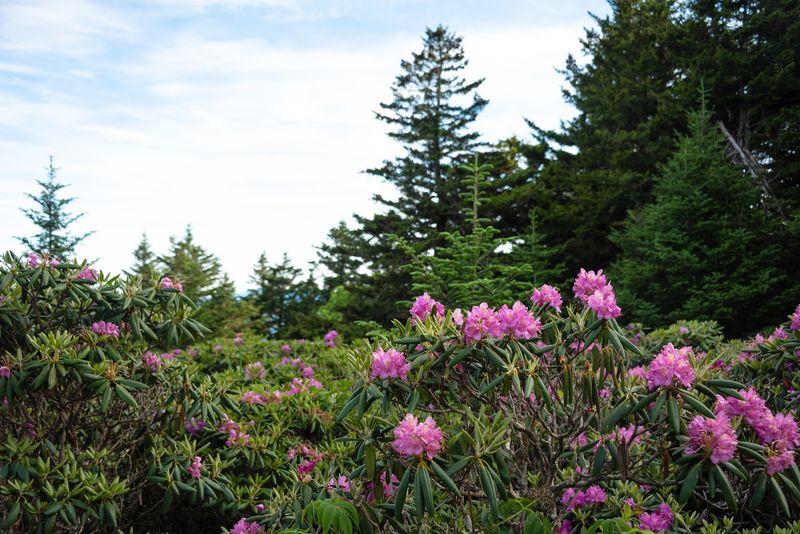
Every June, the slopes of Roan Mountain turn a shade of purple that stops people in their tracks. It does not look real at first.
Thousands of Catawba rhododendrons bloom across the ridge in deep magenta, covering the hillside for weeks. The Roan Mountain Rhododendron Gardens sit near the summit, and peak bloom usually hits in mid-June.
Visitors come from across the country for it. Locals call it one of the most beautiful spots in the entire country during those two or three weeks.
Walking through the tunnels of blooming shrubs feels like moving through a living painting. The scent is light, the air is cool, and the color against the blue ridges behind it is something you will not forget quickly.
Plan your visit on a weekday if you can. Weekends during bloom season get crowded fast.
Sunscreen is not optional at 6,000 feet. This is the kind of spectacle people drive hours for, and every single one of them leaves saying it was worth it.
The Ridgeline Trail With Unobstructed Views
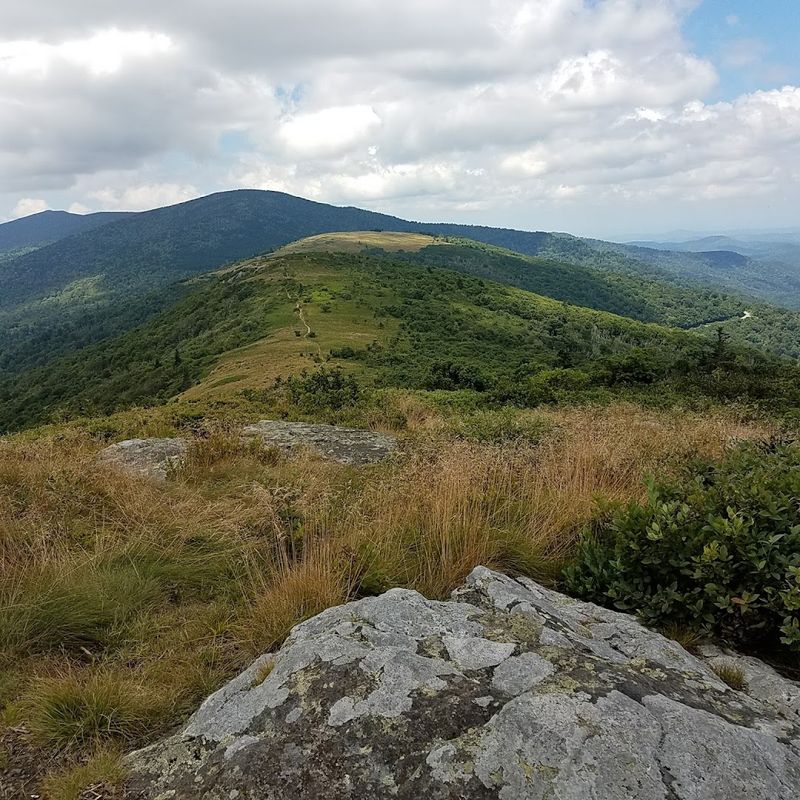
Few stretches of the Appalachian Trail match what you get here. This section offers an exposed ridgeline walk with panoramic views that most long-distance hikers specifically seek out.
Starting from Carvers Gap, you can head north toward the balds or south toward Roan High Knob. The hike to the first knob is moderate and manageable for most fitness levels.
The route toward the grassy balds is more demanding, with rocky sections that require real effort. But the 360-degree view at the top rewards every step.
The trail runs right along the state line. That means you are technically walking through two states at once.
Some day use areas nearby charge a small vehicle fee, so check access details before you go. Bring plenty of water and solid footwear.
Wind and sun at this elevation will catch you off guard if you are not ready for them.
The Highest Point With A Distinct Northern Feel
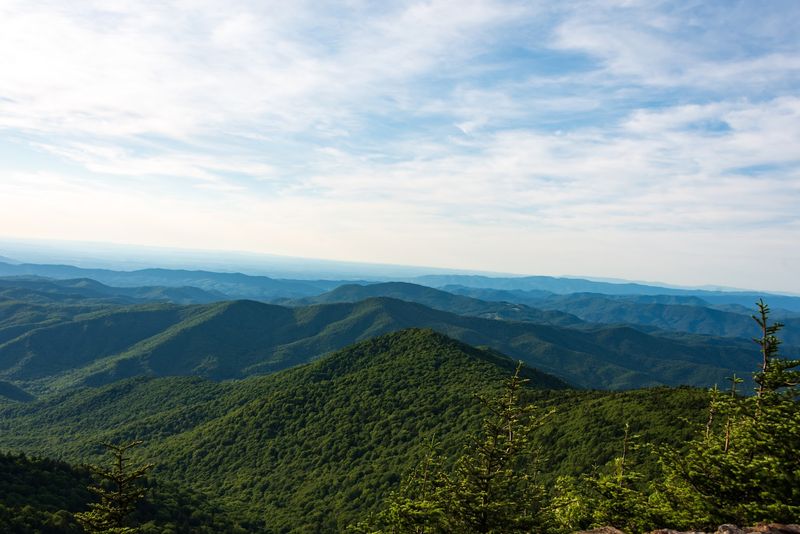
Standing at 6,285 feet, Roan High Knob is the highest point on the entire Roan massif and one of the highest peaks in the eastern United States. The air up here smells like fir trees, crisp and clean in a way that immediately slows your breathing down.
The forest near the summit is a spruce-fir ecosystem, the kind typically found much farther north in Canada. It gives the whole area a distinctly northern feel, almost Scandinavian in character.
In November 2022, visitors arrived to find at least three inches of snow blanketing the summit, turning the whole landscape into something from a storybook.
The hike to the second knob from the first is more challenging, with very rocky terrain that demands attention. If you are not up for that section, there are camping spots along the first knob that offer their own solid views.
The sunset is partially blocked by a neighboring ridge, but the surrounding scenery more than compensates.
Roan High Knob is located in North Carolina 28705, and the trail access from Carvers Gap makes it one of the most rewarding day hikes in the entire Appalachian region for those willing to put in the effort.
The Misty Atmosphere That Feels Almost Like Scotland
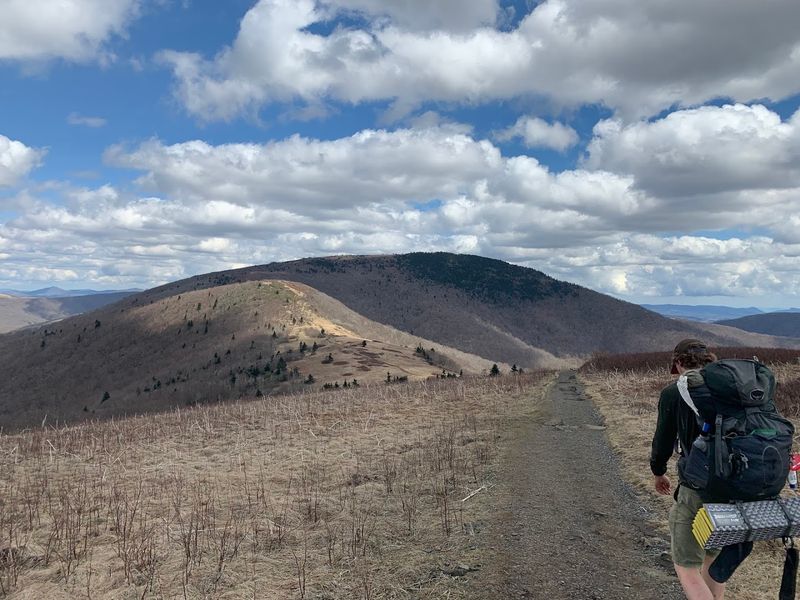
Early morning on Roan Mountain is its own experience entirely. Fog rolls in low across the balds, wrapping the ridgeline in a soft grey mist that muffles sound and blurs the horizon in the most cinematic way possible.
This atmospheric quality is one of the main reasons people draw comparisons to Scotland. The Scottish Highlands are famous for their moody, mist-covered hills, and Roan Mountain delivers that same visual drama without requiring a transatlantic flight.
The elevation keeps temperatures cool even in summer, often dipping into the 50s overnight.
Off-season visits, particularly in autumn and early winter, offer a completely different version of the mountain. One visitor described arriving in the off-season when the rhododendron gardens were dormant and finding the place entirely to themselves.
No crowds, just mist, silence, and the occasional gust of wind across the open ridge. That kind of solitude is increasingly rare in popular outdoor destinations.
If you visit on a weekday after mid-June, the same quiet experience is possible even during warmer months. The mountain has a personality that shifts with the seasons, and every version of it is worth experiencing at least once.
Wildlife That Thrives In This High Elevation Habitat
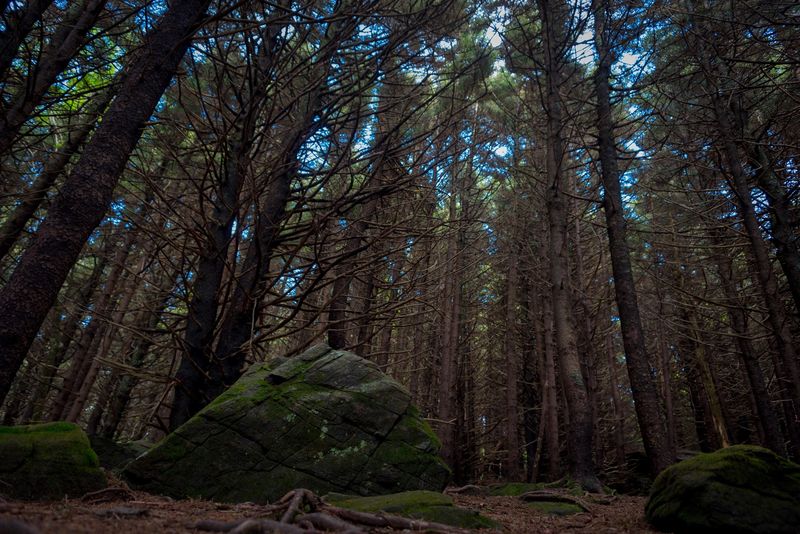
Most people come to Roan Mountain for the views, but the wildlife up here is genuinely fascinating in its own right. The high-elevation spruce-fir forest creates a specialized habitat that supports species you would not find at lower elevations anywhere nearby.
The Carolina northern flying squirrel lives specifically in these high-elevation forests, typically between 4,000 and 5,500 feet. It is a federally protected species, and Roan Mountain is one of the few places in the southeastern United States where its habitat still exists intact.
Spotting one requires patience and usually a nighttime visit since they are nocturnal.
Beyond the flying squirrel, the area hosts a wide range of birds, salamanders, and plant species that are unique to this elevation band. The biodiversity here is remarkable given how far south these mountains sit.
Botanists and naturalists have long considered the Roan Highlands to be one of the most ecologically significant areas in the entire Appalachian chain.
Even if you never spot anything rare, the simple act of walking through a forest that feels this ancient and undisturbed is its own reward. Pay attention to the small things and the mountain will surprise you.
The Main Trail Access That Opens Up The Landscape
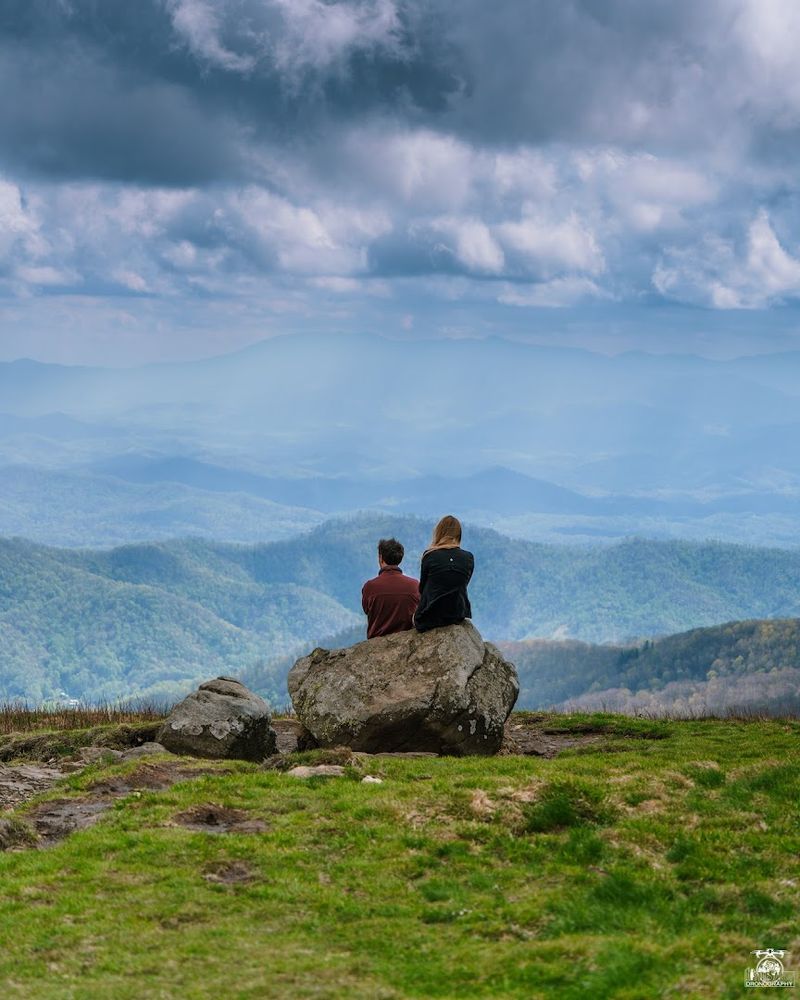
Before you set foot on any trail, you pass through Carvers Gap, and the view from the parking area alone is enough to make you reach for your camera before you even get out of the car.
Carvers Gap sits right on the Tennessee-North Carolina state line and serves as the main trailhead for most of the popular hikes on the Roan Highlands.
Some nearby Roan Mountain day use areas charge a small vehicle fee, so it is worth checking the latest access details before you go. Parking fills up fast on weekends, so arriving early is genuinely important.
From the gap, you can head north toward the grassy balds of Round Bald, Engine Gap, and Grassy Ridge, or south toward Roan High Knob and the rhododendron gardens. Both directions offer world-class scenery within the first mile.
The trailhead is well-marked and easy to navigate even for first-time visitors. Cell service is limited up here, so download your maps before you arrive.
Wear proper footwear from the moment you park because the terrain starts immediately and does not ease you in gently.
Four Seasons That Completely Change The Experience
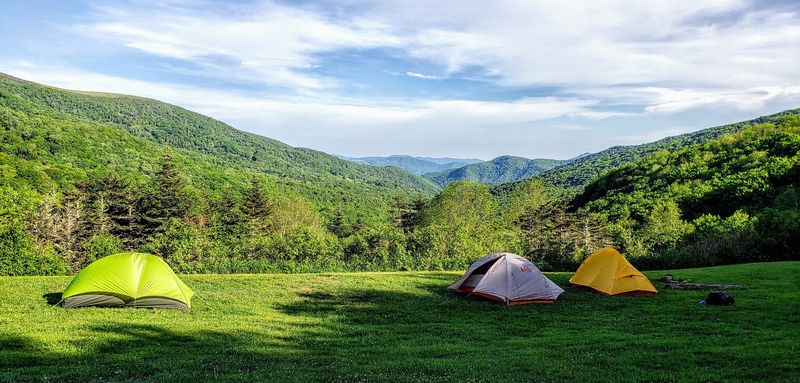
Some places are beautiful in one season and forgettable in the rest. Roan Mountain is not one of those places.
Every single season brings a genuinely different version of the mountain, and each one has its own loyal fan base.
Spring brings the first wildflowers and the build-up to the rhododendron bloom. Summer offers the full green balds and long daylight hours perfect for ridge walking.
Autumn transforms the surrounding forest into a full display of red, orange, and gold that frames the open balds in warm color.
Winter brings the possibility of snow at the summit, and a November visit can deliver three or more inches of fresh snowfall that turns the whole ridge into something magical.
The cooler temperatures at this elevation make summer visits far more comfortable than lower-elevation hikes in the region. Even in August, the ridge stays breezy and refreshing.
The mountain sits in a climate zone that behaves more like New England than the American South, which is part of what makes it feel so distinctly foreign in the best possible way. No matter when you visit, bring a jacket.
The wind at 6,000 feet is always there, and it always means business.
Why This Mountain Keeps People Coming Back
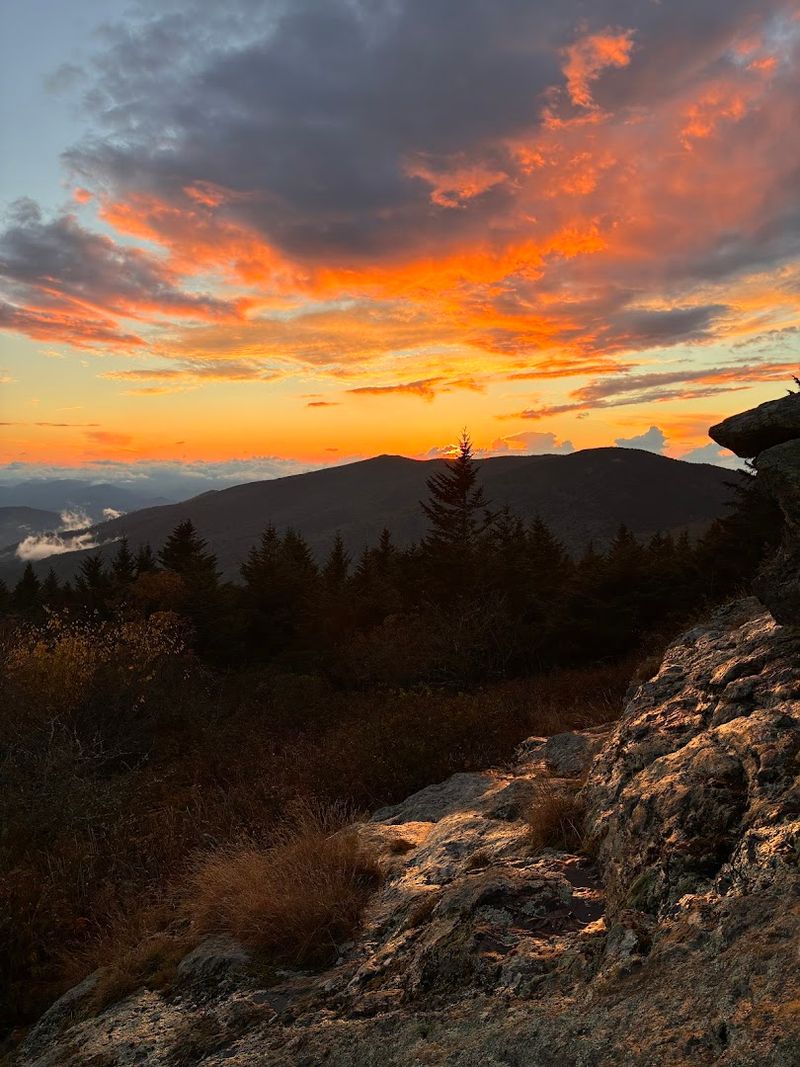
Roan Mountain is widely praised for its views and open ridgelines. It consistently delivers exactly what visitors come for, and often a little more.
The trails work for a wide range of people. Families with young children, older hikers in their 70s, and seasoned backpackers all find something that fits.
The easier routes are genuinely accessible. The upper sections offer a real challenge.
Both can exist on the same mountain without one watering down the other.
What makes Roan Mountain hard to categorize is everything happening at once. It is not just a hike.
Not just a viewpoint. Not just a flower garden or a camping destination.
It is all of those things layered across a single ridgeline.
The Scottish comparison is not marketing. It is a real visual experience that catches most first-time visitors off guard.
The mountain sits on the Tennessee border, within reach for many across the region, and yet it still feels like a genuine discovery. Go once and you will already be planning the next trip before you reach the bottom.